How we make this list: we compare pricing pages, product documentation and public user reviews. Rankite is independent; if a vendor ever pays for a featured spot, that listing is clearly labeled Partner.
Key takeaways
- StackAdapt says it is trusted by more than 40,000 brands and agencies worldwide, a sign of how mainstream programmatic buying has become.
- Amazon DSP was folded into Amazon Ads Agent in 2026, and Microsoft is sunsetting Xandr Invest, so check the current product name before you commit.
- The Trade Desk is the leading independent DSP, while Google DV360 makes the most sense for brands already deep in the Google stack.
- Pricing is quote-based almost everywhere; expect media minimums rather than per-user pricing, and ask about tech fees on top of media spend.
- Most DSPs are built for agencies or teams spending real media dollars; smaller advertisers may do better with self-serve retail media or social ads.
Quick comparison
| Tool | Best for | Starting price | Free plan |
|---|
 The Trade Desk The Trade Desk | Independent omnichannel programmatic | See website | No |
 Google Display & Video 360 Google Display & Video 360 | Brands invested in Google Marketing Platform | See website | No |
 Amazon Ads Agent Amazon Ads Agent | Exclusive Amazon inventory like Prime Video | See website | No |
 Yahoo DSP Yahoo DSP | Premium supply with AI-driven buying | See website | No |
 StackAdapt StackAdapt | AI-powered multi-channel campaigns | See website | No |
 Basis Basis | Agencies needing planning plus buying | See website | No |
 Adform Adform | Independent full-stack media buying | See website | No |
 Criteo Criteo | Commerce data and retail media campaigns | See website | No |
Is your product missing or out of date?
We review this list regularly. Vendors can request a listing, send updated pricing or ask about featured placement.
StackAdapt says it is trusted by more than 40,000 brands and agencies worldwide. That number says a lot about where advertising has gone: buying display, video, audio, and connected TV ads programmatically is now standard practice, not a specialist skill.
A demand side platform lets advertisers buy digital ad placements in real time across websites, apps, and streaming services, reaching specific audiences without negotiating directly with publishers. The big decision is usually between independent platforms like The Trade Desk and walled-garden DSPs from Google and Amazon. This space is also shifting fast: in 2026, Amazon folded Amazon DSP into Amazon Ads Agent, and Microsoft is sunsetting Xandr Invest in favor of an AI-driven buying platform.
Here are eight DSPs worth comparing.
Starting priceSee website
Free planNo
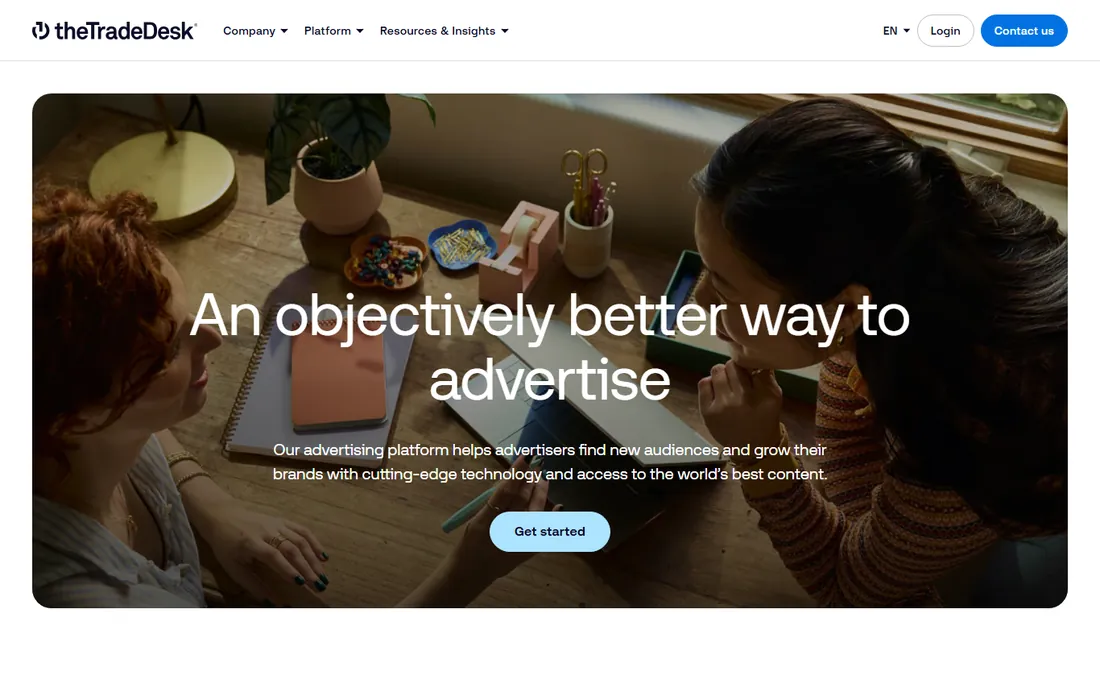
The Trade Desk is the leading independent demand side platform, helping advertisers buy across audio, connected TV, digital out-of-home, mobile, display, native, and video from one platform. Its core pitch is objectivity: unlike Google or Amazon, it does not own media inventory, so it has no reason to favor its own properties in auction decisions.
The platform offers access to premium content deals, a marketplace of measurement partners for online and in-store results, and tools for both brand building and performance marketing. Pricing is quote-based with minimum spend commitments. It suits advertisers and agencies that want the open internet without a walled garden's conflicts of interest.
What we like- Largest independent DSP with broad premium inventory
- Agnostic buying across the open internet
- Strong measurement partner marketplace
Watch out for- No public pricing and significant media minimums
- Built for teams spending real money, not dabblers
Starting priceSee website
Free planNo
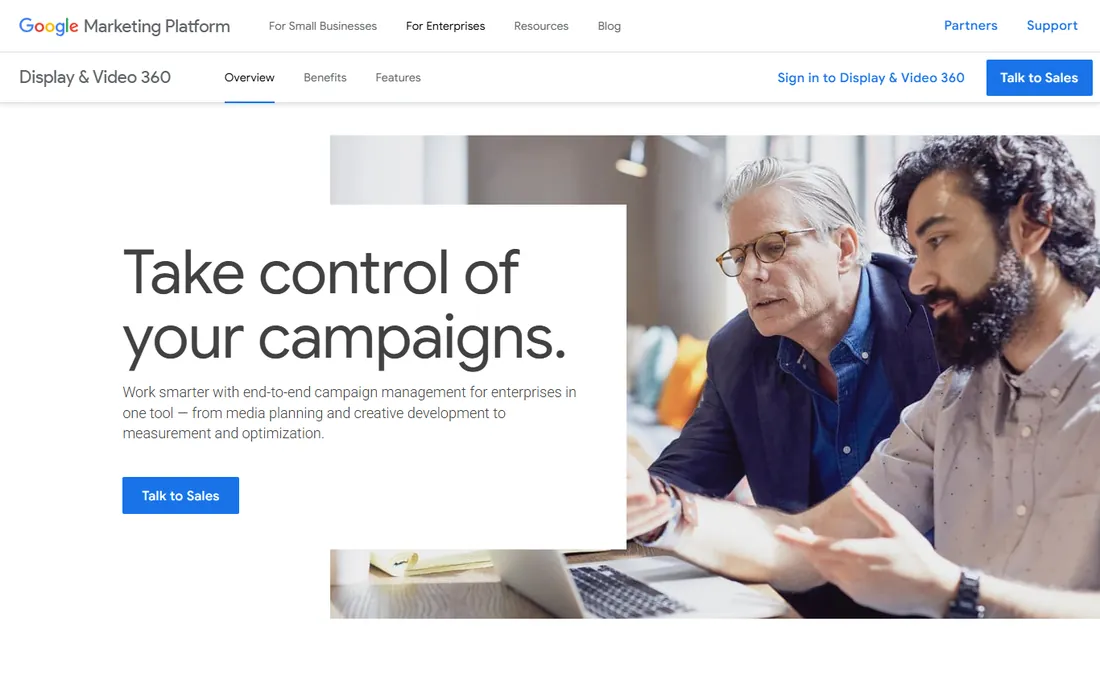
Display & Video 360 is Google's enterprise demand side platform, offering end-to-end campaign management from media planning and creative workspaces to measurement and optimization. Its defining advantage is the Google stack: YouTube inventory, including Google Preferred and TrueView placements, plus native integration with Analytics 360 audiences.
Dozens of third-party exchanges can also be bought through DV360, and bidding impressions can be excluded at the exchange level. For brands already paying for Google Marketing Platform products, it is the natural center of programmatic buying. Pricing is licensed and quote-based, typically sold through agencies and larger advertisers.
What we like- Native integration with Analytics 360 and YouTube inventory
- Exclusive access to Google Preferred and YouTube Reserve placements
- End-to-end campaign management in one tool
Watch out for- Requires Google Marketing Platform licensing with meaningful minimums
- Less neutral than independent DSPs
Starting priceSee website
Free planNo
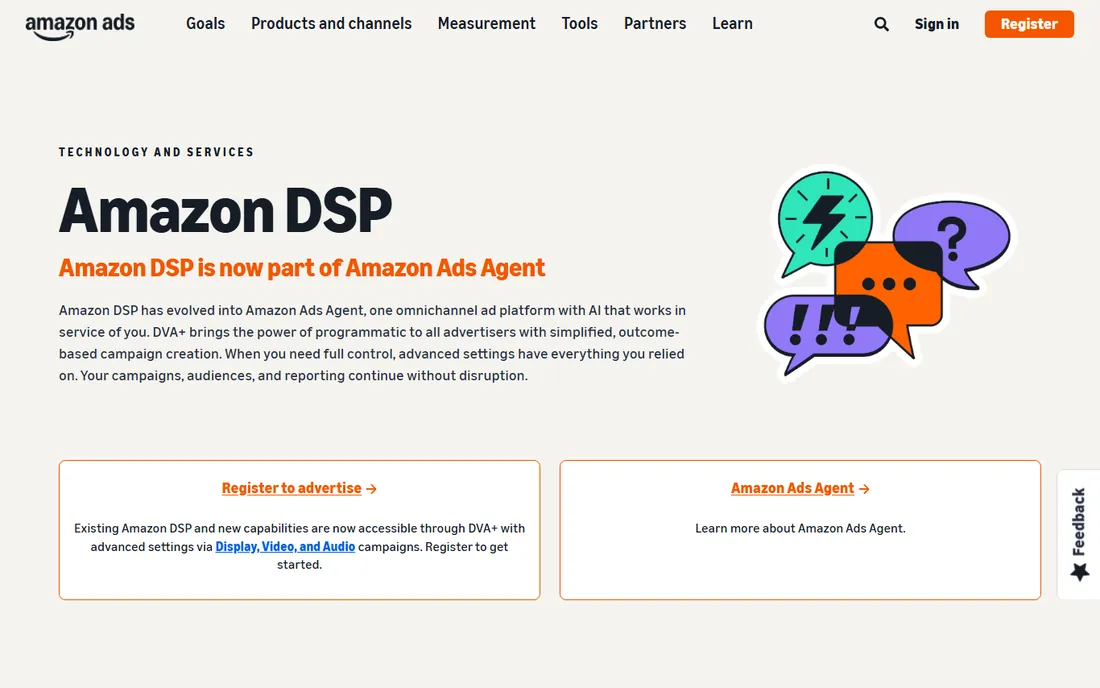
Amazon DSP was Amazon Ads' programmatic buying platform, and in 2026 it was folded into Amazon Ads Agent, a single platform combining sponsored ads with display, video, and audio buying. Existing DSP campaigns, audiences, creatives, and reporting carry over automatically, and the programmatic capabilities continue within advanced settings.
The draw is exclusive supply: Prime Video, Twitch, Thursday Night Football, Amazon.com, and Fire TV, plus thousands of third-party sites and apps. Pricing structures from the DSP era carry forward, with self-service and managed-service options. It is the clear choice for brands that want Amazon's owned inventory programmatically.
What we like- Exclusive access to Prime Video, Twitch, Thursday Night Football, and Fire TV inventory
- Combines programmatic with sponsored ads in one platform
- Works for advertisers who do not sell on Amazon
Watch out for- Amazon DSP branding is being retired, which creates some documentation confusion
- Pricing carried forward from the DSP model without public rates
Starting priceSee website
Free planNo
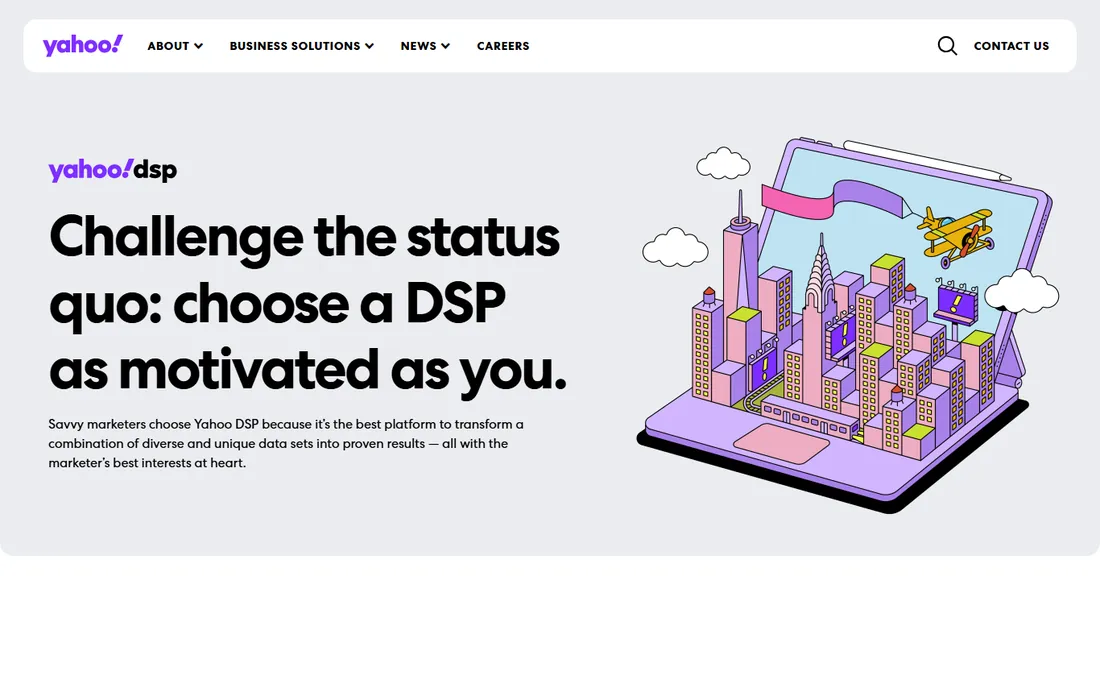
Yahoo DSP offers advertisers a unified platform for programmatic buying across CTV, display, native, video, digital out-of-home, and more. Its pitch combines identity solutions for a cookieless world with exclusive premium supply and an AI buying engine called Yahoo Blueprint. Inventory partnerships span Warner Bros Discovery, Fox, Paramount, Direct TV, Vizio, Disney, Roku, and eBay.
The platform includes campaign planning tools, dynamic creative options, and built-in machine learning optimization, plus Yahoo Academy for certification. Pricing is custom with minimum monthly spend commitments. It fits brands that want premium media with hands-on support.
What we like- Direct access to premium publishers including Disney, Roku, NBC, and Spotify
- Supply certified made-for-advertising-free by Jounce Media
- AI engine guides buying throughout the platform
Watch out for- Quote-based pricing with minimum spend commitments
- Smaller scale than Google or Amazon on some fronts
Starting priceSee website
Free planNo
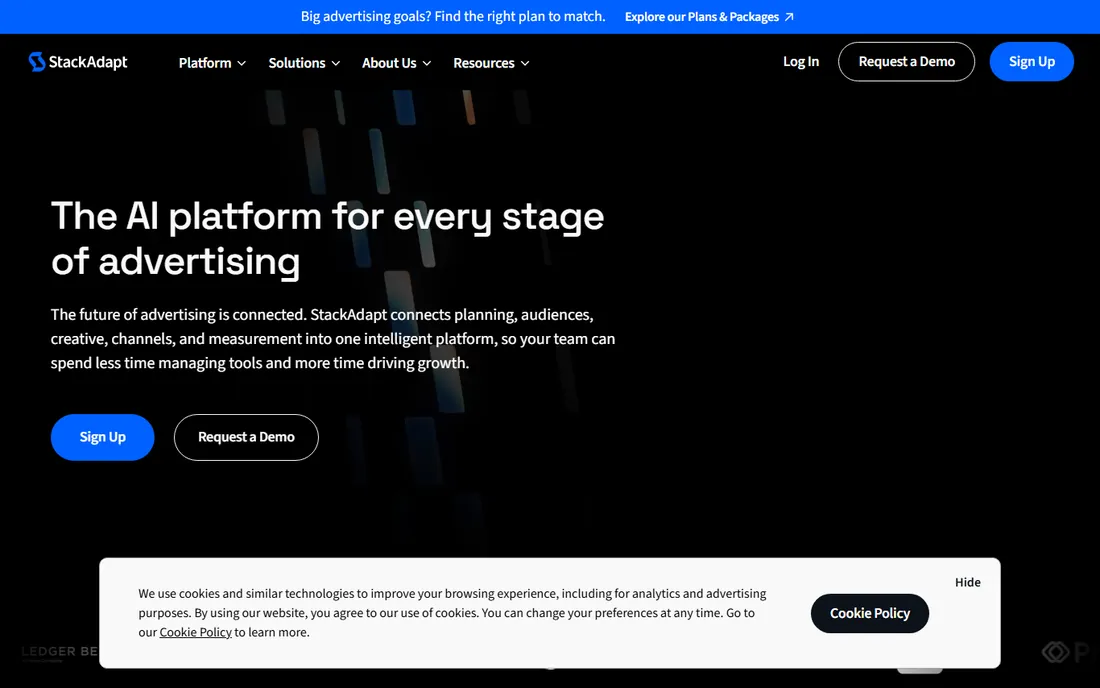
StackAdapt positions itself as the AI platform for every stage of advertising, connecting planning, audiences, creative, channels, and measurement in one place. Campaigns can run across connected TV, video, display, native, audio, digital out-of-home, programmatic email, and even direct mail. Its Ivy Studio AI hub brings planning, forecasting, optimization, and execution into a conversational workspace.
The company claims its AI makes 465 billion optimization decisions per second, and a client survey found 63 percent of organizations consolidated their tech stack after adopting it. There is no recurring platform fee; you pay per campaign with minimum deposits. It is a strong mid-market choice for teams that want AI assistance across many channels.
What we like- AI-first platform connecting planning, audiences, creative, and measurement
- Channels include CTV, video, display, native, audio, DOOH, email, and direct mail
- Trusted by 40,000+ brands and agencies
Watch out for- No public pricing
- Pay-per-campaign model with minimum deposits rather than flat subscriptions
Starting priceSee website
Free planNo
Basis, from Basis Technologies, is an advertising automation platform that goes beyond the DSP: it integrates media planning, buying across search, social, programmatic, CTV, and site direct, billing reconciliation, and reporting in one system. A Forrester Total Economic Impact analysis cited 35 percent productivity gains and a 48 percent return on investment.
For agencies juggling campaigns across channels and clients, the workflow automation, centralized messaging, and consolidated data matter as much as the media buying itself. Pricing combines a platform license with fees on media spend. It suits agencies that want one system to run the business of advertising.
What we like- Unifies media planning, buying, billing, and reporting
- Workflow automation reduces manual steps
- Enterprise AI assistant for omnichannel advertising
Watch out for- Platform SaaS license plus media fees makes it costlier than pure DSPs
- Agency-oriented, so less suited to in-house teams buying media alone
Starting priceSee website
Free planNo
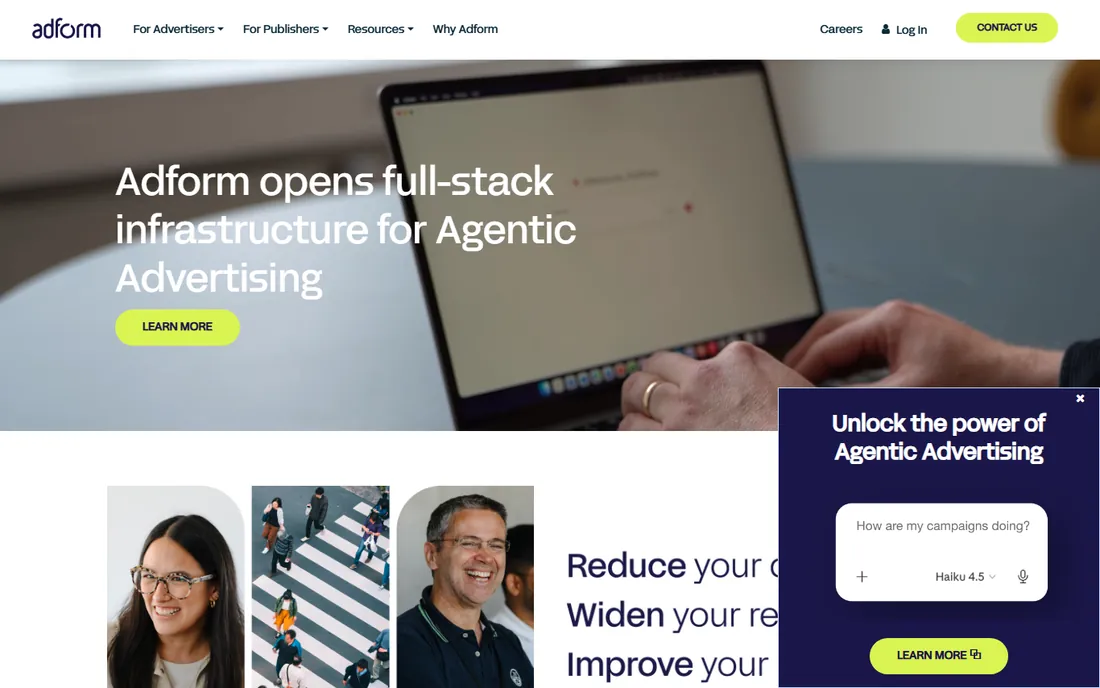
Adform is an independent advertising technology platform offering DSP and related programmatic capabilities with a focus on transparency. Its Adform FLOW platform covers the full media buying workflow, and its ID Fusion solution links emerging identity signals for a world without third-party cookies.
The company emphasizes that client data stays the client's: a positioning that resonates in an era of privacy regulation and platform consolidation. Real people support clients from offices around the world. Pricing is quote-based with minimum commitments. European brands and privacy-conscious advertisers find it a natural alternative to the American giants.
What we like- Independent European adtech with full-stack infrastructure
- ID Fusion designed for cookieless identity
- Strong data ownership and privacy positioning
Watch out for- No public pricing and enterprise-style sales process
- Less familiar to US teams than the big American platforms
Starting priceSee website
Free planNo
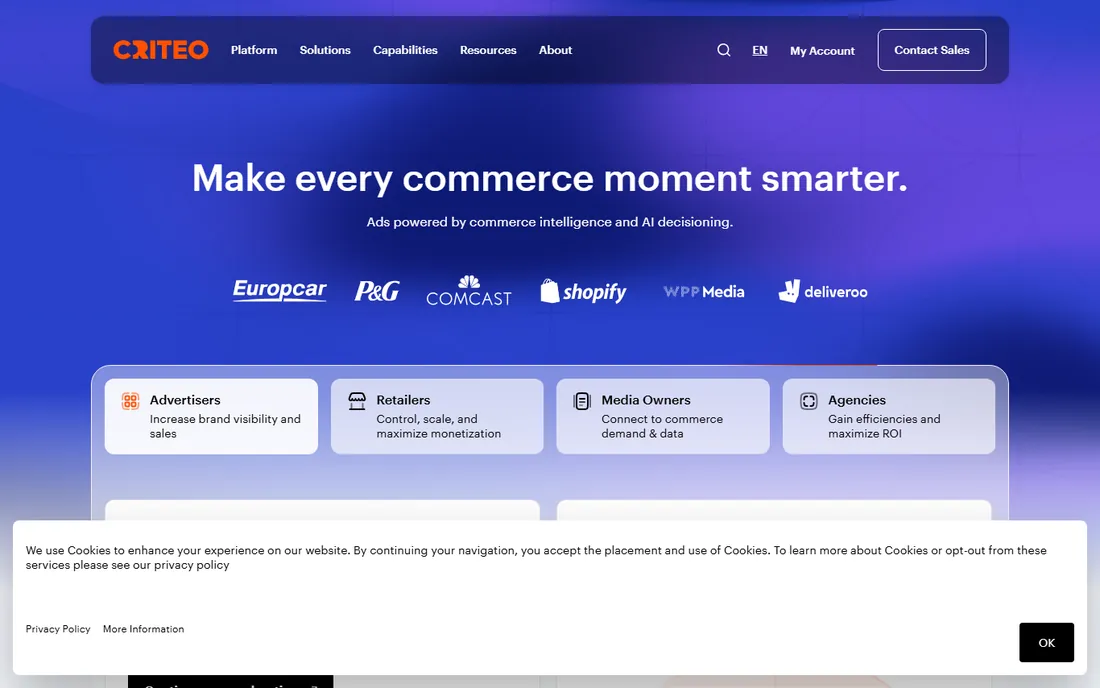
Criteo has evolved from retargeting specialist into a commerce media platform covering performance media, retail media, audiences, and video advertising. Its Commerce AI draws on data from 740 million daily active users and 5 billion product SKUs, with the company claiming insight into over $1 trillion in yearly sales.
The retail media platform gives brands access to 200-plus retailers and premium media owners with standardized closed-loop measurement, while dynamic retargeting brings shoppers back across the open internet. Case studies on the site report wins like a 100 percent ROAS increase for an advertiser. It is the strongest DSP-adjacent choice for ecommerce and retail brands.
What we like- Commerce AI trained on 18 years of shopper data
- Access to 200+ retailers and premium media owners
- 17,000+ global clients with published case results
Watch out for- Commerce-focused, so less suited to pure brand awareness campaigns
- Quote-based pricing without public rates
How we chose
We compared demand side platforms using official vendor pages, product documentation, and industry reporting, focusing on inventory breadth, channel coverage, identity and measurement capabilities, audience fit, and pricing transparency. We checked third-party evaluations from Forrester and Gartner where cited, plus public reviews on G2 and Capterra. We did not claim hands-on testing; assessments reflect documented features and reported advertiser experience.
What to know before choosing a DSP
Decide first whether you need an independent DSP or a walled-garden one. Independent platforms like The Trade Desk, StackAdapt, Basis, and Adform buy across the open internet without favoring owned inventory. Google DV360 and Amazon Ads Agent give you exclusive access to YouTube and Amazon properties that independents cannot match. Many serious advertisers use both.
Understand the real cost structure
DSP pricing is rarely a simple subscription. Expect some combination of a platform or tech fee (often 10 to 15 percent of media spend), minimum monthly spend commitments, and possibly a managed-service markup. Ask whether the tech fee is on gross or net media, whether minimums apply per channel or overall, and what happens if you underspend. StackAdapt's per-campaign model with a $500 minimum deposit is the closest to accessible self-serve.
Match the platform to your spend level
Most of these platforms are built for teams spending tens of thousands of dollars a month or more. If your monthly ad budget is in the low thousands, you will get more from retail media self-serve tools, social ads, or Google Ads directly. DSPs shine when you are coordinating significant spend across many channels and need unified frequency capping, measurement, and creative.
Ask about identity and measurement in a cookieless world
Third-party cookies are on the way out, which makes identity strategy central. Ask each DSP how it handles cookieless inventory, what first-party data onboarding looks like, and how measurement works without cookies. Yahoo's identity approach, Adform's ID Fusion, and Criteo's commerce graph are all answers to the same question.
Why the DSP market is consolidating
The DSP world is shrinking at the top. Microsoft shut down Xandr Invest in early 2026 to consolidate around an AI-driven buying platform. Amazon folded Amazon DSP into Amazon Ads Agent. MediaMath went bankrupt in 2023. The survivors are either huge walled gardens, the big independent platforms, or specialists with a data edge like Criteo. Consolidation means fewer choices but also fewer orphaned platforms, so buy from a vendor whose business model clearly supports its adtech long term.
Frequently asked questions
What is a demand side platform in simple terms?
A demand side platform is software that lets advertisers buy digital ad placements automatically, in real time, across websites, apps, and streaming services. Instead of negotiating with each publisher, you set targeting, budgets, and bids in one tool, and it buys individual ad impressions one by one through auctions.
How much does a DSP cost?
Most DSPs do not publish prices. Typical cost structures include a tech fee of 10 to 15 percent of media spend plus minimum monthly spend commitments, which can range from a few hundred dollars on self-serve platforms to tens of thousands on enterprise ones. Always ask for the full fee structure, including managed-service markups, before signing.
Is Google DV360 better than The Trade Desk?
It depends on your needs. DV360 gives you exclusive access to YouTube inventory and deep integration with Google's analytics stack, while The Trade Desk buys independently across the open internet without favoring owned media. Many large advertisers use both: DV360 for YouTube and Google-centric campaigns, The Trade Desk for everything else.
Can small businesses use a DSP?
Technically yes, but most DSPs are built for larger budgets. StackAdapt's per-campaign model with a $500 minimum deposit is among the most accessible. If your monthly budget is under a few thousand dollars, retail media self-serve platforms, Google Ads, or Meta ads usually deliver better results with less complexity.
What happened to Amazon DSP?
Amazon folded Amazon DSP into Amazon Ads Agent in 2026. Existing campaigns, audiences, creatives, and reporting transferred automatically, and the programmatic buying capabilities continue within the new platform's advanced settings. Pricing structures carried over, so the change is mostly about branding and a unified workflow.
What is the difference between a DSP and an SSP?
A DSP serves the demand side: advertisers buying ad space. An SSP (supply-side platform) serves the supply side: publishers selling their ad inventory. They meet in ad exchanges, where impressions are auctioned in real time. Some companies, like Yahoo and Google, operate both.
Sources we checked (10)
- https://www.thetradedesk.com/
- https://marketingplatform.google.com/about/display-video-360/
- https://advertising.amazon.com/solutions/products/amazon-dsp
- https://www.advertising.yahooinc.com/our-dsp
- https://www.stackadapt.com/
- https://basis.com/
- https://adform.com/
- https://criteo.com/
- https://about.ads.microsoft.com/en/blog/post/october-2023/unleash-the-power-of-programmatic-advertising-with-microsoft-invest
- https://digiday.com/media-buying/ad-tech-briefing-microsofts-dsp-closure-signals-ad-tech-consolidation-as-well-as-the-ai-arms-race/
Is your product missing or out of date?
We review this list regularly. Vendors can request a listing, send updated pricing or ask about featured placement.

Shihab Mia · Founder, Rankite
Shihab has spent more than a decade helping SaaS and e-commerce brands grow through search. He writes Rankite's software buying guides from pricing pages, documentation and public user reviews. More about Shihab.