How we make this list: we compare pricing pages, product documentation and public user reviews. Rankite is independent; if a vendor ever pays for a featured spot, that listing is clearly labeled Partner.
Key takeaways
- Avid Pro Tools remains the session-exchange standard. If you send work to commercial studios, its project format is the common language.
- Apple Logic Pro at $199.99 one-time is the best value for Mac producers, with an enormous included library of instruments and effects.
- Cockos Reaper at $60 does serious professional mixing for the price of a dinner, though it ships light on included instruments.
- Ableton Live and FL Studio reward beatmakers and electronic producers; Cubase and Studio One reward composers and bands.
- Audacity and Cakewalk Sonar are genuinely free, but Audacity is a wave editor rather than a true multitrack DAW.
Quick comparison
| Tool | Best for | Starting price | Free plan |
|---|
 Avid Pro Tools Avid Pro Tools | Studios that exchange sessions with professionals | $99 per year (Artist tier) | Yes (Pro Tools Intro) |
 Apple Logic Pro Apple Logic Pro | Mac producers who want everything in the box | $199.99 one-time (Mac App Store) | Free trial |
 Ableton Live Ableton Live | Electronic producers and live performers | $99 one-time (Intro; Standard $449, Suite $749) | Free trial |
 FL Studio FL Studio | Beatmakers and pattern-based producers | $99 one-time (Fruity; Producer $199, Signature $299) | Free trial |
 Steinberg Cubase Steinberg Cubase | Composers, bands and MIDI-heavy production | $99.99 one-time (Elements; Artist $329.99, Pro $579.99) | Free trial |
 PreSonus Studio One PreSonus Studio One | Producers who want mixing to feel effortless | $199.99 one-time (perpetual license) | Free trial |
 Cockos Reaper Cockos Reaper | Anyone who wants pro power for almost nothing | $60 one-time (discounted license) | Free trial (60 days) |
 Audacity Audacity | Quick recording, podcast edits and simple cleanup | Free (open source) | Yes |
 Harrison Mixbus Harrison Mixbus | Mixers who think in console channels, not plugins | $49.99 one-time | Free trial |
 Cakewalk Sonar Cakewalk Sonar | Windows users who want a full DAW for free | Free tier (premium features via BandLab Membership) | Yes |
Is your product missing or out of date?
We review this list regularly. Vendors can request a listing, send updated pricing or ask about featured placement.
The best audio mixing software
#1
Avid Pro Tools
Best for: Studios that exchange sessions with professionals
Visit avid.com
Starting price$99 per year (Artist tier)
Free planYes (Pro Tools Intro)
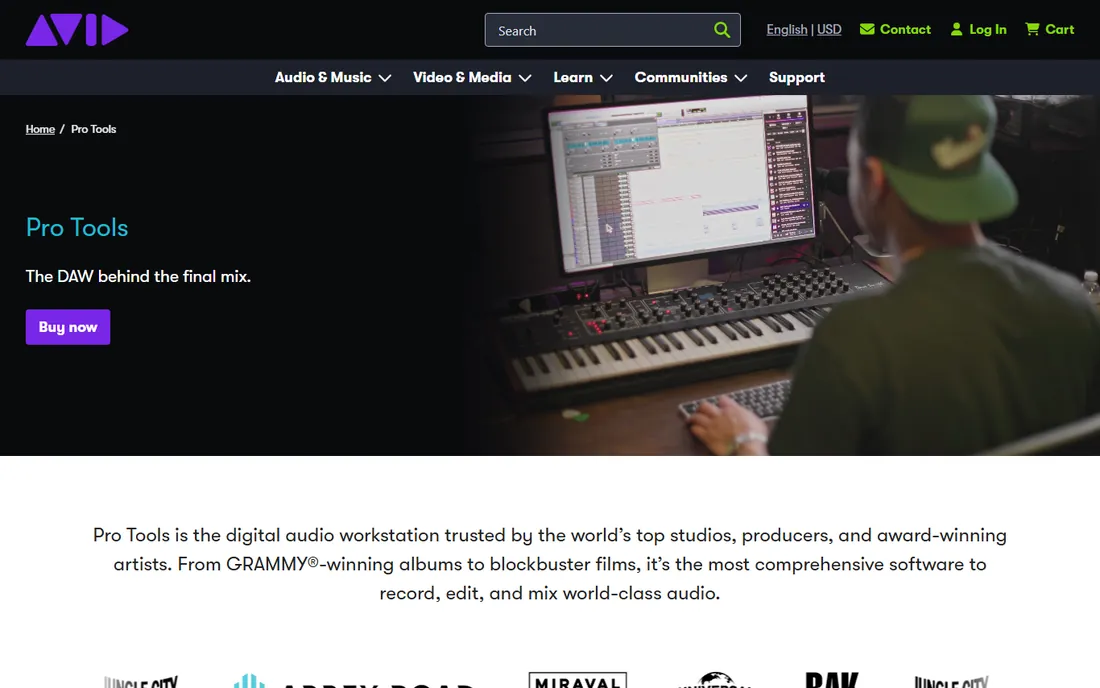
Pro Tools earned its reputation in commercial studios, and that reputation still does practical work. When a mix moves from your room to a mastering engineer or a post house, the Pro Tools session is the format everyone opens without conversion. The editing workflow, playlists, clip-based gain, elastic audio, remains the reference other DAWs imitate.
The honest catch is the business model wrapped around it. Avid pushes subscriptions hard, the plugin format is AAX only so some boutique plugins never arrive, and the $99 Artist tier caps tracks in ways that push serious users toward the $299 Studio tier. If you collaborate with the pro world, it is worth it. If you do not, you are paying for compatibility you never use.
What we like- Universal session format
- Excellent audio editing workflow
- Deep hardware integration
Watch out for- Subscription pressure
- AAX-only plugin format
- Artist tier limits track counts
#2
Apple Logic Pro
Best for: Mac producers who want everything in the box
Visit apple.com
Starting price$199.99 one-time (Mac App Store)
Free planFree trial
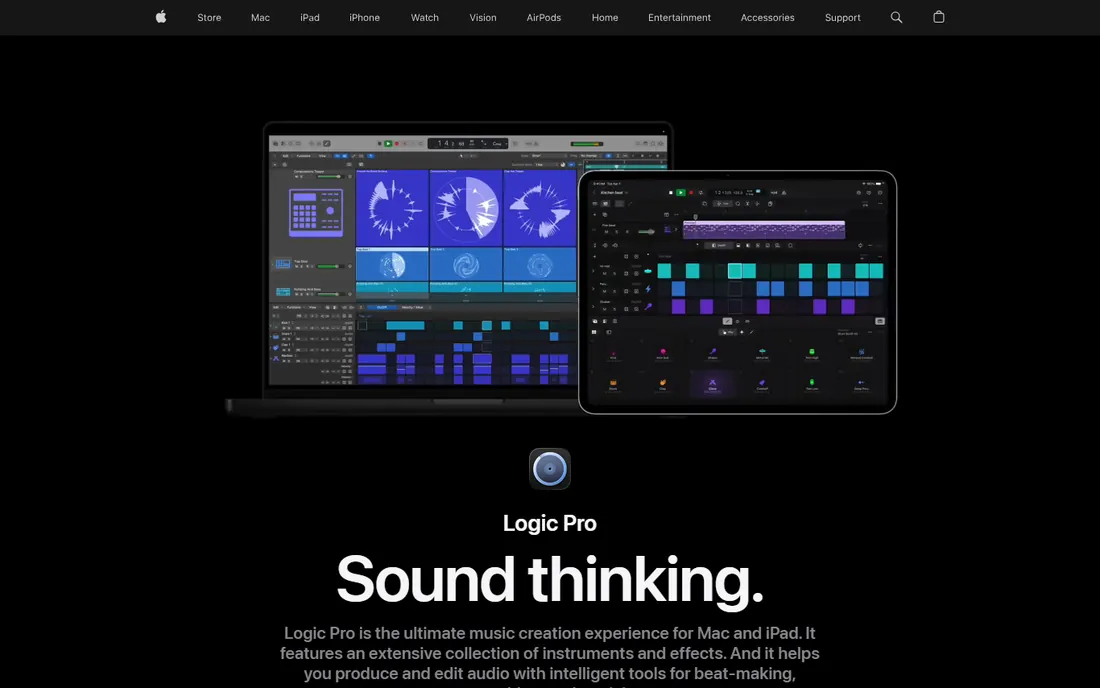
Logic Pro is the quiet bargain of the DAW world. For a single payment of $199.99 you get a complete production environment: dozens of software instruments, a full effect suite, Drummer, Alchemy synth and enough loops to score a film. Apple keeps updating it for free, and the current versions run beautifully on Apple silicon.
The honest catch is the obvious one: there is no Windows version. The interface also throws a lot at beginners, with advanced features hiding behind modest menus. Mac-based producers who want to stop buying plugins should start here and may never need anything else.
What we like- Huge included instrument and effect library
- One-time price
- Free updates
Watch out for- Mac only
- Interface can overwhelm newcomers
Starting price$99 one-time (Intro; Standard $449, Suite $749)
Free planFree trial
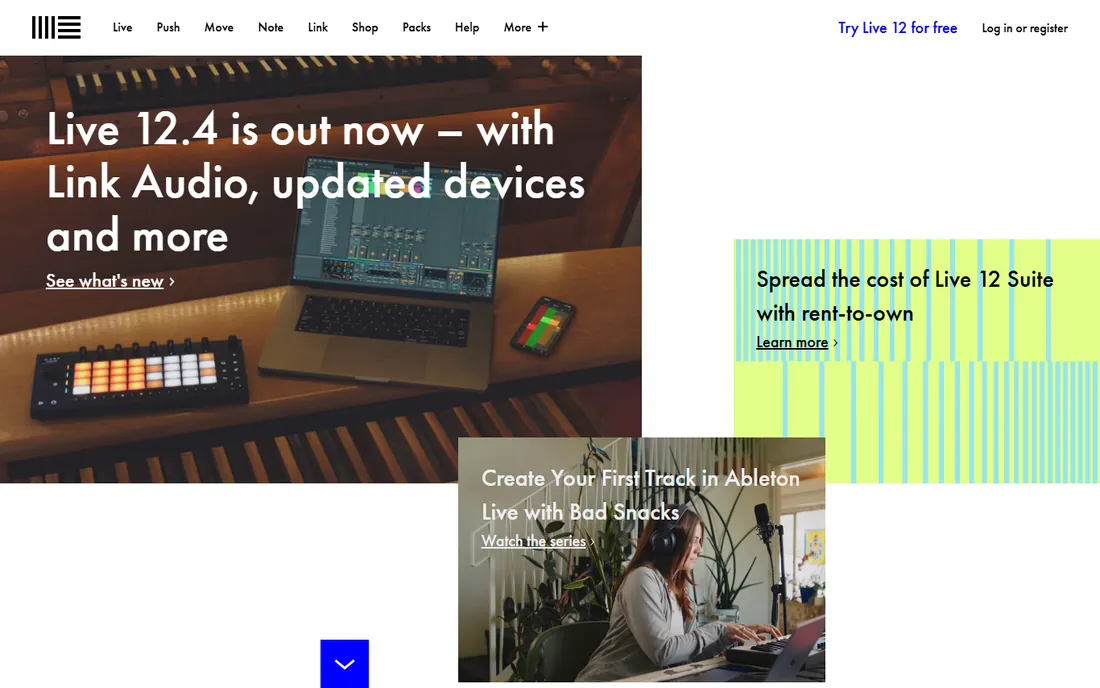
Ableton Live thinks about music differently, and electronic producers love it for that. The Session view treats clips as building blocks for improvisation, warping keeps everything in time almost magically, and the whole program doubles as a performance instrument. Suite adds Max for Live, which turns the DAW into a modular playground.
The honest catch is that conventional mixing feels like a second language here. The arrangement view works fine, but engineers coming from Pro Tools or Cubase find the mixer and editing tools less direct. Buy Live for how it creates; if your main job is mixing bands, the others below fit better.
What we like- Session view for improvisation
- Superb warping and time-stretch
- Max for Live in Suite
Watch out for- Traditional mixing and editing feel secondary
- Suite is a big investment
Starting price$99 one-time (Fruity; Producer $199, Signature $299)
Free planFree trial
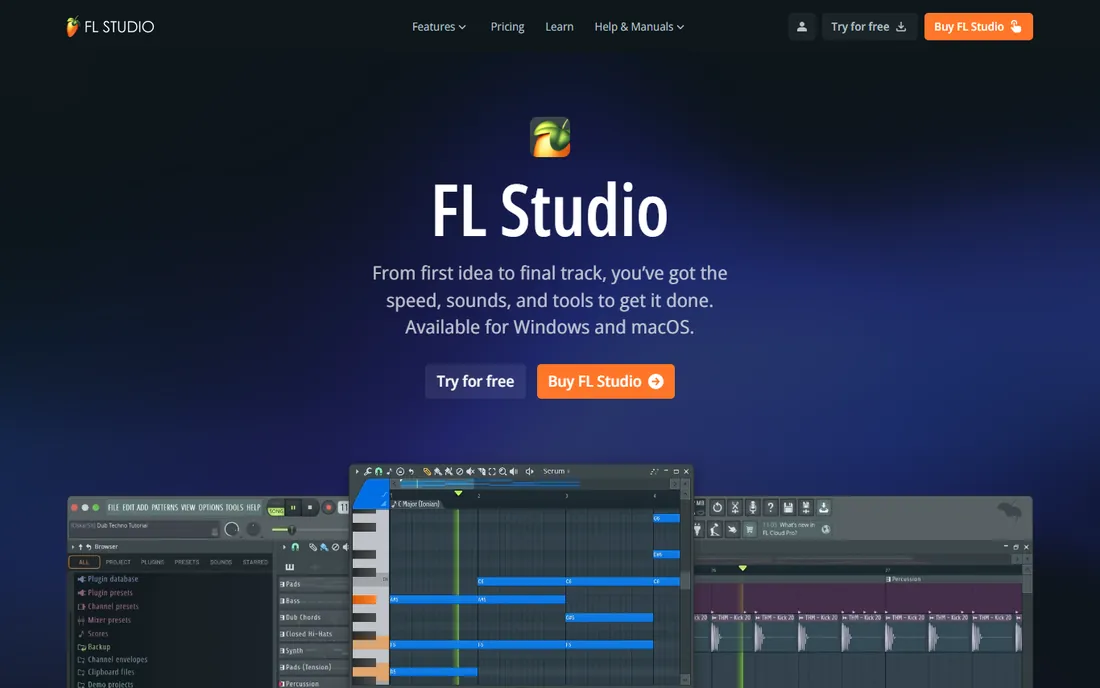
FL Studio built its empire one bedroom producer at a time. The step sequencer and piano roll remain the fastest way to program drums and melodies, the mixer is capable, and the lifetime free updates policy means your $99 to $499 purchase never expires into another bill. The community tutorials alone are worth the price.
The honest catch is recording. Tracking vocals and live instruments feels bolted on compared to Cubase or Studio One, and the macOS version, while solid now, matured later than the Windows original. For beats and electronic production it is elite. For band recording, audition the others.
What we like- Lifetime free updates
- Legendary piano roll and step sequencer
- Huge tutorial community
Watch out for- Audio recording workflow lags rivals
- MacOS version is younger and less mature
Starting price$99.99 one-time (Elements; Artist $329.99, Pro $579.99)
Free planFree trial
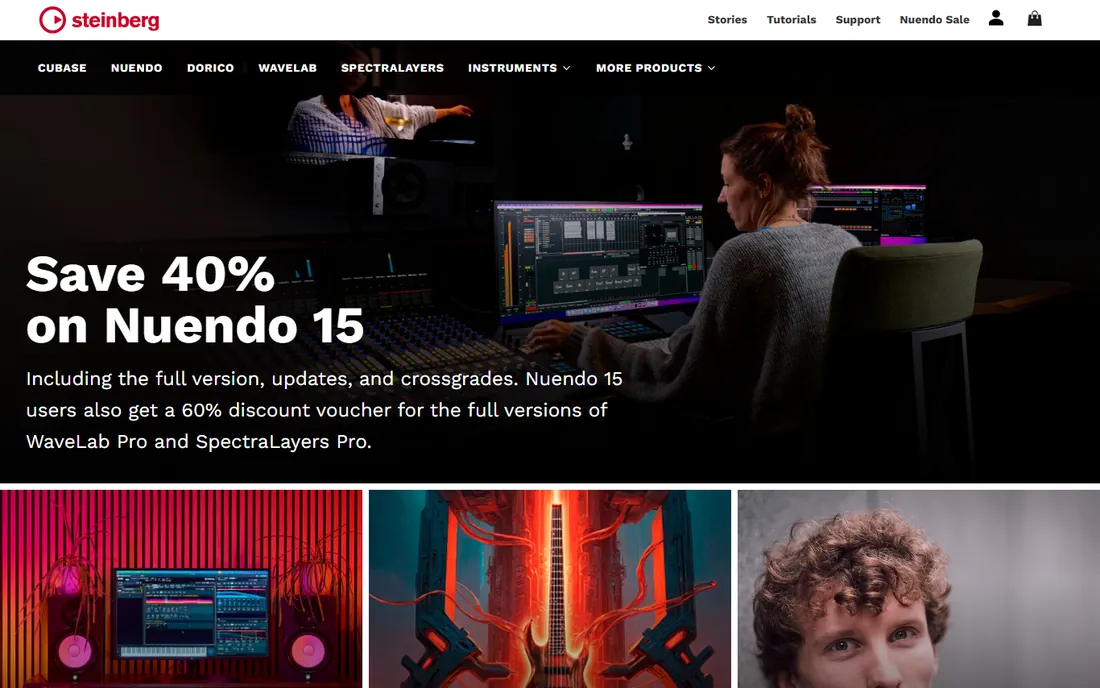
Cubase is the composer's DAW. Its MIDI editing, expression maps for orchestral libraries, chord tools and score editor remain the benchmark, and VariAudio pitch correction rivals dedicated tools. Bands get excellent comping, drum editing and mix automation. It has been refined for decades and it shows.
The honest catch is the price ladder. Elements at $99.99 is a genuine bargain, but the Pro features that make Cubase famous, full surround, advanced scoring, the complete instrument set, sit behind $579.99. The interface also accumulates panels the way old houses accumulate rooms. Serious composers will not mind; dabblers should start lower on the ladder.
What we like- Deepest MIDI editing in the business
- VariAudio pitch correction
- Scoring features
Watch out for- Tiered pricing gets expensive at the top
- Interface carries decades of history
#6
PreSonus Studio One
Best for: Producers who want mixing to feel effortless
Visit presonus.com
Starting price$199.99 one-time (perpetual license)
Free planFree trial
Studio One wins converts by being the least annoying DAW to use. Drag an effect onto a clip, drag audio to a sampler, everything lands where you expect. The single-window design keeps the mixer, editor and browser in one view, and ARA integration with tools like Melodyne is the smoothest in the business. Version 7 simplified the lineup to one Pro edition.
The honest catch is ecosystem size. Fewer producers means fewer templates, fewer YouTube deep-dives and fewer engineers who already know it. The software itself needs no apology; just know you are joining a smaller club than the Ableton or Pro Tools crowds.
What we like- Intuitive drag-and-drop workflow
- Excellent ARA integration
- Single-window design
Watch out for- Smaller third-party community
- Fewer boutique tutorials than rivals
#7
Cockos Reaper
Best for: Anyone who wants pro power for almost nothing
Visit reaper.fm
Starting price$60 one-time (discounted license)
Free planFree trial (60 days)
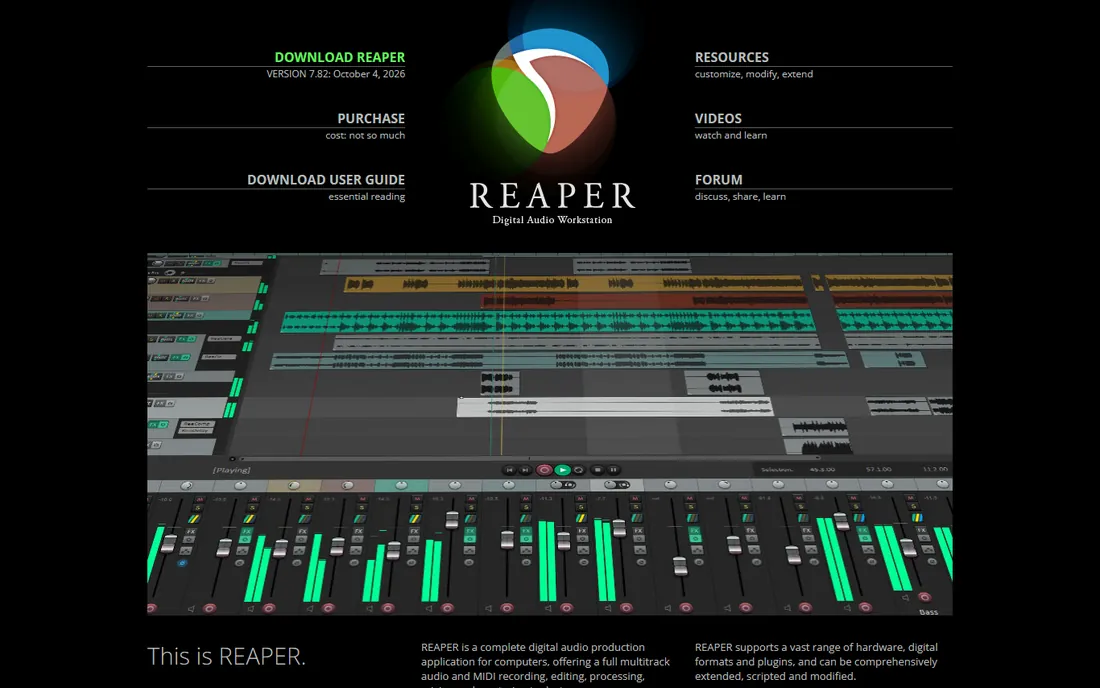
Reaper is the best value in audio software, full stop. Sixty dollars buys a DAW that records, edits and mixes at a professional level, runs from a tiny installer, and can be customized down to the keyboard shortcuts and menus. Podcasters, bands and post engineers all do real paid work in it daily.
The honest catch is what the $60 does not include. The bundled instruments and effects are functional rather than inspiring, the default look is spartan, and making Reaper feel like home takes configuration. Think of it as a precision tool with no gift wrap. If you bring your own plugins, nothing touches it for the money.
What we like- Absurdly cheap
- Tiny, fast installer
- Endlessly customizable
Watch out for- Sparse included instruments
- Default theme looks plain
- Setup takes effort
Starting priceFree (open source)
Free planYes
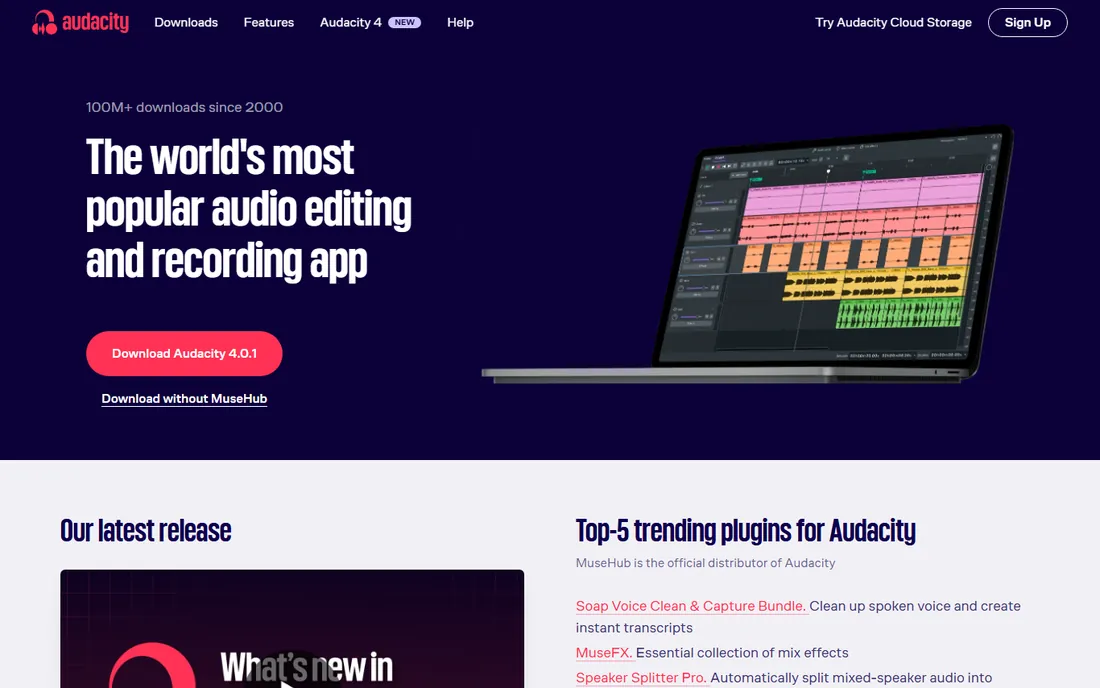
Audacity is the world's most-installed audio editor for good reason. Recording a voiceover, trimming a podcast, cleaning up a noisy clip or converting formats takes minutes to learn. It is free, open source and available everywhere, and three decades of tutorials answer every question.
The honest catch is architectural. Audacity edits destructively and lacks the non-destructive multitrack mixing, automation and plugin delay compensation that define a DAW. It is a superb wave editor wearing a DAW costume. Use it for what it is brilliant at, and graduate to Reaper or Cakewalk when projects get complex.
What we like- Free forever
- Simple to learn
- Huge user base for help
Watch out for- Destructive editing model
- Not a true multitrack DAW
- MIDI support is minimal
Starting price$49.99 one-time
Free planFree trial
Mixbus comes from Harrison Consoles, a company that builds real mixing desks, and it sounds like it. Every channel carries console-style EQ, filtering, compression and tape saturation, so mixes develop analog warmth before you insert a single plugin. Engineers who learned on hardware feel instantly at home.
The honest catch is everything around the mixer. MIDI composition, audio editing and production features trail the big DAWs, and the community is small. Buy Mixbus as a mixing destination: compose elsewhere, mix here, and enjoy the sound.
What we like- Console EQ, compression and saturation on every channel
- Knob-per-function mixer
- Affordable
Watch out for- MIDI and editing tools lag behind
- Smaller user community
Starting priceFree tier (premium features via BandLab Membership)
Free planYes
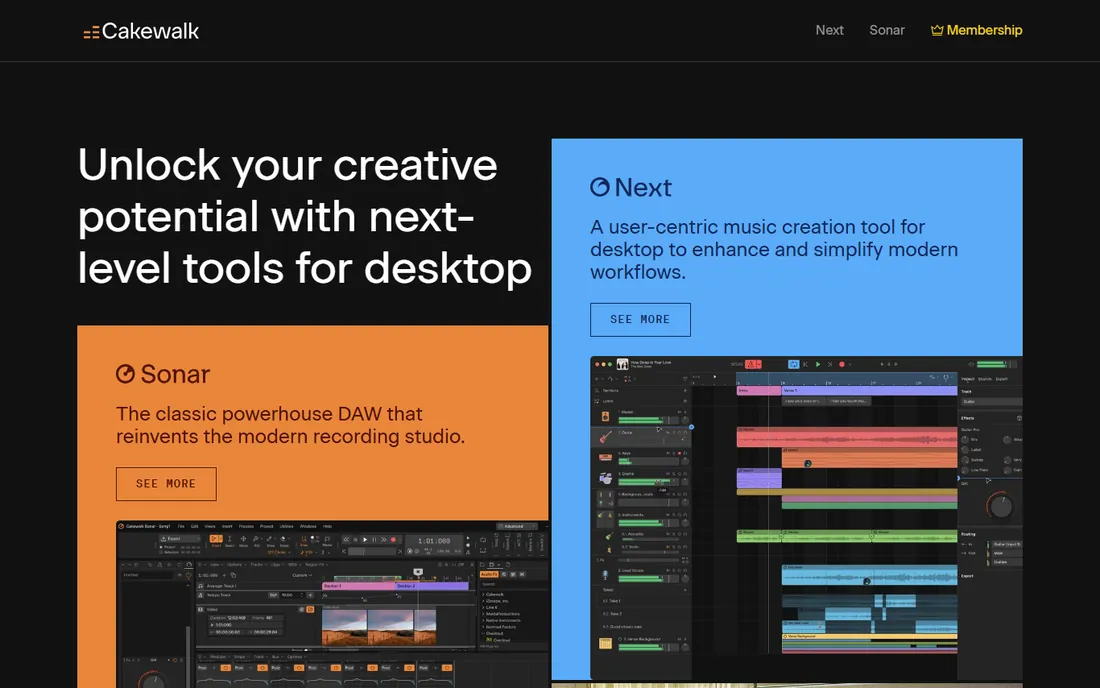
Cakewalk Sonar is the unlikely hero of free DAWs. The current version from BandLab offers unlimited audio and MIDI tracks, the respected Skylight interface, ProChannel modules and ARA support, with a free tier that covers genuine production work. It descends from SONAR Platinum, which once cost real money.
The honest catch is the platform and the upsell. There is no Mac version, Cakewalk Next covers that ground separately, and the shiniest instruments and effects sit behind BandLab Membership. Still, as a free Windows DAW it has no serious rival.
What we like- Generous free tier
- Unlimited tracks
- ProChannel console-style processing
Watch out for- Windows only
- Premium instruments and effects need the paid membership
How we chose
We verified current pricing on vendor sites and reputable retailers, confirmed platform support and checked what free tiers and trials actually include. We weighed long-term user reports from production forums, Reddit and review sites, favoring DAWs with active development, stable performance and honest upgrade paths. Mixing-specific strengths, automation, summing, console emulation and editing precision, counted more than bundled loop libraries.
The hidden costs: plugins, upgrades and copy protection
The sticker price is only the opening bid. Pro Tools pushes subscriptions and its AAX-only world limits free plugin options. Ableton Suite at $749 and Cubase Pro at $579.99 are investments that invite further spending on instruments. Even Reaper's $60 assumes you own or buy the plugins that make it sing.
Then there is copy protection friction. iLok dongles, online activation and machine limits all tax your time eventually. FL Studio's lifetime updates and Logic Pro's free updates are the friendliest policies here; subscription DAWs cost attention as well as money. Budget the total cost of ownership, not just the checkout price, and you will avoid the most common buyer's regret in this category.
Matching a DAW to the way you work
Start from the job, not the brand. Recording bands? Cubase, Studio One or Pro Tools. Making beats? FL Studio or Ableton Live. Mixing other people's sessions? Pro Tools for compatibility, Mixbus for character, Reaper for value. Podcast or voiceover? Audacity handles it free, and Reaper covers growth.
Then check the platform lock. Logic Pro and Final Cut-style thinking applies: Logic is Mac-only, Cakewalk Sonar is Windows-only, the rest cross platforms. Switching DAWs later costs weeks of relearning, so the platform decision deserves as much weight as the feature list.
Finally, try before you buy, seriously. Every paid tool here offers a trial, and mixing a real project in each finalist for a weekend teaches more than any review. Pay attention to the mixer, the editing shortcuts and how the browser finds your sounds. The DAW that disappears beneath your hands is the right one.
Frequently asked questions
Do I need Pro Tools to be taken seriously?
Only if you exchange sessions with commercial studios. For independent production, Logic Pro, Cubase, Studio One, Ableton Live and Reaper all produce professional results. Clients hear the mix, not the DAW.
Which DAW is best for a complete beginner?
Cakewalk Sonar if you are on Windows, since it is free and complete. On Mac, GarageBand is the free on-ramp to Logic Pro. Reaper's 60-day trial is the cheapest way to learn a true professional workflow before spending anything.
Can free software really handle professional mixing?
Yes. Reaper at $60 and Cakewalk Sonar free both mix commercial records, and countless engineers track in one DAW and mix in another. The expensive parts of a studio are the room, the monitors and the ears, in that order.
Why do some DAWs cost $60 and others $750?
Included content and target buyer. Ableton Suite bundles instruments, effects and Max for Live worth more than the difference. Reaper sells you the engine and assumes you bring plugins. Neither approach is wrong; they just price different things.
Should I worry about plugin formats?
Mildly. Pro Tools only loads AAX plugins, which excludes some boutique developers. The other DAWs load VST3 widely, with AU on Mac. Before committing to Pro Tools, check that your must-have plugins ship in AAX.
Sources we checked (9)
- https://www.production-expert.com/production-expert-1/avid-pro-tools-how-much-will-it-cost
- https://www.image-line.com/flstudio/
- https://www.reaper.fm/
- https://www.audacityteam.org/
- https://store.harrisonaudio.com/daw
- https://help.cakewalk.com/hc/en-us/articles/41129734682393-Cakewalk-Sonar-FAQ
- https://www.soundonsound.com/news/presonus-studio-one-pro-7-arrives
- https://www.avid.com/pro-tools
- https://en.wikipedia.org/wiki/Ableton_Live
Is your product missing or out of date?
We review this list regularly. Vendors can request a listing, send updated pricing or ask about featured placement.

Shihab Mia · Founder, Rankite
Shihab has spent more than a decade helping SaaS and e-commerce brands grow through search. He writes Rankite's software buying guides from pricing pages, documentation and public user reviews. More about Shihab.