How we make this list: we compare pricing pages, product documentation and public user reviews. Rankite is independent; if a vendor ever pays for a featured spot, that listing is clearly labeled Partner.
Key takeaways
- Key account management and customer success software now overlap heavily, but pure KAM tools like DemandFarm and Kapta focus on account planning while Gainsight and ChurnZero focus on health scoring and playbooks.
- Small CS teams get the best value from flat-rate tools like Akita and Custify; enterprise teams with dedicated CS operations get more from Gainsight.
- Most vendors in this category do not publish prices, so expect a demo and an annual contract once you pass the entry tier.
- Salesforce-native teams should look first at DemandFarm, which was built to live inside Salesforce rather than alongside it.
Quick comparison
| Tool | Best for | Starting price | Free plan |
|---|
 Gainsight Gainsight | Large B2B teams with dedicated CS operations | See website | No |
 ChurnZero ChurnZero | Mid-market SaaS teams fighting churn | See website | No |
 Totango Totango | Teams that want modular, composable CS workflows | See website | No |
 Vitally Vitally | Product-led CS teams that think in data | See website | Free trial |
 ClientSuccess ClientSuccess | Teams that want CS software their CSMs will actually open | See website | Free trial |
 DemandFarm DemandFarm | Enterprise teams running key accounts inside Salesforce | See website | No |
 Kapta Kapta | B2B teams formalizing strategic account planning | See website | No |
 Akita Akita | Startups that need real CS software without enterprise pricing | See website | Free trial |
 Custify Custify | SMB SaaS teams that want quick time to value | See website | No |
 Cliezen Cliezen | B2B teams whose retention problem is the relationship itself | See website | No |
Is your product missing or out of date?
We review this list regularly. Vendors can request a listing, send updated pricing or ask about featured placement.
The best account management software
Starting priceSee website
Free planNo
Few buyers choose Gainsight by accident. It is the default pick for companies with twenty or more customer success managers, a CS operations hire, and complex data coming from several systems. The health scoring is genuinely flexible, the playbooks can run onboarding through renewal with little manual work, and the reporting holds up in front of a board. That depth is exactly what makes it heavy.
The catch is the total cost of ownership. Implementation typically takes months, you will need an admin who owns the system, and the annual contract is one of the largest in this list. If your portfolio is complex and retention is a board-level metric, it earns its keep. If not, start smaller.
What we like- Deepest health scoring and automation in the category
- Strong AI agents for renewals and expansion
- Large integration catalog with Salesforce, Snowflake and more
Watch out for- Long implementations, often measured in months
- Pricing is enterprise-level and quote-based
Starting priceSee website
Free planNo
ChurnZero has spent years positioning itself as the faster, friendlier alternative to Gainsight, and for mid-market SaaS teams the pitch mostly lands. Setup takes weeks rather than months, the interface is easier for CSMs to live in every day, and the in-app messaging plus journey orchestration give teams a way to reach customers without bolting on another tool. Its AI agents now handle routine risk and opportunity tasks, which matters when one CSM covers hundreds of accounts.
The honest trade-off is that ChurnZero is not cheap either. Contracts are annual and quote-based, and pricing scales with customer volume, so model your account count eighteen months out before you sign. For Series B to C companies with a real churn problem and no appetite for a five-month implementation, it is the most balanced pick on this list.
What we like- Faster setup than Gainsight with strong in-app engagement
- AI agents automate risk and opportunity tasks
- Good journey orchestration and NPS workflows
Watch out for- Pricing still quote-based and annual
- Account-volume pricing can climb as you grow
#3
Totango
Best for: Teams that want modular, composable CS workflows
Visit totango.com
Starting priceSee website
Free planNo
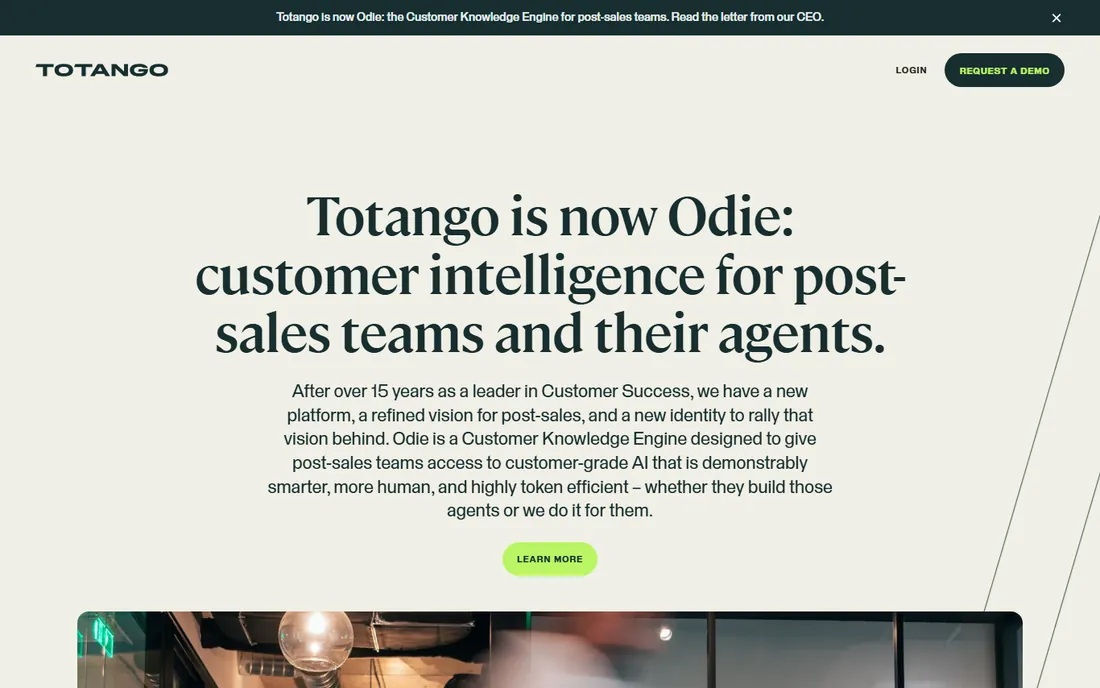
Totango takes a different structural bet from most of its rivals. Instead of one monolithic workspace, it organizes customer work into SuccessBLOCs, modular templates for each stage of the journey. Teams that run similar plays across hundreds of accounts like this approach because a new onboarding motion or renewal workflow can be cloned and adjusted without rebuilding everything. The real-time analytics are solid, and the workflow customization goes deeper than the simple tools on this list.
There are two caveats worth knowing. Pricing is quote-based and third-party reports mention a setup fee for new customers, so get the full first-year number in writing. And Totango merged with Catalyst, which means the combined product roadmap is still coming into focus. Ask for specifics about the merged platform before you commit to a multi-year deal.
What we like- SuccessBLOCs give pre-built journey templates for onboarding, adoption and renewal
- Flexible enough for high-volume portfolios
- Real-time analytics and customizable workflows
Watch out for- Quote-based pricing with reported setup fees
- The merged Totango and Catalyst roadmap is still settling
Starting priceSee website
Free planFree trial
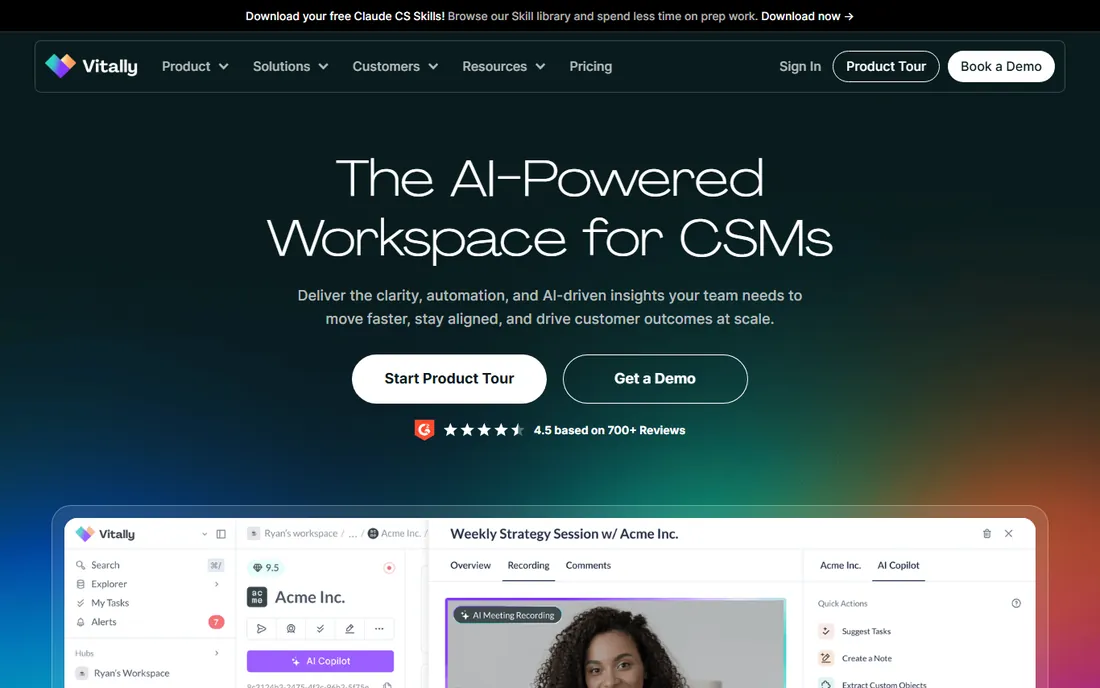
Vitally is the tool technical customer success teams recommend to each other. Its defining feature is SQL-based health scoring: if your usage data lives in a warehouse, you can build scores directly on it instead of waiting for a vendor connector or a CSV upload. The dashboards are genuinely configurable, the API is first-class, and teams that already think in terms of events and segments feel at home fast.
That strength is also the filter. A non-technical team will get less out of Vitally than out of ChurnZero or ClientSuccess, because the power sits behind skills your CSMs may not have. If your CS team includes someone comfortable with SQL and your product data is clean, Vitally can replace a much more expensive platform. If not, you will pay for flexibility you never use.
What we like- SQL-native health scoring and a developer-first API
- Highly configurable dashboards and projects
- Strong fit for teams already living in their product data
Watch out for- Needs a technically fluent team to get full value
- Playbook depth trails Gainsight and ChurnZero
Starting priceSee website
Free planFree trial
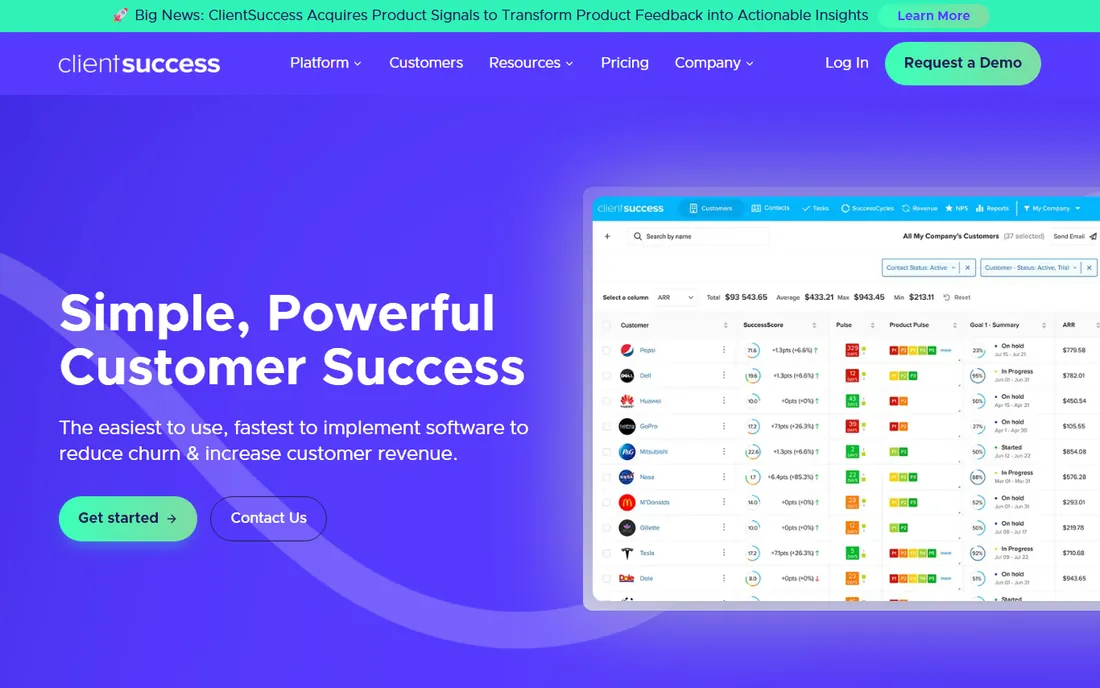
ClientSuccess has survived in a category full of heavyweights by being the easy one. CSMs open it without being told, managers get the portfolio views they need, and the health scoring plus success plans cover the core job without a certification course. For teams moving off spreadsheets, that ease of adoption is worth more than a longer feature list.
The limit shows up as you scale. Very large portfolios and deeply custom workflows will eventually push against what the platform can do, and the automation library is thinner than Gainsight's or ChurnZero's. Treat it as the right-sized choice for small to mid-size teams that want results in the first month. Outgrow it later if you must, but many teams never do.
What we like- Clean, simple interface with fast adoption
- Solid health scoring and success planning without the bloat
- Good reporting for leadership
Watch out for- Less depth for complex enterprise workflows
- Fewer advanced automation options than the big two
Starting priceSee website
Free planNo
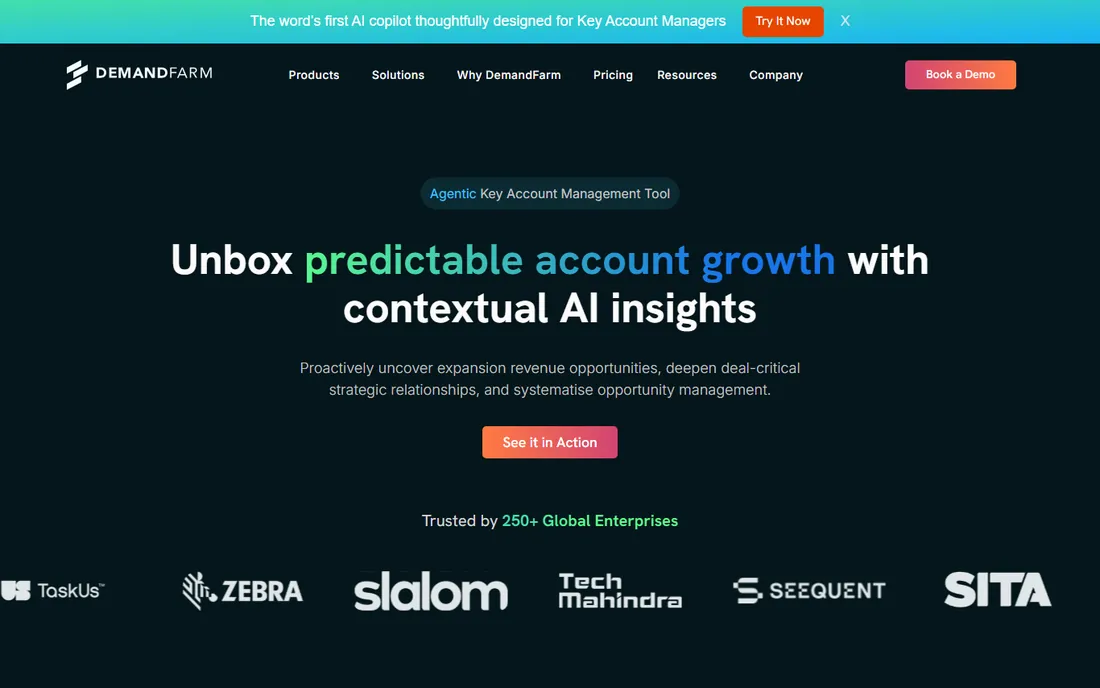
DemandFarm is a different animal from the customer success platforms above it. It is key account management software in the classic sense: account plans, whitespace analysis, org charts, stakeholder mapping and QBRs, built for teams whose top twenty percent of customers drive most of the revenue. Because it is native to Salesforce, account managers work inside the CRM instead of copying context into a separate tool.
That focus is both the selling point and the boundary. If your team lives in Salesforce and runs formal account planning, there is little else shaped quite like it. For large B2B organizations with named strategic accounts, it is one of the most purpose-built options available.
What we like- Built Salesforce-native, so account plans live where sellers already work
- Strong org charts and relationship mapping
- Supports structured methodologies like MEDDIC and SPIN
Watch out for- Little value outside the Salesforce ecosystem
- Pricing is custom and enterprise-grade
#7
Kapta
Best for: B2B teams formalizing strategic account planning
Visit kapta.com
Starting priceSee website
Free planNo
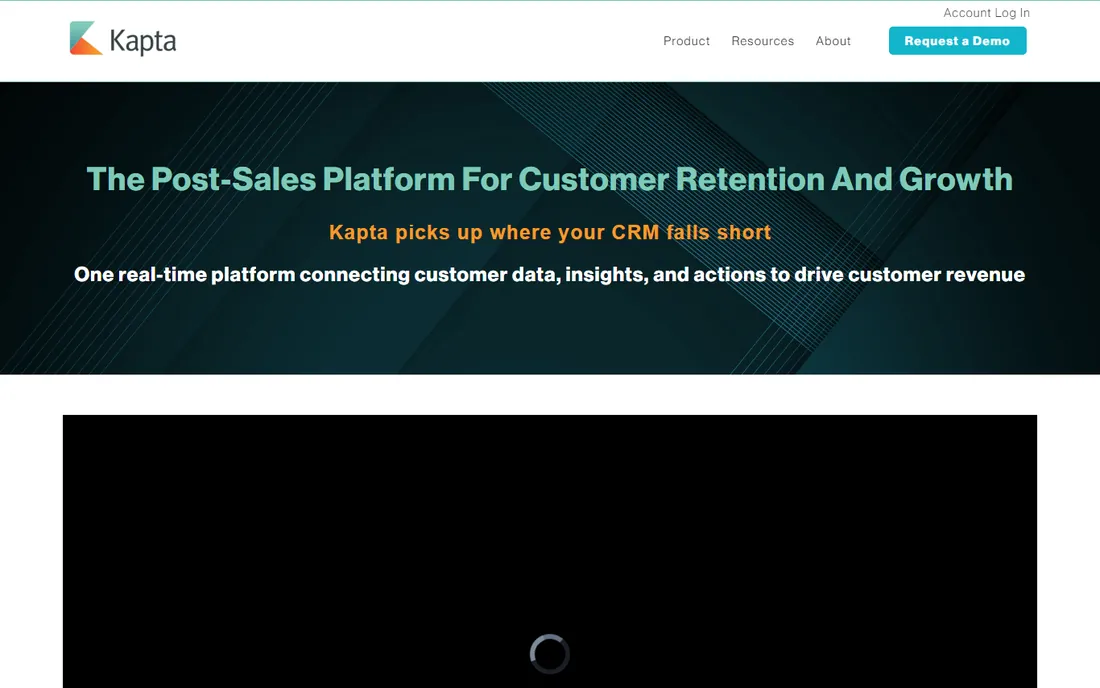
Kapta sits squarely in the key account management tradition: it helps account managers build real account plans, track goals against them, run QBRs and show clients a professional portal. Where the CS platforms on this list start from health scores and work outward, Kapta starts from the plan and works inward. Teams moving from slide decks to a system usually feel the difference within a quarter.
The pricing reflects the enterprise positioning, with plans reported to start around one thousand dollars a month, so this is not a tool for a two-person account team. Buy it when the problem is disciplined account growth across named strategic clients, not when the problem is monitoring thousands of small accounts.
What we like- Purpose-built KAM workflows with plan templates and goal tracking
- QBR automation and client portals
- Integrates with Salesforce, HubSpot and Slack
Watch out for- Monthly pricing starts high for small teams
- Narrower than full customer success suites
#8
Akita
Best for: Startups that need real CS software without enterprise pricing
Visit akitaapp.com
Starting priceSee website
Free planFree trial
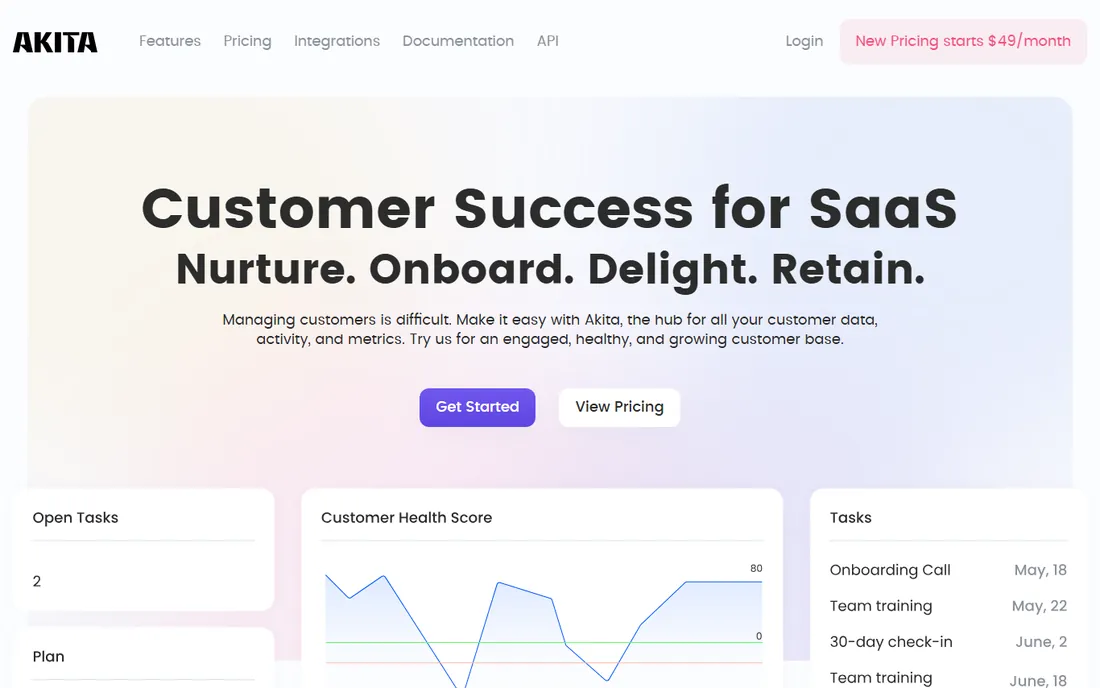
Akita is the lightest legitimate customer success platform on this list, and that is its whole appeal. It connects to the SaaS tools a startup already uses, builds one customer view, and adds health scoring, segmentation and triggered playbooks for a flat monthly rate. There is a free trial, onboarding is quick, and the pricing does not punish you for adding CSMs.
Set expectations correctly and it delivers. This is not the tool for a thousand-account enterprise portfolio with multi-stakeholder success plans. Reporting is functional rather than impressive, and very technical teams may outgrow the data model. For startups between fifty and a few hundred customers, it is one of the sanest ways to stop managing retention in spreadsheets.
What we like- Flat-rate pricing that stays predictable as you add users
- 100+ integrations for a unified customer view
- Playbooks and health scores cover the essentials
Watch out for- Not built for very large or complex portfolios
- Reporting depth is modest
Starting priceSee website
Free planNo
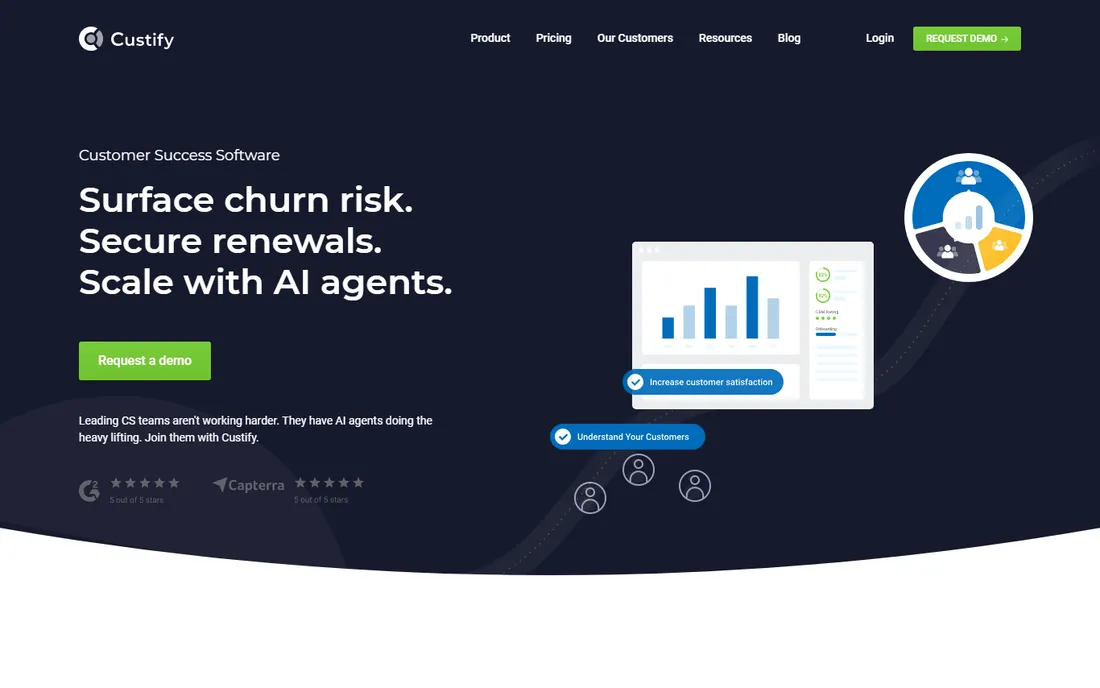
Custify targets the exact middle of this market: B2B SaaS companies big enough to need real customer success tooling but too small to staff a Gainsight implementation. The onboarding is concierge-style, the dashboards for churn cohorts and expansion pipeline work out of the box, and the automation engine handles the repetitive low-touch plays well. CSMs get a clean 360-degree view that pulls from CRM, support and billing without a data project.
The price conversation needs care. Custify has moved upmarket over the years, and current pricing is quote-based, so smaller teams should confirm the entry point before falling in love with the demo. Integrations cover the main systems, but deep custom field mapping can require extra work. For mid-market teams that want value in the first quarter, it remains a strong shortlist candidate.
What we like- Pre-built dashboards for LTV, churn cohorts and upsell pipeline
- Strong automation engine for low-touch workflows
- Straightforward 360-degree customer view
Watch out for- Pricing is quote-based and has risen over time
- Field mapping beyond standard objects can need custom work
#10
Cliezen
Best for: B2B teams whose retention problem is the relationship itself
Visit cliezen.com
Starting priceSee website
Free planNo
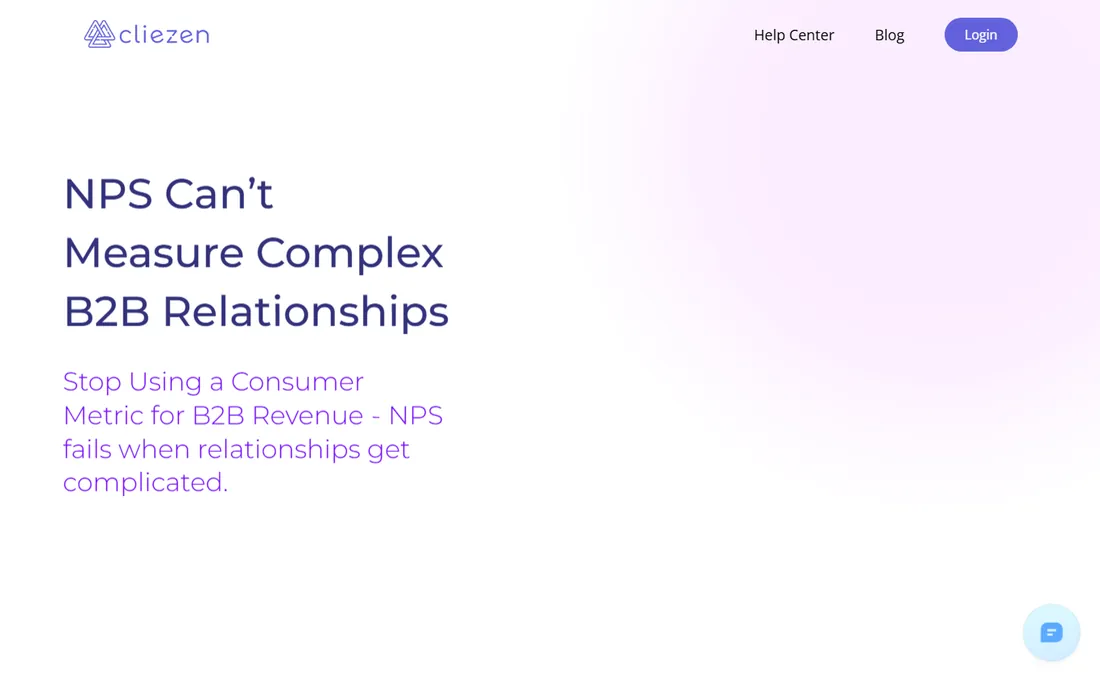
Cliezen approaches account management from an angle most tools on this list ignore. Usage data and tickets tell you what the customer does, but they do not tell you what the executive sponsor or procurement lead thinks of the relationship. Cliezen's Relationship Quality System collects structured feedback across stakeholders and tracks how expectations and priorities move over time, which gives account teams early evidence of drift before renewal.
That specialization defines the fit. If your churn comes from multi-stakeholder B2B relationships quietly cooling, Cliezen's lens is unusually useful. The trade-off is a smaller integration catalog and a narrower feature set than the suites above. Consider it as a complement to a CRM or CS platform, or as the primary tool when relationships are the product.
What we like- Structures feedback across people, product and process
- Tracks expectation gaps and relationship drift over time
- Built for multi-stakeholder accounts
Watch out for- Narrower feature set than full CS suites
- Newer vendor with a smaller integration catalog
How we chose
We started from pricing pages, documentation, public reviews on G2, Capterra and Reddit, and each vendor's published feature list, then filtered for tools that exist today and genuinely serve B2B account teams. Anything shut down, acquired into a different product, or aimed at a different job (support ticketing, sales prospecting) was cut. We weighted health scoring flexibility, automation depth, CRM and data integrations, and the practical question of what team size each tool actually fits, because the most common buying mistake in this category is purchasing enterprise software for a team that will never staff it.
What to check before you sign
Start with your data, not the demo. Every tool on this list promises a 360-degree customer view, but that view is only as good as the systems feeding it. Map where your usage, billing, support and CRM data live, then ask each vendor exactly which connectors are native, which need middleware, and what happens to historical data during implementation. A beautiful dashboard over broken data helps nobody.
Then price the whole contract, not the headline number. Ask for the setup fee, the per-account or per-seat overage rates, what counts as a billable account, and what the renewal uplift looks like. Get the answers in writing inside the order form, not in a salesperson's email.
Finally, test with your own accounts. Run the health score builder against real data during the trial, assign a skeptical CSM to break the workflows, and check the mobile experience if your team works from client sites.
Red flags in the sales process
Watch for demos that never touch your data, pricing that only appears after three calls, and reference customers who are all five times your size. Ask who owns the implementation on the vendor's side and what happens if the timeline slips. If the vendor cannot name the admin hours your team will need each week, assume the number is higher than you think.
Pricing models, explained
This category has four pricing shapes, and knowing which one you are looking at prevents nasty surprises. Per-seat pricing charges for each CSM license and suits teams with a stable headcount. Flat-rate pricing, used by Akita and some Custify plans, charges one monthly number regardless of users and favors growing teams. Account-volume pricing scales with the number of customers you track, which punishes growth if you do not negotiate caps. And enterprise quote pricing, the Gainsight and Totango model, bundles everything into an annual contract that is really a negotiation about your budget. Match the model to how your team will grow, not just to today's headcount.
Frequently asked questions
What is the difference between account management software and a CRM?
A CRM tracks deals, contacts and pipeline across all prospects and customers. Account management software picks up after the sale: it monitors account health, runs retention and expansion plays, manages success plans and QBRs, and alerts the team when an account drifts. Most teams run both, with the CRM as the system of record and the account platform as the system of action.
How much does account management software cost?
Entry-level tools start around one to two hundred dollars a month flat. Mid-market platforms typically run from several hundred to a few thousand dollars a month depending on seats or account volume. Enterprise suites like Gainsight are quote-based annual contracts that commonly reach five figures a year and beyond. Always confirm pricing on the vendor's own pricing page or in a written quote.
Do I need dedicated CS operations staff to run these tools?
For Gainsight and similarly deep platforms, yes, plan on at least a part-time admin and a real implementation project. For ChurnZero, Totango and Vitally, a technically comfortable team can usually self-administer after onboarding. For Akita, ClientSuccess and Custify, most teams run the tool with no dedicated ops hire at all. Match the tool's admin burden to people you actually employ.
Can these tools replace spreadsheets for account planning?
For structured KAM tools like DemandFarm and Kapta, that is exactly the point: plans, org charts and QBRs move from slides into a living system. For health-score platforms, they replace the spreadsheet you use to guess which accounts need attention. Either way, expect one quarter of disciplined use before the new system fully replaces the old habit.
Which tool is best for a team of fewer than five CSMs?
Shortlist Akita, ClientSuccess or Custify. All three are priced and built for small teams, onboard in weeks, and do not require a dedicated administrator. Only move up to ChurnZero or Vitally when your account volume or data complexity genuinely exceeds what the simpler tools handle.
How long does implementation usually take?
Light tools take days to a few weeks. Mid-market platforms typically take four to twelve weeks including data connections and workflow setup. Enterprise suites can take three to six months, especially when historical data migration and custom integrations are involved. Ask for the vendor's median, not their best case, and get the timeline in the contract.
Sources we checked (16)
- https://www.gainsight.com
- https://churnzero.com/
- https://www.totango.com
- https://vitally.io
- https://clientsuccess.com
- https://www.demandfarm.com
- https://kapta.com
- https://www.akitaapp.com/pricing
- https://www.custify.com
- https://www.cliezen.com
- https://gaintrace.com/blog/gainsight-vs-churnzero
- https://dynamicbusiness.com/featured/tech-tuesday/tech-tuesday-best-ai-powered-customer-success-platforms-for-2026.html
- https://www.capterra.ca/software/146056/akita
- https://www.goodfirms.co/software/akita-customer-success-platform
- https://www.spotsaas.com:443/compare/kapta-vs-custify
- https://slashdot.org/software/key-account-management/
Is your product missing or out of date?
We review this list regularly. Vendors can request a listing, send updated pricing or ask about featured placement.

Shihab Mia · Founder, Rankite
Shihab has spent more than a decade helping SaaS and e-commerce brands grow through search. He writes Rankite's software buying guides from pricing pages, documentation and public user reviews. More about Shihab.