How we make this list: we compare pricing pages, product documentation and public user reviews. Ratings come from G2, Capterra or Trustpilot, with the date we checked them.
Key takeaways
- Tenna and HCSS Equipment360 are built specifically for heavy civil contractors, with Tenna leading on mixed-fleet tracking and HCSS tying equipment data to project costs.
- Fleetio and Samsara serve broader fleets but both handle construction well. Fleetio focuses on maintenance management, Samsara on telematics and safety.
- GoCodes is the affordable entry point for tool tracking, using QR codes any phone can scan instead of expensive GPS hardware.
- Every serious option in this category is quote-based. Budget for hardware costs on top of software fees, and ask about contract length before you commit.
Quick comparison
| Tool | Best for | Starting price | Free plan |
|---|
 Tenna Tenna | mixed construction fleets | See website | No |
 Fleetio Fleetio | maintenance-first fleet management | See website | Free trial |
 Samsara Samsara | telematics and fleet safety at scale | See website | No |
 Clue Clue | equipment data without new hardware | See website | No |
 Trackunit Trackunit | OEM-agnostic equipment telematics | See website | No |
 ToolHound ToolHound | tool cribs and check-in/check-out control | See website | No |
 EquipmentShare T3 EquipmentShare T3 | contractors wanting a connected jobsite platform | See website | No |
 HCSS Equipment360 HCSS Equipment360 | tying equipment costs to job profitability | See website | No |
 Geotab Geotab | open telematics platform with deep integrations | See website | No |
 GoCodes GoCodes | affordable QR-based tool and equipment tracking | See website | No |
Is your product missing or out of date?
We review this list regularly. Vendors can request a listing, send updated pricing or ask about featured placement.
The best construction asset tracking software
Starting priceSee website
Free planNo
Tenna exists because generic fleet software never understood construction. A contractor's fleet mixes owned excavators, rented lifts, pickup trucks and thousands of small tools, and Tenna tracks all of it in one system. GPS trackers cover powered equipment while Bluetooth and QR options cover everything else, so the asset register finally matches reality.
The platform shines on utilization data. Tenna shows which machines sit idle, which rentals should become purchases, and where equipment actually spends its time across jobsites. That data pays for the system when it kills even a few unnecessary rentals. Pricing is quote-based and hardware is extra, so small contractors should confirm the total cost before falling in love with the demo.
What we like- Purpose-built for construction equipment of all types
- Tracks powered and non-powered assets together
- Strong utilization reporting for rental decisions
Watch out for- Quote-only pricing with hardware costs on top
- Implementation takes coordination across jobsites
- Best value at fleet scale, less so for small shops
Starting priceSee website
Free planFree trial
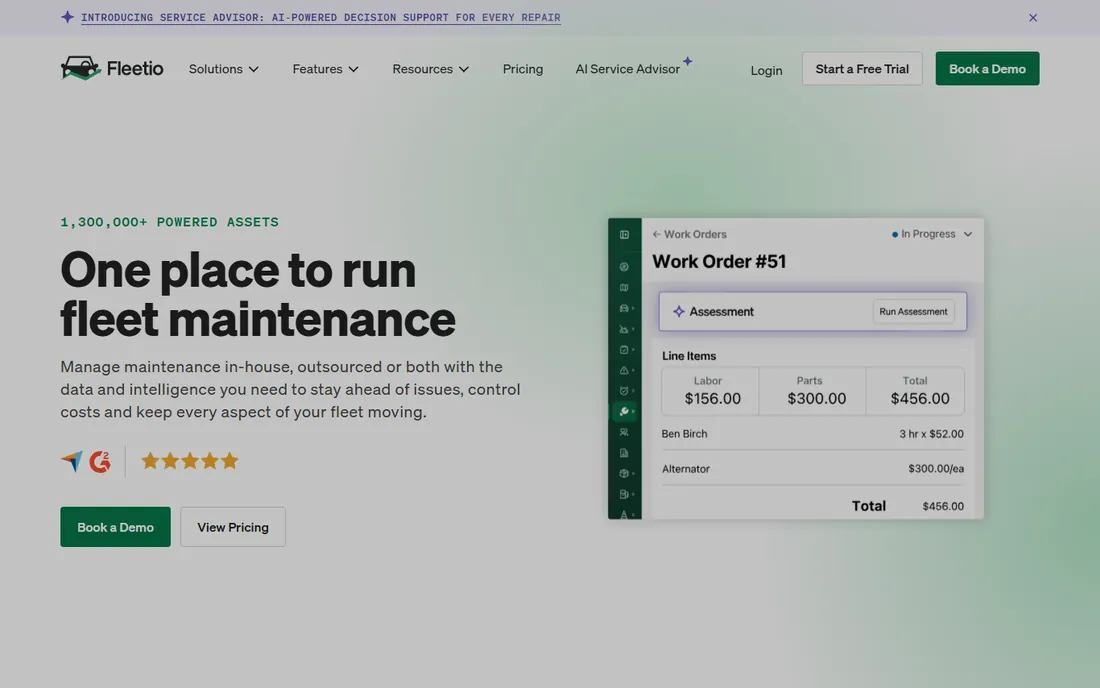
Fleetio approaches the problem from the maintenance bay rather than the jobsite. Its strength is keeping every vehicle and machine serviced on schedule, with automated reminders, work orders, parts inventory and fuel tracking. For fleet managers drowning in spreadsheets, Fleetio brings order fast.
GPS tracking works through integrations with telematics providers rather than Fleetio's own hardware, which keeps things flexible but adds a vendor to manage. Construction companies like the maintenance depth but sometimes miss the equipment-specific workflows that Tenna or HCSS provide. The free trial makes it easy to test with a subset of your fleet before committing.
What we like- Excellent preventive maintenance scheduling
- Fuel and work order management included
- Integrates with major telematics devices
Watch out for- Asset tracking depends on third-party GPS hardware
- Pricing scales with fleet size
- Construction-specific features are thinner than Tenna
Starting priceSee website
Free planNo
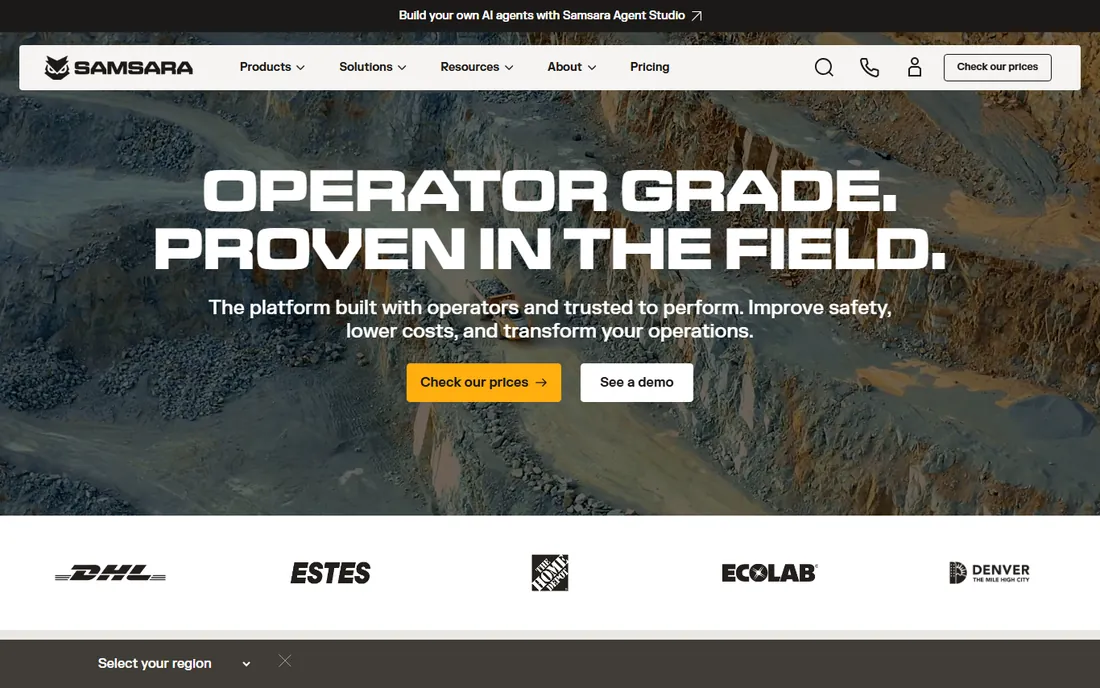
Samsara is the biggest name in fleet telematics, and its construction offering is solid. Real-time GPS, geofencing, engine diagnostics and AI dash cams cover the vehicle side thoroughly, while asset gateways extend tracking to powered equipment. Safety features like harsh event detection and driver coaching reduce incidents and insurance costs.
The catch is the enterprise sales motion. Expect a quote-based proposal, hardware costs, and pressure toward multi-year terms. Smaller contractors often find the platform more than they need. Large fleets with mixed vehicles and equipment get a polished system with deep reporting, as long as the budget holds.
What we like- Best-in-class GPS telematics with AI dash cams
- Strong safety and driver coaching tools
- Equipment monitoring alongside vehicles
Watch out for- Enterprise pricing with multi-year contracts common
- Hardware purchase required
- More vehicle-focused than equipment-focused
Starting priceSee website
Free planNo
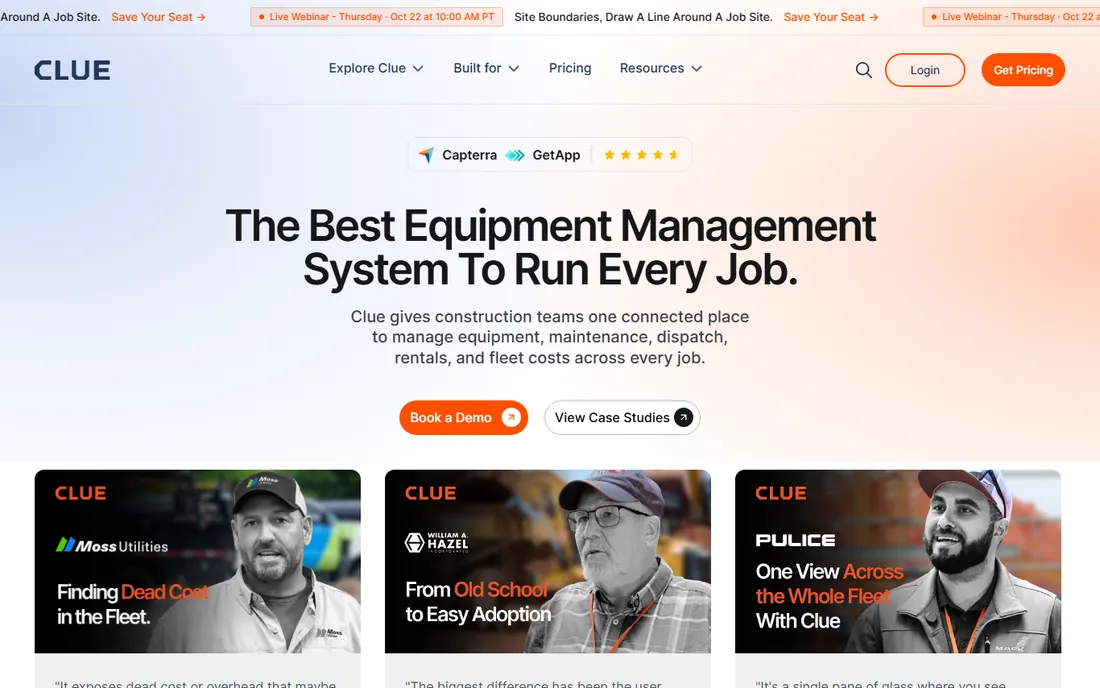
Clue takes a clever shortcut. Instead of selling you GPS trackers, it connects to the telematics systems already built into modern equipment by manufacturers like Caterpillar, Komatsu and John Deere. Your machines are already broadcasting data. Clue collects it, normalizes it across brands, and presents one fleet view.
This only works where OEM telematics exist and share data, so older machines still need aftermarket trackers. But for contractors running newer mixed-brand fleets, Clue avoids a hardware project entirely. Pricing is quote-based. Ask which of your specific makes and models are supported before you evaluate anything else.
What we like- Pulls data from equipment you already own via OEM telematics
- No new hardware to install
- Unifies mixed-brand fleets in one dashboard
Watch out for- Depends on OEM data availability by brand and model
- Quote-only pricing
- Newer vendor with a smaller customer base
Starting priceSee website
Free planNo
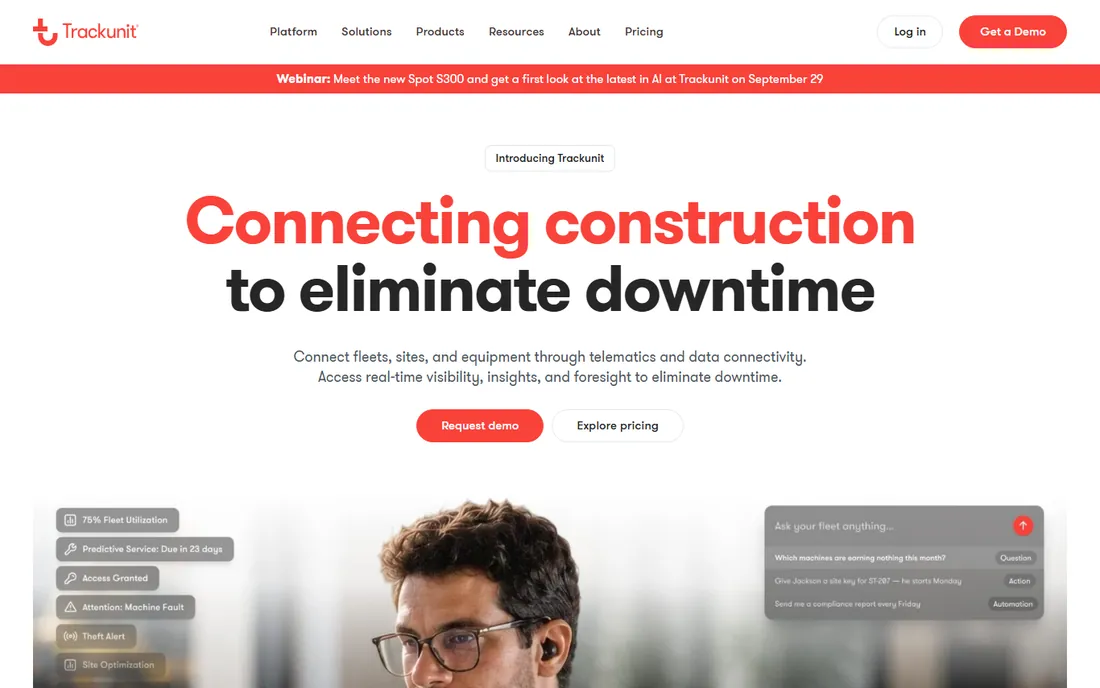
Trackunit is the construction telematics specialist with the longest track record in the category. The platform collects machine data across brands, monitors utilization, schedules maintenance and increasingly reports on emissions as regulations tighten. Its Bluetooth mesh network also tracks non-powered assets like attachments around the jobsite.
This is enterprise software with enterprise pricing, sold by quote with hardware on top. Mid-size and large contractors running mixed fleets get the most value, especially those with sustainability reporting requirements. Small shops should weigh the total cost against simpler options like GoCodes for tools plus basic GPS for machines.
What we like- Deep construction industry focus with global reach
- Works across equipment brands
- Strong on utilization and emissions reporting
Watch out for- Quote-only enterprise pricing
- Hardware and installation add cost
- Platform depth can overwhelm small teams
Starting priceSee website
Free planNo
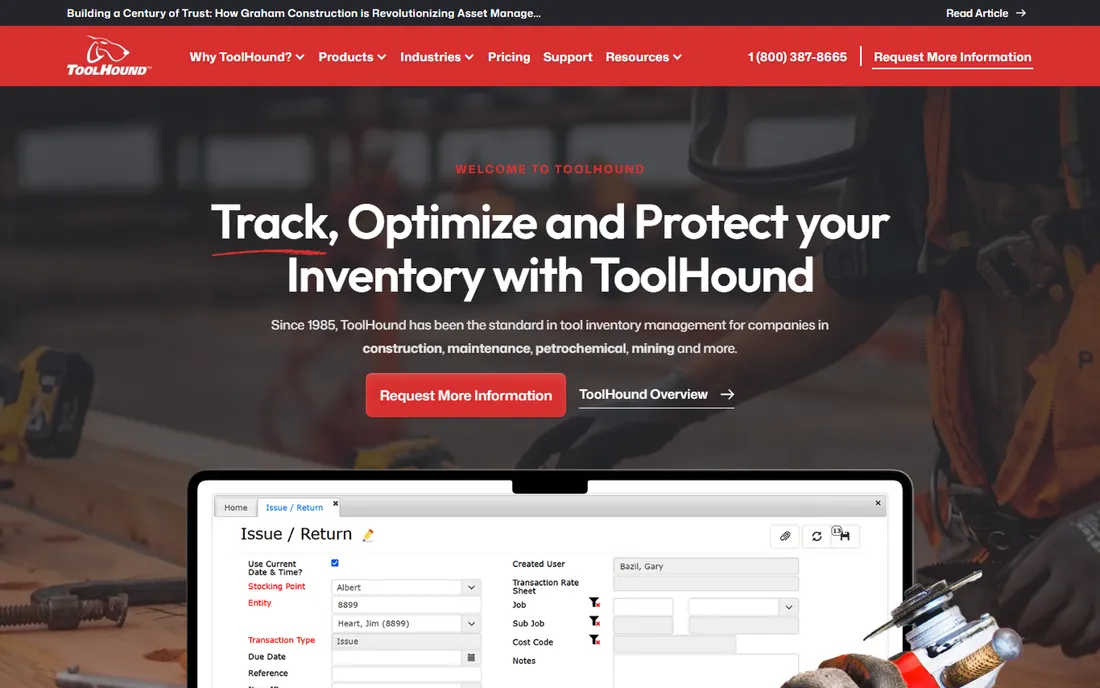
ToolHound solves the problem every contractor knows. Tools walk off jobsites, nobody knows who has what, and replacements eat the budget. ToolHound runs the tool crib with barcode or RFID check-in and check-out, so every tool has a custodian and a location. Accountability alone cuts losses sharply.
It does not track vehicles or heavy equipment, so most buyers pair it with a telematics platform. The system only works if crews actually scan, which means the buying decision is as much about field discipline as software. Pricing is quote-based. Contractors bleeding money on tool replacement usually see payback within the first year.
What we like- Purpose-built for tool inventory and accountability
- Barcode and RFID workflows that crews understand
- Reduces tool loss measurably
Watch out for- Focused on tools, not vehicles or heavy equipment
- Quote-only pricing
- Needs discipline from crews to scan consistently
Starting priceSee website
Free planNo
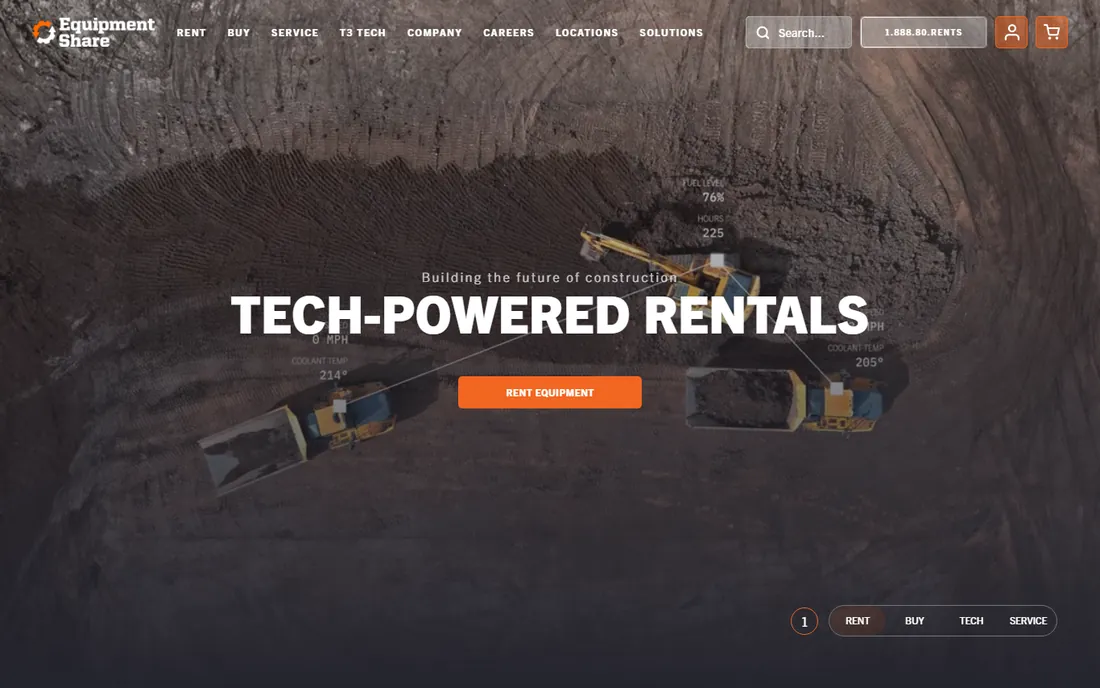
EquipmentShare started as an equipment rental company and built T3, its telematics platform, to run its own fleet before selling it to contractors. That origin shows. T3 covers GPS tracking, maintenance alerts, fuel monitoring and theft deterrence with keypad locks and cameras, and it connects naturally to EquipmentShare's rental fleet when you need extra machines.
The platform makes most sense for contractors already renting from EquipmentShare or running sizable fleets. It is less of a fit as a standalone purchase for small shops. Pricing is quote-based and bundled with hardware. Ask how T3 works alongside equipment from other rental houses before assuming full coverage.
What we like- Telematics plus rental and fleet services from one vendor
- Strong on theft prevention with keypad and camera options
- Jobsite-level visibility
Watch out for- Tied to the EquipmentShare ecosystem
- Quote-based pricing
- Smaller contractors may not need the full platform
#8
HCSS Equipment360
Best for: tying equipment costs to job profitability
Visit hcss.com
Starting priceSee website
Free planNo
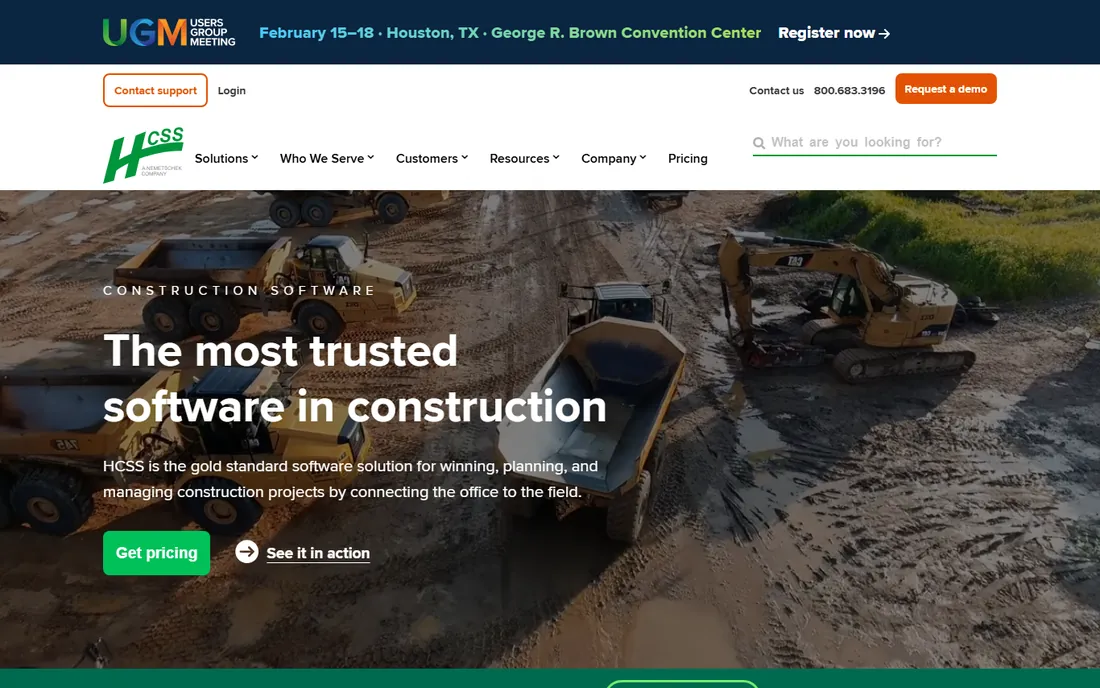
HCSS has served heavy civil contractors since 1986, and Equipment360 carries that DNA. The standout feature is cost integration. Equipment hours, fuel, maintenance and ownership costs flow into HCSS job costing, so project managers see true equipment cost per job. For contractors who live and die by job profitability, this connection matters more than any tracking map.
Equipment360 works best for companies already running HCSS products like HeavyJob or HeavyBid. As a standalone purchase it competes with Tenna and Fleetio on tracking and maintenance, but the job-cost link is the reason to choose it. Pricing is quote-based with the usual enterprise sales process.
What we like- Deep integration with HCSS estimating and job costing
- Built for heavy civil contractors
- Strong maintenance and inspection workflows
Watch out for- Best value inside the HCSS ecosystem
- Quote-only pricing
- Interface reflects its long history
#9
Geotab
Best for: open telematics platform with deep integrations
Visit geotab.com
Starting priceSee website
Free planNo
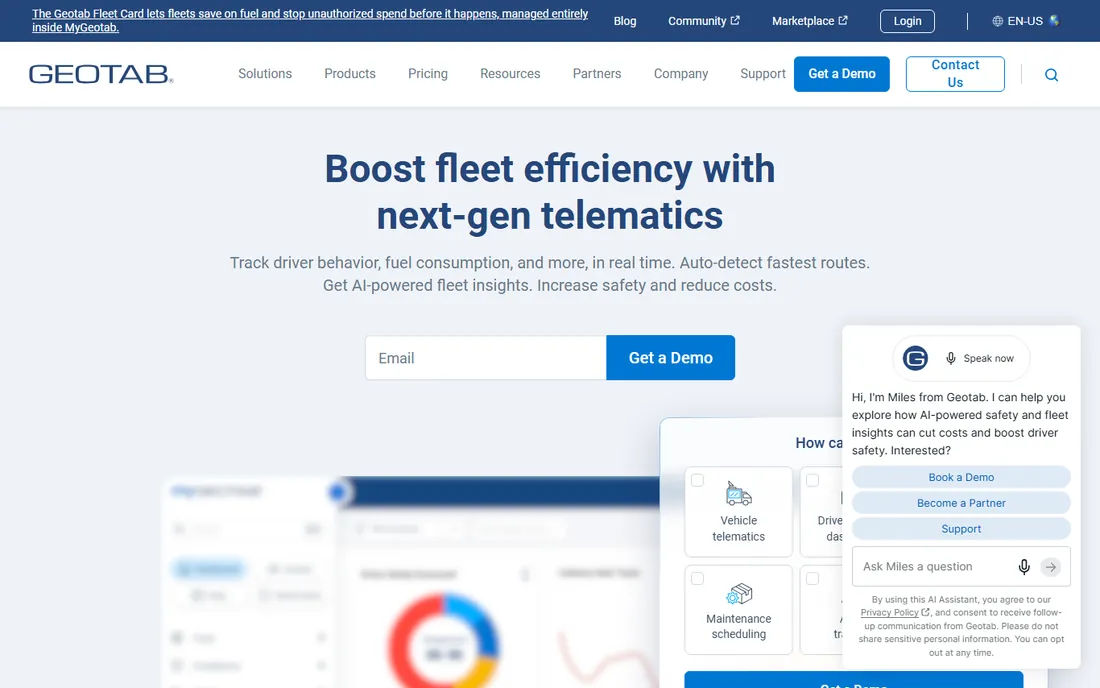
Geotab's strength is openness. The platform supports hundreds of third-party integrations through its marketplace, and its analytics engine handles custom reports that closed systems cannot. Fleets from dozens to tens of thousands of vehicles run on Geotab, which says something about scalability.
For construction specifically, Geotab covers vehicles brilliantly and equipment adequately through add-ons and integrations. It is rarely the simplest choice, and pricing runs through resellers by quote. Companies with strong fleet analysts who want to build custom dashboards get the most from it. Companies that want construction workflows out of the box should look at Tenna first.
What we like- Open platform with hundreds of marketplace integrations
- Strong analytics and custom reporting
- Proven at very large fleet scale
Watch out for- Quote-only pricing through resellers
- Asset tracking for equipment needs add-ons
- Configuration complexity for small teams
#10
GoCodes
Best for: affordable QR-based tool and equipment tracking
Visit gocodes.com
Starting priceSee website
Free planNo
GoCodes is the pragmatic choice for contractors who need asset tracking without a hardware project. Patented QR labels go on tools and equipment, crews scan with any smartphone, and the system logs location, custodian and maintenance history. Deployment takes days, not months, and the cost per asset is a fraction of GPS trackers.
The limitation is physics. QR codes only report location when someone scans them, so there is no real-time tracking or theft alert. For tool accountability and maintenance records, that is plenty. For high-value equipment where theft is the concern, pair GoCodes with GPS trackers on the machines that matter. It is the lowest-friction way to stop losing tools.
What we like- QR codes cost pennies and any phone scans them
- No special hardware required
- Fast to deploy across crews
Watch out for- QR tracking needs manual scans, no real-time location
- Less suited to theft prevention than GPS
- Quote-based pricing for larger deployments
How we chose
We focused on software that actually serves construction, not generic fleet tools with a construction page. We read current product documentation and pricing pages, checked public reviews on G2, Capterra and Reddit, and weighed tracking technology, maintenance depth, construction-specific workflows and fit for different fleet sizes. We favored vendors with real contractor customer bases. No vendor paid for placement, and we did not claim hands-on testing.
What matters most when buying asset tracking for construction
Jobsite reality should drive the decision more than feature checklists. Start with your asset mix. A fleet of excavators and dozers needs GPS telematics. A warehouse of power tools needs QR or RFID check-out. Most contractors need both, which is why so many end up with two systems.
Next, check connectivity. Jobsites often lack reliable cell coverage, so ask how each system handles offline gaps and when data syncs. Then look at who will use it. If foremen and mechanics will not open the app, the best platform in the world produces nothing. Simple mobile workflows beat deep desktop features for field adoption.
Finally, price the hardware honestly. Software quotes in this category exclude trackers, installation and replacements. A per-asset hardware cost times a thousand assets changes the math completely. Get hardware, installation and software in one written quote before comparing vendors.
GPS vs QR vs Bluetooth: picking the right tracking technology
GPS trackers give real-time location and theft alerts but cost $50 to $200 per device plus monthly connectivity fees. They belong on vehicles and high-value equipment. QR codes cost pennies per label and need only a phone to scan, which makes them ideal for tools and site materials. The tradeoff is manual scanning and no live location.
Bluetooth beacons sit between the two. They report proximity automatically when a phone or gateway passes nearby, which works well for tool cribs and laydown yards. Range is short, usually under 100 feet, so they do not replace GPS for theft recovery. Many contractors combine all three. GPS on machines, Bluetooth in the yard, QR on hand tools, each technology where its economics make sense.
Frequently asked questions
What is construction asset tracking software?
It is software that monitors the location, status and maintenance of construction equipment, vehicles and tools. Systems use GPS trackers, QR codes, RFID or Bluetooth to report where assets are, who has them and when they need service.
How much does asset tracking software cost?
Software is almost always quote-based in this category. Expect software fees scaled by asset count plus hardware costs of $50 to $200 per GPS tracker. QR-based systems like GoCodes cost far less per asset since labels cost pennies. Always get hardware and software quoted together.
Can asset tracking prevent equipment theft?
GPS trackers with geofencing alert you when equipment leaves a jobsite after hours, which helps recovery. Keypad locks and cameras, like those from EquipmentShare T3, deter theft directly. QR codes do not prevent theft since they only report location when scanned.
Do I need different systems for tools and heavy equipment?
Often yes. Heavy equipment needs GPS telematics for location, hours and maintenance. Tools need check-in and check-out accountability, where QR or RFID systems like GoCodes or ToolHound work better. Some platforms cover both, but many contractors run two specialized systems.
How long does implementation take?
QR-based systems can deploy in days. GPS telematics for a mid-size fleet typically takes four to twelve weeks including hardware installation and training. Enterprise rollouts across many jobsites take longer. Ask for a written timeline tied to your asset count.
Sources we checked (10)
- https://tenna.com/
- https://www.fleetio.com
- https://samsara.com/
- https://www.clueinsights.com/
- https://trackunit.com/
- https://toolhound.com/
- https://www.equipmentshare.com/
- https://www.hcss.com/
- https://www.geotab.com/
- https://gocodes.com/
Is your product missing or out of date?
We review this list regularly. Vendors can request a listing, send updated pricing or ask about featured placement.

Shihab Mia · Founder, Rankite
Shihab has 5+ years in B2B and SaaS SEO. He writes Rankite's software buying guides from pricing pages, documentation and public user reviews. More about Shihab.