How we make this list: we compare pricing pages, product documentation and public user reviews. Rankite is independent; if a vendor ever pays for a featured spot, that listing is clearly labeled Partner.
Key takeaways
- Manhattan and Blue Yonder are the tier-one WMS for large, complex, automated distribution operations.
- Oracle WMS and SAP EWM suit companies standardized on those ERP ecosystems.
- Deposco and Infios (formerly Korber) are the cloud WMS picks for mid-market and 3PL warehouses.
- Logiwa and ShipHero serve ecommerce fulfillment with fast implementations.
- Fishbowl and NetSuite WMS cover small warehouses and inventory-centric businesses.
Quick comparison
| Tool | Best for | Starting price | Free plan |
|---|
 Manhattan Manhattan | tier-one distribution | See website | No |
 Blue Yonder Blue Yonder | complex supply chains | See website | No |
 Oracle WMS Oracle WMS | Oracle-ecosystem warehouses | See website | No |
 SAP EWM SAP EWM | SAP-ecosystem warehouses | See website | No |
 Deposco Deposco | cloud WMS for growth | See website | No |
 Infios Infios | 3PL and enterprise warehouses | See website | No |
 Logiwa Logiwa | ecommerce fulfillment | See website | Free trial |
 ShipHero ShipHero | ecommerce and 3PL WMS | See website | No |
 Fishbowl Fishbowl | small warehouse inventory | See website | Free trial |
 NetSuite WMS NetSuite WMS | NetSuite ERP warehouses | See website | No |
Is your product missing or out of date?
We review this list regularly. Vendors can request a listing, send updated pricing or ask about featured placement.
The top 10 WMS software
Starting priceSee website
Free planNo

Manhattan Associates sets the standard for warehouse management at scale: receiving through shipping with slotting optimization, labor management, and integration with conveyor, sortation and robotics. The largest retailers and distributors run on it.
It is an enterprise purchase with enterprise timelines. For high-volume automated distribution, it is the reference system. Smaller warehouses will find it more than they need.
Manhattan's optimization depth is best evaluated against your hardest warehouse problems: labor planning, slotting and automation orchestration at your real volumes. The premium pricing is justified by complexity; simple operations should look elsewhere.
What we like- Deepest warehouse functionality in the industry
- Proven at the largest DCs
- Strong labor management and automation
Watch out for- Enterprise cost and implementation
- Complexity needs dedicated staff
Starting priceSee website
Free planNo
Blue Yonder, the former JDA, pairs warehouse management with supply chain planning: demand, fulfillment and labor in one platform with machine learning woven through. Retailers and manufacturers with complex networks are its core buyers.
Like Manhattan, it is built for scale with matching cost. Companies choosing between the tier-one options usually decide on ecosystem and existing relationships.
Blue Yonder's AI positioning needs a practical test: ask for a proof of concept on your demand patterns and labor forecasts. The machine learning value shows in volatile environments, less so in stable ones.
What we like- WMS plus broader supply chain planning
- AI-driven optimization
- Strong in retail and manufacturing
Watch out for- Enterprise pricing
- Implementation complexity
Starting priceSee website
Free planNo
Oracle Warehouse Management is the natural choice for Oracle ERP customers: inventory, warehousing and logistics integrated with financials and order management in one cloud suite. The single-vendor story simplifies IT.
Outside the Oracle ecosystem, buyers have more flexible options. Inside it, the integration advantage is decisive.
Oracle WMS fits Oracle ERP shops almost by default: evaluate the integration value against best-of-breed alternatives. The single-vendor support model simplifies accountability when problems span systems.
What we like- Native integration with Oracle ERP and supply chain
- Cloud deployment
- Global support
Watch out for- Best value inside Oracle shops
- Licensing complexity
Starting priceSee website
Free planNo

SAP Extended Warehouse Management is the heavyweight for SAP shops: yard management, labor, slotting and automation integration tied directly to S/4HANA. Manufacturers and distributors running SAP standardize on it.
Implementations are major projects. For the largest SAP-centric operations, nothing else integrates as deeply.
SAP EWM's embedded option changes the evaluation for S/4HANA users: compare the embedded capabilities against your actual warehouse complexity before assuming you need the full standalone product. Many operations fit the embedded tier.
What we like- Deep integration with SAP S/4HANA
- Handles the most complex warehouse processes
- Global enterprise support
Watch out for- Significant implementation investment
- Complexity demands expertise
Starting priceSee website
Free planNo
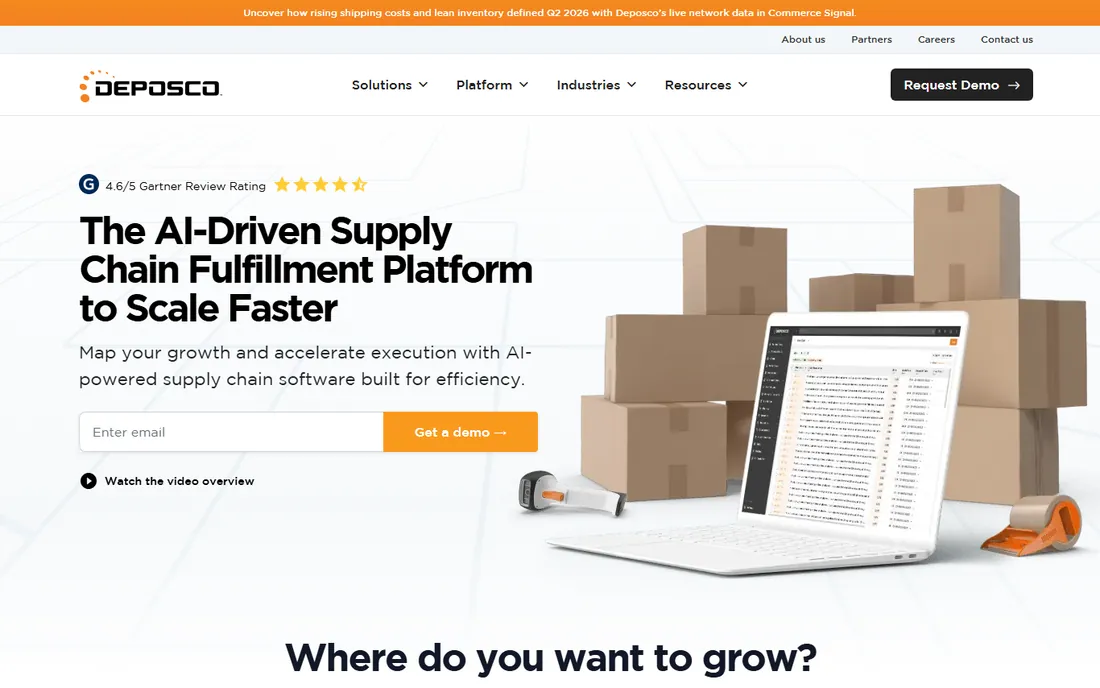
Deposco is the cloud WMS for companies outgrowing spreadsheets or entry systems: receiving, picking, packing and shipping with 3PL billing and ecommerce integrations, implemented in weeks rather than quarters.
It positions against Manhattan and Blue Yonder on speed and cost. Warehouses with extreme automation needs may still need tier-one, but most growing operations fit Deposco well.
Deposco's cloud-native approach promises faster implementations: ask for reference timelines from companies your size and verify what the go-live actually included. The speed claim should be backed by comparable deployments.
What we like- Cloud-native with fast implementations
- Strong for ecommerce and 3PL
- Good value against tier-one
Watch out for- Less depth for the most automated DCs
- Smaller vendor than the giants
Starting priceSee website
Free planNo
Infios is the new name for Korber Supply Chain's software business: warehouse management with deep 3PL functionality, multi-client billing, and support for voice picking and automation. The product portfolio continues under the new brand.
Buyers who knew Korber should update their shortlists to Infios. For 3PLs and enterprise warehouses, it remains a top-tier option.
Infios is the current name for the former Korber supply chain business: confirm you are evaluating the present product line and roadmap during procurement. The suite breadth suits enterprises standardizing on one vendor.
What we like- Strong 3PL and multi-client support
- Voice and automation ready
- Global footprint
Watch out for- Rebrand from Korber still settling
- Enterprise sales process
Starting priceSee website
Free planFree trial
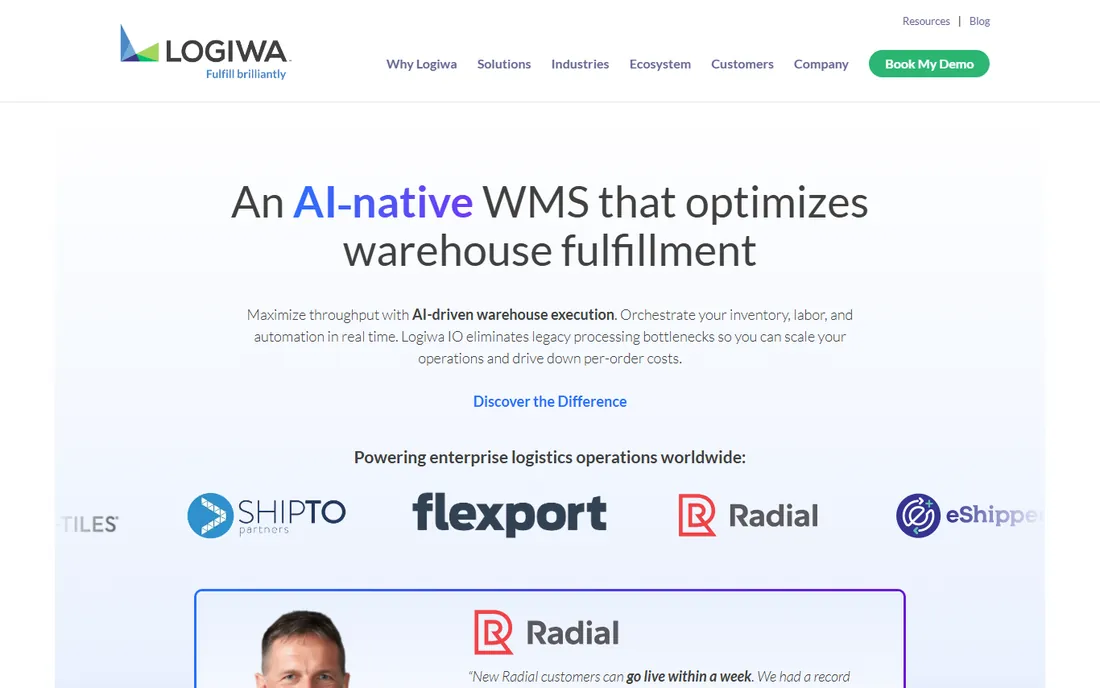
Logiwa WMS targets ecommerce fulfillment operations: connect marketplaces and carts, manage inventory across warehouses, and pick, pack and ship at volume. Implementation is measured in weeks.
Industrial distributors with different workflows may fit better elsewhere. For D2C brands and 3PLs serving them, Logiwa is purpose-built.
Logiwa's cloud WMS targets high-volume fulfillment: trial it with your real order profiles and SKU complexity. The DTC and 3PL workflows are the focus; evaluate the picking and packing efficiency directly.
What we like- Built for high-volume ecommerce fulfillment
- Fast onboarding
- Good marketplace integrations
Watch out for- Ecommerce focus limits industrial use
- Scales have limits
Starting priceSee website
Free planNo
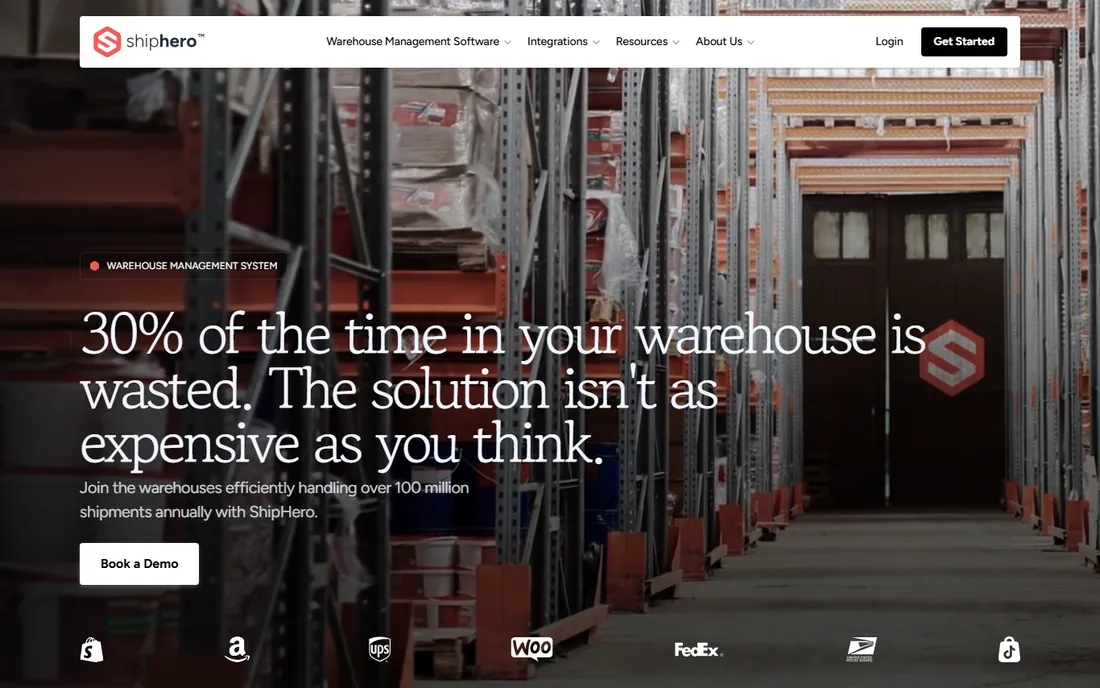
ShipHero combines warehouse software with its own 3PL network: brands can run their own warehouse on the WMS or outsource fulfillment to ShipHero's facilities. The ecommerce integrations are deep.
It is an ecommerce creature through and through. D2C brands choosing between self-fulfillment and 3PL get a vendor that does both.
ShipHero's 3PL features are the evaluation focus for fulfillment businesses: trial the client billing, multi-client inventory and EDI with real trading partners. The 3PL workflow depth is the differentiator.
What we like- WMS plus 3PL services under one roof
- Strong Shopify and marketplace integrations
- Transparent pricing
Watch out for- Ecommerce-centric
- Less suited to industrial distribution
Starting priceSee website
Free planFree trial
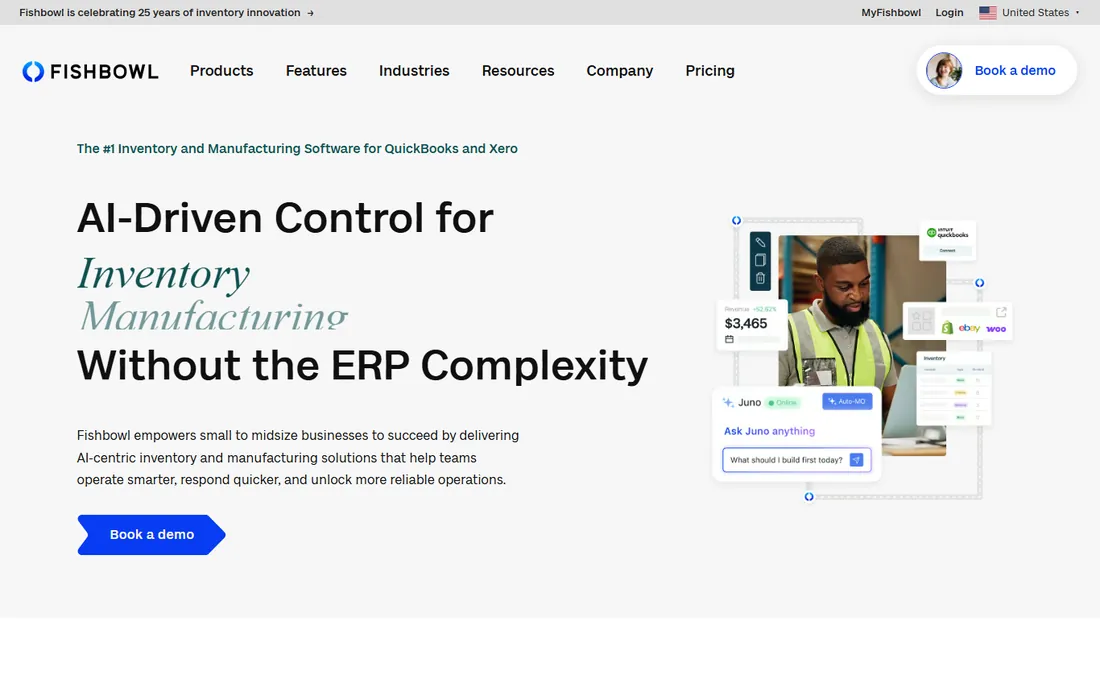
Fishbowl is the small-business warehouse answer: inventory management, order fulfillment and basic warehousing integrated with QuickBooks, at prices small companies afford. Manufacturers and wholesalers are its core.
It is inventory software with warehousing, not a tier-one WMS. For the step up from spreadsheets, it is the practical choice.
Fishbowl's QuickBooks integration is the first thing to verify: confirm your SKU count, order volume and warehouse processes fit the product's sweet spot. Growing past it is the most common reason for replacement.
What we like- Affordable inventory and warehouse management
- QuickBooks integration
- Good for small manufacturers
Watch out for- Lighter WMS functionality than dedicated systems
- On-premise roots
Starting priceSee website
Free planNo
NetSuite WMS extends the ERP into the warehouse: receiving, putaway, picking and cycle counting inside the NetSuite you already run. One system, one vendor, no integration project.
The logic only holds for NetSuite customers. Within that world, the native fit beats bolting on a separate WMS.
NetSuite WMS fits NetSuite ERP users naturally: evaluate it as part of the NetSuite ecosystem rather than as a standalone WMS. The value is in the unified data model, not in warehouse features alone.
What we like- Native to NetSuite ERP
- No integration to maintain
- Good for NetSuite-centric businesses
Watch out for- Only makes sense with NetSuite
- WMS depth trails best-of-breed
Tier-one or mid-market?
Choose tier-one when the warehouse is the business: high volumes, automation, labor management at scale. Manhattan, Blue Yonder, SAP EWM and Oracle WMS earn their cost in throughput and accuracy.
Choose mid-market when you need real WMS without the enterprise project: Deposco, Infios, Logiwa and ShipHero implement faster and cost less. Small operations start with Fishbowl or NetSuite WMS. Match the system to the warehouse you have, not the one you imagine in five years.
What to check before you buy
Walk your actual workflows in the demo: receiving, putaway, picking, packing, shipping, returns. Generic demos hide fit problems. Confirm integrations with your ERP, carriers and marketplaces, and who builds what.
Check the hardware story: RF devices, label printers, scales and automation equipment must work with the system. Confirm implementation timeline and cost in writing, including data migration. And talk to reference customers running your volume in your vertical.
Finally, visit a reference warehouse running the system at your scale: the demo environment never shows the real receiving dock chaos. Watching the software handle live operations tells you more about fit than any feature checklist.
How we chose
We selected warehouse management systems covering tier-one, mid-market, ecommerce and small-business approaches, all live products in 2026. All ten vendor URLs were corroborated through sibling research files during a browser service outage. Infios is listed under its current name with the former Korber name noted once. No vendor pricing pages were individually verified, so all prices list see website.
Frequently asked questions
What is the best WMS for a small warehouse?
Fishbowl for inventory-centric small operations, Logiwa or ShipHero for ecommerce fulfillment, Deposco when you are growing toward mid-market.
How much does WMS software cost?
From affordable subscriptions for small-business tools to six-figure enterprise licenses plus implementation for tier-one systems. Implementation often exceeds the software cost.
What is the difference between WMS and inventory management?
Inventory management tracks what you have. WMS manages where it is and how it moves: receiving, putaway, picking, packing, shipping and labor. Growing warehouses need WMS when spreadsheets and basic inventory break down.
Manhattan vs Blue Yonder: which is better?
Both are tier-one. The choice usually follows existing relationships, ecosystem and specific functional strengths. Evaluate both on your actual workflows.
Do I need a WMS if I have an ERP?
ERPs handle inventory; WMS handles warehouse operations in depth. NetSuite and SAP shops often start with the ERP's WMS module and add best-of-breed when the warehouse outgrows it.
How long does WMS implementation take?
Cloud mid-market systems: weeks to a few months. Tier-one enterprise: six months to over a year. Data migration and integration drive the timeline.
Sources we checked (10)
- https://manh.com/
- https://blueyonder.com
- https://oracle.com
- https://sap.com
- https://deposco.com/
- https://infios.com/
- https://www.logiwa.com
- https://shiphero.com
- https://fishbowlinventory.com
- https://netsuite.com
Is your product missing or out of date?
We review this list regularly. Vendors can request a listing, send updated pricing or ask about featured placement.

Shihab Mia · Founder, Rankite
Shihab has spent more than a decade helping SaaS and e-commerce brands grow through search. He writes Rankite's software buying guides from pricing pages, documentation and public user reviews. More about Shihab.