How we make this list: we compare pricing pages, product documentation and public user reviews. Rankite is independent; if a vendor ever pays for a featured spot, that listing is clearly labeled Partner.
Key takeaways
- LabWare, STARLIMS and LabVantage are the enterprise LIMS for large, regulated, multi-site lab networks.
- Benchling is the modern platform for biotech R&D, combining LIMS with electronic lab notebook workflows.
- SciNote and Quartzy serve academic and small labs, with free tiers that make them easy to start.
- CloudLIMS and Labguru are the cloud-native mid-market picks with faster implementations.
- Lablynx and Autoscribe cover specialized and configurable deployments for clinical and industrial labs.
Quick comparison
| Tool | Best for | Starting price | Free plan |
|---|
 LabWare LabWare | enterprise global lab networks | See website | No |
 STARLIMS STARLIMS | regulated enterprise labs | See website | No |
 LabVantage LabVantage | configurable enterprise LIMS | See website | No |
 Benchling Benchling | biotech R&D | See website | Yes |
 SciNote SciNote | academic and small research labs | See website | Yes |
 Quartzy Quartzy | lab management plus inventory | See website | Yes |
 CloudLIMS CloudLIMS | cloud-native mid-market labs | See website | Free trial |
 Labguru Labguru | research lab ELN plus LIMS | See website | Free trial |
 Lablynx Lablynx | web-based configurable LIMS | See website | Free trial |
 Autoscribe Autoscribe | Matrix Gemini configurable LIMS | See website | No |
Is your product missing or out of date?
We review this list regularly. Vendors can request a listing, send updated pricing or ask about featured placement.
The top 10 LIMS software
Starting priceSee website
Free planNo
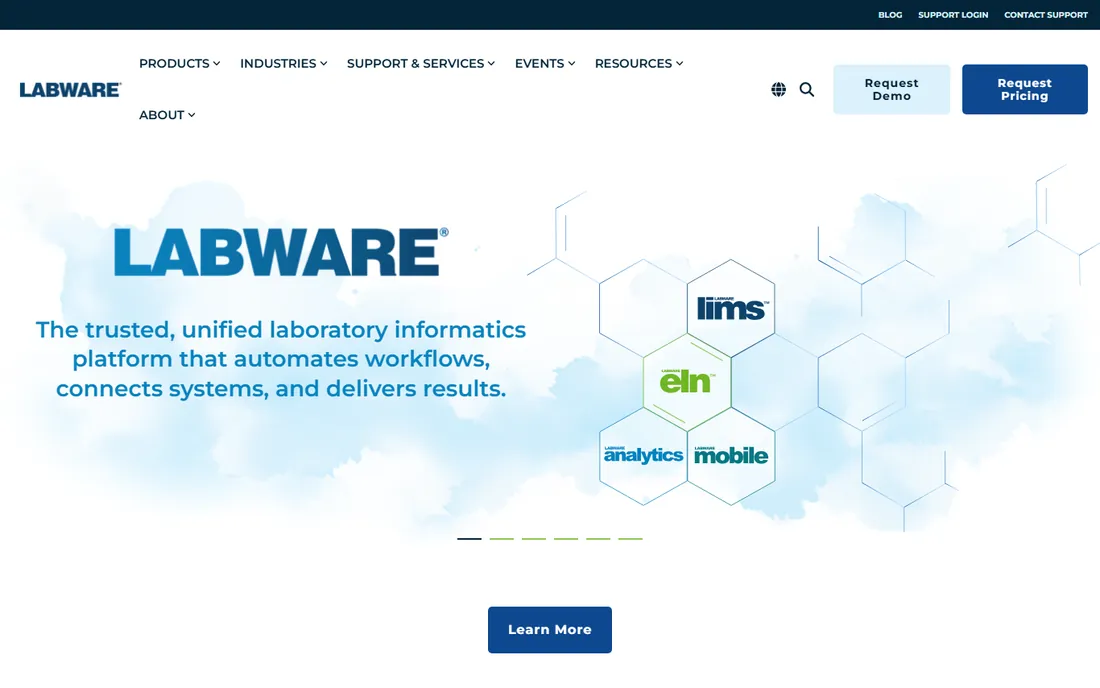
LabWare is the market leader for enterprise LIMS, deployed across pharmaceutical, manufacturing and public health labs worldwide. Sample management, stability studies, instrument integration and compliance workflows run deep, with validation documentation that regulated buyers require.
Implementations are serious projects with serious budgets. For a global lab network under FDA or EMA oversight, LabWare is the safe enterprise choice. Smaller labs will find it more than they need.
LabWare evaluations should include a validation workshop: ask the vendor to walk through the validation documentation package for your regulatory regime before you discuss licensing. The paperwork burden is part of the total cost, and it varies by deployment.
What we like- Deepest functionality for large regulated labs
- Proven in pharma and manufacturing QC
- Strong validation support
Watch out for- Enterprise implementation timelines
- Premium pricing
Starting priceSee website
Free planNo
STARLIMS serves regulated laboratories in pharmaceuticals, public health, forensics and food safety. The platform handles complex testing workflows with the audit trails and electronic signatures that regulators expect.
Like LabWare, it is an enterprise purchase with enterprise timelines. Labs with heavy compliance requirements and complex sample flows are its natural buyers.
STARLIMS buyers in forensics and public health should prioritize reference visits: talk to labs running your sample volumes and regulatory load. The workflow fit matters more than the feature list, and only peer labs can confirm it.
What we like- Strong in pharma, public health and forensics
- Configurable workflows
- Long track record in regulated environments
Watch out for- Implementation complexity
- Enterprise sales process
Starting priceSee website
Free planNo
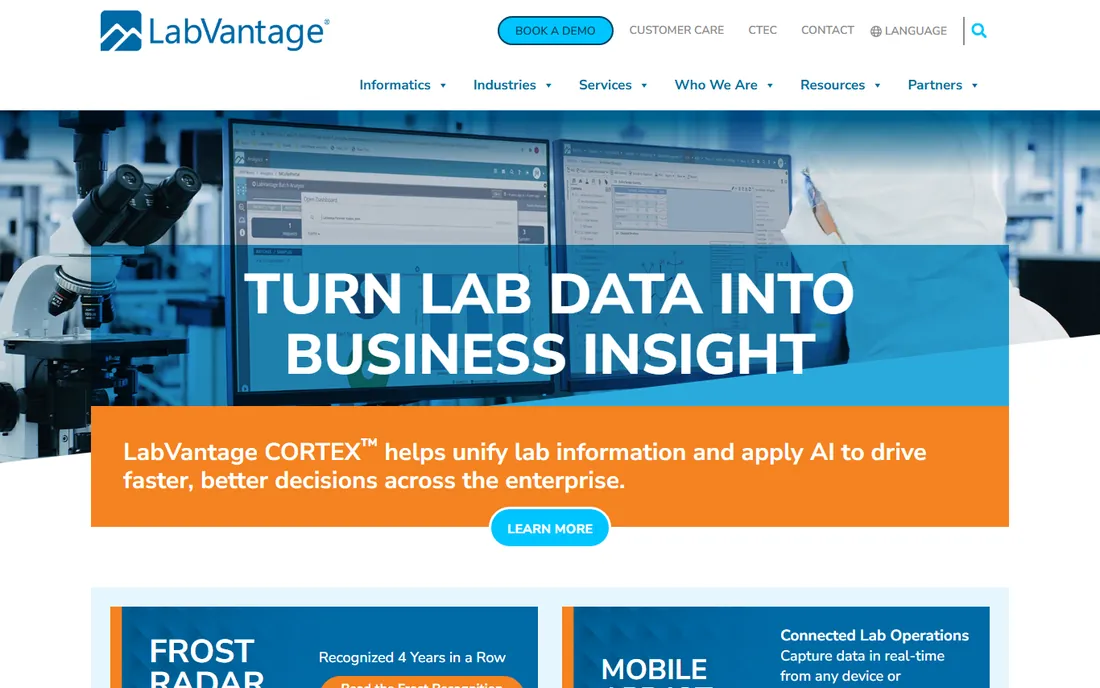
LabVantage emphasizes configurability: labs adapt the system to their workflows through configuration rather than custom development. Biobanking, pharma R&D and manufacturing QC are strong verticals.
It competes directly with LabWare and STARLIMS for enterprise deals, differentiating on flexibility. Buyers should budget for configuration effort even with the no-code positioning.
LabVantage's configurability is best tested with your hardest workflow, not the demo script. Ask the vendor to configure one complex process end to end during the evaluation; the effort involved predicts your implementation experience.
What we like- Highly configurable without heavy coding
- Strong in pharma R&D and biobanking
- Good instrument integration
Watch out for- Configuration still takes expertise
- Enterprise pricing
Starting priceSee website
Free planYes
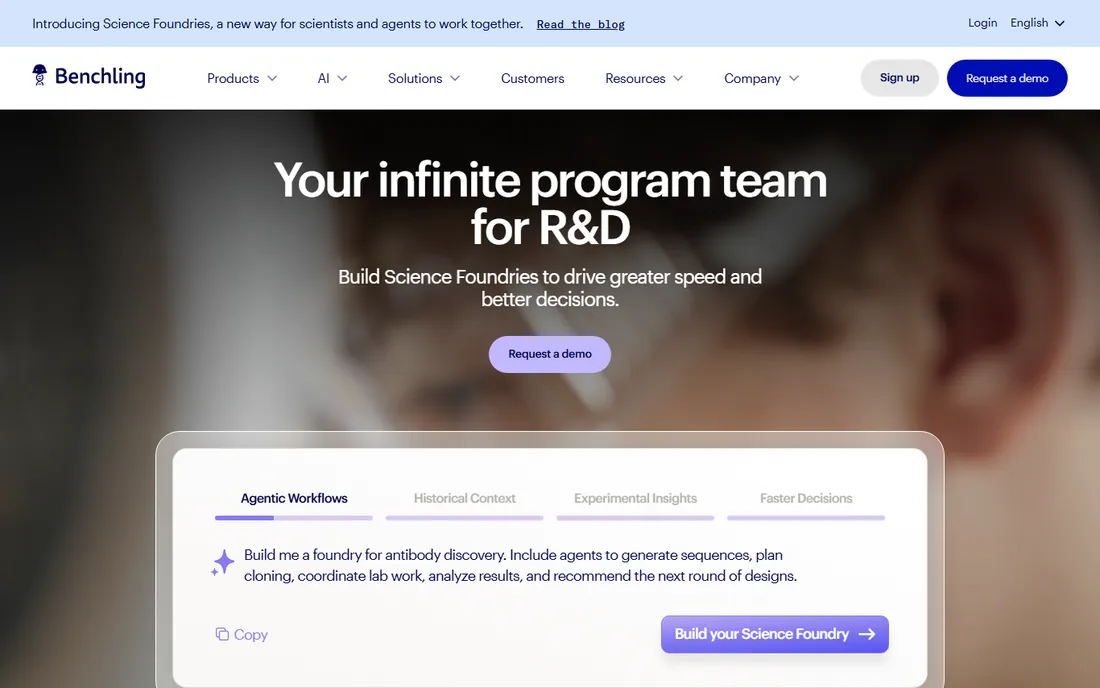
Benchling is the modern system of record for biotech R&D: molecular biology tools, electronic lab notebook, sample registry and LIMS workflows in one cloud platform. It is designed around how research scientists actually work, with collaboration built in.
Academic labs use it free. Commercial biotech pays per seat. Manufacturing QC labs with different workflows may fit the enterprise trio better, but for R&D, Benchling is the category-defining modern choice.
Benchling's free academic tier makes piloting easy: run one real research project through it before any commercial discussion. The adoption test is whether scientists choose it over their current notebooks without being told to.
What we like- Modern platform combining LIMS, ELN and registry
- Built for biotech workflows
- Free for academics
Watch out for- R&D-focused, less suited to manufacturing QC
- Pricing scales with growth
Starting priceSee website
Free planYes
SciNote grew from open-source roots into a compliant research platform: electronic lab notebook, inventory management, and LIMS features for sample tracking. The free tier makes it accessible to academic labs and small research groups.
It will not replace LabWare in a pharma QC lab. For research teams that need organized, compliant record-keeping without enterprise budgets, it is an excellent fit.
SciNote's free tier covers small teams fully, so start there and upgrade when user counts or storage demand it. Academic labs should confirm the compliance features match their institution's requirements before standardizing.
What we like- Free tier for small teams
- Compliant ELN plus inventory and LIMS features
- Open-source roots
Watch out for- Lighter LIMS functionality than enterprise platforms
- Smaller vendor
Starting priceSee website
Free planYes
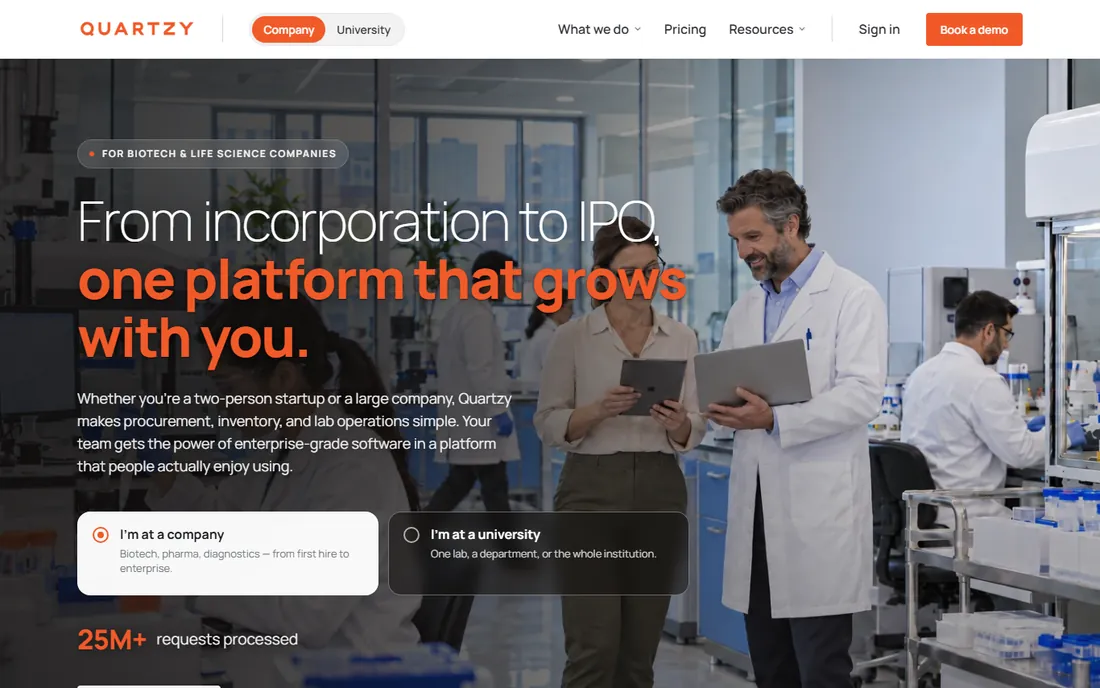
Quartzy is where academic labs manage inventory, orders and protocols, free. Millions of researchers use it for the day-to-day organization that keeps a lab running: what is in the freezer, what was ordered, who used what.
It is lab management rather than a regulated LIMS. Labs that need audit trails and validation should look elsewhere. For the organizational layer of academic research, the free tools are genuinely good.
Quartzy's free tools need no procurement approval, which is exactly why they spread through academic labs. The question for lab managers is governance: decide who owns the inventory data before it becomes critical.
What we like- Free lab management and inventory tools
- Huge community of academic labs
- Simple to adopt
Watch out for- Not a full regulated LIMS
- Limited compliance features
Starting priceSee website
Free planFree trial
CloudLIMS is a true SaaS LIMS: no servers, no IT project, just a configured cloud system. It has found strong niches in cannabis testing, clinical, and industrial labs that need compliance without enterprise overhead.
Implementation is measured in weeks, not quarters. Labs that have outgrown spreadsheets but cannot justify LabWare land here.
CloudLIMS trials should run on your actual sample types and testing workflows, not generic demos. Cannabis, clinical and industrial labs each have distinct compliance needs; confirm yours are covered in the trial's first weeks.
What we like- Purpose-built SaaS LIMS with no infrastructure
- Strong in cannabis, clinical and industrial labs
- Configurable workflows
Watch out for- Mid-market focus means less depth for the largest enterprises
- Smaller vendor
Starting priceSee website
Free planFree trial
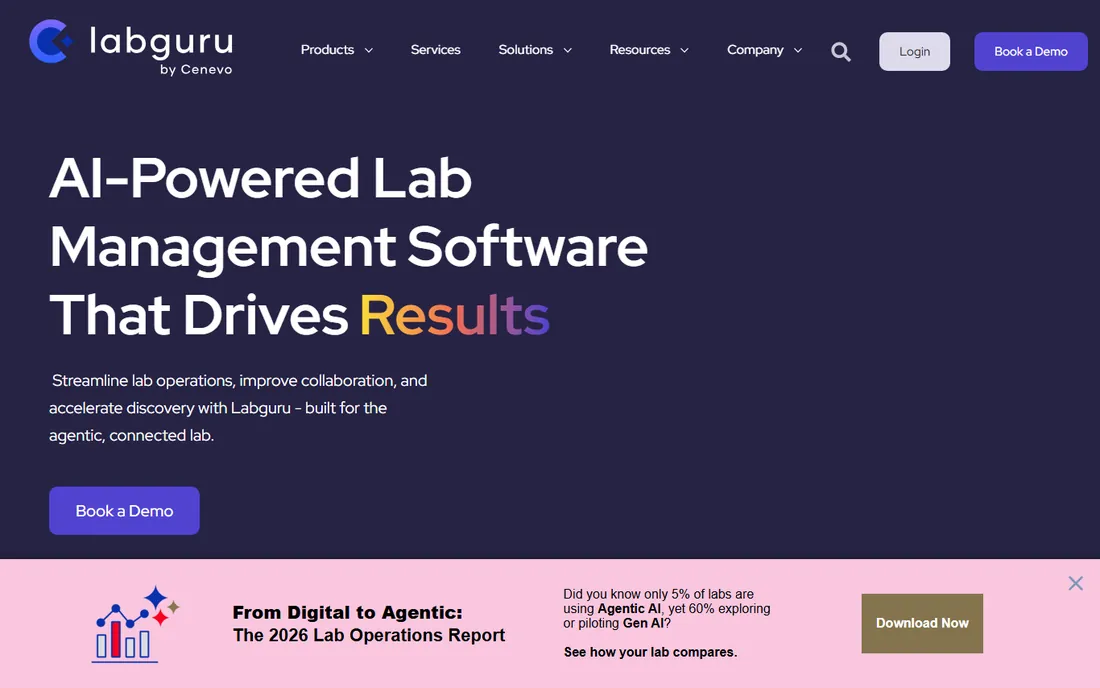
Labguru unifies the research lab: electronic lab notebook, sample and inventory management, and experiment planning in one system. Small biotech companies and academic core facilities use it to keep research organized and traceable.
It is a research platform first, not a manufacturing QC system. For labs where experiments and samples need one home, it fits well.
Labguru fits small biotech teams that want ELN and LIMS in one login: trial it with a real experiment cycle from planning through results. The value shows when researchers stop maintaining separate systems.
What we like- Combines ELN, LIMS and inventory for research
- Experiment planning built in
- Good for small biotech
Watch out for- Research focus limits regulated QC use
- Pricing per user adds up
Starting priceSee website
Free planFree trial
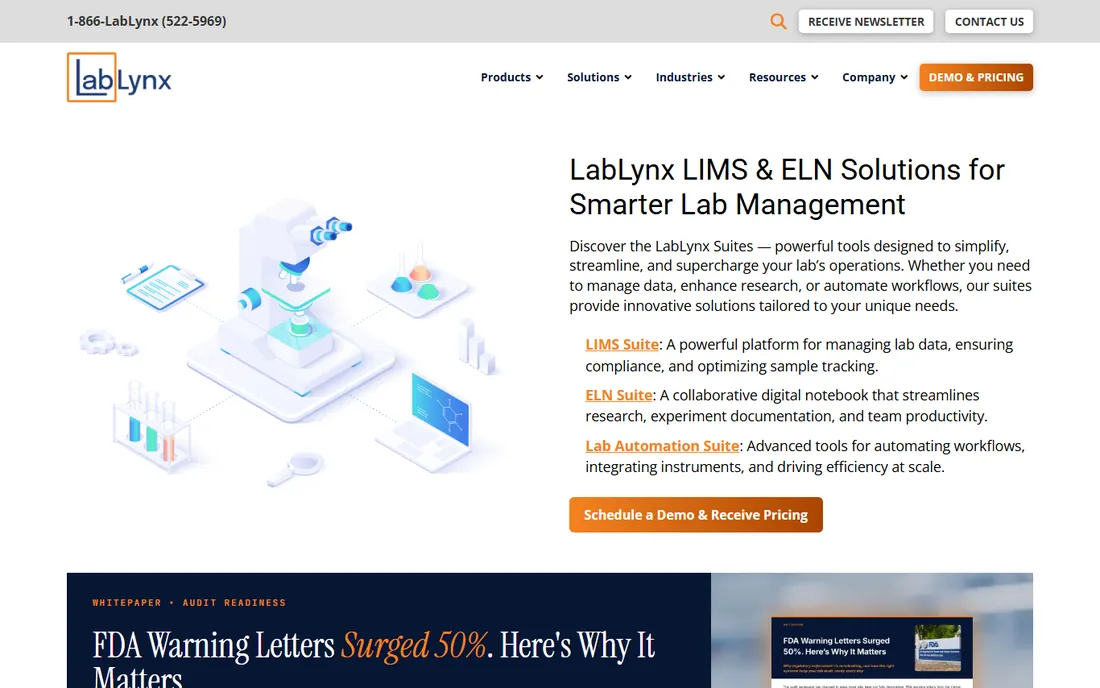
Lablynx offers a web-based LIMS that configures to different lab types: clinical diagnostics, cannabis testing, environmental, industrial. Being browser-based removes deployment friction, and the pricing undercuts the enterprise trio significantly.
It is a pragmatic mid-market choice. Labs should validate the specific workflows they need during the trial, since depth varies by vertical.
Lablynx's browser-based approach removes installation friction, so the trial can start immediately. Validate the depth for your specific lab type during evaluation, since functionality varies across the verticals it serves.
What we like- Browser-based with no client installs
- Configurable for clinical, cannabis and industrial labs
- Reasonable pricing
Watch out for- Smaller market presence
- Less third-party integration depth
Starting priceSee website
Free planNo
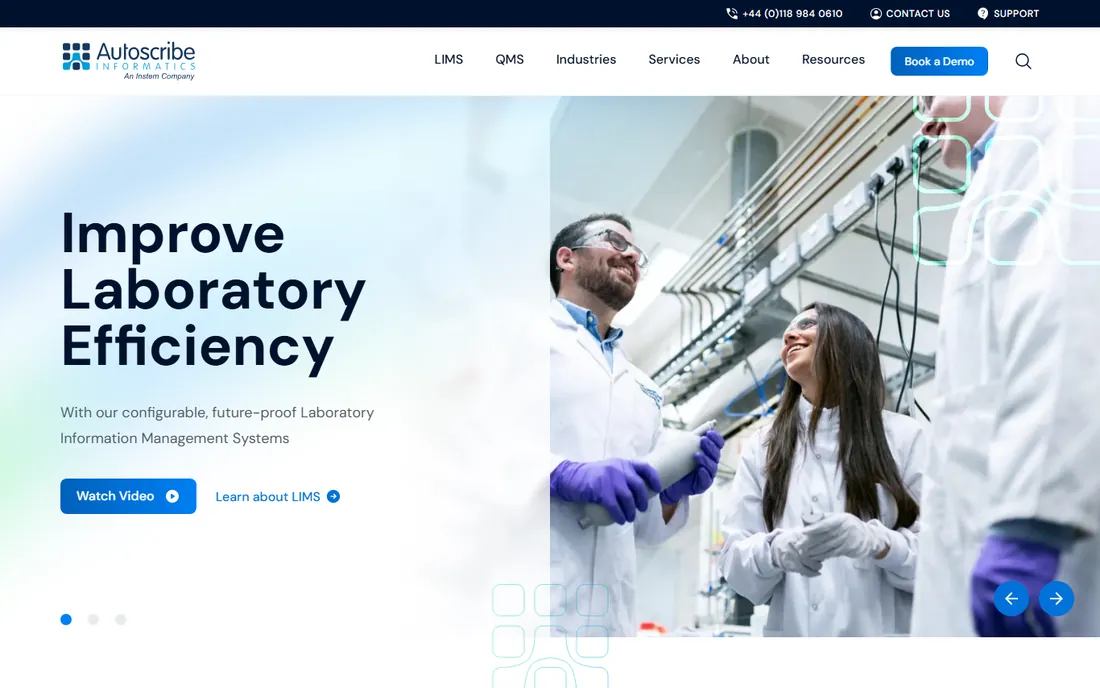
Autoscribe Informatics has built LIMS for decades, with the Matrix Gemini platform configuring to clinical, pharmaceutical, environmental and industrial labs. The configurability story suits labs with unusual workflows that off-the-shelf products do not fit.
As a smaller vendor, it competes on flexibility and relationships rather than market presence. Labs with specialized requirements should include it in the evaluation.
Autoscribe's strength is unusual workflows, so bring your hardest requirements to the demo: the configurability story only matters if it handles the processes that off-the-shelf products cannot. Ask for a configured prototype, not slides.
What we like- Matrix Gemini LIMS configures to many lab types
- Long-established vendor
- One system for varied workflows
Watch out for- Smaller vendor with less market visibility
- Enterprise sales process
Enterprise or modern?
Choose enterprise LIMS when regulation demands it: FDA 21 CFR Part 11, ISO 17025, GxP. LabWare, STARLIMS and LabVantage bring the validation, audit trails and vendor accountability that auditors expect. Budget for implementation as a project.
Choose modern cloud LIMS when speed matters more than regulatory depth: biotech R&D, academic labs, cannabis testing, industrial QC. Benchling, CloudLIMS, Labguru and Lablynx implement in weeks. SciNote and Quartzy start free for the smallest labs.
What to check before you buy
Compliance requirements come first: confirm 21 CFR Part 11, audit trails, electronic signatures and validation documentation for your regulatory regime. Ask for the validation package before you sign.
Then check instrument integration: which instruments and file formats connect natively, and what needs custom work. Test with your actual sample workflows during the trial. Confirm data migration from your current system, and who owns your data if you leave. For enterprise deals, talk to reference customers in your vertical.
How we chose
We selected LIMS products covering enterprise, modern cloud, research and free tiers, all live in 2026. Nine vendor URLs were corroborated through sibling research files during a browser service outage; Autoscribe's URL could not be individually verified and is flagged for re-verification. No vendor pricing pages were individually verified, so all prices list see website.
Frequently asked questions
What is LIMS software?
A laboratory information management system tracks samples, tests, results, instruments and inventory, and provides the audit trails regulated labs need for compliance.
What is the best LIMS for a small lab?
Benchling for biotech R&D, CloudLIMS or Lablynx for testing labs, SciNote or Quartzy free for academic labs. Enterprise platforms are overkill below a certain scale.
How much does LIMS software cost?
From free (SciNote, Quartzy, Benchling academic) to SaaS subscriptions for mid-market tools, to six-figure enterprise implementations for LabWare and STARLIMS.
What is the difference between LIMS and ELN?
LIMS manages samples, tests and lab operations. An electronic lab notebook (ELN) records experiments and research notes. Modern platforms like Benchling and Labguru combine both.
Do I need a validated LIMS?
If your lab operates under FDA, EMA or ISO 17025 requirements, yes: you need audit trails, electronic signatures and vendor validation documentation. Research labs generally do not.
How long does LIMS implementation take?
Cloud LIMS: weeks. Enterprise LIMS: months to over a year, including validation. The implementation timeline is often a bigger factor than the software price.
Sources we checked (10)
- https://labware.com/
- https://starlims.com/
- https://labvantage.com/
- https://benchling.com/
- https://scinote.net/
- https://quartzy.com/
- https://cloudlims.com/
- https://labguru.com/
- https://www.lablynx.com/
- https://www.autoscribeinformatics.com
Is your product missing or out of date?
We review this list regularly. Vendors can request a listing, send updated pricing or ask about featured placement.

Shihab Mia · Founder, Rankite
Shihab has spent more than a decade helping SaaS and e-commerce brands grow through search. He writes Rankite's software buying guides from pricing pages, documentation and public user reviews. More about Shihab.