How we make this list: we compare pricing pages, product documentation and public user reviews. Ratings come from G2, Capterra or Trustpilot, with the date we checked them.
Key takeaways
- MyFitnessPal has the largest food database, making calorie tracking fastest for most people.
- Lose It is the simplest calorie tracker, with a clean interface and a strong free plan.
- Cronometer is best for detailed nutrition tracking, including vitamins and minerals.
- Noom combines tracking with psychology-based coaching, at a higher price.
- These apps support healthy habits but are not medical advice. Talk to a doctor or dietitian before starting a weight loss plan, especially if you have a health condition.
Quick comparison
| Tool | Best for | Starting price | Free plan |
|---|
 MyFitnessPal | Largest food database | Free | Yes |
 Lose It! | Simple calorie tracking | Free | Yes |
 Cronometer | Detailed nutrition data | Free | Yes |
 Noom | Coaching and psychology | See website | Free trial |
 Yazio | Fasting and calorie tracking | Free | Yes |
 Lifesum | Healthy eating plans | Free | Yes |
 FatSecret | Free community tracking | Free | Yes |
 MyNetDiary | Diabetes-friendly tracking | Free | Yes |
Is your product missing or out of date?
We review this list regularly. Vendors can request a listing, send updated pricing or ask about featured placement.
The best weight loss tracker apps
Starting priceFree
Free planYes
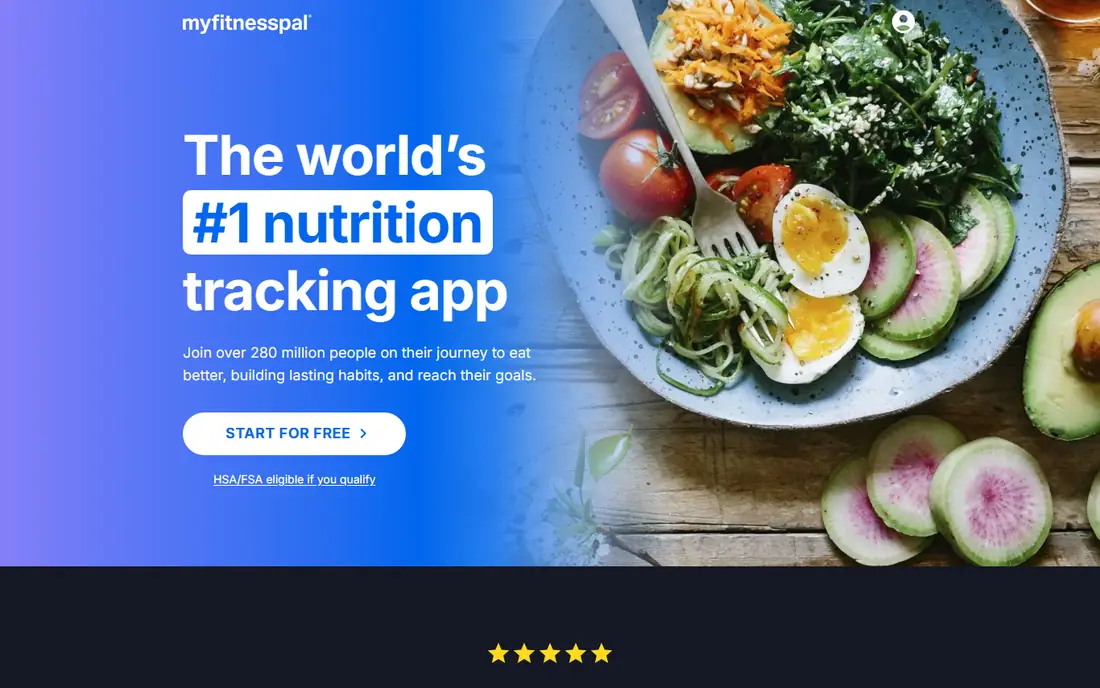
MyFitnessPal is the most popular calorie tracker in the world, and its food database is the reason. With millions of foods, including restaurant items and branded products, logging a meal usually takes seconds, and barcode scanning speeds it up further. The app tracks calories, macros, exercise, steps and weight, with goals that adjust as you progress.
The free plan covers core tracking, while Premium adds barcode scanning, detailed macro goals, meal timing and an ad-free experience. Community features, including forums, challenges and friend feeds, help some users stay consistent, though they are optional.
MyFitnessPal's move of barcode scanning to Premium frustrated free users, and the free plan includes ads. But for the fastest, most complete food logging, no other app matches its database.
What we like- Huge food database with barcode scanning
- Exercise and step tracking
- Large community
Watch out for- Some features, like barcode scanning, moved to Premium
- Ads on free plan
Starting priceFree
Free planYes
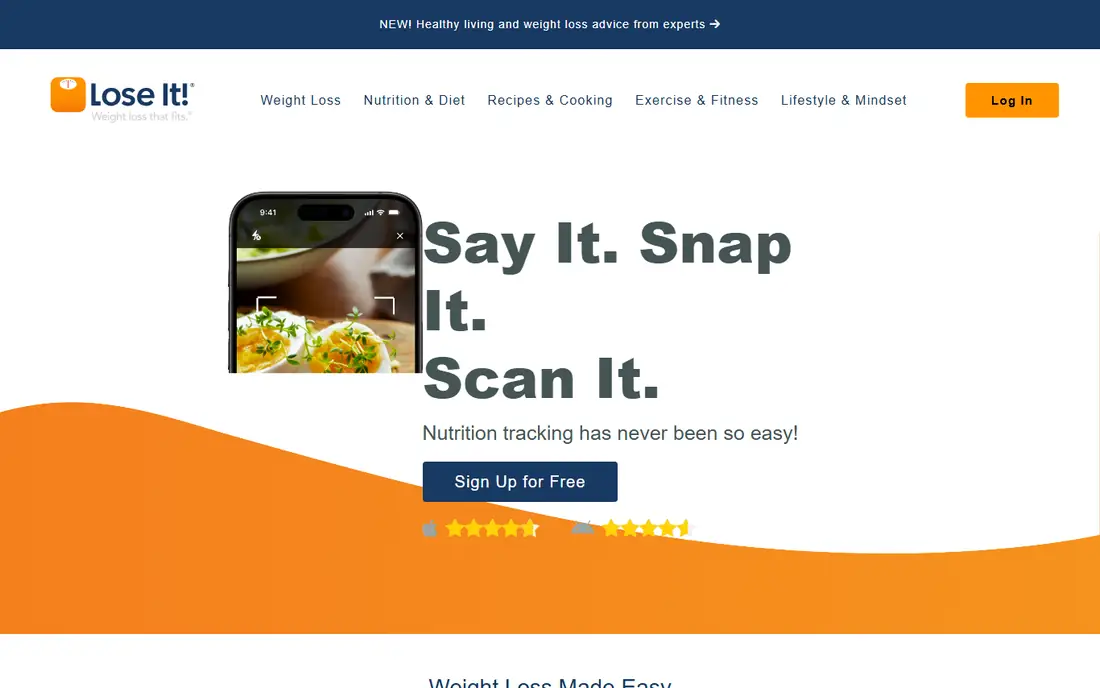
Lose It! is the simplest calorie tracker in this list, with a clean interface that focuses on one job: logging food and weight against a daily budget. Set a goal, log meals by searching, scanning or photographing food with Snap It, and the app shows remaining calories at a glance.
The free plan is genuinely useful, covering food logging, weight tracking and basic goals, while Premium adds macro goals, meal planning, device integrations and an ad-free experience. Challenges and social features add motivation for users who like competing with friends.
Nutrition detail is thinner than Cronometer's, with less emphasis on vitamins and minerals. But for a user who wants calorie tracking without complexity, Lose It! is the easiest app to stick with.
What we like- Very easy to use
- Photo-based Snap It logging
- Good free plan
Watch out for- Nutrition detail thinner than Cronometer
- Some features need Premium
Starting priceFree
Free planYes
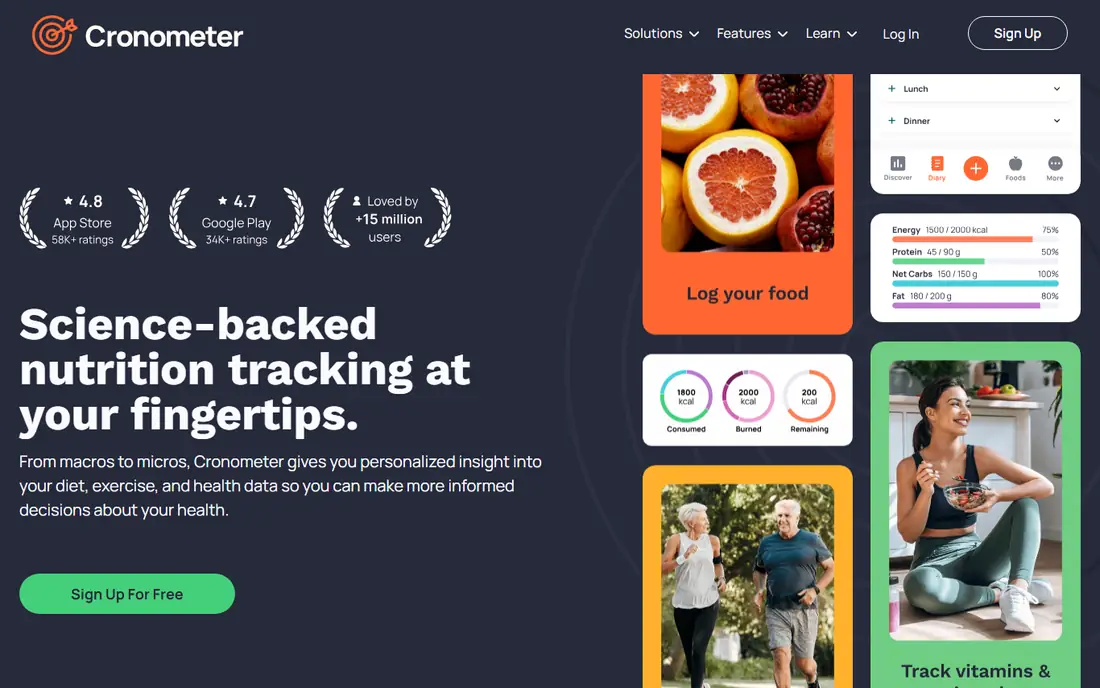
Cronometer is the tracker for people who care about nutrition quality, not just calories. It tracks up to 84 nutrients, including vitamins, minerals, amino acids and omega fatty acids, using verified data sources rather than user-submitted entries. That accuracy makes it popular with athletes, people managing health conditions, and anyone following a specific diet.
The free plan is generous, with full nutrient tracking and no ads, while Gold adds fasting timers, custom charts, recipe analysis and more. Barcode scanning, food search and recipe creation cover daily logging, though the database is smaller than MyFitnessPal's, so some branded foods need manual entry.
The interface is functional rather than pretty, which suits data-focused users. For detailed, trustworthy nutrition tracking, Cronometer is the best choice available.
What we like- Most accurate nutrition data
- Tracks vitamins and minerals
- No ads on free plan
Watch out for- Food database smaller than MyFitnessPal
- Interface feels clinical
#4Noom
Best for: Coaching and psychology3.3/5 on
G2 (4 reviews, checked Oct 2026)
Visit noom.com
Starting priceSee website
Free planFree trial
Noom is less a tracker and more a behaviour change programme. Daily lessons based on psychology teach habits around eating, activity, sleep and stress, while a personal coach and group support keep users accountable. Food logging is included, with a traffic-light system that categorises foods by calorie density rather than labelling them good or bad.
That approach suits people who have tried calorie counting alone and struggled with consistency, since Noom addresses the habits behind eating rather than just the numbers. Weight, activity and blood pressure tracking are included, and the programme adapts to progress.
Noom costs significantly more than a tracker app, with pricing by programme length, and coaching quality varies by coach. Its food database is also less detailed than MyFitnessPal's. But for users who want coaching alongside tracking, Noom is the most established option.
What we like- Psychology-based lessons
- Human coaching
- Habit and behaviour focus
Watch out for- Higher price than trackers
- Coaching quality varies
- Less detailed food database
Starting priceFree
Free planYes
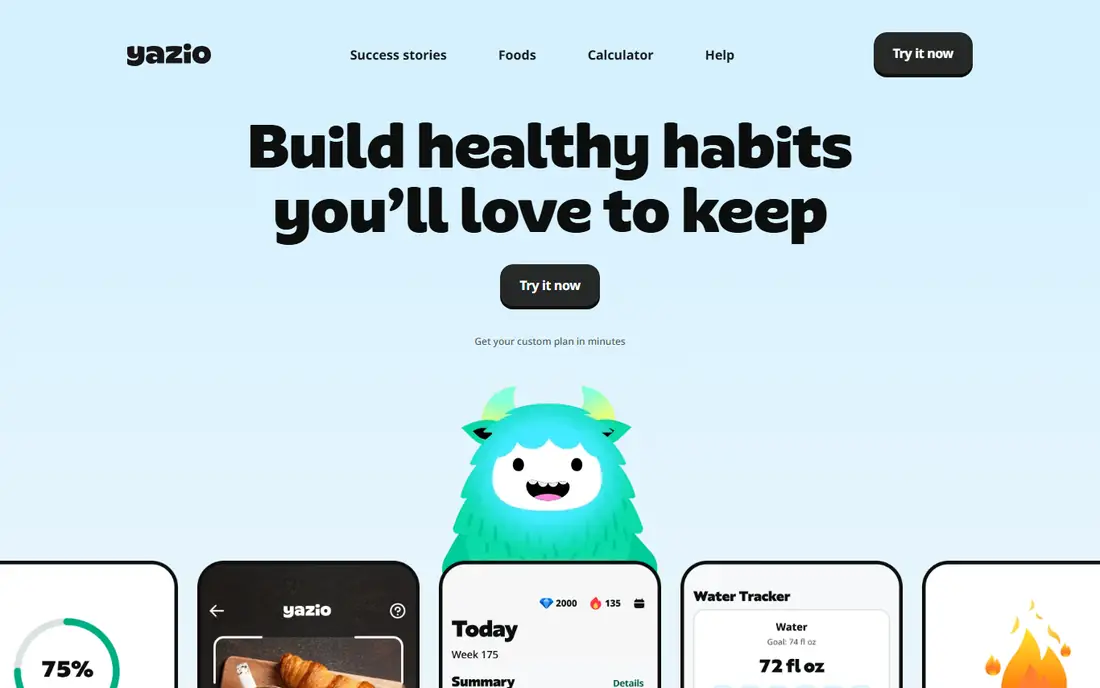
Yazio combines calorie tracking with intermittent fasting, which makes it popular with users who follow time-restricted eating. The fasting timer tracks eating windows, sends reminders, and logs fasts alongside calories, weight and activity. The interface is clean and modern, with charts that show progress clearly.
The free plan covers basic calorie and fasting tracking, while Pro adds macro goals, recipe analysis, meal plans and an ad-free experience. A recipe section with nutritional information helps users plan meals rather than just logging them.
The food database is smaller than MyFitnessPal's, so some items need manual entry, and Pro is needed for the full feature set. But for users who combine fasting with calorie tracking, Yazio is the most integrated option.
What we like- Calorie tracking plus intermittent fasting timers
- Clean interface
- Good recipe section
Watch out for- Some features need Pro
- Food database smaller than MyFitnessPal
Starting priceFree
Free planYes
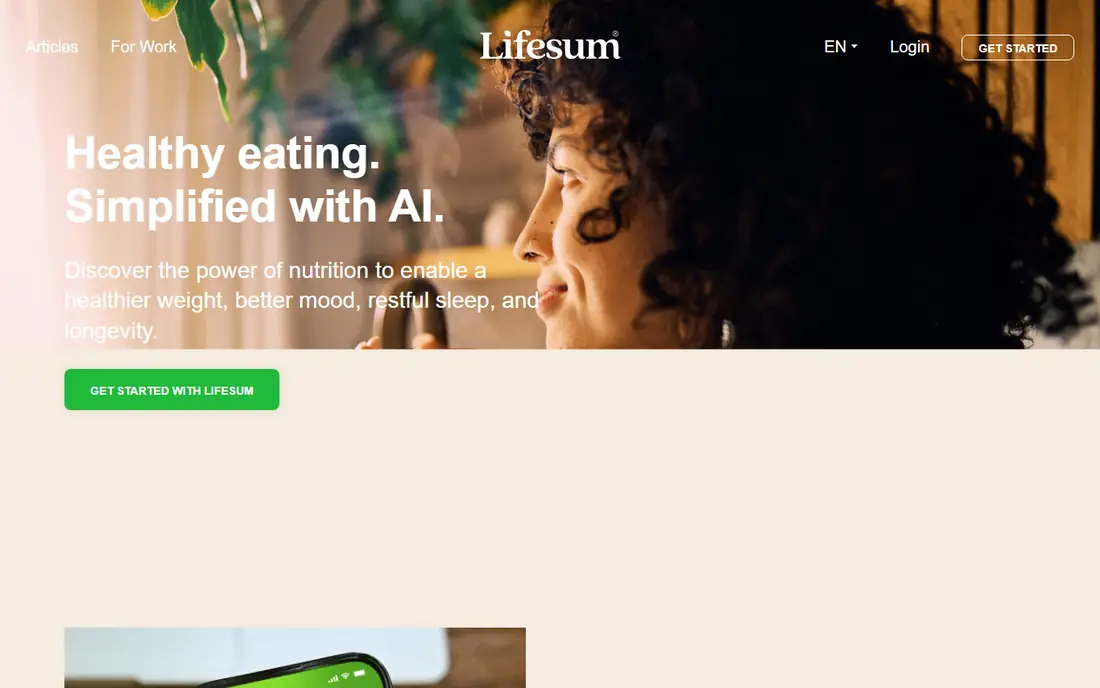
Lifesum stands out for design and diet plans. After a short quiz, it suggests an eating plan, such as Mediterranean, keto, high-protein or balanced, with meal plans, recipes and shopping guidance to match. The interface is polished and encouraging, which helps users who find other trackers clinical or dull.
Food logging covers calories and macros, with barcode scanning and a solid database, while weight, activity and water tracking round out the picture. The free plan includes basic logging, but meal plans, detailed macro goals and fasting features need Premium.
Lifesum's plans are general guidance, not personalised medical nutrition therapy, so users with health conditions should check with a dietitian. For a beautiful, plan-led approach to healthier eating, Lifesum is a strong choice.
What we like- Beautiful interface
- Diet plans for keto, Mediterranean and more
- Meal plans and recipes
Watch out for- Free plan is limited
- Some plans need Premium
Starting priceFree
Free planYes
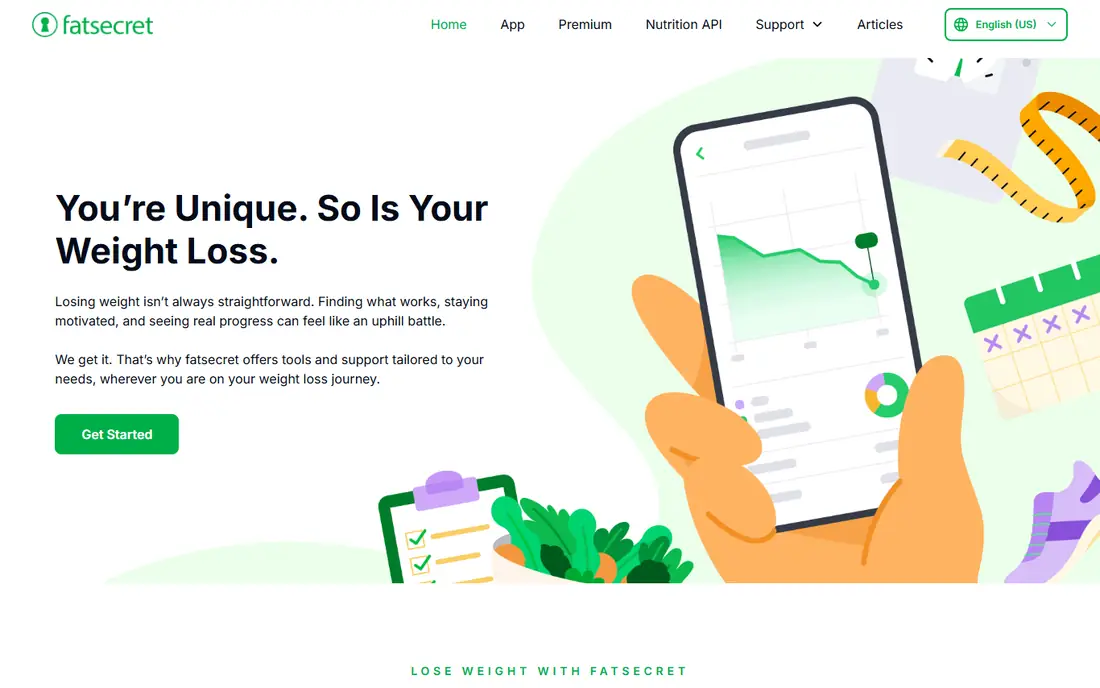
FatSecret is a free calorie tracker with a large food database, community journals, challenges and a recipe section, all without pushing a subscription. Logging covers calories, macros, weight and exercise, with barcode scanning and a solid search that finds branded and restaurant foods.
The community is a genuine strength: public food diaries, forums and challenges let users share progress and get support, which helps consistency. The app and website sync, so logging works on any device.
The interface feels dated next to Lifesum or Yazio, and advanced features like meal planning are thinner than paid rivals. But for a completely free tracker with a community, FatSecret is hard to beat.
What we like- Free with a large food database
- Community journals and challenges
- No subscription pressure
Watch out for- Interface feels dated
- Fewer premium features than rivals
Starting priceFree
Free planYes
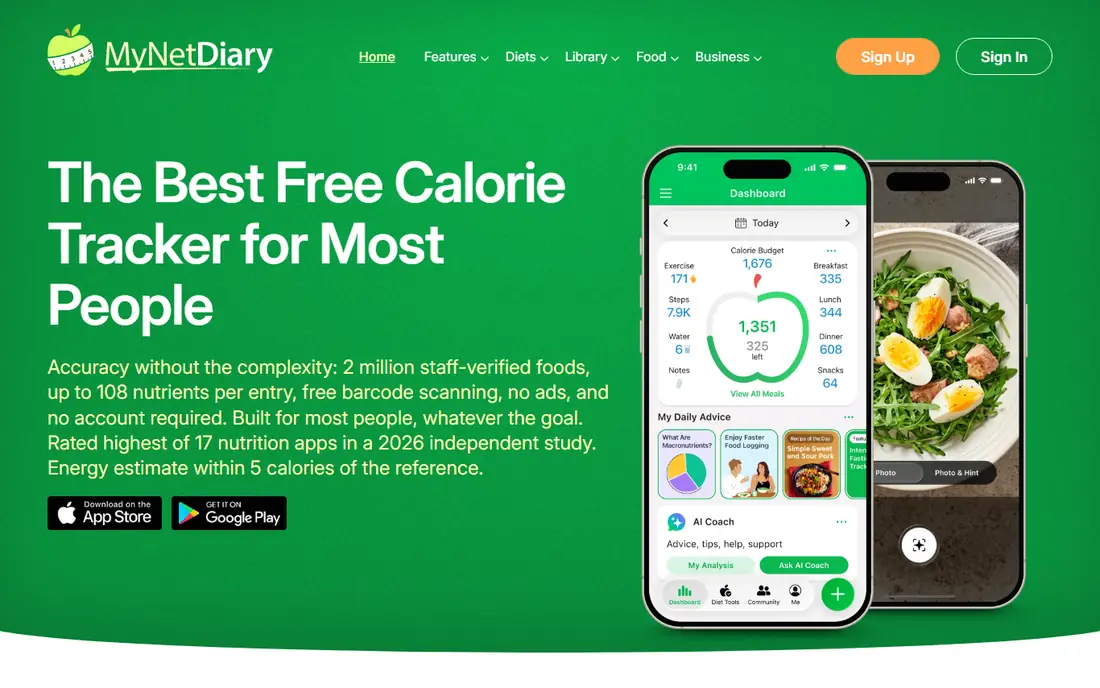
MyNetDiary is a well-regarded tracker with a focus on health conditions, including diabetes. It tracks calories, macros, carbs, blood glucose, medications, blood pressure and other health metrics alongside weight, which makes it useful for users managing diabetes or other conditions with their doctor's guidance.
The food database is accurate and well verified, with barcode scanning and recipe analysis, and the free plan covers core tracking. Premium adds advanced analysis, meal planning and an ad-free experience. Target setting is flexible, with options for different diets and health goals.
The community is smaller than MyFitnessPal's, and the interface prioritises function over style. But for users who need health tracking alongside weight loss, MyNetDiary is the most capable free option.
What we like- Strong diabetes and health tracking
- Accurate food database
- Good free plan
Watch out for- Smaller community than MyFitnessPal
- Interface is functional rather than stylish
How we chose
We compared apps on food database size, ease of logging, nutrition detail, coaching, price and free plan value. Prices were checked against vendor sites, and where pricing varies by plan we say so. We also read public user reviews to confirm which apps people actually use daily and which ones they abandon after a week.
Tracking without obsession
Calorie tracking works best as a short-term learning tool, not a lifelong chore. Log consistently for a few weeks to learn portion sizes and patterns, then shift to habits: regular meals, more vegetables and protein, less ultra-processed food, daily movement and good sleep. If tracking starts to feel stressful or obsessive, or if you have a history of disordered eating, stop and talk to a doctor or dietitian. The healthiest approach is the one you can sustain without anxiety.
Set realistic goals
A loss of 0.5 to 1 kilogram per week is a realistic, sustainable pace for most people, and slower is fine. Focus on trends over weeks, not daily fluctuations, since weight varies with water, meals and activity. Celebrate non-scale wins too: better energy, fitness, sleep and clothes fit all matter as much as the number on the scale.
Frequently asked questions
What is the best free weight loss tracker app?
MyFitnessPal and Lose It! have the best free plans for general calorie tracking, while FatSecret is the best completely free option with a community. Cronometer's free plan is best for detailed nutrition data.
Do I need to pay for a weight loss app?
No. Free plans from MyFitnessPal, Lose It!, Cronometer, Yazio, Lifesum, FatSecret and MyNetDiary cover core tracking well. Premium plans add convenience features, not magic, so start free and upgrade only if a specific feature helps you.
Is calorie counting safe?
For most healthy adults, tracking calories for a period is safe and educational, but it is not suitable for everyone. If you have a history of disordered eating, a health condition, or you are pregnant, talk to a doctor or dietitian first. Stop tracking if it causes stress or obsession.
How accurate are calorie counts in these apps?
Estimates vary, since food databases mix verified and user-submitted entries. Cronometer uses verified data and tends to be most accurate, while MyFitnessPal's larger database includes more user entries. Treat counts as estimates, not exact science.
Can an app replace a dietitian?
No. Apps track and inform, but a dietitian gives personalised advice based on your health, medications, preferences and goals. Use apps alongside professional guidance, especially if you have diabetes, heart disease or another condition.
How long should I track my food?
Many people benefit from tracking for a few weeks to a few months to learn portions and patterns, then tracking less often or only when progress stalls. Long-term daily tracking suits some people and stresses others, so find the rhythm that works for you.
Sources we checked (8)
- https://www.myfitnesspal.com
- https://www.loseit.com
- https://cronometer.com
- https://www.noom.com
- https://www.yazio.com
- https://lifesum.com
- https://www.fatsecret.com
- https://www.mynetdiary.com
Is your product missing or out of date?
We review this list regularly. Vendors can request a listing, send updated pricing or ask about featured placement.

Shihab Mia · Founder, Rankite
Shihab has 5+ years in B2B and SaaS SEO. He writes Rankite's software buying guides from pricing pages, documentation and public user reviews. More about Shihab.