How we make this list: we compare pricing pages, product documentation and public user reviews. Ratings come from G2, Capterra or Trustpilot, with the date we checked them.
Key takeaways
- The best weight loss app is the one you will open every day, so logging speed matters more than a long feature list.
- MyFitnessPal and Lose It suit straightforward calorie tracking, while Cronometer suits users who want detailed nutrient data.
- Noom and WeightWatchers add coaching and structure for people who struggle with habits and consistency rather than with math.
- Simple and Carb Manager serve narrower eating styles, with Simple for fasting and habit tracking and Carb Manager for low carb and keto eating.
- Yazio and Lifesum sit in the middle, with clean tracking plus meal ideas for users who want guidance without a full coaching program.
Quick comparison
| Tool | Best for | Starting price | Free plan |
|---|
 MyFitnessPal | Large food database tracking | $19.99 per user/month | Yes |
 Noom | Behavior and habit coaching | See website | Free trial |
 Lose It | Simple calorie tracking | $39.99 per user/year | Yes |
 Cronometer | Detailed nutrient tracking | $8.99 per user/month | Yes |
 WeightWatchers | Points system and group support | $23.00 per user/month | No |
 Yazio | Clean calorie and fasting tracking | $47.90 per user/year | Yes |
 Lifesum | Guided meal plans and habits | See website | Yes |
 Simple | Fasting and habit coaching | See website | Free trial |
 Carb Manager | Keto and low carb tracking | See website | Yes |
Is your product missing or out of date?
We review this list regularly. Vendors can request a listing, send updated pricing or ask about featured placement.
The best apps to lose weight
Weight loss apps fail for a simple reason, which is that logging feels like work after the first week. A good app reduces that work with barcode scanning, recent foods, recipes, and quick entry, and it gives a clear daily target without demanding perfect data. A weaker app may have a larger database or a nicer chart, but if entry takes minutes per meal, most users stop. Judge these tools on the daily routine first, and on advanced charts second.
It also helps to name the part you struggle with. If food awareness is the gap, a tracker such as MyFitnessPal or Lose It may be enough. If habits, stress eating, or late night snacking are the gap, a coaching app such as Noom or a group program such as WeightWatchers may help more. If a specific eating style is the plan, such as keto or fasting, a specialist app will track the right metrics from the start. The list below covers all three needs.
Starting price$19.99 per user/month
Free planYes
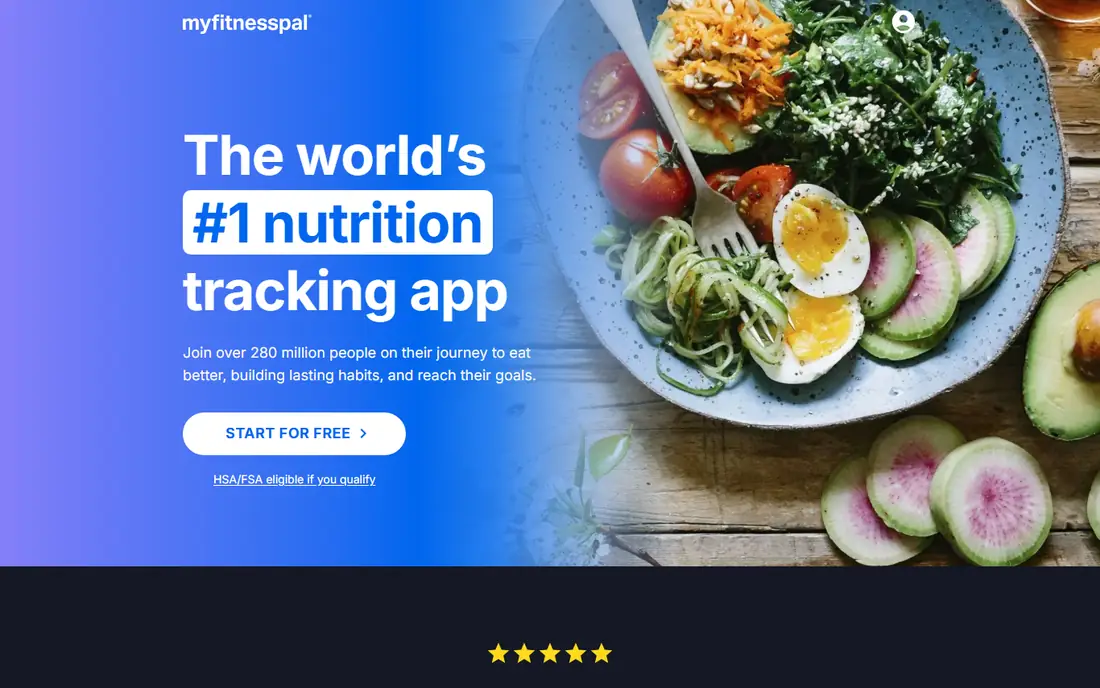
MyFitnessPal remains the default food diary for a reason, which is that it makes logging fast for most common foods. Barcode scanning, recent meals, saved recipes, and restaurant items reduce typing, and the app tracks calories, macros, weight, and exercise in one diary. For a user who wants a clear calorie target and a fast way to see the day total, it does that job with little friction.
The honest catch is data quality and price. Some foods are entered by users, so the same dish can appear with different values, and checking the entry matters for accuracy. The premium price is also high compared with simpler trackers, and many core features now sit behind the paid tier. MyFitnessPal is best for a user who values database size and device connections, and who will actually log most days.
What we like- Very large food database
- Barcode and photo logging
- Connects with many fitness apps and devices
Watch out for- Free plan limits some features
- User entered foods can vary in accuracy
#2Noom
Best for: Behavior and habit coaching3.3/5 on
G2 (4 reviews, checked Oct 2026)
Visit noom.com
Starting priceSee website
Free planFree trial
Noom takes a different route from a plain tracker by teaching habits alongside food logging. Daily lessons cover topics such as portion awareness, emotional eating, sleep, and activity, and foods are grouped by color to guide choices without banning foods outright. A coach or support group, depending on the plan, adds accountability for users who do well with regular check ins.
The trade off is cost and commitment. Noom is one of the pricier options here, and the program still asks for daily logging and lesson time, so it does not remove the work. Users who only want a calorie counter will find it heavy. Noom fits best for someone who has lost weight before and regained it, and who suspects habits, not a lack of data, are the main barrier.
What we like- Daily lessons on habits and psychology
- Color coded food guidance
- Coaching support on higher plans
Watch out for- Cost is high for a monthly plan
- Logging is still required each day
Starting price$39.99 per user/year
Free planYes
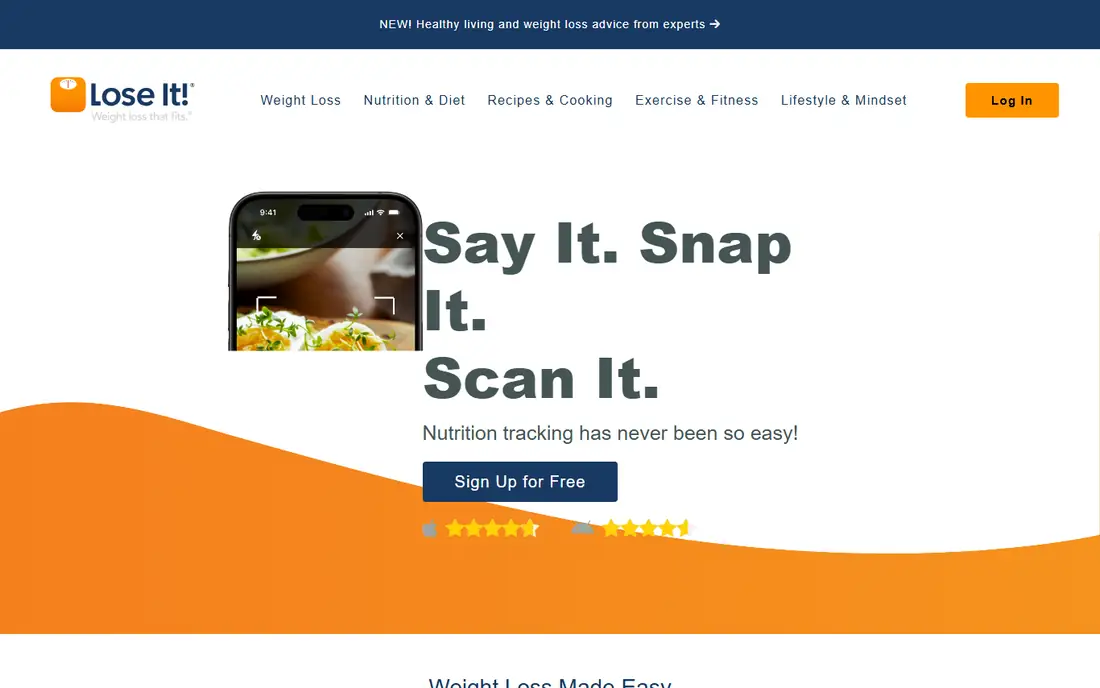
Lose It is the tracker for people who want a simple daily budget and a clean diary, without a lesson program or a complex dashboard. Logging is quick, the weight trend chart is easy to read, and the annual price is lower than many rivals. Photo logging and barcode scanning help on busy days, and the app stays focused on calories, weight, and basic macros.
The limit is depth. Users who want detailed vitamins, minerals, or advanced diet analysis will find Lose It thinner than Cronometer, and users who want coaching will find it lighter than Noom. That simplicity is also its strength, since fewer features mean fewer reasons to quit. Lose It is a strong pick for a beginner who wants a tracker that stays out of the way.
What we like- Clean and fast logging interface
- Clear daily budget and weight trend
- Affordable annual plan
Watch out for- Less detailed nutrient data than Cronometer
- Coaching features are lighter than Noom
Starting price$8.99 per user/month
Free planYes
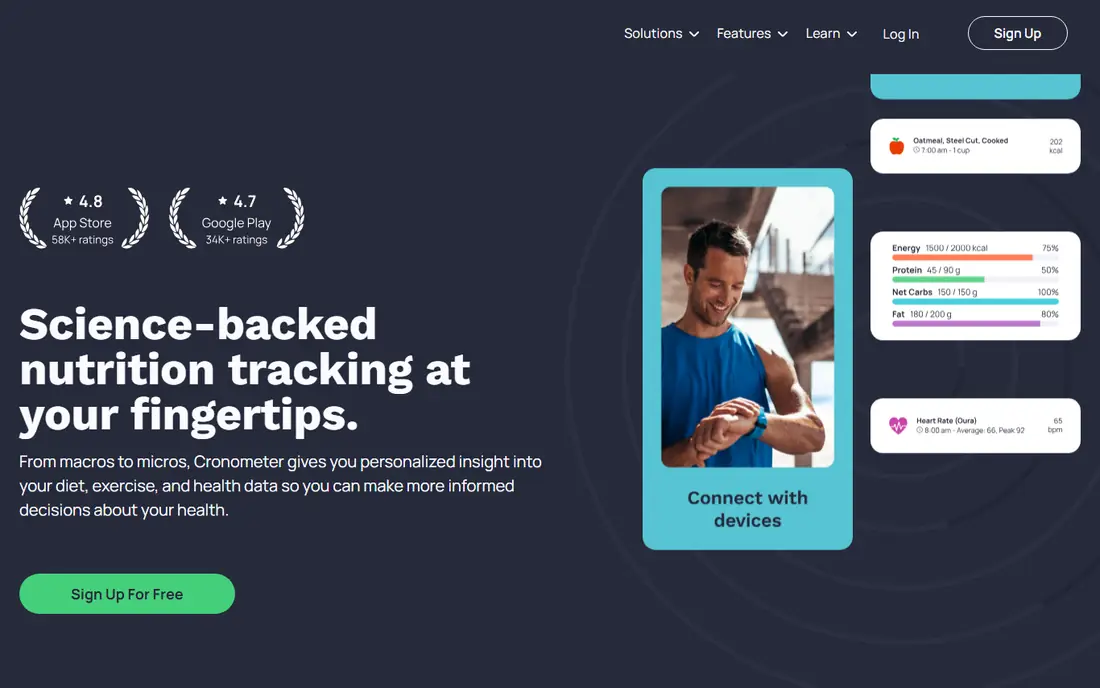
Cronometer is the choice for users who care about nutrient detail, not just calories. It tracks a wide range of vitamins, minerals, and other nutrients, uses verified food entries more often than crowd sourced entries, and shows clear charts for each nutrient. A user following a restricted diet, managing a specific nutrient goal, or working with a dietitian will find the data genuinely useful.
The catch is that detail takes time. Entering a custom recipe or a mixed meal can feel slower than in Lose It or MyFitnessPal, and the app offers less hand holding on what to eat next. Cronometer is best for a data minded user who wants accuracy and is willing to spend an extra minute per meal to get it. For a casual tracker, that detail may feel like overkill.
What we like- Verified food data and detailed nutrient tracking
- Barcode scanning
- Tracks many vitamins and minerals
Watch out for- Logging can feel slower and more detailed than simpler apps
- Interface favors data over guidance
Starting price$23.00 per user/month
Free planNo
WeightWatchers, often called WW, replaces calorie counting with a Points system, where foods carry a Points value and members work within a daily and weekly budget. ZeroPoint foods need no tracking, which reduces logging for common staples, and workshops, both virtual and in person, add group accountability that many members value. The app tracks food, activity, weight, and sleep in one place.
The limits are price and learning time. There is no free plan, and the Points system, while simpler than full macro math for many people, still needs a few weeks to feel natural. WeightWatchers also offers separate medication related programs, which are not part of the core app price and need clinical eligibility. WW fits best for someone who wants community support and a simpler scoring system rather than raw calorie numbers.
What we like- Simple Points system instead of calorie math
- Workshops and community support
- App with food and activity tracking
Watch out for- No free plan
- Points system takes time to learn
- Medication programs are separate and costly
Starting price$47.90 per user/year
Free planYes
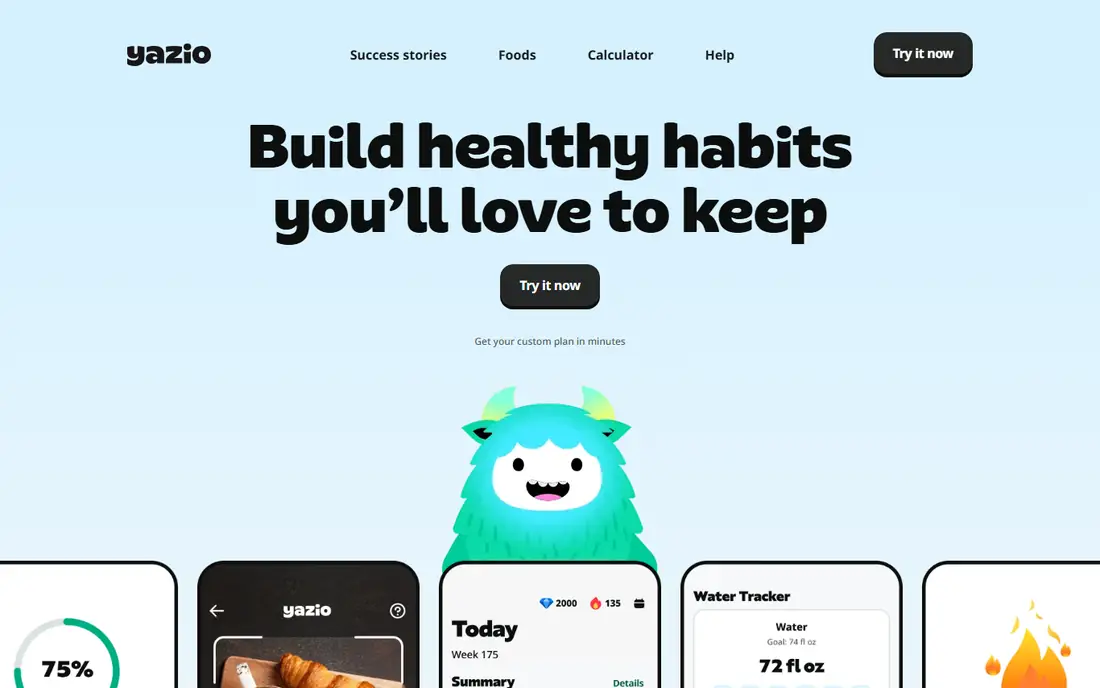
Yazio is a clean tracker that combines calorie counting with intermittent fasting timers and meal ideas. A user can log food, track a fasting window, and follow a simple meal plan without switching apps. The interface is calm and easy to read, and the annual price is moderate compared with coaching programs. For a user who wants tracking plus a light fasting structure, Yazio covers both in one place.
The weakness is database depth in the United States, where MyFitnessPal and Lose It often have more restaurant and packaged foods. Yazio is stronger for home cooked meals and common foods, and weaker for niche US brands. It also lacks the coaching depth of Noom. Yazio is a good middle option for a user who wants a tidy tracker with fasting support and does not need a large coaching program.
What we like- Simple calorie counting with fasting timers
- Meal plans and recipes
- Clean interface
Watch out for- Food database is smaller than MyFitnessPal in the US
- Premium features need a paid plan
Starting priceSee website
Free planYes

Lifesum blends tracking with guidance, offering meal plans, recipes, and habit tracking alongside calorie and macro logging. A user can pick a plan style, such as balanced eating or low carb, and get daily meal ideas that fit that style. Water intake, activity, and weight trends sit in the same app, which helps a user see the full routine rather than just food.
The catch is that the best meal plans and detailed insights need a premium plan, and the price varies by region and offer, so the vendor page should be checked before purchase. Food database depth also varies by country, with stronger coverage in Europe than in some US niches. Lifesum suits a user who wants meal ideas and structure, but who does not want a full coaching curriculum.
What we like- Meal plans, recipes, and habit tracking
- Clean design
- Water and activity tracking
Watch out for- Premium price varies by plan and region
- Food database depth varies by country
Starting priceSee website
Free planFree trial
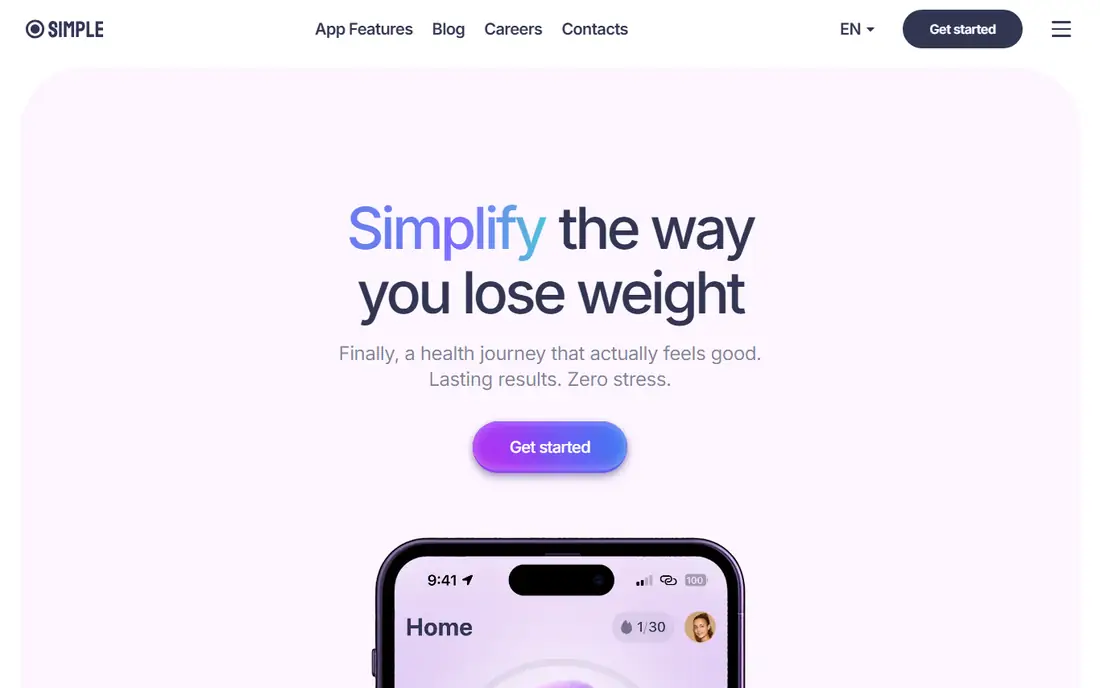
Simple is built around intermittent fasting and habit change, with fasting timers, eating window guidance, and daily check ins that track meals, water, and activity. The app uses short lessons and prompts to keep a user aware of hunger, fullness, and routine, rather than asking for detailed macro math every day. For a user whose plan centers on fasting, that focus is more useful than a generic tracker.
The limits are price transparency and food detail. Simple pricing varies by platform, region, and offer, so a buyer should confirm the total cost and renewal terms at checkout. Food logging is also simpler than in MyFitnessPal or Cronometer, which suits fasting users but may frustrate a user who wants precise nutrient data. Simple is best for a fasting first routine with habit support.
What we like- Fasting timers with guidance
- Daily check ins and habit streaks
- Simple meal logging
Watch out for- Pricing varies by platform and offer
- Less detailed food database than full trackers
Starting priceSee website
Free planYes
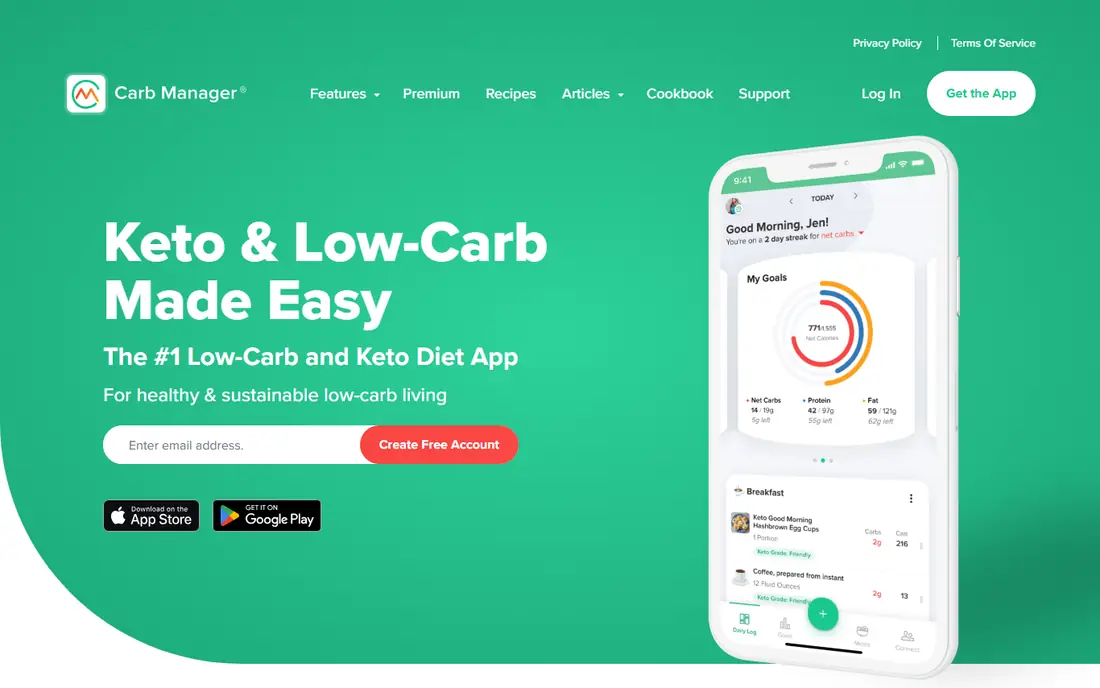
Carb Manager is the specialist tracker for keto and low carb eating, with net carb counts front and center, keto recipes, and meal plans that fit that style. It tracks macros, weight, and, where a user logs them, ketone and glucose readings, which helps a keto eater see whether the plan is working. The free plan covers basic tracking, while premium adds meal plans and deeper insights.
The obvious limit is scope. A user who does not eat low carb will find Carb Manager less useful than a general tracker, and the keto focus can feel narrow for a balanced eating plan. Premium pricing should be checked on the vendor site, since plans and offers change. For a committed keto or low carb eater, Carb Manager is the most focused tool on this list.
What we like- Net carb tracking built for keto
- Keto recipes and meal plans
- Tracks macros, ketones, and glucose where relevant
Watch out for- Less useful for non low carb eaters
- Premium features need a paid plan
How we chose
We reviewed vendor pricing pages, product documentation, and public reviews on G2, Capterra, and Reddit, and we matched each app to a clear need, such as simple tracking, detailed nutrients, coaching, group support, fasting, or keto. We favored apps that exist today, serve US users, and offer a free plan or trial, so a reader can test logging speed before paying. We did not claim hands on lab results, and prices are shown as See website where the vendor uses regional or offer based pricing. This is not medical advice, and readers with health conditions should speak with a clinician before changing their eating plan.
This is not medical advice, and anyone with a medical condition, a history of disordered eating, or a medication that affects weight should talk with a clinician before starting a new eating plan.
Picking an app you will still use in month three
Start with a two week test, not a year long plan. Log at least one meal a day, use barcode scanning for packaged foods, and save three frequent meals as favorites. If logging still takes more than a couple of minutes per meal after a week, switch to a simpler app, since a perfect database does not help if it stays unused. Check the renewal price before a trial ends, and set a reminder to review the plan after the first month.
Set a target you can check each week
A daily calorie or Points budget is only useful if it is reviewed. Weigh in on the same day each week, look at the trend rather than a single day, and note sleep, activity, and stress alongside food. If the trend is flat for several weeks despite consistent logging, the target, the activity level, or the eating pattern may need adjusting, and a clinician or dietitian can help review the plan safely.
Avoid plans that ban whole food groups without guidance
Very low calorie plans, extreme fasting schedules, and strict elimination diets carry risks, especially for people with medical conditions, pregnant users, or anyone with a history of disordered eating. An app is a tracking tool, not a medical guide, and a plan that feels punishing is unlikely to last. A slower, steadier routine with foods you enjoy is more likely to hold over months than a strict plan that lasts two weeks.
Frequently asked questions
Which app is best for beginners?
Lose It is a strong beginner pick, since logging is simple and the daily budget is easy to read. MyFitnessPal is also beginner friendly if a large food database matters more. Start with the free plan and upgrade only if a premium feature is used weekly.
Do I need a paid plan to lose weight with an app?
No, free plans from MyFitnessPal, Lose It, Cronometer, Yazio, Lifesum, and Carb Manager cover basic food and weight tracking. Paid plans add meal plans, deeper insights, coaching, or advanced logging, which help some users but are not required for basic tracking.
Is Noom worth the higher price?
Noom can be worth it for users who need habit lessons and coaching, especially if past attempts failed on consistency rather than on tracking. For users who only need a calorie counter, a cheaper tracker such as Lose It or Yazio offers better value.
Can these apps replace a dietitian?
No, apps track food and habits, while a dietitian can review medical history, medications, and lab results and tailor a plan. Apps are useful for daily logging between visits, but they are not a substitute for clinical advice.
How accurate are calorie counts in these apps?
Accuracy varies by food entry, portion size, and whether the entry is verified or user entered. Barcode foods and verified entries tend to be more reliable, while restaurant meals and homemade dishes are estimates. Consistent logging matters more than perfect numbers for most users.
Is fasting safe to track with an app?
Fasting is not suitable for everyone, including some people with medical conditions, pregnant users, and people with a history of disordered eating. An app can time a fasting window, but it cannot judge whether fasting is safe for a given person. Speak with a clinician before starting a fasting plan.
Sources we checked (9)
- https://www.myfitnesspal.com
- https://www.noom.com
- https://www.loseit.com
- https://www.cronometer.com
- https://www.weightwatchers.com
- https://www.yazio.com
- https://www.lifesum.com
- https://simple.life
- https://www.carbmanager.com
Is your product missing or out of date?
We review this list regularly. Vendors can request a listing, send updated pricing or ask about featured placement.

Shihab Mia · Founder, Rankite
Shihab has 5+ years in B2B and SaaS SEO. He writes Rankite's software buying guides from pricing pages, documentation and public user reviews. More about Shihab.