How we make this list: we compare pricing pages, product documentation and public user reviews. Rankite is independent; if a vendor ever pays for a featured spot, that listing is clearly labeled Partner.
Key takeaways
- Intercom starts at $29 per seat per month plus $0.99 per AI resolution; it is the most powerful and the most expensive to run at scale.
- Tidio and Crisp are the best value picks, with genuinely useful free plans and paid tiers from about $24 to $45 per month.
- Zendesk at $55 per agent per month suits larger support teams that need omnichannel ticketing alongside chat.
- HubSpot's live chat is free and the obvious choice if you already run on HubSpot CRM.
- Every vendor now bills AI separately from seats; model your resolution volume before you sign, not after.
Quick comparison
| Tool | Best for | Starting price | Free plan |
|---|
 Intercom Intercom | SaaS companies wanting AI-first support | $29 per seat/month (billed annually) | Free trial (14 days) |
 Zendesk Zendesk | larger teams needing omnichannel support | $55 per agent/month (Suite Team, billed annually) | Free trial |
 Drift Drift | B2B teams converting website visitors to pipeline | See website | No |
 LiveChat LiveChat | teams wanting reliable chat without complexity | $19 per user/month (billed annually) | Free trial (14 days) |
 Tidio Tidio | small businesses and Shopify stores | $24.17 per month (Starter, billed annually) | Yes |
 Crisp Crisp | small teams wanting predictable flat-rate pricing | $45 per workspace/month (Mini) | Yes |
 Freshchat Freshchat | growing teams in the Freshworks ecosystem | $19 per agent/month | Yes |
 HubSpot HubSpot | teams already running on HubSpot CRM | Free | Yes |
Is your product missing or out of date?
We review this list regularly. Vendors can request a listing, send updated pricing or ask about featured placement.
The best website live chat software
Starting price$29 per seat/month (billed annually)
Free planFree trial (14 days)
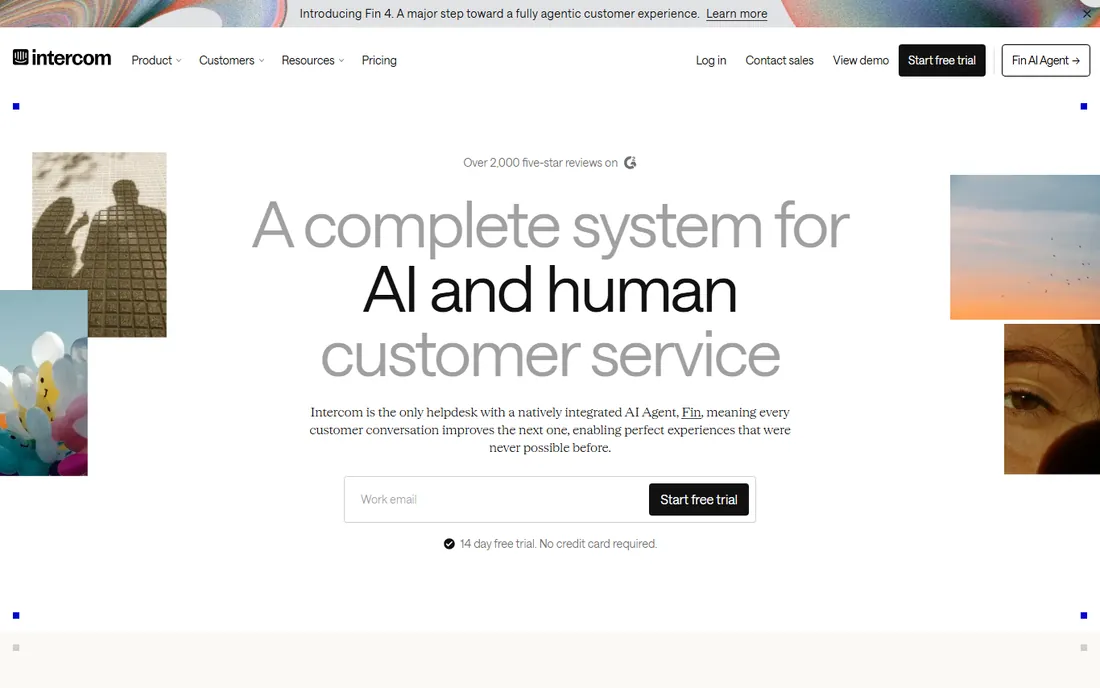
Intercom is the premium pick and prices like it. The platform combines live chat, a shared inbox, ticketing, and a help center, with the Fin AI agent handling frontline conversations and handing off to humans when needed. For product-led SaaS companies, the in-app messenger is the standout: support lives inside the product where users already are, with full context on who they are and what they were doing.
The pricing structure is two-part: $29 per seat per month billed annually for humans, plus $0.99 per Fin AI resolution. That per-resolution charge is the number to model. A company deflecting 2,000 conversations a month through Fin pays nearly $2,000 on top of seat licenses, which surprises teams that budgeted on seats alone.
Intercom earns its price when support is a growth lever: onboarding flows, proactive messages, and automation that turn support into expansion revenue. For a small team that just needs a chat widget, it is overkill at a premium price. Buy it for the AI and the in-app experience, and budget both halves of the bill.
What we like- Fin AI agent resolves a real share of tickets autonomously
- Deep in-app messaging for product-led companies
- Strong automation and help center in one platform
Watch out for- $0.99 per Fin resolution adds up fast at volume
- No free plan
- Costs scale steeply with team size
Starting price$55 per agent/month (Suite Team, billed annually)
Free planFree trial
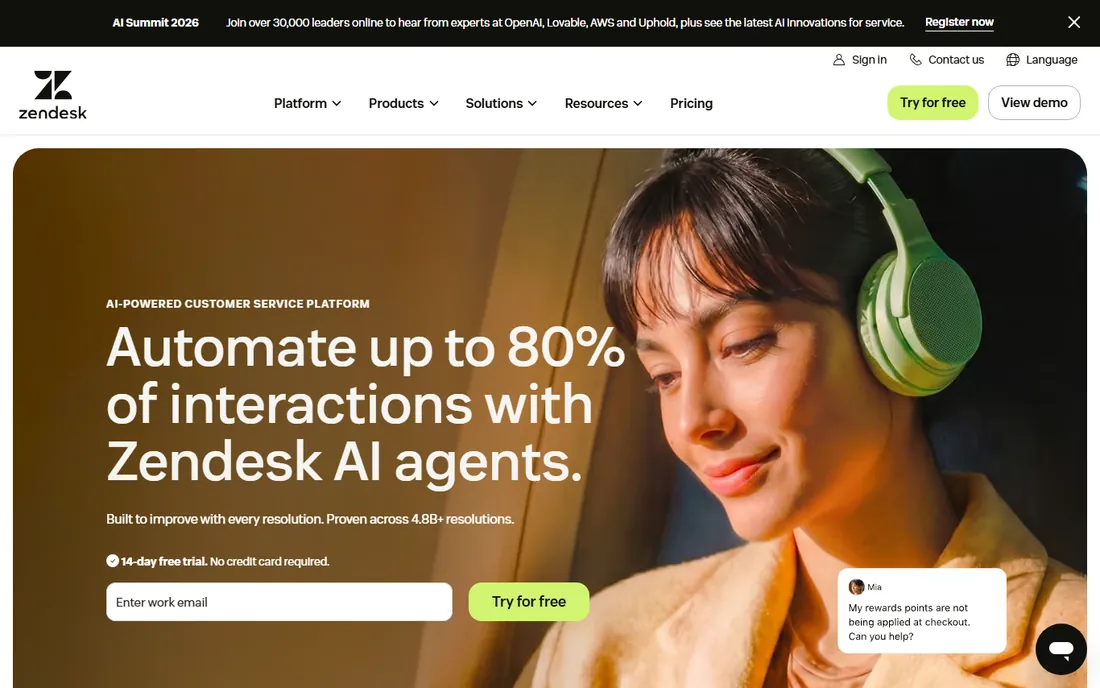
Zendesk is the enterprise workhorse. The Suite Team plan at $55 per agent per month bundles messaging and live chat with ticketing, knowledge base, and omnichannel routing, and higher tiers add voice and advanced AI agents. For support organizations with established processes, Zendesk's workflow engine, SLAs, and reporting depth are unmatched in this list.
The platform's strength is also its demand: Zendesk rewards teams that invest in configuration and punishes teams that do not. Triggers, automations, views, and macros take admin hours to set up well, and the AI add-ons carry their own per-resolution pricing on top of seats. Companies with a dedicated support ops person get enormous value; companies without one get an expensive inbox.
Choose Zendesk when chat is one channel among many and you need everything governed in one system. For chat-only needs at a smaller scale, LiveChat or Crisp deliver the widget without the enterprise overhead.
What we like- Mature omnichannel platform: chat, email, voice, social in one
- Deep reporting and admin controls
- Huge app marketplace
Watch out for- $55 entry per agent is steep for small teams
- Configuration needs real admin time
#3
Drift
Best for: B2B teams converting website visitors to pipeline
Visit drift.com
Starting priceSee website
Free planNo
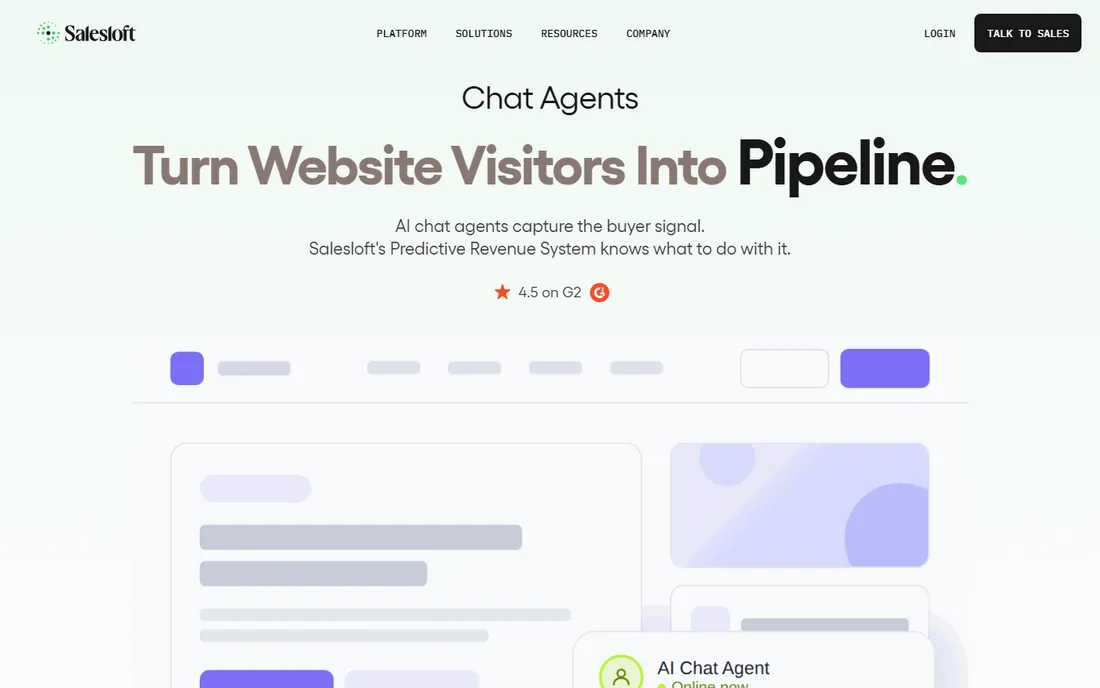
Drift invented conversational marketing: chatbots that qualify visitors, book meetings, and route hot accounts to sales reps in real time. It is a sales tool that happens to use chat, not a support tool, and that distinction drives everything about it. B2B teams measure Drift on pipeline generated, and the platform is tuned for that metric with intent signals and account-based routing.
Since joining Salesloft, Drift sits inside a broader sales engagement platform, which strengthens the case for teams already running outbound. The AI handles qualification conversations at scale while reps focus on live prospects.
The honest limitation is fit and price. There are no public pricing tiers; deals are custom and enterprise-grade, with figures around $2,500 per month cited for typical deployments. If your goal is answering customer questions, every other tool here does it cheaper. If your goal is turning anonymous traffic into sales meetings, Drift is purpose-built for it.
What we like- Conversational marketing built for pipeline generation
- Strong intent data and routing for sales teams
- Now backed by Salesloft's sales platform
Watch out for- Custom pricing only, no public tiers
- Overkill for support use cases
Starting price$19 per user/month (billed annually)
Free planFree trial (14 days)
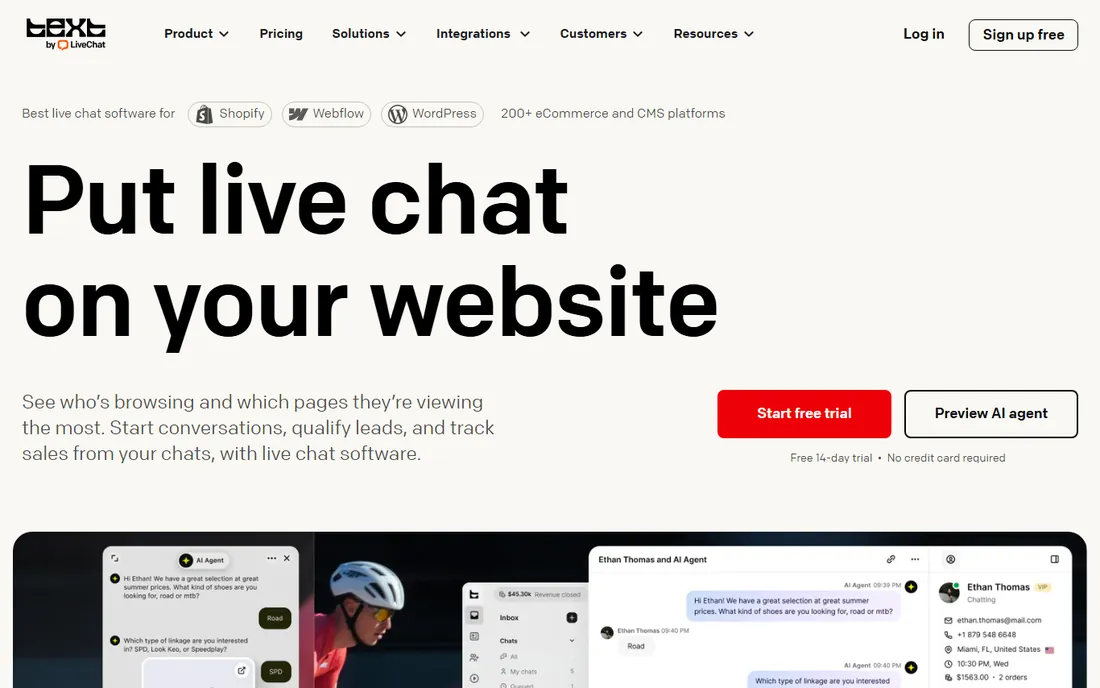
LiveChat is the straightforward choice: a well-built chat widget, a clean agent interface, and a marketplace of more than 200 integrations covering Shopify, WooCommerce, CRMs, and helpdesks. The Starter plan at $19 per user per month billed annually includes the essentials, with Team at $49 and Business at $79 adding routing, staffing prediction, and advanced features.
What LiveChat does not do is bundle everything. AI capabilities live in separate Text products with their own pricing, including per-resolution charges, so the headline seat price is the beginning of the conversation for teams wanting automation. That modularity keeps the base product focused but makes total cost harder to predict.
For ecommerce and SMB teams that want chat to just work, LiveChat's reliability and gentle learning curve are genuine advantages. It is less fashionable than the AI-native newcomers, but the widget loads fast, agents learn it in an afternoon, and the 14-day trial needs no credit card.
What we like- Polished, dependable core chat product
- 200-plus integrations in the app marketplace
- Clear per-agent pricing
Watch out for- AI features sold as separate products
- Advanced routing needs higher tiers
Starting price$24.17 per month (Starter, billed annually)
Free planYes
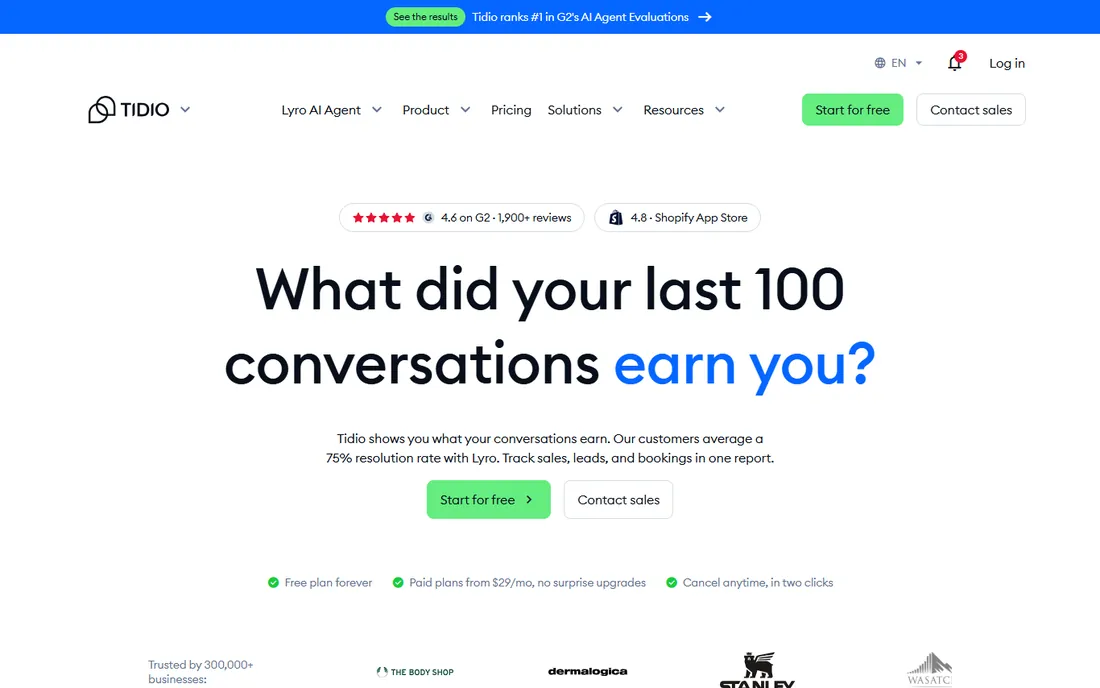
Tidio is the SMB favorite for good reason. The free plan includes live chat for 50 conversations a month, which covers a new store's needs entirely, and the Starter plan at $24.17 per month billed annually ($29 monthly) adds automation and more volume. Pricing is per workspace rather than per seat, so adding team members does not multiply the bill.
The Lyro AI agent is the headline feature: a conversational AI that answers from your help content and hands off to humans when stuck. It shapes what small businesses now expect from chat software, and Tidio's packaging makes AI accessible at prices far below Intercom. Shopify and WooCommerce integrations include product recommendations in chat.
The watch-out is the same AI billing story as everywhere else: Lyro conversations beyond the included allowance cost extra, and heavy AI users should model that. For stores and small businesses that want modern chat with AI without enterprise pricing, Tidio is the value leader.
What we like- Free plan covers 50 conversations a month
- Lyro AI chatbot included in the ecosystem
- Workspace pricing, not per-seat
Watch out for- Lyro AI usage billed separately and scales with volume
- Less depth for large support teams
#6
Crisp
Best for: small teams wanting predictable flat-rate pricing
Visit crisp.chat
Starting price$45 per workspace/month (Mini)
Free planYes
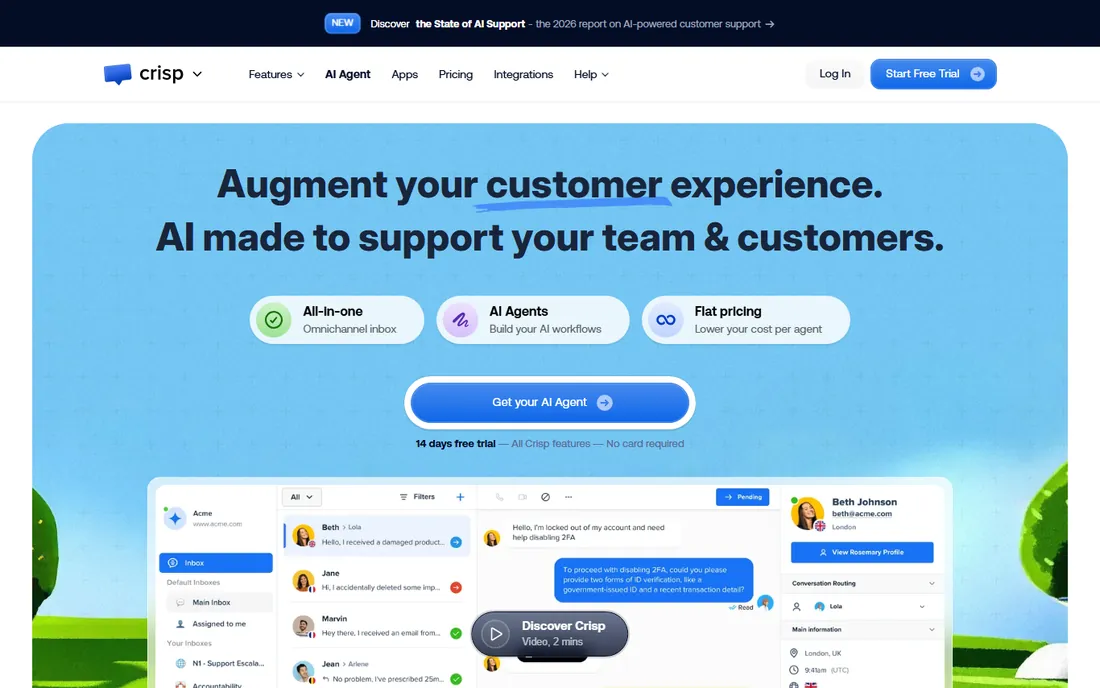
Crisp's appeal is pricing sanity. The free plan covers two seats, the Mini plan at $45 per workspace per month covers four seats, and Essentials at $95 adds AI and omnichannel workflows. Because pricing is per workspace rather than per agent, a five-person team pays the same as a three-person team on the same tier, which makes budgeting refreshingly simple.
The product is a genuine multichannel inbox: website chat, email, and messaging apps in one view, with co-browsing bundled so agents can see what the visitor sees. That is a feature competitors often charge extra for. The interface is clean and fast, and small teams consistently praise the value.
AI is the add-on here too, billed in credits on top of the workspace fee, and the lower tiers gate some automation. For budget-conscious teams that want one flat bill for chat plus inbox, Crisp is the most predictable option on this list.
What we like- Free plan for 2 seats
- Flat workspace pricing keeps costs predictable
- Multichannel inbox with co-browsing bundled
Watch out for- AI features cost extra in credits
- Mini tier limits advanced automation
Starting price$19 per agent/month
Free planYes
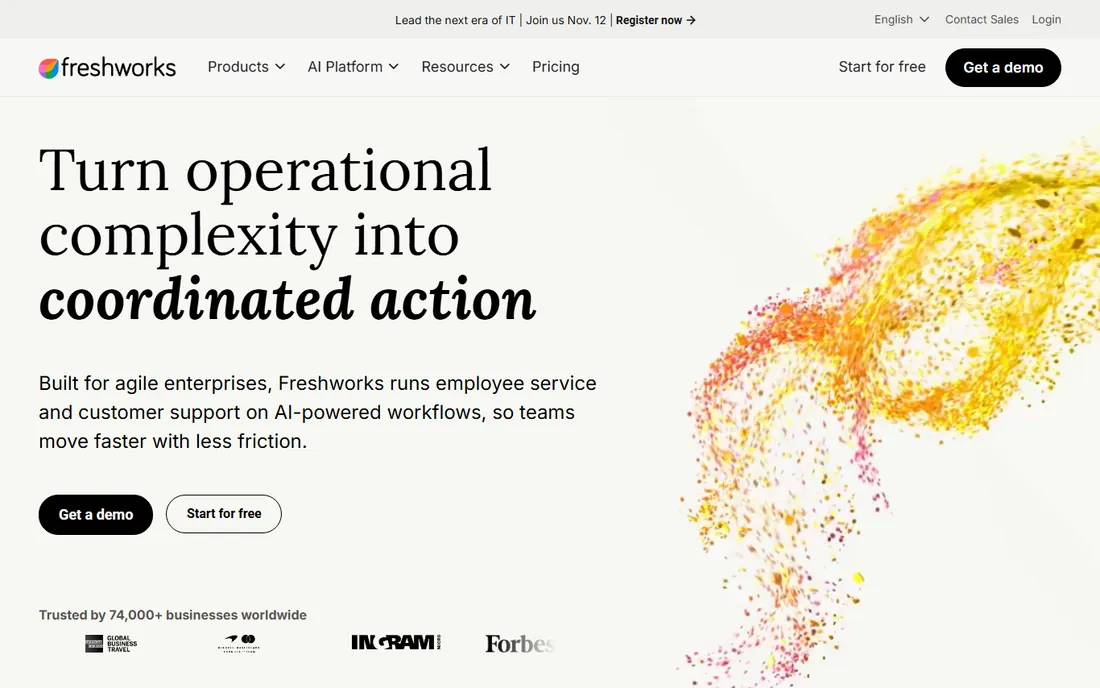
Freshchat is Freshworks' messaging platform, and it makes the most sense for teams already using Freshdesk or other Freshworks products. Conversations flow between chat and ticketing natively, customer context carries across, and the admin experience is consistent. The free plan gets small teams started, with paid plans from around $19 per agent per month.
The messaging itself is modern: proactive campaigns, in-app and web chat, and AI bots that handle routine questions before human handoff. For mid-size teams scaling support, the combination of chat plus a real ticketing backend in one vendor simplifies both purchasing and operations.
The limitation is the add-on structure. AI capabilities beyond the basics need additional packages, and the per-agent pricing means costs scale linearly with team growth, unlike Tidio and Crisp's workspace models. If you are standardizing on Freshworks, Freshchat is the natural chat layer. As a standalone, compare it carefully against the workspace-priced alternatives.
What we like- Free plan to start
- Modern messaging with AI bot capabilities
- Integrates natively with Freshdesk and the Freshworks suite
Watch out for- AI features need add-ons
- Best value requires committing to the Freshworks ecosystem
Starting priceFree
Free planYes
HubSpot's live chat is free, and for HubSpot users that ends the evaluation. The chat widget connects to the free CRM, so every conversation attaches to the contact's full history: deals, tickets, marketing engagement. No integration to maintain, no separate login, no per-agent fee for basic chat. For early-stage companies already on HubSpot, it is the obvious starting point.
The chat itself covers the fundamentals well: targeted welcome messages, simple chatflows, team inboxes, and conversation routing. Where it steps back is depth. Sophisticated AI agents, advanced automation, and complex routing live in the paid Service Hub tiers, and the chatbot builder is simpler than Intercom's or Tidio's.
The honest assessment: HubSpot chat is a very good free chat and a mediocre paid chatbot platform. Start free, and only consider the paid tiers if the CRM integration outweighs the specialized capabilities of the dedicated tools. Most teams outgrow it for AI but keep it for the basics.
What we like- Live chat free with unlimited users on the CRM
- Conversations land directly in the contact record
- No separate vendor to manage
Watch out for- Advanced chatbots and automation need paid Service Hub tiers
- Less specialized than dedicated chat platforms
How we chose
We compared platforms that put a working chat widget on a website and handle real customer conversations, not just chatbot demos. We checked each vendor's pricing page and current 2026 pricing roundups, read user reviews on G2, Capterra, and Reddit, and weighed chat quality, AI capabilities and their separate billing, CRM and ecommerce integrations, pricing model fairness (per seat vs per workspace), and fit for small to mid-size team economics. We did not run hands-on trials; prices were verified against vendor pages or roundups current as of October 2026.
The AI resolution tax: what live chat really costs now
Every major vendor now splits the bill in two: seats for humans, and a separate meter for AI. Intercom charges $0.99 per Fin resolution. Zendesk prices AI resolutions on top of Suite licenses. Tidio, Crisp, and LiveChat all sell AI capacity separately from the base plan. The chat widget got cheaper over the years; the automation got metered.
This changes how you should evaluate. A platform that looks affordable at $29 per seat can cost triple that once AI handles meaningful volume, while a platform with a higher base price but generous AI allowances can end up cheaper. Before signing, estimate your monthly conversation volume, guess what share AI will resolve, and price both halves. Then ask the vendor what happens when you exceed the AI allowance mid-month: throttling, overage charges, or forced upgrades produce very different bills.
How to choose live chat without overbuying AI
Start with your actual conversation volume and team size. Under a few hundred chats a month with one or two agents, Tidio or Crisp on free or entry plans will do everything you need. At higher volumes with a real support team, compare Intercom, Zendesk, and LiveChat on total cost including AI, not just seat prices.
Match the tool to the job. Support teams need ticketing depth (Zendesk, Freshchat, Intercom). Sales teams need qualification and routing (Drift, Intercom). Ecommerce stores need product context in chat (Tidio, LiveChat, Gorgias as an alternative). HubSpot shops should start with the free chat before buying anything. And trial with real traffic: install the widget, run it for two weeks, and check the AI resolution rate and cost before committing to an annual contract.
Frequently asked questions
What is the best free live chat software?
Tidio's free plan (50 conversations a month) and Crisp's free plan (2 seats) are the strongest free options with modern features. HubSpot's live chat is free with unlimited users if you use HubSpot CRM. Tawk.to is free for unlimited agents but more basic. For most small businesses, Tidio or Crisp free tiers are enough to start.
How much does live chat software cost?
Entry pricing runs $19 to $29 per agent per month for LiveChat, Freshchat, and Intercom, $55 per agent for Zendesk Suite, and $24 to $45 per month per workspace for Tidio and Crisp. AI resolutions are billed separately almost everywhere, typically $0.75 to $1.50 each, which can exceed seat costs at high volumes.
Should I choose Intercom or Zendesk for live chat?
Choose Intercom if you are a SaaS or product-led company that wants AI-first support and in-app messaging. Choose Zendesk if you run a larger support operation needing omnichannel ticketing, voice, and deep reporting across channels. Intercom wins on AI and product feel; Zendesk wins on process maturity and scale.
Do I need an AI chatbot with my live chat?
It depends on volume. Under a few hundred conversations a month, human agents handle everything and AI adds cost without much return. Above that, AI that resolves routine questions (order status, hours, pricing) cuts response times and lets agents focus on complex issues. Trial the AI on real conversations and measure the resolution rate before paying for it.
Which live chat is best for ecommerce?
Tidio is the strongest value pick with its Shopify integration and product recommendations in chat. LiveChat is the most reliable pure chat option with deep ecommerce integrations. For Shopify stores tying support to revenue data, Gorgias is worth a look as an alternative. All three offer free plans or trials.
Can live chat actually increase sales?
Yes, when used proactively. Targeted chat triggers on pricing pages, carts, and checkout catch hesitating buyers at the decision moment, and several studies tie proactive chat to higher conversion rates. The key is staffing it: an unanswered chat widget hurts more than no widget at all, so start with AI or limited hours rather than a dead chat bubble.
Sources we checked (6)
- https://www.livechat.com/comparison/crisp-alternative/
- https://www.livechat.com/comparison/tidio-alternative/
- https://www.getmacha.com/blog/tidio-review
- https://chatim.app/en/blog/best-live-chat/
- https://kayako.com/blog/best-live-chat-software/
- https://www.mylivechat.com/vs-competitors.aspx
Is your product missing or out of date?
We review this list regularly. Vendors can request a listing, send updated pricing or ask about featured placement.

Shihab Mia · Founder, Rankite
Shihab has spent more than a decade helping SaaS and e-commerce brands grow through search. He writes Rankite's software buying guides from pricing pages, documentation and public user reviews. More about Shihab.