How we make this list: we compare pricing pages, product documentation and public user reviews. Rankite is independent; if a vendor ever pays for a featured spot, that listing is clearly labeled Partner.
Key takeaways
- SSPs do not sell like SaaS: almost none publish prices, and most earn a revenue share of the impressions they sell for you.
- Magnite is the largest independent SSP and the default first call for publishers in CTV and streaming.
- Google Ad Manager is the only option with a genuinely free tier, and its Open Bidding connects you to outside exchanges through your existing Google tags.
- PubMatic, Index Exchange and OpenX compete on transparency and publisher-friendly terms; TripleLift and Equativ lead in native and curated formats.
- The right SSP depends on your format (display, video, CTV, native) and scale, not on a feature checklist.
Quick comparison
| Tool | Best for | Starting price | Free plan |
|---|
 Google Ad Manager Google Ad Manager | Small publishers starting with a free ad server | $0 (free tier for small publishers); Ad Manager 360 custom pricing | Yes |
 Magnite Magnite | Publishers in CTV and streaming video | See website | No |
 PubMatic PubMatic | Publishers who want transparent programmatic terms | See website | No |
 Index Exchange Index Exchange | A publisher-friendly global exchange | See website | No |
 OpenX OpenX | Transparent, independent bidding infrastructure | See website | No |
 Microsoft Advertising (Xandr) Microsoft Advertising (Xandr) | Enterprise publishers in the Microsoft ecosystem | See website | No |
 TripleLift TripleLift | Native and creative ad formats | See website | No |
 Equativ Equativ | European publishers and curated marketplaces | See website | No |
Is your product missing or out of date?
We review this list regularly. Vendors can request a listing, send updated pricing or ask about featured placement.
Starting price$0 (free tier for small publishers); Ad Manager 360 custom pricing
Free planYes
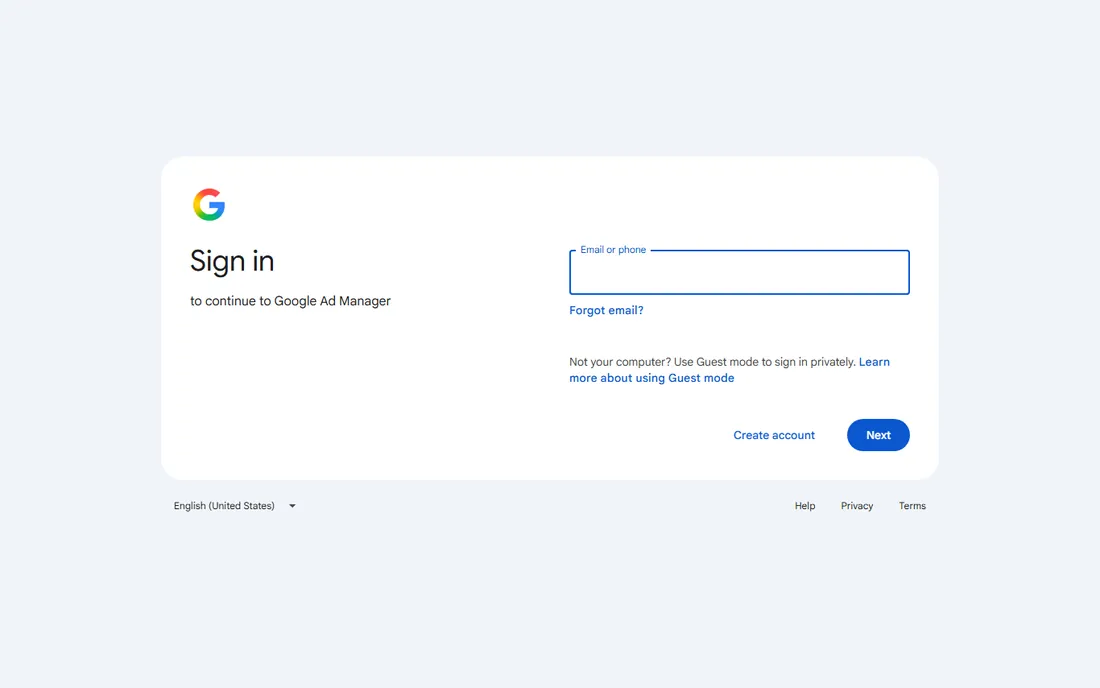
Google Ad Manager is two things at once: an ad server and, through Ad Exchange and Open Bidding, supply-side functionality. The free tier serves small publishers well within its impression limits, and Open Bidding lets publishers using Ad Exchange add outside exchanges through their existing Google tags, server-to-server, without touching the page.
The tradeoffs are well documented: Google's revenue share on Open Bidding is not published, and Ad Exchange still does not bid inside Prebid wrappers (a US court ordered Google to connect them in 2026, but the remedy is not yet in force). The paid tier, Ad Manager 360, is custom-priced for large publishers.
Start here if you are a small or mid-size publisher: the free tier plus Open Bidding covers most needs before any contract.
What we like- Free tier genuinely usable
- Open Bidding adds outside exchanges
- Dominant ad server infrastructure
Watch out for- Fee share on Open Bidding not published
- Dependence on Google's stack
Starting priceSee website
Free planNo
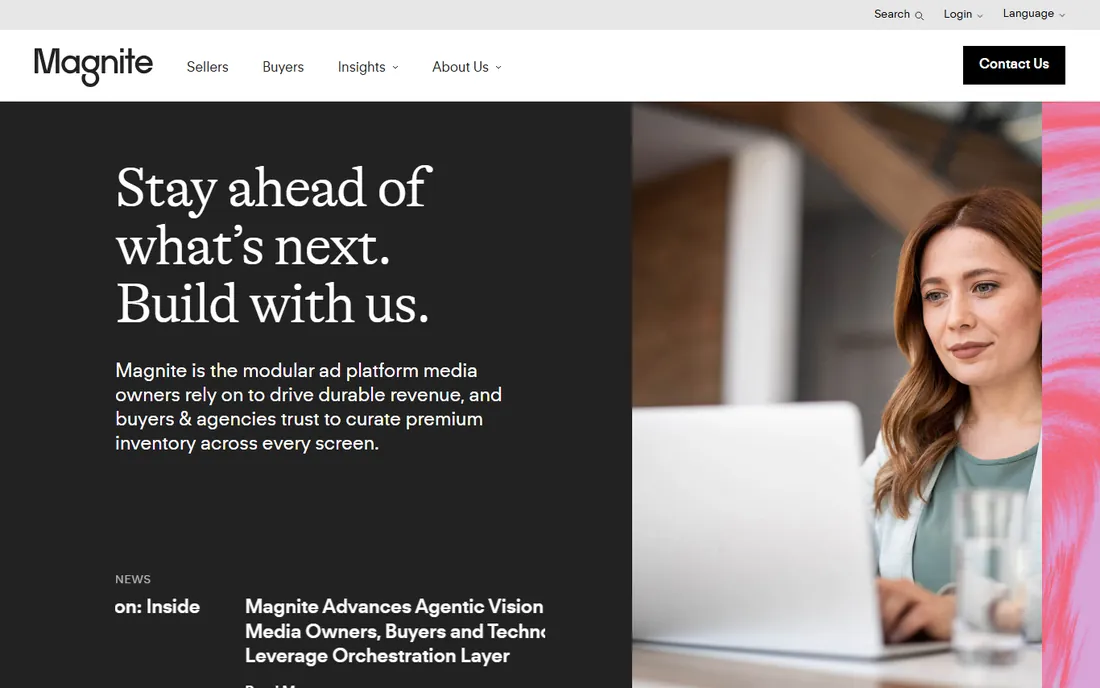
Magnite, formed from the Rubicon Project and Telaria merger, is the largest independent SSP, with particular strength in desktop and CTV inventory. Its SpotX acquisition positioned it as the leader in streaming advertising monetization, and its Magnite DV+ and SpringServe products cover display, video and CTV. The Demand Manager wrapper gives publishers a Prebid-based way to manage demand.
Like all independent SSPs, Magnite does not publish pricing; terms are negotiated and the platform takes a revenue share. It is scaled for mid-size to large publishers, and smaller sites may find onboarding slower.
It is the default first call when your inventory is video or streaming.
What we like- Largest independent SSP
- Strong CTV position via SpotX acquisition
- Prebid-based Demand Manager wrapper
Watch out for- No published pricing
- Scaled for larger publishers
#3
PubMatic
Best for: Publishers who want transparent programmatic terms
Visit pubmatic.com
Starting priceSee website
Free planNo
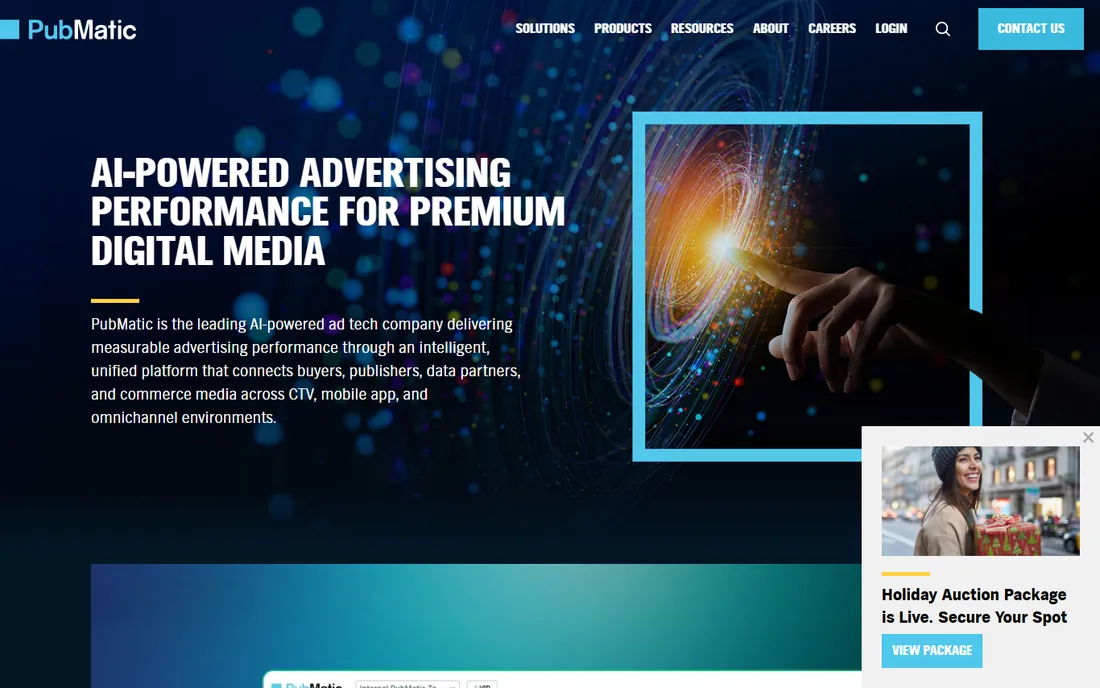
PubMatic has built its reputation on supply-path transparency: showing publishers where their impressions go and what intermediaries cost. Its OpenWrap SDK remains a solid Prebid-based wrapper for in-app banner, video, native and rewarded ads, though PubMatic shelved OpenWrap Web in mid-2026 and points web publishers to partners.
Pricing is negotiated, not published. The platform suits publishers who care about understanding their supply chain and are willing to pay attention to it. Smaller publishers can onboard, but the product's depth pays off most at scale.
Choose PubMatic when transparency in fees and supply paths is a decision criterion.
What we like- Strong transparency positioning
- OpenWrap for in-app
- Broad display and video demand
Watch out for- No published pricing
- OpenWrap Web discontinued in 2026
Starting priceSee website
Free planNo
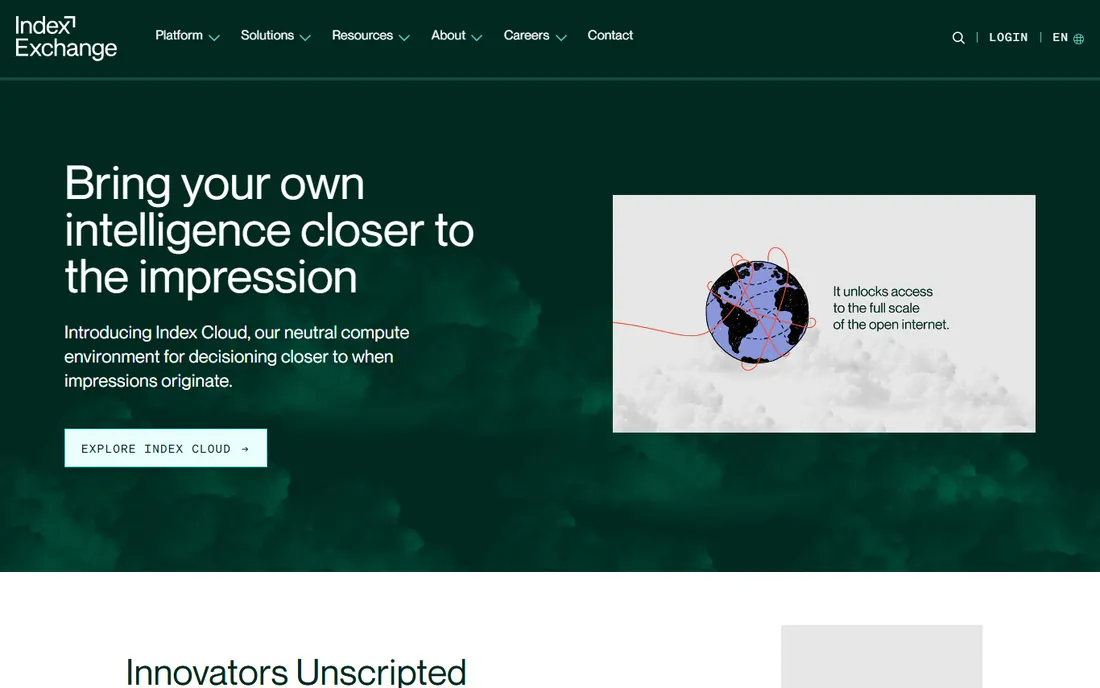
Index Exchange is one of the longest-running independent exchanges, with deep publisher relationships and global demand across display, video and CTV. It has consistently positioned itself as the publisher's exchange, investing in header bidding infrastructure and supply quality.
Terms are negotiated privately. The sales process is enterprise-flavored, so very small publishers may be better served starting with Google Ad Manager and adding Index later. For mid-size and large publishers, it is a standard part of the SSP stack.
It belongs in any publisher's RFP for open programmatic demand.
What we like- Long-standing publisher relationships
- Global demand
- Display, video and CTV coverage
Watch out for- No published pricing
- Enterprise sales process
#5
OpenX
Best for: Transparent, independent bidding infrastructure
Visit openx.com
Starting priceSee website
Free planNo
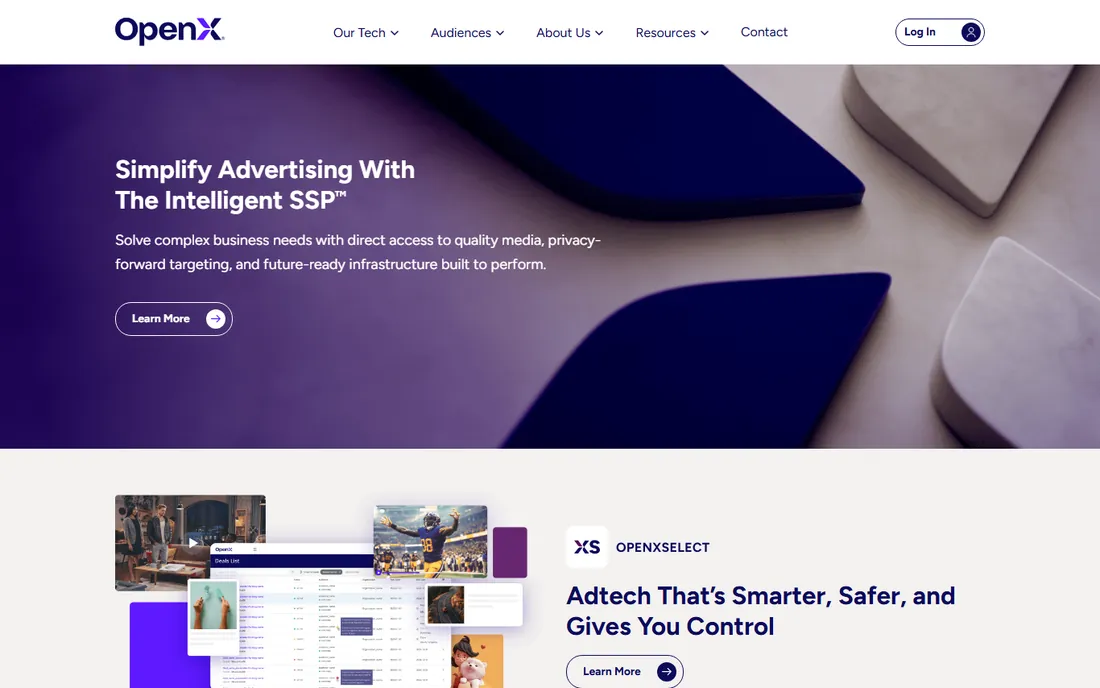
OpenX operates as an independent programmatic exchange with a long emphasis on transparency and supply quality. It supports programmatic guaranteed deals alongside open auction demand, giving publishers a path from spot selling to committed deals on one platform.
Pricing is not public. OpenX is smaller than Magnite in scale but competitive in display and video, and its independence appeals to publishers wary of conflicts of interest in larger stacks.
Consider it alongside Index Exchange when building a multi-SSP setup.
What we like- Independent exchange with transparency focus
- Programmatic guaranteed support
- Global reach
Watch out for- No published pricing
- Smaller scale than Magnite
Starting priceSee website
Free planNo
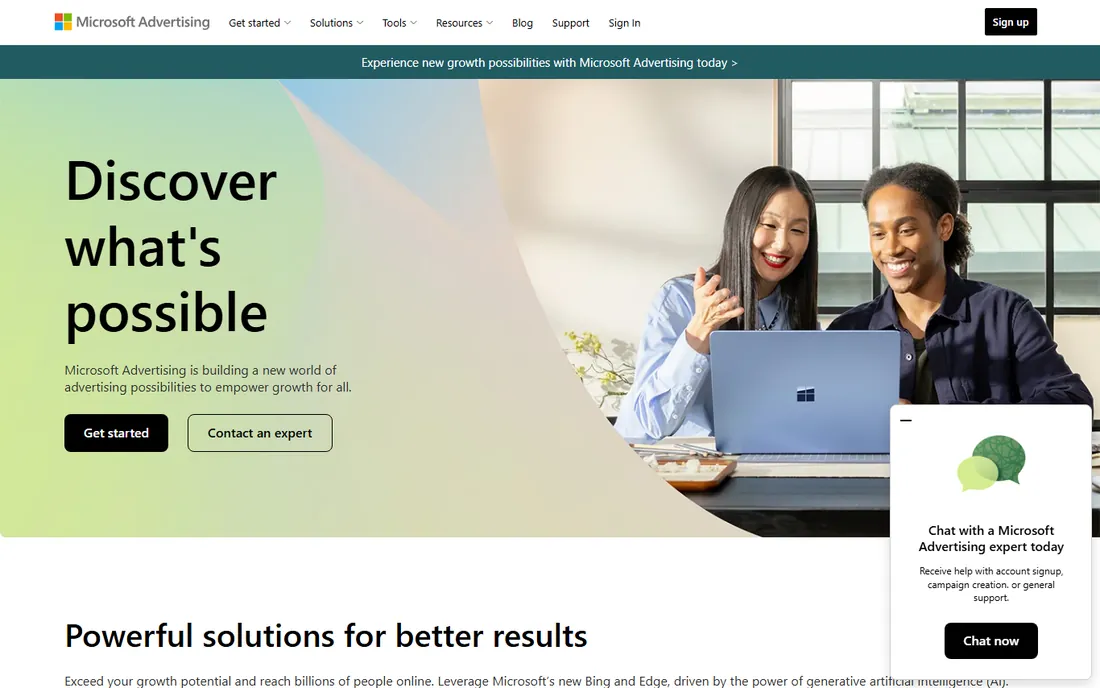
Xandr, the former AppNexus, is now Microsoft's publisher monetization platform (Microsoft Monetize). The xandr.com domain now redirects to Microsoft Advertising. The platform offers video and display monetization with global seat infrastructure and programmatic guaranteed support.
Terms are enterprise-negotiated. The rebrand means some documentation and industry references still say Xandr; the product is the same. It fits large publishers and broadcasters already working with Microsoft's advertising stack.
Pick it when your organization standardizes on Microsoft or you need enterprise-grade video monetization.
What we like- Deep enterprise tooling
- Video and display monetization
- Global seat infrastructure
Watch out for- No published pricing
- Brand transition from Xandr still confuses
Starting priceSee website
Free planNo
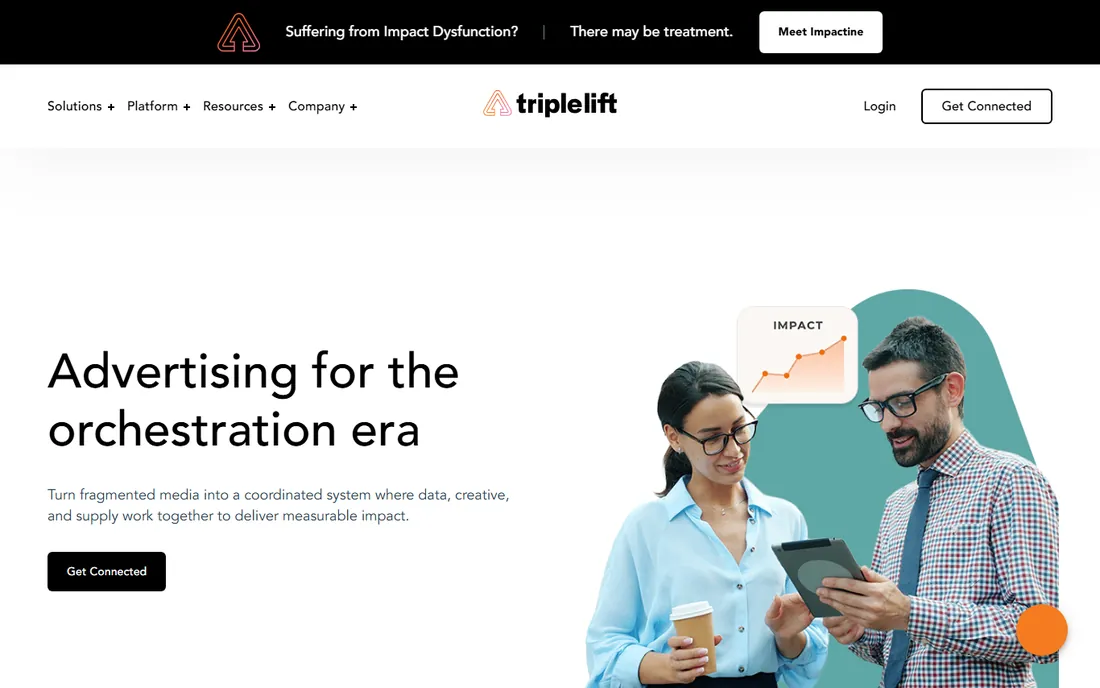
TripleLift built its name on native advertising: ad formats that match the look and feel of the surrounding content, plus outstream video and display. For publishers whose inventory performs best with native placements, TripleLift's creative technology and demand are hard to replace.
It is a format specialist rather than a general SSP, so most publishers pair it with a general exchange rather than using it alone. Pricing is negotiated.
Add it to your stack when native formats are a meaningful share of your revenue.
What we like- Leader in native and branded content formats
- Strong creative technology
- Global demand
Watch out for- No published pricing
- Format-specialized rather than general SSP
Starting priceSee website
Free planNo
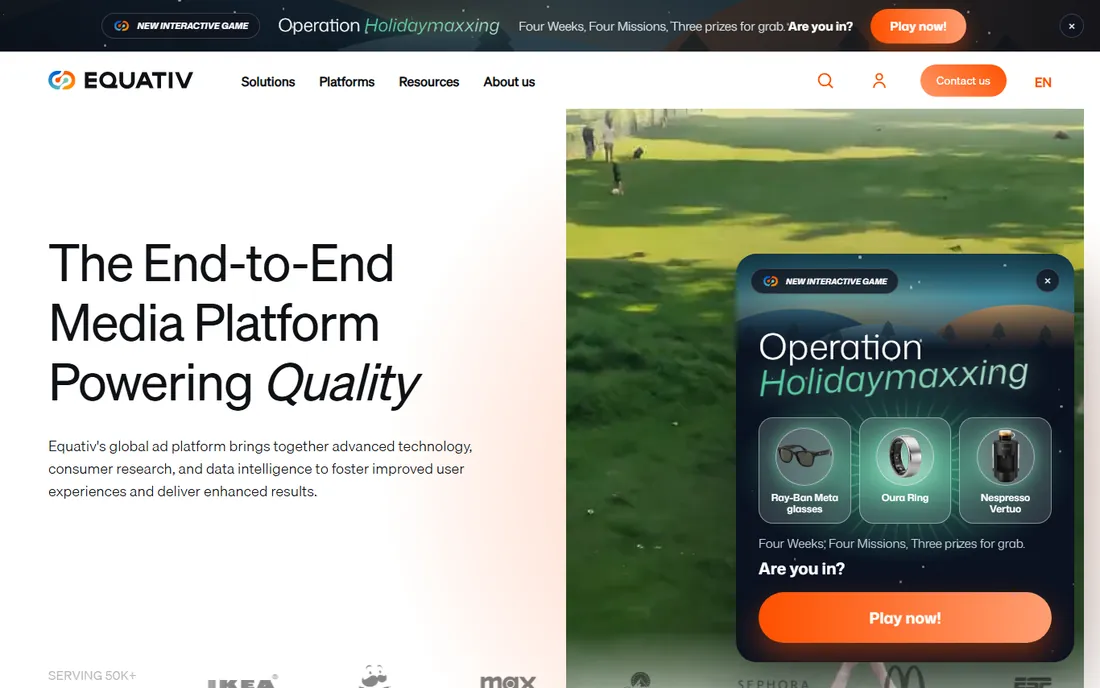
Equativ (formerly Smart AdServer) is the European challenger in the SSP space, with deep roots in ad serving and a strong presence across EMEA. Its curated marketplace and programmatic guaranteed capabilities suit publishers selling premium inventory with controls.
Pricing is negotiated. Its US footprint is smaller than Magnite's or Index's, so American publishers typically treat it as a secondary SSP, while European publishers often lead with it.
Choose Equativ when your audience is European and you want curated, controlled programmatic selling.
What we like- Strong European presence
- Curated and programmatic guaranteed options
- Full-stack ad serving heritage
Watch out for- No published pricing
- Smaller US footprint than the leaders
Why SSP pricing is never published
SSPs earn a revenue share of the media they sell for you, typically negotiated per publisher based on volume, format and geography. Publishing a price list would undermine that negotiation, so none of the independents do it. Treat "See website" on this list as a signal to request terms, not as missing information. When comparing, ask three questions: the take rate, the payment terms, and which demand sources are actually unique to that SSP versus duplicated across your stack.
Beyond the take rate, evaluate how each SSP handles price floors. Static floors leave money on the table in strong auctions and block demand in weak ones; dynamic floor optimization, which most of these platforms now offer, adjusts per impression. Ask for reporting granularity too: you want to see revenue broken down by demand source, format and geography, not a single blended number. Finally, check payment terms and minimums. Net-30 versus net-60 matters for cash flow, and some SSPs hold balances below a threshold. A slightly higher take rate with faster payment can beat a cheaper SSP that pays quarterly.
How we chose
We listed scaled, active SSPs with real publisher adoption in 2026, verified against current industry sources (Pixalate market share reports, Adobe's SSP partner list, Epom's 2026 header bidding guide). Pricing is not published by any independent SSP, so we say so directly rather than inventing numbers. We weighted demand breadth, format coverage (display, video, CTV, native), transparency track record and regional strength. No hands-on testing was performed; SSP selection requires sales conversations.
Frequently asked questions
What is the difference between an SSP and an ad exchange?
An SSP is the publisher's selling tool: it offers your inventory to many buyers and manages floors and auctions. An ad exchange runs the auction itself between buyers and sellers. Many companies (Google, Magnite, Index) operate both sides.
Do I need more than one SSP?
Most publishers run two to four: a primary SSP plus Google's demand, often via header bidding or Open Bidding. Each additional SSP should add unique demand; duplicated demand just adds fees.
What does an SSP cost?
Nothing upfront. SSPs take a revenue share of cleared impressions, negotiated per publisher. Typical take rates are discussed privately; ask for the number in writing before signing.
What is header bidding and do I need it?
Header bidding lets multiple demand sources bid on each impression simultaneously before your ad server decides, replacing the old sequential waterfall. It is the standard for premium publishers and meaningfully raises revenue versus waterfall setups.
Can small publishers use these platforms?
Google Ad Manager's free tier is the starting point for small publishers. The independent SSPs generally want meaningful volume; below roughly a few million monthly impressions, expect slower onboarding or partner-based access.
How is CTV different from display for SSPs?
CTV inventory sells at much higher CPMs with stricter controls (app-ads.txt, content transparency). Magnite leads in CTV infrastructure; make sure your SSP supports your streaming formats before committing.
Should I use Google Open Bidding or Prebid header bidding?
They solve the same problem differently. Open Bidding runs server-to-server inside Google Ad Manager through your existing tags, which is simpler to implement but keeps you inside Google's stack with unpublished fees. Prebid header bidding runs client-side (or via server-to-server Prebid) and works with any ad server, giving you more control and fee visibility at the cost of more implementation work. Many publishers run both: Prebid for independence, Open Bidding for Google's unique demand.
Sources we checked (5)
- https://epom.com/blog/ad-server/header-bidding-solutions
- http://experienceleague.adobe.com/en/docs/advertising/dsp/inventory/ssp-partners
- https://affroom.com/blog/best-dsp-platforms-for-advertisers/
- https://www.mexc.co/en-IN/news/877331
- https://www.GlobeNewsWire.com/news-release/2024/12/12/2996371/0/en/Pixalate-Releases-Latin-America-Supply-Side-Platform-SSP-Market-Share-Rankings-Q3-2024-MGID-No-1-in-Brazil-on-Web-29-Digital-Turbine-No-1-for-Mobile-Apple-App-Store-Apps-in-Mexico-.html
Is your product missing or out of date?
We review this list regularly. Vendors can request a listing, send updated pricing or ask about featured placement.

Shihab Mia · Founder, Rankite
Shihab has spent more than a decade helping SaaS and e-commerce brands grow through search. He writes Rankite's software buying guides from pricing pages, documentation and public user reviews. More about Shihab.