How we make this list: we compare pricing pages, product documentation and public user reviews. Rankite is independent; if a vendor ever pays for a featured spot, that listing is clearly labeled Partner.
Key takeaways
- Gem and Beamery are the purest recruiting CRMs on this list: both were built specifically to nurture talent pipelines with automated email and SMS campaigns.
- Avature is the most configurable enterprise option, but that flexibility comes with longer implementations and higher services costs.
- Greenhouse CRM and Lever Nurture are not standalone products; they are add-ons or built-in modules inside the Greenhouse and Lever hiring platforms, so they fit teams already on those ATS products.
- Phenom, Eightfold, iCIMS and Radancy bundle candidate nurturing into broader talent platforms, which suits enterprises that want one vendor for the whole hiring journey.
- None of these tools publish pricing or offer free tiers, so expect custom annual contracts and a sales-led buying process across the board.
Most recruiting teams sit on a goldmine they never touch: thousands of past applicants, silver-medalist candidates and sourced prospects going cold in a database. Candidate nurturing software fixes that by running automated, personalized email and SMS campaigns that keep those people warm until the right role opens. The nine tools below all do some version of that, from dedicated recruiting CRMs to full talent platforms with nurture automation built in.
Quick comparison
| Tool | Best for | Starting price | Free plan |
|---|
 Gem Gem | Recruiting teams wanting a purpose-built CRM with outreach automation | See website | No |
 Beamery Beamery | Enterprises building skills-based talent pipelines | See website | No |
 Avature Avature | Global enterprises needing deep configurability | See website | No |
 Phenom Phenom | Enterprises wanting AI across the whole hiring journey | See website | No |
 Eightfold Eightfold | Skills-based hiring with AI-matched talent rediscovery | See website | No |
 iCIMS iCIMS | Large organizations standardizing on one hiring platform | See website | No |
 Greenhouse CRM Greenhouse CRM | Greenhouse ATS customers adding nurture campaigns | See website | No |
 Lever Nurture Lever Nurture | Lever customers nurturing pipelines inside their ATS | See website | No |
 Radancy Radancy | Employers wanting AI-driven candidate engagement at scale | See website | No |
Is your product missing or out of date?
We review this list regularly. Vendors can request a listing, send updated pricing or ask about featured placement.
The best software for automating candidate nurturing
#1
Gem
Best for: Recruiting teams wanting a purpose-built CRM with outreach automation
Visit gem.com
Starting priceSee website
Free planNo
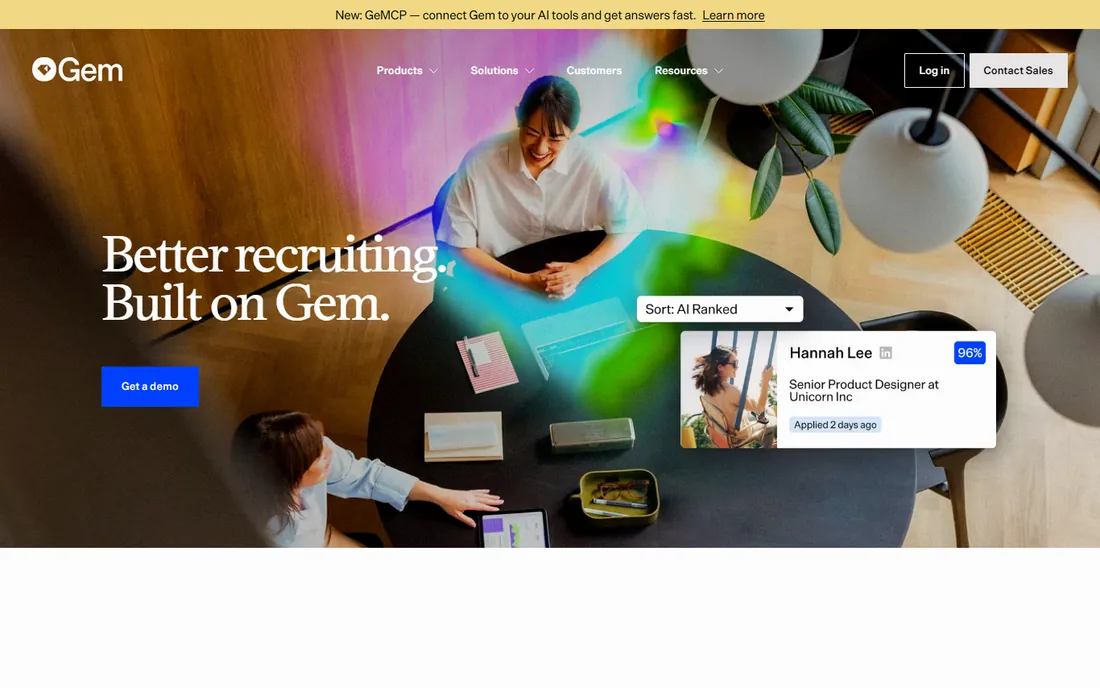
Gem is the closest thing this category has to a standard. It started as an outreach and analytics tool for recruiters and grew into a full recruiting CRM: talent pipelines, automated nurture sequences, event management and reporting that shows which sources and campaigns actually produce hires. Recruiters who live in their inbox will feel at home, because Gem's sequencing works much like a sales engagement tool tuned for candidates.
The honest catch is that Gem is a premium product sold through a premium sales process. Pricing is custom and annual, and implementation goes best with a dedicated admin. Smaller teams that just need basic drip campaigns may find it more than they need.
What we like- Built from the ground up as a recruiting CRM with multi-touch email and SMS sequences
- Deep analytics tie every campaign and touchpoint to pipeline and hires
- Integrates with the major ATS products so it layers onto your existing stack
Watch out for- Custom pricing with no public tiers
- Best value comes when paired with an ATS, so it adds a second vendor to manage
#2
Beamery
Best for: Enterprises building skills-based talent pipelines
Visit beamery.com
Starting priceSee website
Free planNo
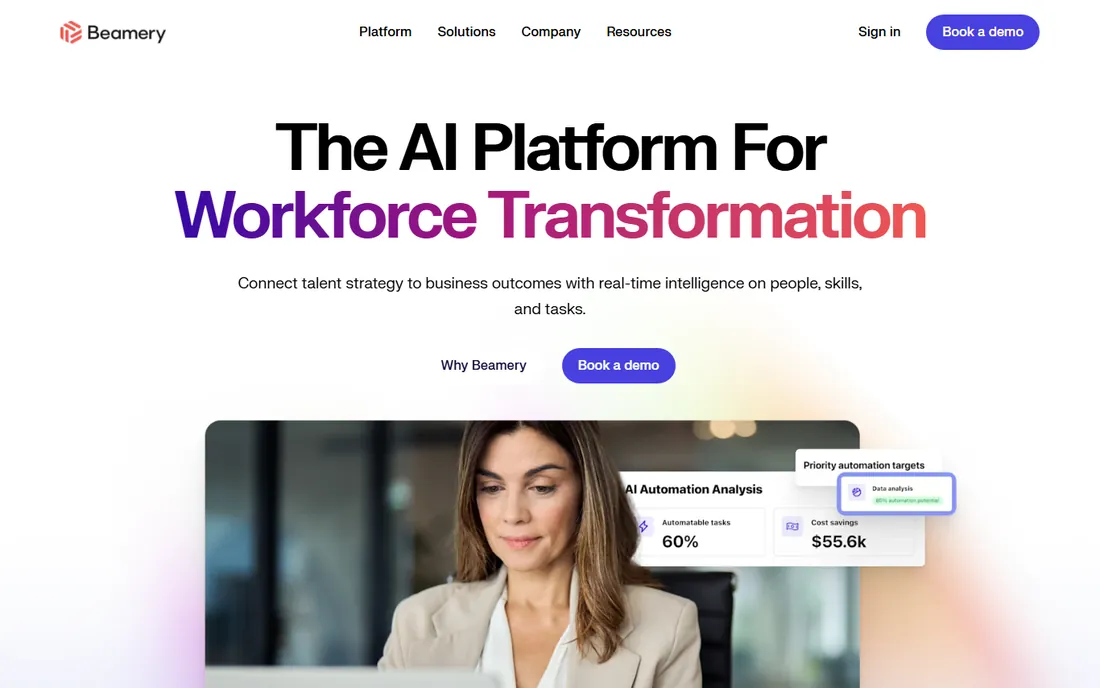
Beamery positions itself as a workforce intelligence platform, but its roots are in the recruiting CRM: building talent pools, running targeted campaigns and keeping candidates engaged over time. Its differentiator is skills data: instead of just storing resumes, it builds dynamic profiles that make it easier to match old candidates to new openings automatically.
This is enterprise software in the full sense: custom pricing, implementation services and a platform that touches HR beyond recruiting. Companies already on Workday or SAP get extra value from the integrations. Mid-size teams should weigh whether they need that breadth or just the CRM.
What we like- Talent CRM with automated nurture campaigns across email and SMS
- Skills-based profiles help rediscover past candidates for new roles
- Strong integrations with Workday and SAP for HR data
Watch out for- Enterprise pricing and implementation timelines
- The platform's breadth means a longer ramp-up for small recruiting teams
#3
Avature
Best for: Global enterprises needing deep configurability
Visit avature.net
Starting priceSee website
Free planNo
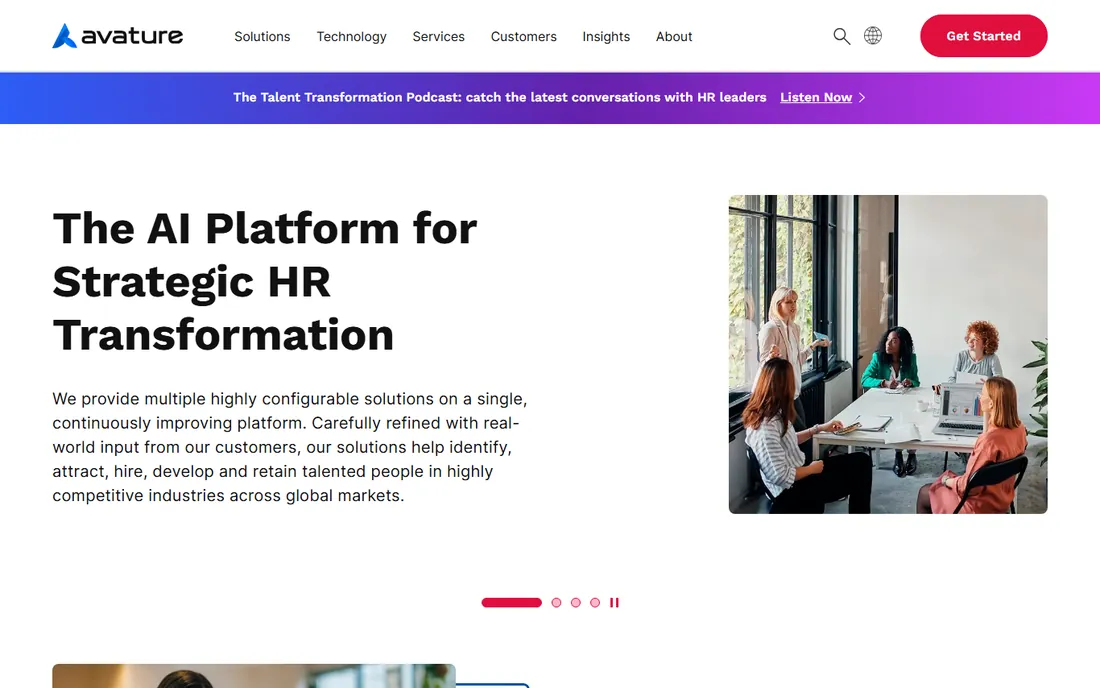
Avature invented much of this category and still defines its enterprise end. The platform is famously configurable: if your recruiting process has unusual steps, multi-country compliance needs or complex approval chains, Avature can model it. Its CRM, ATS, career sites and onboarding modules share one data model, so nurture campaigns draw on everything the system knows.
Flexibility is also the warning label. Avature implementations are projects, not plug-and-play rollouts, and you will likely need professional services. Teams that want something running in weeks rather than quarters should look at Gem or Lever instead.
What we like- Pioneer of recruiting CRM with extremely configurable workflows and campaigns
- Supports the full talent lifecycle from sourcing to onboarding in one platform
- Proven at very large global employers across 160+ countries
Watch out for- High configurability means longer, services-heavy implementations
- Pricing is custom and typically at the top of the market
#4
Phenom
Best for: Enterprises wanting AI across the whole hiring journey
Visit phenom.com
Starting priceSee website
Free planNo

Phenom has grown from a talent experience platform into an applied-AI platform for HR, with agents that handle sourcing, screening, scheduling and engagement. For candidate nurturing specifically, its strength is personalization at scale: candidates get relevant job recommendations and content automatically, which keeps them warm without recruiter effort.
The trade-off is scope. Phenom wants to be the system for hiring, development and retention, which is great if you are standardizing, but heavy if you just want drip campaigns. Expect an enterprise sales cycle and implementation to match.
What we like- AI agents automate screening, scheduling and candidate engagement around the clock
- Personalized career sites and job recommendations keep candidates engaged
- Strong results reported by large enterprise customers
Watch out for- Platform breadth can be overkill for teams that only need nurture campaigns
- Enterprise pricing with no public numbers
#5
Eightfold
Best for: Skills-based hiring with AI-matched talent rediscovery
Visit eightfold.ai
Starting priceSee website
Free planNo
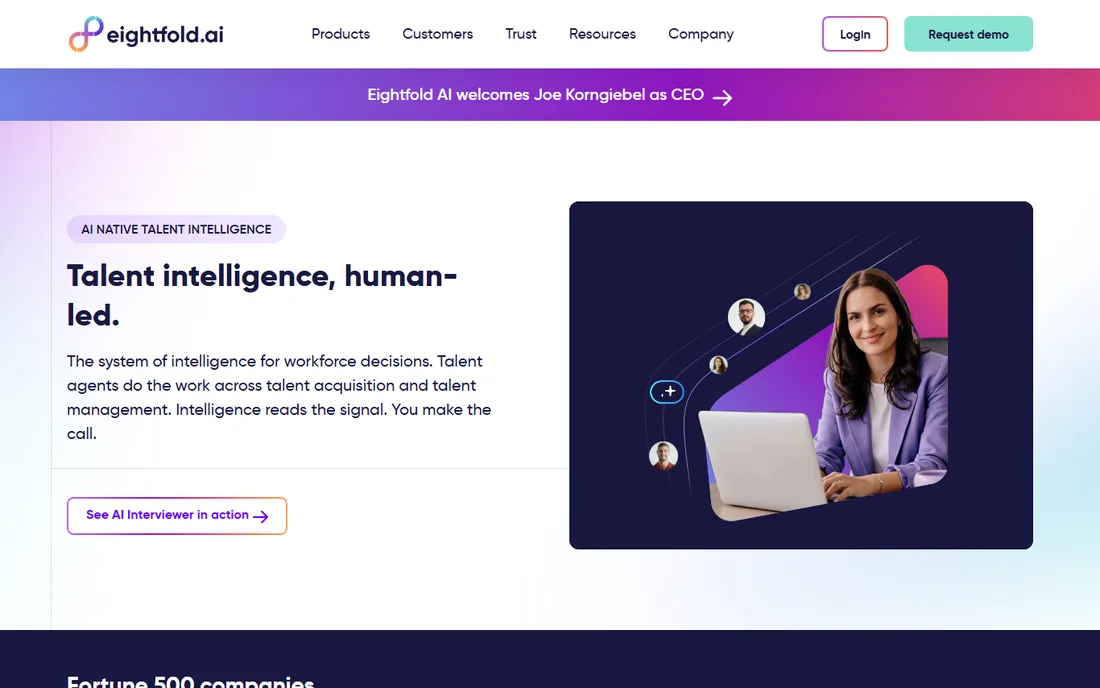
Eightfold's pitch is talent intelligence: it builds deep profiles from resumes, public data and your ATS history, then uses AI to match people to roles they fit, including people already in your database. For nurturing, that means automated rediscovery: when a req opens, the system surfaces warm candidates you already have instead of starting sourcing from zero.
The honest catch is philosophical as much as practical. Eightfold works best when you let the AI do the matching, which requires process change and stakeholder buy-in. Teams that want simple scheduled email campaigns will find lighter tools easier to adopt.
What we like- AI matches past candidates to new roles based on skills and career trajectory
- Talent agents automate engagement and interview scheduling
- Large skills dataset improves match quality
Watch out for- AI-first approach requires trust in automated matching and ranking
- Enterprise pricing with a sales-led process
#6
iCIMS
Best for: Large organizations standardizing on one hiring platform
Visit icims.com
Starting priceSee website
Free planNo
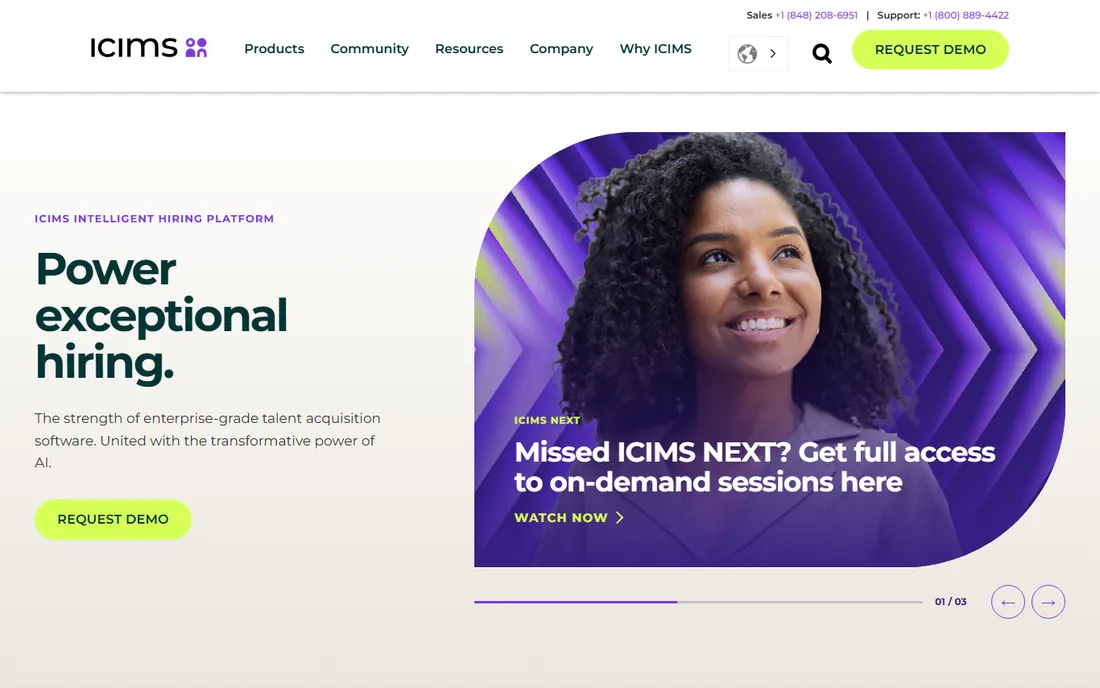
iCIMS is one of the largest recruiting software vendors, and its platform covers the whole journey from attraction to onboarding. Candidate nurturing lives inside its CRM and marketing automation capabilities: segmented talent pools, automated email and SMS campaigns, and engagement tracking tied to hiring outcomes.
This is a standardization play. If your organization wants one vendor, one contract and one data model for all of recruiting, iCIMS fits. If you already have an ATS you like and just need nurture automation, a point solution like Gem will be faster and cheaper.
What we like- Full enterprise ATS with candidate relationship management, branded career sites and automated campaigns built in
- 800+ integrations connect it to the rest of the HR stack
- Proven at very high hiring volumes
Watch out for- Enterprise pricing and implementation
- The platform's size means more administration than point solutions
Starting priceSee website
Free planNo
An important clarification: Greenhouse CRM is not a separate product you can buy on its own. It is an add-on within the Greenhouse hiring platform, designed for teams that already run their recruiting on Greenhouse's ATS. It adds talent pools, automated outreach campaigns and sourcing workflows on top of the applicant data you already have.
For Greenhouse customers, that native fit is the whole argument: no integration to maintain, no data sync to break, and campaigns draw on the same structured candidate records your recruiters already use. If you are not on Greenhouse, this entry does not apply to you; evaluate the standalone CRMs above instead.
What we like- Native CRM inside the Greenhouse platform, so candidate data flows without integrations
- Automated campaigns and talent pools for proactive pipelining
- Structured hiring approach carries through to nurture
Watch out for- Not sold standalone, so it only makes sense for Greenhouse customers
- Pricing is bundled into Greenhouse contracts
#8
Lever Nurture
Best for: Lever customers nurturing pipelines inside their ATS
Visit lever.co
Starting priceSee website
Free planNo
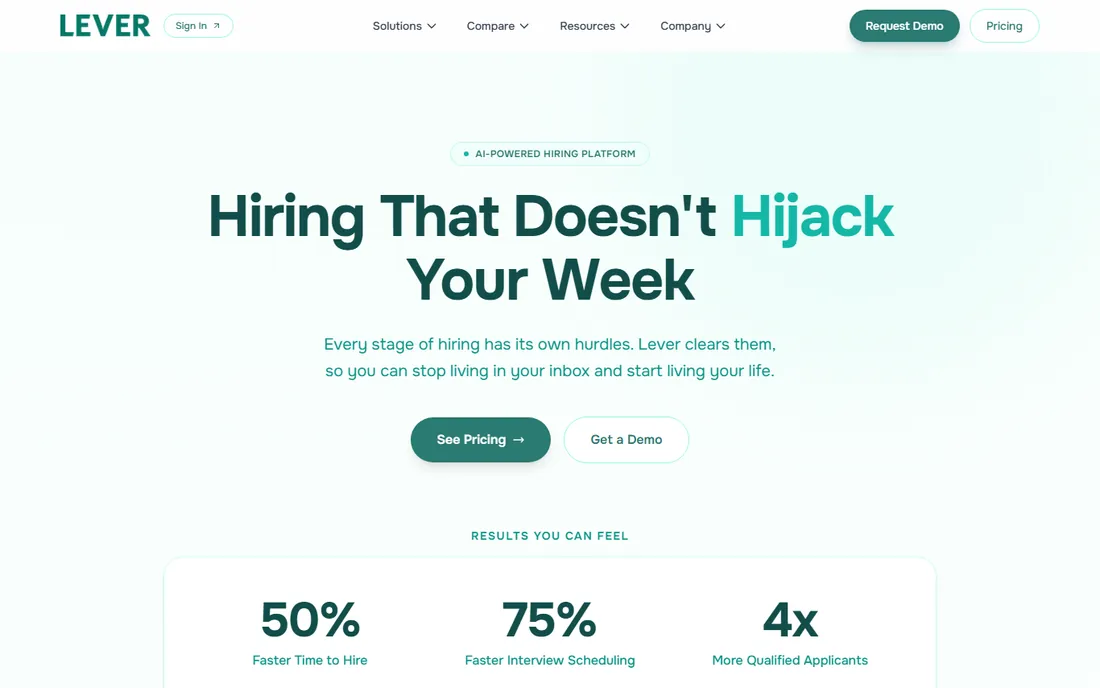
Similar to Greenhouse, Lever Nurture is a capability inside a platform rather than a standalone product. Lever combines ATS and recruiting CRM in one system, and Nurture is the part that automates candidate follow-up: scheduled check-ins, personalized campaigns and re-engagement of past applicants, all working off the same candidate records as the rest of the hiring workflow.
Lever's own FAQ makes the positioning clear: it brings ATS and CRM together so teams can manage applicants while building pipelines and re-engaging past candidates. For teams already on Lever, turning on Nurture is the path of least resistance. Everyone else should look at the standalone options.
What we like- Nurture campaigns run inside Lever's unified ATS and CRM, so no separate system to learn
- Automated follow-ups and personalized outreach keep pipelines warm
- Visual pipeline management recruiters tend to like
Watch out for- Only available as part of the Lever platform, not as a standalone nurture tool
- Custom pricing based on company size and hiring volume
#9
Radancy
Best for: Employers wanting AI-driven candidate engagement at scale
Visit radancy.com
Starting priceSee website
Free planNo
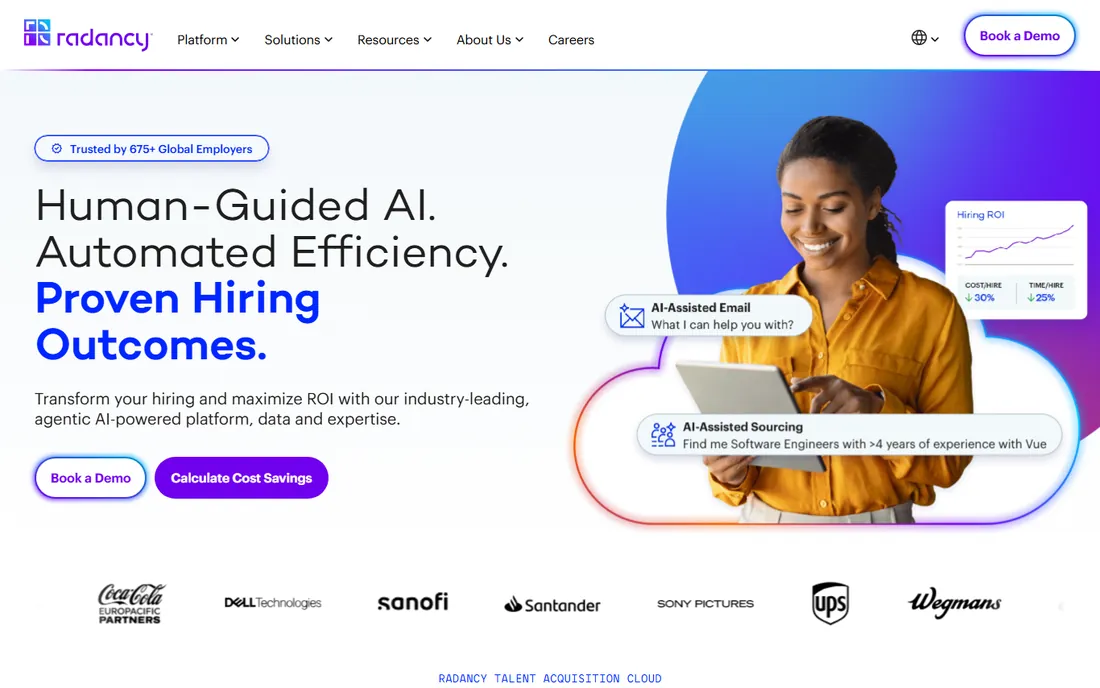
Radancy is a talent acquisition platform used by 675+ global employers, built around agentic AI that automates recruiting workflows from the first candidate interaction through application. For nurturing, its relevant strength is AI-driven candidate journeys: personalized, branded experiences that keep candidates engaged, plus automated screening and scheduling that prevent drop-off.
The fit here is different from a classic CRM. Radancy is strongest when the challenge is volume: career site traffic, programmatic job advertising and high-volume funnels where automation replaces manual follow-up. Teams with a straightforward nurture use case (drip campaigns to a talent pool) may find Gem or Beamery more direct.
What we like- Agentic AI orchestrates candidate journeys from first touch to application
- Employer-branded experiences keep engagement high
- Strong fit for high-volume hiring with measurable efficiency claims
Watch out for- Platform is broad (career sites, media, screening, scheduling), so pure nurture automation is one piece of a bigger suite
- Enterprise pricing with no public tiers
What to check before you buy candidate nurture software
First, decide whether you need a standalone CRM or a platform module. If you already run Greenhouse or Lever, their built-in nurture capabilities are the obvious starting point: native data, no integration, no extra contract. If your ATS has no CRM worth using, a standalone tool like Gem or Beamery layers on top.
Second, look hard at the automation itself. "Nurture" should mean multi-touch sequences across email and SMS, triggered by candidate behavior (opened, clicked, applied, went cold), with personalization beyond first-name mail merge. Ask for a live demo of the campaign builder, not a slide deck, and check whether unsubscribes and consent are handled for GDPR and CCPA.
Third, check the data story. A nurture tool is only as good as the talent pool it draws on. Ask how candidates get in (ATS sync, sourcing tools, career site, events, referrals), how duplicates are handled, and whether engagement history follows the candidate into the hiring workflow. The best tools make every touch visible to the recruiter who eventually picks up the phone.
Finally, mind the commercial reality. None of these vendors publish pricing, and all sell annual contracts. Get the quote in writing with the user count, included modules and implementation fees spelled out. Ask what happens to your candidate data if you leave, and who owns the engagement history.
How we chose
We researched each vendor's own website, pricing page and documentation, then cross-checked feature claims against public reviews on G2 and Capterra and practitioner discussions on Reddit. We included only products that exist today and genuinely automate candidate nurturing, whether as standalone recruiting CRMs or as built-in modules of larger hiring platforms. Two entries need a note: Greenhouse CRM and Lever Nurture are not standalone products, so we described them as the platform add-ons they are. No vendor paid for placement, and we did not claim hands-on testing of any product.
Frequently asked questions
What is candidate nurturing in recruiting?
Candidate nurturing means staying in touch with people who are not ready to hire or be hired right now: past applicants, silver medalists, sourced prospects and event contacts. Automated email and SMS campaigns share relevant jobs and content over time, so when the right role opens, those candidates are warm instead of cold.
Do I need a separate tool if my ATS has email features?
Basic ATS email (bulk messages, templates) is not nurturing. Real nurture software adds multi-touch sequences, behavior-based triggers, talent pool segmentation and engagement analytics. Some ATS platforms (Greenhouse, Lever, iCIMS) include credible nurture features; if yours does not, a standalone CRM like Gem or Beamery fills the gap.
How is a recruiting CRM different from a sales CRM?
The concept is similar (pipelines, sequences, analytics) but the object is people, not deals. Recruiting CRMs track candidate consent, manage talent pools separately from active applicants, integrate with job boards and career sites, and handle compliance needs like GDPR deletion requests that sales CRMs never face.
Can these tools integrate with our existing ATS?
Yes, with one caveat. Standalone CRMs (Gem, Beamery, Avature) are built to sync bidirectionally with major ATS products. Platform modules (Greenhouse CRM, Lever Nurture) are native to their platforms by design. Always confirm the specific ATS integration and sync frequency before signing, since "integration" ranges from real-time sync to nightly CSV.
How long does implementation take?
It varies widely. Standalone CRMs like Gem can be running in weeks. Platform modules deploy as part of the existing system. Enterprise platforms like Avature, Phenom, Beamery and iCIMS often take a quarter or more with professional services. Ask for a reference customer of your size before committing to a timeline.
Will automated nurturing feel impersonal to candidates?
It can, if done badly. The tools that work best combine automation with genuine personalization: relevant jobs, content matched to skills, and a human handoff when a candidate responds. Set frequency caps, segment by interest, and always give candidates an easy way to update preferences or opt out.
Sources we checked (9)
- https://gem.com/
- https://beamery.com/
- https://www.avature.net
- https://www.phenom.com/
- https://eightfold.ai/
- https://www.icims.com/
- https://www.greenhouse.com/
- https://www.lever.co/
- https://www.radancy.com/
Is your product missing or out of date?
We review this list regularly. Vendors can request a listing, send updated pricing or ask about featured placement.

Shihab Mia · Founder, Rankite
Shihab has spent more than a decade helping SaaS and e-commerce brands grow through search. He writes Rankite's software buying guides from pricing pages, documentation and public user reviews. More about Shihab.