How we make this list: we compare pricing pages, product documentation and public user reviews. Ratings come from G2, Capterra or Trustpilot, with the date we checked them.
Key takeaways
- Agile delivery, version control, CI/CD, test driven development, code review, clean code, security-first work and monitoring form one framework that reduces bugs and accelerates releases.
- Published comparisons credit the full practice set with reducing bugs by 40 to 60 percent, while Agile alone is credited with 64 percent project success versus 49 percent for waterfall.
- Start with a short, concrete set of practices, such as CI/CD, TDD, small stories and weekly refinement, and apply them consistently before adding more.
- Measure impact with team data, such as cycle time, defect rate and deployment frequency, and adjust practices in retrospectives rather than following a framework blindly.
Quick comparison
Is your product missing or out of date?
We review this list regularly. Vendors can request a listing, send updated pricing or ask about featured placement.
The best software development practices
Starting priceFree
Free planYes
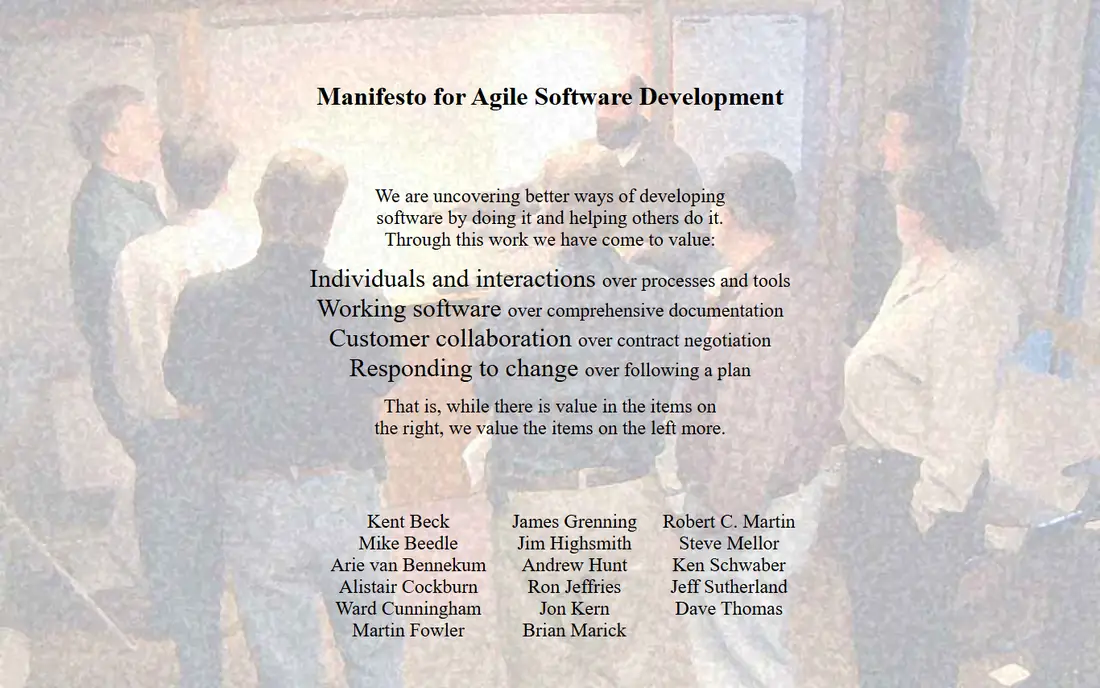
Agile delivery builds software in small, frequent increments, with sprint planning, daily standups, sprint reviews and retrospectives creating a predictable rhythm. Planning is iterative rather than upfront and rigid, feedback is continuous rather than end of project, and success rates run 28 percent higher than waterfall baselines in published comparisons. Visualize work with Kanban boards and work in progress limits, hold 15 minute standups to surface blockers, and define a clear definition of done.
The risks are real: too many meetings without purpose, weak product ownership letting scope creep destroy sprint plans, and resistance when Agile feels like management control. Ruthlessly timebox ceremonies, ensure retrospectives produce visible changes, and protect a sustainable pace to avoid burnout. For a team that wants to handle change well, Agile delivery is the foundation practice.
What we like- Continuous feedback replaces end of project surprises
- Small increments deliver real value each sprint
- 64 percent project success versus 49 percent for waterfall in published comparisons
Watch out for- Ceremonies feel bureaucratic without clear purpose
- Scope creep destroys sprint plans without strong ownership
- Transformation takes years, with high initial failure rates in published analyses
Starting priceFree
Free planYes
Version control with Git prevents code chaos: tracking changes lets teams work in parallel without overwriting each other work, while frequent commits, clear messages and feature branches keep the main branch stable and easy to roll back. Commit frequently, write messages that explain why, and merge daily to catch integration issues early.
The discipline matters more than the tool: vague commits, long lived branches and skipped reviews turn even Git into a mess. Pair Git with branch protection and required reviews, and it becomes the safety net every other practice builds on. For any team above one developer, Git is non negotiable.
What we like- Teams work in parallel without overwriting each other
- Clear commit messages and feature branches keep main stable
- Easy rollback when a change breaks
Watch out for- Merge conflicts still need skill to resolve
- Large binary files suit Git less well
- Undisciplined commits make history hard to read
Starting priceFree
Free planYes

CI/CD speeds up releases while reducing risk: automated builds, tests and deployments help teams ship smaller, safer updates faster, while staging environments and real time monitoring catch issues before they reach production, and integrated security scans keep vulnerabilities in check. Deploy increments via pipelines, use feature flags for safe rollouts, and monitor key metrics after each release.
Feature flags deserve care: name them clearly, such as feat-new-checkout, integrate them with CI/CD, monitor with alerts on metric drops, and clean them up quarterly to avoid bloat. For a team that wants to release often without fear, CI/CD is the pick.
What we like- Automated builds, tests and deployments ship smaller, safer updates faster
- Staging environments catch issues before production
- Integrated security scans reduce risk
Watch out for- Pipeline setup and maintenance take effort
- Flaky tests erode trust in the pipeline
- Deployment automation without monitoring can ship bugs faster

#4
Test driven development
Best for: Fewer bugs and better design
Visit jestjs.io
Starting priceFree
Free planYes
Test driven development inverts traditional coding: write a failing test first, then write the smallest code that passes, then refactor. That loop prevents bugs while creating living documentation, since tests describe what the code should do, and it forces smaller, testable units that improve design. Require unit tests for new code, run them in CI on every change, and treat test maintenance as real work.
The cost is a slower start and ongoing test maintenance, and poor tests can lock in bad design if written carelessly. Used well, TDD is the highest value quality practice here, and published comparisons credit the full practice set with cutting bugs by 40 to 60 percent. For a team tired of production bugs, TDD is the pick.
What we like- Writing tests first prevents bugs while creating documentation
- Smaller testable units improve design
- Automated tests run on every change
Watch out for- Slower start on a new feature
- Tests need maintenance as code changes
- Poor tests can lock in bad design
Starting priceFree
Free planYes
Code reviews make codebases healthier: reviewing for behavior, edge cases, security and performance catches problems early, spreads knowledge across the team, and keeps code maintainable. Pair programming and focusing on clarity over cleverness improve long term quality, while small pull requests review faster and better than huge ones.
The failure modes are slow reviews that block delivery, nitpicking that wastes senior time, and rubber stamp approvals that give false confidence. Set review time expectations, automate style checks so humans review logic, and require at least one meaningful reviewer. For a team that wants shared ownership, code review is essential.
What we like- Reviews catch behavior, edge case, security and performance problems early
- Knowledge spreads across the team
- Maintainability improves over time
Watch out for- Slow reviews block delivery
- Nitpicking wastes senior time
- Rubber stamp approvals give false confidence
Starting priceFree
Free planYes
Clean code principles keep systems easy to work with: keep it simple, do not build what you do not need yet, do not repeat yourself, and follow SOLID design principles to avoid unnecessary complexity. Refactoring with SOLID, adding monitoring and using feature flags sustains quality as projects grow, and making refactoring part of normal work prevents technical debt from becoming a separate cleanup phase.
Over applying principles creates abstraction overload, and legacy code needs gradual refactoring rather than big rewrites. Use static analysis tools and explicit definition of done rules so design improves incrementally with every story. For a team building software that must last years, clean code is the pick.
What we like- KISS, YAGNI, DRY and SOLID avoid unnecessary complexity
- Less duplication makes new features faster and less error prone
- Refactoring stays cheap when code is clean
Watch out for- Over applying principles creates abstraction overload
- Clean code takes time that deadlines squeeze
- Legacy code needs gradual refactoring, not rewrites

#7
Security-first development
Best for: Fewer vulnerabilities
Visit owasp.org
Starting priceFree
Free planYes
Security-first development treats security as part of the normal workflow, not a final audit: harden identity with multi factor authentication and least privilege, patch known exploited vulnerabilities weekly, verify immutable backups with tests, and integrate scans into pipelines for large risk reduction in published guidance. Certificate checks and vulnerability audits belong in the pipeline, not in a quarterly review.
The tension is real, since security work competes with feature deadlines and scanner false positives waste time. Triage ruthlessly, fix exploitable issues first, and train the team on common vulnerability classes. For a team shipping software that handles real user data, security-first work is non negotiable.
What we like- Hardening identity with MFA and least privilege cuts account risk
- Patching known exploits weekly reduces exposure
- Pipeline scans catch vulnerabilities before release
Watch out for- Security work competes with feature deadlines
- False positives from scanners waste time
- Security knowledge varies across teams
Starting priceFree
Free planYes
Monitoring and observability close the delivery loop: monitor performance continuously to sustain velocity, alert on key metrics like error rates and conversion drops, and use dashboards that make system health visible to the whole team. After each release, watch the metrics that matter to users, not just server CPU, and roll back quickly when a flag or release degrades them.
Too many alerts cause fatigue and ignored pages, so alert only on user impacting symptoms and tune thresholds regularly. Metrics without action are decoration: every alert should name an owner and a response. For a team that wants to learn from production instead of fearing it, monitoring is the pick.
What we like- Continuous performance monitoring sustains velocity
- Alerts on key metrics catch regressions fast
- Dashboards make system health visible to the whole team
Watch out for- Too many alerts cause fatigue and ignored pages
- Monitoring setup and storage cost time and money
- Metrics without action are decoration
How we chose
We compared practice descriptions, reported outcomes and implementation guidance from engineering guides and practitioner comparisons checked in 2026, and we weighed bug reduction, release speed, maintainability, security impact and adoption cost. We credited outcome figures only where published comparisons reported them, and we noted where figures come from single sources rather than presenting them as universal facts. No practice was credited with hands-on testing, and no productivity figures beyond published claims were invented for this guide.
What to check before you pick
Start small and concrete: agree on a short set of practices, such as CI/CD, TDD, small stories and weekly refinement, and apply them consistently across all work. Then use retrospectives to measure impact through cycle time, defect rate and deployment frequency, and adjust or add practices incrementally, guided by team data instead of frameworks. For scaling, use a modular approach rather than importing a whole framework at once.
Next, treat human factors as first class: psychological safety, empathy and continuous learning are now treated as core engineering concerns, since teams that feel safe raise problems earlier and learn faster. Protect sustainable pace, give self organizing teams real ownership, and keep customer feedback loops tight with regular demos. Finally, remember that Agile transformation takes years in published analyses, so persistence through cultural change matters more than any single tool choice.
Frequently asked questions
What are the best software development practices in 2026?
Agile, test driven development, CI/CD, code reviews, Git, SOLID, security-first work and performance monitoring. Together they form a framework credited with reducing bugs by 40 to 60 percent and accelerating releases.
Should a small team adopt all eight practices at once?
No. Start with Git, CI/CD, small stories and weekly refinement, apply them consistently, then add TDD, code review and monitoring as the team matures. Incremental adoption guided by team data beats a big bang rollout.
What is the difference between Agile and Scrum?
Agile is the overall approach of iterative delivery and continuous feedback, while Scrum is one framework inside Agile, with sprints, defined roles and ceremonies. Kanban and Scrumban suit different contexts based on predictability and interruption frequency.
How do feature flags fit into good practice?
Feature flags let you deploy code without releasing it, enabling targeted rollouts, A/B testing and fast rollback without redeploys. Name flags clearly, integrate them with CI/CD, monitor key metrics, and clean them up quarterly.
How do teams reduce technical debt without stopping feature work?
Make refactoring, testing and code quality part of normal work, not separate cleanup phases. Automated tests, static analysis and explicit definition of done rules improve design and coverage incrementally with every story shipped.
Are these practices only for software developers?
Mainly, but the underlying ideas transfer: small increments, fast feedback, written definitions of done and regular retrospectives help any team that builds and improves a product over time, from content to operations.
Sources we checked (4)
- https://copyprogramming.com/howto/i-had-it-all-figured-out
- https://copyprogramming.com/howto/css-how-to-develop-software-using-agile-methodology
- https://copyprogramming.com/howto/list-of-agile-best-practices
- https://zencoder.ai/blog/software-engineering-best-practices
Is your product missing or out of date?
We review this list regularly. Vendors can request a listing, send updated pricing or ask about featured placement.

Shihab Mia · Founder, Rankite
Shihab has 5+ years in B2B and SaaS SEO. He writes Rankite's software buying guides from pricing pages, documentation and public user reviews. More about Shihab.
 Agile delivery
 Git version control
 CI/CD pipelines
 Code review
 Clean code and SOLID
 Monitoring and observability