How we make this list: we compare pricing pages, product documentation and public user reviews. Rankite is independent; if a vendor ever pays for a featured spot, that listing is clearly labeled Partner.
Key takeaways
- Facebook and Instagram remain the default pair for local and consumer businesses, with the most mature advertising tools.
- LinkedIn owns B2B, and YouTube owns long-form trust building; neither is replaceable by the others.
- TikTok offers the cheapest organic reach left, but its audience and content demands do not suit every business.
- Picking two platforms and doing them well beats a thin presence on six.
Quick comparison
| Tool | Best for | Starting price | Free plan |
|---|
 Facebook Facebook | Local businesses and community building | Free | Yes |
 Instagram Instagram | Visual brands and product discovery | Free | Yes |
 LinkedIn LinkedIn | B2B marketing and professional credibility | Free | Yes |
 YouTube YouTube | Long-form content and search visibility | Free | Yes |
 TikTok TikTok | Short video reach with younger audiences | Free | Yes |
 X X | Real-time conversation and news | Free | Yes |
 Pinterest Pinterest | Discovery for home, fashion and DIY niches | Free | Yes |
 Reddit Reddit | Honest community engagement | Free | Yes |
 Snapchat Snapchat | Reaching under-30 consumers | Free | Yes |
 WhatsApp WhatsApp | Direct customer messaging and support | Free | Yes |
Is your product missing or out of date?
We review this list regularly. Vendors can request a listing, send updated pricing or ask about featured placement.
Starting priceFree
Free planYes
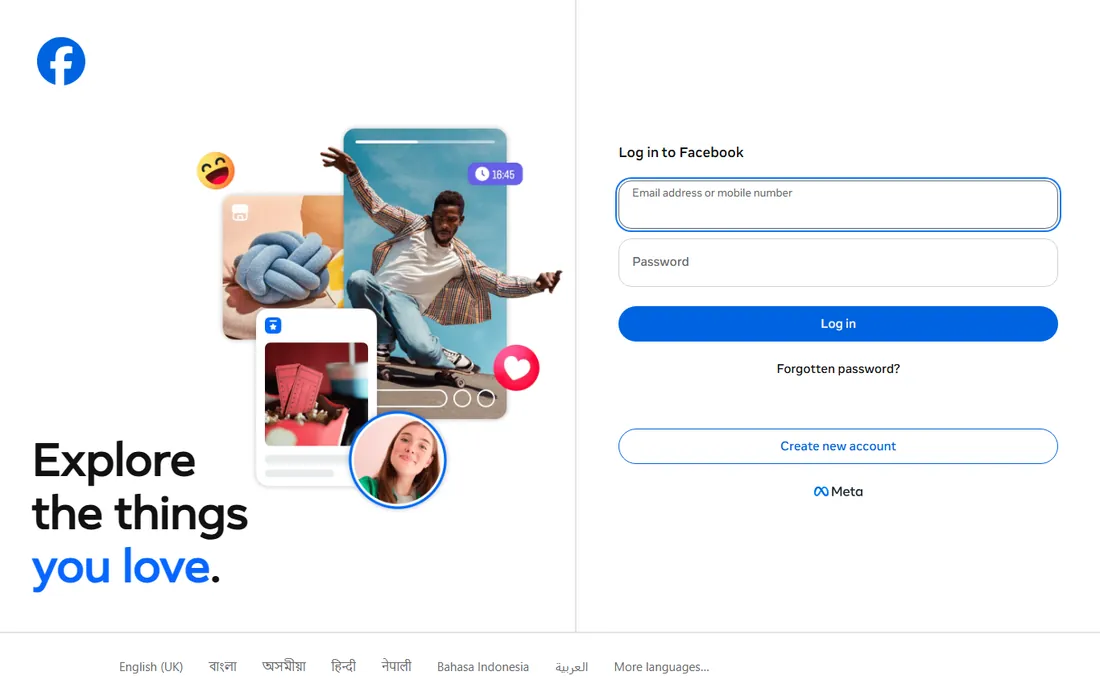
Every local business ends up on Facebook because customers expect to find it there. The page serves as a second website: hours, reviews, photos and updates in the place people already check. Groups go further, creating communities around a business that generate loyalty no ad can buy. And the advertising platform remains the most sophisticated for local targeting, letting a dentist or plumber reach exactly the surrounding zip codes.
The honest reality is that organic page reach has declined for years. Posting alone reaches a fraction of followers, which pushes businesses toward paid promotion. Younger consumers spend their time elsewhere. But for local discovery, events and community, Facebook is still the foundation. Treat the page as infrastructure and the ads as the growth lever.
What we like- Largest audience and most mature ad platform
- Groups build real communities
- Strong local targeting
Watch out for- Organic reach for pages keeps shrinking
- Younger audiences are elsewhere
- Ad costs rise yearly
Starting priceFree
Free planYes
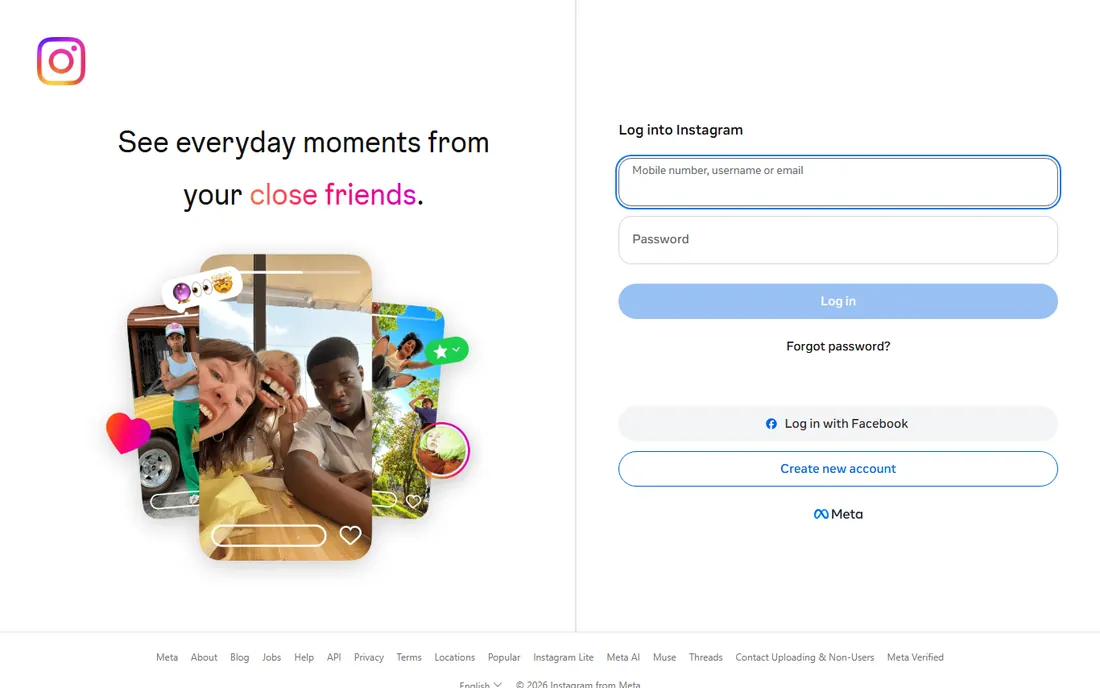
If the business photographs well, Instagram is nonnegotiable. Restaurants, boutiques, salons, real estate and makers all benefit from a feed that functions as a visual portfolio. Reels still offer meaningful organic reach, and shopping tags turn discovery into purchases without leaving the app. For product businesses, it is the closest thing to a visual storefront that customers browse for fun.
The cost is content volume. Instagram rewards frequent posting, stories and reels, which is a real workload for a small team. Links are constrained outside of stories and bios, pushing traffic strategies toward the link-in-bio workaround. Algorithm shifts periodically upend reach. Businesses that can sustain visual content win here; those that cannot should not force it.
What we like- Best platform for visual product discovery
- Reels offer organic reach
- Shopping features built in
Watch out for- Demands constant content
- Link options are limited
- Algorithm changes disrupt reach
Starting priceFree
Free planYes
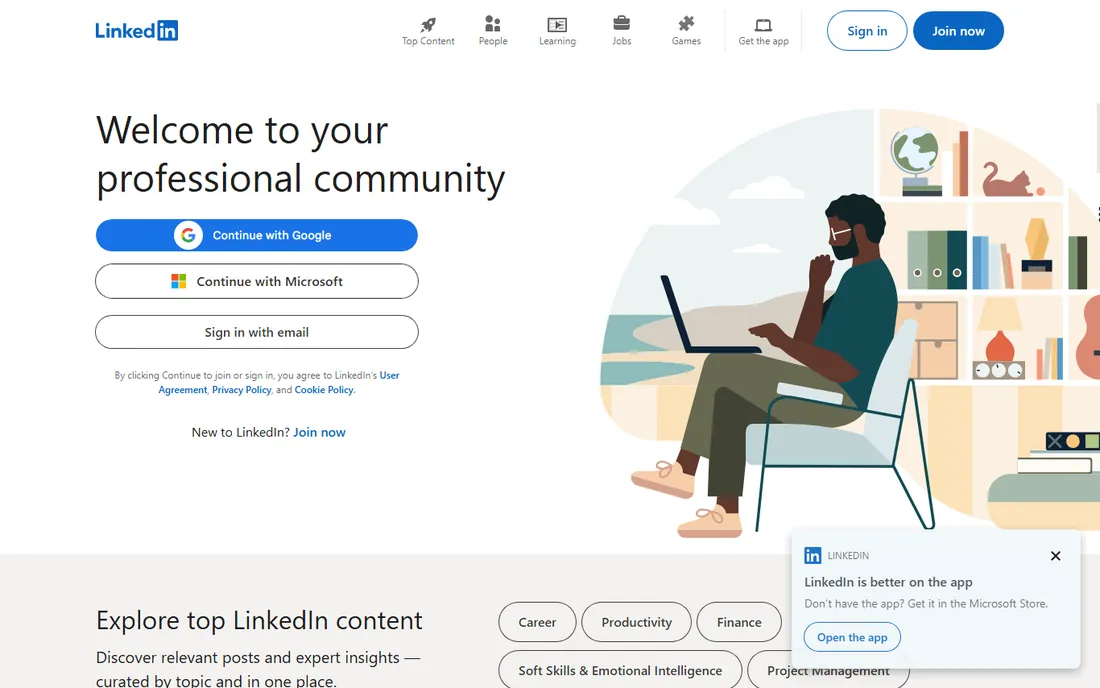
For B2B, LinkedIn has no real competitor. Decision-makers maintain profiles, join industry conversations and, crucially, still see organic content from connections and followed pages. A founder posting thoughtful industry content can build an audience that would cost a fortune to reach with ads. Company pages support the brand while personal profiles drive the reach.
Advertising on LinkedIn is expensive, with costs per click far above other platforms, though the targeting precision for job titles and industries can justify it. Content must stay professional; the audience punishes overt selling. And the platform's own dynamics favor personal posts over company page posts, which means the founder or team members need to show up personally. For B2B credibility and lead generation, the effort pays.
What we like- Unmatched B2B audience
- Organic reach for company pages and personal posts
- Recruiting built in
Watch out for- Ad costs are the highest here
- Content must stay professional
- Personal profiles outperform company pages
Starting priceFree
Free planYes
YouTube is the only social platform that doubles as a search engine. A helpful video answering a customer question can rank in Google and drive leads for years, long after a social post would have vanished. That longevity makes it the highest-return content investment for businesses that can produce video. Tutorials, demonstrations and explainers build trust that short posts cannot.
The investment is substantial. Good video takes planning, filming and editing, and audiences grow slowly. Consistency matters more than virality. Businesses should treat YouTube as a long game: a library of useful videos that compounds. Those wanting quick wins should look elsewhere; those building durable authority should start now.
What we like- Videos rank in Google search for years
- Builds deep trust
- Monetization possible at scale
Watch out for- Production takes real effort
- Slow to build an audience
- Needs consistency
Starting priceFree
Free planYes
TikTok still offers what other platforms took away: genuine organic reach for new accounts. A small business can post a clever video and reach thousands without spending, because the algorithm prioritizes content over follower counts. Authentic, unpolished content often outperforms produced ads, which lowers the production bar.
The audience skews younger, which suits some businesses and excludes others. The content demands are relentless; TikTok rewards daily posting. Some brands remain cautious about the platform's ownership and data practices. For businesses with a young audience and the creativity to feed the algorithm, TikTok's free reach is unmatched. For everyone else, it is optional.
What we like- Best remaining organic reach
- Discovery favors newcomers
- Creative formats reward authenticity
Watch out for- Audience skews young
- Content treadmill is relentless
- Brand safety concerns persist
#6
X
Best for: Real-time conversation and news
Visit x.com
Starting priceFree
Free planYes
X, formerly Twitter, remains the place where news breaks and industries talk in real time. For businesses in media, tech, finance or any field where timing matters, presence here means joining conversations as they happen. Direct access to journalists, analysts and influencers is unmatched, and the concise format suits announcements and commentary.
The platform has changed significantly under its current ownership. Organic reach is volatile, advertising is less predictable, and some brands have reduced presence over content moderation concerns. It is no longer a default channel for every business. But for real-time relevance in news-driven industries, nothing else serves the same function.
What we like- Real-time reach during events and news
- Direct access to journalists and influencers
- Concise format suits updates
Watch out for- Organic reach is volatile
- Brand safety is a concern
- Audience is narrower than before
Starting priceFree
Free planYes
Pinterest behaves more like a visual search engine than a social network, and that is its business value. Pins surface for months or years, driving steady traffic to websites, and users arrive with unusual purchase intent: they are planning projects, outfits, renovations and meals. For businesses in home, fashion, food, beauty and DIY, that intent converts.
The audience and categories are narrower than the giants. Growth is slower, and Pinterest offers little in the way of community conversation. It will not build a brand community like Facebook groups. But as a discovery and traffic channel for the right niches, its longevity per pin beats nearly everything else.
What we like- Content has a long shelf life
- High purchase intent
- Strong for home, fashion, food and DIY
Watch out for- Niche audience and categories
- Slower growth
- Limited conversation features
Starting priceFree
Free planYes
Reddit's communities are brutally honest, which makes them valuable and dangerous. Participating genuinely in relevant subreddits builds credibility that advertising cannot buy, and the feedback is unfiltered in a way focus groups never achieve. For product research and authentic engagement, few channels compare.
The culture punishes marketing. Overt promotion gets downvoted, removed or mocked, and each subreddit has its own rules and norms that take time to learn. Brands that succeed participate as community members first. Advertising exists and can work with careful targeting, but the organic path demands patience and humility. Handle it well and Reddit delivers trust; handle it badly and it delivers a cautionary tale.
What we like- Deeply engaged niche communities
- Honest feedback
- Advertising can target interests precisely
Watch out for- Users punish overt marketing
- Learning curve for each subreddit
- Reputation risk if handled badly
Starting priceFree
Free planYes
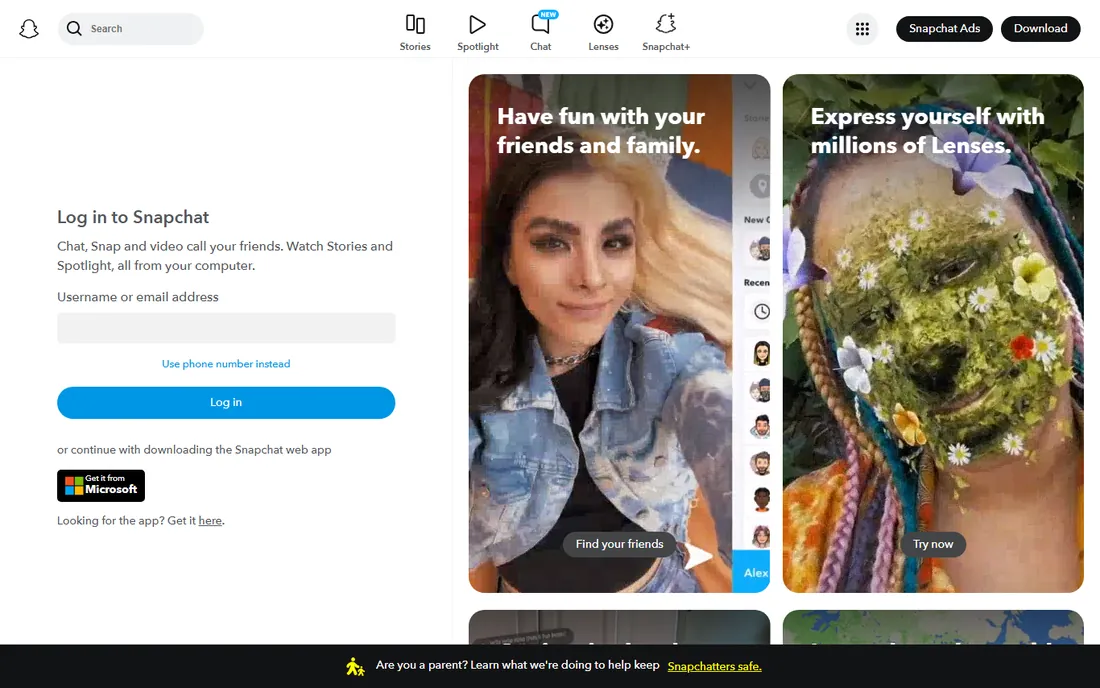
Snapchat's audience is young and loyal, which makes it relevant for brands targeting under-30 consumers. AR lenses and filters offer creative advertising formats unavailable elsewhere, and the platform is less saturated with brand content than Instagram. For the right demographic, attention is cheaper here.
The demographic narrowness is the limit. Content is ephemeral by design, which suits engagement but not durable marketing assets. Analytics and business tools are thinner than Meta's. Most businesses can ignore Snapchat safely; those selling to young consumers should test it before dismissing it.
What we like- Strong with younger demographics
- AR lenses offer creative ads
- Less crowded for brands
Watch out for- Narrow demographic
- Content disappears
- Analytics are thinner
Starting priceFree
Free planYes
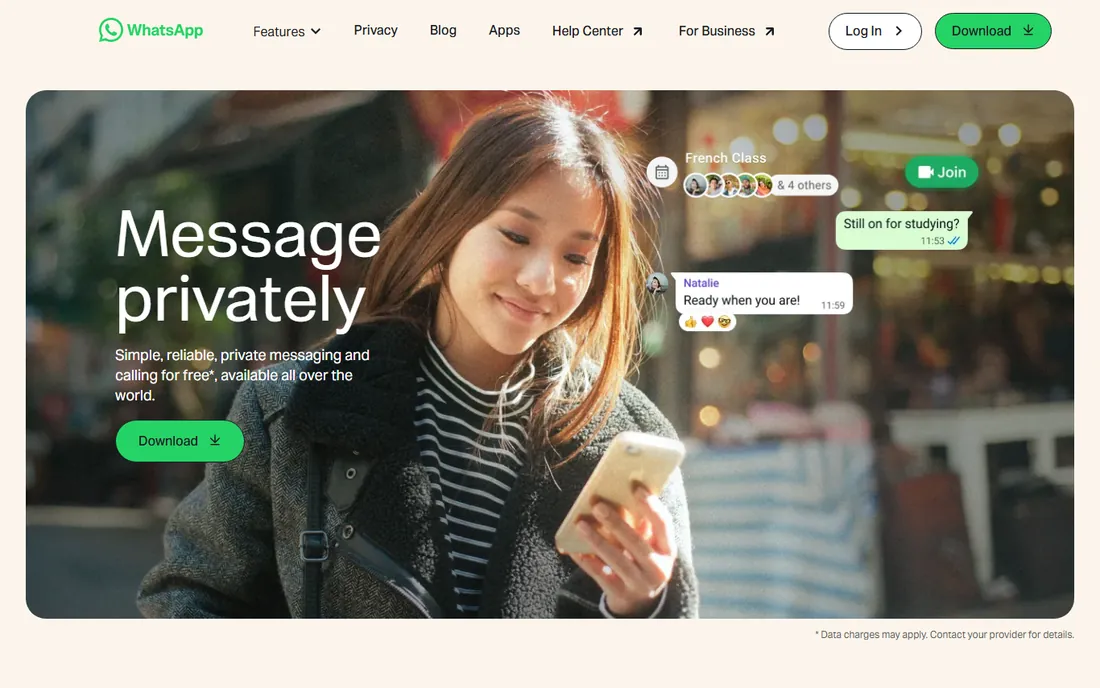
WhatsApp is not for finding customers; it is for talking to them. Open rates dwarf email, and the free Business app gives small companies profiles, catalogs, quick replies and labels. For appointment reminders, order updates, support conversations and repeat sales, it is remarkably effective.
Discovery does not happen here; customers must come from elsewhere first. Scaling beyond the free app requires the Business API, which costs money and needs a provider. WhatsApp polices spam aggressively, so broadcast messaging must stay opted-in and relevant. Used as a relationship and service channel rather than a marketing blast tool, WhatsApp earns its place in the mix.
What we like- Customers actually read messages
- Business app is free
- Broadcast and catalog features
Watch out for- Not a discovery channel
- Scaling needs the paid API
- Spam rules are strict
How we chose
We evaluated the platforms businesses actually use for marketing, not the newest apps chasing hype. Each platform was verified as currently operating. We weighed audience fit, organic reach, advertising options, content demands and business tooling, drawing on platform documentation and established marketing consensus. We avoided inventing user counts or engagement statistics. No platform paid for placement. The list covers the major general platforms because business buyers choose among them, not among obscure alternatives.
The most common mistake is being everywhere thinly. Two platforms done well outperform six done poorly, because each platform demands native content and consistent presence. Choose by audience first: where do your customers actually spend time? A B2B consultancy belongs on LinkedIn and YouTube; a boutique belongs on Instagram and TikTok; a local service business belongs on Facebook and Google, with Instagram as backup.
Then weigh your content capacity honestly. Video-heavy platforms demand production resources. If the team can sustain short video, TikTok and Reels reward it. If not, Facebook, LinkedIn and Pinterest work with less intensive content. Match the platform to both the audience and the team, and ignore the rest without guilt.
What to check before you invest
Define the job each platform does. One platform might drive discovery while another handles customer service; WhatsApp and Facebook groups serve relationship roles that ads cannot. Assigning each channel a purpose prevents the aimless posting that wastes effort.
Check the advertising reality for your niche. Organic reach varies wildly by platform and changes over time. Before building a strategy on free reach, confirm current conditions for your category, and budget for paid promotion where organic alone will not move the needle. And measure what matters: track leads, sales and customers, not just followers and likes.
Frequently asked questions
Which social media platform is best for small business?
Facebook remains the best default for local small businesses because of local discovery, reviews and mature advertising. Instagram suits visual businesses, LinkedIn suits B2B. The best platform is the one where your specific customers spend time.
Which social media platform is best for advertising?
Facebook and Instagram offer the most mature and cost-effective advertising for most businesses, with precise targeting. LinkedIn offers the best B2B targeting at higher costs. TikTok offers creative reach at lower costs for younger audiences.
How many social media platforms should a business use?
Two done well is the right number for most small businesses. Each platform needs native content and regular attention. Adding platforms before the first two work reliably just dilutes effort.
Is organic reach dead on social media?
Not everywhere. TikTok, YouTube and Pinterest still offer meaningful organic discovery. Facebook pages and Instagram feeds have seen organic reach decline, pushing businesses toward paid promotion. Strategy should match each platform's current reality.
Should a B2B company use TikTok or Instagram?
It depends on the audience. Most B2B companies get more from LinkedIn and YouTube. But B2B brands with visual products, employer branding goals or younger buyers can succeed on Instagram, and some find TikTok useful for humanizing the brand. Test against pipeline impact, not vanity metrics.
Sources we checked (10)
- https://www.facebook.com
- https://www.instagram.com
- https://www.linkedin.com
- https://www.youtube.com
- https://www.tiktok.com
- https://x.com
- https://www.pinterest.com
- https://www.reddit.com
- https://www.snapchat.com
- https://www.whatsapp.com
Is your product missing or out of date?
We review this list regularly. Vendors can request a listing, send updated pricing or ask about featured placement.

Shihab Mia · Founder, Rankite
Shihab has spent more than a decade helping SaaS and e-commerce brands grow through search. He writes Rankite's software buying guides from pricing pages, documentation and public user reviews. More about Shihab.