How we make this list: we compare pricing pages, product documentation and public user reviews. Rankite is independent; if a vendor ever pays for a featured spot, that listing is clearly labeled Partner.
Key takeaways
- UserTesting is the standard for unmoderated usability testing with a massive participant panel.
- Maze brings fast, continuous product testing with prototypes and live websites.
- Qualtrics and SurveyMonkey are the survey platforms for market research at any scale.
- Dovetail is the research repository: analyze interviews and share insights across the team.
- Typeform and Hotjar cover conversational surveys and on-site behavior feedback.
Quick comparison
| Tool | Best for | Starting price | Free plan |
|---|
 UserTesting UserTesting | unmoderated usability testing | See website | Free trial |
 Qualtrics Qualtrics | enterprise experience research | See website | Free trial |
 SurveyMonkey SurveyMonkey | surveys for everyone | See website | Yes |
 Maze Maze | continuous product testing | See website | Yes |
 Dovetail Dovetail | research analysis and repository | See website | Yes |
 User Interviews User Interviews | participant recruiting | See website | No |
 Typeform Typeform | conversational surveys | See website | Yes |
 Hotjar Hotjar | on-site feedback and behavior | See website | Yes |
Is your product missing or out of date?
We review this list regularly. Vendors can request a listing, send updated pricing or ask about featured placement.
Starting priceSee website
Free planFree trial
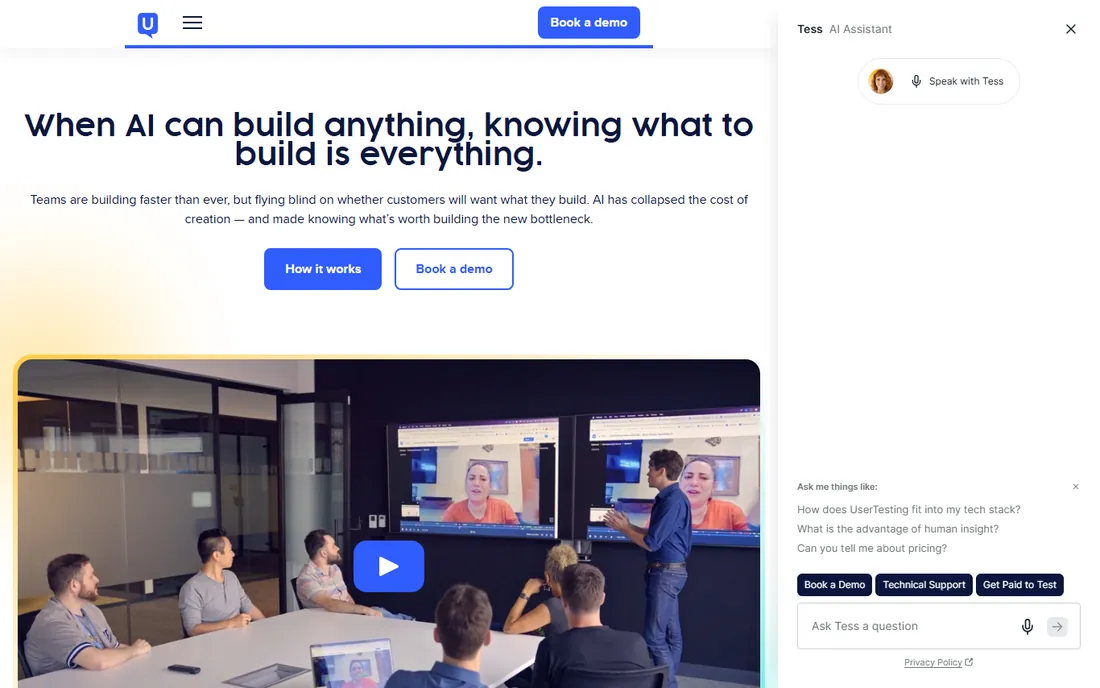
UserTesting is the category standard: launch an unmoderated test, get videos of real users narrating their experience, and review AI-generated summaries. The panel reaches specific demographics fast, and the platform handles the research workflow end to end.
Pricing is enterprise, which prices out small teams. For organizations doing continuous UX research, the speed and panel quality justify it.
UserTesting's per-seat and per-test pricing needs a usage model: estimate your monthly test volume and participant incentives before the trial ends. The platform's value is obvious when studies run weekly; occasional researchers may find the price harder to justify against lighter tools.
Calculate the fully loaded cost per study before committing: UserTesting's platform fees plus participant incentives surprise teams that only budgeted the subscription.
What we like- Huge participant panel for fast tests
- Video plus AI summaries
- Enterprise-grade platform
Watch out for- Premium pricing
- Overkill for occasional testing
Starting priceSee website
Free planFree trial
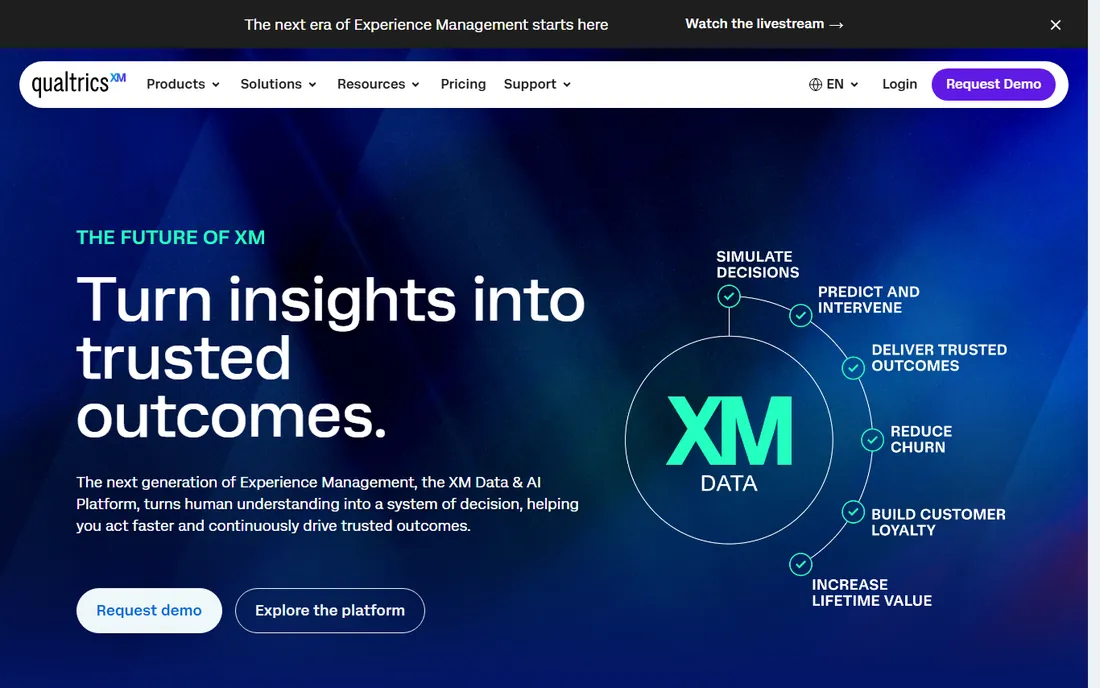
Qualtrics is the enterprise experience management platform: customer, employee, product and brand research with serious analytics underneath. Large organizations run their entire insights function on it.
Small teams will find it more than they need. For enterprise research programs with methodological rigor, it is the standard.
Qualtrics' enterprise pricing demands a formal procurement process: involve IT and procurement early, since the contract negotiation takes longer than the technical evaluation. The platform's depth only pays off when research is a company-wide function.
Start with the cheapest plan that supports your study types: Qualtrics' tier jumps are significant, so confirm which features your research actually requires.
What we like- Most powerful survey and XM platform
- Deep analytics
- Trusted by large enterprises
Watch out for- Complexity and cost
- Implementation for advanced programs
Starting priceSee website
Free planYes
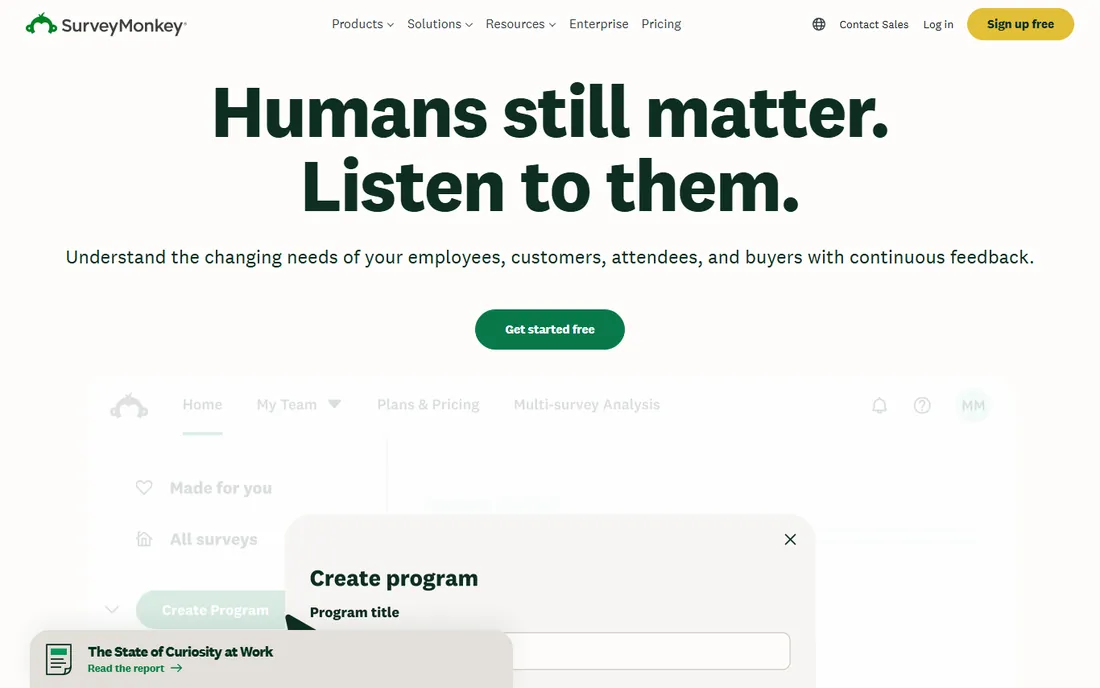
SurveyMonkey is the survey tool the world defaults to: build a survey in minutes, send the link, read the results. The free plan covers simple surveys, and paid tiers add logic, branding and analysis.
Serious researchers want more analytical depth. For everyone else, from HR to marketing to product, it does the job with zero learning curve.
SurveyMonkey's free tier handles genuine research needs for small teams: run your first few surveys there and upgrade only when logic, branding or analysis limits actually block you. Many teams overbuy survey software.
Test the skip logic and piping with a real questionnaire: SurveyMonkey's free limits appear exactly when surveys get sophisticated.
What we like- Free tier for basic surveys
- Everyone knows how to use it
- Huge template library
Watch out for- Advanced features cost more
- Analysis is lighter than Qualtrics
Starting priceSee website
Free planYes
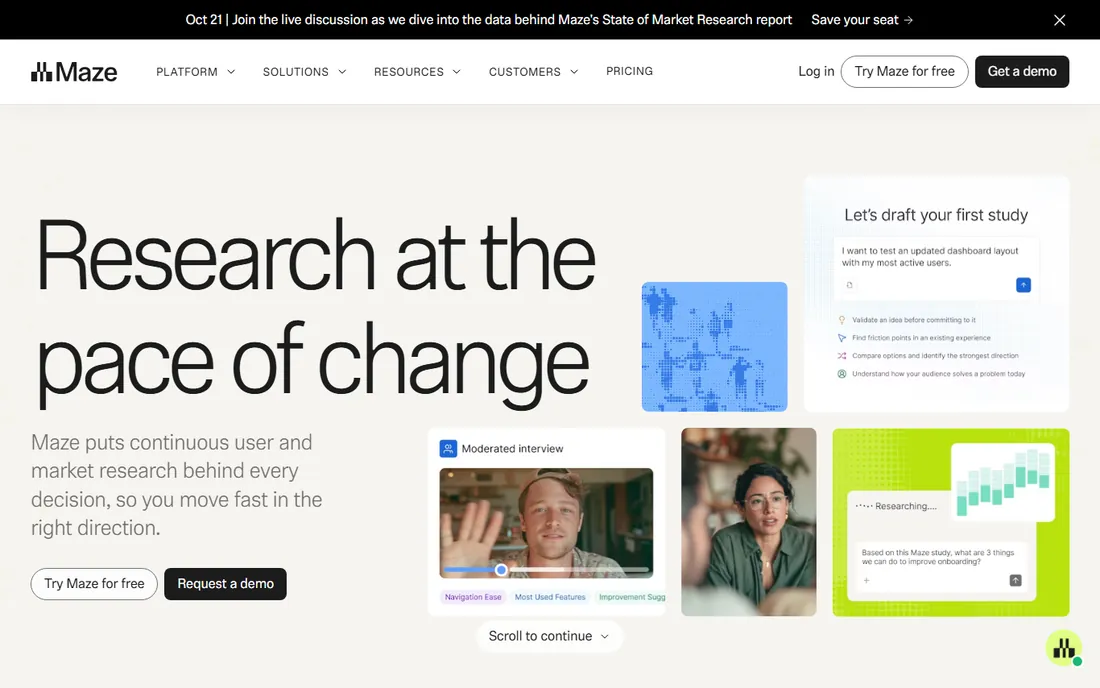
Maze is built for product teams testing continuously: run usability tests on Figma prototypes or live websites, get automated usability scores and reports. The free tier covers real usage.
It is a product testing tool, not a general research platform. For design and product teams shipping weekly, the speed fits the workflow.
Maze's free tier is the natural starting point for continuous discovery: run unmoderated tests on real prototypes and measure whether the insights change design decisions. The upgrade decision should follow proven usage, not anticipated needs.
Check the prototype integrations you use daily: Maze's Figma connection is the workflow that makes continuous testing practical.
What we like- Fast testing with prototypes and live sites
- Automated reports
- Good free tier
Watch out for- Panel depth trails UserTesting
- Best for product teams, not general research
Starting priceSee website
Free planYes
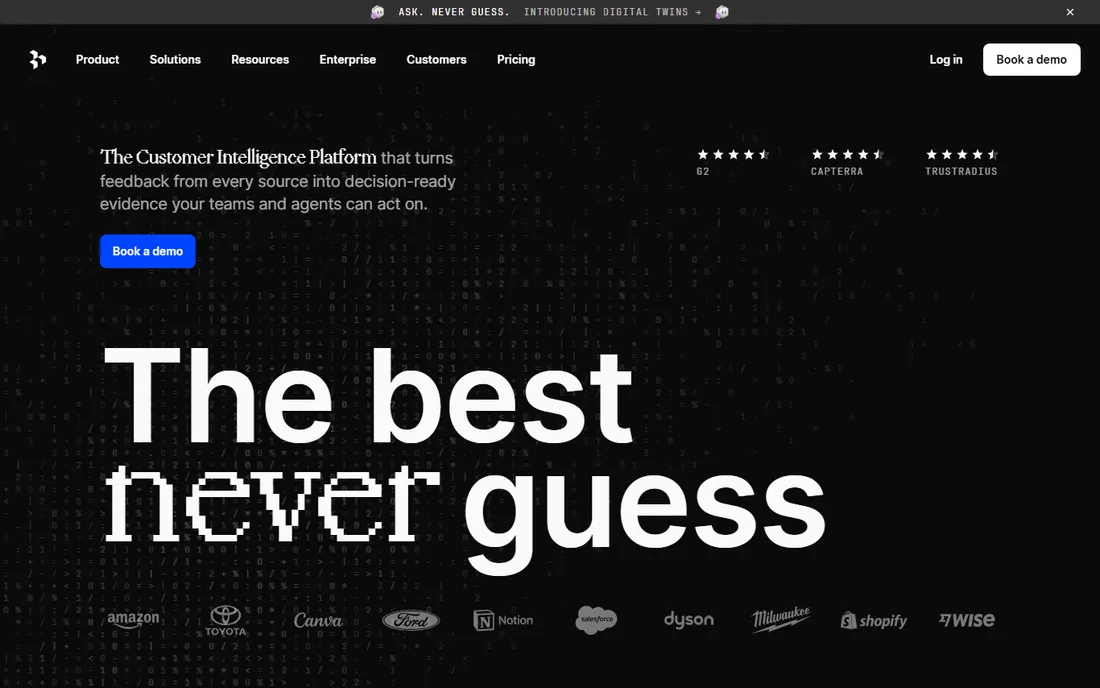
Dovetail is where research goes to become useful: import interview transcripts, support tickets and survey responses, tag and theme them with AI assistance, and publish insights the whole company can find. It solves the "research nobody reads" problem.
It does not run tests or surveys itself. Teams pair Dovetail with UserTesting or Maze for collection and keep the analysis here.
Dovetail's analysis features are the trial focus: import real interview transcripts and test the tagging, search and insight-finding workflow. The repository value compounds over months, so evaluate whether your team will actually maintain it.
Verify the analysis exports meet stakeholder needs: Dovetail's shareable insights determine whether research actually influences decisions.
What we like- Best-in-class qualitative analysis
- AI-assisted tagging and themes
- Shareable insight repository
Watch out for- Analysis tool, not a testing or survey platform
- Pricing per user
Starting priceSee website
Free planNo
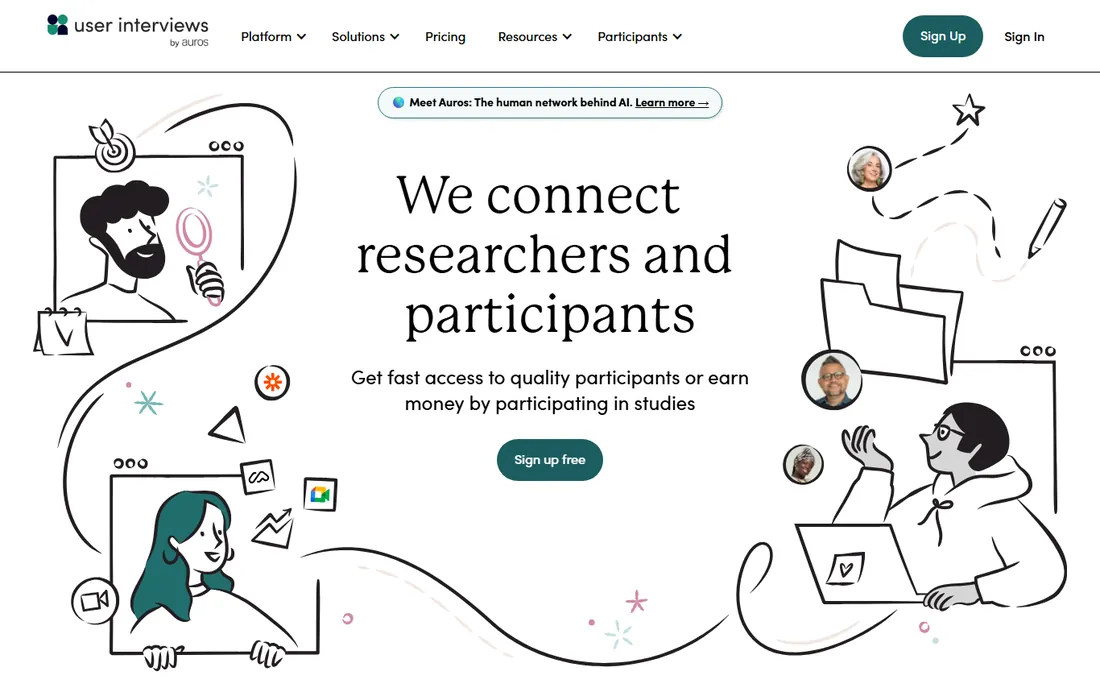
User Interviews solves the hardest part of research: finding the right people. The panel recruits participants for interviews, usability tests and surveys with detailed targeting, fast.
Costs are per participant, so heavy research programs spend real money. For teams running their own sessions but struggling to recruit, it removes the bottleneck.
User Interviews' participant costs are the budget line to watch: the platform fee plus incentives per session adds up fast at volume. Model the full cost per study, including your team's time, before committing to a panel strategy.
Confirm panel availability for your target audience: User Interviews' value depends entirely on reaching the right participants in your niche.
What we like- Large vetted participant panel
- Fast recruiting for interviews and tests
- Good targeting
Watch out for- Pay-per-participant costs add up
- Recruiting only, not analysis
Starting priceSee website
Free planYes
Typeform makes surveys people actually finish: the conversational format lifts completion rates over traditional survey grids. The free plan covers modest volumes.
High-volume researchers hit response limits and pricing. For customer feedback, lead qualification and brand surveys where experience matters, Typeform is the pick.
Typeform's conversational format is worth testing against your current forms: run the same survey in both and compare completion rates. The design premium pays off when respondent drop-off is your main problem.
Compare mobile completion rates for your audience: Typeform's conversational format shows its advantage on phone-heavy respondent pools.
What we like- Beautiful one-question-at-a-time surveys
- Higher completion rates
- Generous free tier
Watch out for- Pricing climbs with responses
- Less analytical depth than Qualtrics
Starting priceSee website
Free planYes
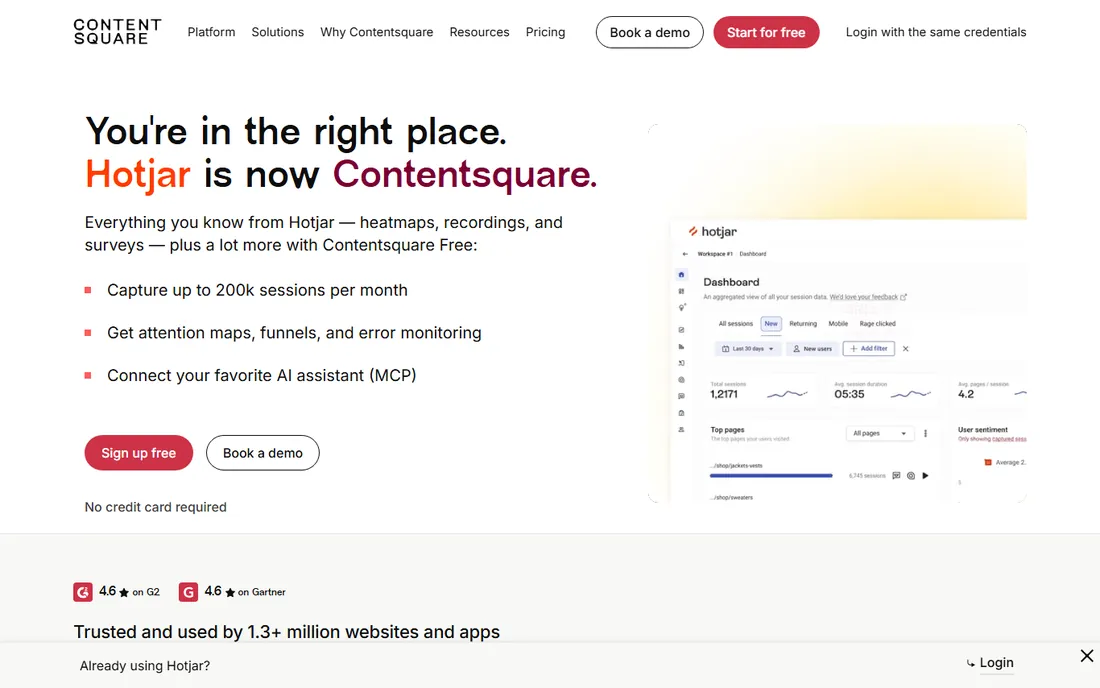
Hotjar shows what users do on your site: heatmaps, session recordings, and on-page surveys and feedback widgets. It answers "what is happening" quantitatively, which pairs with qualitative tools for the "why."
It is not a research platform in the interview sense. For product teams optimizing conversion and UX on live sites, it is the essential complement.
Hotjar's heatmaps need traffic to be meaningful: confirm your page volumes support statistically useful data before paying. Low-traffic sites get more value from session recordings and feedback widgets than from heatmaps.
Check the sampling and filtering on recordings: Hotjar's value for small sites comes from watching the right sessions, not all of them.
What we like- Heatmaps plus on-site surveys and feedback widgets
- Free tier
- Easy to install
Watch out for- Behavior data, not deep research
- Sampling limits on lower tiers
Testing, surveying or analyzing?
Pick a testing tool when the question is usability: UserTesting for depth and panel, Maze for speed in the product workflow. Recruit participants through User Interviews when you run your own sessions.
Pick a survey tool when the question is opinion at scale: Qualtrics for enterprise rigor, SurveyMonkey for everyone, Typeform for experience. Then put what you learn in Dovetail so insights compound instead of evaporating.
What to check before you buy
Panel quality decides testing tools: who the participants are, how they are vetted, and how fast you can reach your target users. Run a real test during the trial, not the demo.
For surveys, check logic, branding, distribution and analysis against your actual questionnaires. For repositories, check integrations with your testing tools and how non-researchers consume insights. And confirm pricing at your real volume: per-participant and per-response costs scale fast.
One more check: verify the participant consent and privacy handling meets your legal requirements. Research platforms collect personal data by design, and the compliance burden varies by jurisdiction and participant type. Also confirm the data retention and deletion options before you accumulate studies, since cleaning up later is harder than setting the policy at the start.
Also confirm the incentive handling for your participant types: some panels restrict incentive options by country, which matters for international research. And verify the recording storage and transcription accuracy with a real session before you promise stakeholders highlight reels.
How we chose
We selected research platforms covering usability testing, surveys, participant recruiting and research analysis, all live products in 2026. Seven vendor URLs were corroborated through sibling research files during a browser service outage; User Interviews uses its canonical domain and is flagged for re-verification. No vendor pricing pages were individually verified, so all prices list see website.
Frequently asked questions
What is the best user research platform?
UserTesting for unmoderated testing depth, Maze for continuous product testing speed, Dovetail for analyzing and sharing what you learn. Most teams use more than one.
How do I recruit participants for user research?
User Interviews and UserTesting's panel recruit vetted participants fast. For free, recruit from your own user base with incentives.
What is the difference between Maze and UserTesting?
Maze is faster and cheaper, built for continuous product team testing. UserTesting has the deeper panel and enterprise platform for serious research programs.
Can I do surveys for free?
Yes. SurveyMonkey, Typeform and Hotjar all offer free tiers that cover real usage for small teams.
What is a research repository?
A shared home for everything you learn: interview notes, survey results, insights tagged and searchable. Dovetail is the leading example. It stops research from being forgotten.
How much does user research cost?
From free tiers to per-participant recruiting fees to enterprise platforms costing thousands monthly. Start with free tiers and pay as research volume proves its value.
Still deciding? Run one real study on your top two platforms before committing. The quality of participants and the clarity of the analysis will tell you more than any feature comparison.
Sources we checked (8)
- https://www.usertesting.com
- https://www.qualtrics.com
- https://surveymonkey.com
- https://maze.co/
- https://dovetail.com
- https://www.userinterviews.com
- https://typeform.com
- https://hotjar.com/
Is your product missing or out of date?
We review this list regularly. Vendors can request a listing, send updated pricing or ask about featured placement.

Shihab Mia · Founder, Rankite
Shihab has spent more than a decade helping SaaS and e-commerce brands grow through search. He writes Rankite's software buying guides from pricing pages, documentation and public user reviews. More about Shihab.