How we make this list: we compare pricing pages, product documentation and public user reviews. Ratings come from G2, Capterra or Trustpilot, with the date we checked them.
Key takeaways
- EPAM Systems and Globant suit large enterprises that need product engineering at global scale with AI-led delivery.
- Thoughtworks suits organizations that want engineering-led change and strong technical practices rather than staff augmentation alone.
- GlobalLogic and Cognizant suit complex platform and enterprise programs with deep industry and integration experience.
- ScienceSoft and Simform suit mid-size companies that want fixed-scope custom product work with clear hourly ranges.
- 10Pearls suits US teams that want a mid-size partner with product, AI, and cloud skills under one roof.
Quick comparison
| Tool | Best for | Starting price | Free plan |
|---|
 EPAM Systems | Large enterprise product engineering | See website | No |
 Globant | AI-led digital product engineering at scale | See website | No |
 Thoughtworks | Engineering-led change and practices | See website | No |
 GlobalLogic | Platform, embedded, and digital products | See website | No |
 Cognizant | Large enterprise programs in regulated industries | See website | No |
 ScienceSoft | Full-cycle custom product development | $50 per hour | No |
 Simform | Fixed-scope product builds at a moderate rate | $25 per hour | No |
 10Pearls | Mid-size US product teams | See website | No |
Is your product missing or out of date?
We review this list regularly. Vendors can request a listing, send updated pricing or ask about featured placement.
The best product development companies for US teams
#1
EPAM Systems
Best for: Large enterprise product engineering
Visit epam.com
Starting priceSee website
Free planNo
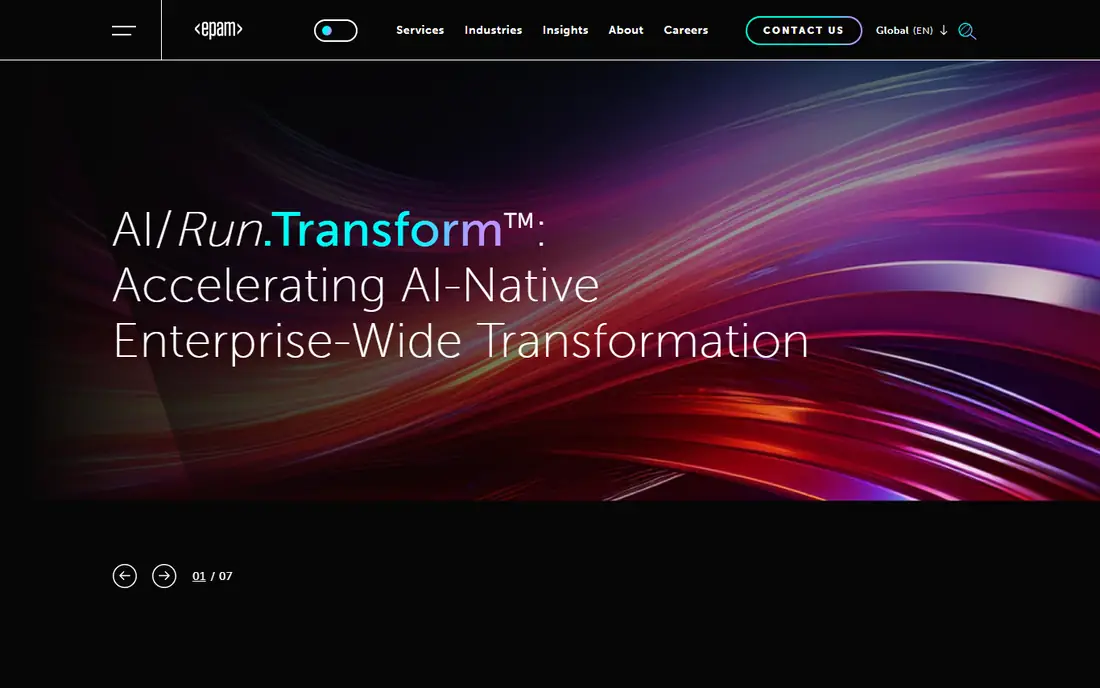
EPAM Systems, headquartered in Newtown, Pennsylvania, is one of the largest product engineering firms serving US clients. The company builds and modernizes digital products for Forbes Global 2000 companies, with strengths in AI-led engineering, cloud platforms, and enterprise integrations such as SAP, Salesforce, and ServiceNow. That scale suits a company with a multi-year product roadmap rather than a single app.
Scale is also the drawback. EPAM's process and pricing fit enterprise programs, and a startup with a small budget will find a mid-size firm more responsive. Onboarding a large engagement takes time while teams, governance, and delivery plans are set up. For a large organization that needs a proven engineering partner for a core product, EPAM is a leading choice.
What we like- Engineering depth across many industries
- AI-led delivery for enterprise builds
- Global delivery with US headquarters
Watch out for- Enterprise pricing and process
- Smaller projects may get less attention
- Engagement setup takes time
Starting priceSee website
Free planNo

Globant is a digital product engineering company with a strong AI-led delivery model, including its AI Pods approach that packages small, skilled teams around a product goal. The company serves hundreds of enterprise clients and reports a large pipeline of digital product work, with delivery teams in Latin America that overlap US working hours. That nearshore overlap helps US product teams that want daily collaboration without night-shift meetings.
Globant's model fits larger programs better than a single small build, and pricing reflects enterprise delivery. A company that needs a handful of engineers for a short project may find a smaller firm faster to engage. For an enterprise that wants AI-assisted product delivery at scale, Globant is a strong contender.
What we like- Digital product engineering at enterprise scale
- AI Pods delivery model
- Strong Latin American nearshore teams in US time zones
Watch out for- Enterprise focus and pricing
- Model suits larger programs
- Smaller clients may prefer a boutique firm
Starting priceSee website
Free planNo

Thoughtworks is known less for headcount and more for how it builds software. The company emphasizes clean architecture, test-driven development, continuous delivery, and close work with client teams, which suits an organization that wants its own engineers to improve as well as its product to ship. Thoughtworks appears in roundups for engineering practice at scale and for product engineering with AI-accelerated delivery.
That approach costs more than a basic outsourcing shop, and it works best when the client is willing to change how it builds software. A company that only wants extra hands for a fixed task may not need Thoughtworks' depth. For a team that wants a partner to raise its engineering bar while delivering a product, Thoughtworks is a distinctive pick.
What we like- Strong engineering practices and architecture
- Experience with complex transformations
- Technology radar and thought leadership
Watch out for- Premium pricing
- Engagement style suits organizations ready to change
- Less suited to simple staff augmentation
Starting priceSee website
Free planNo
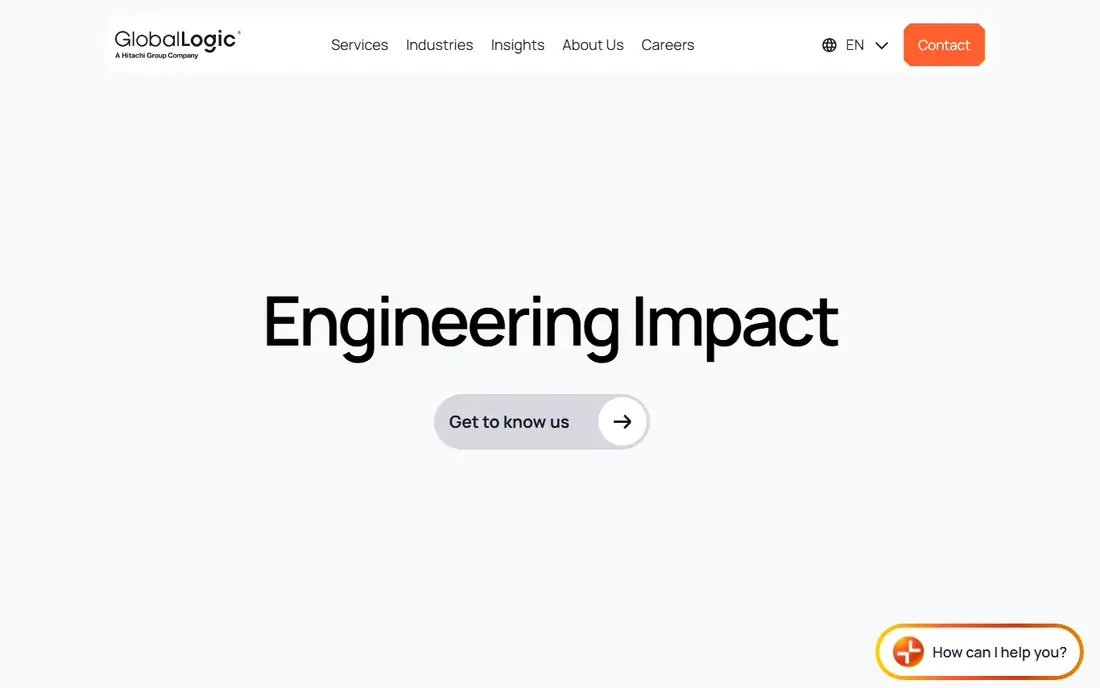
GlobalLogic, headquartered in Santa Clara, California, and part of Hitachi, specializes in digital product engineering from chip-level embedded work up to cloud platforms. That range suits software vendors and industrial companies building products that combine hardware, software, and cloud services. The company also offers AI engineering services and works with many software and platform businesses.
As a large firm, GlobalLogic's process fits bigger programs, and a small project may move slower than with a boutique partner. Pricing is custom and quote-based, so a buyer should request a scoped proposal with team composition and rates. For a platform or embedded product that needs deep engineering, GlobalLogic is a strong choice.
What we like- Chip-to-cloud engineering depth
- Strong ISV and SaaS product experience
- Hitachi backing and industrial reach
Watch out for- Large-company process
- Smaller projects may be deprioritized
- Pricing is quote-based
Starting priceSee website
Free planNo
Cognizant, headquartered in Teaneck, New Jersey, is one of the largest IT services firms in the US market, with hundreds of thousands of employees and deep work in banking, healthcare, and insurance. The company builds and modernizes applications, runs cloud and AI programs, and supports large enterprise platforms. That breadth suits a regulated company that needs a partner able to staff a big program and handle compliance-heavy work.
Size brings variation. Experience can differ between teams, and delivery is offshore-heavy, which suits some clients and not others. Pricing reflects enterprise scale. A mid-size company may prefer a smaller, more focused partner, while a large enterprise with a multi-year program will find Cognizant's capacity reassuring.
What we like- Broad capacity across industries
- Strengths in banking, healthcare, and insurance
- AI and platform engineering services
Watch out for- Very large organization, so experience varies by team
- Offshore-heavy delivery
- Enterprise pricing
#6ScienceSoft
Best for: Full-cycle custom product development4.7/5 on
G2 (4 reviews, checked Oct 2026)
Visit scnsoft.com
Starting price$50 per hour
Free planNo
ScienceSoft has built custom software for decades, with a focus on full-cycle product development that covers consulting, design, development, testing, and support. The company reports strengths in healthcare, fintech, and other regulated industries, where compliance and documentation matter as much as code. Published hourly rates run from $50 to $100, which gives a buyer a realistic budget range before the first call.
That range sits above budget firms, and a startup with a small budget may find Simform or a boutique shop cheaper. ScienceSoft also staffs projects from several locations, so a buyer should confirm time zone overlap and team composition. For a mid-size company that wants a full-cycle partner with regulated industry experience, ScienceSoft is a solid pick.
What we like- Full-cycle development from design to support
- Experience in regulated industries
- Published hourly range of $50 to $100
Watch out for- Higher hourly range than budget firms
- Team location varies
- Larger projects need longer planning
Starting price$25 per hour
Free planNo
Simform, with a US presence in Orlando, Florida, offers product engineering, cloud development, and enterprise platform work at a published hourly range of $25 to $50. That range makes Simform one of the more affordable firms here for a fixed-scope build, and the company reports a large team with experience across industries. For a mid-size company with a defined product and a firm budget, Simform offers a practical balance of cost and capacity.
Fixed-scope work needs clear requirements, since changes after the scope is set cost extra and slow delivery. Simform's size also means the buyer should ask for the specific team, not just the company, before signing. For a well-defined product build where budget discipline matters, Simform is a strong value choice.
What we like- Product engineering with US offices
- Published hourly range of $25 to $50
- Cloud and enterprise platform experience
Watch out for- Large team means experience varies by project
- Fixed scope needs clear requirements
- Smaller than enterprise giants
Starting priceSee website
Free planNo
10Pearls, based in Washington, DC, is a mid-size digital product company that combines custom software development, AI, cloud engineering, and modernization. That combination suits a US company that wants one partner for a product rebuild, a new AI feature, and the cloud platform behind it, without hiring a global giant. The company appears in enterprise roundups for US-focused product work and has a track record with mid-market and enterprise clients.
Mid-size scale is both a strength and a limit. A buyer gets more senior attention than at a giant firm, but a very large multi-year program may strain capacity. Pricing is quote-based, so request a scoped proposal with team roles and rates. For a US team that wants a responsive product partner with broad skills, 10Pearls is a good fit.
What we like- Product development, AI, and cloud under one roof
- Washington, DC base with US client focus
- Modernization experience
Watch out for- Mid-size scale limits very large programs
- Pricing is quote-based
- Industry depth varies by team
How we chose
We compared product engineering roundups, company service pages, and published hourly rates, and we kept only firms that exist today and serve US clients with product development as a core service. Hourly rates come from directory profiles and recent roundups, and anything unpublished is marked See website rather than guessed. We favored a mix of global enterprise firms, engineering-led consultancies, and mid-size product builders, since buyers range from a Fortune 500 program to a mid-size company building one product. No hands-on testing is claimed here, and engagement terms vary, so request a scoped proposal and references before signing.
Choosing a product partner without a painful engagement
Start with the engagement model. Team extension adds engineers to your team, a dedicated team gives you a full cross-functional group, and a fixed-scope project hands the vendor a defined outcome. Each model needs different management: team extension needs your product leadership, while fixed scope needs your requirements to be clear upfront. Pick the model first, then the vendor, since the wrong model causes more failures than the wrong firm.
What to check in the proposal
A good proposal names the team, not just the company: who leads engineering, who manages delivery, and how senior the developers are. It should state the tech stack, architecture approach, testing practices, security handling, and who owns the code and documentation at the end. Ask for two references in your industry and your size range, and call them with questions about delivery, communication, and what went wrong. Also agree on how knowledge transfers to your team, so you are not locked into the vendor forever.
Budgeting honestly
Hourly rates tell only part of the story. A $25 per hour team that needs twice the hours costs more than a $50 per hour team that ships faster, and a fixed price that excludes changes can grow quickly. Compare total estimated cost for the same scope, including project management, testing, and support after launch. Budget for a discovery phase when requirements are unclear, since a short paid discovery beats a long fixed-scope argument later.
Frequently asked questions
What does a product development company do?
A product development company designs, builds, and often maintains software products for clients, covering discovery, design, engineering, testing, launch, and support. Some firms act as a full product team, while others extend a client's existing team with engineers. The right model depends on how much product leadership you already have in-house.
How much does product development cost?
Costs vary by scope, team size, and rates. Published hourly ranges in this list run from $25 to $50 at Simform and $50 to $100 at ScienceSoft, while enterprise firms price by custom quote. A small product build may cost tens of thousands of dollars, while an enterprise platform can run into millions. Compare total estimated cost for the same scope, not just hourly rates.
Should I choose a large firm or a boutique partner?
Large firms suit big, multi-year programs with compliance and scale needs, while boutique and mid-size firms suit focused products with tighter budgets and a need for senior attention. Ask who will actually work on your project in both cases, since team quality matters more than company size.
What is the difference between fixed scope and a dedicated team?
Fixed scope means the vendor delivers a defined outcome for a set price, which suits clear requirements. A dedicated team means you pay for a cross-functional group over time, which suits evolving products where requirements change. Fixed scope risks change-order arguments, while dedicated teams risk drift without strong product management.
How do I check a product development company before hiring?
Ask for case studies in your industry, references you can call, and the resumes of the proposed team leads. Check directory reviews on Clutch and GoodFirms, confirm code ownership and documentation handover terms, and run a small paid discovery or pilot before committing to a large engagement.
Who owns the code after the project?
Ownership should be stated in the contract. Most reputable firms transfer code and documentation to the client on payment, but some retain rights to reusable components or frameworks. Confirm this before work starts, along with access to repositories, credentials, and deployment pipelines, so you can maintain the product without the vendor.
Sources we checked (8)
- https://www.epam.com
- https://www.globant.com
- https://www.thoughtworks.com
- https://www.globallogic.com
- https://www.cognizant.com
- https://www.scnsoft.com
- https://www.simform.com
- https://10pearls.com
Is your product missing or out of date?
We review this list regularly. Vendors can request a listing, send updated pricing or ask about featured placement.

Shihab Mia · Founder, Rankite
Shihab has 5+ years in B2B and SaaS SEO. He writes Rankite's software buying guides from pricing pages, documentation and public user reviews. More about Shihab.