How we make this list: we compare pricing pages, product documentation and public user reviews. Rankite is independent; if a vendor ever pays for a featured spot, that listing is clearly labeled Partner.
Key takeaways
- Epic Healthy Planet and Oracle Health suit organizations already running those EHRs; the integration advantage is real but the contracts are huge.
- Arcadia, Innovaccer and Lightbeam are the data-first platforms for ACOs and risk-bearing groups that need claims plus clinical data in one place.
- Elligint Health (formed from the HealthEC and VirtualHealth merger) and ZeOmega focus on payer care management with strong KLAS recognition.
- athenahealth fits independent practices and small groups better than the enterprise platforms do.
- Pricing is quote-only across the board; expect six-to-seven-figure annual contracts tied to covered lives.
Trinity Health used automated outreach to close more than 666,000 care gaps and catch hundreds of cancers earlier, according to Epic. Lightbeam reports $5 billion in gross savings delivered to customers since 2014. Numbers like these are why population health software exists: value-based contracts pay organizations for outcomes across entire patient populations, and no spreadsheet tracks 45 million patients. The platforms below do, in very different ways.
Quick comparison
| Tool | Best for | Starting price | Free plan |
|---|
 Epic Healthy Planet Epic Healthy Planet | Health systems already running Epic | See website | Demo |
 Oracle Health Oracle Health | Health systems standardized on Oracle (formerly Cerner) | See website | Demo |
 Arcadia Arcadia | ACOs and networks that need one governed data foundation | See website | Demo |
 Innovaccer Innovaccer | Organizations betting on AI agents for care and revenue | See website | Demo |
 Elligint Health Elligint Health | Health plans modernizing care and utilization management | See website | Demo |
 Lightbeam Health Solutions Lightbeam Health Solutions | Value-based care enablement with proven ROI claims | See website | Demo |
 athenahealth athenahealth | Independent practices moving into value-based contracts | See website | Demo |
 Cedar Gate Technologies Cedar Gate Technologies | Payers and providers wanting one end-to-end VBC platform | See website | Demo |
 ZeOmega ZeOmega | Payer care management with Best in KLAS recognition | See website | Demo |
Is your product missing or out of date?
We review this list regularly. Vendors can request a listing, send updated pricing or ask about featured placement.
The best population health software
#1
Epic Healthy Planet
Best for: Health systems already running Epic
Visit epic.com
Starting priceSee website
Free planDemo
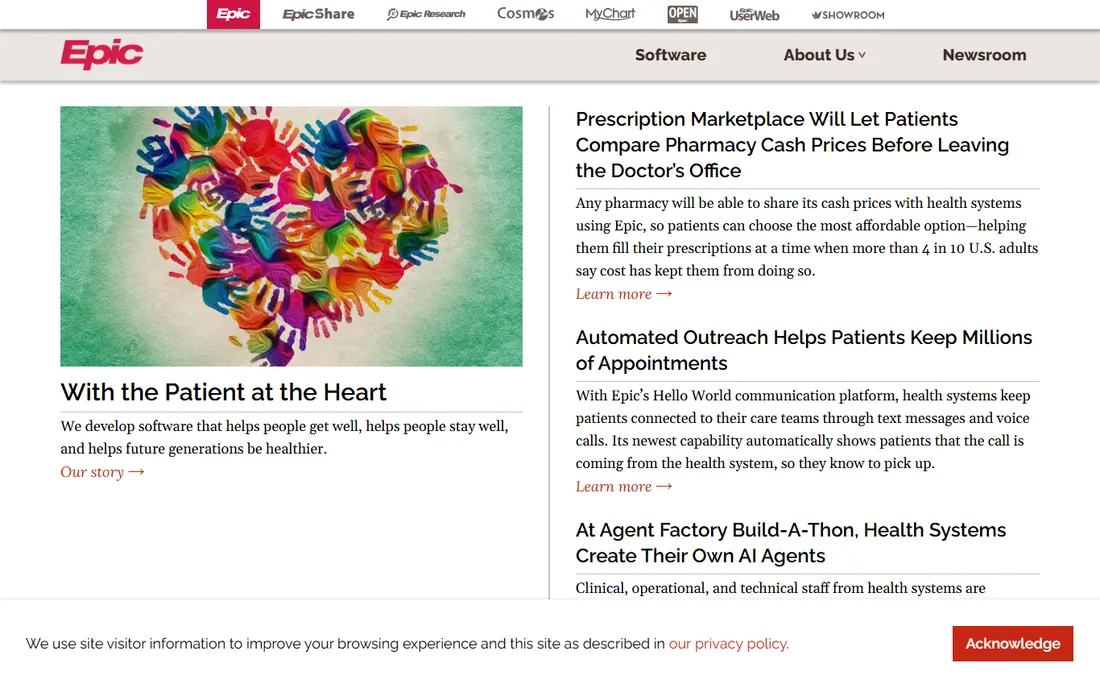
Healthy Planet is Epic's population health module, built for organizations managing risk across attributed lives. Because it lives inside the EHR, registries, care gap alerts and outreach campaigns reach the clinicians who act on them, which is the integration advantage every standalone vendor is chasing.
The catch is the ecosystem lock-in. Epic does not sell Healthy Planet as a casual add-on; it is part of enterprise EHR contracts that run into the tens of millions. If your organization already runs Epic, it is usually the first option to evaluate. If you do not, the other tools on this list are far more accessible.
What we like- Native integration with the Epic EHR, so care gaps surface in clinician workflow
- Massive installed base means shared learning
- Strong patient outreach tools (Hello World)
Watch out for- Only practical if you are already an Epic shop
- Implementation and licensing costs are among the highest in healthcare IT
- Customization requires Epic-certified staff
#2
Oracle Health
Best for: Health systems standardized on Oracle (formerly Cerner)
Visit oracle.com
Starting priceSee website
Free planDemo
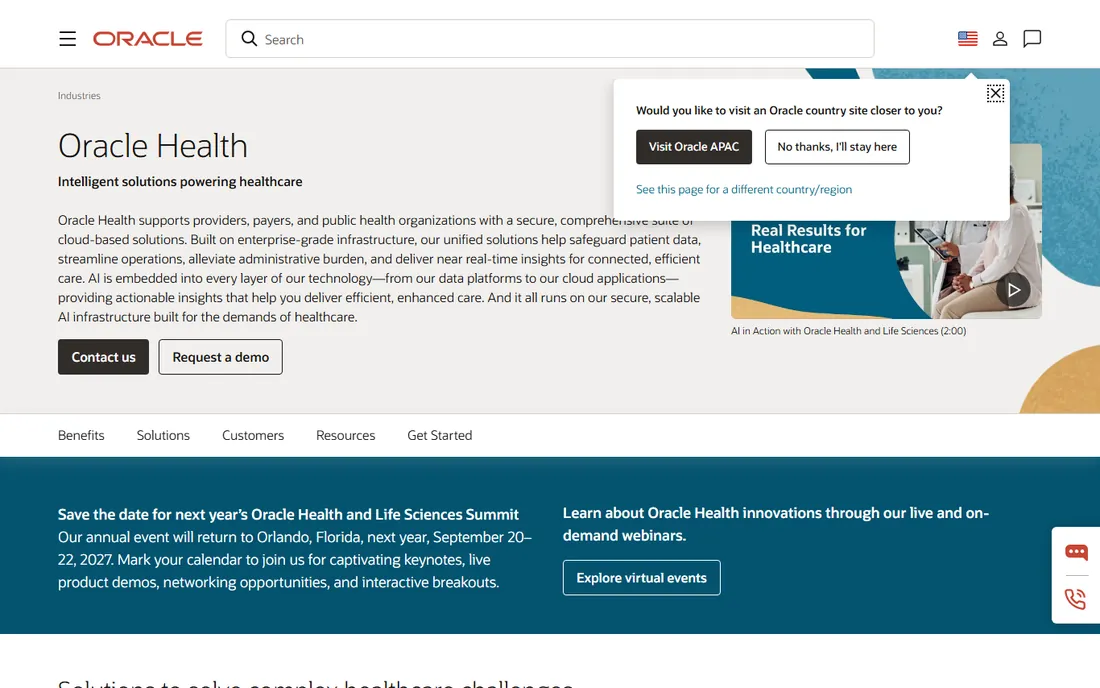
Oracle Health, the former Cerner, offers population health capabilities spanning diagnosis insights, care management and analytics, embedded in its clinical suite and cloud platform. The 2026 positioning leans heavily on AI embedded across infrastructure, data and applications.
For health systems already on Oracle Health EHR, the population health tooling benefits from the same workflow integration Epic customers get. For everyone else, the platform is a heavy enterprise commitment. Buyers should press Oracle on the product roadmap during the transition period and get integration timelines in writing.
What we like- Deep EHR integration for former Cerner customers
- Population health tools backed by Oracle's cloud and AI infrastructure
- Broad suite from clinical to payer operations
Watch out for- The Cerner-to-Oracle transition has created roadmap uncertainty for some customers
- Enterprise pricing with long sales cycles
- Best value only inside the Oracle ecosystem
#3
Arcadia
Best for: ACOs and networks that need one governed data foundation
Visit arcadia.io
Starting priceSee website
Free planDemo

Arcadia positions itself as the data foundation for value-based performance: aggregate everything, transform it with intelligence, then activate it into coordinated action. Its Healthcare Performance Suite, provider network intelligence and real-world research products serve ACOs, health systems and life sciences companies.
This is a data platform first and a workflow tool second. Organizations that buy Arcadia typically have analysts and data teams ready to work on top of it. If you need care managers clicking through task lists tomorrow, pair it with or choose a more workflow-oriented vendor. Pricing is custom and scales with data volume and lives covered.
What we like- Strong aggregation of EHR, claims and social-determinants data
- Three focused solution families for performance, network intelligence and research
- Built for analytics and AI use
Watch out for- Quote-only pricing aimed at sizable organizations
- Implementation requires serious data work
- Less of a care-management workflow tool than a data platform
Starting priceSee website
Free planDemo
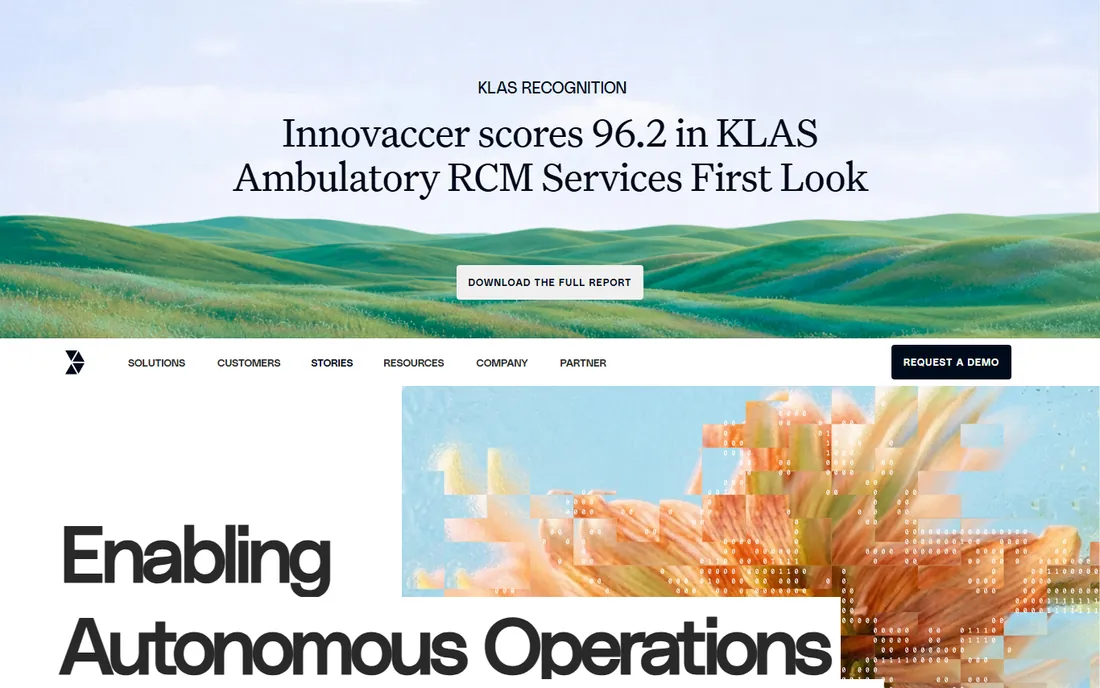
Innovaccer rebuilt itself around what it calls the Agentic Cloud for Healthcare: one platform where data, insights and AI agents work across clinical and administrative workflows. The population health angle covers risk adjustment, quality management, contract performance and care coordination, with agents that close HEDIS gaps and chase charts.
Customer stories cite meaningful results, like MSSP savings and readmission reductions. The honest evaluation question is focus: Innovaccer sells to nearly every healthcare workflow now, so buyers should scope the contract tightly to population health use cases and pilot the specific agents they plan to use before committing broadly.
What we like- Broadest AI agent library in the category, from prior auth to coding to care coordination
- Strong value-based care solutions (risk adjustment, quality, contract management)
- Proven results with large health systems
Watch out for- The platform sprawls across clinical, financial and operational use cases, which complicates buying
- Pricing is custom and opaque
- AI agent quality needs validation in your workflows
#5
Elligint Health
Best for: Health plans modernizing care and utilization management
Visit healthec.com
Starting priceSee website
Free planDemo
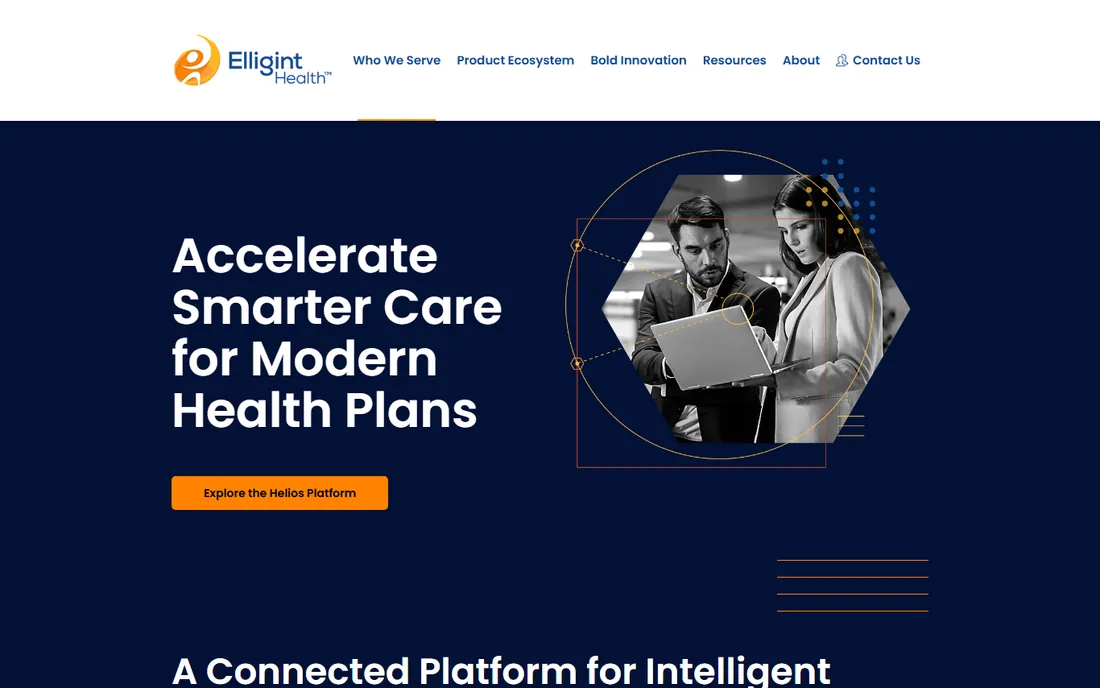
Elligint Health is the new name for the combined HealthEC and VirtualHealth businesses, selling the Helios platform to health plans, ACOs and risk-bearing providers. It covers care management, utilization management, disease management and population health in one configurable system, with prior authorization workflows aligned to CMS timelines.
The KLAS recognition and 13 million covered lives suggest real traction with payers. Buyers should ask how the merger affects their specific product line and support team, since post-merger integration is still underway. For payer-led population health programs, it belongs on the shortlist.
What we like- Helios platform unifies care management, utilization management and analytics
- Top KLAS performer in 2025 with 13M-plus covered lives
- Purpose-built for payer workflows and CMS compliance
Watch out for- Formed from a recent merger (HealthEC plus VirtualHealth), so the combined roadmap is still settling
- Payer-focused, less suited to provider-only organizations
- Enterprise sales process
Starting priceSee website
Free planDemo
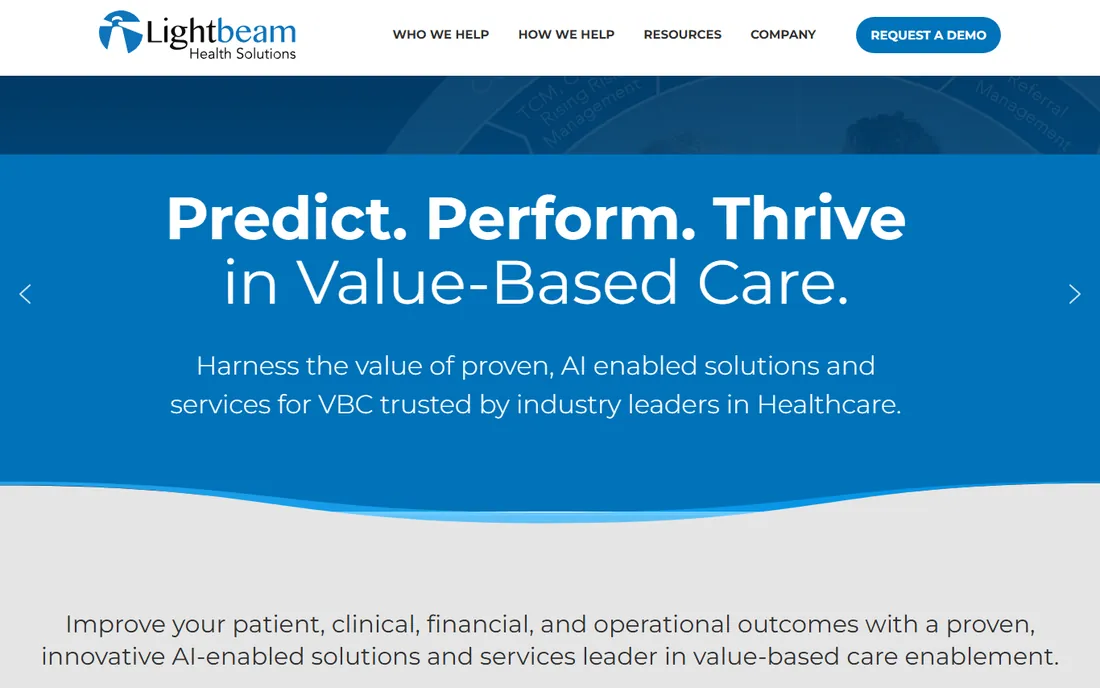
Lightbeam markets itself as the value-based care enablement leader, and it brings receipts: 45 million patients served, 5 billion claims processed, and customer-reported results like 15 percent fewer admissions and 30 percent fewer readmissions. The platform combines risk stratification, care management workflows, provider scorecards, referral management and remote patient monitoring.
The AI-driven rules engine pushes prescriptive recommendations to care managers and embeds insights at the point of care. As with all vendor ROI claims, validate the numbers against references in your segment. For ACOs and risk-bearing provider groups, Lightbeam's focus on measurable financial outcomes is the right conversation to have.
What we like- Strong outcomes marketing backed by specific customer metrics
- AI-driven risk stratification with point-of-care EHR integration
- Best in KLAS awards for remote patient monitoring
Watch out for- Vendor-reported ROI figures need independent verification
- Platform breadth can overwhelm smaller organizations
- Custom pricing with enterprise contracting
Starting priceSee website
Free planDemo
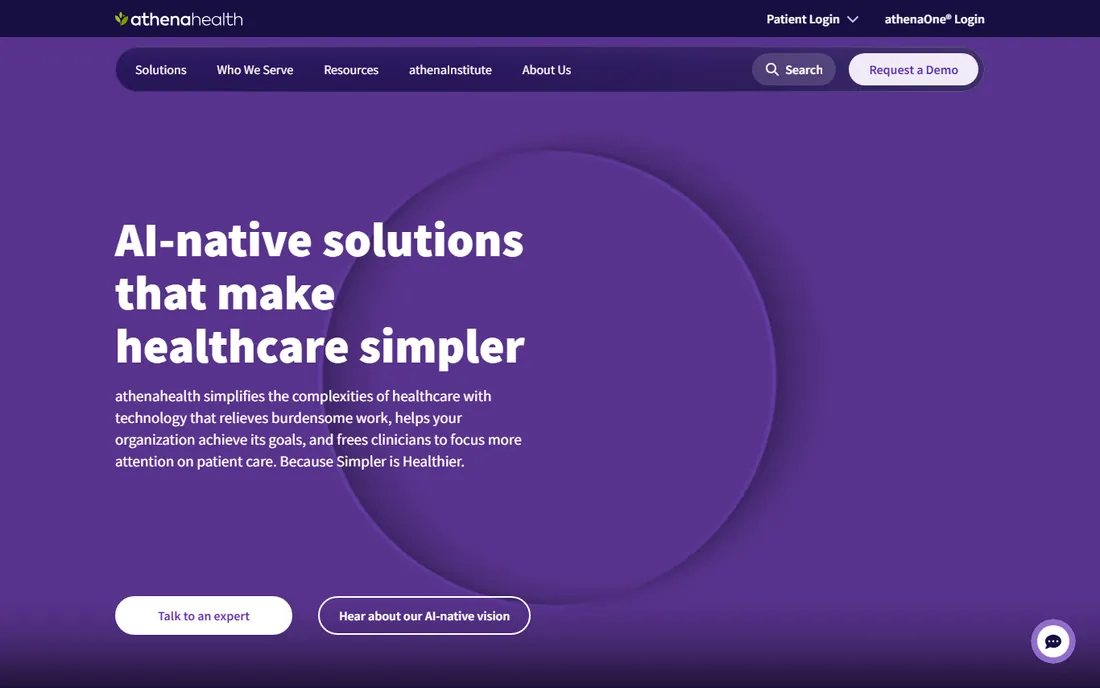
athenahealth serves the part of the market the enterprise vendors ignore: independent physician practices. Its athenaOne platform includes population health capabilities sized for ambulatory care, with quality reporting and care coordination that fit how small practices actually work.
A large ACO running complex risk contracts will outgrow it. But a 20-physician group entering its first value-based contract does not need Arcadia or Innovaccer; it needs something its staff will use. athenahealth's third straight year as Best in KLAS for the independent practice suite suggests it delivers exactly that.
What we like- Built for ambulatory practices rather than hospital systems
- Best in KLAS recognition for the independent practice suite
- Simpler adoption than enterprise platforms
Watch out for- Population health depth is lighter than the enterprise specialists
- Best suited to smaller panels
- Pricing and packaging require a sales conversation
#8
Cedar Gate Technologies
Best for: Payers and providers wanting one end-to-end VBC platform
Visit enli.net
Starting priceSee website
Free planDemo
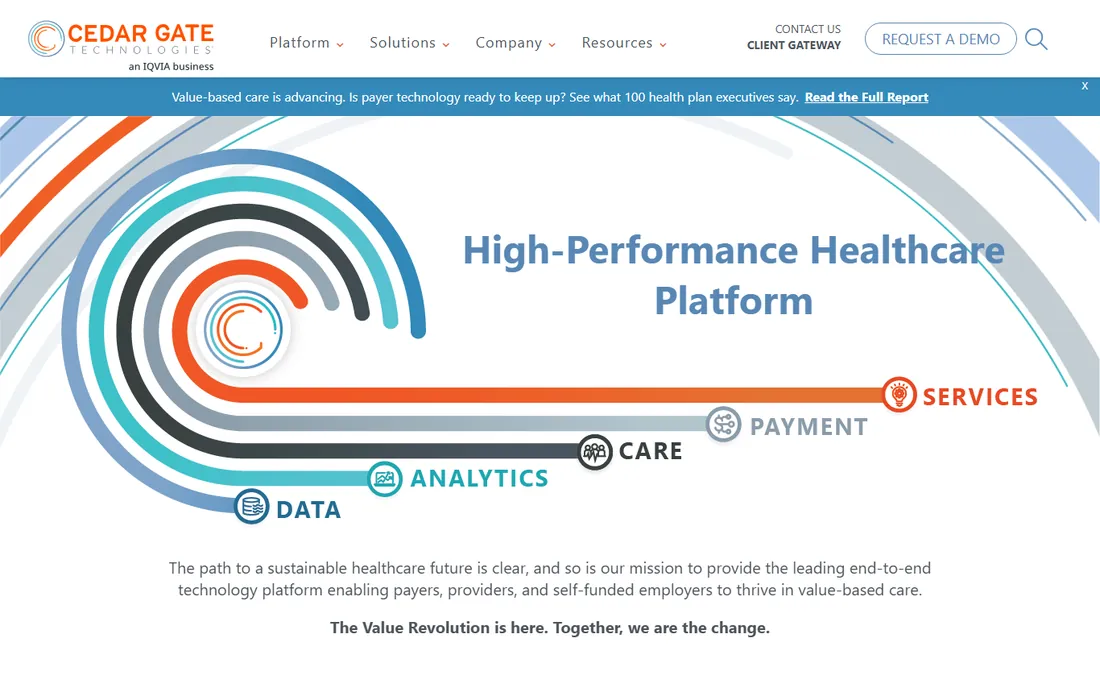
Cedar Gate Technologies, which absorbed Enli Health Intelligence (the enli.net address now serves the Cedar Gate platform), offers one of the broadest value-based care suites: data aggregation, predictive analytics, configurable care pathways, payment and bundles administration, plus actuarial consulting services.
The pitch is the end of point-solution patchwork: one data lake, one analytics layer, one set of care and payment tools. That breadth is also the risk; implementations touch data, clinical and financial teams at once. Organizations already committed to value-based payment models, especially those running bundles, get the most from the platform's payment capabilities.
What we like- Single platform spanning data, analytics, care and payment
- Strong bundles and actuarial services for value-based contracts
- Covers 60 million lives
Watch out for- The Enli brand now redirects to Cedar Gate, so confirm which product line you are buying
- Broad platform means long implementations
- Custom enterprise pricing
#9
ZeOmega
Best for: Payer care management with Best in KLAS recognition
Visit zeomega.com
Starting priceSee website
Free planDemo
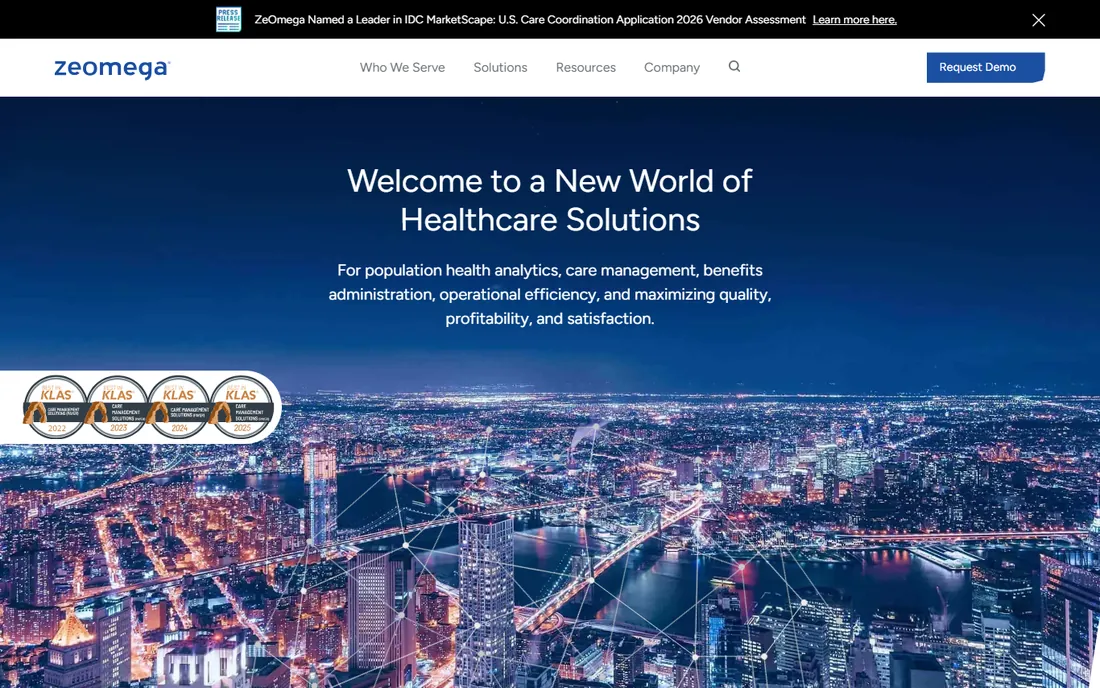
ZeOmega's Jiva Healthcare Enterprise Management Platform targets health plans and risk-bearing organizations with care management, population health, prior authorization automation and benefits administration. The Best in KLAS awards for care management solutions are a meaningful signal in a category where buyers rely heavily on peer validation.
The platform emphasizes turning fragmented data into a single source of truth with intelligent workflow automation. For payers evaluating population health options, ZeOmega competes directly with Elligint Health and should be evaluated on the same criteria: care manager workflow quality, integration effort and total contract cost.
What we like- Jiva platform rated Best in KLAS for payer care management
- Strong clinical content and rules engine
- Clean data integration positioning
Watch out for- Payer-centric, so provider organizations get less
- The platform's breadth requires careful scoping
- Enterprise pricing and sales cycle
The data integration problem nobody can skip
Every vendor on this list promises a single view of the patient. The reality is that claims data, clinical data, pharmacy data, lab results and social-determinants data arrive in different formats on different schedules, and normalizing them is where population health projects succeed or stall. Arcadia, Innovaccer, Cedar Gate and Lightbeam all lead with their data platforms for exactly this reason.
Before signing, ask three questions. Which data sources are included in the base price, and which cost extra to integrate. How long integration actually takes for an organization shaped like yours, with references. And who owns the normalized data if you leave: can you export the longitudinal patient record, or does your population history stay locked in the vendor's model. The answers vary more than the feature lists do.
How we chose
We selected platforms with active population health offerings in 2026, covering EHR-native modules, independent data platforms, payer care management suites and practice-level tools. We read each vendor's own site for current positioning, product scope and customer evidence, and checked KLAS recognition and public buyer discussion. We excluded pure EHRs without population health modules, consulting-only firms, and discontinued products. No hands-on testing was performed.
What to verify before you sign
Start with the contract model. Population health pricing is typically tied to covered or attributed lives, sometimes with data-volume components. Get the per-life cost, the minimum commitment, and what happens when attribution changes mid-contract. ACOs that gain or lose large employer groups can see costs swing unexpectedly.
Second, validate the workflow, not the demo. Watch a care manager close a care gap, run a risk stratification refresh, and generate a quality report using your data types. Vendor demos use clean data; your data is not clean. A paid pilot with your own feeds is the only honest test.
Third, check the regulatory alignment. Quality programs (HEDIS, Stars, MSSP) change yearly, and your vendor must keep measure logic current. Ask for the update cadence and who is accountable when a measure definition changes mid-year. Also confirm HIPAA compliance posture, audit trails and data residency, especially if you operate across states.
Frequently asked questions
What is population health software?
It is software that helps healthcare organizations manage the health outcomes of defined patient groups, rather than one patient at a time. It aggregates clinical, claims and other data, stratifies risk, identifies care gaps, coordinates interventions and tracks performance under value-based contracts.
How much does population health software cost?
Pricing is quote-only across the category. Contracts are typically priced per covered life per month or per year, and enterprise deals run into six or seven figures annually depending on lives covered, modules and services. Expect implementation fees on top.
Do I need population health software if I already have an EHR?
Maybe not. Epic and Oracle Health customers often start with the EHR vendor's population health module, since it integrates with clinician workflows. Independent platforms like Arcadia or Innovaccer make sense when you need multi-EHR data aggregation or deeper analytics than the EHR module provides.
What is the difference between population health and care management software?
Population health software focuses on the whole attributed group: risk stratification, gap identification and performance measurement. Care management software focuses on individual high-risk patients: care plans, task lists and coordination. Most platforms on this list do both, but they lead with one side.
How long does implementation take?
Data integration alone typically takes three to nine months depending on source count and quality. Full go-live with workflows and reporting often takes nine to eighteen months for enterprise platforms. Smaller practice tools like athenahealth deploy faster.
Which vendors are Best in KLAS for population health?
Recent KLAS recognition in adjacent categories includes Lightbeam for remote patient monitoring, athenahealth for the independent practice suite, ZeOmega for payer care management and Elligint Health (Helios) as a top performer. Check the current KLAS reports for your specific segment before buying.
Sources we checked (9)
- https://www.epic.com
- https://www.oracle.com/health
- https://arcadia.io
- https://innovaccer.com
- https://healthec.com
- https://lightbeamhealth.com
- https://www.athenahealth.com
- https://enli.net
- https://zeomega.com
Is your product missing or out of date?
We review this list regularly. Vendors can request a listing, send updated pricing or ask about featured placement.

Shihab Mia · Founder, Rankite
Shihab has spent more than a decade helping SaaS and e-commerce brands grow through search. He writes Rankite's software buying guides from pricing pages, documentation and public user reviews. More about Shihab.