How we make this list: we compare pricing pages, product documentation and public user reviews. Ratings come from G2, Capterra or Trustpilot, with the date we checked them.
Key takeaways
- Indeed offers the largest reach for general job postings, with a free posting option and sponsored upgrades for visibility.
- LinkedIn adds professional networking to job posting, so employers reach passive candidates who are not actively searching.
- ZipRecruiter, Monster, and CareerBuilder compete on apply tools and resume matching, while Dice owns the tech niche.
- SimplyHired now partners with Indeed for accounts, so its standalone posting path has changed and is flagged below.
Quick comparison
| Tool | Best for | Starting price | Free plan |
|---|
 Indeed | Largest general reach | Free | Yes |
 LinkedIn | Professional and passive candidates | See website | No |
 ZipRecruiter | Fast applications and visibility | See website | Free trial |
 Glassdoor | Company research plus jobs | Free | Yes |
 Monster | Resume tools and apply aids | See website | No |
 CareerBuilder | Quick apply and alerts | See website | No |
 Dice | Tech hiring | See website | No |
 SimplyHired | Simple search with Indeed tie-in | Free | Yes |
Is your product missing or out of date?
We review this list regularly. Vendors can request a listing, send updated pricing or ask about featured placement.
The best platforms for job posting
#1Indeed
Best for: Largest general reach4.3/5 on
G2 (615 reviews, checked Oct 2026)
Visit indeed.com
Starting priceFree
Free planYes
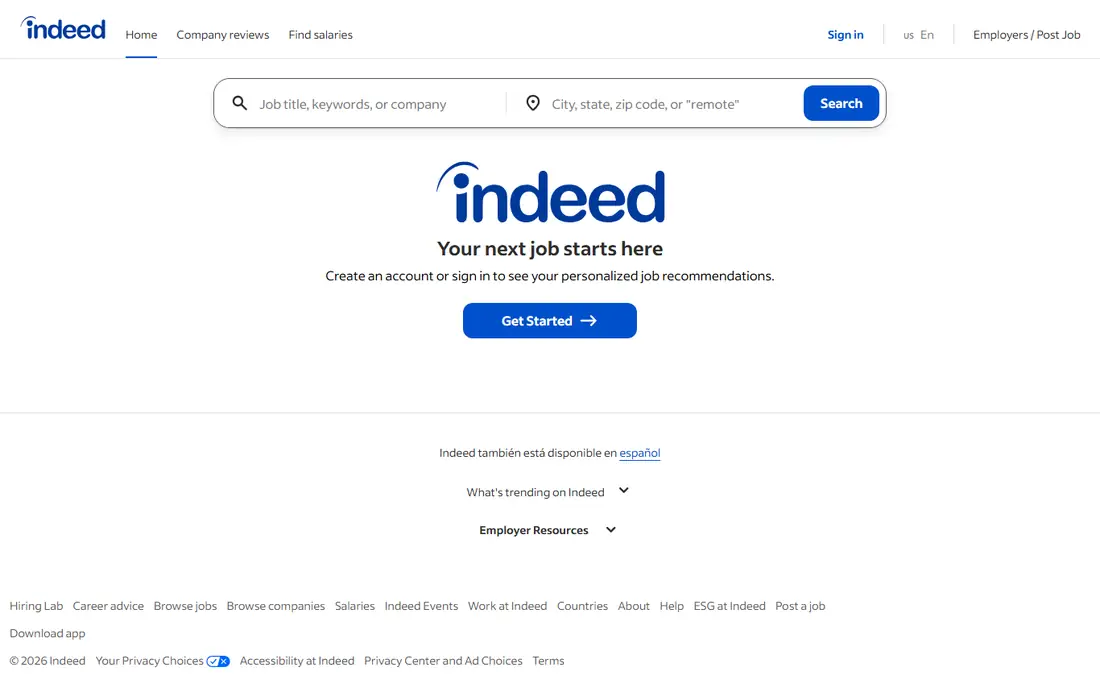
Indeed remains the default job board for sheer reach. Employers can post a job for free and upgrade to sponsored placement when a role needs more eyes, while seekers get personalized recommendations after signing in. The homepage makes both paths obvious, with a clear "Post a job" route for hiring teams.
The trade-off is competition. In popular roles and cities, free posts sink quickly beneath sponsored ones, so the free tier works best for niche roles or smaller markets. Employers hiring at volume should budget for sponsorship from the start rather than treating it as an afterthought.
What we like- Massive job seeker traffic
- Free job posting with sponsored upgrades
- Personalized recommendations for seekers
Watch out for- Free posts get less visibility in competitive markets
- Sponsored costs vary by role and location
Starting priceSee website
Free planNo
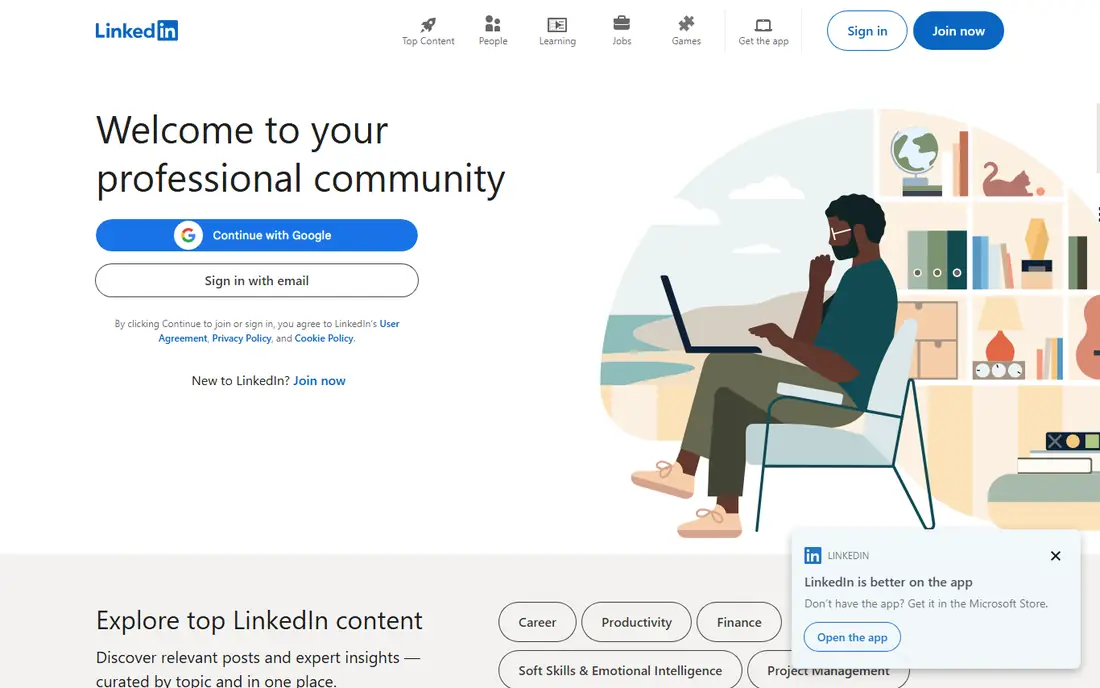
LinkedIn's advantage is its audience. Beyond active seekers, it reaches professionals who browse industry content, follow companies, and mark themselves Open To Work, privately or publicly. The homepage confirms a dedicated "Post your job for millions of people to see" path, alongside job browsing by function from engineering to healthcare.
The catch is access. The full experience sits behind login, and job posting prices are not published on the public homepage. LinkedIn suits professional, white-collar, and managerial roles best, where the network effect outweighs the cost. For hourly or high-volume hiring, a general board may deliver faster.
What we like- Access to professionals who are not actively job hunting
- Job posting reaches millions
- Open To Work signals and recruiter tools
Watch out for- Homepage is login-walled for full features
- Posting costs are not shown without an account
#3ZipRecruiter
Best for: Fast applications and visibility4.8/5 on
G2 (1,470 reviews, checked Oct 2026)
Visit ziprecruiter.com
Starting priceSee website
Free planFree trial
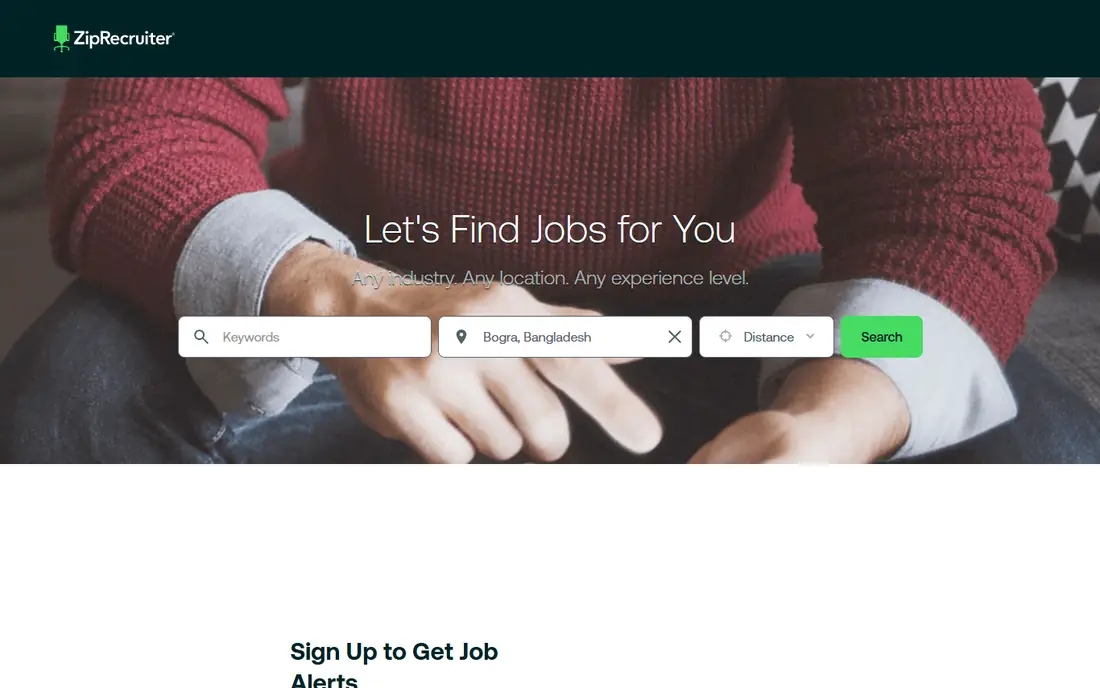
ZipRecruiter pitches itself on the application side, with a Be Seen First feature that lets candidates add a note explaining their interest and jump to the top of the list. The company cites internal data showing nearly double the chance of talking to the employer, plus a G2 satisfaction rating as the number one job site in the US. For employers, that means applications arrive with more context than a bare resume.
The homepage shows no employer pricing, so costs require a sales conversation or trial signup. ZipRecruiter suits employers who want faster, more expressive applications rather than the largest raw applicant pile.
What we like- Rated number one job site in the US on G2 satisfaction
- Be Seen First boosts standout applications
- Millions of US jobs listed
Watch out for- Employer pricing not shown on the homepage
- Standout features favor seekers who opt in
Starting priceFree
Free planYes
Glassdoor pairs job search with company research, which changes how candidates evaluate a posting. Its homepage reports over 250 million reviews, ratings, and salaries across 3.9 million companies, plus 6 million plus US jobs powered by Indeed. The Glassdoor Recruiter tool builds a shortlist with match scores from the seeker's experience, preferences, and must-haves.
The overlap caveat matters: since US jobs come through Indeed, posting on Indeed already reaches Glassdoor seekers, so Glassdoor adds research context more than new inventory. Employers with strong ratings benefit most, since candidates check reviews before applying. Weak ratings will show up here whether the employer likes it or not.
What we like- 250 million plus reviews, ratings, and salaries
- 3.9 million companies featured
- Glassdoor Recruiter matching is free for seekers
Watch out for- US job listings are powered by Indeed, so inventory overlaps
- Employer branding tools cost extra
Starting priceSee website
Free planNo
Monster leans on tools rather than traffic alone. Its resume builder produces ATS-friendly resumes with a checker that previews how a resume performs, and the company claims builder users see a 30 percent higher chance of landing a job and a 42 percent boost in recruiter response rates. Apply tools including ExpertApply, Quick Apply, and AI Apply cut repetitive application work.
The homepage shows no employer pricing, and Monster's brand carries less buzz with younger seekers than LinkedIn or Indeed. It suits employers hiring across many categories, from healthcare and skilled trades to office roles, who value the resume and apply tooling.
What we like- Trusted for over 30 years
- Resume builder with ATS checker
- ExpertApply, Quick Apply, and AI Apply tools
Watch out for- No employer pricing on the homepage
- Brand feels less current than rivals to younger seekers
Starting priceSee website
Free planNo
CareerBuilder keeps the seeker experience simple: upload a resume to see how well it qualifies for any job in the search, apply in one click through Quick Apply, and set email alerts for new matches. Trending searches on the homepage span cities from Atlanta to Seattle and titles from registered nurse to web developer, showing broad general coverage.
The employer side is thin on the public homepage, with no pricing or posting flow visible. CareerBuilder suits general hiring where quick applications matter, especially for roles where seekers apply to many similar positions and speed wins.
What we like- Resume qualification matching
- Quick Apply in one click
- Job email alerts for seekers
Watch out for- Homepage shows no employer pricing or posting flow
- Inventory depth varies by market
Starting priceSee website
Free planNo
Dice is the specialist on this list, serving only technology hiring. That narrow focus is its strength: employers posting developer, data, security, or infrastructure roles reach an audience that already works in tech, cutting the unqualified volume general boards produce. The site also publishes tech salary and skills content, plus job description templates for roles like business analyst.
Outside technology, Dice has no value, and the homepage leads with articles rather than a posting flow, so employer pricing needs a sales path. Tech employers should treat Dice as a complement to Indeed or LinkedIn, not a replacement.
What we like- Tech-only audience cuts unqualified applicants
- Salary and skills content for tech roles
- Job description templates
Watch out for- Useless outside tech
- Homepage surfaces articles rather than a posting flow
Starting priceFree
Free planYes
SimplyHired works as a job search engine with salary information and company discovery, and its homepage now states plainly that it partners with Indeed to provide one account for both platforms. Seekers create or connect an account that works across SimplyHired and Indeed, with a single profile maintained across both.
That partnership is also the caveat. SimplyHired's standalone identity has faded into the Indeed ecosystem, so employers posting on Indeed already reach this audience. It remains useful for seekers who want salary data and a simple search, but employers should not count it as a separate posting channel.
What we like- Free job search with salary information
- Local and national salary data
- Single profile across platforms
Watch out for- Now partners with Indeed for accounts, so standalone posting has changed
- Less distinct than before
How we chose
We opened each vendor homepage and compared reach, posting options, apply tools, niche focus, and pricing transparency. LinkedIn's full features sit behind login, and several employer prices are not published, so those entries record "See website" rather than invented figures. We favored platforms with clear posting paths, broad or well-defined audiences, and tools that improve match quality rather than raw applicant volume.
Free posting works when the role is niche, the market is small, or the employer brand already draws applicants. Sponsored placement buys visibility in crowded searches, and the cost varies by role competitiveness and location. The right test is cost per qualified applicant, not cost per click: a cheap flood of unqualified resumes costs more in screening time than a pricier stream of good fits.
Track three numbers per posting: views, qualified applicants, and days to first interview. If views are high but qualified applicants are low, the job description or requirements need work, not more spend. If qualified applicants arrive but slowly, sponsorship or a second platform usually fixes it faster than rewriting the post.
Response speed is the other half of the equation. Candidates who wait weeks for a reply accept other offers, so the fastest-responding employer often wins even when the pay is similar. Set a reply target of two business days for qualified applicants, and use each platform's messaging tools to keep the conversation in one place. A good posting with slow follow-up loses to an average posting with fast follow-up.
Small employers should also mind the employer brand side. Candidates check Glassdoor ratings and LinkedIn company pages before applying, so a posting on a strong board still underperforms when reviews describe a poor experience. Ask recent hires what drew them to the role, and put that honest detail into the posting rather than generic claims about culture. A posting that reads like a real job, written by a real team, consistently beats a polished template that could describe any company anywhere in any industry today. Specifics always win.
Frequently asked questions
What is the best free job posting site?
Indeed offers free job posting with sponsored upgrades, and Glassdoor Recruiter is free for seekers. Free posts work best for niche roles or smaller markets.
Should employers post on multiple job boards?
Yes, for most roles. Different boards reach different audiences, and niche boards like Dice add qualified candidates general boards miss. Track cost per qualified applicant per board to decide where to keep spending.
Is LinkedIn worth the cost for job posting?
For professional and managerial roles, usually yes, because it reaches passive candidates other boards miss. For hourly or high-volume roles, general boards often deliver faster at lower cost.
How does SimplyHired relate to Indeed now?
SimplyHired partners with Indeed for accounts, with one account and profile across both platforms. Posting on Indeed reaches the combined audience.
What makes a job post attract better applicants?
A clear title, honest salary range, specific requirements separated from nice-to-haves, and a short description of the team and work. Vague posts attract vague applicants.
Do job boards help with resume screening?
Some do. Monster offers an ATS resume checker and builder, CareerBuilder matches resumes to job qualifications, and ZipRecruiter adds candidate notes to applications.
Sources we checked (8)
- https://www.indeed.com/
- https://www.linkedin.com/
- https://www.ziprecruiter.com/
- https://www.glassdoor.com/
- https://www.monster.com/
- https://www.careerbuilder.com/
- https://www.dice.com/
- https://www.simplyhired.com/
Is your product missing or out of date?
We review this list regularly. Vendors can request a listing, send updated pricing or ask about featured placement.

Shihab Mia · Founder, Rankite
Shihab has 5+ years in B2B and SaaS SEO. He writes Rankite's software buying guides from pricing pages, documentation and public user reviews. More about Shihab.