How we make this list: we compare pricing pages, product documentation and public user reviews. Rankite is independent; if a vendor ever pays for a featured spot, that listing is clearly labeled Partner.
Key takeaways
- There is no single best platform to advertise your business; the right choice depends on whether customers search for you (Google, Microsoft, Yelp), scroll past you (Meta, TikTok, Pinterest), or need professional targeting (LinkedIn).
- AI now runs the campaigns: Google's Performance Max, Meta's AI tools, and TikTok's Smart+ all automate targeting and creative, which helps beginners but reduces control.
- New advertisers get help: Google and Meta both offer sign-up ad credits, and every platform lets you start with a small daily budget, so testing is cheap.
- Local service businesses should start with Google Ads and Yelp; ecommerce brands should test Meta and TikTok; B2B companies belong on LinkedIn first.
Quick comparison
| Tool | Best for | Starting price | Free plan |
|---|
 Google Ads Google Ads | capturing customers who search | See website | No |
 Meta Ads Meta Ads | social discovery on Facebook and Instagram | See website | No |
 Microsoft Advertising Microsoft Advertising | cheaper search clicks via Bing | See website | No |
 TikTok Ads TikTok Ads | short-video reach and TikTok Shop sales | See website | No |
 LinkedIn Ads LinkedIn Ads | B2B targeting by job title and company | See website | No |
 Yelp Ads Yelp Ads | local service leads | See website | No |
 Pinterest Ads Pinterest Ads | shopping discovery and planning | See website | No |
Is your product missing or out of date?
We review this list regularly. Vendors can request a listing, send updated pricing or ask about featured placement.
Starting priceSee website
Free planNo
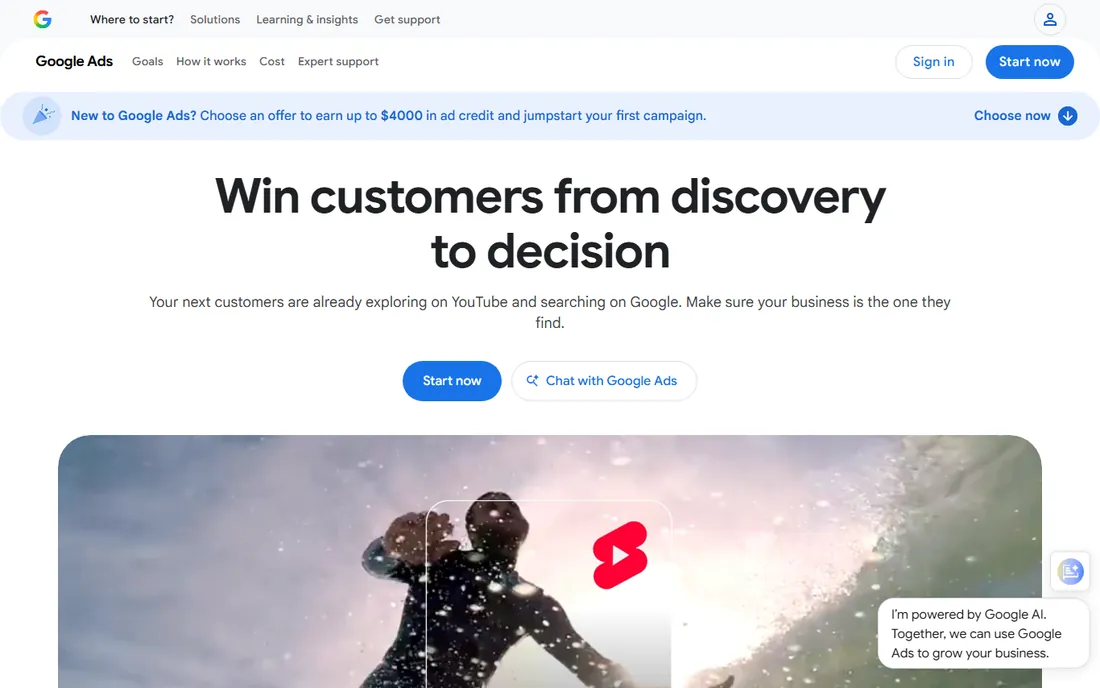
Google Ads remains the default answer for most businesses because it captures intent. When someone searches "emergency plumber near me" or "best CRM for small business," they are ready to act, and Google puts your business in front of them across Search, YouTube, Maps, Shopping, and the Display network. No other platform matches that moment of need.
The 2026 platform is increasingly AI-driven. Performance Max campaigns take your budget and goals and distribute ads across Google's inventory automatically, learning from your conversion data. For a busy owner, that automation is welcome; for an experienced advertiser, the reduced visibility into placements is frustrating. New advertisers can claim sign-up ad credits after meeting a minimum spend, which softens the cost of the learning phase.
The honest catch is cost and competition. Popular keywords in legal, insurance, and home services cost tens of dollars per click, and prices keep climbing as more advertisers bid. Google Ads rewards businesses with good landing pages and conversion tracking; without those, you will pay for clicks that never convert. Start with a tight geographic and keyword focus, measure everything, and expand only what works.
What we like- Unmatched intent, customers actively searching to buy
- Performance Max AI campaigns simplify management
- Sign-up ad credits for new advertisers
Watch out for- Competitive keywords are expensive and getting pricier
- AI automation means less control over where ads show
Starting priceSee website
Free planNo
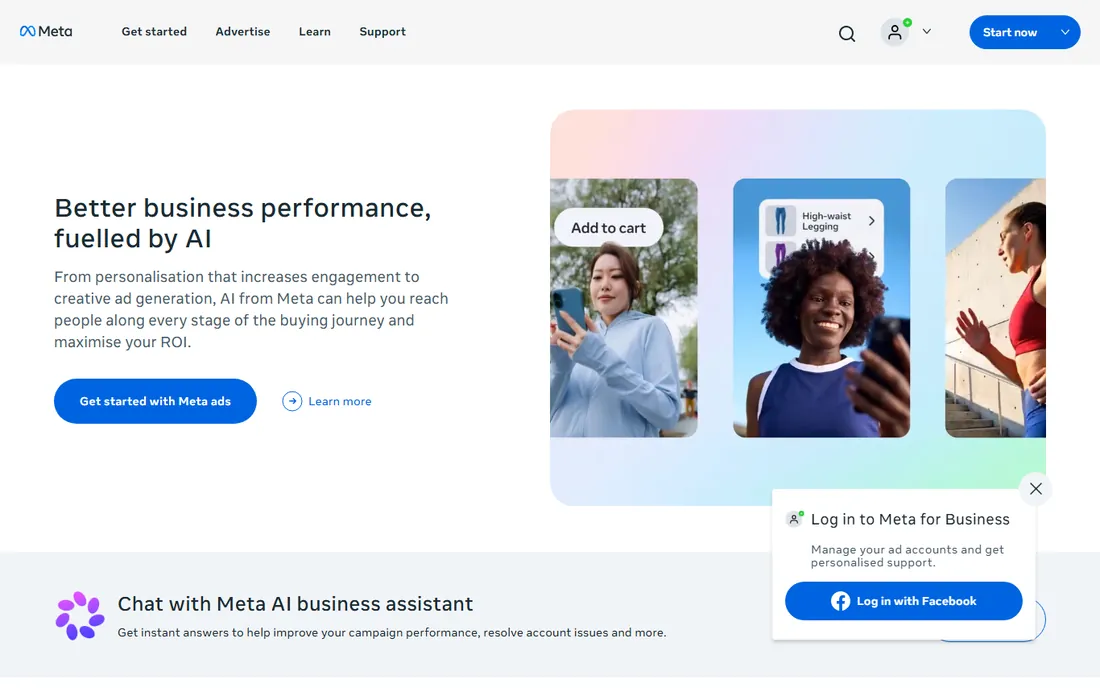
Meta is where advertising meets discovery. People do not open Instagram looking for a plumber, but 59 percent discover new products and brands on Meta's platforms, which makes it the strongest channel for products people did not know they wanted. For ecommerce, local retail, restaurants, and any visual business, Meta Ads belong in the mix.
The 2026 toolkit leans hard on AI: generated ad creative, automated audience targeting, and a Meta AI business assistant inside the ad account that recommends campaign improvements. Advantage+ shopping campaigns automate much of the setup that used to require expertise. The platforms also drive the full journey from discovery through purchase to post-purchase loyalty, with nearly half of consumers using Meta to help complete a purchase.
The trade-off is measurement and creative churn. Privacy changes on iOS made attribution fuzzier than the old days, so reported results need healthy skepticism. Creative also fatigues fast; a winning ad burns out in weeks, not months, which means a constant pipeline of new images and video. Businesses that can produce creative consistently thrive here; those that cannot will struggle.
What we like- Massive reach across Facebook, Instagram, and Messenger
- AI creative generation and audience targeting built in
- Strong for visual products and local awareness
Watch out for- IOS privacy changes reduced tracking precision
- Ad fatigue requires constant fresh creative
Starting priceSee website
Free planNo
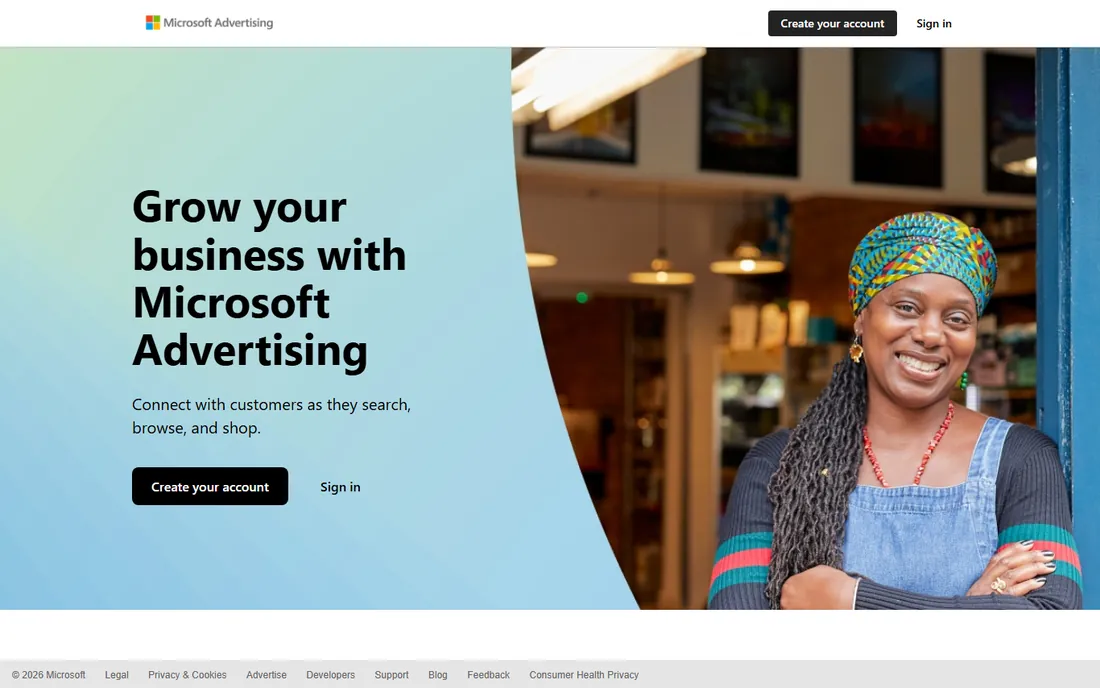
Microsoft Advertising is the savvy advertiser's second search engine. It serves ads on Bing, Yahoo, DuckDuckGo, and across Microsoft properties like MSN, Outlook, and Edge, plus connected TV on streaming platforms. The pitch is simple: the same keywords cost less here because fewer advertisers bid, and the audience skews toward higher-income desktop users.
For a small business already running Google Ads, importing campaigns into Microsoft Advertising takes minutes and often delivers a lower cost per acquisition from day one. There is no minimum fee, you pay only for clicks, and daily budgets keep spending controlled. AI-assisted ad asset generation helps with creative, and the platform's repositioning in 2026 emphasizes connecting with audiences across the full digital journey.
The honest catch is scale. Bing holds a single-digit share of US search, so volume will never match Google. The demographic skew is a plus for some businesses (financial services, home improvement) and a minus for others (youth brands). Treat Microsoft Advertising as a complement that stretches your search budget, not a replacement.
What we like- Lower cost per click than Google on the same keywords
- Reaches Bing, Yahoo, and DuckDuckGo searchers
- No minimum fee with full budget control
Watch out for- Much smaller search volume than Google
- Skews toward an older, desktop-heavy audience
Starting priceSee website
Free planNo
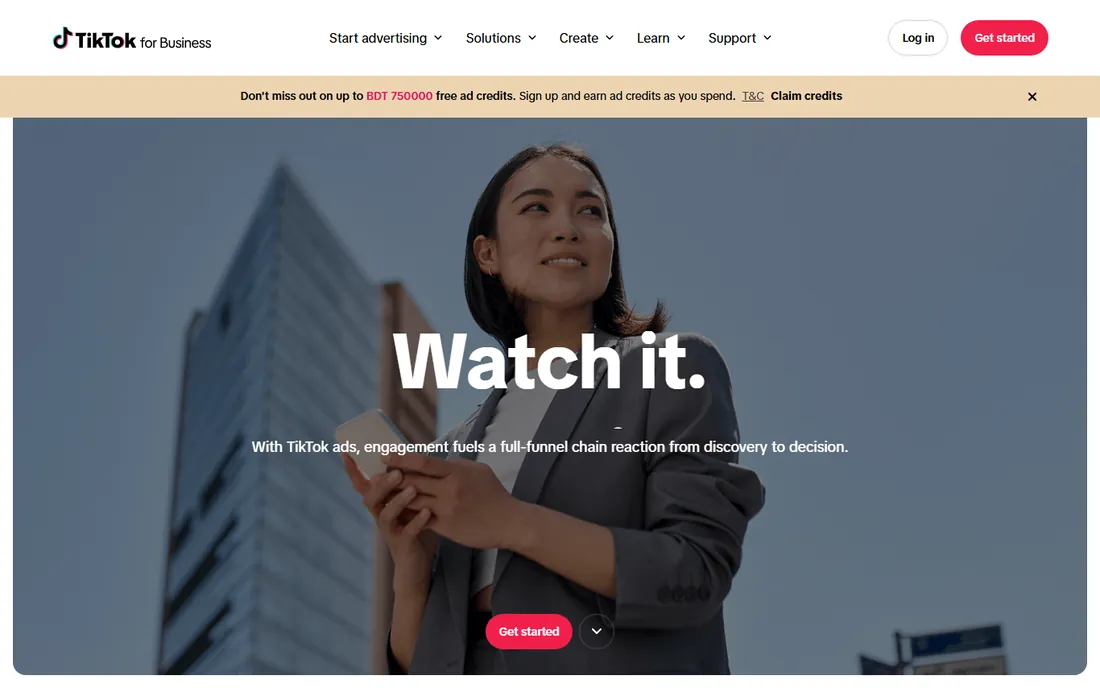
TikTok is where attention lives for under-40 consumers, and its ad platform has matured into a serious sales channel. Full-screen, sound-on video ads drive a full-funnel chain reaction from discovery to purchase, and TikTok Shop lets viewers buy without leaving the app. Case studies like Ray-Ban's Smart+ catalog campaigns show real efficiency gains for brands that commit.
The 2026 platform pushes AI automation through Smart+, which handles targeting and creative optimization, and GMV Max for Shop sellers. TikTok recommends a $30 daily ad group budget in North America, which sets the real entry price higher than Meta's. Targeting covers demographics, interests, behaviors, and lookalikes, and the Academy offers free training.
The catch is creative authenticity. TikTok users punish ads that feel like ads; the winners look like native content, which means either learning short-form video or hiring creators. It is also a weaker fit for B2B and older demographics. For consumer brands with video chops, though, the reach per dollar still beats every other platform.
What we like- Unmatched organic-style reach with younger audiences
- TikTok Shop turns views into direct sales
- Smart+ AI automation simplifies campaign management
Watch out for- Recommended budgets start around $30 per day per ad group
- Creative must feel native or it flops
Starting priceSee website
Free planNo
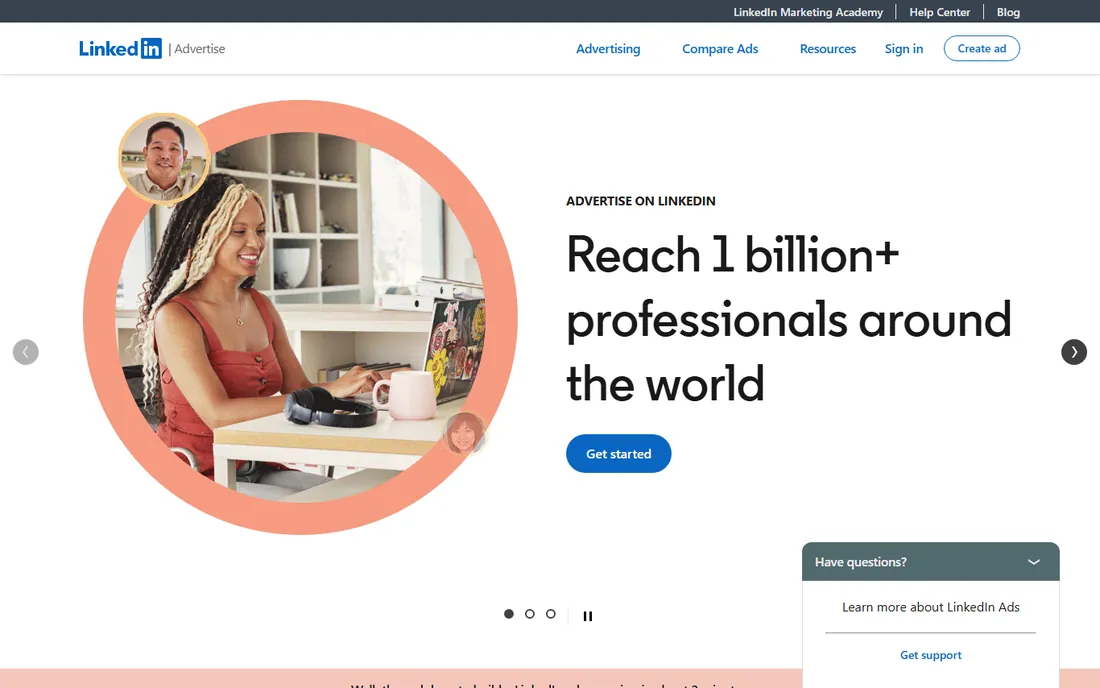
LinkedIn is the only serious option for B2B advertising. Nowhere else can you target "VP of Operations at manufacturing companies with 200-plus employees" and reach them in a professional mindset. Sponsored Content, Sponsored Messaging, Dynamic Ads, and Text Ads cover the funnel from awareness to lead generation, and Campaign Manager makes setup straightforward.
The 2026 pricing page confirms you can launch with a minimum daily budget of $10, which makes testing accessible. Costs are auction-based and famously high, often $5 to $15 per click, but the lead quality justifies it for businesses with high customer values. A single enterprise client can pay for months of LinkedIn spend.
The honest catch is that LinkedIn only works when the math works. If your average customer is worth hundreds rather than thousands, the expensive clicks will never pay back. It is also a poor fit for consumer products. For B2B companies selling to professionals, though, start here before anywhere else.
What we like- The only platform that targets by job title, company, and seniority
- Highest-quality B2B leads of any social channel
- Minimum daily budget of just $10
Watch out for- The most expensive clicks in social advertising
- Smaller audience means limited scale
Starting priceSee website
Free planNo
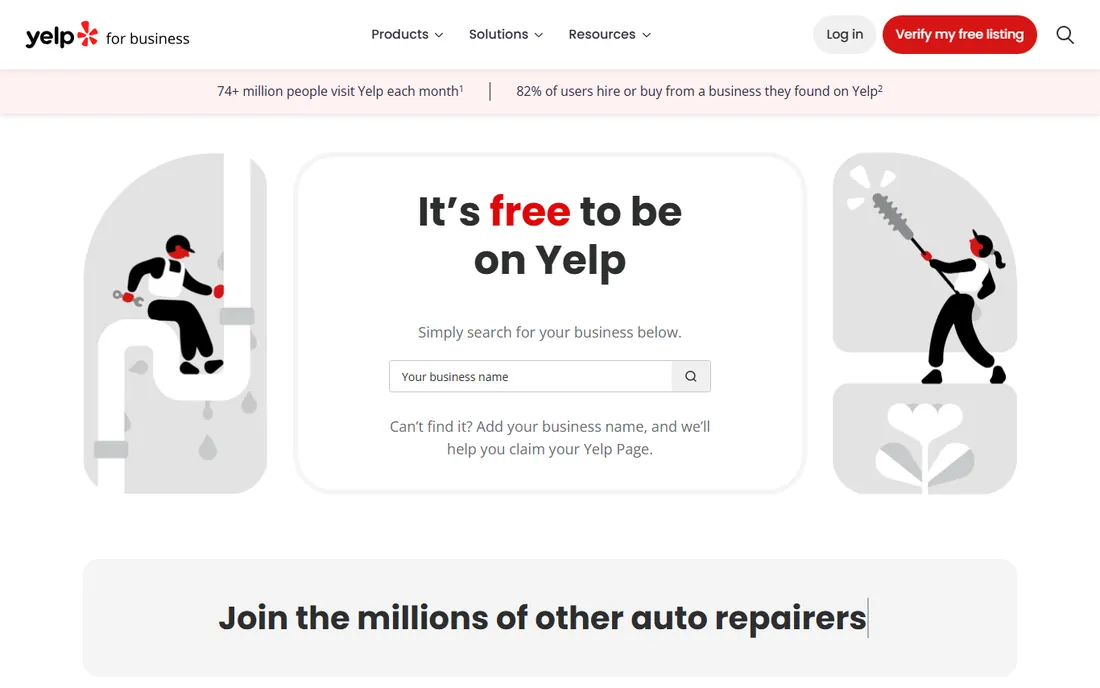
Yelp occupies a unique spot: 2.4 million people visit daily specifically to find local businesses, read reviews, and make a choice. For restaurants, home services, medical practices, and other local businesses, that high-intent traffic converts. Yelp claims businesses get four times more leads with Yelp Ads, which appear prominently in search results and even on competitors' pages.
The platform basics are friendly: claiming your business page is free, you can respond to reviews and messages at no cost, and ad campaigns target by location and keyword with no long-term contract. The 2026 addition of Yelp Host, an AI answering service for restaurants, shows the platform investing in tools beyond advertising.
The trade-off is cost and reputation. Yelp Ads are expensive per lead in competitive markets, and the company's aggressive sales tactics are legendary among small business owners. Review management also becomes mandatory once you advertise, since your ratings sit next to your ads. For local businesses where a single customer is worth hundreds, the math usually works; for low-ticket businesses, test carefully.
What we like- Reaches customers actively choosing a local business
- Free business page with reviews included
- Ads can be canceled anytime
Watch out for- Cost per lead runs high in competitive categories
- The sales team is famously persistent
Starting priceSee website
Free planNo
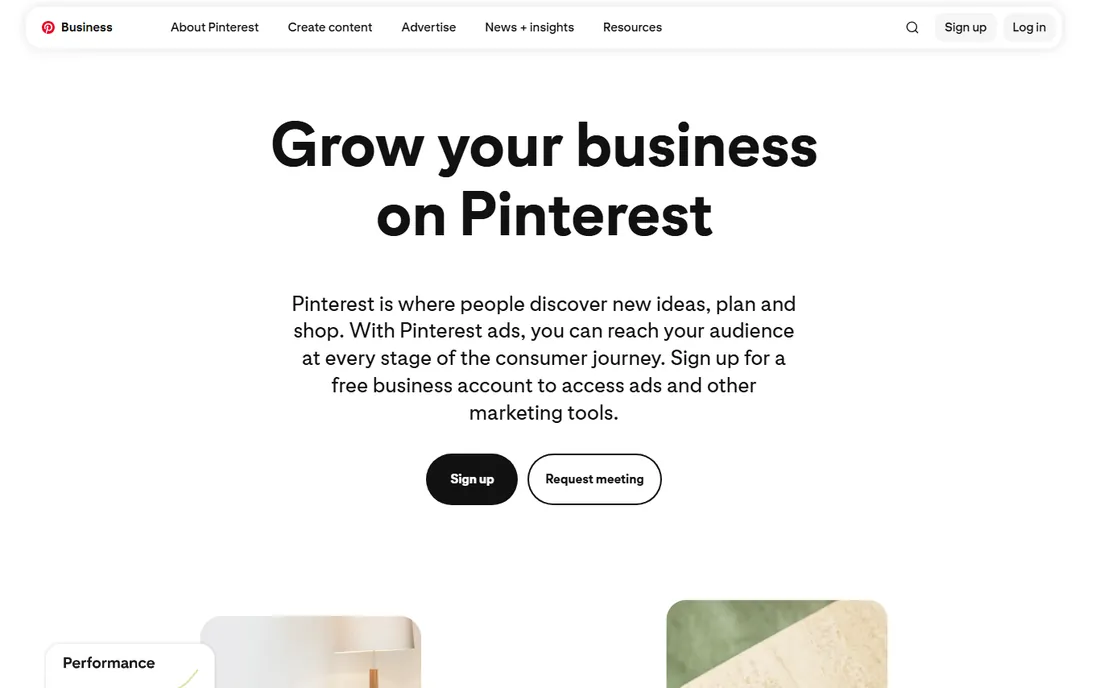
Pinterest is the planning platform: users come to discover ideas, save them, and eventually buy. That mindset makes its ads unusually welcome; weekly users say Pinterest ads feel more relevant than ads elsewhere, because the ad is often exactly the product they were looking for. For home decor, fashion, beauty, food, and DIY brands, it is a high-intent channel hiding in plain sight.
The business offering is accessible: a free business account opens up ads, analytics, and the Pinterest Academy's free training. Campaigns reach users at every stage from inspiration to purchase, and success stories from brands like Nestle and CeraVe show it working at scale. The visual, evergreen nature of pins also gives campaigns a longer shelf life than feed ads.
The honest catch is audience and fit. Pinterest's user base is smaller and skews female, and it does nothing for B2B or emergency services. It is a discovery platform, not a search engine, so it will not capture urgent demand. For brands selling things people plan and dream about, it deserves a test budget alongside Meta.
What we like- Users arrive planning to buy, with ads that feel native
- Strong for home, fashion, beauty, and DIY categories
- Free business account with analytics and Academy training
Watch out for- Smaller audience than Meta or TikTok
- Weaker for B2B and urgent-need services
How we chose
We compared the advertising platforms a US small or mid-size business would realistically evaluate, using current vendor pages and 2026 product announcements. We weighted audience intent and reach, targeting precision, realistic entry cost, ease of getting started, and fit for common business types (local services, ecommerce, B2B). We avoided ranking on raw user counts alone, since the right small audience beats the wrong large one. We did not claim hands-on testing; all facts come from vendor-published material.
What to check before you spend
Start with where your customers already look. A plumber's customers search Google; a boutique's customers scroll Instagram; a SaaS company's buyers research on LinkedIn. Match the platform to the behavior, not to the hype. One platform done well beats three done badly.
Set a test budget and a kill rule
Every platform here lets you start small. Decide in advance what a test costs (say $300 to $500 over two weeks) and what success looks like (cost per lead or per sale below a specific number). If the test misses the target, kill it and try the next platform. The most expensive mistake is letting a mediocre campaign run for months.
Fix tracking before you spend
Install conversion tracking on day one: the platform's pixel or tag, plus Google Analytics. Without it, you are buying clicks blind and the platform's AI cannot optimize. This single step separates advertisers who improve from those who burn money.
Creative is the campaign
On every social platform, the ad creative matters more than the targeting settings. Plan for a steady supply of fresh images and video, and refresh winners before they fatigue. If you cannot produce creative regularly, lean toward search platforms where intent does the heavy lifting.
The AI campaign era
The biggest change in 2026 is how little manual work campaigns require. Google's Performance Max, Meta's AI tools, TikTok's Smart+, and LinkedIn's automated targeting all promise to find your customers with minimal input. That lowers the barrier for beginners but creates a new skill: feeding the machine good inputs (conversion data, creative variety, clear goals) and auditing its outputs. The advertisers winning now are not the best button-pushers but the best brief-writers.
Frequently asked questions
What is the best platform to advertise a small business?
It depends on the business. Google Ads fits businesses customers search for, Meta and TikTok fit visual consumer brands, LinkedIn fits B2B, and Yelp fits local services. Most small businesses should start with the one platform matching their customers' behavior and expand after it works.
How much does it cost to advertise on these platforms?
There is no fixed price; you set the budget and pay per click, per thousand impressions, or per conversion. Realistic test budgets run $300 to $500 per platform. LinkedIn clicks cost the most, while Microsoft Advertising and Pinterest tend to be cheaper.
Do I need a big budget to start advertising?
No. LinkedIn allows $10 per day minimums, TikTok recommends around $30 per day per ad group, and Google and Meta let you set any daily budget. Google and Meta also offer sign-up ad credits for new advertisers.
Which is better for a local business: Google Ads or Yelp?
Both work and they complement each other. Google Ads captures people searching right now, while Yelp reaches people comparing local options with reviews. Many local businesses run both, with Google for urgent demand and Yelp for considered choices.
Can I run ads myself or do I need an agency?
You can run ads yourself on every platform here; all offer free training and AI-assisted setup. Consider an agency or freelancer once monthly spend passes a few thousand dollars, when expert management typically pays for itself.
How long until ads produce results?
Search ads can produce leads within days once campaigns are live. Social platforms usually need two to four weeks of learning and creative testing before performance stabilizes. Judge no platform on its first week.
Sources we checked (7)
- https://ads.google.com
- https://www.facebook.com/business
- https://ads.microsoft.com
- https://ads.tiktok.com
- https://business.linkedin.com/marketing-solutions
- https://business.yelp.com
- https://business.pinterest.com
Is your product missing or out of date?
We review this list regularly. Vendors can request a listing, send updated pricing or ask about featured placement.

Shihab Mia · Founder, Rankite
Shihab has spent more than a decade helping SaaS and e-commerce brands grow through search. He writes Rankite's software buying guides from pricing pages, documentation and public user reviews. More about Shihab.