How we make this list: we compare pricing pages, product documentation and public user reviews. Rankite is independent; if a vendor ever pays for a featured spot, that listing is clearly labeled Partner.
Key takeaways
- The Trade Desk leads for independent, cross-channel programmatic buying at scale, but expect enterprise onboarding and meaningful minimums.
- StackAdapt and Choozle are the most accessible DSPs for small and mid-size agencies, with lower minimums and genuinely usable self-serve interfaces.
- Amazon DSP is unmatched when shopper purchase data matters, while DV360 is the only route to YouTube inventory plus Google's stack.
- DSP pricing is almost never a list price: expect platform fees of roughly 10 to 20 percent of media spend, plus media costs that vary by channel.
- The wrong DSP costs you months. Match the platform to your minimum budget and channels first, and worry about advanced features second.
Quick comparison
| Tool | Best for | Starting price | Free plan |
|---|
 The Trade Desk The Trade Desk | Cross-channel scale and CTV | See website (typically a percentage of media spend) | No |
 Google Display & Video 360 Google Display & Video 360 | Google ecosystem and YouTube | See website (percentage of media spend) | No |
 Amazon DSP Amazon DSP | E-commerce and shopper data | See website (CPM-based; managed service typically requires $50,000 minimum) | No |
 StackAdapt StackAdapt | Mid-market self-serve buying | See website (CPM-based) | No |
 Basis Basis | Agencies wanting automation | See website | No |
 Choozle Choozle | Small agencies, low minimums | See website ($99/month platform fee reported, plus media) | No |
 Simpli.fi Simpli.fi | Localized and geo-targeted campaigns | See website | No |
 Criteo Criteo | Retargeting and commerce media | See website | No |
 Adform Adform | Full-stack buying with data control | See website | No |
 SmartyAds SmartyAds | Flexible full-stack programmatic | See website | No |
Is your product missing or out of date?
We review this list regularly. Vendors can request a listing, send updated pricing or ask about featured placement.
Starting priceSee website (typically a percentage of media spend)
Free planNo
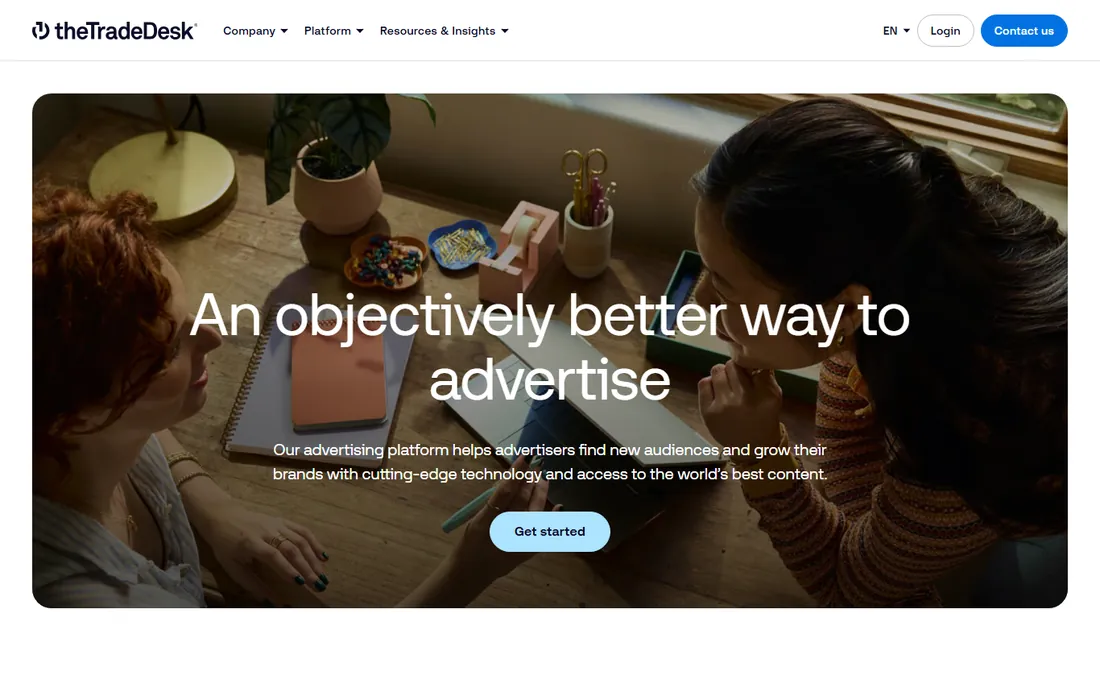
The Trade Desk is the default answer when someone asks for the best independent DSP, and it holds the position for good reasons. It buys across display, video, audio, CTV, native and digital out-of-home with genuinely transparent bidding, and its CTV footprint is the deepest among independent platforms. For agencies running serious omnichannel budgets, it is the safest pick on this list.
The honest catch is access. This is enterprise software with enterprise minimums, typically tens of thousands per month, and most mid-size buyers reach it through an agency seat rather than direct self-serve. If your monthly programmatic budget is under $25,000, you will get more value from a platform built for your size.
What we like- Broadest independent exchange reach
- Strong CTV and audio inventory
- Transparent bidding and reporting
Watch out for- Enterprise onboarding, not built for small test budgets
- Usually accessed through an agency
Starting priceSee website (percentage of media spend)
Free planNo
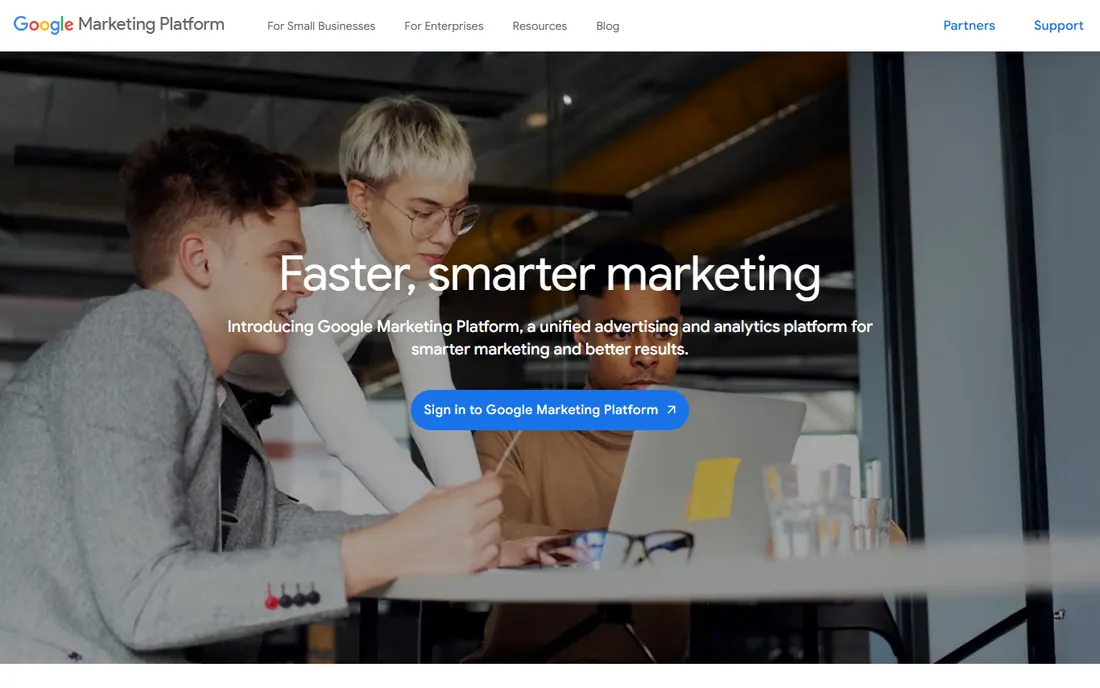
DV360 is the only DSP that buys YouTube, and that single fact keeps it on every serious shortlist. Beyond YouTube it offers the full Google stack: Display Network inventory, tight Analytics integration, and audience tooling that smaller platforms cannot match. If your media plan centers on Google properties, there is no substitute.
Two things to know before committing. First, DV360 requires a Google Marketing Platform setup, which adds onboarding friction. Second, published estimates put entry pricing around $12,500 per month, so this is not a testing playground. It rewards advertisers already invested in Google's ecosystem and punishes dabblers.
What we like- Exclusive access to YouTube inventory
- Deep integration with Google Analytics and Campaign Manager
- Powerful audience tools
Watch out for- Requires Google Marketing Platform setup
- Meaningful minimums
- Google-first, not inventory-neutral
Starting priceSee website (CPM-based; managed service typically requires $50,000 minimum)
Free planNo
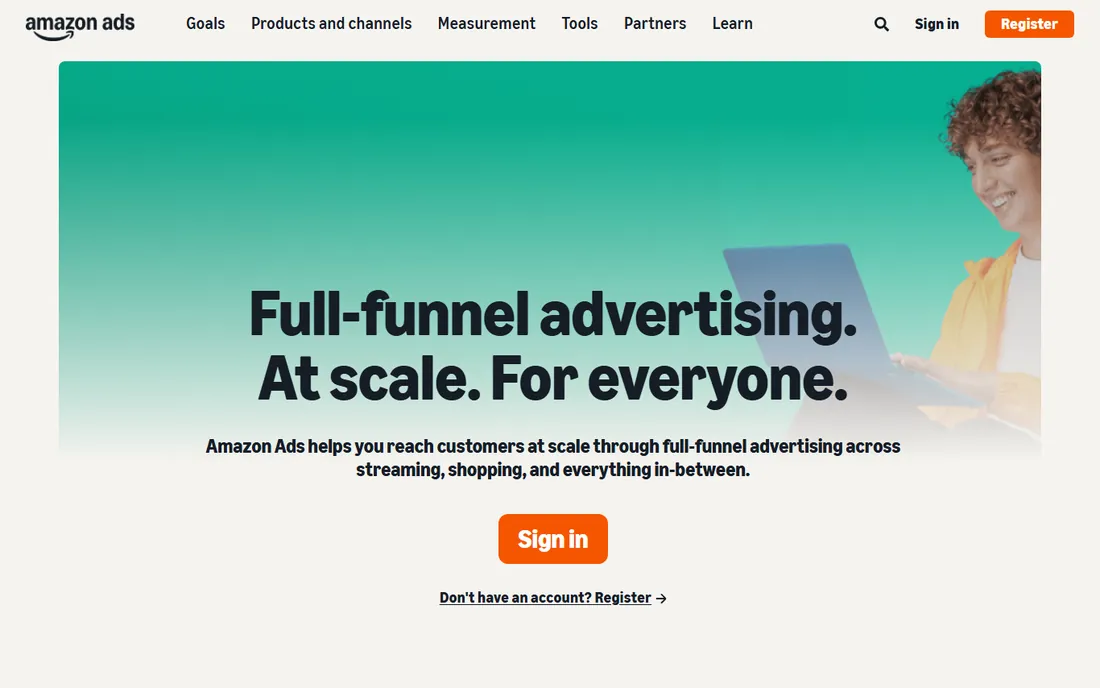
Nobody else has Amazon's purchase data, and Amazon DSP turns it into targeting. You can reach audiences based on what people actually bought, not just what they browsed, across Amazon properties and the open web. For e-commerce brands and anyone selling on Amazon, the performance argument is straightforward.
Amazon's own site notes that managed service with an account executive typically requires a $50,000 minimum, though self-serve access starts far lower. The platform makes most sense when your products live on Amazon or your customers shop there; pure B2B advertisers will find better fits elsewhere on this list.
What we like- Targeting built on real Amazon purchase behavior
- Strong retail and streaming inventory
- Self-serve option exists
Watch out for- Most valuable to brands already selling on Amazon
- Managed minimums are steep
Starting priceSee website (CPM-based)
Free planNo
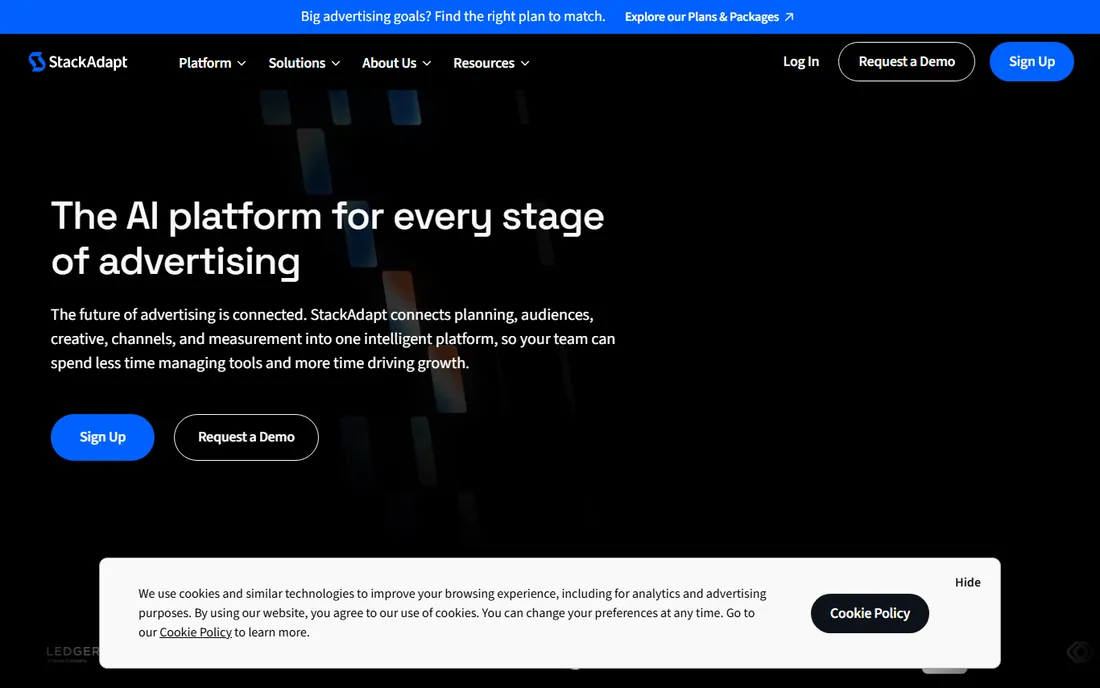
StackAdapt is the DSP most mid-size agencies actually end up using, and the reason is access. Minimums start far lower than The Trade Desk or DV360, the interface is genuinely usable without a trading desk certification, and you can run display, native, video and CTV from one dashboard. Its native inventory and creative tooling are particular strengths.
It now pitches itself as an AI advertising platform, with planning and forecasting built into the workflow. Take the marketing language with a grain of salt, but the underlying product is solid. If you are spending $3,000 to $30,000 a month on programmatic and want real self-serve control, start here.
What we like- Low minimums and clean self-serve UI
- Strong native and CTV inventory
- AI planning tools built in
Watch out for- Less depth than enterprise DSPs on advanced custom bidding
- Support tiers vary by spend
Starting priceSee website
Free planNo
Basis, from Basis Technologies, takes a different angle: it is as much an operating system for media teams as a DSP. Planning, buying, analytics, billing reconciliation and vendor messaging live in one place, and the automation removes the manual busywork that eats agency margins. Review sites consistently rank it among the best-liked platforms in the category.
That breadth is also the consideration. Solo advertisers and very small teams will not use half of what Basis offers, and pricing is entirely quote-based. It shines for agencies managing multiple clients and campaigns who want one system instead of five logins.
What we like- Unifies planning, buying and billing in one system
- Strong workflow automation
- Well reviewed by agency users
Watch out for- Full value needs agency-scale operations
- Pricing is quote-based and opaque
Starting priceSee website ($99/month platform fee reported, plus media)
Free planNo
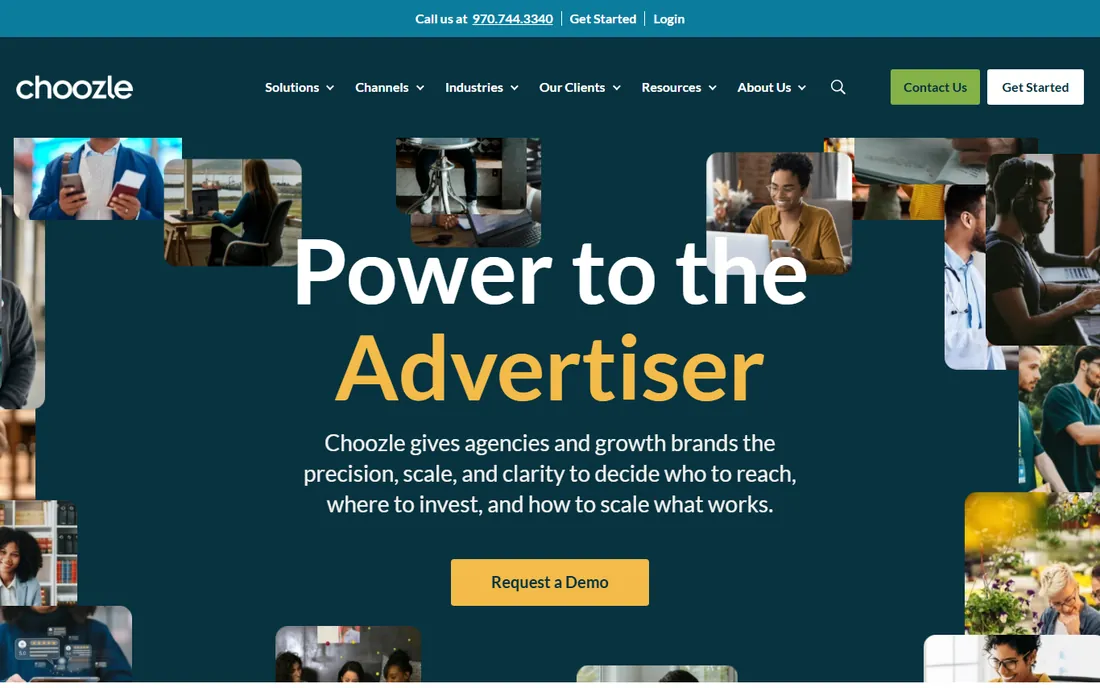
Choozle exists for the buyer everyone else ignores: the small agency or independent advertiser with a few thousand dollars a month. A modest platform fee plus your media spend gets you a real DSP with display, video, CTV, audio and native buying, wrapped in an interface a generalist marketer can learn in days.
You give up depth. Advanced custom algorithms, massive data marketplaces and white-glove support live further up the price ladder. But for local and regional campaigns, or agencies adding programmatic as a new service line, Choozle is the most practical on-ramp in programmatic.
What we like- Lowest barrier to entry among real DSPs
- Simple interface for non-specialists
- Solid display, video and CTV access
Watch out for- Fewer advanced features than enterprise platforms
- Smaller data marketplace
Starting priceSee website
Free planNo
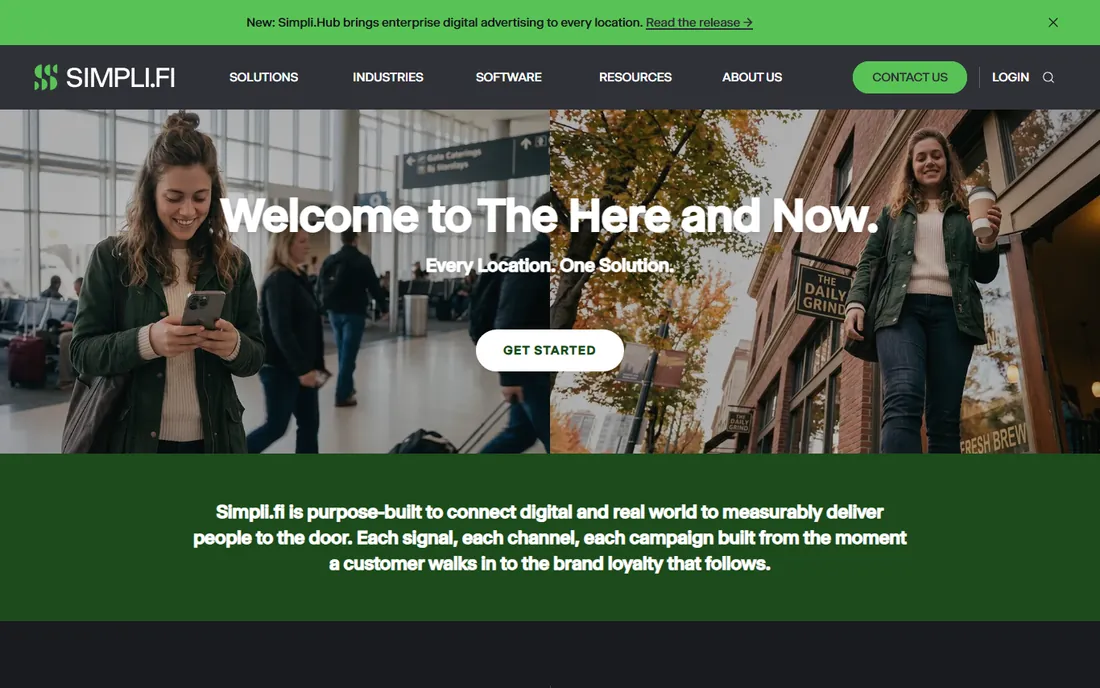
Simpli.fi built its reputation on one thing: reaching people based on where they go in the real world. Its geo-fencing, addressable geo-targeting and location-based audience tools are the best in class for advertisers who think in trade areas rather than demographics. Multi-location brands, franchises and regional agencies get campaign structures designed for hundreds of locations at once.
If your campaigns are national and audience-based rather than location-based, the differentiation matters less. But for local and regional advertisers, Simpli.fi routinely outperforms generalist DSPs on the metrics that matter, like store visits and local conversions.
What we like- Excellent location-based and addressable targeting
- Built for multi-location advertisers
- Strong local measurement
Watch out for- Less known outside local advertising circles
- Enterprise features trail the biggest DSPs
Starting priceSee website
Free planNo
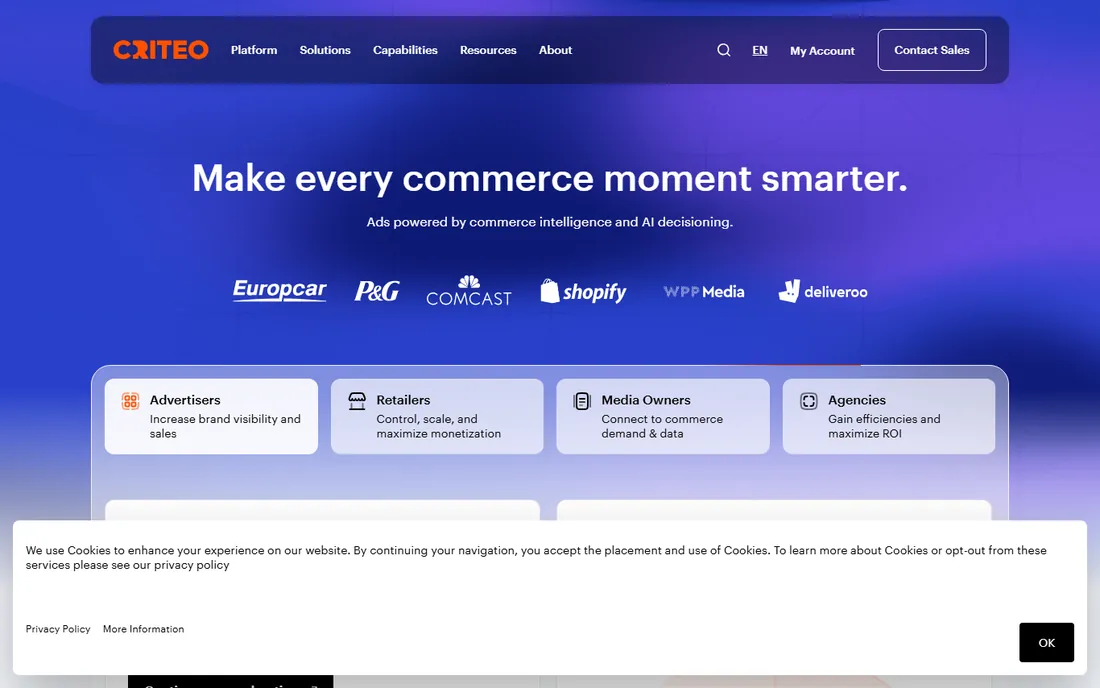
Criteo is technically a commerce media platform rather than a pure DSP, but it belongs on any DSP shortlist for one reason: retargeting. Its dynamic product ads, built on one of the largest commerce data sets in the industry, consistently deliver strong ROAS for e-commerce advertisers. The retail media side opens inventory across 200+ retailers.
Prospecting and upper-funnel brand campaigns are not its strength; pair it with a generalist DSP for full-funnel coverage. Pricing is performance-oriented, which aligns cost with results but makes budgeting less predictable than flat platform fees.
What we like- Best-in-class dynamic retargeting
- Huge commerce data set
- Retail media network access
Watch out for- Narrower than full DSPs for prospecting
- Pricing tied to performance models
Starting priceSee website
Free planNo
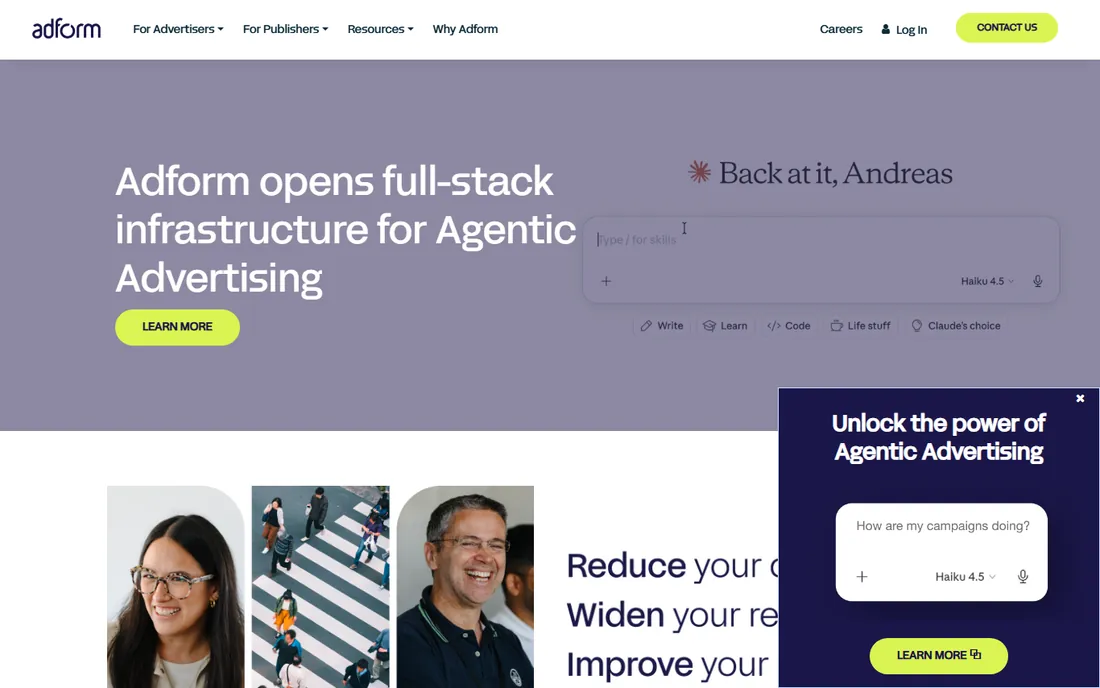
Adform is the European answer to the walled gardens: an independent, full-stack platform combining DSP, data management and ad serving, with an unusual emphasis on letting advertisers keep control of their own data. Its ID Fusion approach to identity is built for a post-cookie world without forcing you into one vendor's ID.
US buyers should know the footprint is smaller stateside than in Europe, which affects support hours and some inventory depth. For multinational advertisers, or anyone prioritizing data independence over ecosystem convenience, it deserves a look.
What we like- Independent full-stack platform (DSP, DMP, ad server)
- Strong European footprint
- Serious about data ownership
Watch out for- Smaller US presence than competitors
- Enterprise-leaning sales process
Starting priceSee website
Free planNo
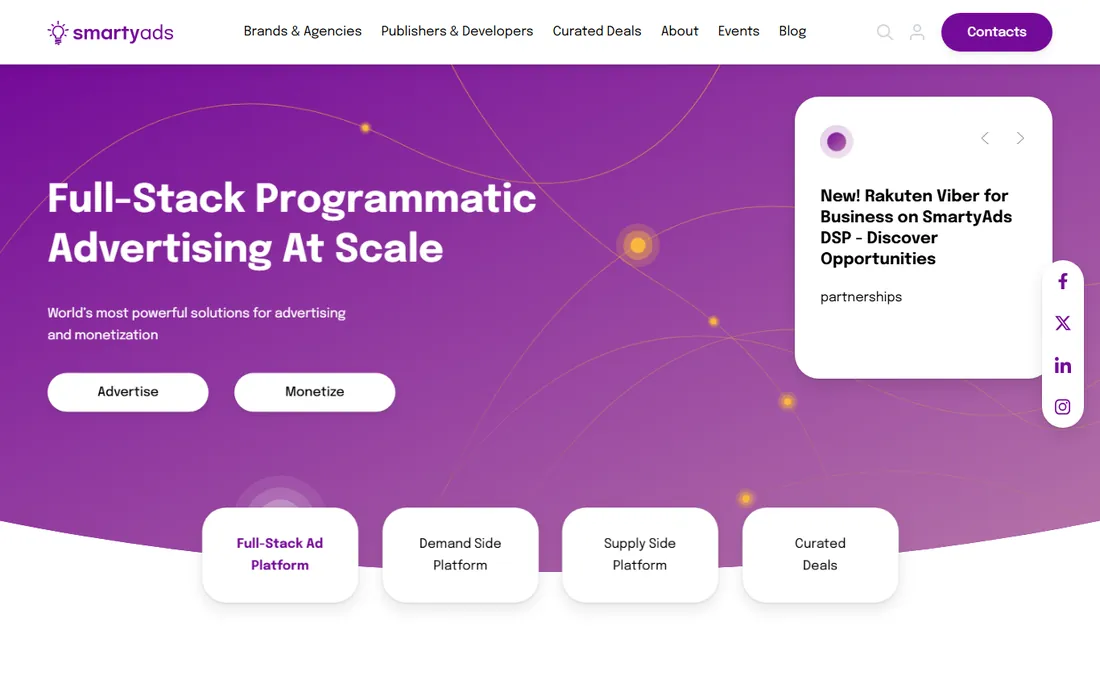
SmartyAds offers the full programmatic stack, DSP for buyers and SSP for publishers, with an emphasis on KPI-driven optimization and transparent reporting. It is a legitimate option for mid-size advertisers who want more flexibility than the rigid enterprise platforms offer, including white-label-style arrangements it has offered historically.
The trade-off is scale and reputation. It does not have the inventory depth of The Trade Desk or the data assets of Amazon, and you should vet support responsiveness before committing budget. For performance-focused buyers comfortable managing their own campaigns, the flexibility can be worth it.
What we like- Full-stack DSP plus SSP
- KPI-driven optimization tools
- Flexible engagement models
Watch out for- Smaller brand than the leaders
- Support quality varies by account size
How to pick a DSP on a mid-size budget
Start with your monthly number, because it eliminates half this list immediately. Under $5,000 a month, your realistic options are Choozle and StackAdapt. Between $5,000 and $25,000, StackAdapt, Basis and Simpli.fi open up. Above that, The Trade Desk and DV360 enter through agency seats, and Amazon DSP becomes viable for e-commerce.
Next, match channels to inventory. Need YouTube? Only DV360. Need purchase-intent audiences? Amazon DSP or Criteo. Need hyperlocal geo-fencing? Simpli.fi. Need CTV at scale? The Trade Desk or StackAdapt. Most buyers overthink features and underthink this step; the platform with the right inventory at your budget beats the platform with the better UI.
Finally, ask about the fee structure in writing before you sign. Platform fees typically run 10 to 20 percent of media spend for self-serve and higher for managed service. Add data fees, which some vendors charge per thousand impressions for third-party audiences, and confirm minimum terms and cancellation notice. A DSP that locks you into a 12-month commit at your testing stage is the wrong DSP.
Managed service vs self-serve: which do you actually need
Self-serve DSPs hand you the controls: you set targeting, upload creative, manage bids and read the reports. StackAdapt, Choozle and SmartyAds are built for this, and it is the right choice when you have someone in-house who can spend a few hours a week on campaigns, or an agency comfortable operating the platform.
Managed service means the vendor's team runs campaigns for you, usually for a higher percentage of spend and a higher minimum. Amazon DSP's managed tier and agency-operated Trade Desk seats work this way. Choose it when budgets are large enough that expert management pays for itself, or when you need channels your team cannot operate well.
Many mid-size advertisers land in the middle: self-serve platform, with an agency or freelancer handling the trading. That combination gets you platform transparency without hiring a full-time trader, and it keeps you portable if the relationship ends.
How we chose
We reviewed vendor documentation, pricing pages and product announcements, then checked them against public reviews on G2 and Capterra plus practitioner discussions on Reddit. Every platform listed operates today as a DSP or DSP-equivalent buying platform. We weighted accessibility for small and mid-size buyers heavily, since enterprise buyers already know the big names, and we excluded platforms that shut down or folded into larger products. DSP pricing is quote-based across the industry, so we describe pricing models rather than inventing numbers.
Frequently asked questions
What is a DSP in advertising?
A demand-side platform is software that lets advertisers buy digital ad inventory automatically. You set targeting, budgets and bids, and the DSP bids on individual ad impressions in real-time auctions across display, video, CTV, audio and other channels, all in milliseconds.
How much does a DSP cost?
Most DSPs charge a platform fee as a percentage of your media spend, commonly 10 to 20 percent for self-serve and 20 to 35 percent for managed service. Media costs are separate: display CPMs often run $2 to $10, video $10 to $25, and CTV $20 to $45. Minimum monthly spends range from a few thousand dollars to $50,000+.
What is the best DSP for small businesses?
StackAdapt and Choozle are the most practical picks, with the lowest minimums and genuinely usable self-serve interfaces. Simpli.fi is the best choice when campaigns are location-driven. The enterprise platforms only make sense once monthly spend justifies their minimums.
What is the difference between a DSP and Google Ads?
Google Ads buys primarily Google-owned and partner inventory through a simplified interface. A DSP like The Trade Desk or DV360 buys across many exchanges and publishers through real-time bidding, with deeper control over targeting, bidding logic and reporting. DV360 sits between the two, offering DSP depth inside the Google ecosystem.
Do I need an agency to use a DSP?
Not necessarily. Self-serve DSPs like StackAdapt and Choozle are designed for direct use, and many small agencies operate them for clients. Enterprise platforms like The Trade Desk are most commonly accessed through an agency seat. If nobody on your team can dedicate weekly time to campaign management, an agency or managed service is the safer route.
Can one DSP cover CTV, display and audio?
Yes, most full DSPs on this list buy across channels from one dashboard. CTV inventory quality varies by platform, so if connected TV is your primary channel, prioritize The Trade Desk, DV360 or Amazon DSP and ask specifically about their CTV supply partnerships before committing.
Sources we checked (14)
- https://thetradedesk.com/
- https://marketingplatform.google.com
- https://advertising.amazon.com
- https://stackadapt.com/
- https://basis.com/
- https://choozle.com/
- https://simpli.fi/
- https://criteo.com/
- https://adform.com/
- https://smartyads.com
- https://taqtics.com/answers/programmatic-advertising/programmatic-advertising-platforms
- https://ezmob.com/blog/advertiser/best-dsp-platforms-for-programmatic-advertising-in/
- https://syntermedia.ai/blog/programmatic-advertising-guide
- https://blog.9cv9.com/top-10-demand-side-platform-dsp-software-in-2026/
Is your product missing or out of date?
We review this list regularly. Vendors can request a listing, send updated pricing or ask about featured placement.

Shihab Mia · Founder, Rankite
Shihab has spent more than a decade helping SaaS and e-commerce brands grow through search. He writes Rankite's software buying guides from pricing pages, documentation and public user reviews. More about Shihab.