How we make this list: we compare pricing pages, product documentation and public user reviews. Rankite is independent; if a vendor ever pays for a featured spot, that listing is clearly labeled Partner.
Key takeaways
- Google Ads captures existing demand through search; Meta reaches people before they know they want your product.
- Amazon Ads is mandatory for sellers on Amazon and increasingly valuable for everyone else.
- TikTok, Reddit, and Pinterest offer cheaper attention than the big two, with very different audiences.
- LinkedIn and Microsoft Ads cost more per click but reach valuable B2B and older audiences.
Quick comparison
| Tool | Best for | Starting price | Free plan |
|---|
 Google Ads Google Ads | capturing search demand | Pay per click | No |
 Meta Ads Meta Ads | social reach and retargeting | Pay per impression/click | No |
 Microsoft Advertising Microsoft Advertising | search beyond Google | Pay per click | No |
 LinkedIn Ads LinkedIn Ads | B2B targeting by job title | Pay per click | No |
 Amazon Ads Amazon Ads | product and brand advertising | Pay per click | No |
 TikTok Ads TikTok Ads | short video reach | Pay per impression/click | No |
 Reddit Ads Reddit Ads | niche community targeting | Pay per impression/click | No |
 X Ads X Ads | real-time conversation | Pay per impression/click | No |
 Pinterest Ads Pinterest Ads | purchase-intent discovery | Pay per impression/click | No |
Is your product missing or out of date?
We review this list regularly. Vendors can request a listing, send updated pricing or ask about featured placement.
Starting pricePay per click
Free planNo
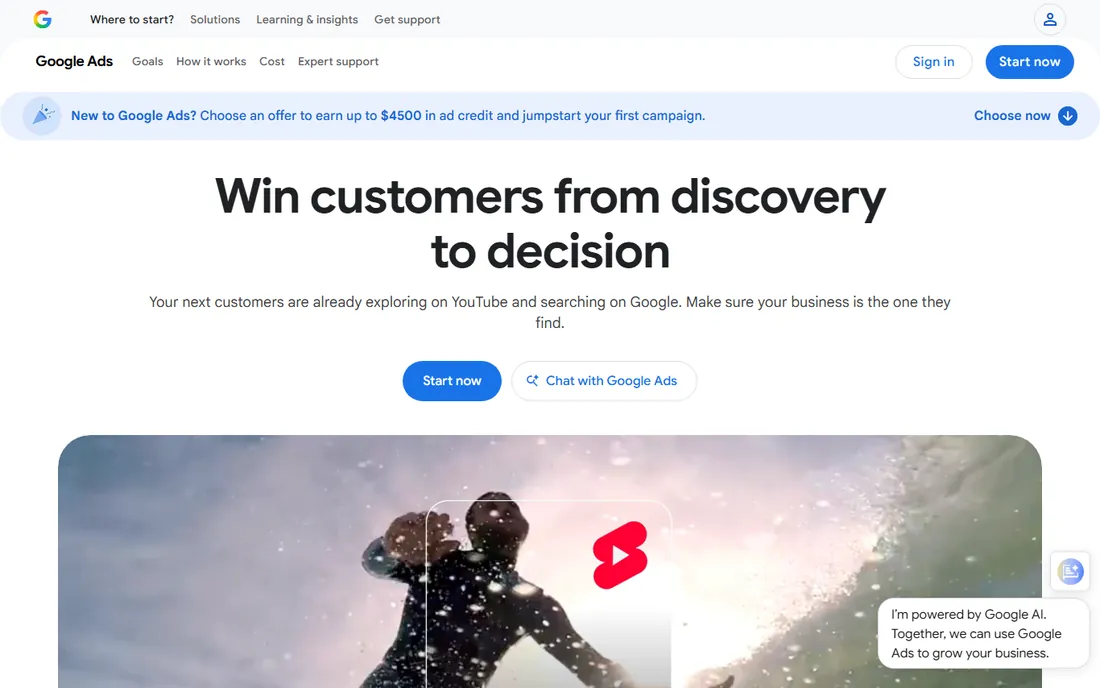
Google Ads remains the foundation of most paid advertising because it captures people at the moment of intent. Someone searching "emergency plumber near me" is ready to buy, and no other platform delivers that timing as reliably.
The ecosystem extends far beyond search: YouTube, the Display Network, Shopping, and app campaigns all run through the same account. Measurement is the industry standard, with conversion tracking that most businesses can set up in an afternoon.
The honest catch is cost and complexity. Competitive keywords in legal, finance, and insurance run to tens of dollars per click, and the platform's automation makes expensive mistakes easy for beginners. Start with tight keyword targeting and small budgets until the numbers prove themselves.
What we like- Unmatched search intent
- Huge reach across search, YouTube, and display
- Precise measurement
Watch out for- Competitive keywords are expensive
- Complexity punishes beginners
Starting pricePay per impression/click
Free planNo
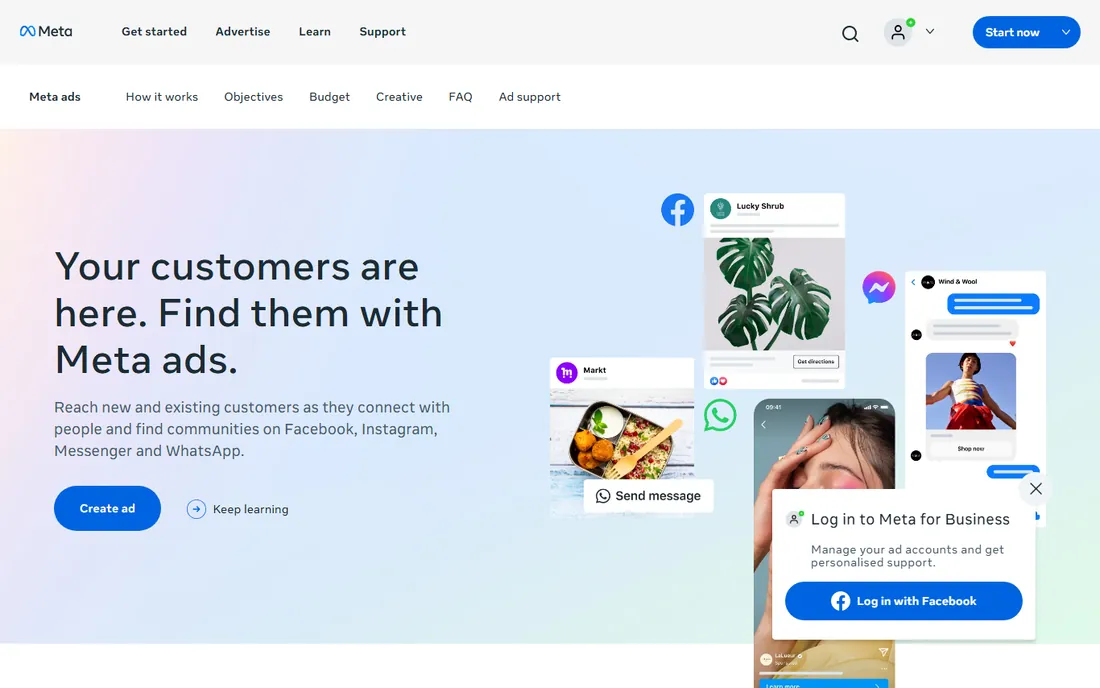
Meta's ads across Facebook and Instagram reach more people in more moments than any other social platform. The targeting, built on years of user data, still finds audiences with precision that competitors envy, and the creative formats from Reels to carousels suit every kind of offer.
Retargeting is where Meta earns its keep. Website visitors, video viewers, and email lists become custom audiences that see follow-up ads, and that sequence converts far better than cold traffic alone. Most profitable Meta advertisers run retargeting as the core of their account.
Costs have risen as competition increased, and sudden account restrictions remain a real business risk. Diversify beyond Meta even when it works, because an automated ban can pause your revenue overnight.
What we like- Best audience targeting in social
- Powerful retargeting
- Creative-friendly formats
Watch out for- Rising costs
- Account bans frustrate advertisers
Starting pricePay per click
Free planNo
Microsoft Advertising (the artist formerly known as Bing Ads) is the most underrated platform on this list. It serves ads on Bing, Yahoo, and partner sites to an audience that skews older and more affluent than Google's, often at significantly lower cost per click.
The practical advantage is the Google Ads import: copy your campaigns over in minutes and capture incremental search volume you were missing. For many advertisers, Microsoft delivers 10 to 20 percent more conversions at a lower cost, essentially free money.
Volume is the limitation. Search share is a fraction of Google's, so it complements rather than replaces. And some advanced features arrive later than on Google. But as a second search platform, the return on the small setup effort is excellent.
What we like- Cheaper clicks than Google
- Older, wealthier audience
- Easy Google Ads import
Watch out for- Smaller volume
- Fewer advanced features
Starting pricePay per click
Free planNo
LinkedIn is the only platform where you can target "VPs of operations at manufacturing companies with 500+ employees." For B2B advertisers selling high-value products, that precision justifies the highest cost per click in the industry.
Account-based marketing runs naturally here. Upload a list of target companies, serve decision-makers tailored creative, and measure engagement by account. Nothing else reaches a buying committee this directly.
The math only works with high customer values. At several dollars per click minimum, consumer products and low-margin offers cannot survive. But for enterprise software, consulting, and B2B services with five-figure deals, LinkedIn's targeting pays for itself.
What we like- Unmatched B2B targeting
- Reaches decision makers
- Good for account-based marketing
Watch out for- The most expensive clicks in digital advertising
- Small audiences
Starting pricePay per click
Free planNo
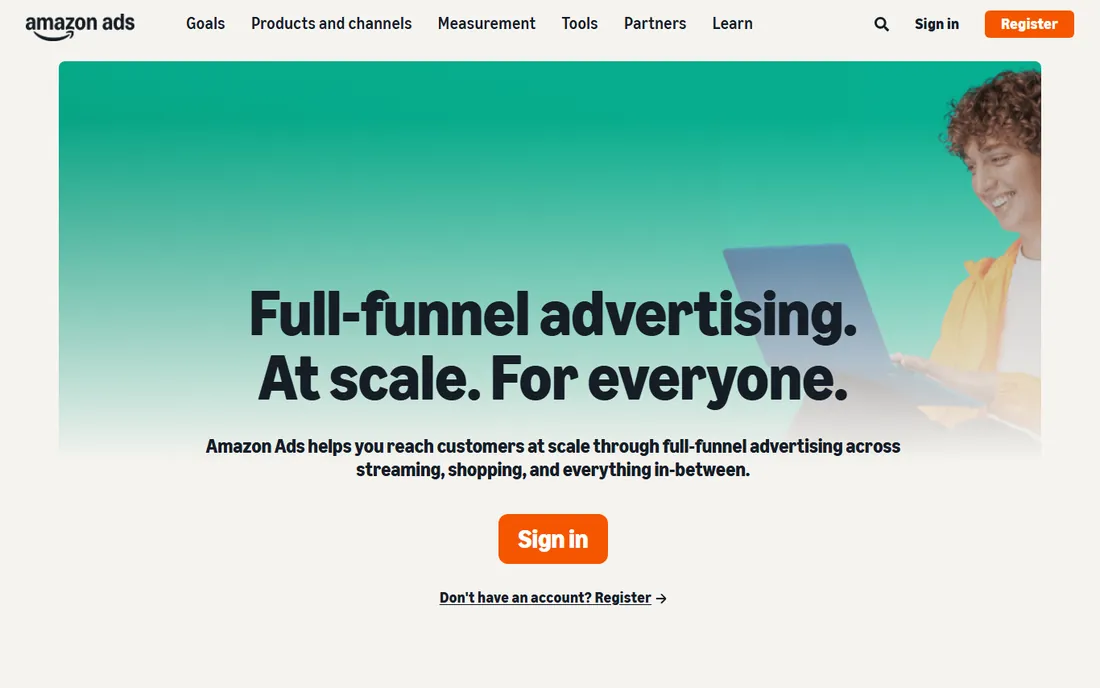
Amazon Ads matters because product search now starts on Amazon. Sponsored Products put your listing in front of shoppers ready to buy, and for sellers on the platform, advertising has become close to mandatory as organic placement shrinks.
The formats have grown beyond search: Sponsored Brands, display ads, and video reach shoppers throughout their journey, and Amazon's DSP extends targeting off Amazon to its broader audience. Measurement ties directly to sales, which keeps optimization honest.
Costs rise every year as more sellers bid, and the platform's complexity rewards dedicated management. Brands not selling on Amazon can still use it for awareness, but the best returns go to sellers with optimized listings.
What we like- Shoppers with purchase intent
- Sponsored Products convert well
- Growing off-Amazon reach
Watch out for- Increasingly pay-to-play on Amazon
- Complex for beginners
Starting pricePay per impression/click
Free planNo
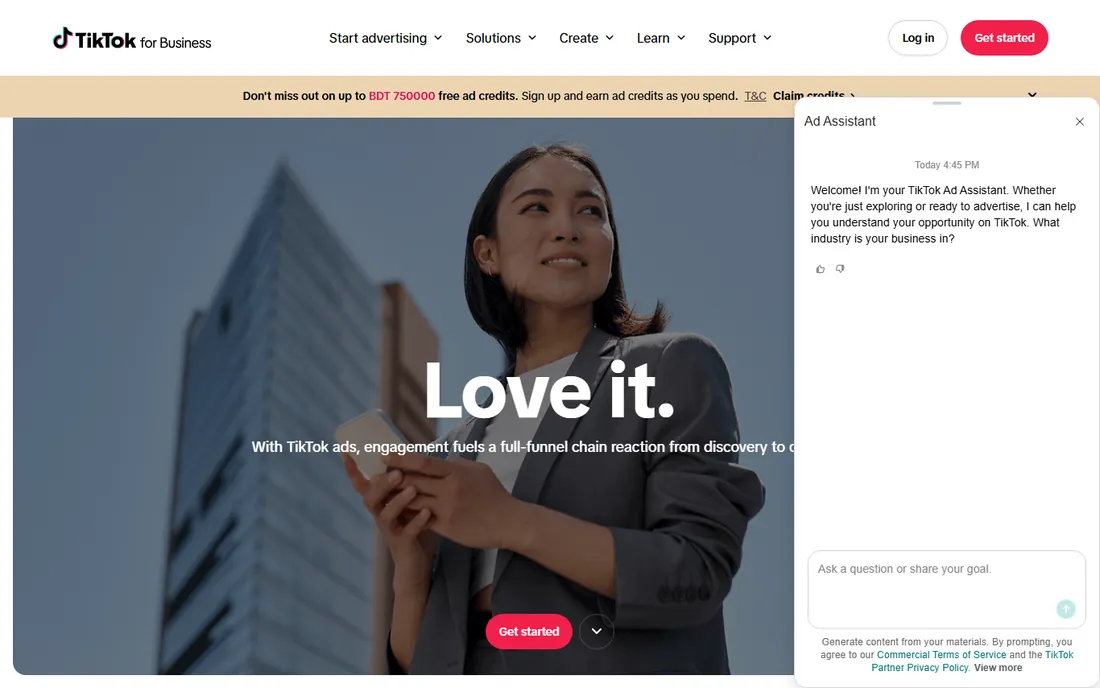
TikTok offers the cheapest video attention in paid media. The auction is less competitive than Meta's, and the native short-video format generates engagement that static ads cannot match. Brands that crack the creative code see remarkable efficiency.
The creative bar is real, though. Polished commercials flop; authentic, native-feeling content wins. That means producing new creative constantly, which strains small teams. Spark Ads, which boost organic posts, lower the barrier by turning existing content into ads.
The audience skews young, so high-ticket and B2B offers struggle. But for consumer brands targeting under-40 buyers, TikTok's combination of reach and cost is currently unmatched.
What we like- Cheap reach
- Creative native format
- Young engaged audience
Watch out for- Audience skews young
- Creative needs constant refresh
Starting pricePay per impression/click
Free planNo
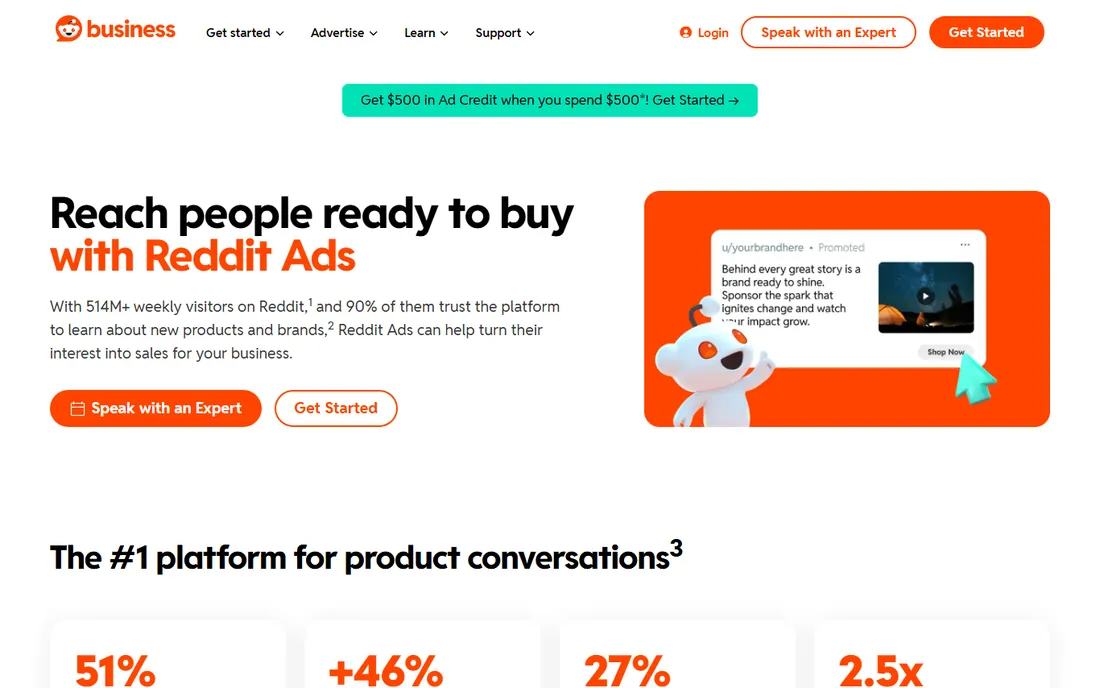
Reddit's communities gather the most passionate niche audiences on the internet, and ads can target specific subreddits where your exact customers hang out. Costs run lower than the big platforms, and the conversation format allows deeper engagement than a banner.
The culture demands respect. Redditors punish inauthentic advertising loudly, in the comments, for everyone to see. Successful advertisers participate genuinely, offer real value, and accept that the community sets the terms.
Scale is limited compared to Meta or Google, and some niches have no active subreddit. But for products with a natural community home, Reddit delivers engaged attention at a fair price.
What we like- Passionate niche communities
- Lower costs
- Authentic engagement
Watch out for- Users distrust ads
- Smaller scale
Starting pricePay per impression/click
Free planNo
X remains the platform where news breaks, and ads can ride that real-time wave. Event targeting, keyword targeting, and follower lookalikes reach engaged audiences during moments of high attention that other platforms cannot match.
Competition is lower than on Meta or Google, which keeps costs reasonable. The platform works well for app installs, newsletter growth, and offers tied to current events.
Brand safety worries have pushed some advertisers away, and the ads ecosystem is smaller with fewer third-party tools. Advertisers comfortable with the environment find efficient reach; those needing pristine brand contexts should look elsewhere.
What we like- Real-time targeting around events
- Lower competition
- Good for news-driven offers
Watch out for- Brand safety concerns
- Smaller advertiser ecosystem
Starting pricePay per impression/click
Free planNo
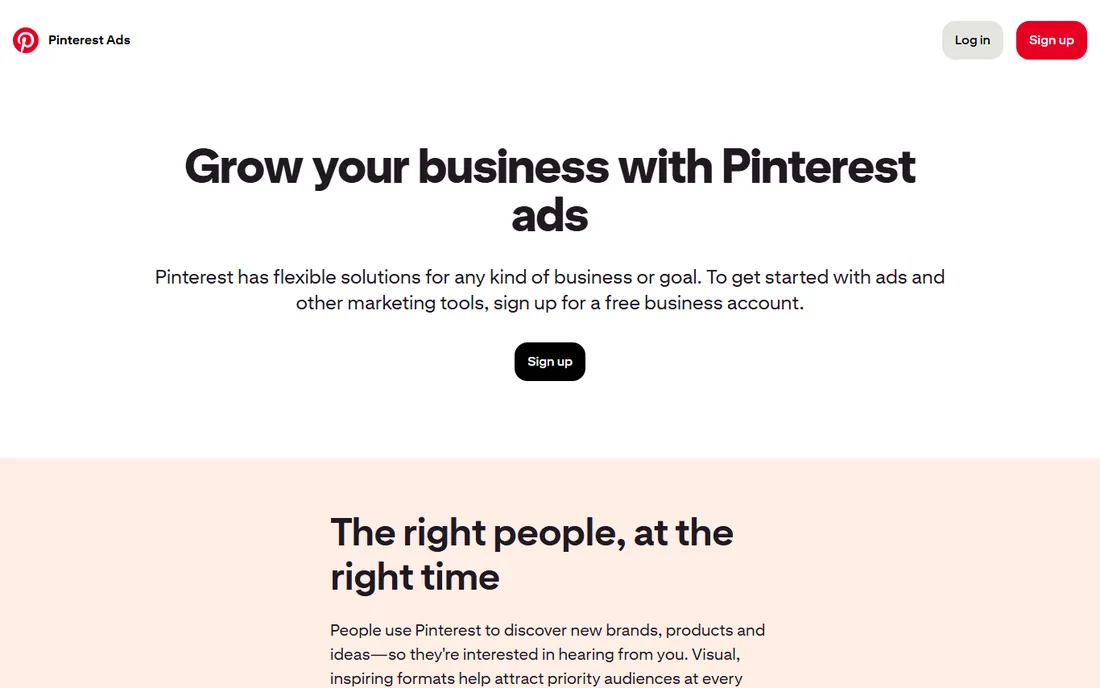
Pinterest users are planners: they save ideas for weddings, renovations, recipes, and wardrobes months before spending. Advertising into that planning mindset reaches buyers earlier than any other platform, in categories where Pinterest dominates.
Competition is lighter than on Meta or Google, so costs stay reasonable. The visual format suits products that photograph well, and shopping integrations have improved steadily. Home, fashion, beauty, and food brands see the strongest results.
The audience skews female and consumer-focused; B2B and most services fit poorly. Scale is smaller than the giants. But for the right product categories, Pinterest's purchase-intent audience converts at rates that surprise first-time advertisers.
What we like- Users plan purchases
- Less ad competition
- Strong for home, fashion, food
Watch out for- Limited audience demographics
- Weaker for B2B and services
How we chose
We compared the major paid advertising platforms by reach, targeting capability, cost efficiency, and fit for different business types, drawing on industry benchmarks, platform documentation, and practitioner experience. We focused on platforms where US small and mid-size businesses actually spend money, covering search, social, retail media, and niche communities. Pricing is auction-based and changes constantly, so we describe the cost dynamics rather than quoting rates.
No business should depend on one platform. A sensible starting mix pairs one intent channel (Google or Microsoft Ads) with one discovery channel (Meta, TikTok, or Pinterest). The intent channel captures demand; the discovery channel creates it.
Add retargeting everywhere before expanding to new platforms. The cheapest conversions most businesses leave on the table are the visitors who almost bought. Meta, Google, and TikTok all offer retargeting that typically outperforms cold traffic by multiples.
Expand only when the current mix is profitable and stable. Each new platform needs creative, management time, and testing budget. Three profitable channels beat seven mediocre ones.
The measurement problem
Attribution has gotten harder as privacy changes removed tracking signals. Platform-reported conversions increasingly disagree with each other and with your own analytics. Do not optimize blindly to any single platform's numbers.
Use a consistent measurement approach: your own analytics or a third-party tool as the source of truth, platform data for directional optimization. Run periodic holdout tests, pausing a channel briefly, to check whether reported conversions are real.
The businesses that thrive accept imperfect measurement and focus on blended return on ad spend across all channels. Precision is gone; good judgment matters more.
Frequently asked questions
How much should a small business spend on ads?
Start with an amount you can afford to lose while learning, often a few hundred dollars a month per channel. Scale spending only when the return is proven and consistent. There is no universal percentage; the right budget is whatever profitable spend your business can support.
Which platform is cheapest?
Currently TikTok, Reddit, and Pinterest generally offer lower costs than Google and Meta, though it varies by industry. Cheap clicks mean nothing without conversions, so judge platforms by cost per customer, not cost per click.
Should I hire an agency or manage ads myself?
Manage them yourself until spend justifies help, usually around several thousand dollars a month per channel. You will learn what works and be a better client later. Hire when management time costs more than agency fees, or when complexity exceeds your expertise.
How long before ads become profitable?
Expect a testing period of one to three months before campaigns stabilize. Anyone promising instant profitability is selling something. Budget for learning, kill losers fast, and scale winners gradually.
Do I need ads if my SEO is strong?
They serve different purposes. SEO captures existing demand over time; ads create immediate visibility and reach people who would never search for you. Most growing businesses use both, with ads filling gaps SEO cannot reach.
Sources we checked (9)
- https://ads.google.com/
- https://www.facebook.com/business/ads
- https://about.ads.microsoft.com/en
- https://business.linkedin.com/advertise/ads
- https://advertising.amazon.com/
- https://ads.tiktok.com/business/en-US
- https://www.business.reddit.com/
- https://business.x.com/en/advertising
- https://ads.pinterest.com/
Is your product missing or out of date?
We review this list regularly. Vendors can request a listing, send updated pricing or ask about featured placement.

Shihab Mia · Founder, Rankite
Shihab has spent more than a decade helping SaaS and e-commerce brands grow through search. He writes Rankite's software buying guides from pricing pages, documentation and public user reviews. More about Shihab.