How we make this list: we compare pricing pages, product documentation and public user reviews. Rankite is independent; if a vendor ever pays for a featured spot, that listing is clearly labeled Partner.
Key takeaways
- Google AdMob is the default starting point with the largest advertiser demand.
- AppLovin and Unity Ads lead for mobile games with strong user acquisition loops.
- Mintegral, Liftoff and InMobi offer strong global and programmatic demand.
- Chartboost (now part of LoopMe) and Digital Turbine serve specific mediation and on-device needs.
- Appodeal and Tapjoy cover independent mediation and offerwall revenue.
- Most serious publishers use mediation to combine several networks, not one alone.
Quick comparison
| Tool | Best for | Starting price | Free plan |
|---|
 Google AdMob Google AdMob | Default ad monetization | Free | Yes |
 AppLovin AppLovin | Mobile games at scale | See website | No |
 Unity Ads Unity Ads | Unity-built games | See website | No |
 Mintegral Mintegral | Global programmatic demand | See website | No |
 Chartboost Chartboost | In-app mediation (LoopMe) | See website | No |
 Liftoff Liftoff | Performance programmatic | See website | No |
 InMobi InMobi | Brand and emerging-market demand | See website | No |
 Digital Turbine Digital Turbine | On-device and app distribution | See website | No |
 Appodeal Appodeal | Independent mediation | See website | No |
 Tapjoy Tapjoy | Offerwall rewarded ads | See website | No |
Is your product missing or out of date?
We review this list regularly. Vendors can request a listing, send updated pricing or ask about featured placement.
Starting priceFree
Free planYes
AdMob is where most app publishers start: Google's advertiser demand fills banners, interstitials, rewarded ads and native placements, integration with Firebase is smooth, and the built-in mediation lets you add other networks as competition. For small and mid-size apps, it is the path of least resistance to real revenue.
The risks are Google's: policy violations can suspend accounts with limited recourse, and you play by Google's revenue terms. Support for small publishers is largely self-serve. Still, the demand depth is unmatched, and every serious monetization stack includes AdMob as the baseline or the mediation anchor.
AdMob's mediation groups let publishers set up tiered competition between networks with price floors per geography, which is where real revenue optimization happens: US traffic might floor far above emerging markets. Adaptive banners resize intelligently to device widths, lifting click-through over fixed sizes. Policy compliance deserves a dedicated read, since invalid-traffic suspensions are rarely reversed. Treat the policy center as required reading, not fine print.
What we like- Largest pool of advertiser demand
- Easy integration with Firebase
- Mediation built in
Watch out for- Policy enforcement can be abrupt
- Revenue share is Google's terms
- Support is limited for small publishers
Starting priceSee website
Free planNo
AppLovin built an empire on the game loop: its MAX mediation maximizes ad revenue while its user acquisition platform buys players profitably. For mobile game studios, the combination of top-tier mediation and massive gaming advertiser demand is hard to beat. The platform handles billions of auctions daily.
Non-gaming apps get less of the advantage; the demand pool skews heavily toward games. Smaller publishers may find the platform complex and the relationship enterprise-flavored. For game developers serious about monetization, AppLovin's mediation is the industry standard to beat.
AppLovin's MAX mediation runs in-app bidding alongside traditional waterfalls, and publishers migrating fully to bidding typically see revenue lifts from the increased competition. Integration is a single SDK with adapters, simplifying what used to be a multi-SDK headache. AppDiscovery lets game publishers reinvest ad revenue into buying users profitably. The platform rewards scale: the bigger the impression volume, the more attention the account gets.
What we like- Powerful MAX mediation platform
- Strong advertiser demand for games
- User acquisition and monetization loop
Watch out for- Best for games, less for non-gaming apps
- Enterprise-oriented
- Complexity for small publishers
Starting priceSee website
Free planNo
Unity Ads monetizes the enormous base of Unity-built games with rewarded video and interstitials that integrate natively in the engine. The ironSource merger brought the LevelPlay mediation platform into the fold, making Unity a full-stack monetization option. For Unity developers, the integration simplicity is real.
The ecosystem tie is also the limitation: Unreal and native apps look elsewhere. Unity's runtime fee controversy damaged developer trust, and some studios diversified away. But for the huge number of games still built on Unity, Unity Ads plus LevelPlay mediation remains a natural and powerful combination.
Unity Ads' rewarded video completion rates consistently top other formats, which is why games design economies around them: players choose to watch, so eCPMs run multiples of interstitials. LevelPlay mediation supports all major networks with in-app bidding. Personalization of ad content to game genre improves engagement measurably. Developers should watch Unity's broader business moves, since platform trust affects long-term planning, but the monetization tech itself is proven.
What we like- Native integration with Unity engine
- Strong rewarded video demand
- IronSource merger expanded mediation
Watch out for- Tied to the Unity ecosystem
- Non-Unity games get less
- Unity's pricing controversies hurt trust
Starting priceSee website
Free planNo
Mintegral brings programmatic demand with particular strength in APAC markets that Western networks serve thinly. Its AI bidding optimizes for advertiser ROI, which keeps demand flowing, and it handles rewarded video, interstitials and playables well. Publishers with global audiences, especially in Asia, see meaningful revenue from Mintegral in their mediation stacks.
Western publishers know it less, integration takes more effort than plugging in AdMob, and support quality varies by region. It is rarely anyone's only network. As a demand source inside mediation, though, Mintegral's geographic coverage fills gaps the US-centric networks leave.
Mintegral's strength in APAC means publishers with Asian audiences see fill rates and eCPMs that Western networks cannot match in the region. Playable ads, interactive mini-game creatives, outperform static interstitials for game installs. The self-serve platform lets smaller publishers start without a sales relationship. Reporting granularity by geo and placement helps optimize the waterfall. It works best as the APAC specialist inside a broader mediation stack.
What we like- Strong global and APAC advertiser demand
- AI-driven bidding
- Good for rewarded and playable ads
Watch out for- Less known in Western markets
- Integration needs work
- Support varies by region
Starting priceSee website
Free planNo
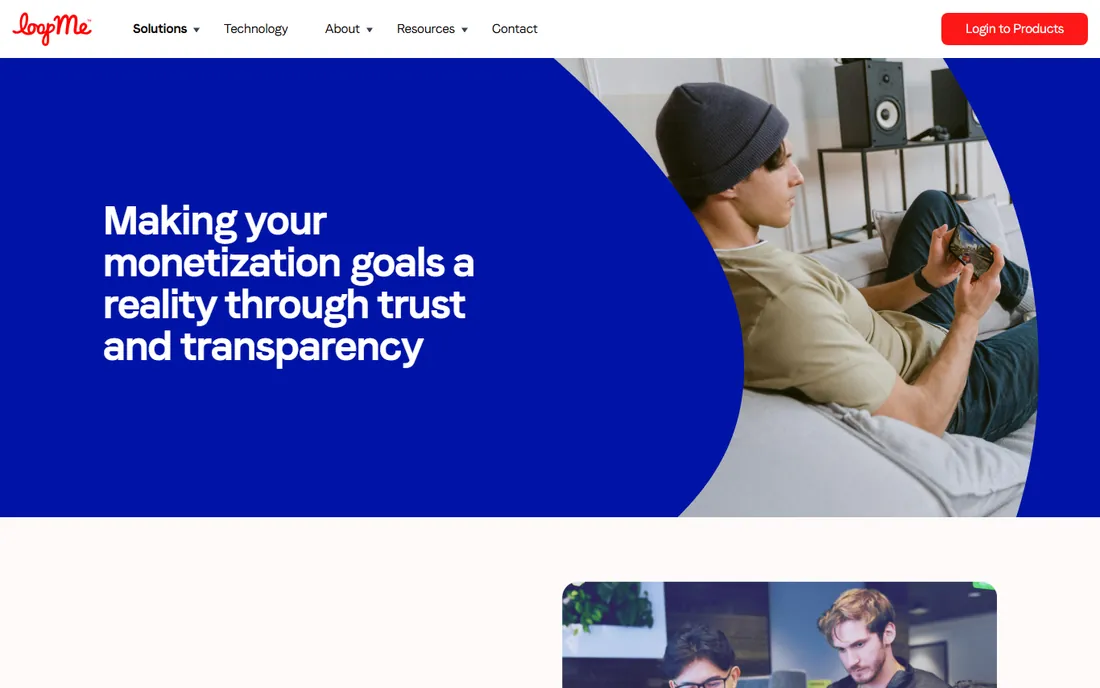
Chartboost was one of the original mobile ad platforms, and its acquisition by LoopMe repositions it with brand advertiser demand behind the mediation technology. Publishers get the familiar mediation plus access to LoopMe's premium demand. The combination aims at publishers wanting both performance and brand dollars.
Transitions bring uncertainty: product roadmaps shift after acquisitions, and some publishers wait to see the dust settle. It remains smaller than AppLovin's MAX. For publishers already on Chartboost, the LoopMe backing is a reason to stay. For new evaluations, trial it in the mediation stack against MAX and watch fill rates.
Chartboost's direct-deal marketplace historically let publishers negotiate premium campaigns beyond programmatic floors, and the LoopMe acquisition adds brand demand to that foundation. Rewarded video and interstitial formats are battle-tested across thousands of games. SDK integration is straightforward, with adapters for major mediations. Publishers evaluating should test fill rates on their specific geos, since performance varies more by region than marketing suggests.
What we like- Long-standing mediation platform
- Now backed by LoopMe's brand demand
- Direct deals plus programmatic
Watch out for- Acquisition creates transition uncertainty
- Smaller than AppLovin MAX
- Brand is in flux
Starting priceSee website
Free planNo
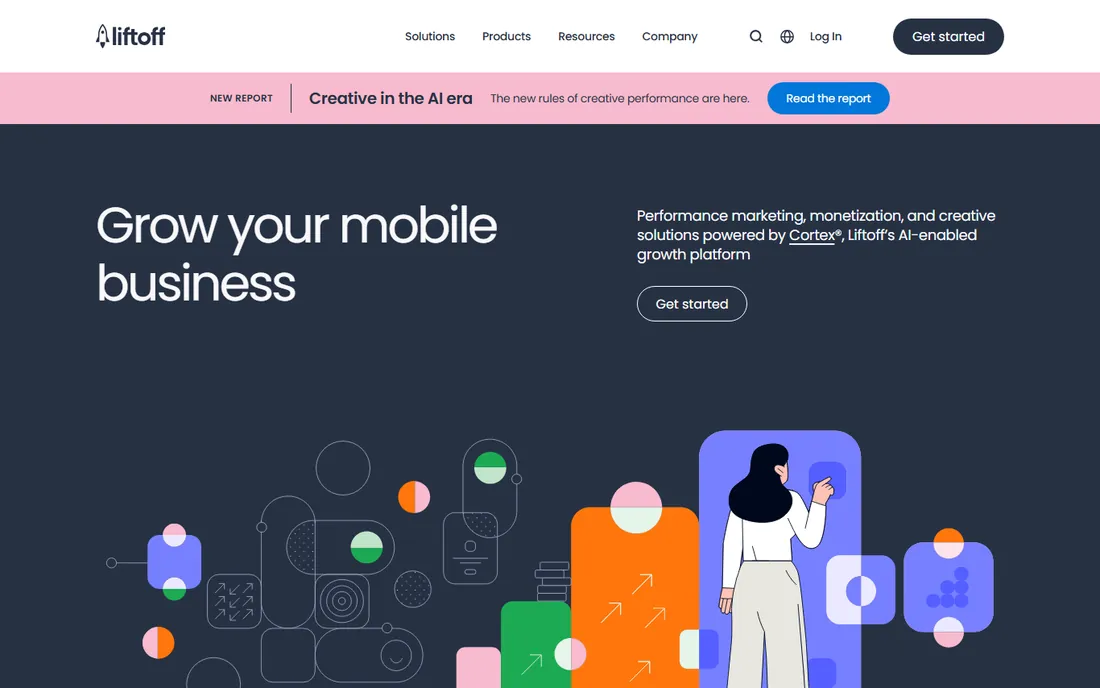
Liftoff, which absorbed Vungle, is a performance marketing platform with serious ML: its bidding finds users likely to install and spend, which keeps advertiser budgets flowing to publishers. The combined entity has major gaming supply and demand, plus creative services that lift ad performance.
It is built for scale: enterprise sales, meaningful minimums, gaming-centric demand. Small non-gaming apps are not the focus. For publishers with real volume, especially games, Liftoff belongs in the mediation mix for its optimization quality and demand depth.
Liftoff's machine learning models optimize toward post-install events rather than just installs, which means advertisers pay for quality users and sustain budgets longer. Creative studio services producing ad variants at scale lift performance for publishers running their demand. As a monetization partner, the programmatic demand competes well in gaming waterfalls. Account management quality correlates with volume, so smaller publishers should lean on the self-serve tooling.
What we like- Strong machine-learning optimization
- Vungle merger brought huge gaming supply
- Good creative services
Watch out for- Enterprise-oriented
- Gaming-heavy demand
- Smaller publishers get less attention
Starting priceSee website
Free planNo
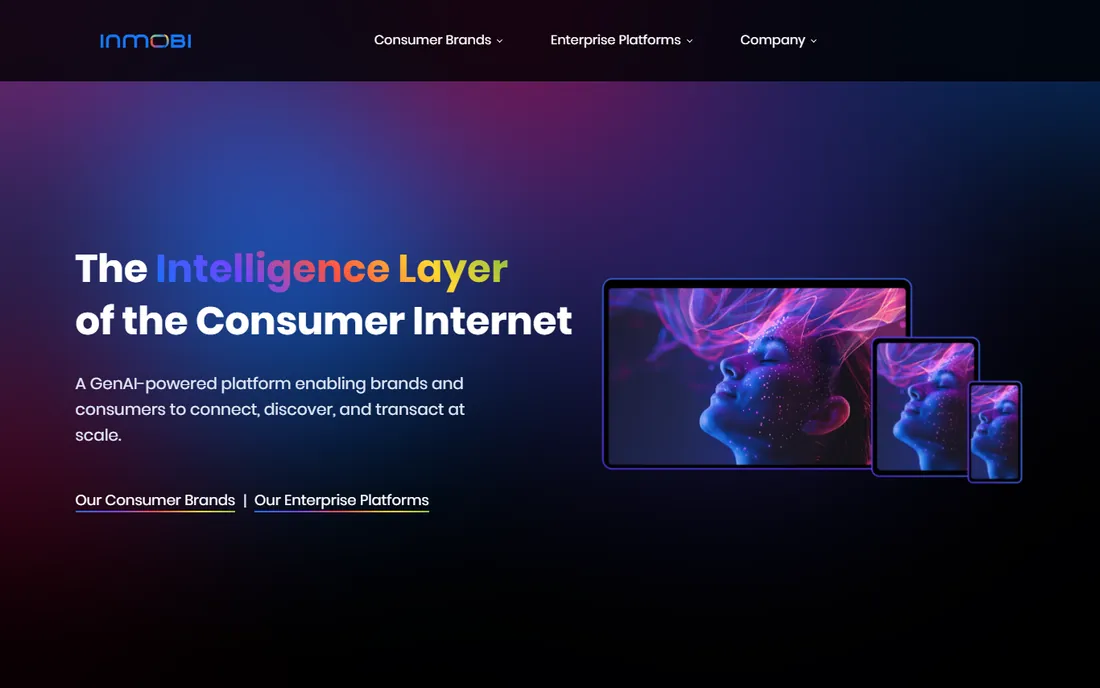
InMobi is the global independent with real strength in emerging markets: India, Southeast Asia, the Middle East and Africa, where it often outperforms Western networks on fill and eCPM. Brand advertiser relationships bring premium demand, and the exchange model adds programmatic scale.
US and European publishers see less of the advantage; fill rates trail AdMob and AppLovin domestically. The platform carries complexity from its many products. For apps with significant emerging-market audiences, InMobi is close to essential in the mediation stack. For purely Western audiences, it is optional.
InMobi's exchange connects publishers to programmatic demand beyond direct sales, which matters in regions where direct advertiser relationships are thin. India and Southeast Asia fill rates often double what US networks deliver there. The unified platform handles both branding and performance demand. Integration effort is moderate, with standard adapters available. Publishers should segment reporting by region to see where InMobi earns its place.
What we like- Strong in India, Southeast Asia and Middle East
- Brand advertiser relationships
- Exchange plus network
Watch out for- Western fill rates trail leaders
- Platform complexity
- Account management varies
Starting priceSee website
Free planNo
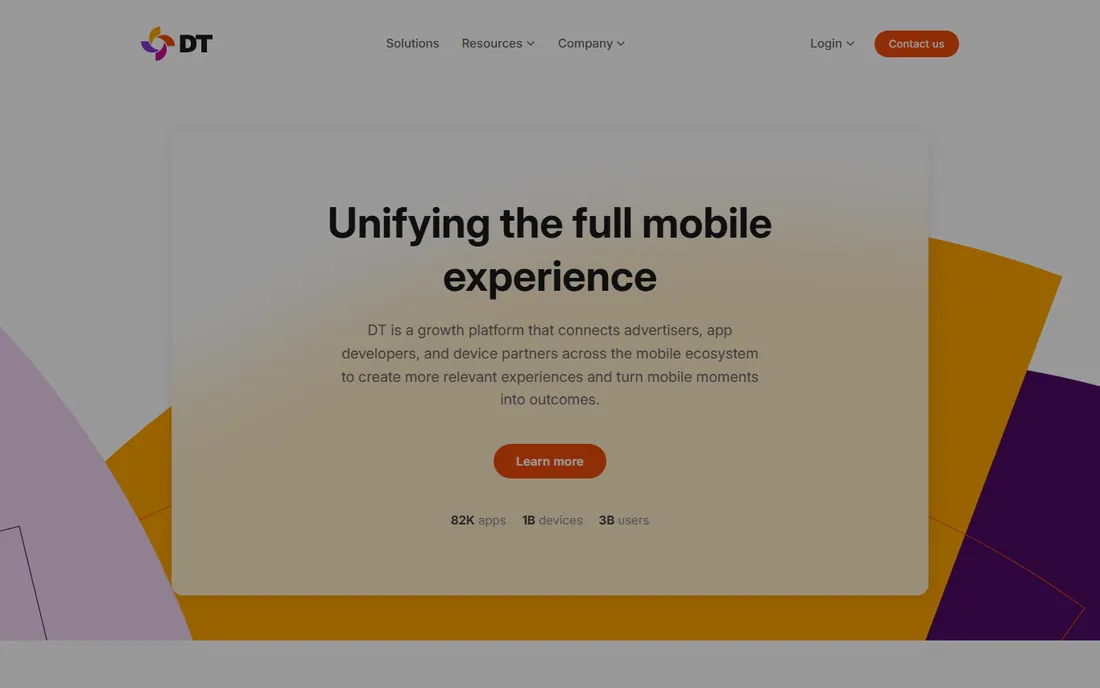
Digital Turbine owns a unique channel: presence on devices through carrier and OEM partnerships, putting apps and content in front of users at device setup and through on-device placements. The Fyber acquisition added a real mediation platform. For user acquisition and alternative distribution, the on-device inventory has no substitute.
Standard in-app publishers get less from it; this is a specialized tool for distribution and on-device moments. The sales process is enterprise. App marketers struggling with rising UA costs should evaluate the on-device channel, because its users convert differently from standard ad inventory.
Digital Turbine's on-device placements, app recommendations during device setup and in carrier portals, reach users at moments of high intent that in-app ads cannot replicate. The Fyber mediation platform, now part of the suite, gives publishers a full in-app option too. For user acquisition marketers, the on-device channel diversifies beyond increasingly expensive social and search inventory. The inventory type has no direct substitute.
What we like- Unique on-device inventory via carrier partnerships
- App distribution at setup
- Fyber mediation included
Watch out for- Niche inventory type
- Less relevant for standard in-app
- Enterprise sales process
Starting priceSee website
Free planNo
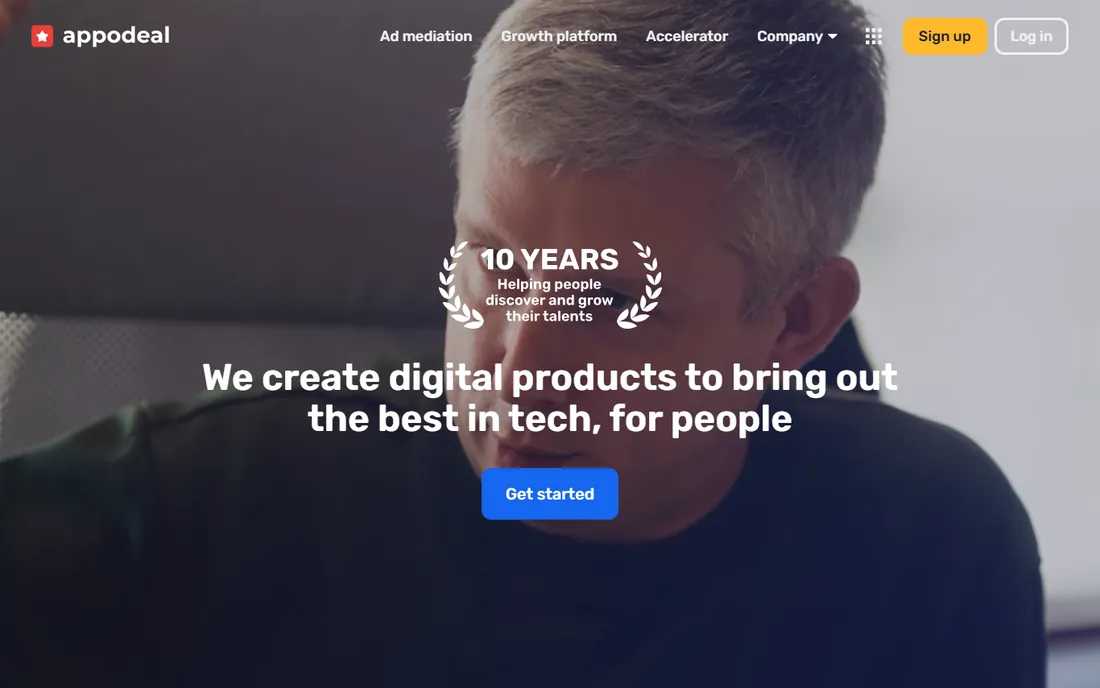
Appodeal's appeal is independence: a mediation platform that does not own an ad network, so its optimization has no conflict of interest. Parallel bidding across networks, straightforward integration, and a focus on indie and mid-size developers make it the alternative for publishers wary of the giants' dual roles.
Scale is the tradeoff: fewer engineers, thinner owned demand, leaner support than AppLovin or Unity. Publishers use it as their mediation layer with AdMob, AppLovin and others as demand sources. For independents who want mediation neutrality, Appodeal's positioning is principled and practical.
Appodeal's parallel bidding implementation reduces the latency that plagued old waterfall setups, which improves user experience alongside revenue. Their account teams are known for hands-on optimization help, unusual for an independent mediation. Revenue reporting consolidates all networks into one dashboard, ending spreadsheet reconciliation. For publishers wary of mediation owned by a competing ad network, Appodeal's neutrality is the principled and practical answer.
What we like- Independent mediation not tied to an ad network
- Parallel bidding
- Good for indie developers
Watch out for- Smaller than MAX and LevelPlay
- Demand depth is thinner
- Support is leaner
Starting priceSee website
Free planNo
Tapjoy pioneered the offerwall: users complete offers, watch videos or install apps in exchange for in-app currency. For games with virtual economies, offerwalls generate remarkable engagement and revenue per user. Now part of Unity after the ironSource acquisition, it sits inside Unity's monetization suite.
The format only fits apps with reward economies; utility apps need not apply. The standalone brand now lives under Unity's roof, which changes the buying relationship. For games and rewarded-ecosystem apps, Tapjoy's offerwall remains the category leader and a meaningful revenue line.
What we like- The leading offerwall format
- High-engagement rewarded ads
- Now within Unity's monetization suite
Watch out for- Offerwalls suit only certain app types
- Now redirects into Unity's product pages
- Integration is format-specific
How we chose
We selected platforms with real publisher adoption for in-app ad monetization: networks, mediation platforms and the offerwall leader. We verified each vendor's current status, noting industry consolidation: Chartboost is now part of LoopMe, Tapjoy sits inside Unity, and ironSource merged into Unity. We excluded Pangle because its site could not be verified from our checks.
Almost no serious publisher runs one ad network. Mediation platforms, AppLovin MAX, Unity LevelPlay, Appodeal, run real-time auctions across AdMob, AppLovin, Mintegral, Liftoff and others, lifting revenue 20 to 50 percent over any single network. The work is integration and tuning: waterfall order, price floors and segment strategies.
Start with AdMob plus one mediation platform, add networks based on your audience geography, and measure eCPM by segment rather than blended averages. The right stack for a US casual game differs completely from an Indian utility app. Revisit the mix quarterly; demand shifts constantly.
Frequently asked questions
What is the best way to monetize a mobile app with ads?
Use mediation: combine Google AdMob with a mediation platform like AppLovin MAX or Appodeal, then add networks matching your audience. Single-network setups leave money on the table.
How much can apps earn from ads?
It varies enormously: eCPMs range from under a dollar for banners in emerging markets to $20-plus for rewarded video in the US. Revenue depends on format, geography, engagement and mediation quality.
What is the difference between a network and mediation?
An ad network sells your inventory to its advertisers. A mediation platform auctions your inventory across many networks to get the highest price. Most publishers use mediation containing several networks.
Are rewarded ads better than interstitials?
Rewarded ads earn more per impression and users prefer them, but they need a reward economy. Interstitials work anywhere but annoy users. Most games use both; non-gaming apps usually stick to banners and natives.
What happened to ironSource and Chartboost?
ironSource merged with Unity; its products including LevelPlay mediation and Tapjoy now live under Unity. Chartboost was acquired by LoopMe and continues as part of LoopMe's offering.
Do I need user consent for ads?
Yes, in most jurisdictions. Privacy regulations like GDPR and Apple's ATT framework require consent for tracking. All major platforms provide consent tooling; configure it properly or risk policy violations.
Sources we checked (10)
- https://admob.google.com/home/
- https://applovin.com/en
- https://unity.com/products/unity-ads
- https://www.mintegral.com/en
- https://loopme.ai/chartboost/
- https://liftoff.ai/
- https://www.inmobi.com/
- https://digitalturbine.com/
- https://appodeal.com/
- https://unity.com/products/tapjoy
Is your product missing or out of date?
We review this list regularly. Vendors can request a listing, send updated pricing or ask about featured placement.

Shihab Mia · Founder, Rankite
Shihab has spent more than a decade helping SaaS and e-commerce brands grow through search. He writes Rankite's software buying guides from pricing pages, documentation and public user reviews. More about Shihab.