How we make this list: we compare pricing pages, product documentation and public user reviews. Rankite is independent; if a vendor ever pays for a featured spot, that listing is clearly labeled Partner.
Key takeaways
- SMBs choosing between ActiveCampaign and Brevo are choosing between automation depth and price; both beat Mailchimp on automation sophistication per dollar.
- Ecommerce brands should compare Klaviyo against their current stack before adding anything; its email-plus-SMS automation is purpose-built for stores.
- HubSpot wins when marketing automation must share data with sales and service; the premium is for the platform, not just the emails.
- Developer-led and product-led teams should look at Customer.io, Ortto and Iterable, which trigger messaging from product events rather than list uploads.
Quick comparison
| Tool | Best for | Starting price | Free plan |
|---|
 HubSpot HubSpot | Teams that want automation on shared CRM data | See website | Yes |
 ActiveCampaign ActiveCampaign | SMBs that want the deepest automation per dollar | See website | Free trial |
 Brevo Brevo | Growing teams wanting multichannel on a budget | See website | Yes |
 Mailchimp Mailchimp | Beginners and small businesses starting email marketing | See website | Yes |
 Klaviyo Klaviyo | Ecommerce brands automating email and SMS revenue | See website | Yes |
 Customer.io Customer.io | Product-led teams triggering messages from events | See website | Free trial |
 Ortto Ortto | Visual journey building on unified customer data | See website | Free trial |
 Iterable Iterable | Enterprises running cross-channel at scale | See website | No |
Is your product missing or out of date?
We review this list regularly. Vendors can request a listing, send updated pricing or ask about featured placement.
Marketing automation earns its keep when it sends the right message at the right moment without human intervention: welcome series, abandoned carts, lead nurturing, winbacks. The wrong platform shows up as rigid workflows, surprising bills and marketers fighting the tool instead of using it. Eight platforms that define the category in 2026.
Starting priceSee website
Free planYes
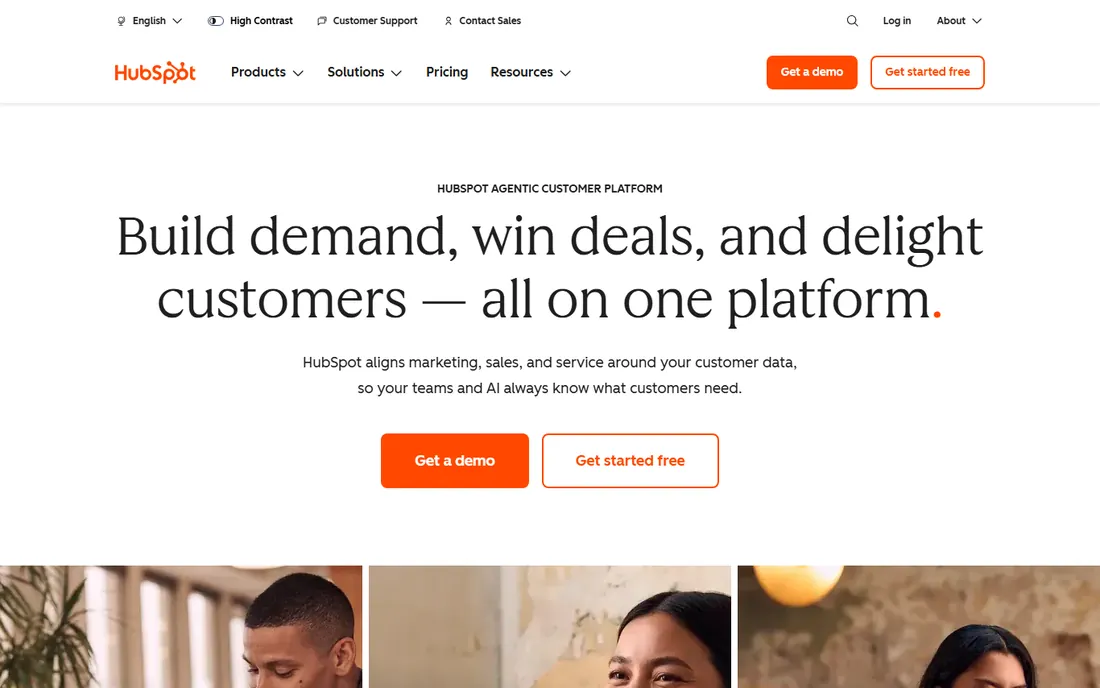
HubSpot's automation argument is the shared database: workflows trigger on CRM properties, sales activities and service tickets, not just email opens. A deal going quiet can trigger a nurture sequence automatically; a support ticket can pause marketing. For companies where marketing, sales and service must coordinate, that unity is the product.
The honest catch is cost scaling. Marketing Hub prices on contacts, and the bill grows with your database whether or not those contacts engage. Small teams should use the free tools fully before upgrading; growing companies should model contact-tier pricing at 2x current size. For platform buyers, though, the integration value is real.
What we like- Automation runs on the same database as sales and service
- Visual workflow builder non-technical teams learn fast
- Free CRM and basic tools to start
Watch out for- Marketing Hub pricing climbs steeply with contacts
- Advanced features gated behind higher tiers
Starting priceSee website
Free planFree trial
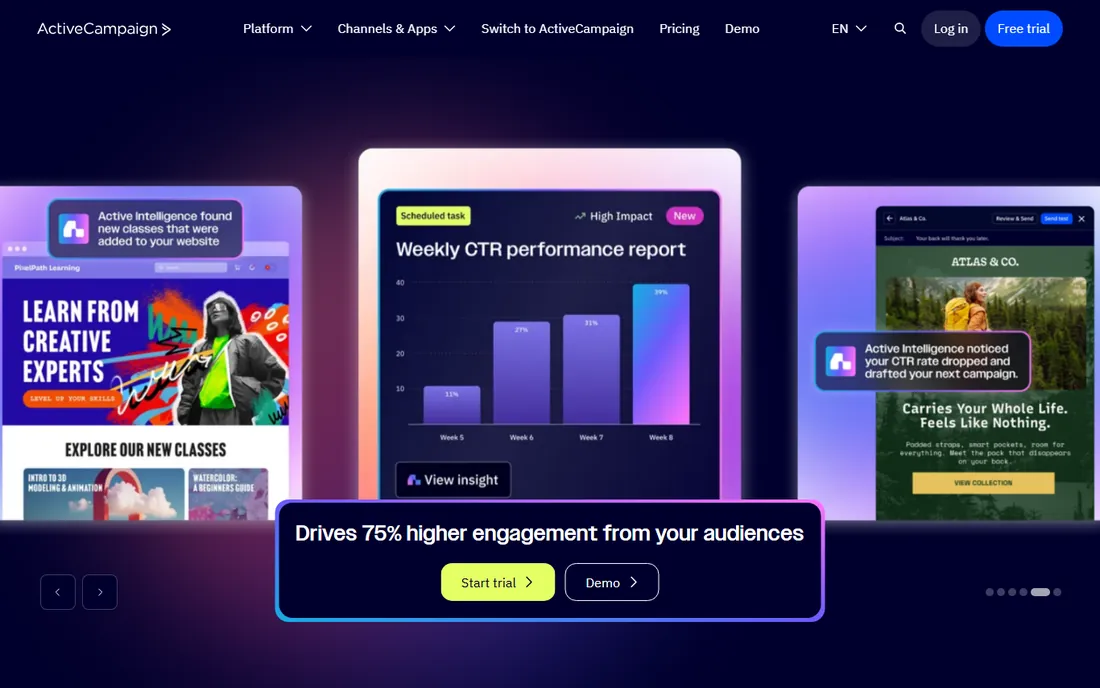
ActiveCampaign is the automation nerd's choice: the workflow builder handles branching, goals, split testing and event triggers with a depth competitors charge multiples for. Lead scoring, site tracking, SMS and a built-in CRM come standard, and the newer AI agents help build and optimize campaigns from plain-language goals.
The depth is also the warning. Teams that only need a welcome series will find it overbuilt, and there is no free-forever plan, just a trial. But for SMBs serious about lifecycle marketing, ActiveCampaign's automation-per-dollar remains the category benchmark.
What we like- Exceptionally deep automation builder with conditional logic
- Built-in CRM, lead scoring and SMS
- AI agents now assist campaign building and optimization
Watch out for- Learning curve for the advanced features
- No permanent free tier, trial only
#3
Brevo
Best for: Growing teams wanting multichannel on a budget
Visit brevo.com
Starting priceSee website
Free planYes
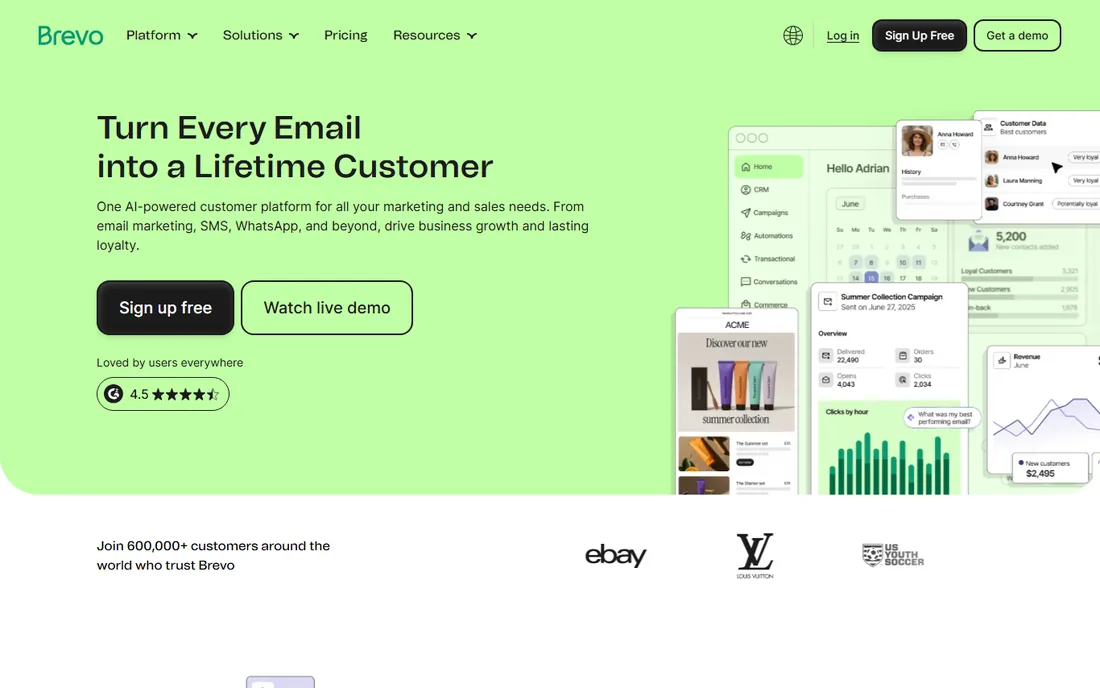
Brevo (formerly Sendinblue) wins on pricing logic: you pay for emails sent, not contacts stored, which favors businesses with large lists and modest send volumes. The free tier is genuinely useful, and the multichannel set (email, SMS, chat, WhatsApp, transactional) covers the real communication needs of a growing business in one login.
The automation builder is capable but not class-leading; complex lifecycle logic fits ActiveCampaign or HubSpot better. And like all email platforms, your deliverability depends partly on your own practices. For budget-conscious teams that need solid automation across channels, Brevo's value is hard to beat.
What we like- Email, SMS, chat and WhatsApp in one affordable platform
- Free plan with 300 emails/day and unlimited contacts
- Pricing on sends, not contacts
Watch out for- Automation depth trails ActiveCampaign
- Deliverability reputation varies by account setup
#4
Mailchimp
Best for: Beginners and small businesses starting email marketing
Visit mailchimp.com
Starting priceSee website
Free planYes
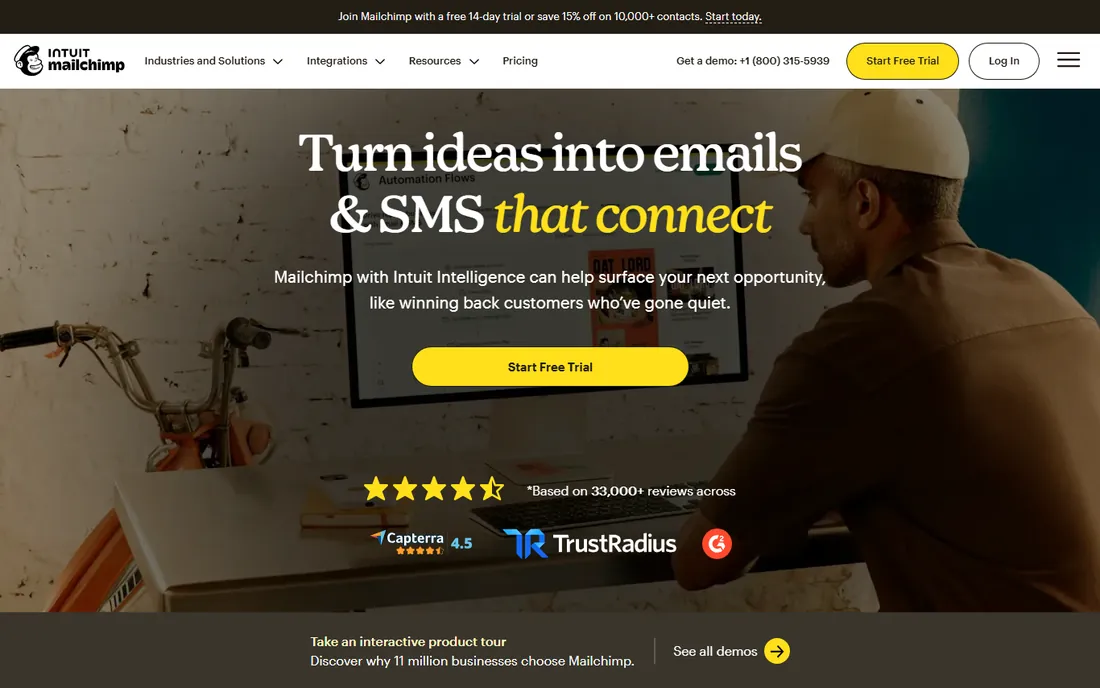
Mailchimp is where most small businesses start, and for good reason: the interface is friendly, the free tier covers early needs, and the template and creative tooling help non-designers send decent emails fast. Basic automations (welcome, abandonment, winback) work out of the box.
The honest trajectory is that growing businesses often outgrow it. Automation depth, segmentation power and per-contact pricing all push serious marketers toward ActiveCampaign, Klaviyo or HubSpot eventually. Start here happily; just recognize the ceiling and plan the migration before it hurts.
What we like- The most approachable interface in the category
- Generous free tier for small lists
- Templates and creative tools beginners actually use
Watch out for- Automation sophistication lags specialists
- Pricing gets expensive as lists grow
#5
Klaviyo
Best for: Ecommerce brands automating email and SMS revenue
Visit klaviyo.com
Starting priceSee website
Free planYes
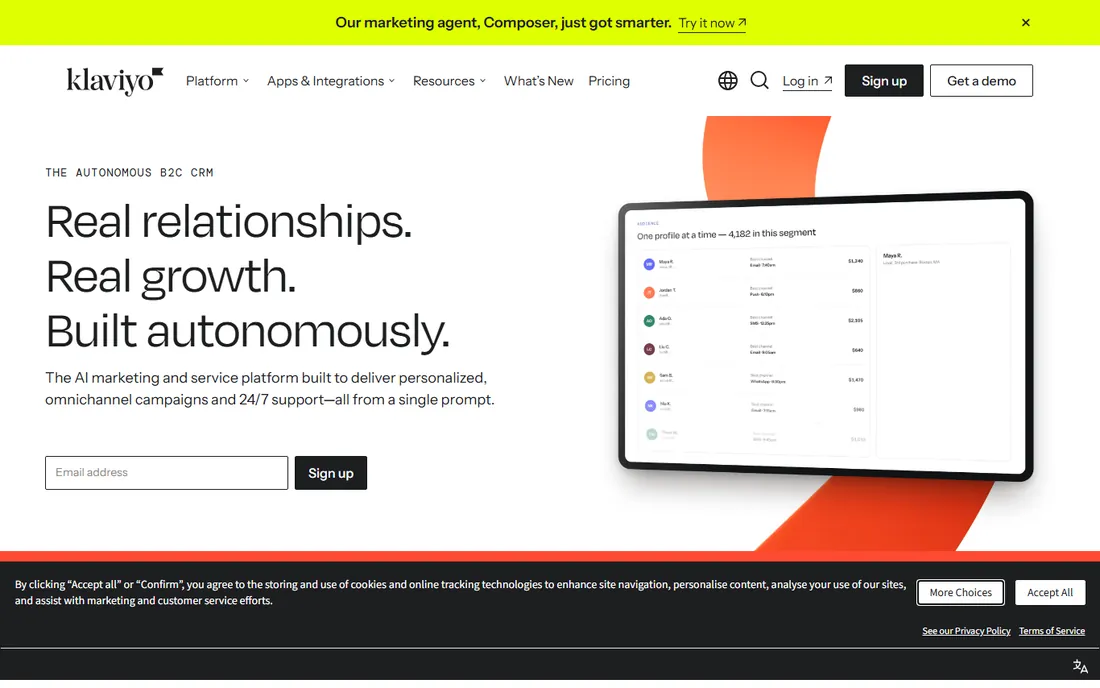
Klaviyo is the ecommerce automation standard: flows trigger on store behavior (browse abandonment, post-purchase, winback) with a depth generic platforms cannot match, and predictive models score every contact's expected value and churn risk. Email and SMS share one profile and one flow builder, so channels coordinate instead of competing.
The contact-based pricing punishes list growth, so keep lists clean. And outside ecommerce, the platform's advantages fade. But for DTC brands, Klaviyo's automation directly drives revenue in ways that show up in the P&L, which is why it keeps winning the category.
What we like- Purpose-built for ecommerce with Shopify-native data
- Predictive analytics (CLV, churn) drive smart flows
- Email and SMS automation in one platform
Watch out for- Pricing scales with contacts
- Non-ecommerce use cases are a weaker fit
#6
Customer.io
Best for: Product-led teams triggering messages from events
Visit customer.io
Starting priceSee website
Free planFree trial
Customer.io is built for the product-led motion: messages trigger on what users do inside your product, not on list membership. Onboarding sequences adapt to feature usage, churn-risk campaigns fire on behavior changes, and transactional plus marketing email share one system. Developers like the API-first design; marketers like the precision.
It assumes technical partnership. Non-technical teams can use it, but the value shows when product events flow cleanly. For SaaS companies where user behavior should drive messaging, Customer.io's event-driven model beats list-based automation decisively.
What we like- Developer-friendly behavioral messaging from in-app events
- Email, push, SMS and in-app in one workflow engine
- Precise targeting on product behavior
Watch out for- Needs technical setup to shine
- Marketer-only teams may find it demanding
#7
Ortto
Best for: Visual journey building on unified customer data
Visit ortto.com
Starting priceSee website
Free planFree trial
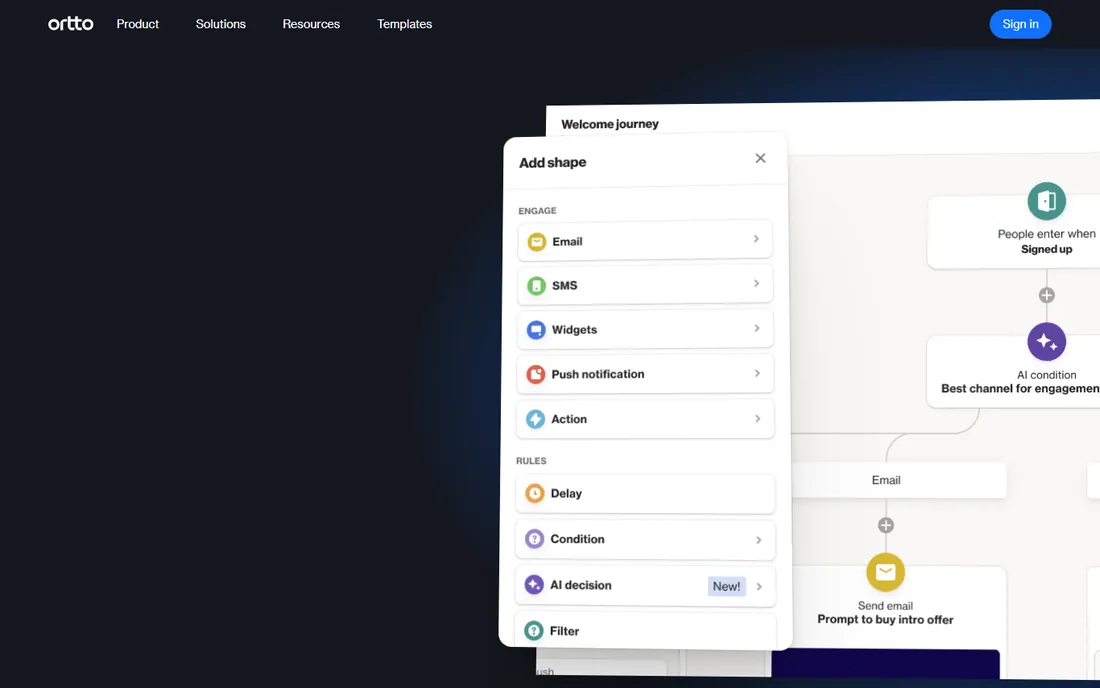
Ortto (formerly Autopilot) combines a customer data platform with visual journey building: unify customer data, design multi-channel journeys on a canvas, and measure results without stitching tools. For teams that outgrew Mailchimp-style automation but do not need HubSpot's platform, Ortto's integrated data-plus-execution is the sweet spot.
The ecosystem is smaller and the brand less known, which matters for hiring and integrations. But the product's core loop (unify data, build journey, measure) is exactly what mid-market marketing teams need, at prices that reflect its focus.
What we like- Visual journey builder on CDP-unified data
- Combines data, campaigns and analytics in one view
- Good for teams outgrowing basic email tools
Watch out for- Smaller ecosystem than the giants
- Pricing sits in the mid-market
Starting priceSee website
Free planNo
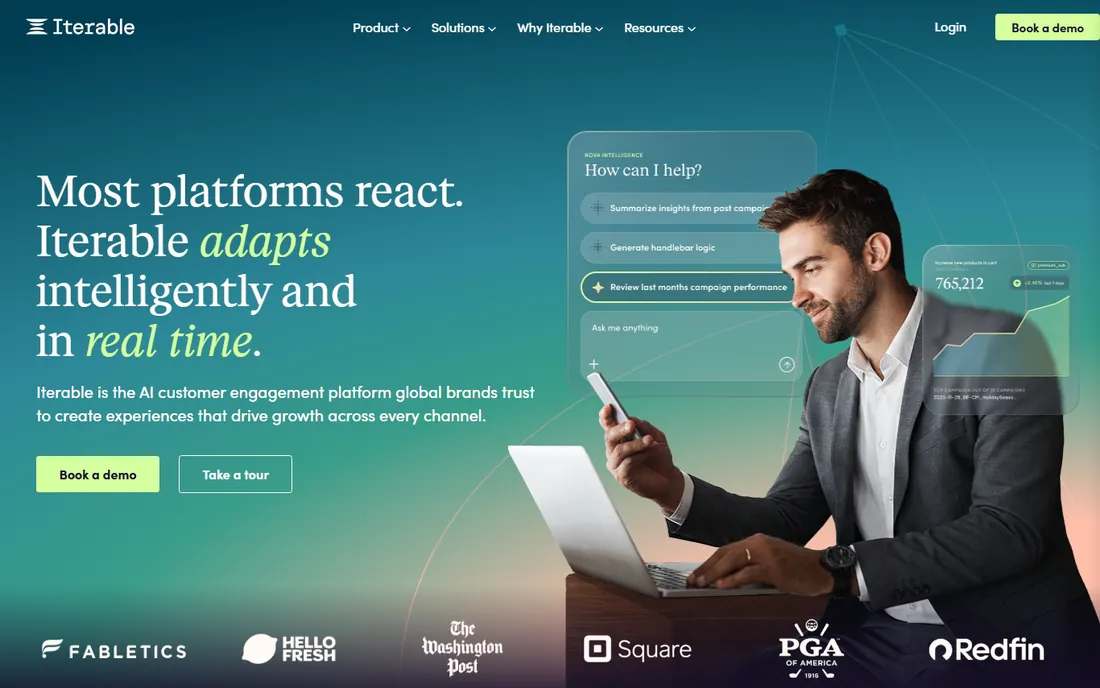
Iterable is the enterprise cross-channel platform: it ingests real-time user events at scale and orchestrates email, push, SMS and in-app messaging with experimentation built in. Large consumer brands use it where message volume, personalization and speed all matter simultaneously.
The honest fit is scale. Iterable's pricing and implementation suit enterprises; smaller teams get equivalent value cheaper elsewhere. But when your automation must react to millions of events in real time across four channels, Iterable's architecture is purpose-built for the job.
What we like- Engineered for high-scale real-time user events across email, push, SMS and in-app
- Strong experimentation and personalization
- Proven with large consumer brands
Watch out for- Enterprise pricing and implementation
- Overkill for small databases
How we chose
We compared platforms across the real automation use cases: SMB lifecycle marketing, ecommerce revenue flows, all-in-one platform needs and event-driven product messaging. We weighed automation depth, pricing model fairness, free-tier usefulness, channel breadth and how honestly each tool fits its target buyer. Pricing comes from each vendor's own pricing page; unverifiable plans are marked "See website." No hands-on testing was performed.
What to look for before you buy
Price your real database, not the trial. Contact-based pricing punishes growth; send-based pricing favors large lists. Model the bill at 2x your current contacts and get the number in writing.
Test the automation builder with your actual use case. Every vendor demos a welcome series; the differences appear in complex branching, goal-based exits and event triggers. Build your hardest workflow in the trial.
Check deliverability support, not just promises. Ask about dedicated IPs, warmup guidance and inbox placement tools. Your results depend on infrastructure the vendor partly controls.
Finally, confirm the data model. List-based tools struggle with behavioral triggers; event-based tools need technical setup. The right architecture for your team's skills matters more than the feature list.
Avoiding the marketing automation graveyard
Marketing automation platforms have one of the highest shelfware rates in SaaS: bought with enthusiasm, half-configured, quietly abandoned. The pattern is predictable and avoidable. The failures share causes, and the successes share disciplines.
The top killer is buying before the strategy exists. Teams purchase the platform expecting it to create their lifecycle marketing; instead it automates their confusion at scale. Before buying, map the actual journeys on paper: welcome series, trial nurture, onboarding, win-back. If you cannot describe five journeys and their triggers, you are not ready for the software. The platform executes journeys; it does not invent them.
Data plumbing decides the outcome. Automation runs on events and attributes: signups, purchases, page views, plan changes. If that data does not flow reliably into the platform, every journey misfires. Successful teams invest in the integration first (Segment, direct API, native connectors) and test event delivery before building campaigns. A journey built on missing data sends the wrong message to the wrong person, which is worse than sending nothing.
Start with three journeys, not thirty. Welcome, abandoned cart or trial expiry, and one post-purchase follow-up cover most of the revenue impact. Get those running, measured and iterated before expanding. Teams that launch twenty journeys at once cannot tell what works and maintain none of them.
Name an owner with real authority. Marketing automation sits between marketing, product and engineering; without an owner who can request events, approve copy and change journeys, it stalls in cross-functional limbo. The owner needs 50 percent or more of their time on the platform for the first two quarters. A side-of-desk assignment produces side-of-desk results.
Finally, instrument from day one. Every journey needs its conversion goal and control (even a simple before/after comparison). Platforms make measurement easy, but only if someone defines what success looks like per journey. Review quarterly, kill underperformers, double down on winners. Automation compounds when it is managed as a portfolio, not a project.
Frequently asked questions
What is the best marketing automation tool for small business?
ActiveCampaign for automation depth, Brevo for budget multichannel, Mailchimp for simplicity. The right pick depends on whether you value power, price or ease most.
How much does marketing automation cost?
From free tiers to roughly $15-100/month for SMB tools, scaling with contacts or sends, to enterprise contracts for HubSpot and Iterable. Price at your real database size, not the starter tier.
Is Mailchimp still good in 2026?
For beginners and simple email marketing, yes. For sophisticated automation, specialists (ActiveCampaign, Klaviyo) have pulled ahead. Mailchimp remains the easiest start, not the most powerful finish.
What is the difference between email marketing and marketing automation?
Email marketing sends campaigns; marketing automation sends the right message at the right time based on behavior, with branching logic, scoring and multi-channel coordination. The tools overlap but the sophistication differs.
Do I need a CRM with marketing automation?
Not necessarily, but automation works far better on CRM data. HubSpot bundles both; ActiveCampaign includes a light CRM; others integrate with your existing CRM. The data connection matters more than the bundle.
How long does implementation take?
Simple tools (Mailchimp, Brevo) take days. Mid-market platforms (ActiveCampaign, Klaviyo) take weeks to do well. Enterprise platforms (HubSpot, Iterable) take one to three months with proper onboarding. Budget the time, not just the money.
Sources we checked (9)
- https://www.hubspot.com
- https://www.activecampaign.com
- https://www.brevo.com
- https://www.mailchimp.com
- https://www.klaviyo.com
- https://www.customer.io
- https://www.ortto.com
- https://www.iterable.com
- https://github.com/ishandutta2007/awesome-marketing-automation
Is your product missing or out of date?
We review this list regularly. Vendors can request a listing, send updated pricing or ask about featured placement.

Shihab Mia · Founder, Rankite
Shihab has spent more than a decade helping SaaS and e-commerce brands grow through search. He writes Rankite's software buying guides from pricing pages, documentation and public user reviews. More about Shihab.