How we make this list: we compare pricing pages, product documentation and public user reviews. Ratings come from G2, Capterra or Trustpilot, with the date we checked them.
Key takeaways
- OpenAI leads on consumer reach and platform breadth, with ChatGPT serving more than a billion monthly users in published guides.
- Anthropic leads on enterprise reliability, with Claude favored for coding and long-document work in production systems.
- Google DeepMind leads on research depth and multimodal models, with Gemini at the center of Google products.
- Meta and Mistral lead on open-weight models, for teams that need self-hosted deployment or data residency control.
- DeepSeek leads on cost for high-volume batch work, with very low token pricing in published comparisons.
- Most enterprises use two or three providers for redundancy, since no single lab leads every task.
Quick comparison
Is your product missing or out of date?
We review this list regularly. Vendors can request a listing, send updated pricing or ask about featured placement.
The best generative AI companies
Starting priceFree
Free planYes
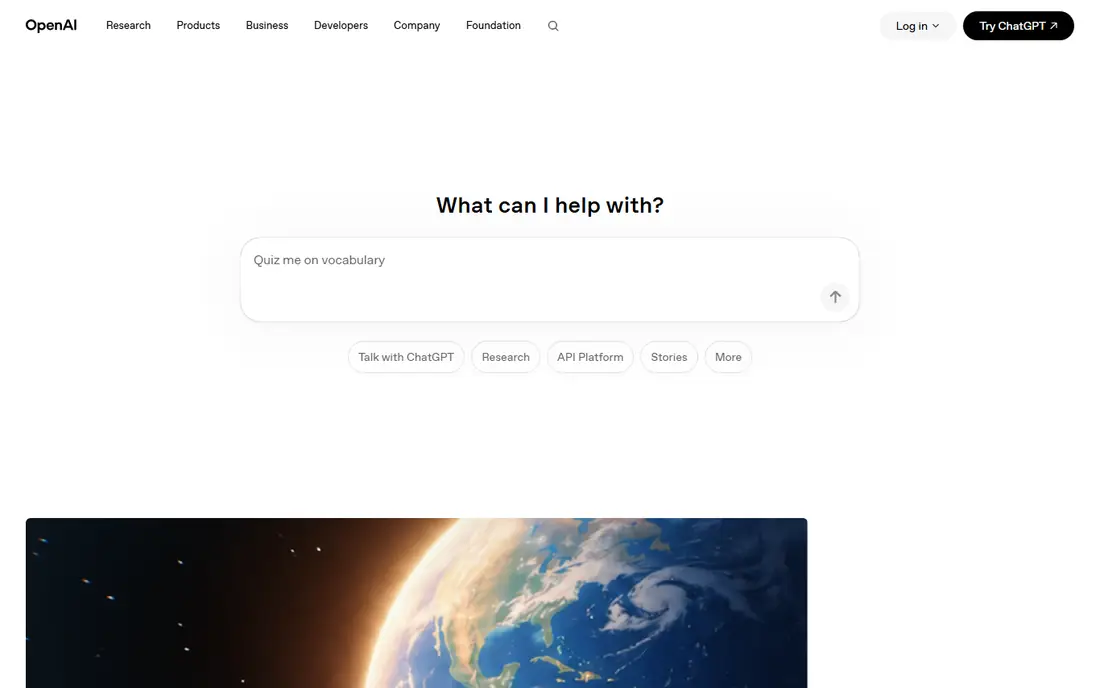
OpenAI remains the broadest generative AI company, with ChatGPT serving more than a billion monthly active users in published guides and an API platform that powers a huge share of AI startups. Its GPT family covers text, code, image, and voice, and its agent capabilities suit multi-step workflows that use tools and browse data. The ecosystem advantage is real: more developers know its APIs, more tools integrate with it, and hiring engineers with OpenAI experience is easier than with any rival.
The trade-offs are cost complexity and change. Pricing varies sharply by model tier, enterprise agreements take negotiation, and model updates can shift behavior in production systems. OpenAI fits teams that want the broadest platform, the deepest ecosystem, and the fastest access to new capabilities, especially consumer-facing products.
What we like- Broadest product and API ecosystem
- Largest hiring pool for AI engineers
- Strong agent capabilities
Watch out for- Pricing varies by model tier
- Enterprise terms complex
- Model behavior changes with updates

#2Anthropic
Best for: Enterprise reliability4.6/5 on
G2 (147 reviews, checked Oct 2026)
Visit anthropic.com
Starting priceFree
Free planYes
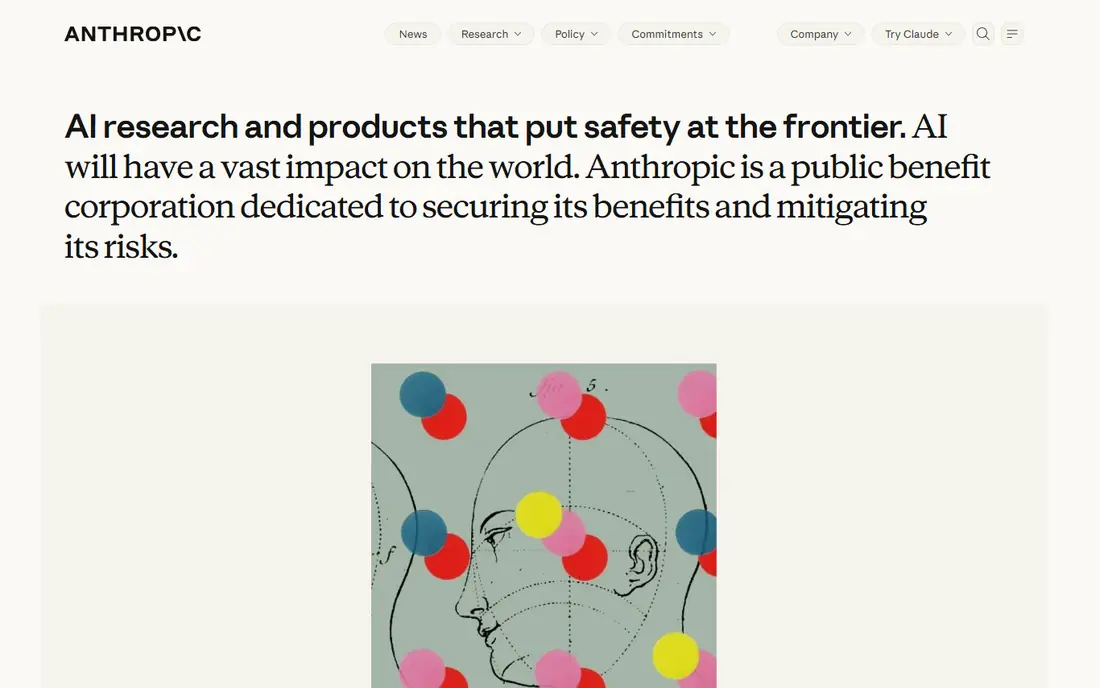
Anthropic's Claude family is the enterprise reliability pick in 2026 guides, with Claude Sonnet rated the top choice for production agent systems that need steady multi-step reasoning and consistent tool use under load. Long-document analysis and coding are particular strengths, and the company's safety research background appeals to regulated buyers. Its run-rate passed $5 billion on enterprise and developer demand in published guides.
Prices run above low-cost rivals, and the consumer footprint trails OpenAI, so teams building consumer apps may find a smaller user base to learn from. Anthropic fits enterprises and developers who value output quality, reliability, and long-context work over the lowest token price.
What we like- Strongest production agent reliability in guides
- Long-context handling
- Safety research depth
Watch out for- Higher prices than DeepSeek
- Smaller consumer footprint
- Enterprise sales process
Starting priceFree
Free planYes
Google DeepMind pairs world-class research with the Gemini model family, which sits at the center of Google Search, Workspace, and Cloud products. Its strengths run to multimodal work, combining text, image, audio, and video, and to long-context workflows that handle very large documents. In October 2026 arena rankings, Google held the top text score, which reflects the pace of its recent releases.
Enterprise buying runs through Google Cloud, which suits teams already on Google infrastructure but adds steps for others. Product naming changes often, which can confuse buyers tracking Vertex AI and Gemini Enterprise. Google DeepMind fits teams that want research depth, multimodal strength, and Google ecosystem integration.
What we like- Deepest research bench
- Gemini multimodal strength
- Google product integration
Watch out for- Enterprise buying runs through Google Cloud
- Product naming changes often
- Consumer app trails ChatGPT
Starting priceFree
Free planYes
Meta AI leads the open-weight movement with its Llama model family, which teams can download, fine-tune, and self-host. That control suits organizations with data residency rules, air-gapped systems, or custom fine-tuning needs that public APIs cannot meet. Meta also distributes AI through its social products, giving its models massive consumer exposure, and its research output remains among the largest in the field.
License terms limit some commercial uses, and enterprise support is thinner than Anthropic or OpenAI offer, so teams need in-house expertise to run Llama well. Model quality varies by size, with smaller Llama models trailing frontier rivals on hard reasoning. Meta fits teams that need open weights, self-hosting, and fine-tuning control.
What we like- Open-weight Llama models
- Huge research output
- Social product distribution
Watch out for- License terms limit some commercial uses
- Enterprise support thinner than rivals
- Model quality varies by size
Starting priceFree
Free planYes
Mistral AI is the European open-weight champion, with models released under Apache 2.0 licensing that teams can self-host without the restrictions of other open licenses. Its Le Chat product reached 5 million monthly users in published guides, and its data-residency story appeals to European enterprises and public-sector buyers. The company also offers API access for teams that want Mistral quality without hosting.
Scale trails the US labs, and the enterprise ecosystem is thinner, with fewer integrations and a smaller hiring pool. Mistral fits European buyers, sovereignty-conscious teams, and organizations that want a contractual exit: if the vendor relationship ends, the same weights can be self-hosted.
What we like- Open-weight models under Apache 2.0
- European data residency
- Le Chat product
Watch out for- Smaller scale than US labs
- Enterprise ecosystem thinner
- Consumer reach limited
Starting priceFree
Free planYes
DeepSeek disrupted AI pricing with reasoning models that cost a fraction of frontier rivals, with cached token pricing near $0.07 per million tokens in published comparisons. Its open weights carry MIT licensing, and its models suit high-volume batch processing, summarization, and data work where unit cost decides feasibility. For teams running millions of tokens daily, the savings versus frontier APIs are large.
The enterprise ecosystem is smaller, with thinner support, compliance documentation, and integration depth than Anthropic or OpenAI. Some buyers also weigh geopolitical scrutiny of a China-based lab. DeepSeek fits cost-sensitive teams doing high-volume batch work who can manage support and compliance themselves.
What we like- Very low token pricing
- Strong reasoning models
- MIT-licensed open weights
Watch out for- Smaller enterprise ecosystem
- Support and compliance depth thinner
- Geopolitical scrutiny

#7Cohere
Best for: Regulated enterprises4.2/5 on
G2 (27 reviews, checked Oct 2026)
Visit cohere.com
Starting priceFree
Free planYes
Cohere targets regulated enterprises that need models inside their own virtual private cloud rather than on a public endpoint. Its retrieval-augmented generation, embeddings, and enterprise search strengths suit banks, insurers, and governments that must keep data inside controlled infrastructure. Private deployment options and compliance documentation are central to its pitch.
The model range is smaller than frontier labs, and consumer presence is minimal, so teams wanting the latest consumer features should look elsewhere. Private deployment pricing is quote-based. Cohere fits regulated enterprises that prioritize data control, retrieval quality, and private deployment over frontier model breadth.
What we like- Private deployment inside customer VPC
- Retrieval and embedding strength
- Regulated-industry focus
Watch out for- Smaller model range than frontier labs
- Consumer footprint minimal
- Pricing quote-based for private deploys
Starting priceSee website
Free planNo
Midjourney is the image-generation specialist in this list, with about $500 million in revenue from image-first creators and a fully self-funded business. Its image quality is widely regarded as the best among general image generators, and its creator community on Discord drives styles, techniques, and feedback. Paid plans start near $10 per month in published guides.
The limits are clear: Midjourney offers no text models, no free tier, and its Discord-based workflow feels unusual beside web apps from rivals. It fits creators, marketers, and designers who want the best image output and are comfortable working inside Discord, rather than teams that need text and image from one vendor.
What we like- Best-regarded image quality among creators
- Self-funded independence
- Strong creator community
Watch out for- Paid plans only
- Discord-based workflow
- No text model offering
How we chose
We ranked companies on model quality, production readiness, ecosystem depth, pricing, and 2026 guide consensus, including arena rankings and enterprise adoption reports. Frontier labs scored on capability and reliability, while open-weight providers scored on deployment control and cost. Model versions move fast, so we named model families rather than pinning every claim to a single release. Every company here runs a live generative AI business in 2026 with a public site.
How to pick a generative AI company
Start with the deployment constraint, since it eliminates options fast. Teams that must keep data inside their own infrastructure should shortlist Meta, Mistral, Cohere, or DeepSeek for self-hosting, while teams that can use public APIs should compare OpenAI, Anthropic, and Google DeepMind on task quality. Test with your own data, not benchmarks alone, since arena scores do not predict performance on your documents, code, or customers.
Next, plan for redundancy. Most enterprises use two or three providers, routing tasks to the best model for each job and keeping a fallback when one provider has an outage or a price change. Watch token costs at scale: a model that wins on quality can lose on unit economics for high-volume batch work, where DeepSeek or an open-weight deployment may fit better. Finally, set governance early, covering data retention, output review, and acceptable use, since generative AI output needs human checks before it reaches customers. Also budget for evaluation and monitoring. A model that scores well in a demo can drift in production, so keep a held-out test set drawn from your own data and re-run it after every provider update. Track cost per task, not just cost per token, since a cheaper model that needs three retries can cost more than a dearer model that answers once. Finally, train the team: prompt design, output review, and escalation rules matter more than the choice of lab for most buyers.
Frequently asked questions
Which generative AI company is best overall?
No single lab leads every task. OpenAI leads on breadth and ecosystem, Anthropic on enterprise reliability, Google DeepMind on research and multimodal work, and Meta and Mistral on open-weight deployment. Pick by task and constraint, not by headline ranking.
Should I use one AI provider or several?
Most enterprises use two or three providers for redundancy and task fit. Routing coding to one lab, long documents to another, and batch work to a low-cost provider usually beats forcing every task through one model.
Are open-weight models really free?
Weights are free to download, but running them costs compute, engineering time, and support. For occasional use, a public API is usually cheaper, while high-volume or sovereignty-constrained work can favor self-hosting.
How fast do AI models change?
Very fast: frontier labs release major updates several times a year, and behavior can shift with each release. Pin model versions in production, test updates before rollout, and keep evaluation sets for your own tasks.
Is generative AI safe for business data?
It depends on the deployment. Public APIs may retain prompts under default terms, while private deployments and enterprise agreements offer stronger controls. Read the data policy for your tier and region before sending sensitive data.
Sources we checked (0)
Is your product missing or out of date?
We review this list regularly. Vendors can request a listing, send updated pricing or ask about featured placement.

Shihab Mia · Founder, Rankite
Shihab has 5+ years in B2B and SaaS SEO. He writes Rankite's software buying guides from pricing pages, documentation and public user reviews. More about Shihab.
 OpenAI
 Google DeepMind
 Meta AI
 Mistral AI
 DeepSeek
 Midjourney