How we make this list: we compare pricing pages, product documentation and public user reviews. Rankite is independent; if a vendor ever pays for a featured spot, that listing is clearly labeled Partner.
Key takeaways
- Kit (formerly ConvertKit, kit.com) remains the creator-focused standard, built for newsletters, courses and digital products.
- Beehiiv is the newsletter-native challenger with built-in monetization and growth tools.
- Substack (free; 10% fee on paid subscriptions) is the simplest path to a paid newsletter.
- Mailchimp, MailerLite, Flodesk, Ghost and Drip serve creators with different priorities from design to ownership.
Quick comparison
| Tool | Best for | Starting price | Free plan |
|---|
 Kit Kit | creators building businesses on email | Free; paid plans (see website) | Yes |
 Beehiiv Beehiiv | newsletters engineered for growth | Free; paid plans (see website) | Yes |
 Substack Substack | writers who want the simplest paid newsletter | Free; 10% fee on paid subscriptions | Yes |
 Mailchimp Mailchimp | creators who want the familiar all-rounder | Free; paid plans (see website) | Yes |
 MailerLite MailerLite | creators who want simplicity at low cost | Free; paid plans (see website) | Yes |
 Flodesk Flodesk | creators obsessed with beautiful emails | See website | Free trial |
 Ghost Ghost | creators who want to own their platform | Free (self-hosted); paid plans (see website) | Yes (self-hosted) |
 Drip Drip | creators selling with e-commerce depth | See website | Free trial |
Is your product missing or out of date?
We review this list regularly. Vendors can request a listing, send updated pricing or ask about featured placement.
#1
Kit
Best for: creators building businesses on email
Visit kit.com
Starting priceFree; paid plans (see website)
Free planYes
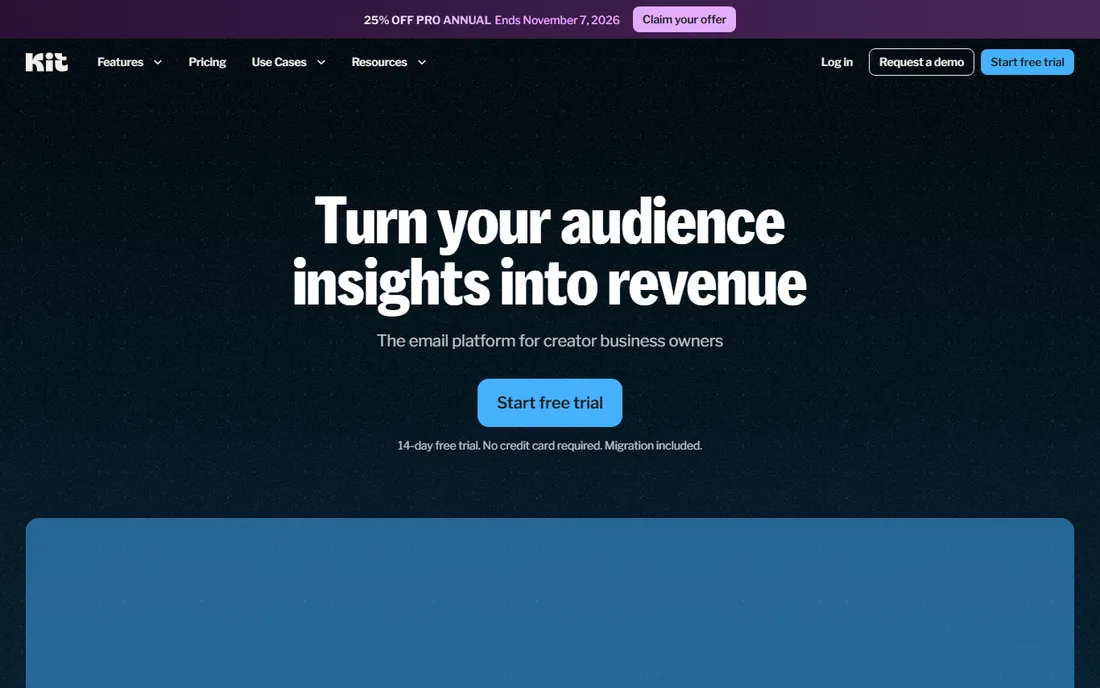
Kit (formerly ConvertKit) built the category of creator email: visual automation builders, landing pages, tip jars, paid newsletters and digital product sales, all designed for bloggers, YouTubers and course creators rather than corporate marketers. The free tier covers beginners generously.
Costs scale with subscribers, which stings as lists grow. The email templates prioritize deliverability over flashy design. For creators whose business runs on email, the purpose-built features justify the eventual cost.
What we like- Creator-specific features
- Visual automations
- Commerce integrations
Watch out for- Pricing climbs with list size
- Templates less flashy than Flodesk
Starting priceFree; paid plans (see website)
Free planYes
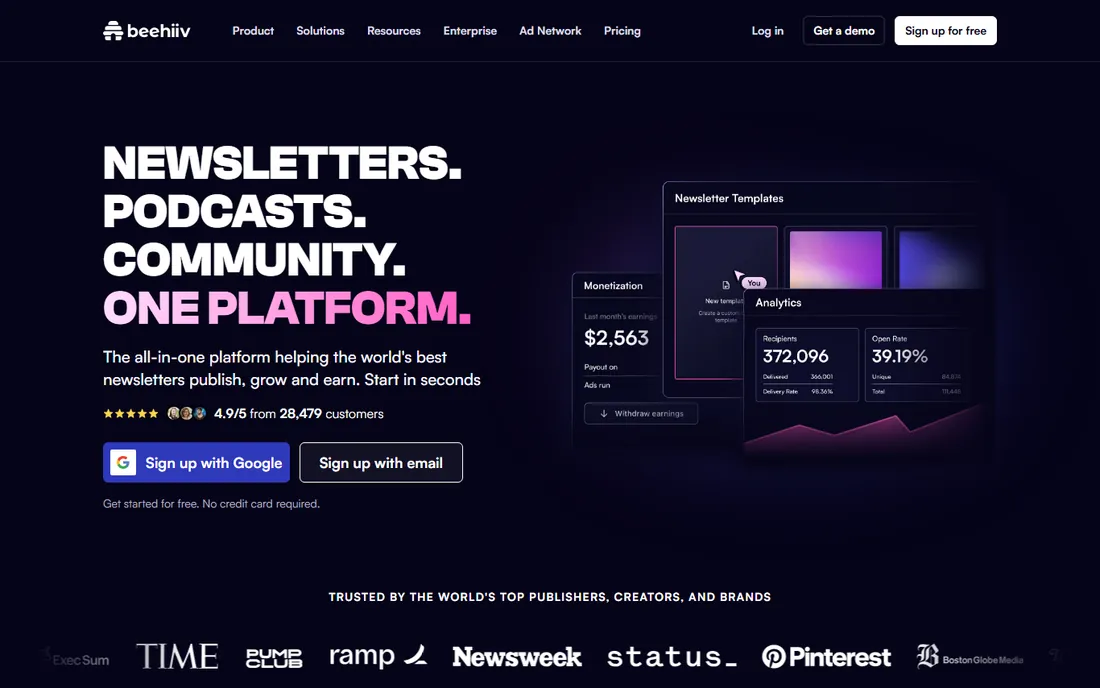
Beehiiv treats newsletters as media businesses: built-in ad network, paid boosts for cross-promotion, referral programs and analytics that show what drives growth. The free tier is generous, and the monetization tools work from day one. Newsletter-first creators grow faster here.
Automation and e-commerce features trail Kit. As a newer company, the long-term track record is shorter. For writers whose primary goal is newsletter growth and monetization, it is the most exciting option.
What we like- Built-in ad network and boosts
- Great analytics
- Generous free tier
Watch out for- Newer platform
- Less automation depth than Kit
Starting priceFree; 10% fee on paid subscriptions
Free planYes
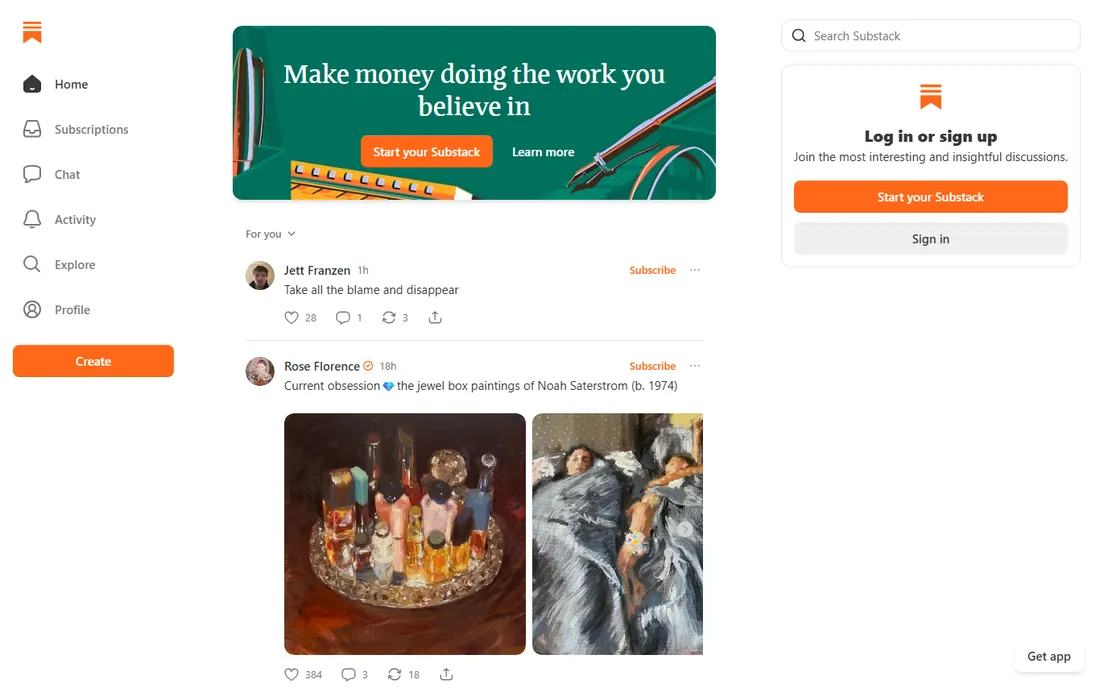
Substack removes every barrier: write, publish, charge, get paid. The discovery network brings readers, the payment handling just works, and the free tier costs nothing until you earn. Writers who want to write, not configure software, love it.
The 10% fee on paid subscriptions becomes expensive as revenue grows, and customization is limited. You are building on rented land. For validating a paid newsletter idea, nothing is faster; successful writers often graduate to owned platforms later.
What we like- Zero setup friction
- Built-in discovery
- Handles payments
Watch out for- 10% fee is steep at scale
- Limited customization
- Platform dependence
Starting priceFree; paid plans (see website)
Free planYes
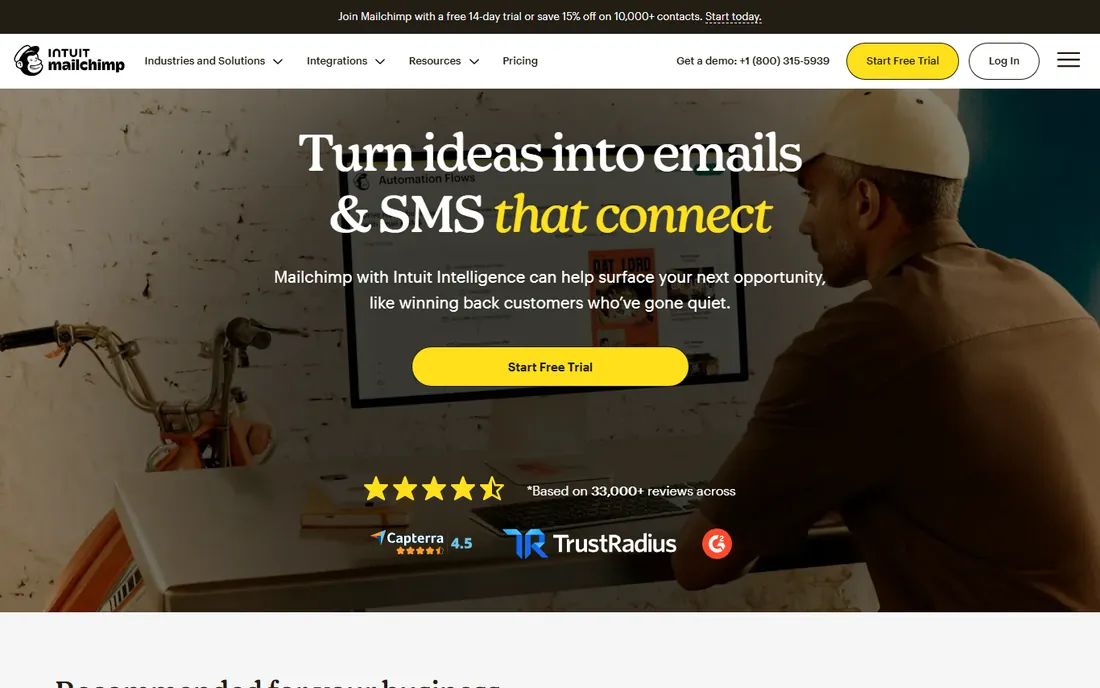
Mailchimp is the email marketing default: landing pages, automations, segmentation, ads and analytics in one familiar package. The free tier covers small lists, and everyone has heard of it. Creators who also need general marketing tools get breadth.
The pricing escalates steeply as lists grow, and creator-specific features (paid newsletters, tip jars) are thinner than Kit or Beehiiv. It is a generalist. For creators with straightforward email needs who value familiarity, it works.
What we like- Huge feature set
- Familiar interface
- Generous free tier
Watch out for- Pricing jumps at scale
- Creator features less focused
Starting priceFree; paid plans (see website)
Free planYes
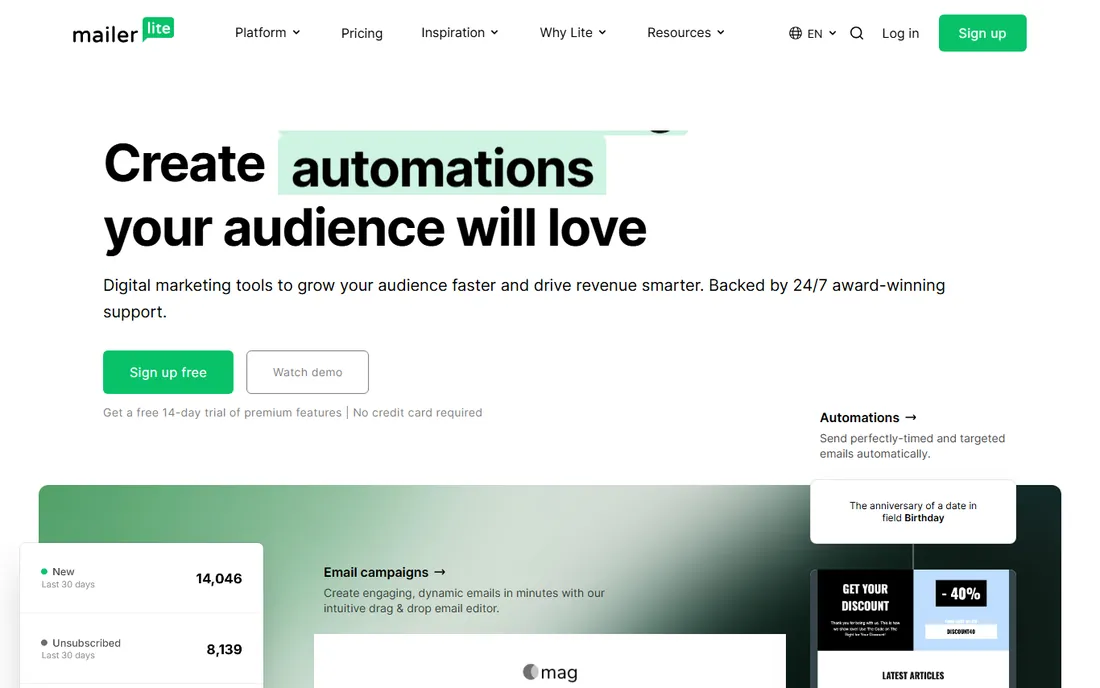
MailerLite does email well without bloat: clean builder, automations, landing pages and good deliverability at prices that undercut the big names. The free tier covers 1,000 subscribers. Creators who find Mailchimp overwhelming and Kit expensive land here happily.
Advanced automation and e-commerce depth are limited. The template selection is modest. For straightforward newsletters and announcements on a budget, the value is excellent.
What we like- Clean interface
- Affordable paid tiers
- Good deliverability
Watch out for- Fewer advanced features
- Smaller template library
Starting priceSee website
Free planFree trial
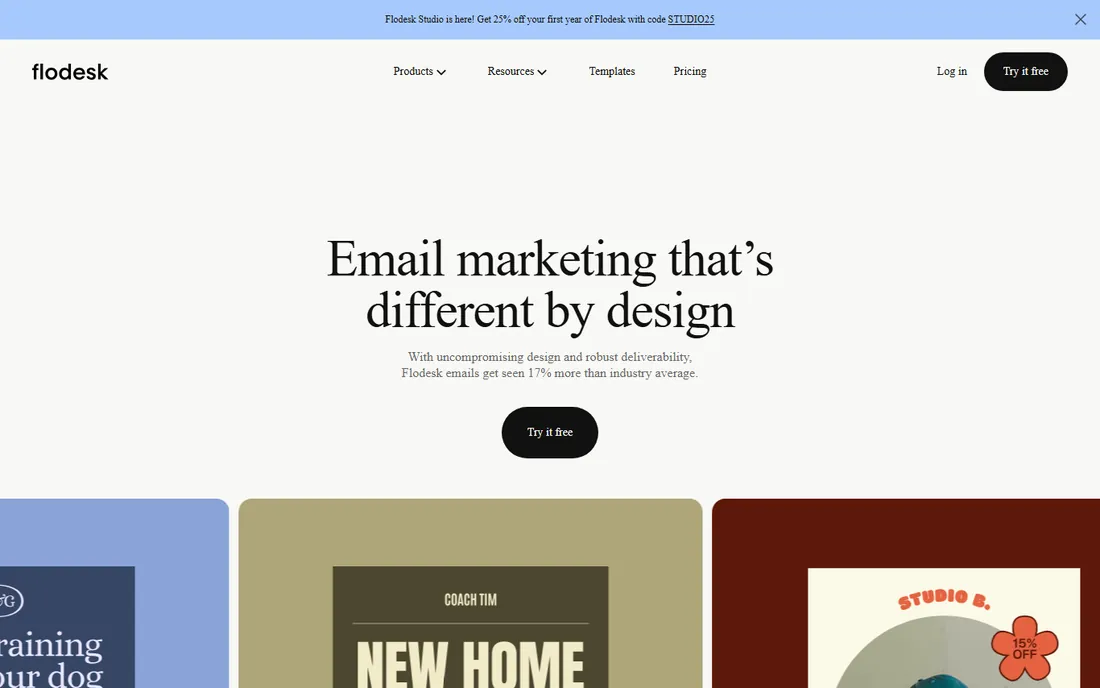
Flodesk emails look gorgeous: the templates are the best in the business, and the flat pricing (unlimited subscribers on paid plans) delights growing creators. The design experience is joyful compared to utilitarian competitors. Visual brands (photographers, designers, lifestyle creators) choose it for aesthetics.
Analytics and automation depth trail the leaders, and integrations are fewer. Pricing is not published on a simple tier. For creators where email design is brand-critical, the beauty justifies the tradeoffs.
What we like- Stunning templates
- Flat pricing
- Intuitive design
Watch out for- Analytics thinner
- Fewer integrations
Starting priceFree (self-hosted); paid plans (see website)
Free planYes (self-hosted)
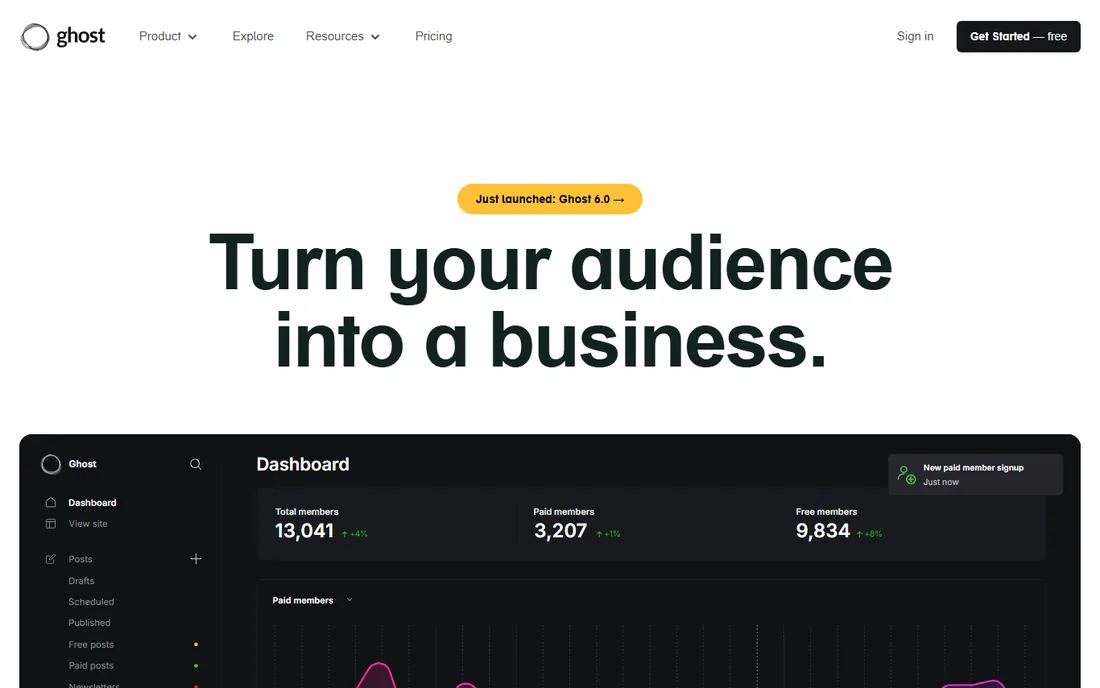
Ghost is the owned alternative: open-source publishing with memberships and paid newsletters built in, no revenue share, your domain, your data. Self-host free or use Ghost Pro hosting. Writers fleeing Substack's 10% fee and platform risk land here.
Self-hosting requires technical comfort; the managed hosting costs more than Substack's free tier. There is less discovery and hand-holding. For creators playing the long game who value independence, ownership outweighs convenience.
What we like- Full ownership
- No platform fees
- Publishing plus newsletters
Watch out for- Self-hosting needs technical skill
- Less hand-holding
#8
Drip
Best for: creators selling with e-commerce depth
Visit drip.com
Starting priceSee website
Free planFree trial
Drip brings e-commerce email sophistication to creators who sell: abandoned cart flows, post-purchase sequences, deep segmentation and revenue attribution. The visual workflow builder handles complex automation elegantly. Creator-merchants get enterprise-grade tools.
Simple newsletter writers find it excessive, and pricing is not transparent. This is for creators whose email drives product sales. If your business is content plus commerce, Drip's automation depth pays off.
What we like- Powerful e-commerce automations
- Good segmentation
- Visual workflows
Watch out for- Pricing not published
- Overkill for simple newsletters
How we chose
We evaluated current email platforms on creator-specific features, pricing, deliverability and real creator feedback, cross-checked against 2026 comparisons and creator communities. Every tool listed is actively maintained with a live homepage as of October 2026. We weighted newsletters, monetization, automation and ownership because creators need all four. Prices reflect each vendor's own published tiers.
The ownership question
Email is the only audience you truly own: algorithms change, platforms die, but your list exports anywhere. That makes the platform choice strategic. Substack and Beehiiv offer discovery and simplicity at the cost of platform dependence. Kit and Mailchimp are portable businesses on rented infrastructure. Ghost is full ownership.
The smart progression: start where it is easiest (often Substack or Beehiiv free), grow the list, then migrate to owned infrastructure (Kit or Ghost) once the audience justifies it. Always keep list backups regardless of platform. The creators who survived every platform shift did so because their email list moved with them.
What to check before you sign
Start with deliverability. The prettiest emails are worthless in spam folders. Check the platform's sender reputation practices, authentication requirements (SPF, DKIM, DMARC) and whether you get a dedicated IP at your volume. Ask about deliverability rates, not just features.
Then check the monetization math. Substack's 10% fee versus Kit's subscription cost versus Ghost's hosting: model each against your realistic subscriber and revenue projections. A 10% fee is cheap at $500/month revenue and expensive at $20,000/month. The right choice changes as you grow.
Finally, verify migration paths. Can you import and export your full list with tags and history? Platforms that lock in your data deserve skepticism. Test the export before you need it: the ability to leave is what makes staying a choice.
Also evaluate the automation capabilities against your actual funnel. Welcome sequences, abandoned browse flows, post-purchase follow-ups and re-engagement campaigns generate revenue on autopilot. Map your customer journey, then verify each platform automates the key steps. The platforms with the best visual automation builders (Kit, Drip) make complex sequences manageable; simpler tools may force manual workarounds.
Frequently asked questions
What is the best email platform for a new creator?
Start with Kit's free tier or Beehiiv's free tier for growth-focused newsletters, or Substack for the absolute simplest paid newsletter. All three are free to start; choose based on whether you prioritize automation (Kit), growth (Beehiiv) or simplicity (Substack).
How much does email marketing cost as my list grows?
Free tiers typically cover 500-1,000 subscribers. Paid plans scale with list size: expect $30-100/month at 5,000 subscribers, $100-300 at 25,000. Substack's 10% revenue fee and Flodesk's flat pricing are the exceptions. Model costs against your growth projections.
Should I use Substack or own my email list?
Substack for validation and simplicity; owned platforms (Kit, Ghost) for long-term businesses. Many successful creators start on Substack and migrate later. The key is owning your subscriber emails via regular exports regardless of platform.
How often should creators send emails?
Consistency matters more than frequency. Weekly is the sustainable standard for most creators. Daily works for news-driven newsletters. Monthly is too infrequent to build habits. Pick a cadence you can maintain for years, not weeks.
What is a good open rate for creator emails?
25-40% is typical for engaged creator lists; 40%+ is excellent. Smaller, engaged lists outperform large, cold ones. Focus on list quality over size: 1,000 true fans beat 10,000 disengaged subscribers for both revenue and deliverability.
Can I sell digital products through email platforms?
Yes. Kit has built-in commerce, Substack handles paid subscriptions, Beehiiv supports premium tiers, and Ghost manages memberships. For full stores, integrate with Shopify or Gumroad. Email is often the highest-converting sales channel creators have.
How do I grow my email list from zero?
Offer a lead magnet (free guide, template, checklist) promoted through your content, add signup forms to every page, and mention the newsletter in videos and social posts. Beehiiv's boosts and Substack's discovery help. Expect slow growth initially: 0 to 1,000 is the hardest stretch. Consistency in publishing matters more than growth hacks.
What should my welcome email sequence include?
An immediate delivery of the promised lead magnet, a personal introduction story, your best content highlights, and a clear statement of what subscribers will receive. Keep it to 3-5 emails over the first week. The welcome sequence sets expectations and builds the relationship that keeps subscribers opening.
How do I avoid the spam folder?
Use a custom domain for sending, authenticate with SPF/DKIM/DMARC, warm up new sending domains gradually, clean inactive subscribers regularly, and avoid spam trigger words in subject lines. Most importantly, send content people open: engagement rates are the strongest deliverability signal. A small engaged list beats a large cold one every time. Prune subscribers who have not opened in 6-12 months: they hurt deliverability and inflate your costs. A re-engagement campaign before pruning sometimes revives dormant readers; those who stay silent should go. Set up the pruning as a recurring automation so list hygiene happens continuously rather than as an annual chore. Your deliverability, costs and engagement metrics will all improve as the dead weight disappears. Clean lists are profitable lists. The discipline of regular pruning separates professional email marketers from amateurs who let their lists decay.
Sources we checked (8)
- https://www.kit.com
- https://www.beehiiv.com
- https://www.substack.com
- https://www.mailchimp.com
- https://www.mailerlite.com
- https://www.flodesk.com
- https://www.ghost.org
- https://www.drip.com
Is your product missing or out of date?
We review this list regularly. Vendors can request a listing, send updated pricing or ask about featured placement.

Shihab Mia · Founder, Rankite
Shihab has spent more than a decade helping SaaS and e-commerce brands grow through search. He writes Rankite's software buying guides from pricing pages, documentation and public user reviews. More about Shihab.