How we make this list: we compare pricing pages, product documentation and public user reviews. Ratings come from G2, Capterra or Trustpilot, with the date we checked them.
Key takeaways
- DoorDash and Uber Eats offer the most order volume in most cities; Amazon Flex and Spark Driver pay per block or batch, which makes earnings more predictable per hour.
- Every headline figure in this category is gross: fuel, vehicle wear, self employment tax and unpaid waiting time come out of it before the money is yours.
- Drivers who earn well treat apps as a portfolio, running two or three and accepting the best paying offer per hour rather than staying loyal to one.
- Track your real numbers, miles, hours and expenses, for two weeks before deciding any app works for you; the platforms will not do this maths for you.
Quick comparison
| Tool | Best for | Starting price | Free plan |
|---|
 DoorDash | The largest food delivery order volume | Free | Yes |
 Uber Eats | Drivers already on Uber or in dense cities | Free | Yes |
 Instacart Shopper | Grocery batches with higher pay per trip | Free | Yes |
 Amazon Flex | Set pay for scheduled delivery blocks | Free | Yes |
 Spark Driver | Walmart trips in suburban and rural areas | Free | Yes |
 Grubhub | Steady restaurant orders in its strong markets | Free | Yes |
 Shipt | Grocery and retail runs with regulars | Free | Yes |
Is your product missing or out of date?
We review this list regularly. Vendors can request a listing, send updated pricing or ask about featured placement.
The best delivery driver apps
Starting priceFree
Free planYes
What we like- DoorDash is the biggest food delivery platform in the US, which translates into the steadiest order flow in most markets and the most chances to be selective. Dashers choose per offer pay, see the guaranteed minimum before accepting, earn peak pay bonuses at busy times, and can cash out daily for a small fee or weekly free. Scheduling and Dash Now let both planners and spontaneous drivers work. For most new drivers, DoorDash is the baseline app: the volume against which every other app's offers get compared, hour by hour.
Watch out for- Base pay per order can be low, and total earnings lean heavily on tips, which vary by neighbourhood and order size. The gross hourly figures quoted for busy dinner rushes do not describe a Tuesday afternoon, and new drivers in saturated markets may wait for activation or get few offers. Vehicle costs are entirely yours, and DoorDash's mileage information helps with tax records but does not reimburse a cent of them. Acceptance rate pressure has eased from earlier years, but the best programmes reward drivers who take more orders.
Starting priceFree
Free planYes
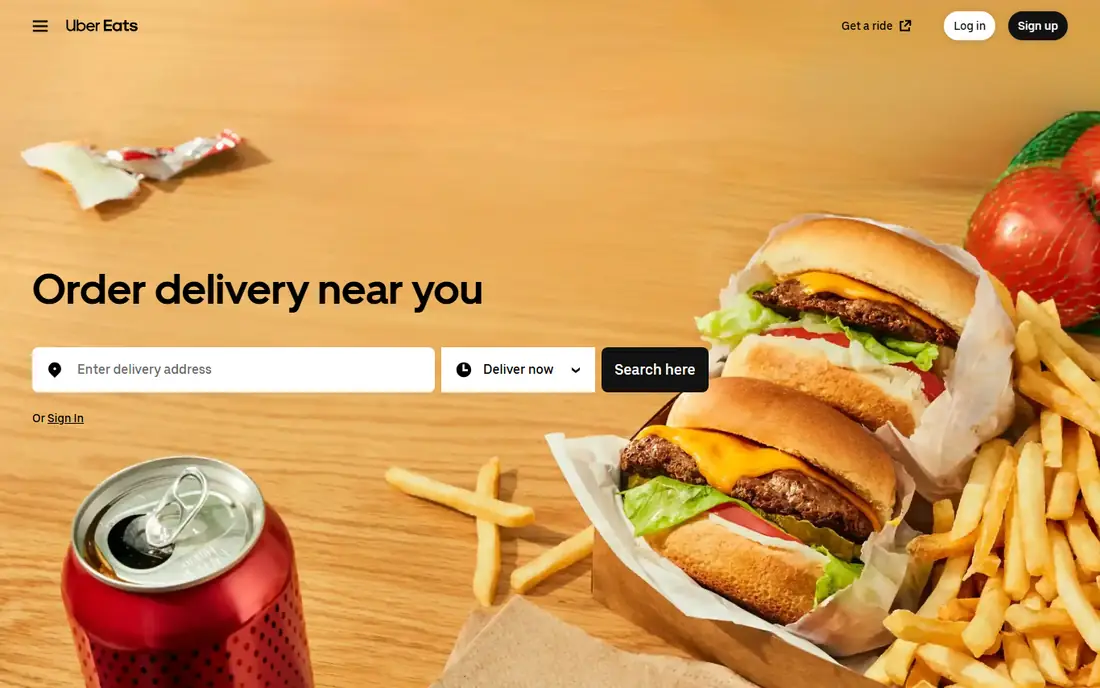
What we like- Uber Eats runs on Uber's network, and drivers who already drive for Uber can add deliveries under the same account, filling the gaps between rides with food orders. In dense cities its order volume rivals DoorDash, trip based pay is shown upfront on most offers, and the app experience is the most polished in this list. Surge and boost promotions at peak times are frequent in busy markets, and instant pay cash out is available for a fee. Bicycle and scooter delivery in city centres removes the car cost problem entirely for some drivers, which changes the net maths completely.
Watch out for- In many suburbs and smaller cities Eats volume trails DoorDash clearly, so it works best as the second app in a pair. Pay per trip without a good tip is thin, and bicycle earnings depend on a market where distances stay short. Uber's deactivation processes draw complaints from drivers across both platforms. As everywhere in this list, headline earnings are gross and engaged time only
- Your fuel, wear and tax are unitemised deductions you must track yourself.
Starting priceFree
Free planYes
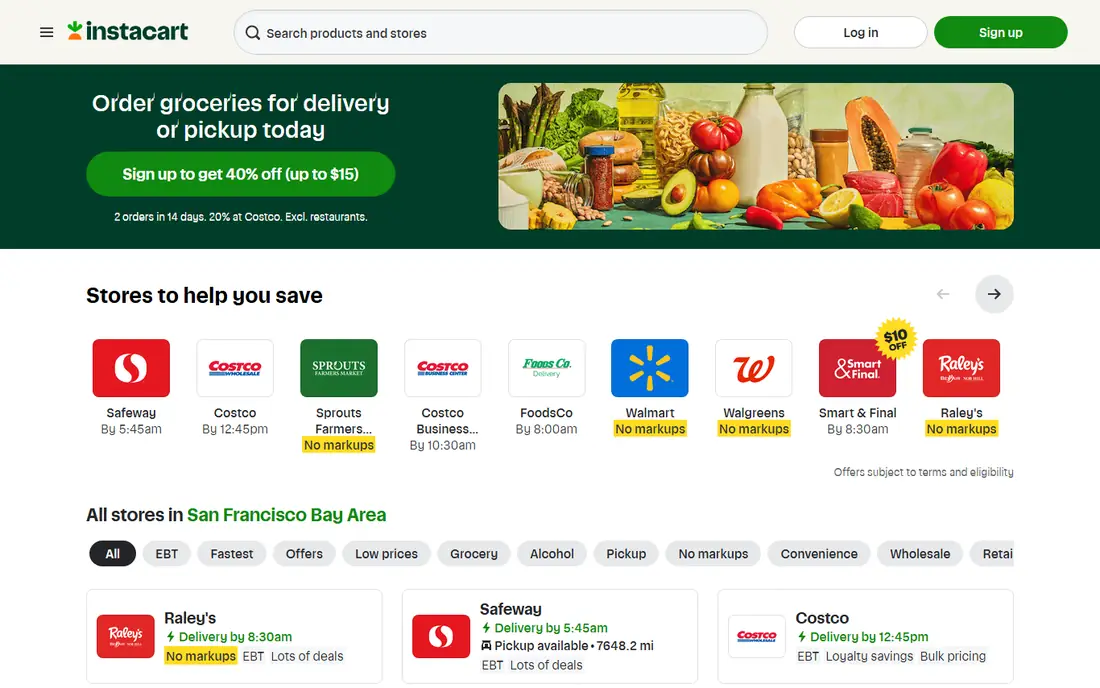
What we like- Instacart shoppers shop and deliver grocery batches, and batches pay more per trip than a single food order, sometimes substantially for large orders, because the work includes the shopping itself. Drivers who enjoy the in store part and learn their local stores' layouts earn strong hourly rates at peak grocery times, weekends and Sunday afternoons above all. Heavy order bonuses and tips from regular customers add up, and the work suits drivers who would rather walk a store than sit in a car between restaurants. Batch offers show estimated pay and items before acceptance.
Watch out for- Shopping time is the risk: a 60 item order in an unfamiliar store with missing items and customer messages can halve the effective hourly rate, and pay estimates assume a competent shop. Batch availability swings by store and hour. The physical side, cases of water, multi bag orders, buildings without lifts, is real labour. Vehicle costs apply as everywhere, and earnings figures Instacart publishes still describe gross batch pay before your miles. Experienced shoppers are picky about batches in a way new shoppers cannot yet afford to be.
Starting priceFree
Free planYes
What we like- Amazon Flex is the most predictable model in this list: you reserve a delivery block, commonly three to five hours, at a stated total pay shown before you accept, collect a route of packages from an Amazon station and deliver them. Amazon quotes block earnings in the region of 18 to 25 dollars per hour in many markets, and because the rate is set per block, a fast route genuinely raises your hourly figure instead of lowering your per order rate. No tips are needed to make the maths work and there is no restaurant waiting. For drivers who think in shifts, Flex is the closest thing to one.
Watch out for- Blocks are competitive to grab in popular markets and scarce in others, and the stated rate is still gross: a long rural route can put a hundred miles under a four hour block, which eats the margin at real vehicle costs. Finishing late pays no more. Package volume sometimes exceeds what fits sensibly in a small car. Flex also requires your car to be a sedan or larger in most markets, and station locations decide whether the deadhead drive to start the block makes it worth taking at all.
Starting priceFree
Free planYes
What we like- Spark Driver delivers Walmart's grocery and general merchandise orders, and its strength is geography: Walmart stores cover suburban and rural America where DoorDash volume thins out. Offers include shopping and delivery trips and curbside pickup runs, pay is shown per offer, and incentive programmes add bonuses for completing set numbers of trips in busy windows. Trip pay on good offers compares well per hour, and drivers report steadier daytime demand than food apps that live on dinner. It is the natural second app wherever a busy Walmart anchors local delivery.
Watch out for- Your market is only as good as your store: one quiet Walmart means one quiet app. Earnings still sit on the same contractor footing, gross pay against your own vehicle costs and taxes. Offer quality varies by time of day, and low paying pickup batches appear beside good ones, so selectivity is a skill here too. The app and support draw mixed reviews from drivers, and background check and onboarding times vary by market demand.
Starting priceFree
Free planYes
What we like- Grubhub, now owned by Wonder, is the veteran food delivery platform and remains strong in several major metro markets and many college towns. Its model includes scheduled blocks for drivers who want planned shifts, per order pay with a mileage component, and a contribution structure that in some markets tops up slow hours for drivers meeting programme terms, a small step toward predictable earnings that rivals mostly do not offer. Drivers in a Grubhub stronghold often find steadier, less frantic order flow than DoorDash's peaks and deserts.
Watch out for- Outside its strong markets there may be few orders or a waitlist to join, and its total footprint has shrunk relative to DoorDash. The earnings top up programmes come with acceptance and attendance conditions that reduce the flexibility many drivers came for. Pay remains gross and tip dependent. App development and driver perks trail the two giants, and market by market variability is the highest in this list: brilliant in one city, absent in the next.
Starting priceFree
Free planYes
What we like- Shipt shoppers buy and deliver from Target and other retailers, and the platform leans toward relationships: customers can request favourite shoppers, so good shoppers build a base of regulars whose orders are familiar and whose tips reflect the relationship. Order pay is shown in a range before acceptance, promo pay lifts busy periods, and the shopping is grocery and household goods rather than restaurant queues. For a driver in a Target heavy market who likes the shopping side, Shipt's regular customer model gives the work a steadiness per offer apps rarely match.
Watch out for- Order volume is lower than Instacart's in most markets, so Shipt is usually the complement rather than the whole income. Preferred member relationships take months to build, during which offers are less predictable. Pay ranges rather than firm figures on some offers complicate the accept decision. And the standard warning holds with full force: pay is gross, your car and your tax bill are your own, and a big vehicle with poor economy quietly taxes every order.
How we chose
We compared the driver apps with meaningful US order volume in October 2026 across food, grocery and parcel delivery, the work a new driver can realistically start this month. Each is free to join, hires independent contractors and pays per task or per block as described. We weighted order volume first, because an app that pays well per trip and offers two trips a day earns less than a busier one, and we described pay as the platforms present it alongside the costs they leave out. Earnings vary so much by city, vehicle and hours that this guide quotes platform figures only as gross illustrations, never as promises, and any source guaranteeing an hourly income from these apps should be ignored.
How to make the maths work as a driver
Start by finding your true hourly rate for two honest weeks. Log every mile from leaving home to returning, every hour including waiting, all pay and tips, and fuel receipts. Set aside a fixed share, many drivers use 25 to 30 percent of gross, in a separate account for tax, and price your vehicle honestly: the standard mileage deduction exists because wear is real, and a driver who ignores it is spending their car. Your net per hour after all that is the only number that decides whether an app, or delivery itself, beats a local job.
Then optimise what is actually in your control. Work the peaks, lunch, dinner, weekend grocery hours, when offers and bonuses concentrate. Run two or three apps and let them compete for your hour. Decline offers that pay poorly per mile, since miles are your main cost; a low paying long trip is worse than waiting five minutes for a better one. Keep the car cheap to run: in this work the vehicle is the business, and a reliable economical car quietly out earns a nicer one on every single shift. Finally, review monthly like a business, because that is what you are: if the net figure disappoints for two months running, the honest options are a different market, different hours, or a different job.
Frequently asked questions
How much do delivery drivers really make per hour?
After expenses, most drivers who track carefully land between about 12 and 20 dollars per hour of total working time, depending on city, vehicle and hours worked, with peak specialists in strong markets above that and slow market drivers below. Platforms advertise gross figures for busy periods, commonly 20 to 25 dollars per engaged hour. The gap between the two numbers is fuel and wear, taxes, and the unpaid gaps between orders. Your own two week log is worth more than any average, including this one.
Which app pays best for beginners?
DoorDash, as a starting point, because order volume forgives beginner mistakes and you can almost always find work at meal times. Add Uber Eats or Spark Driver once approved, and let the apps compete. Amazon Flex pays most predictably per block where blocks are available. Beginners earn least in their first weeks on every app while learning which offers to refuse; that learning, not the app choice, is where most of the money difference lives.
Do I pay tax on delivery earnings?
Yes. You are self employed: the apps report your earnings, you owe income tax plus self employment tax of 15.3 percent covering Social Security and Medicare, and no one withholds anything during the year. Track mileage and expenses from day one, since the standard mileage deduction is usually a driver's largest deduction, and set money aside with every payout rather than facing the bill in April. Many drivers pay estimated tax quarterly. This is general information, not tax advice; a short session with a tax professional pays for itself in the first year.
Is it worth using my car for delivery work?
It depends on the car and the rate you actually net. An economical, reliable car you already own, run at peak hours in a decent market, can produce a fair flexible income. Financing a car for delivery work, or running an expensive vehicle with high fuel and repair costs, usually destroys the margin: the payment and depreciation continue on days you do not drive. Run the honest maths from the section above on your own numbers before committing a vehicle you cannot afford to wear out.
Can I work for several delivery apps at once?
Yes. Drivers are contractors, and multi apping is standard practice: stay available on two or three apps, accept the best offer, and pause the others while completing it. The apps prohibit running their own deliveries simultaneously with a rival's in ways that delay orders, so the discipline is one active delivery at a time, with the other apps paused. Just never let acceptance chasing make you drive unsafely or rush; no bonus in any of these apps is priced against an accident.
Sources we checked (0)
Is your product missing or out of date?
We review this list regularly. Vendors can request a listing, send updated pricing or ask about featured placement.

Shihab Mia · Founder, Rankite
Shihab has 5+ years in B2B and SaaS SEO. He writes Rankite's software buying guides from pricing pages, documentation and public user reviews. More about Shihab.