How we make this list: we compare pricing pages, product documentation and public user reviews. Ratings come from G2, Capterra or Trustpilot, with the date we checked them.
Key takeaways
- DoorDash offers the most order volume in most US cities, while Amazon Flex offers the most predictable pay through scheduled blocks.
- Instacart and Shipt pay for grocery shopping as well as delivery, so tips tend to be higher but each job takes longer.
- Uber Eats suits cyclists and walkers in dense cities, where a car is not always the fastest option.
- Reported hourly pay varies widely by city, time of day and vehicle costs, so track your own net pay after fuel and taxes.
Quick comparison
| Tool | Best for | Starting price | Free plan |
|---|
 DoorDash | Most order volume | $15-$25 per hour (reported gross) | Yes |
 Uber Eats | Flexible vehicle options | $14-$28 per hour (reported gross) | Yes |
 Instacart | Grocery tips | $14-$25 per hour (reported gross) | Yes |
 Amazon Flex | Predictable block pay | $18-$25 per hour (published range) | Yes |
 Grubhub | Scheduled dinner shifts | $12-$22 per hour (reported gross) | Yes |
 Shipt | Target and grocery orders | $16-$25 per hour (reported gross) | Yes |
 Walmart Spark | Walmart grocery delivery | $15-$23 per hour (reported gross) | Yes |
 Gopuff | Short convenience trips | $16-$22 per hour (reported gross) | Yes |
Is your product missing or out of date?
We review this list regularly. Vendors can request a listing, send updated pricing or ask about featured placement.
The best delivery apps to work for
Starting price$15-$25 per hour (reported gross)
Free planYes
DoorDash is the easiest starting point for a new delivery driver. The platform holds a large share of the US food delivery market, which means less waiting between orders in most cities. You can go online when you want, decline orders you do not want, and work in short bursts around another job or school. Sign-up is fast in many markets, and new drivers often get guaranteed earnings promotions in their first weeks.
The main drawback is pay structure. Base pay per order is modest, often in the low single digits, so tips carry much of the income. That makes earnings uneven across shifts, and a slow night can feel like wasted time. Drivers who track mileage, fuel and taxes get a clearer picture of net pay, and many experienced drivers run DoorDash alongside a second app to fill gaps.
What we like- High order volume in most cities
- Go online any time
- Fast Pay option for eligible drivers
Watch out for- Base pay is low and tip-dependent
- No guaranteed hourly rate on most orders
Starting price$14-$28 per hour (reported gross)
Free planYes
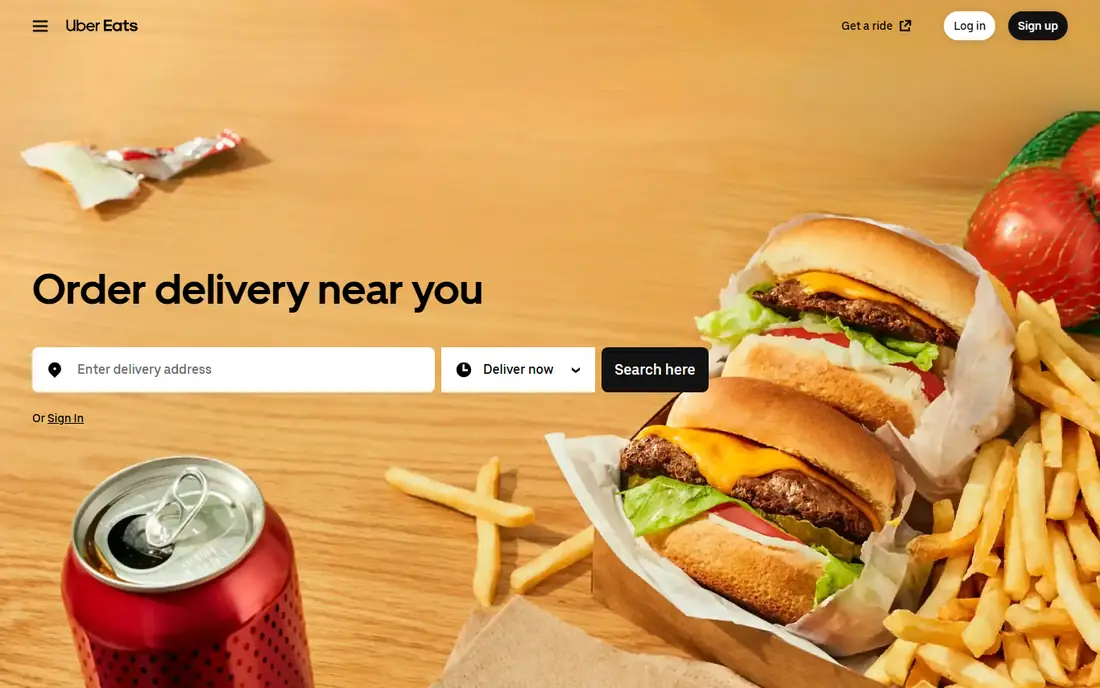
Uber Eats suits a driver who does not want to rely on a car. In dense cities, cyclists and walkers often beat car drivers on short trips because parking and traffic eat into car earnings. The app shows trip details before you accept, and Quest bonuses pay extra for completing a set number of deliveries in a period. If you already drive for Uber, adding Eats uses the same driver profile and payout setup.
Tip changes are the main frustration. A customer can adjust a tip for a limited window after delivery, so a good shift can shrink after the fact. Earnings also swing with surge pricing and local demand, so a driver in a busy downtown will see very different numbers from a driver in a suburb. For flexible, multi-mode delivery, Uber Eats still earns a top spot.
What we like- Car, bike, scooter or walking delivery in many cities
- Upfront trip details
- Quest bonuses
Watch out for- Customers can change tips for a limited time after delivery
- Earnings vary sharply by city
Starting price$14-$25 per hour (reported gross)
Free planYes
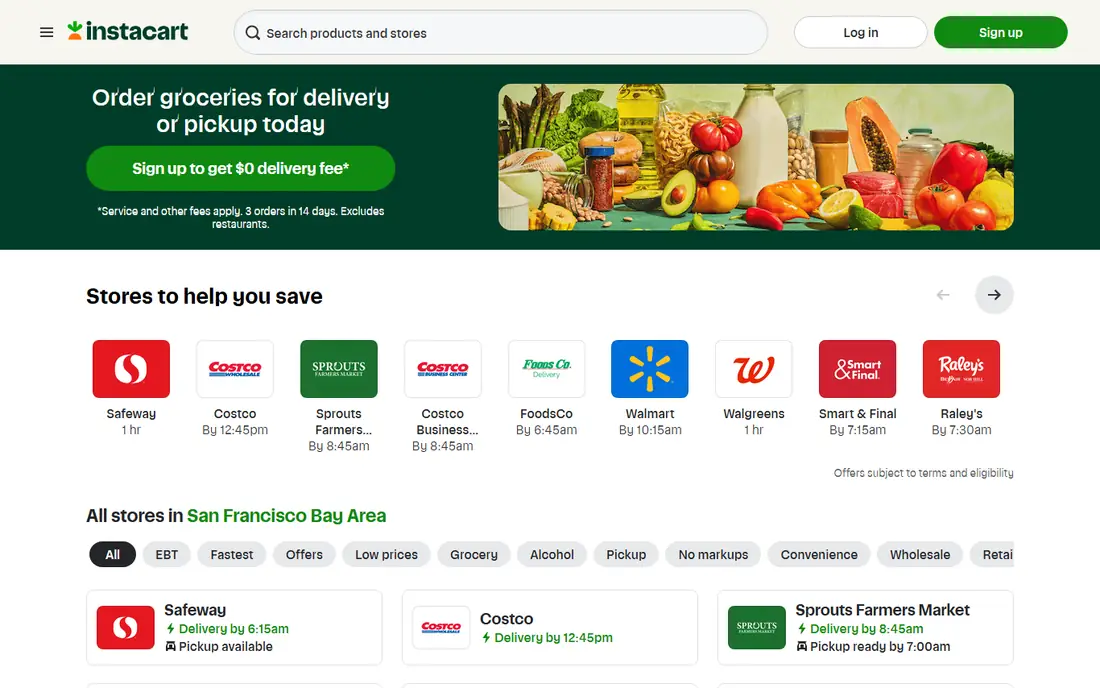
Instacart pays for shopping as well as driving, which changes the math. A full-service shopper picks items, messages the customer about replacements, and delivers the order, while a delivery-only shopper handles drop-off. Grocery orders are larger than restaurant orders, so tips tend to be higher, and shoppers keep all of their tips. For a driver who knows grocery stores well and likes choosing batches carefully, Instacart can out-earn food-only apps.
The work is heavier. A large order can mean many bags, stairs and a long store visit, and a bad batch choice can tie up an hour for modest pay. New shoppers also face a longer sign-up and background check process than food apps. If you enjoy shopping and you live near busy grocery stores, Instacart is worth the extra effort.
What we like- Higher tips on larger grocery orders
- Shoppers keep 100 percent of tips
- Full-service and delivery-only roles
Watch out for- Shopping takes longer per job
- Heavy lifting and customer messages add work
Starting price$18-$25 per hour (published range)
Free planYes
Amazon Flex is the pick for a driver who wants to know the pay before starting. You reserve a delivery block, see the pay for that block, and deliver packages from a station or store. Amazon publishes a range of about $18 to $25 per hour for most drivers, and tips do not drive the result the way they do on food apps. That predictability helps a driver who plans bills around gig income.
Block availability is the catch. Popular blocks go fast, and you cannot simply open the app and start earning at any hour. Packages can also be heavy or bulky, so a larger vehicle helps. For a driver who can plan ahead and grab blocks early, Flex offers the steadiest pay in this list.
What we like- Pay shown before you accept a block
- Less tip dependence
- Package work avoids restaurant waits
Watch out for- Blocks are competitive and limited
- Larger vehicle helps for bigger loads
Starting price$12-$22 per hour (reported gross)
Free planYes
Grubhub works best for a driver who likes structure. You schedule blocks in advance, and in some markets Grubhub tops up pay to a minimum rate during those blocks. Dinner is the strongest period, so a driver who works evenings can find steady orders. The app is straightforward, and drivers who learn their local restaurant clusters can cut down on dead miles.
Volume is the limit. Grubhub trails DoorDash in many cities, so a driver outside a strong Grubhub market may wait longer between orders. Scheduling also means less freedom to start and stop at any moment. For a driver who wants a predictable evening shift rather than all-day flexibility, Grubhub is a solid choice.
What we like- Scheduled blocks bring order in busy periods
- Some markets top up pay during blocks
- Dinner demand is strong
Watch out for- Lower volume than DoorDash in many cities
- Scheduling limits pure flexibility
Starting price$16-$25 per hour (reported gross)
Free planYes
Shipt focuses on grocery and retail shopping, with Target as a major partner. Shoppers pick and deliver orders, and repeat customers can choose a preferred shopper, which builds steadier work over time. Tips are kept in full, and larger retail orders can pay well. For a driver in a Target-heavy suburb, Shipt can become a reliable second income stream.
Coverage is uneven. Shipt is stronger in some regions than others, and a shopper in a weak market may see fewer orders. Shopping also takes real time, so an order that looks good on paper can pay less per hour than a quick food delivery. If your area has strong Shipt demand, the preferred shopper path rewards consistency.
What we like- Preferred shopper perks on repeat orders
- Target partnership brings steady demand
- Shoppers keep tips
Watch out for- Membership-based customer base limits some markets
- Shopping time varies by order size
Starting price$15-$23 per hour (reported gross)
Free planYes
Walmart Spark, through the Spark Driver app, connects drivers with Walmart grocery and retail deliveries. The order base is large in suburban areas with busy Walmart stores, and peak incentives can lift pay on weekends and holidays. Drivers accept or decline offers, and the app shows order details before acceptance. For a driver near a high-volume Walmart, Spark can fill shifts that food apps leave empty.
Earnings still depend on tips and incentives, and some orders include heavy cases of water, pet food or bulk goods. A small car can struggle with the largest orders, so vehicle choice matters. Spark works best as part of a multi-app routine, paired with DoorDash or Instacart for gaps between Walmart orders.
What we like- Large Walmart order base
- Grocery and retail orders
- Incentives during peak times
Watch out for- Pay depends on tips and incentives
- Some orders involve heavy or bulky items
Starting price$16-$22 per hour (reported gross)
Free planYes
Gopuff delivers convenience items from its own local hubs rather than from restaurants or grocery stores. That model means shorter trips, less waiting for food preparation, and fewer dead miles between orders. Drivers pick up at a hub and deliver nearby, which keeps each run compact. For a driver who wants quick, repeatable trips in a dense area, Gopuff is an appealing change from restaurant delivery.
The limit is geography. Gopuff only operates where it has hubs, so many towns have no Gopuff work at all. Late-night demand is also a big part of the model, which suits night owls more than morning drivers. If a hub sits near you and you like short trips, Gopuff deserves a trial shift.
What we like- Short trips from local hubs
- Less waiting at restaurants
- Hub model cuts dead miles
Watch out for- Hub-based work limits coverage areas
- Late-night shifts suit the model best
How we chose
We compared published pay ranges, driver reports, sign-up requirements, scheduling models and vehicle options across the major US delivery platforms. We treated hourly figures as reported ranges that vary by city and season, not as promises, and we noted where pay depends on tips or scheduled blocks. We did not claim hands-on testing, and we weighed flexibility, order volume and net-pay factors such as fuel and vehicle wear alongside headline pay.
How to pick the right app for your situation
Start with your vehicle and your city. A cyclist in a dense downtown should test Uber Eats and Gopuff first, while a driver with a large car near a Walmart or Target should test Spark, Shipt or Amazon Flex. A new driver who wants the simplest start should begin with DoorDash, where order volume forgives early mistakes. Track every shift for a month, including miles, fuel and time spent waiting, so you can compare net pay rather than gross pay.
Taxes deserve a plan from the first week. Gig drivers are usually independent contractors, so set aside a share of earnings for taxes and keep mileage records. Many drivers use a mileage tracking app and a separate bank account for gig income. Finally, consider running two apps at once. Multi-apping fills slow periods, but check each platform's rules and never accept two timed orders you cannot both complete well.
Frequently asked questions
Which delivery app pays the most?
It depends on your city and vehicle. Amazon Flex offers the most predictable published range, while Instacart often leads on tips for grocery work. In most markets, the highest net pay comes from combining two apps and working peak hours, not from one app alone.
Do I need a car to deliver?
No, not everywhere. Uber Eats allows bike, scooter and walking delivery in many dense cities, and Gopuff trips are short. DoorDash, Grubhub and grocery apps usually require a car, especially in suburbs, so check vehicle rules for your market before signing up.
How fast can I start earning?
Food apps such as DoorDash and Uber Eats often approve drivers in a few days, while Instacart, Amazon Flex and Shipt can take one to three weeks for background checks and onboarding. Apply to more than one platform if you need income quickly.
Are delivery drivers employees?
In most US markets, delivery drivers for these platforms are independent contractors, not employees. That means you set your own hours, but you also handle your own taxes, insurance and vehicle costs, so track expenses carefully.
What costs should I count against my pay?
Fuel, vehicle wear, phone data, insurance and taxes are the main costs. A common rule is to set aside 25 to 30 percent of gross earnings for taxes, then subtract fuel and maintenance to find your true hourly rate.
Sources we checked (8)
- https://www.doordash.com
- https://www.ubereats.com
- https://www.instacart.com
- https://flex.amazon.com
- https://www.grubhub.com
- https://www.shipt.com
- https://www.sparkdriver.com
- https://www.gopuff.com
Is your product missing or out of date?
We review this list regularly. Vendors can request a listing, send updated pricing or ask about featured placement.

Shihab Mia · Founder, Rankite
Shihab has 5+ years in B2B and SaaS SEO. He writes Rankite's software buying guides from pricing pages, documentation and public user reviews. More about Shihab.