How we make this list: we compare pricing pages, product documentation and public user reviews. Ratings come from G2, Capterra or Trustpilot, with the date we checked them.
Key takeaways
- DoorDash usually offers the most consistent order volume in the United States, while Uber Eats often pays better during surge periods in large cities.
- Pay varies more by city, time and tips than by app alone, so the best service in one market may rank third in another.
- Amazon Flex gives the most predictable pay per block, but blocks are limited and you cannot simply switch the app on at any hour.
- Multi-apping, running two apps at once where allowed, often beats loyalty to one app, because it cuts waiting time between orders.
- Track pay per hour and per mile after fuel, wear and taxes. Gross pay alone hides the real cost of driving.
Quick comparison
| Tool | Best for | Starting price | Free plan |
|---|
 DoorDash | Most consistent order volume | Free to join | Yes |
 Uber Eats | Surge pay and multi-vehicle delivery | Free to join | Yes |
 Grubhub | Scheduled dinner blocks | Free to join | Yes |
 Instacart | Grocery batches with higher tips | Free to join | Yes |
 Amazon Flex | Predictable pay per block | Free to join | Yes |
 Walmart Spark | Walmart grocery and general delivery | Free to join | Yes |
 Shipt | Scheduled grocery shopping | Free to join | Yes |
 Roadie | Larger and longer deliveries | Free to join | Yes |
 Favor Delivery | Texas-focused food delivery | Free to join | Yes |
Is your product missing or out of date?
We review this list regularly. Vendors can request a listing, send updated pricing or ask about featured placement.
The best food delivery services to work for
Starting priceFree to join
Free planYes
DoorDash is the easiest place to start because orders keep coming in most cities, especially at lunch and dinner. Drivers earn base pay plus tips, with Peak Pay bonuses during busy periods, and Dash Now or scheduled dashes give some control over when you work. Top Dasher status, earned through ratings, acceptance and completion, can give priority scheduling in some markets.
Volume is the strength and the trap. A steady stream of small orders can still pay poorly if base pay is low and tips are thin, so experienced Dashers decline low-value offers and focus on peak hours. Track your pay per hour and per mile for a full week before you judge DoorDash, and compare it with Uber Eats in the same hours and neighbourhoods.
What we like- High order volume in most United States cities
- 100 percent of tips to drivers
- Peak Pay bonuses at busy times
Watch out for- Base pay per order can be low
- Earnings depend heavily on tips
- Acceptance choices affect scheduling perks
Starting priceFree to join
Free planYes
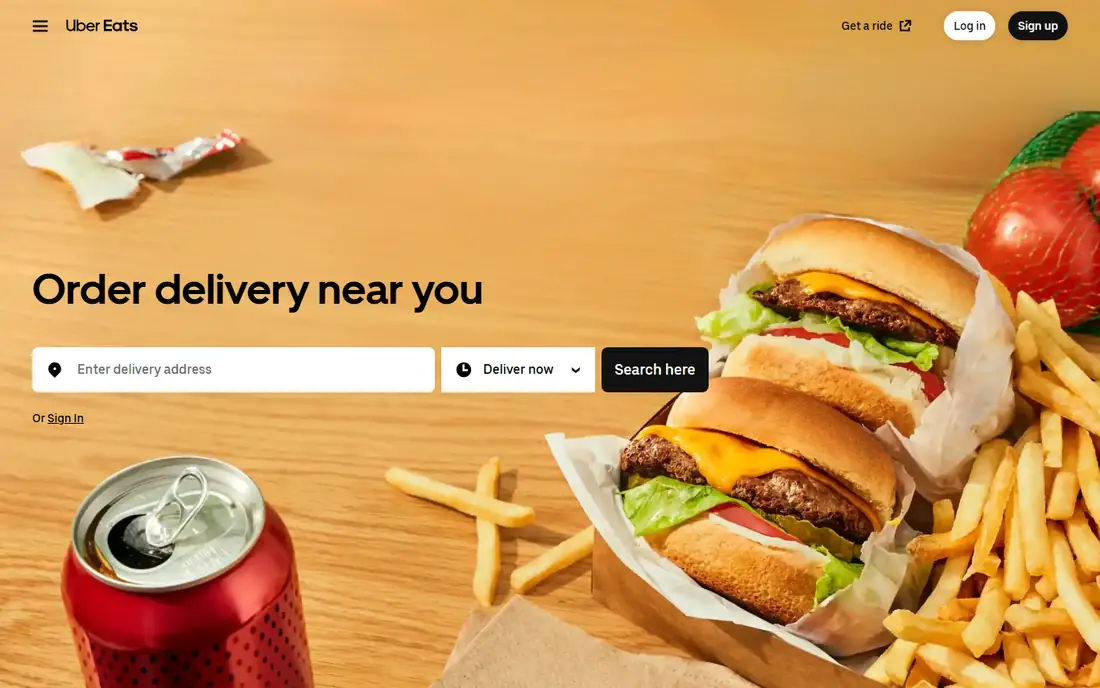
Uber Eats suits drivers who want flexibility in how they deliver. In dense cities, bikes and scooters can beat cars by avoiding parking and traffic, while car drivers cover suburbs and longer trips. Upfront trip details show pay, distance and drop-off area before you accept, which helps you skip low-value runs. Quest bonuses add extra pay for completing a set number of deliveries in a period.
Surge is where Uber Eats can pull ahead, especially late at night and in bad weather in large metros. The downside is tip adjustment: customers can change a tip for a short window after delivery, so final pay on a trip can differ from the first estimate. Run Uber Eats beside DoorDash in your market for two weeks and keep the app that pays better in your actual hours.
What we like- Car, bike, scooter or foot delivery in many cities
- Surge pricing
- Quest bonuses for completing delivery goals
Watch out for- Tips can be changed by customers for a limited window
- Pay varies sharply by city
- Competition is intense at peak
Starting priceFree to join
Free planYes
Grubhub works best as a second app or a dinner-focused app rather than an all-day sole income source. Scheduled blocks let you plan a shift in advance, and dinner remains its strongest period, when restaurant orders and tips tend to be higher. The app shows a pay breakdown per order, which helps you learn which restaurants and zones pay best.
Volume is the limit. In many cities, Grubhub sends fewer orders than DoorDash or Uber Eats, so waiting time can eat into hourly pay if you rely on it alone. Use Grubhub to fill dinner hours or to add a second stream during DoorDash lulls, and watch for local restaurant partnerships that boost volume in your area.
What we like- Scheduled blocks help plan shifts
- Dinner orders often carry solid tips
- Clear per-order pay breakdown
Watch out for- Lower order volume than DoorDash in many markets
- Fewer orders outside dinner
- Scheduling can be competitive
Starting priceFree to join
Free planYes
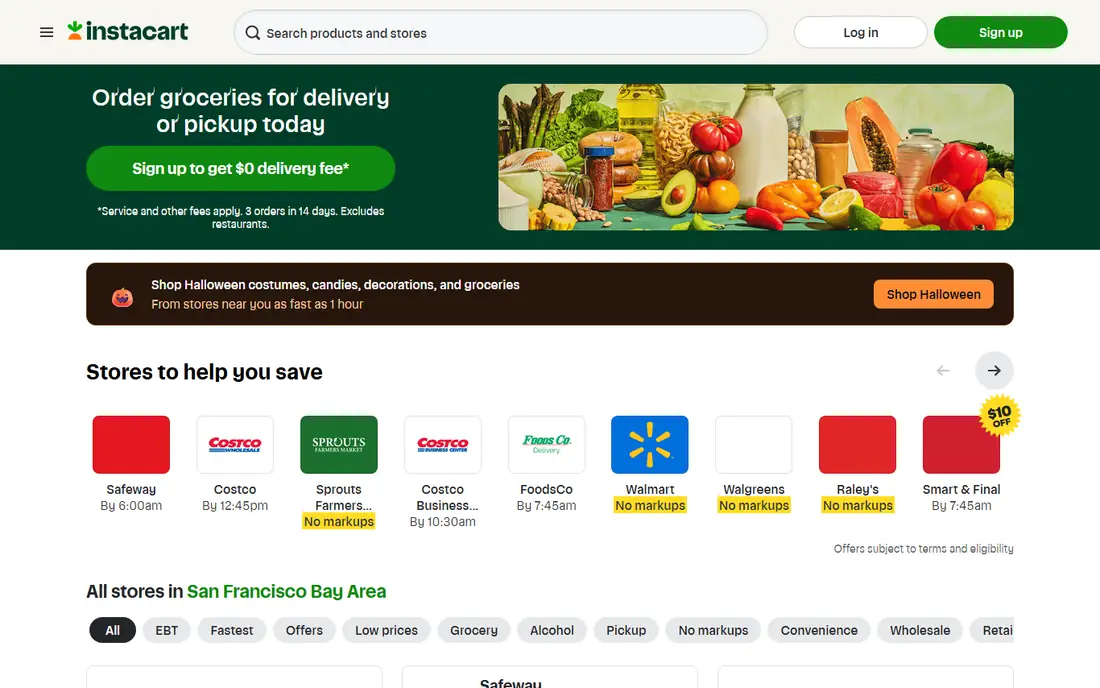
Instacart is grocery delivery, not restaurant delivery, and that difference changes the work. As a full-service shopper, you pick items, handle replacements and deliver, while delivery-only roles skip the shopping step in some markets. Batches group several orders or many items, so one trip can pay more than a single restaurant run, especially when customers tip well on large shops.
Shopping skill matters. Finding substitutes, communicating with customers and handling fragile or heavy items takes time, and a slow shop can cut hourly pay even if batch pay looks high. Instacart suits patient, detail-oriented drivers who like fewer, larger trips and who work in areas with strong grocery demand.
What we like- Batches can pay more per trip than single food orders
- Tips often higher on large grocery orders
- Shopper and driver roles available
Watch out for- Shopping takes time and care
- Heavy or large orders add work
- Batch pay varies with item count and distance
Starting priceFree to join
Free planYes
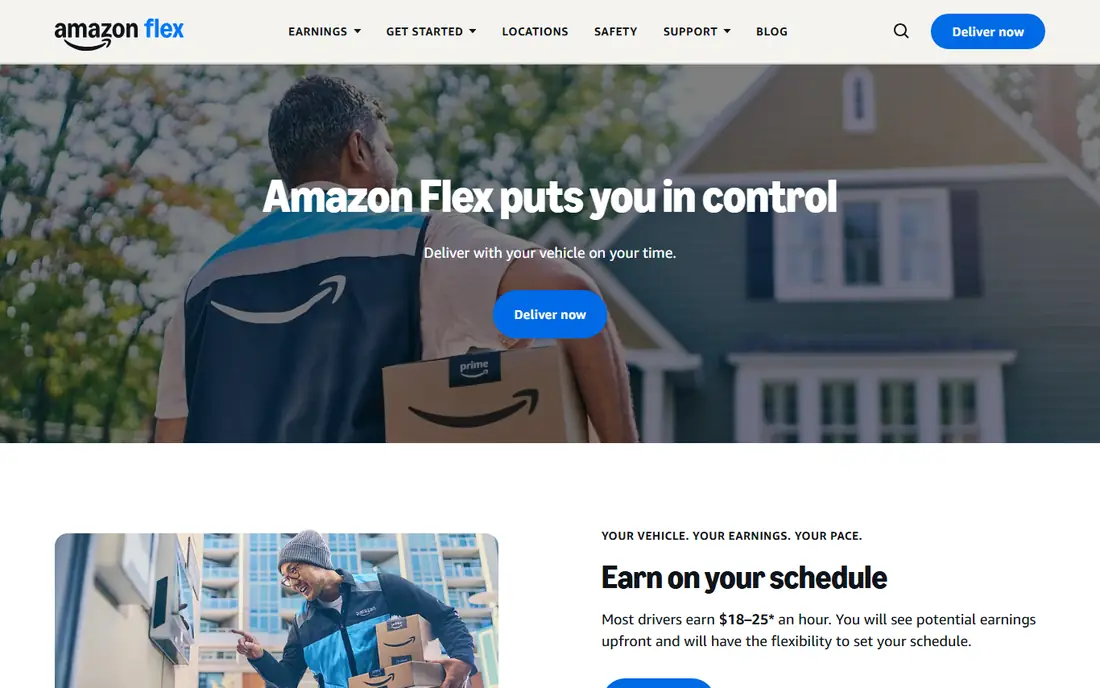
Amazon Flex is the most predictable option on this list. You reserve a delivery block, see its pay and length in advance, then deliver Amazon packages, groceries or store orders depending on the block type. That certainty helps budgeting, since you are not guessing how tips will land on a given night.
Availability is the catch. Blocks release on a schedule, fill quickly in popular areas, and cannot be started on demand whenever you feel like working. Vehicle needs also differ, since package routes may need more cargo space than a food bag. Flex works best as a planned income base, with DoorDash or Uber Eats filling the gaps around it.
What we like- Pay per block is known before you accept
- Scheduled work
- No reliance on tips for base pay
Watch out for- Blocks are limited and competitive
- No on-demand start at any hour
- Package work differs from food delivery
Starting priceFree to join
Free planYes
Walmart Spark connects drivers with Walmart grocery and general merchandise deliveries, plus orders from other retailers in some markets. The Walmart name brings steady demand in suburban and smaller-city markets where restaurant apps may be thinner. Trips often include larger baskets than a restaurant order, so tips can be worthwhile on full shops.
Store waiting time is the main cost. Pickup queues, large loads and multi-stop trips can stretch a delivery beyond the estimate, so hourly pay depends on how smoothly your local store handles Spark pickups. Learn the best pickup times, check order size before accepting, and compare Spark hours with Instacart in the same area.
What we like- Steady Walmart order flow in many areas
- Grocery plus general merchandise trips
- Tips on many orders
Watch out for- Waiting at stores can cut hourly pay
- Large orders add loading work
- Availability varies by region
Starting priceFree to join
Free planYes
Shipt focuses on grocery and retail shopping with delivery, often through scheduled windows that let shoppers plan their day. Repeat customers can build familiarity with preferences, which helps with substitutes and communication. The workflow is clear: accept a shop, pick items, check out and deliver, with customer contact built into the app.
Like Instacart, Shipt rewards careful shopping rather than fast driving alone. A large or complex order takes longer, so pay per hour depends on shop efficiency as much as on the listed pay. Shipt is a good fit for drivers who enjoy shopping, work in a Shipt-served metro and want more scheduled work than pure on-demand food delivery offers.
What we like- Scheduled shopping windows
- Repeat customers in some markets
- Clear shop-and-deliver workflow
Watch out for- Shopping effort is higher than drop-off only
- Pay depends on order size and tips
- Fewer markets than larger apps
Starting priceFree to join
Free planYes
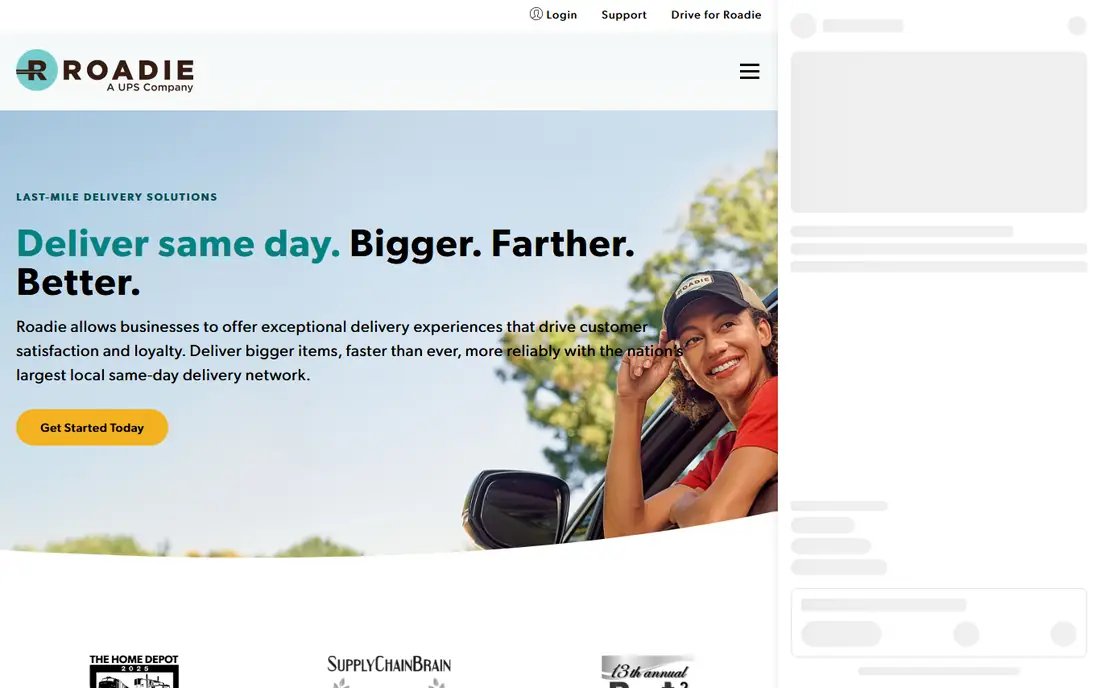
Roadie, part of UPS, covers larger deliveries that do not fit a food bag: furniture, appliances, auto parts and other bulky goods, plus some same-day retail work. Per-job pay can be higher than a single food order, especially for longer or heavier trips, and drivers with SUVs, trucks or vans have an edge. Gigs post as individual jobs you can accept or skip.
Frequency is the limit. Roadie will not replace the steady ping flow of DoorDash in most cities, so treat it as an extra stream for suitable vehicles and free hours. Check item size, loading help and delivery conditions before accepting, since a job that needs two people or special handling changes the real hourly rate.
What we like- Bigger items and longer trips can pay more per job
- Flexible gigs beyond food
- Useful for drivers with larger vehicles
Watch out for- Jobs are less frequent than food orders
- Loading and handling vary
- Not a steady all-day food income source
Starting priceFree to join
Free planYes
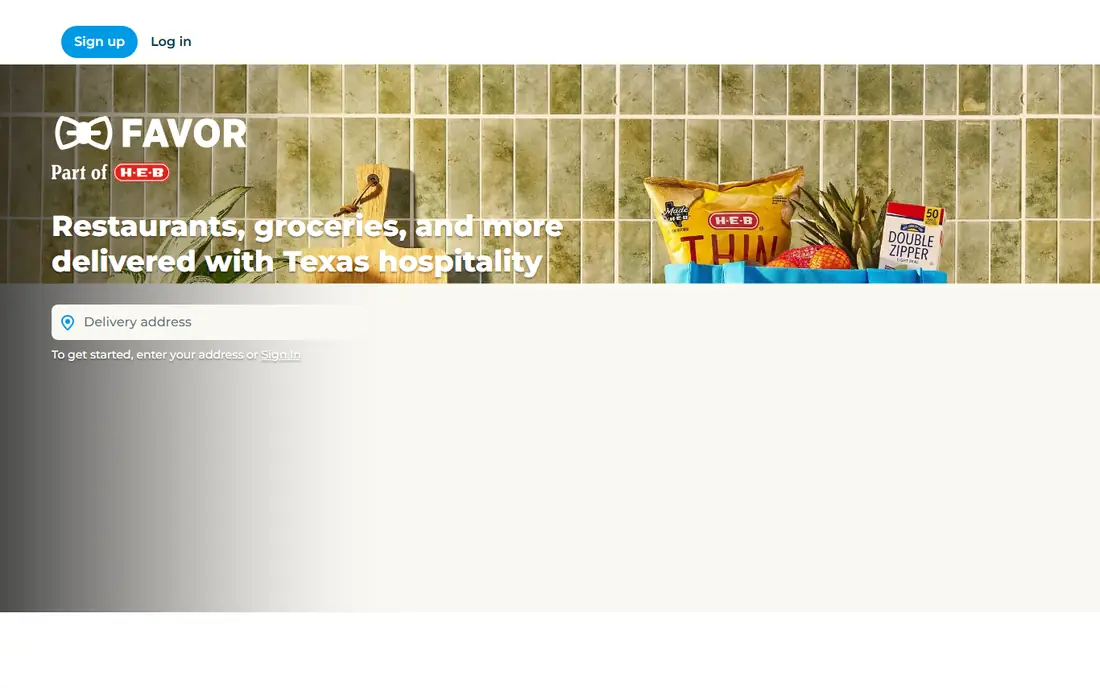
Favor Delivery serves Texas, with a focus on cities such as Austin, Houston, Dallas, San Antonio and other Texas metros. Runners deliver restaurant food, groceries and everyday essentials, and the app emphasises local support and community features. In its home markets, Favor can offer steady work and familiar restaurant partners.
Geography is the obvious limit: Favor is not a national option. If you live outside Texas, it does not apply, and even inside Texas, volume varies by city. For Texas drivers, compare Favor with DoorDash and Uber Eats in your city for a few weeks, since local restaurant mix and tipping habits decide the winner more than any national ranking.
What we like- Strong presence in Texas cities
- Restaurant and grocery delivery
- Runner community and support features
Watch out for- Limited to Texas markets
- Smaller national footprint
- Order volume depends on local city strength
How we chose
We compared order volume, pay structure, tip policy, scheduling flexibility, vehicle options, market availability and driver-reported hourly pay, using company driver pages, pay guides and public driver reviews. Pay figures in this field vary widely by city, season and hours, so we avoid presenting a single national hourly rate as a promise. A service made this list only if a driver in the United States can join and work for it today, and if it offers a distinct advantage in volume, predictability, vehicle choice or market focus.
How to earn more without burning out
Small habits matter more than app loyalty. Use them for a month and let your own numbers decide.
Multi-app with care
Running DoorDash and Uber Eats together can cut waiting time, but only accept what you can deliver on time. Late deliveries hurt ratings and tips on both apps. Pause one app while you are on a delivery for the other, and restart it after drop-off.
Work the peaks, protect the vehicle
Lunch from 11 AM to 2 PM and dinner from 5 PM to 9 PM usually pay best, with Friday and Saturday nights on top. Bad weather often triggers surge or Peak Pay, but it also slows driving and raises risk, so weigh extra pay against safety and vehicle wear.
Track net pay, not gross pay
Record gross pay, tips, miles, fuel and time for each shift. Subtract fuel, maintenance and a reserve for taxes to find net pay per hour and per mile. The United States mileage deduction rules for independent contractors change by year, so check current IRS guidance or ask a tax professional about your situation.
Keep ratings and records clean
Communicate about delays, keep food hot and sealed, photograph drop-offs where the app asks, and keep delivery records. Good ratings protect access to scheduling perks on DoorDash and Grubhub, while clean tax records protect you at year end. Set aside a share of each payout for taxes instead of spending gross pay in full.
Frequently asked questions
Which food delivery service pays best?
It depends on your city and hours. DoorDash often leads on consistent volume, Uber Eats often leads during surge in large cities, and Amazon Flex leads on predictable block pay. Track your own net pay per hour for two weeks on each app in your market to get a true answer.
Can I work for multiple delivery apps at the same time?
Yes, most drivers multi-app, running DoorDash and Uber Eats together or adding Grubhub at dinner. Accept only orders you can deliver on time, pause the other app during a delivery, and check each app terms, since some scheduled programs have their own rules.
Do I need a car to deliver food?
No, in many cities you can deliver by bike, scooter or on foot with Uber Eats, DoorDash and Grubhub, depending on local rules. Cars cover more suburbs and larger orders, while bikes often win in dense downtown areas by avoiding parking and traffic.
How fast can I start delivering?
DoorDash and Uber Eats often approve drivers in a few days once background checks and documents clear, while Instacart and Amazon Flex can take longer due to demand and waitlists in some areas. Background check timing, vehicle documents and local demand all affect the wait.
Are tips really mine on these apps?
DoorDash states that drivers keep 100 percent of tips, and other major apps also pass customer tips to drivers, though tip timing and adjustment windows differ. Check each app driver pay page for current tip policy, and track tips per trip in your own records.
What expenses should I expect as a delivery driver?
Fuel, vehicle wear, maintenance, insurance, phone data and taxes are the main costs. Net hourly pay is often several dollars below gross pay after those costs, so track miles and expenses from day one and keep receipts for tax time.
Sources we checked (9)
- https://www.doordash.com/dasher
- https://www.ubereats.com/drive
- https://www.grubhub.com/drive
- https://www.instacart.com/shoppers
- https://flex.amazon.com
- https://spark.walmart.com
- https://www.shipt.com
- https://www.roadie.com
- https://favordelivery.com
Is your product missing or out of date?
We review this list regularly. Vendors can request a listing, send updated pricing or ask about featured placement.

Shihab Mia · Founder, Rankite
Shihab has 5+ years in B2B and SaaS SEO. He writes Rankite's software buying guides from pricing pages, documentation and public user reviews. More about Shihab.