How we make this list: we compare pricing pages, product documentation and public user reviews. Ratings come from G2, Capterra or Trustpilot, with the date we checked them.
Key takeaways
- Uber and Lyft suit drivers who want rideshare income with large rider demand in most cities.
- DoorDash and Instacart suit drivers who prefer deliveries, with food and grocery orders throughout the day.
- Amazon Flex and Roadie suit drivers who want scheduled delivery blocks and larger parcels.
- Real driver earnings depend on costs: fuel, maintenance, insurance, and taxes cut gross pay sharply, so track net earnings.
Quick comparison
| Tool | Best for | Starting price | Free plan |
|---|
 Uber | Rideshare with largest demand | Free to join | Yes |
 Lyft | Rideshare with driver bonuses | Free to join | Yes |
 DoorDash | Food delivery flexibility | Free to join | Yes |
 Instacart | Grocery delivery and shopping | Free to join | Yes |
 Amazon Flex | Scheduled delivery blocks | Free to join | Yes |
 Roadie | Larger parcel delivery | Free to join | Yes |
 Grubhub | Restaurant delivery | Free to join | Yes |
 Spark Driver | Walmart grocery delivery | Free to join | Yes |
Is your product missing or out of date?
We review this list regularly. Vendors can request a listing, send updated pricing or ask about featured placement.
The best driver apps to make money
Starting priceFree to join
Free planYes
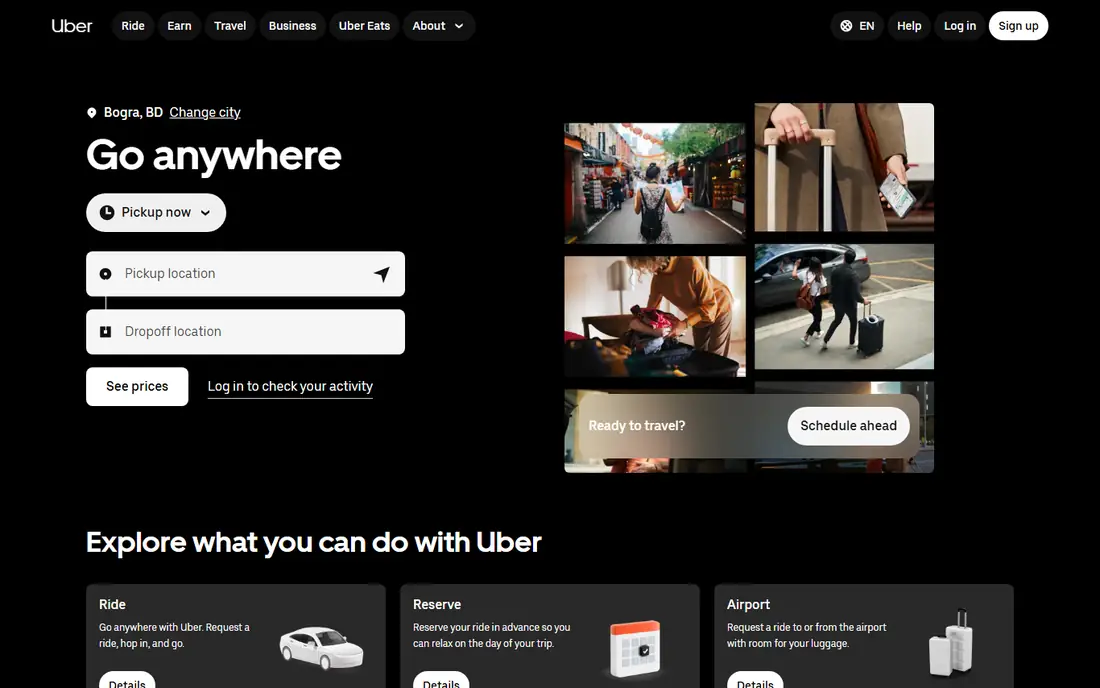
Uber is the largest rideshare platform, giving drivers the most consistent rider demand in most US cities, with surge pricing during peak times and events. Drivers choose when to work, accept or decline trips, and cash out earnings through instant pay options in many markets. Uber also offers delivery through Uber Eats for drivers who want food orders alongside rides.
Pay varies sharply by city, time, and demand, vehicle requirements exclude older cars, and Uber's commission cuts gross fares. Uber also offers rental and leasing partnerships for drivers without a qualifying vehicle, though rental costs cut net earnings. Uber fits drivers who want the most reliable rideshare demand and flexible hours, accepting variable pay and vehicle costs.
What we like- Largest rider demand
- Surge pricing
- Instant pay options
Watch out for- Pay varies by city and time
- Vehicle requirements
- Commission
Starting priceFree to join
Free planYes
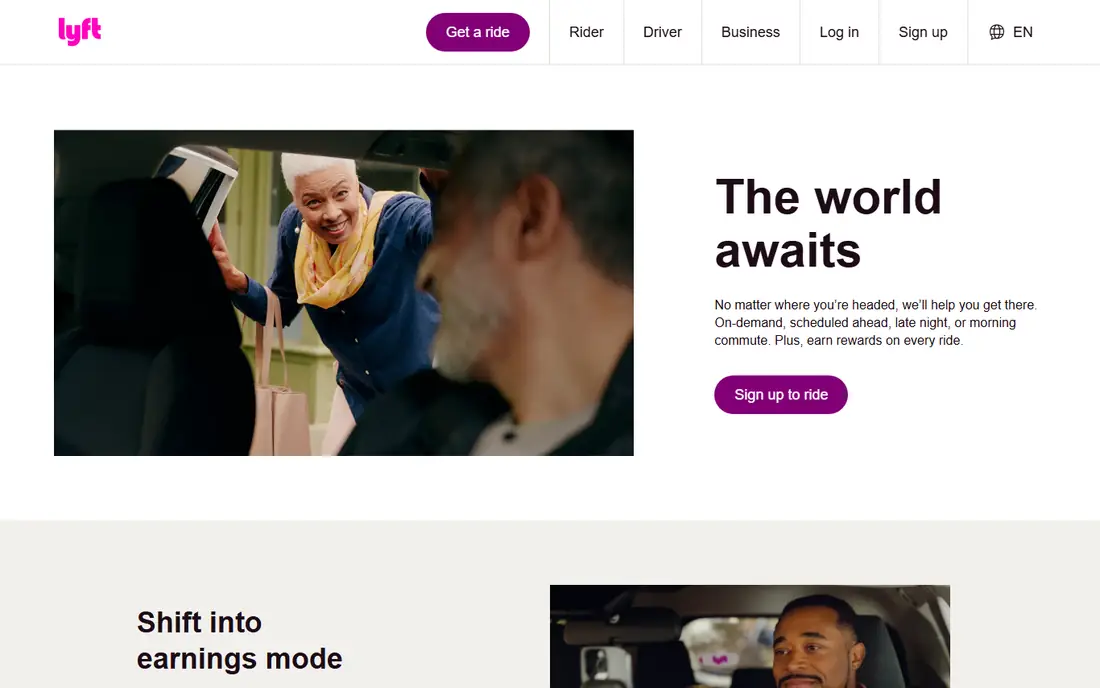
Lyft is the second major rideshare platform, with driver bonuses, ride streaks, and in-app tipping that supplement base fares. Its driver community features and rental options through Express Drive suit drivers without a qualifying car, and its scheduled rides help drivers plan shifts. In some cities, Lyft's pay and bonuses rival Uber's, especially during promotions.
Demand is smaller than Uber's in many markets, and pay still varies by city and time. Lyft also offers scheduled rides that help drivers plan shifts around known demand. Lyft fits drivers who want a strong Uber alternative, especially where Lyft runs frequent bonuses or where drivers prefer its app and community features.
What we like- Driver bonuses and streaks
- Tipping in app
- Rental options
Watch out for- Smaller demand than Uber in many cities
- Pay varies
Starting priceFree to join
Free planYes
DoorDash is the largest US food delivery platform, giving drivers high order volume across most cities, with flexible scheduling through Dash Now and scheduled dashes. Peak pay bonuses during busy times supplement base pay, and drivers choose orders they accept. Food delivery suits drivers who prefer not carrying passengers, with shorter trips and simpler interactions.
Pay per delivery varies by distance, restaurant wait times, and tips, and vehicle wear adds costs. DoorDash also offers catering and large-order deliveries that pay more per trip for drivers with larger vehicles. DoorDash fits drivers who want flexible delivery work with the largest order volume, accepting variable per-order pay.
What we like- Flexible scheduling
- High order volume
- Peak pay bonuses
Watch out for- Pay per delivery varies
- Waiting times
- Wear on vehicle
Starting priceFree to join
Free planYes
Instacart pays drivers to shop for and deliver groceries, with batch pay covering shopping plus delivery, and tips supplementing earnings. Full-service shoppers handle both shopping and delivery, while delivery-only roles suit drivers who prefer driving. Grocery batches often pay more per order than food delivery, especially large orders, and hours are flexible.
Shopping time effectively reduces hourly pay when stores are crowded or items are hard to find, and heavy batches strain vehicles and bodies. Instacart also offers priority access to batches for shoppers with high ratings and reliability. Instacart fits drivers who like grocery work and shopping, and who can pick profitable batches efficiently.
What we like- Grocery batches pay well
- Shopping plus delivery
- Flexible hours
Watch out for- Shopping time unpaid in effect
- Heavy batches
- Store variability
Starting priceFree to join
Free planYes
Amazon Flex lets drivers deliver Amazon packages in scheduled blocks, typically 3 to 6 hours, with pay quoted per block before accepting. That predictability suits drivers who want known earnings for a shift, and Amazon's volume keeps blocks available in many metro areas. Drivers use their own cars and the Flex app for routing and delivery confirmation.
Block availability varies by city and season, delivery windows are strict, and there are no tips to supplement pay. Flex drivers also handle returns and pickups on some routes, which adds variety to block work. Amazon Flex fits drivers who prefer scheduled, predictable delivery work over on-demand gigs, in cities where blocks are plentiful.
What we like- Scheduled blocks
- Predictable pay per block
- Amazon volume
Watch out for- Block availability varies
- Strict delivery windows
- No tips
Starting priceFree to join
Free planYes
Roadie connects drivers with larger parcel and bulky item deliveries, from furniture to auto parts, with gigs priced by size and distance. Larger items pay more per delivery than food orders, and long-distance gigs suit drivers willing to travel between cities. Its flexible gig model lets drivers pick deliveries that fit their vehicle and schedule.
Gig volume is lower than food delivery platforms, and larger vehicles are often needed for the best-paying jobs. Roadie fits drivers with larger vehicles who want higher-paying parcel gigs, as a complement to food or rideshare work rather than a sole income.
What we like- Larger items pay more
- Flexible gigs
- Long-distance options
Watch out for- Fewer gigs than food delivery
- Larger vehicle often needed
Starting priceFree to join
Free planYes
Grubhub delivers restaurant orders with scheduled blocks that drivers claim in advance, giving more predictability than pure on-demand models. Its restaurant focus suits drivers who know local dining areas, and its scheduling helps drivers plan shifts around other work. In cities where Grubhub is strong, order volume and pay compete with DoorDash.
Volume is smaller than DoorDash's in many markets, and pay varies by block and tips. Grubhub fits drivers who prefer scheduled restaurant delivery, especially in cities where Grubhub holds strong market share.
What we like- Scheduled blocks
- Restaurant focus
- Driver scheduling
Watch out for- Smaller volume than DoorDash in many cities
- Pay varies
Starting priceFree to join
Free planYes
Spark Driver is Walmart's delivery platform, letting drivers deliver groceries and general merchandise from Walmart stores to customers. Walmart's scale gives drivers steady order volume in covered areas, with incentives and bonuses during peak times. Drivers shop some orders and deliver others, similar to Instacart, with Walmart's systems guiding the work.
Many areas have driver waitlists, store wait times cut effective hourly pay, and pay varies by order and tips. Spark Driver fits drivers near Walmart stores who want grocery delivery volume from a single major retailer, once accepted off the waitlist.
What we like- Walmart order volume
- Grocery plus general merchandise
- Incentives
Watch out for- Waitlist in many areas
- Store wait times
- Pay varies
How we chose
We compared app store listings, driver pay reports, and public user reviews for driver apps that are actively available in the US in 2026. We favored apps with real driver demand, current availability, and clear pay models. We checked pay claims carefully, since advertised hourly rates usually exclude costs and vary by city, and we left out apps that no longer operate a current driver program.
Track net earnings, not gross pay
Gig apps advertise gross earnings that ignore the costs drivers actually bear: fuel, maintenance, tires, insurance, depreciation, and self-employment taxes. A driver earning 25 dollars an hour gross may net 15 dollars or less after costs, and that gap decides whether gig work pays. Track mileage, fuel, and maintenance in an app or spreadsheet, set aside money for taxes quarterly, and compare net hourly pay across apps before committing to one.
Multi-app to fill gaps, but avoid overload
Running two or three apps together fills slow periods: rideshare when riders are plentiful, delivery when food orders peak, and scheduled blocks for predictability. Multi-apping needs care, since accepting overlapping orders risks late deliveries and account penalties. Use one primary app per shift, with others as backup, rather than juggling active orders across platforms.
Know your insurance and vehicle requirements
Personal auto insurance often excludes commercial driving, leaving gaps that gig platforms cover only partially during active trips. Check your policy, consider rideshare endorsements, and confirm each platform's coverage for each trip phase. Vehicle age, inspection, and size requirements also vary, so confirm eligibility before counting on any app.
Check tax rules for gig income
Gig income is taxable, and platforms report earnings that drivers must reconcile with expenses. Keep records of mileage, fuel, maintenance, and platform fees, and consult a tax professional about deductions and quarterly payments. Good records turn tax season from a crisis into routine paperwork.
Plan for slow seasons and rating pressure
Gig demand is seasonal, with holidays, weather, and events shifting volume sharply, and ratings affect access to the best orders and bonuses. Build a buffer for slow weeks, maintain high ratings through communication and care, and keep a second income source for months when gig demand dips. Treat gig work as variable income, not a fixed salary.
Frequently asked questions
Which driver app pays the most?
It depends on city, time, vehicle, and costs. Uber and Lyft lead for rideshare demand, DoorDash for food delivery volume, and Instacart for grocery batch pay, but net pay after costs matters more than gross rates. Trial apps in your city and track net hourly earnings.
Can I drive for multiple apps at once?
Yes, most drivers use several apps, but avoid accepting overlapping active orders, since late deliveries and cancellations harm ratings and accounts. Use one primary app per shift with others as backup for slow periods.
Do I need special insurance to drive for Uber or DoorDash?
Personal policies often exclude commercial driving, so check your coverage and consider a rideshare endorsement. Platforms provide limited coverage during active trips, but gaps remain when the app is on without a trip, which endorsements help fill.
How much do drivers really earn after costs?
Net earnings vary widely, but costs typically cut gross pay by a third or more once fuel, maintenance, depreciation, and taxes are counted. Track mileage and expenses carefully, and set aside money for quarterly self-employment taxes.
Is gig driving worth it as a full-time job?
For some drivers in high-demand cities, yes, especially with multi-apping and efficient scheduling. For others, it works better as part-time or supplemental income, since pay varies, benefits are limited, and costs are real. Test net earnings over several weeks before relying on it full-time.
Sources we checked (8)
- https://www.uber.com
- https://www.lyft.com
- https://www.doordash.com
- https://www.instacart.com
- https://flex.amazon.com
- https://www.roadie.com
- https://www.grubhub.com
- https://www.sparkdriver.com
Is your product missing or out of date?
We review this list regularly. Vendors can request a listing, send updated pricing or ask about featured placement.

Shihab Mia · Founder, Rankite
Shihab has 5+ years in B2B and SaaS SEO. He writes Rankite's software buying guides from pricing pages, documentation and public user reviews. More about Shihab.