How we make this list: we compare pricing pages, product documentation and public user reviews. Ratings come from G2, Capterra or Trustpilot, with the date we checked them.
Key takeaways
- Nonprofit credit counseling is the safest starting point for most people, since the first session is usually free and a debt management plan repays the full balance at lower interest rates.
- Debt settlement can reduce the total amount owed, but it damages credit scores, takes two to four years, and costs 15 to 25 percent of the enrolled debt.
- A company that asks for fees before it settles a debt is breaking federal rules, so walk away from any upfront fee demand.
- Debt management plans cover unsecured debts such as credit cards and personal loans, not mortgages, car loans, or student loans.
- Always check whether a company operates in your state, since settlement firms are barred from several states.
Quick comparison
Is your product missing or out of date?
We review this list regularly. Vendors can request a listing, send updated pricing or ask about featured placement.
The best debt management company
Starting price$0 to $50 per month
Free planYes
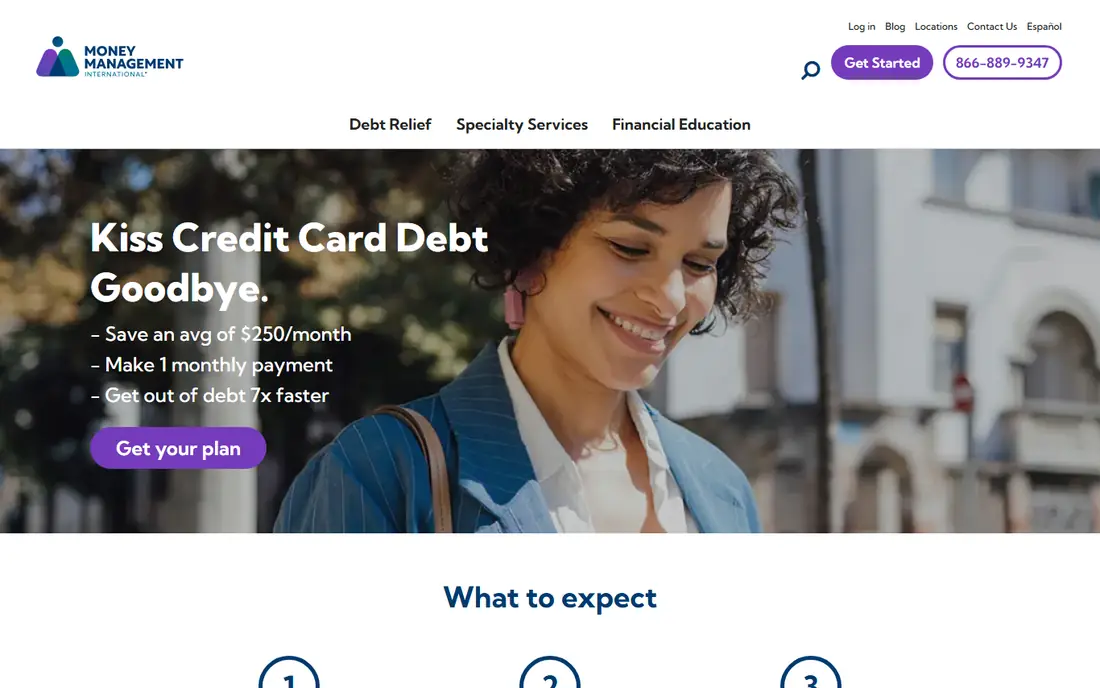
What we like- The first counseling session is free and lasts about 45 minutes, producing a written budget and a plan quote. As the largest nonprofit member of the National Foundation for Credit Counseling, it can negotiate with most major card issuers, and it also offers housing counseling approved by the Department of Housing and Urban Development. Fees are capped by state rules and waived in hardship cases.
Watch out for- A debt management plan only covers unsecured debt, so mortgages and auto loans stay outside the plan. Enrolled credit card accounts are closed, which can temporarily lower available credit. The monthly fee varies by state, so the exact cost only becomes clear during counseling.

#2
GreenPath Financial Wellness
Best for: Nonprofit plan with housing counseling
Visit greenpath.org
Starting price$25 to $50 per month
Free planYes
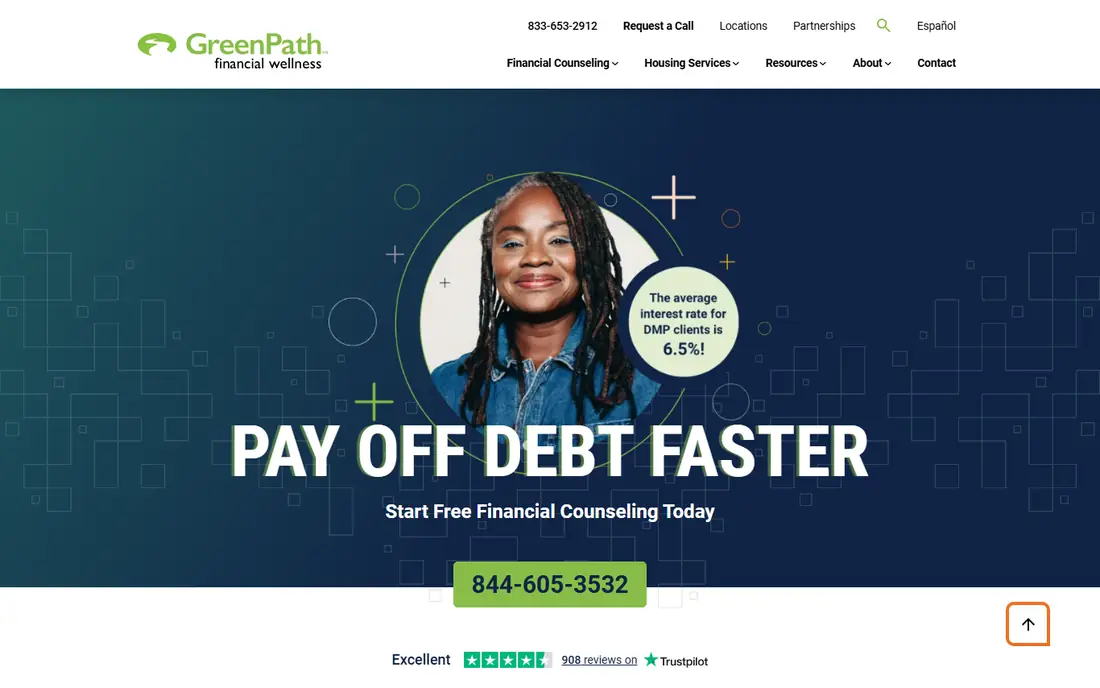
What we like- GreenPath is a long running nonprofit with counselors who review income, debts, and spending before recommending a plan. Its debt management plans typically run three to five years, and creditors often cut interest rates sharply once an account enters a plan. Housing counseling and student loan counseling sit alongside debt help, which suits households facing more than one money problem at once.
Watch out for- The monthly plan fee runs 25 to 50 dollars, higher than the cheapest nonprofit plans on this list. Enrolled cards are closed, and some creditors refuse to participate, which can leave an account outside the plan. The plan repays the full balance, so it does not reduce what you owe.
Starting price$0 to $50 per month
Free planYes
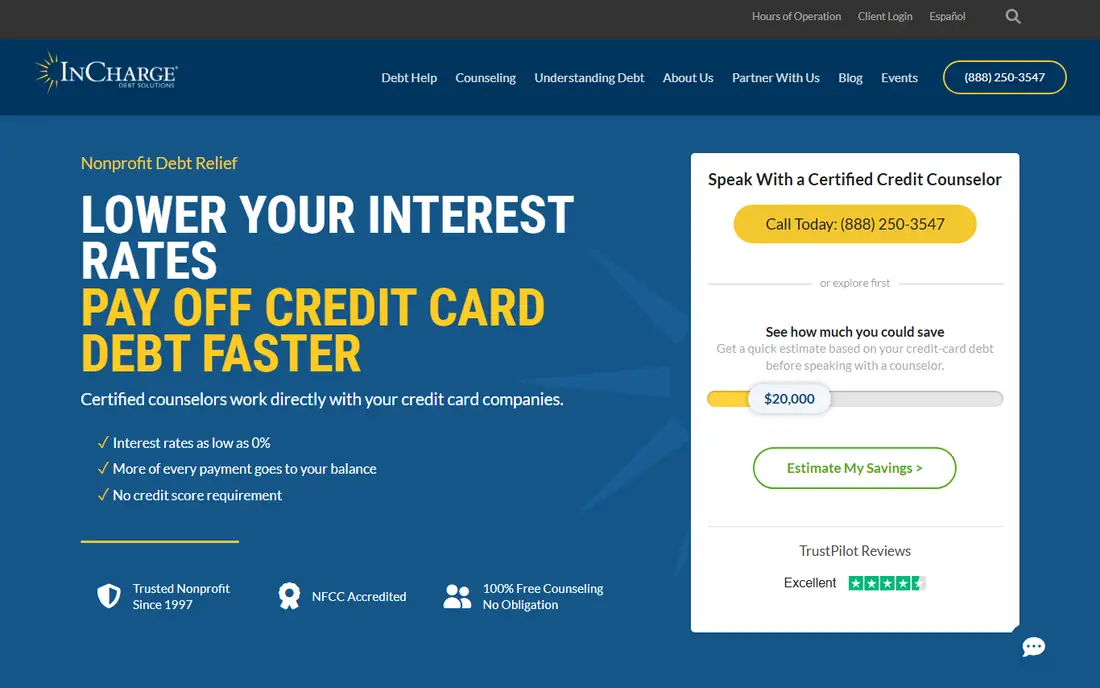
What we like- InCharge is a nonprofit that pairs counseling with an online account where clients track payments and balances. Its fees are capped by state rules at 50 dollars per month or less, and the first session is free. It also runs bankruptcy counseling and education courses, which helps people who need to compare a plan against bankruptcy honestly.
Watch out for- Like other nonprofit plans, it cannot include secured debts such as a mortgage or car loan. Creditors set their own concessions, so the interest cut varies by account. Clients must keep up the single monthly payment, and missing it can end the plan and restore original rates.
Starting priceAbout $7 per month
Free planYes
What we like- This nonprofit stands out on price, with a setup fee near 7 dollars and a monthly fee near 7 dollars in many states, far below most rivals. Counseling is free, the organization holds nonprofit accreditation, and it reports large average rate cuts for enrolled accounts. It also offers housing counseling and bankruptcy courses with fee waivers for people in hardship.
Watch out for- Plan fees are not published in full, so you learn the exact figure only during counseling. Enrolled cards are closed, and you repay the full balance rather than settling for less. Creditor concessions vary, and a few accounts may not qualify for a plan at all.
Starting price15 to 25 percent of enrolled debt
Free planNo
What we like- National Debt Relief is the largest dedicated settlement company in the country, and its scale means it negotiates with every major card issuer regularly. There are no upfront fees, as federal rules require, and clients approve every settlement before a fee is charged. The program typically runs 24 to 48 months, and the company is accredited by the American Center for Debt Resolution.
Watch out for- Settlement requires stopping payments to enrolled creditors, which damages credit scores and can invite collection calls or lawsuits during negotiation. The fee can reach 25 percent of enrolled debt, plus a small account setup and monthly maintenance fee. It requires at least 7,500 dollars in unsecured debt and does not operate in every state.
Starting price15 to 25 percent of enrolled debt
Free planNo
What we like- Freedom Debt Relief has run settlement programs since 2002 and reports more than 2 million clients helped and over 22 billion dollars in debt resolved. It offers a program guarantee, clients approve each settlement, and early settlement progress is common, with many clients seeing a first settlement within months of the first deposit. It suits large balances, since its creditor coverage is among the deepest in the industry.
Watch out for- The fee runs 15 to 25 percent of enrolled debt, and the credit damage from missed payments applies here just as with any settlement firm. It requires at least 7,500 dollars in unsecured debt and is unavailable in a long list of states. It does not handle tax debt, so people with IRS balances need a different firm.
Starting price15 to 25 percent of enrolled debt
Free planNo
What we like- Accredited Debt Relief is known for quick onboarding, with enrollment often completed soon after the first consultation. Its fee range matches the industry standard at 15 to 25 percent of enrolled debt, charged only after settlements are approved. The program runs 12 to 48 months, and the shorter end of that range suits people who want a faster path than the typical two to four year program.
Watch out for- The minimum balance is higher than some rivals at about 10,000 dollars in unsecured debt. Settlement carries the same credit and lawsuit risks as every firm in this model. Fees at the top of the range can eat a large share of the savings from a settlement, so the net benefit needs careful checking.
Starting priceAbout 20 percent of enrolled debt
Free planNo
What we like- CuraDebt covers a gap most settlement firms leave open, since it handles IRS and state tax debt alongside credit cards and personal loans. Its minimum balance is lower than most rivals at about 5,000 dollars, and its fee sits near 20 percent of enrolled debt. The program runs 24 to 48 months, and tax debt help alone makes it worth a look for people whose problem is not only cards.
Watch out for- Tax debt settlement follows different rules from card settlement, and outcomes depend heavily on the taxpayer's situation, so results vary more than the marketing suggests. The credit damage from stopping payments applies here too. State availability is narrower than the biggest firms, so eligibility must be confirmed first.
How we chose
We ranked companies on fee transparency, accreditation, state availability, program length, and the honesty of their marketing. Nonprofit counselors earned credit for free first sessions, state capped fees, and accreditation through the National Foundation for Credit Counseling. Settlement firms earned credit for charging fees only after approved settlements, as federal rules require, and for publishing minimum debt levels. We excluded any company that demands payment before settling a debt, since that practice breaks the Federal Trade Commission's telemarketing sales rule for debt relief. Prices and minimums come from each company's published terms and 2026 comparison reporting, and readers should confirm current terms directly before enrolling, since fees and state availability change.
How to choose the right debt help
Start with a free nonprofit counseling session before you sign anything. A counselor will review your budget and tell you whether a debt management plan, a consolidation loan, or bankruptcy fits better, and that advice costs nothing. If your debts are mostly cards and you can afford the full balance at lower interest, a nonprofit plan is usually the safer path, since accounts stay current and fees stay small. If hardship has already left you months behind and the full balance is out of reach, settlement may cut the total owed, but weigh the credit damage, the 15 to 25 percent fee, and possible tax on forgiven debt. Never enroll with a firm that charges before it settles a debt, never stop paying creditors on a firm's say-so without understanding the lawsuit risk, and get every fee, timeline, and state eligibility answer in writing. A nonprofit credit counseling agency is also the right first call if you are unsure which model fits, since it has no financial interest in selling you a settlement program.
Frequently asked questions
Is a debt management plan the same as debt settlement?
No. A debt management plan repays the full balance at reduced interest rates through a nonprofit counselor, while settlement negotiates to pay less than the full balance through a for-profit firm, with greater credit damage and higher fees.
Will a debt management plan hurt my credit score?
A nonprofit plan has a limited effect, since accounts stay current, though closing enrolled cards can lower available credit. Settlement hurts more, since it requires missed payments, and scores can fall by 100 points or more during negotiation.
How long does a debt program take?
Nonprofit plans usually run three to five years, while settlement programs usually run two to four years. Shorter timelines are possible with larger monthly payments, and longer ones apply when balances are large or income is tight.
Can a debt company charge fees upfront?
No, not for settlement sold by phone. Federal rules bar settlement firms from charging fees before they have settled, reduced, or changed the terms of at least one debt, and clients must approve the settlement first.
Is forgiven debt taxed?
Generally yes. Forgiven debt over 600 dollars is usually treated as taxable income, though exceptions exist for insolvency and bankruptcy. Ask a tax professional about your situation before enrolling in settlement.
What debts can a plan cover?
Plans cover unsecured debts such as credit cards, medical bills, and personal loans. Mortgages, auto loans, and most student loans cannot be enrolled, and some creditors refuse to participate in any plan.
Sources we checked (0)
Is your product missing or out of date?
We review this list regularly. Vendors can request a listing, send updated pricing or ask about featured placement.

Shihab Mia · Founder, Rankite
Shihab has 5+ years in B2B and SaaS SEO. He writes Rankite's software buying guides from pricing pages, documentation and public user reviews. More about Shihab.
 InCharge Debt Solutions
 American Consumer Credit Counseling
 National Debt Relief
 Freedom Debt Relief
 Accredited Debt Relief
 CuraDebt