How we make this list: we compare pricing pages, product documentation and public user reviews. Ratings come from G2, Capterra or Trustpilot, with the date we checked them.
Key takeaways
- Experian, Equifax, and TransUnion each monitor their own bureau report, while many paid services monitor all three bureaus in one place.
- Credit Karma offers free credit monitoring and scores, but it is not a full identity theft protection service.
- Aura, LifeLock, Identity Guard, and IdentityForce add identity monitoring, dark web checks, and recovery help beyond credit alerts.
- myFICO suits people who want official FICO scores and detailed score tracking across bureaus.
- Price, bureau coverage, alert speed, and recovery support matter more than a single headline feature, so compare those four before you pay.
Credit monitoring sounds simple, but the services in this list do different jobs. Some watch one credit bureau and send an alert when a new account or inquiry appears. Others watch all three bureaus, scan the dark web for exposed personal data, and offer help if your identity is stolen. A few are free, while others charge a monthly fee for broader coverage and recovery support.
This guide compares ten services across bureau coverage, alert types, identity protection, and price. Where a price was not verified on the day of writing, the entry says See website. Credit monitoring does not stop fraud on its own, so the buying guide also covers free steps, such as credit freezes, that work beside any paid service.
Quick comparison
| Tool | Best for | Starting price | Free plan |
|---|
 Experian | Monitoring the Experian report | See website | Yes |
 Equifax | Monitoring the Equifax report | See website | Yes |
 TransUnion | Monitoring the TransUnion report | See website | Yes |
 Credit Karma | Free credit scores and monitoring | $0 | Yes |
 myFICO | Official FICO score tracking | See website | Free trial |
 Aura | All-in-one identity protection | See website | Free trial |
 LifeLock | Identity theft protection | See website | Free trial |
 Identity Guard | Identity and credit monitoring | See website | Free trial |
 IdentityForce | Identity monitoring and recovery | See website | Free trial |
 PrivacyGuard | Credit and identity monitoring | See website | Free trial |
Is your product missing or out of date?
We review this list regularly. Vendors can request a listing, send updated pricing or ask about featured placement.
The best credit monitoring services
Starting priceSee website
Free planYes
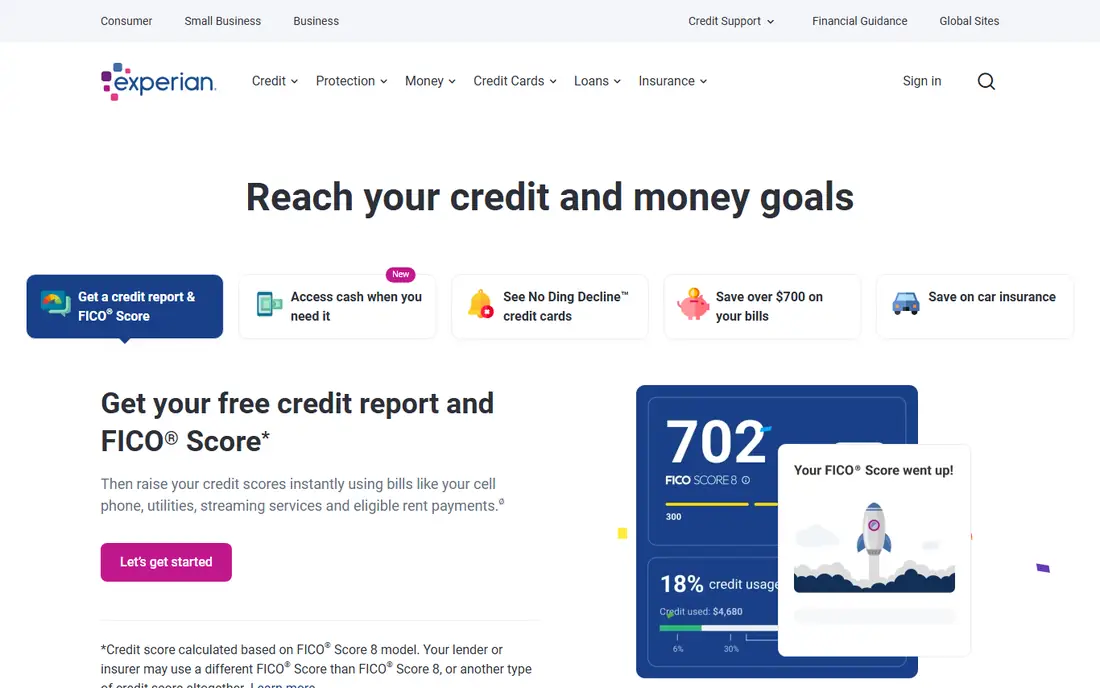
Experian is one of the three major US credit bureaus, and its free account gives you access to your Experian credit report and score, plus alerts when that report changes. That can catch a new account, a hard inquiry, or a change in address on the Experian file, which is often the first sign of misuse. Dispute tools let you challenge an error without leaving the account.
The main limit is scope. A free Experian account does not monitor Equifax or TransUnion, so fraud that appears only on another bureau may not trigger an alert. Paid Experian plans add three-bureau monitoring and identity features, but they cost more. For a free starting point, Experian is strong, and it pairs well with free accounts at the other two bureaus.
What we like- Free Experian credit report and FICO score access
- Alerts for changes to the Experian report
- Dispute tools in one account
Watch out for- Free plan covers Experian only, not all three bureaus
- Broader identity features need a paid plan
Starting priceSee website
Free planYes
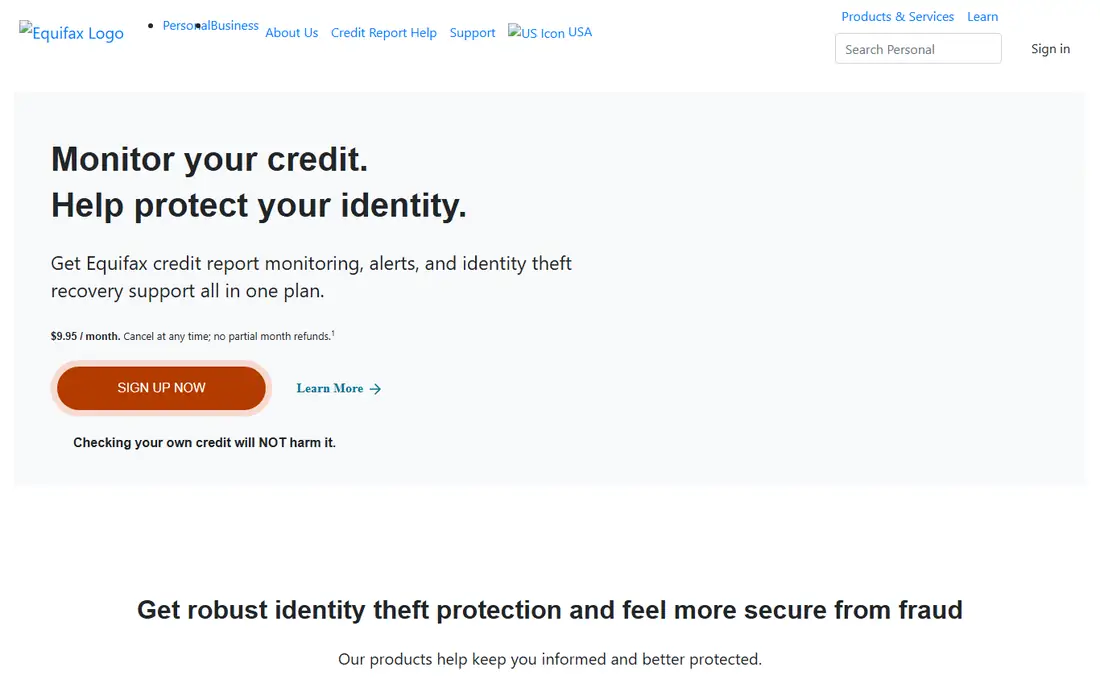
Equifax, another major bureau, offers free access to your Equifax credit report and monitoring alerts for changes to that report. Its account also makes it easier to place a credit freeze, which restricts access to your Equifax report and is one of the strongest free protections against new-account fraud. Dispute tools help you correct errors on the Equifax file.
As with Experian, the free plan is bureau-specific. It will not alert you to changes on Experian or TransUnion reports, so it works best as part of a three-bureau approach. Paid Equifax plans add broader monitoring and identity protection. For direct control over your Equifax file, including freezes and disputes, a free Equifax account is a practical first step.
What we like- Free Equifax report access and alerts
- Tools to place a credit freeze
- Dispute and lock options
Watch out for- Free plan covers Equifax only
- Full identity protection needs a paid plan
Starting priceSee website
Free planYes
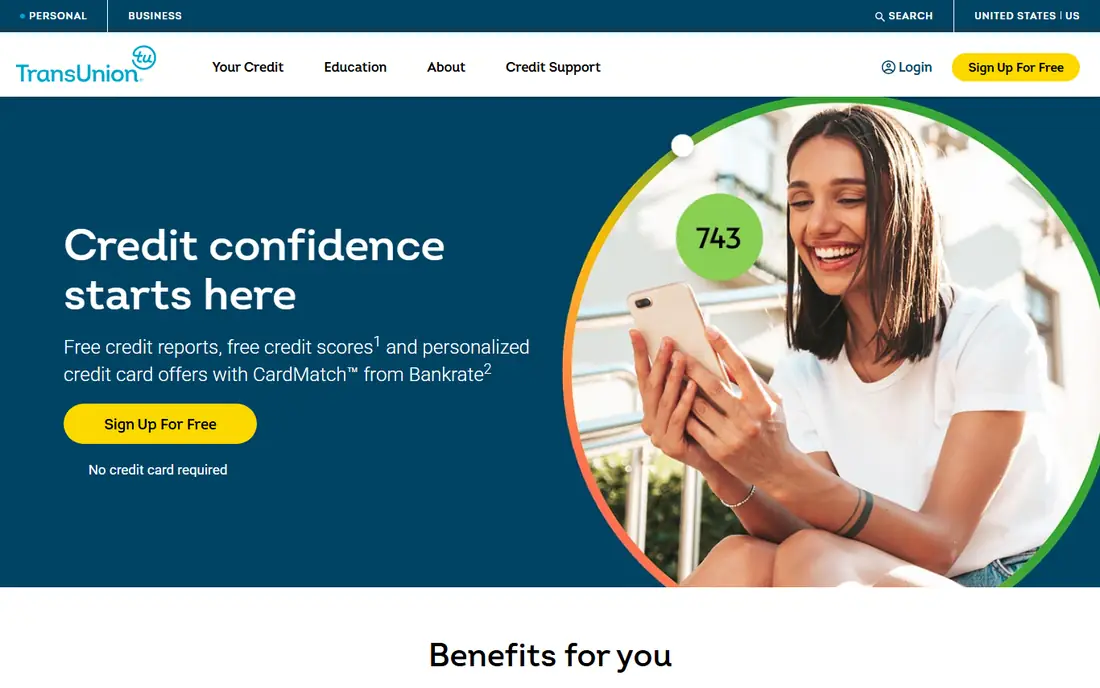
TransUnion completes the set of three major bureaus. Its free account gives access to your TransUnion credit report, score, and alerts for changes to that report, plus tools to lock the report in some cases. That helps you spot new accounts, inquiries, or changes that appear only on the TransUnion file, which can happen when a lender reports to one bureau first.
The same bureau limit applies. A TransUnion-only plan will not catch changes on Experian or Equifax, so many people combine free accounts from all three bureaus for basic coverage. Paid TransUnion plans add three-bureau monitoring and identity tools. For direct access to your TransUnion file, this is the most direct route.
What we like- Free TransUnion report access and alerts
- Credit lock tools
- Score tracking in one account
Watch out for- Free plan covers TransUnion only
- Broader identity features need a paid plan
#4Credit Karma
Best for: Free credit scores and monitoring4.3/5 on
G2 (35 reviews, checked Oct 2026)
Visit creditkarma.com
Starting price$0
Free planYes
Credit Karma is the best free credit monitoring service for most people, because it monitors Equifax and TransUnion reports at no monthly cost and shows credit scores and report details. Alerts can flag a new inquiry, a new account, or a change in balance, which helps you spot misuse early. It also offers tools to check for data breaches and to review credit factors that affect your score.
Credit Karma is not a full identity theft protection service. It does not monitor Experian in the same way, and it does not offer the same recovery support, insurance, or dark web monitoring as a paid identity service. Its scores are also based on VantageScore models for many users, which may differ from the FICO scores a lender uses. For free, broad monitoring, it is hard to beat, but it should not be mistaken for complete identity protection.
What we like- Free monitoring for Equifax and TransUnion reports
- Free credit scores and report access
- No monthly fee for core features
Watch out for- Not a full identity theft service
- Scores are VantageScore, not FICO, for many users
- Ads and product offers fund the free service
Starting priceSee website
Free planFree trial
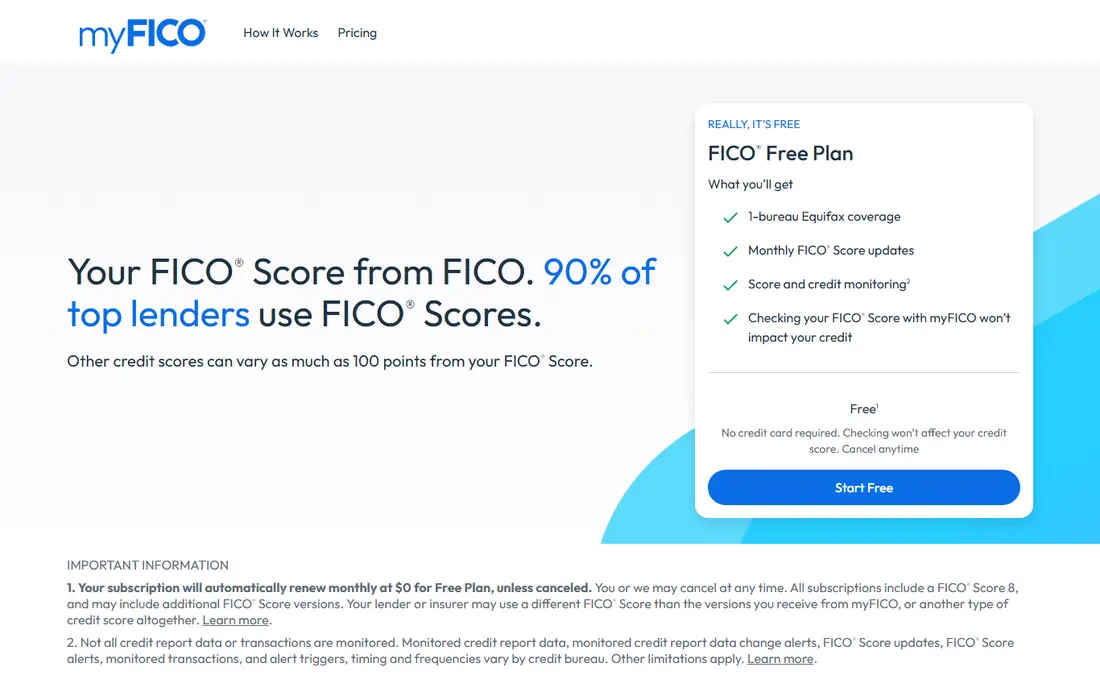
myFICO suits people who need to know their actual FICO scores, not just an educational score. Lenders commonly use FICO scores for mortgages, auto loans, and credit cards, so tracking the score a lender is likely to see can help before a major application. Paid myFICO plans show FICO scores from all three bureaus, score history, and the factors that move each score.
The trade-off is cost and scope. myFICO is focused on credit scores and reports, not on broad identity monitoring, dark web scans, or device protection. A free trial helps you test it, but ongoing three-bureau FICO tracking needs a paid plan. If you are preparing for a mortgage or a large loan, myFICO is the most direct way to track the scores that matter.
What we like- Official FICO scores from all three bureaus on paid plans
- Detailed score factors and history
- Alerts for score changes
Watch out for- No free ongoing plan for full three-bureau scores
- Price is higher than basic monitoring
Starting priceSee website
Free planFree trial
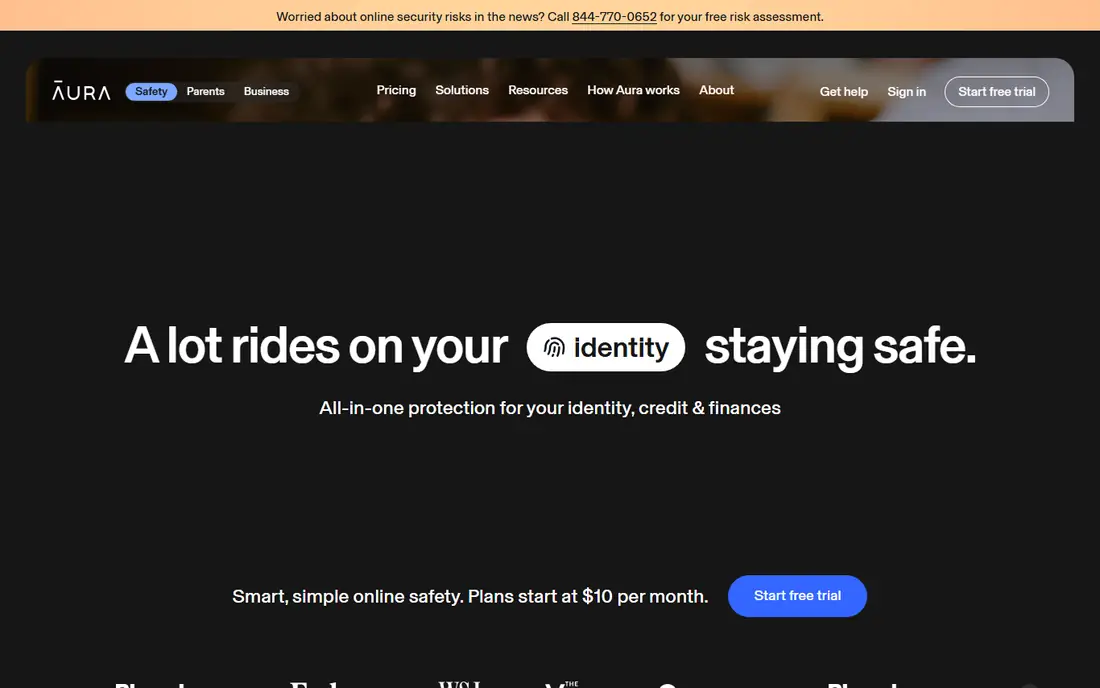
Aura combines credit monitoring with broader identity protection in one account. Paid plans monitor credit reports, scan the dark web for exposed emails, passwords, and personal data, and watch financial accounts for unusual activity. Family plans can cover adults and children, and recovery support helps if identity theft occurs. That breadth suits households that want one service for credit, identity, and online safety.
Aura is not free beyond a trial, and the best features sit on higher tiers, so a family plan can cost more than basic credit monitoring. It also does not replace a credit freeze, which remains a strong free protection. For a household that wants credit alerts plus identity monitoring and help after a theft, Aura is one of the most complete services on this list.
What we like- Three-bureau credit monitoring on paid plans
- Dark web, identity, and financial account monitoring
- Family plans and recovery support
Watch out for- Full features need a paid plan
- Price rises with family size and plan tier
Starting priceSee website
Free planFree trial
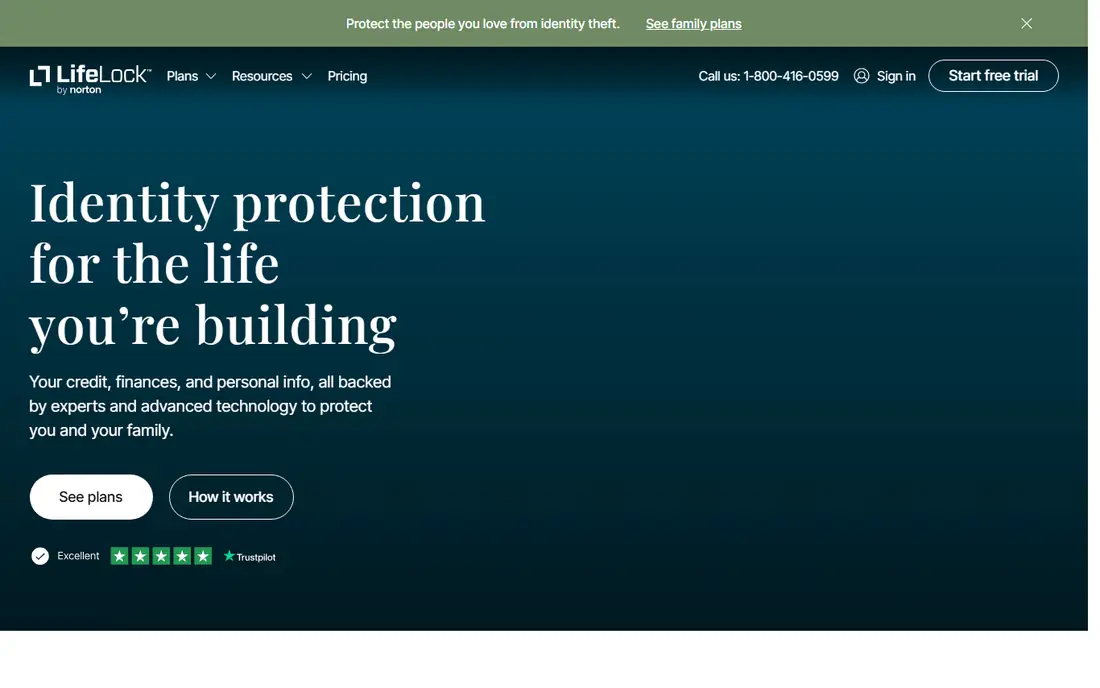
LifeLock, from Norton, is a long-running identity theft protection service that combines credit monitoring with identity, dark web, and social security number monitoring. Paid plans add alerts for new accounts, address changes, and other identity events, plus support from identity restoration specialists if theft occurs. Some plans also include device security and VPN features through Norton, which may suit users who want one subscription for several protections.
Pricing needs careful comparison, because LifeLock plans differ in credit bureau coverage, monitoring depth, and reimbursement limits. The lowest plan is not the same as the most complete plan, and device features may not matter if you already have security software. For identity protection with a strong recovery focus, LifeLock remains a major option, especially for users who already trust Norton products.
What we like- Identity monitoring, dark web scans, and credit alerts
- Recovery support and reimbursement for some plans
- Well-known brand with broad coverage
Watch out for- Price varies widely by plan
- Some features, such as device security, sit on higher tiers
Starting priceSee website
Free planFree trial
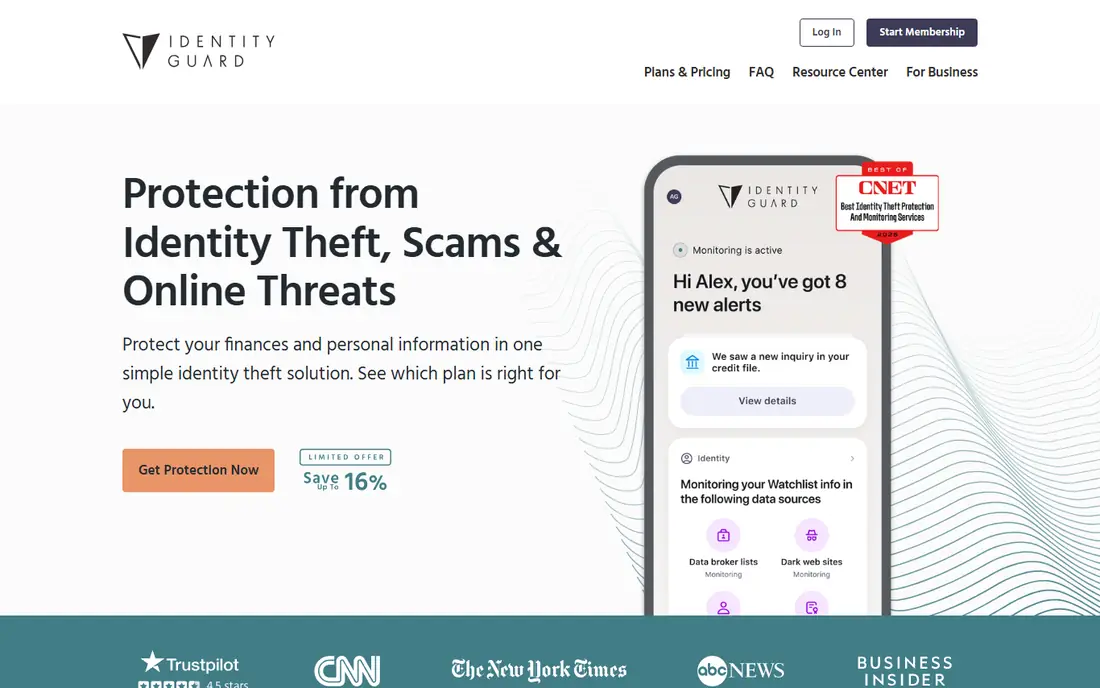
Identity Guard, from Aura, focuses on early risk detection as well as credit alerts. It monitors credit reports, scans for exposed personal data, and uses risk models to flag high-risk transactions and identity events. That can help a user act before a small exposure becomes a larger problem, rather than only after a new account appears on a credit report.
As with other paid services, the most complete coverage sits on higher plans, and family features add cost. Identity Guard also overlaps with Aura in some areas, so a buyer should compare the two before choosing both. For a user who wants credit monitoring plus proactive identity risk alerts, Identity Guard is a strong, focused alternative to a bureau-only plan.
What we like- Credit and identity monitoring with AI-based risk alerts
- Dark web and high-risk transaction monitoring
- Recovery support
Watch out for- Full three-bureau and family features need higher plans
- Interface and plan tiers need a careful read
Starting priceSee website
Free planFree trial
IdentityForce, from TransUnion, offers credit monitoring alongside identity and dark web monitoring, with additional checks for social media, court records, and other public data on higher plans. Its restoration support helps users work through the steps after identity theft, including contacting creditors and filing reports. That support matters, because recovery can take weeks and involve many calls and forms.
The main drawback is price. IdentityForce costs more than free bureau monitoring or Credit Karma, and its full feature set needs a higher tier. For a user who wants a TransUnion-backed service with broad identity checks and hands-on recovery help, it is a solid choice. For simple credit alerts, a free bureau account may be enough.
What we like- Credit, identity, and dark web monitoring
- Social media and court record checks on some plans
- Identity restoration support
Watch out for- Price is higher than basic credit monitoring
- Some advanced checks sit on higher tiers
Starting priceSee website
Free planFree trial
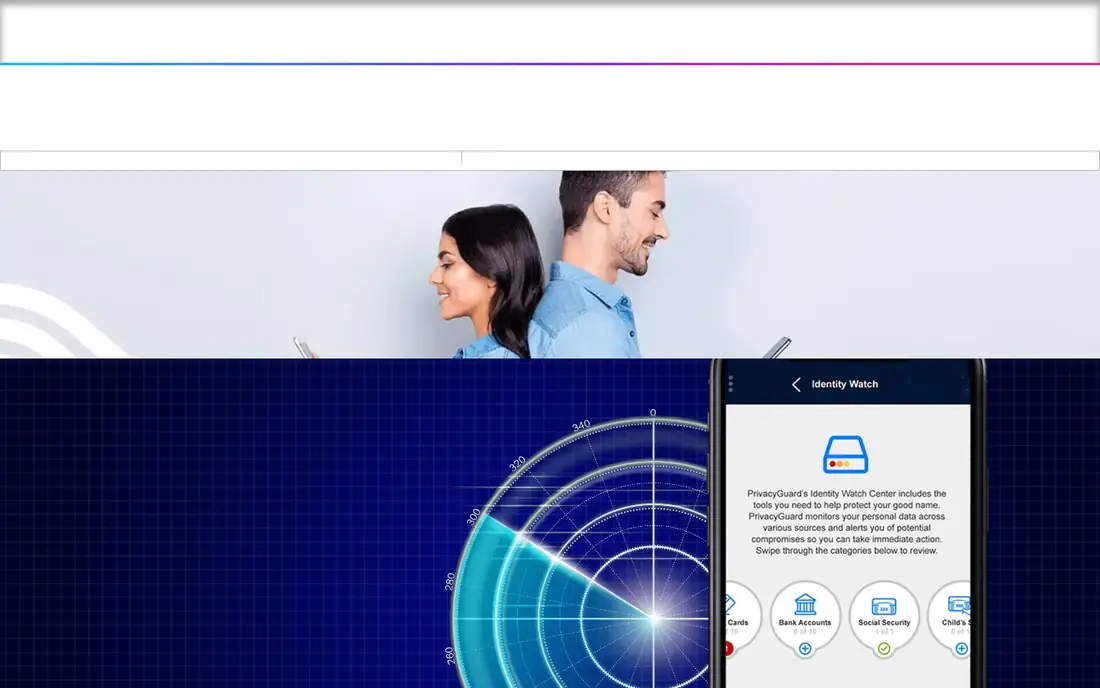
PrivacyGuard offers three-bureau credit monitoring, score tracking, and identity protection in a single paid service. Some plans update credit scores daily, which helps a user who is actively rebuilding credit or preparing for a loan application. Identity monitoring and recovery tools add support beyond a basic credit alert, and the service is designed for users who want one dashboard for credit and identity.
PrivacyGuard has no free ongoing plan, so it is a paid-only choice after a trial. Score models and update frequency also vary by plan, so check whether the score shown matches the score a lender will use. For a user who wants daily score updates and three-bureau monitoring in one place, PrivacyGuard is worth comparing with myFICO and Aura.
What we like- Three-bureau credit monitoring on paid plans
- Daily credit score updates on some plans
- Identity monitoring and recovery tools
Watch out for- No free ongoing plan
- Plan features and score models vary by tier
How we chose
We checked vendor homepages, feature documentation, and public feedback, and we favored services that clearly state bureau coverage, alert types, and recovery support. We weighed free versus paid coverage, whether a service monitors one bureau or all three, dark web and identity monitoring, family plans, and how easy it is to dispute an error or freeze a report. We did not rank on marketing claims about protection, because no monitoring service can prevent all fraud.
Free steps that work beside any paid service
Freeze your credit at all three bureaus
A credit freeze restricts access to your credit report, which makes it harder for someone to open a new account in your name. Freezes are free in the United States, and you can place one with Experian, Equifax, and TransUnion separately. You can lift a freeze temporarily when you apply for credit, then restore it after approval.
Check your reports and use strong passwords
You can get free weekly credit reports from the official annual credit report site, and you should review them for accounts you do not recognize. Use unique passwords for financial accounts, turn on two-factor authentication, and be cautious with links and calls that ask for personal data. Monitoring alerts help, but good account security reduces the chance of misuse in the first place.
Act quickly on an alert
If you get an alert for an account or inquiry you do not recognize, contact the lender, place a fraud alert or freeze, and file a report with the credit bureaus and, if needed, law enforcement. Keep records of calls, dates, and case numbers, and follow up until the account is closed and the report is corrected. A monitoring service can alert you, but you still need to act.
Frequently asked questions
What is the best credit monitoring service overall?
For free monitoring, Credit Karma plus free bureau accounts cover much of the basics. For paid, all-in-one protection, Aura and LifeLock offer broader identity monitoring and recovery support. For official FICO scores, myFICO is the best choice. The best service depends on if you need free alerts, three-bureau coverage, or full identity protection.
Is free credit monitoring enough?
Free monitoring from Credit Karma and the three bureaus can catch many new accounts and inquiries, especially if you check reports regularly and freeze credit. It does not offer the same dark web monitoring, recovery support, or insurance as a paid identity service. For most people, free monitoring plus credit freezes is a strong, low-cost approach.
Which credit monitoring service covers all three bureaus?
Paid plans from Aura, LifeLock, Identity Guard, IdentityForce, PrivacyGuard, and myFICO can monitor all three bureaus, depending on the plan tier. Free bureau accounts cover only their own bureau, and Credit Karma covers Equifax and TransUnion. Always check the plan details, because some lower tiers monitor only one bureau.
Does credit monitoring prevent identity theft?
No. Credit monitoring alerts you after a change appears on a report, but it does not block a thief from using your data elsewhere. Credit freezes, strong passwords, and careful handling of personal data are stronger preventive steps. A paid service adds monitoring and recovery help, but it does not guarantee that theft will not happen.
What should I do if I get a credit monitoring alert?
First, check if you recognize the account, inquiry, or change. If you do not, contact the lender, place a fraud alert or freeze, and dispute the item with the relevant bureau. Keep records of every contact, and follow up until the item is removed. If identity theft is confirmed, consider filing a report and using any recovery support your service offers.
Is myFICO better than Credit Karma?
They serve different jobs. myFICO shows official FICO scores that many lenders use, while Credit Karma shows VantageScore scores and free monitoring for Equifax and TransUnion. If you are preparing for a mortgage or auto loan, myFICO gives a clearer picture of lender scores. If you want free ongoing monitoring, Credit Karma is the better value.
Sources we checked (10)
- https://www.experian.com/
- https://www.equifax.com/
- https://www.transunion.com/
- https://www.creditkarma.com/
- https://www.myfico.com/
- https://www.aura.com/
- https://www.lifelock.com/
- https://www.identityguard.com/
- https://www.identityforce.com/
- https://www.privacyguard.com/
Is your product missing or out of date?
We review this list regularly. Vendors can request a listing, send updated pricing or ask about featured placement.

Shihab Mia · Founder, Rankite
Shihab has 5+ years in B2B and SaaS SEO. He writes Rankite's software buying guides from pricing pages, documentation and public user reviews. More about Shihab.