How we make this list: we compare pricing pages, product documentation and public user reviews. Ratings come from G2, Capterra or Trustpilot, with the date we checked them.
Key takeaways
- The best credit card company depends on how you spend, because rewards, travel perks and service quality differ more than the plastic itself.
- Chase and Bank of America suit cardholders who also bank with them, thanks to linked rewards and branch access.
- Discover and Synchrony suit value-focused cardholders, with strong no-annual-fee options and store or category rewards.
- Citi, Wells Fargo and U.S. Bank cover a wide middle ground, from cash back and balance transfer options to travel cards.
- Annual fees, interest rates and reward caps vary by card, so compare a specific card offer, not just the company name. This is not financial advice.
Quick comparison
| Tool | Best for | Starting price | Free plan |
|---|
 Chase | Travel rewards and linked banking | See website | Yes |
 Discover | Cash back with no annual fee | See website | Yes |
 Citi | Cash back and balance transfer choices | See website | Yes |
 Bank of America | Rewards boosted by banking relationship | See website | Yes |
 Wells Fargo | Everyday cash back and branch banking | See website | Yes |
 U.S. Bank | Cash back categories and travel cards | See website | Yes |
 Synchrony | Store cards and partner financing | See website | Yes |
Is your product missing or out of date?
We review this list regularly. Vendors can request a listing, send updated pricing or ask about featured placement.
The best credit card companies
Starting priceSee website
Free planYes
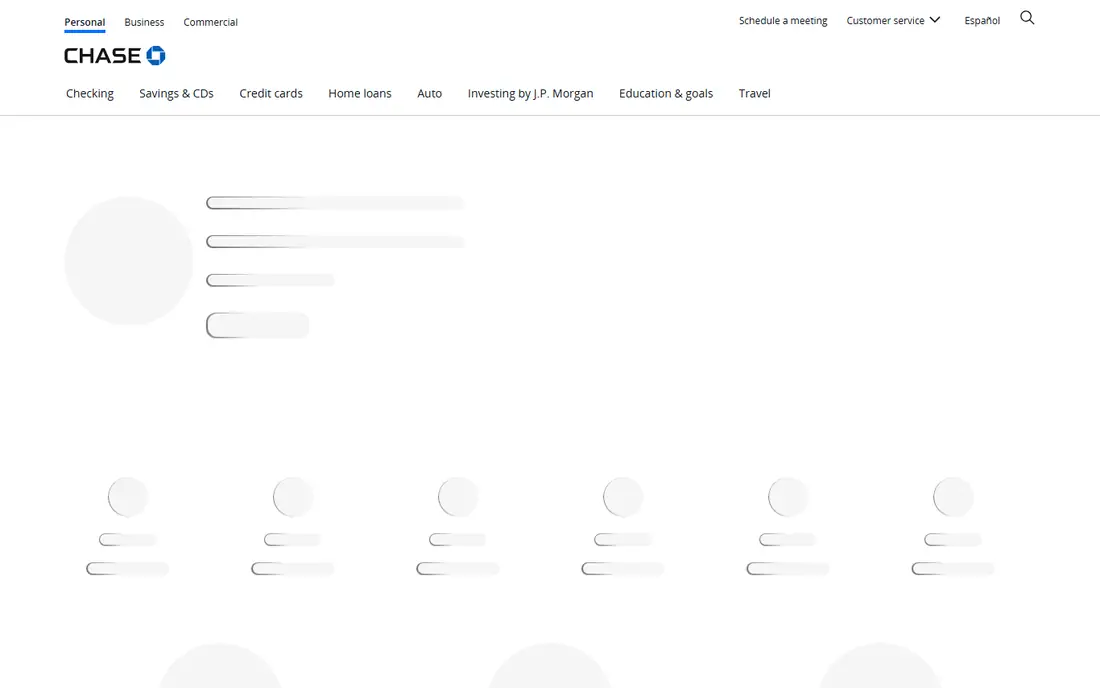
Chase is the default answer for many US travelers, and the reason is the breadth of its card lineup rather than any single card. At the no-annual-fee end, Freedom cards offer rotating or fixed cash back categories. At the premium end, Sapphire cards add travel credits, lounge access and transfer partners for points. Cardholders who also hold Chase checking or savings accounts can manage cards, payments and rewards in one app, and can visit a branch when a problem needs a person rather than a chat window.
The catch is cost and complexity. Premium cards only pay off when the cardholder actually uses the travel credits and portal bookings that justify the fee. Interest rates on carried balances are high across the industry, and Chase is no exception, so a rewards card is a poor tool for borrowing. Applicants with a short credit history or several recent card applications may also face stricter decisions. Chase fits best for a cardholder who travels, pays in full, and wants one issuer for banking and cards.
What we like- Large travel rewards lineup
- Strong mobile app and branch network
- No-annual-fee cards alongside premium travel cards
Watch out for- Premium travel cards carry high annual fees
- Best rewards often require travel portal use
- Approval can be strict for premium cards
Starting priceSee website
Free planYes
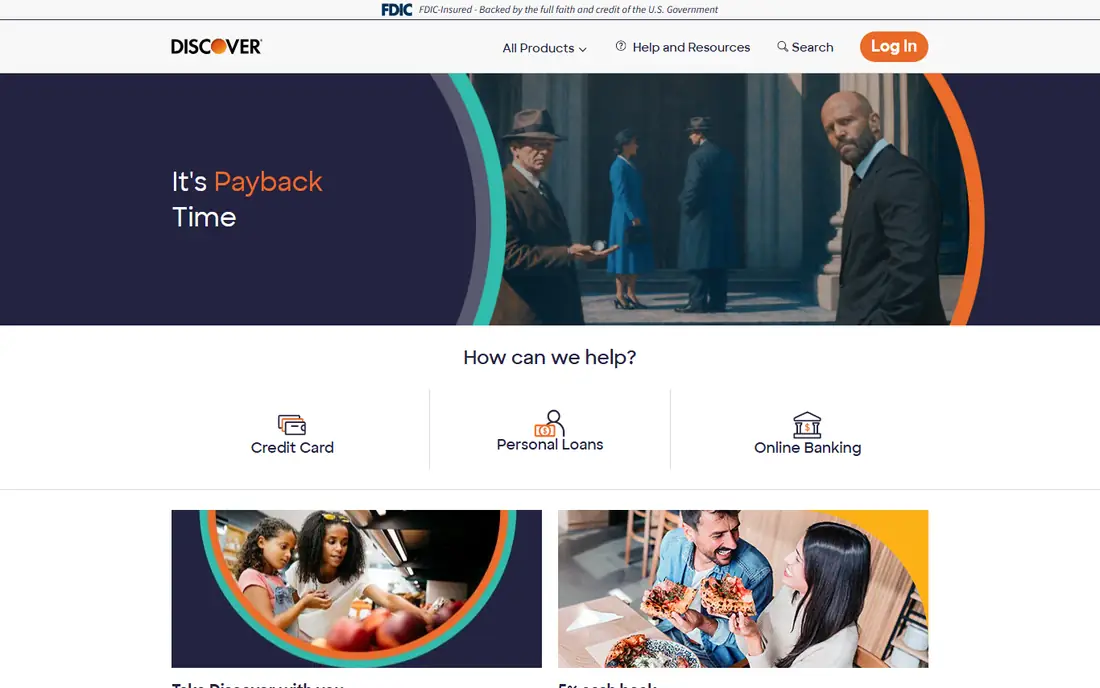
Discover takes a simpler approach than Chase. Its flagship Discover it Cash Back card charges no annual fee and pays rotating 5 percent cash back in categories such as restaurants, entertainment and utilities, up to a quarterly cap, with 1 percent on other spending. Cardholders check pre-approval with no impact to their credit score, and the company lists fraud alerts, card freeze controls and payment flexibility in its app. For a first card or a second cash back card, that simplicity is a real advantage.
The limits show up on travel. Discover is accepted at 99 percent of US places that take cards, according to the company, but acceptance abroad is less consistent than Visa or Mastercard, so frequent international travelers often carry a second card. Rotating categories also require activation, and missing a quarter means missing that bonus. Discover is best for a US-focused spender who wants cash back without an annual fee and who values straightforward terms.
What we like- No annual fee on its main consumer cards
- Rotating 5 percent cash back categories on Discover it Cash Back
- US-based customer service reputation
Watch out for- Acceptance is slightly narrower abroad than Visa or Mastercard
- Rotating categories require activation each quarter
- Fewer premium travel cards
#3
Citi
Best for: Cash back and balance transfer choices
Visit citi.com
Starting priceSee website
Free planYes
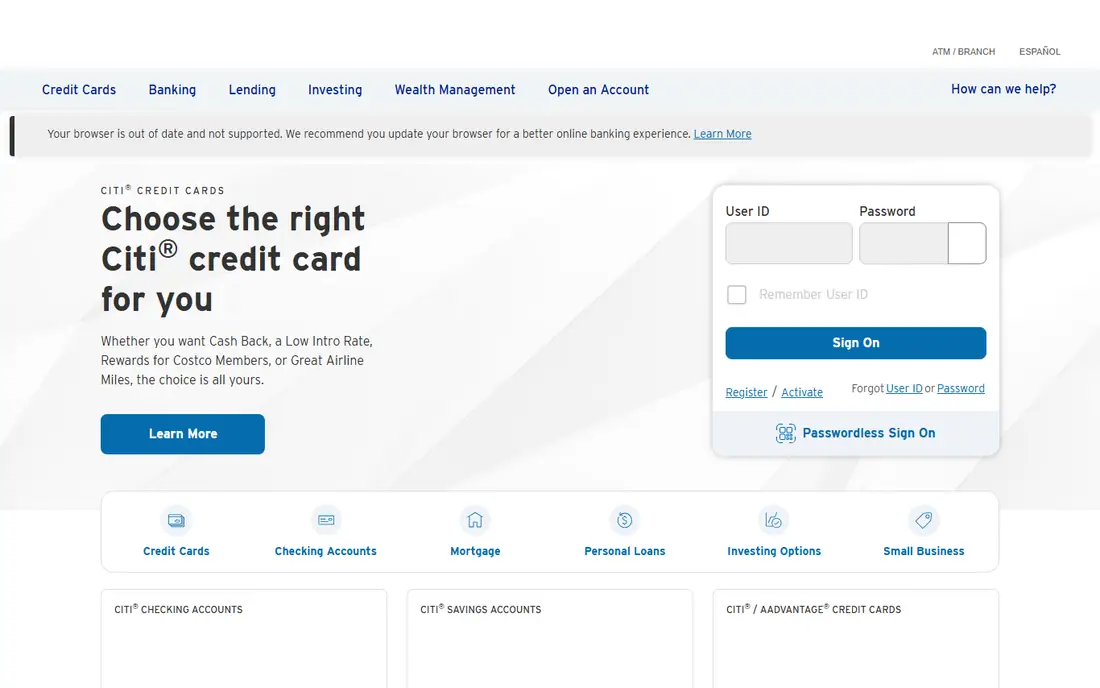
Citi covers almost every cash back style in one lineup. Double Cash pays a flat rate split between purchase and payment, Custom Cash pays a higher rate in the top spending category each month, and other cards add travel or balance transfer features. That range lets a cardholder pick a card that matches actual spending, rather than reshaping spending to fit a card. Citi also offers balance transfer cards that can help a borrower move high-interest debt to a lower introductory rate, subject to a transfer fee and the terms of the offer.
The challenge is keeping track of which card does what. A flat-rate card and a category card look similar in a list, but they reward very different habits. Citi has also adjusted card terms in past years, so a benefit that mattered at sign-up should be checked again before renewal. Branch access is strong in large cities but thinner elsewhere, so many cardholders will rely on the app. Citi fits a cardholder who wants a specific cash back or balance transfer tool and is willing to read the card terms closely.
What we like- Wide cash back lineup including flat-rate and category cards
- Balance transfer options on some cards
- Global bank with broad ATM and branch access in major cities
Watch out for- Rewards structure varies sharply by card
- Some popular cards have changed terms over time
- Branch footprint is thinner than Chase or Bank of America in many regions
Starting priceSee website
Free planYes
Bank of America rewards loyalty to the bank itself. Cardholders in its Preferred Rewards program can earn higher cash back rates based on combined balances in eligible Bank of America banking and Merrill investment accounts. A Customized Cash Rewards card, for example, can pay a higher rate in a chosen category, and that rate rises further with a higher Preferred Rewards tier. For a household that already banks with Bank of America, that boost can beat a standalone card from another issuer.
The downside is the balance requirement. Without a qualifying banking relationship, the same card is ordinary rather than outstanding. Travel cards from Bank of America are solid but do not match the lounge and transfer partner depth of the top Chase or premium travel lineups. The tier system also adds a layer of complexity, because the reward rate depends on balances that can change. Bank of America fits best for an existing banking customer who wants rewards to grow with the relationship.
What we like- Preferred Rewards can raise cash back rates for banking customers
- Large branch and ATM network
- Travel and cash back cards with no annual fee options
Watch out for- The best rewards require a banking balance
- Premium travel benefits lag some rivals
- Card lineup can feel confusing next to the banking tiers
Starting priceSee website
Free planYes
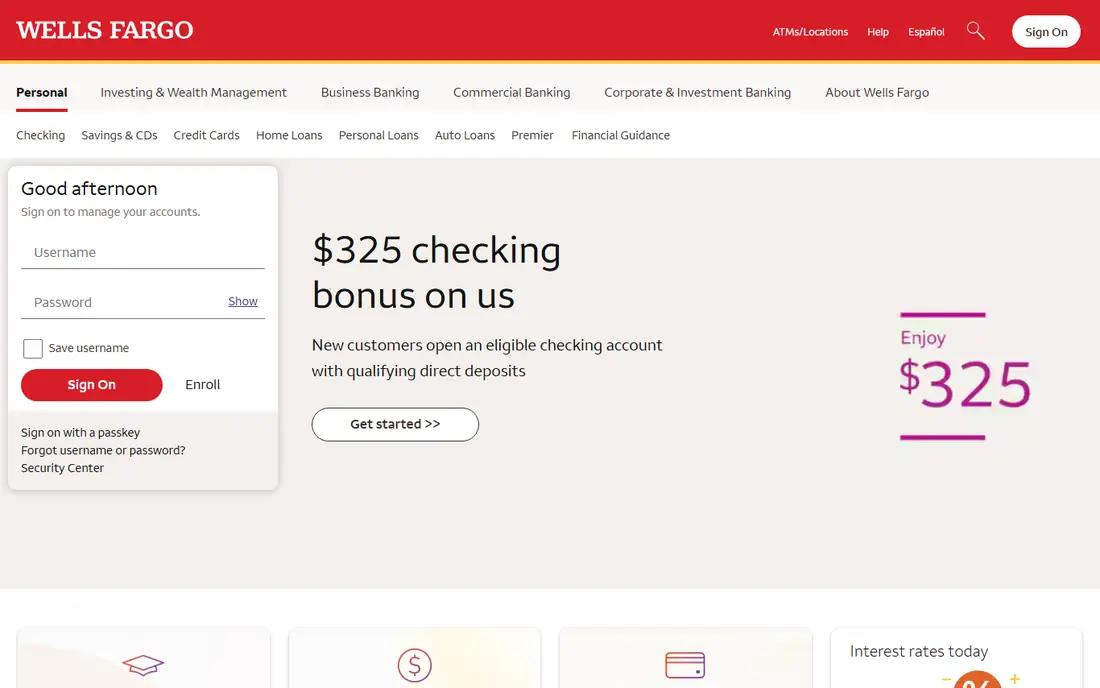
Wells Fargo suits cardholders who want a dependable everyday card from a bank they can visit. Its Active Cash card pays a flat cash back rate on purchases with no annual fee, which removes the need to track rotating categories. Autograph cards add travel and transit categories for drivers, diners and travelers who want more than a flat rate. Cardholders can manage payments, set alerts and lock a card in the app, and can sort out disputes or account questions in a branch.
The trade-off is at the premium end. Wells Fargo does not offer the same depth of lounge access, transfer partners or travel credits as the leading travel issuers. Some features work best when the card is paired with a Wells Fargo checking account, which may not suit a cardholder who banks elsewhere. Wells Fargo fits a cardholder who wants a simple cash back card, values branch access, and does not need a premium travel program.
What we like- Large branch network
- Straightforward cash back cards
- Mobile app with spending insights and card controls
Watch out for- Travel rewards lineup is narrower than Chase
- Some cards require a Wells Fargo account for the best features
- Premium perks are limited
Starting priceSee website
Free planYes
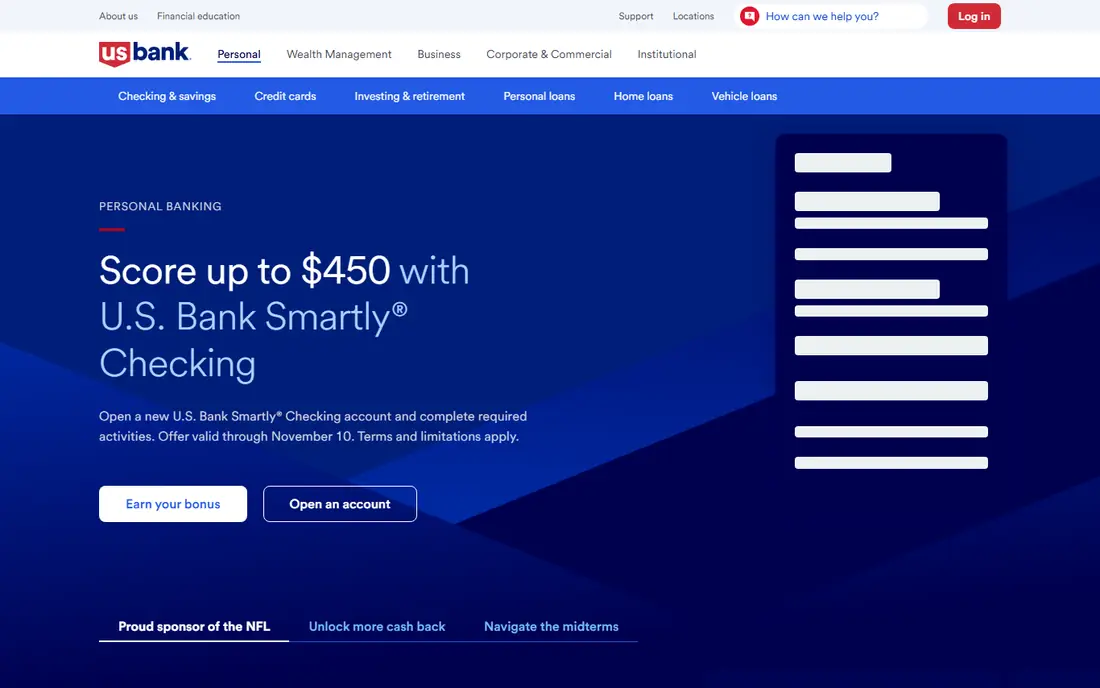
U.S. Bank has quietly built one of the more interesting cash back lineups in the US. Its Cash Plus card lets cardholders choose two 5 percent categories and one 2 percent category, which suits a household with stable spending in areas such as groceries, gas or home utilities. Altitude cards add travel points, streaming and dining rewards for cardholders who want points rather than cash. The bank also issues cards under Visa and Mastercard, plus American Express network cards in some cases, which widens acceptance.
Category caps are the main limit. The 5 percent categories on Cash Plus apply up to a quarterly spending cap, so heavy spenders will see the rate drop after the cap. U.S. Bank branches are concentrated in certain regions, so cardholders outside those areas will rely on the app and phone support. U.S. Bank fits a cardholder who knows their top spending categories and wants to lock them in, rather than chase rotating bonuses.
What we like- Strong category cash back cards
- Travel cards with points and credits
- Large regional branch network and a full banking app
Watch out for- Some top cash back cards have category caps
- Approval and credit limits vary by card
- Branch access is strongest in its core regions
Starting priceSee website
Free planYes
Synchrony works differently from the banks above. Instead of a single flagship card, it issues store cards, co-brand cards and financing cards for hundreds of retail, home, auto and health partners, including CareCredit for health and wellness costs. A Synchrony card bought at a favorite retailer can offer special financing, deferred interest promotions or category rewards tied to that store. The Synchrony Premier Mastercard is a general-purpose option with 2 percent cash back and no annual fee, according to the company site.
The risk is narrow use. A store card that earns rewards only at one chain is a poor everyday card, and deferred interest promotions can become expensive if the balance is not paid in full by the end of the promo period. Interest rates on retail cards are often higher than on general bank cards, so carrying a balance quickly erases any reward. Synchrony fits a shopper who already spends heavily with a partner brand, or who needs a specific financing offer, and who plans to pay the balance on time.
What we like- Huge partner network for store and co-brand cards
- Financing options for large purchases
- No-annual-fee cards including the Synchrony Premier Mastercard
Watch out for- Many cards only work well at one retailer
- Interest rates on store cards can be high
- Rewards are less flexible than general cash back cards
How we chose
We compared issuers on card range, no-annual-fee options, rewards structure, travel perks, acceptance, banking links, app tools and customer service reputation. Pricing came from issuer sites and public card guides, because annual fees and interest rates vary by card and by applicant credit profile, so a single company price would mislead readers. Where a fee or rate could not be tied to a specific current card offer, we wrote See website. We also checked that each company issues cards in the United States today and fits the category, rather than adding networks, payment apps or lenders that do not issue their own consumer cards.
How to pick the best credit card company for you
Start with your spending, not with a welcome bonus. List the three categories where you spend most, such as groceries, gas, dining or travel, and check which card pays best in those categories after any cap. A welcome bonus is a one-time gain, while a category rate repeats every month. If you travel abroad, check network acceptance and foreign transaction fees for the specific card, because company-level claims do not always apply to every card.
Decide on an annual fee with a simple test
Add up the rewards and credits you will actually use in a year, then subtract the annual fee. If the result is lower than a no-annual-fee card would pay, the premium card is not worth it for you, even if its headline benefits look strong. Also check whether credits require enrollment, portal booking or a specific merchant, because unused credits are worth nothing. For most cardholders, a no-annual-fee cash back card beats a premium card that is chosen for status alone.
Check the cost of carrying a balance
Rewards cards are spending tools, not borrowing tools. Interest rates are high, and a balance carried for months can cost more than a year of rewards. If you need to pay down existing debt, a balance transfer card with a low introductory rate and a clear transfer fee may help, but only with a payoff plan that clears the balance before the promo ends. If you cannot pay in full most months, a low-rate card or a credit union card may be a better fit than a rewards card. This is not financial advice, and card terms should be read in full before applying.
Look beyond the card
Banking links, app controls, fraud alerts, card freeze options, dispute handling and branch access all matter after sign-up. A card that is easy to lock, replace and dispute is worth more than a slightly higher reward rate from an issuer with weak service. Check pre-approval tools where offered, because they let you see a likely offer without a hard credit check in many cases. Finally, keep the number of cards manageable, since each new account affects credit history, payment tracking and fraud exposure.
Frequently asked questions
What is the best credit card company overall?
There is no single winner, because the best company depends on spending and travel habits. Chase leads for travel rewards, Discover leads for simple no-annual-fee cash back, and Bank of America leads for cardholders who also bank with it. Pick the issuer whose best card matches your top spending categories and whose fee you can justify.
Which credit card company is best for rewards?
Chase and U.S. Bank offer strong category and travel rewards, while Citi offers flat-rate and category cash back cards that suit different habits. Compare the reward rate after caps, the value of points when redeemed, and whether points transfer to travel partners. A high headline rate with a low cap can pay less than a lower rate with no cap.
Which company has the best credit cards for beginners?
Discover and Chase both offer beginner-friendly paths, with no-annual-fee cards, pre-approval checks and app tools for tracking spending. A secured card from a major bank is another path for building credit, because it reports payments to credit bureaus and can graduate to an unsecured card. Start with one card, pay in full, and keep use low relative to the limit.
Do all these companies offer no-annual-fee cards?
Yes, each company on this list offers at least one consumer card with no annual fee, although the specific card and its rewards vary. Premium cards from the same company may charge a high annual fee in return for travel credits and perks. Always check the annual fee for the exact card you are applying for, not just the company.
Is it better to get a card from your own bank?
It can help, especially at Bank of America, where Preferred Rewards raises cash back rates for banking customers, and at Chase and Wells Fargo, where one app covers banking and cards. It is not required, and a standalone issuer such as Discover or Synchrony can beat your own bank on a specific reward. Compare the card, not just the bank name.
How do I choose between cash back and travel points?
Cash back is simpler and more flexible, because it can be applied as a statement credit or deposit without booking rules. Travel points can be worth more when transferred to airline or hotel partners, but only for cardholders who travel and book through the right channels. If you rarely travel, cash back usually wins. If you travel often and enjoy planning redemptions, points can win.
Sources we checked (7)
- https://www.chase.com/
- https://www.discover.com/
- https://www.citi.com/
- https://www.bankofamerica.com/
- https://www.wellsfargo.com/
- https://www.usbank.com/
- https://www.synchrony.com/
Is your product missing or out of date?
We review this list regularly. Vendors can request a listing, send updated pricing or ask about featured placement.

Shihab Mia · Founder, Rankite
Shihab has 5+ years in B2B and SaaS SEO. He writes Rankite's software buying guides from pricing pages, documentation and public user reviews. More about Shihab.