How we make this list: we compare pricing pages, product documentation and public user reviews. Rankite is independent; if a vendor ever pays for a featured spot, that listing is clearly labeled Partner.
Key takeaways
- BrandChamp and CrewFire lead dedicated ambassador programs for DTC brands, managing advocates from recruitment to rewards.
- Ambassador (the platform) specializes in referral-driven ambassador programs with deep tracking.
- SocialLadder and Duel focus on community-driven advocacy and challenges that activate fans.
- GRIN and LoudCrowd bridge influencer marketing and ambassador programs for creator-led brands.
- Bazaarvoice turns customers into advocates through reviews and UGC at enterprise scale.
Quick comparison
| Tool | Best for | Starting price | Free plan |
|---|
 BrandChamp BrandChamp | DTC ambassador programs | See website | Free trial |
 CrewFire CrewFire | ambassador management | See website | Free trial |
 Ambassador Ambassador | referral-driven programs | See website | No |
 SocialLadder SocialLadder | community challenges | See website | Free trial |
 Duel Duel | brand advocacy platform | See website | No |
 GRIN GRIN | creator and ambassador management | See website | No |
 LoudCrowd LoudCrowd | UGC from ambassadors | See website | Free trial |
 Bazaarvoice Bazaarvoice | enterprise reviews and UGC | See website | No |
Is your product missing or out of date?
We review this list regularly. Vendors can request a listing, send updated pricing or ask about featured placement.
The best brand ambassador software
Starting priceSee website
Free planFree trial
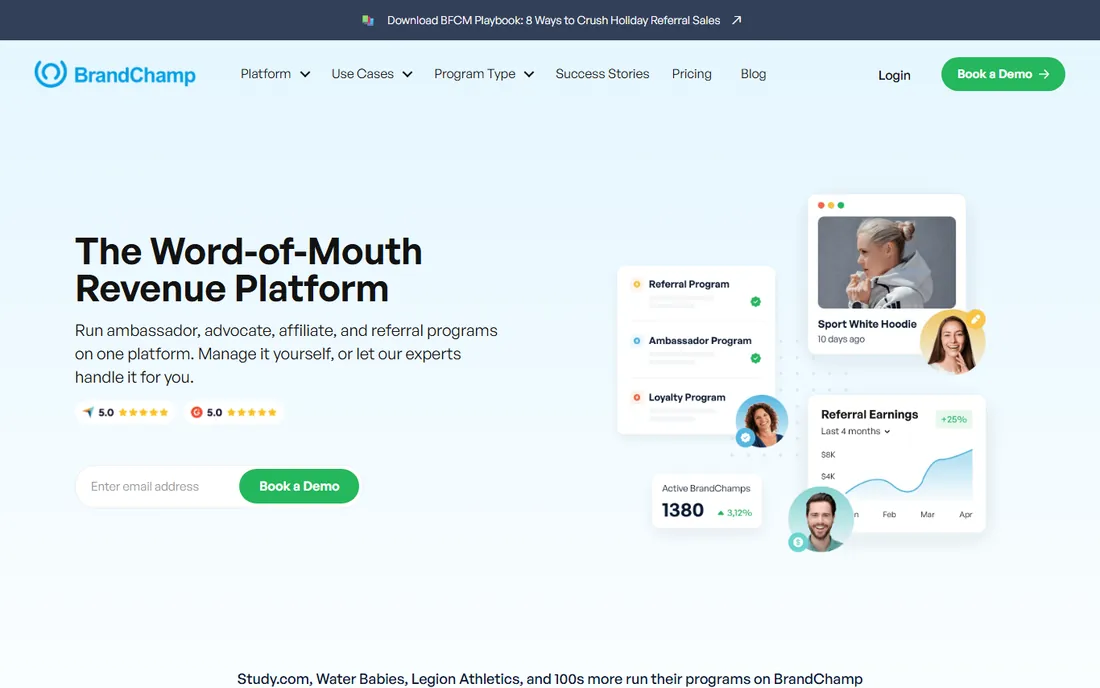
BrandChamp manages the full ambassador lifecycle for DTC brands: recruitment pages, application review, tiered rewards, referral tracking, and performance analytics. The Shopify integration ties ambassador activity to actual revenue. Growing brands get professional program management without enterprise complexity.
Pricing scales with program size, which is fair but worth modeling. The ecosystem is smaller than influencer platforms'. But for brands whose strategy is ambassadors rather than one-off influencers, BrandChamp's purpose-built workflows beat adapted tools.
What we like- Purpose-built for ambassadors
- Good Shopify integration
- Active development
Watch out for- Pricing scales
- Smaller ecosystem
Starting priceSee website
Free planFree trial
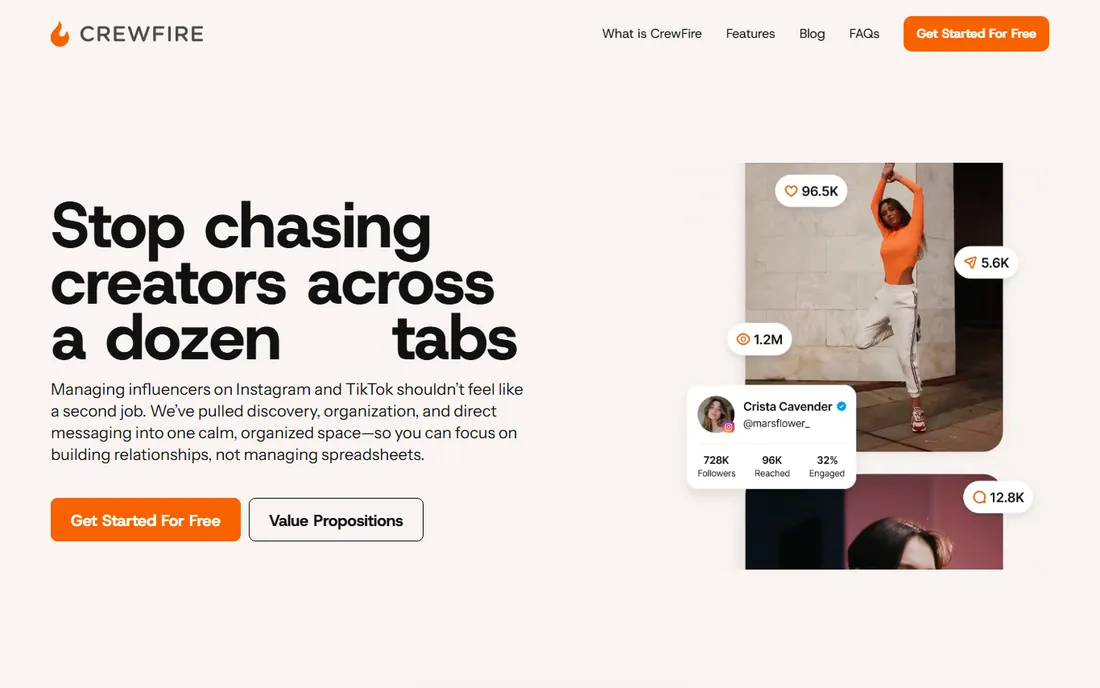
CrewFire activates ambassadors through missions and challenges: create content, share posts, complete tasks, earn rewards. The community features keep ambassadors engaged beyond transactions, and analytics show which advocates drive results. Brands with passionate fan bases get structured advocacy.
The platform's depth means a learning curve for program managers. Pricing requires conversation. But the mission-based model generates the authentic content that ambassador programs promise and influencer campaigns often miss.
What we like- Strong community features
- Challenges and missions
- Good analytics
Watch out for- Learning curve
- Pricing needs quote
Starting priceSee website
Free planNo
Ambassador, the company, built its name on referral marketing and extended into ambassador programs with the same tracking rigor. Multi-tier referrals, affiliate-style commissions, and detailed attribution serve businesses where word-of-mouth drives revenue. The platform handles complexity that simpler tools cannot.
Pricing and process are enterprise-oriented. But the referral DNA is the differentiator: when the ambassador program's job is measurable customer acquisition, Ambassador's tracking and payout infrastructure outperform community-focused competitors.
What we like- Deep referral tracking
- Enterprise-grade
- Proven ROI
Watch out for- Enterprise pricing
- Referral focus
Starting priceSee website
Free planFree trial
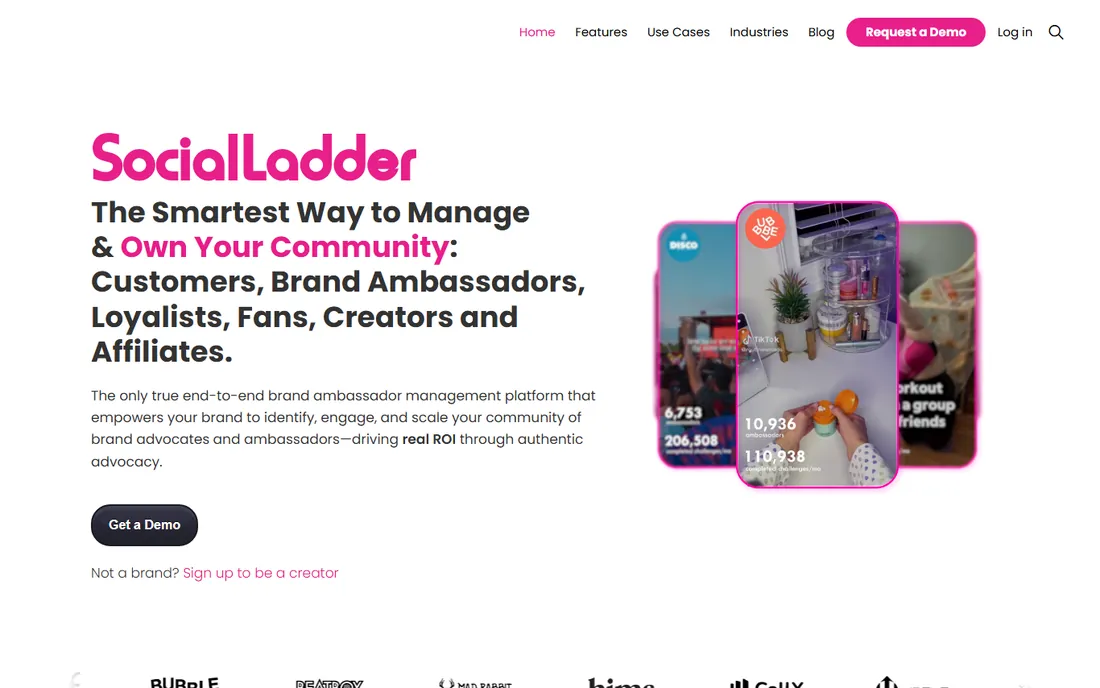
SocialLadder turns brand advocacy into mobile challenges: ambassadors complete tasks, earn points, and climb leaderboards from their phones. Event-driven brands, festivals, sports, and campus marketing get energetic participation. The mobile-first design suits young ambassador demographics.
As a smaller company, support resources and integrations are thinner. But the challenge format generates more activity than passive referral links. Brands targeting Gen Z ambassadors find the gamified approach resonates where traditional programs feel corporate.
What we like- Challenge-based engagement
- Mobile-first
- Good for events
Watch out for- Smaller company
- Less brand recognition
Starting priceSee website
Free planNo
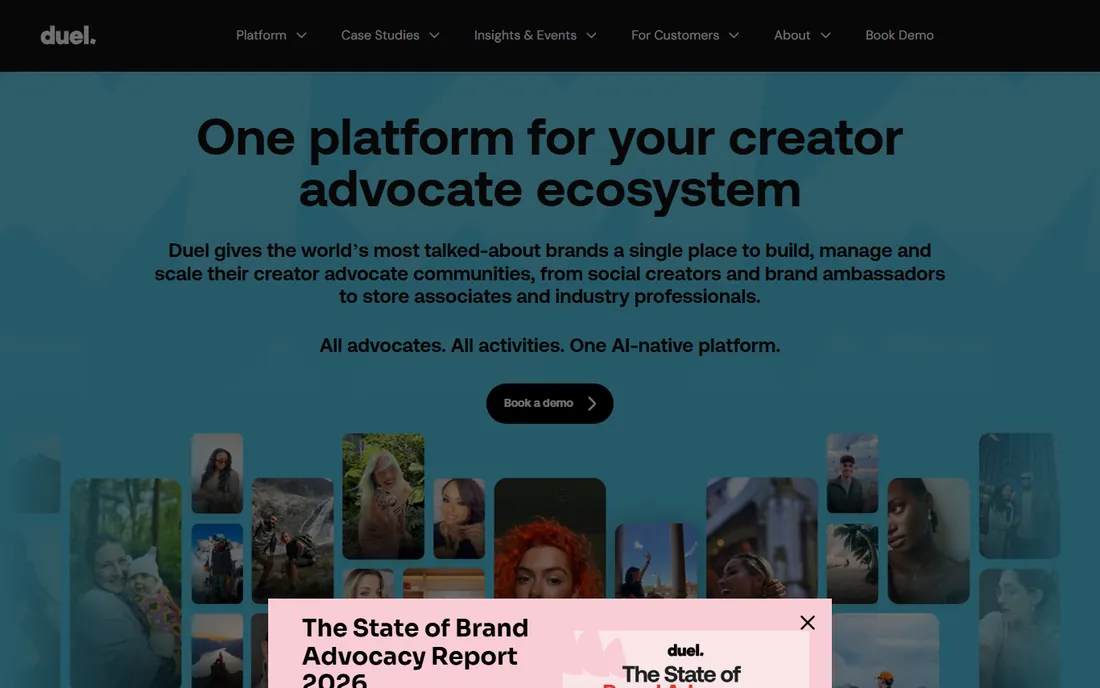
Duel builds brand advocacy programs for retailers and consumer brands, organizing customers into advocacy communities with tasks, rewards, and social amplification. The platform's data shows which advocacy activities drive revenue, informing program design.
The enterprise focus means quote-based pricing and implementation effort. But retail brands with large customer bases get advocacy infrastructure that scales: thousands of advocates creating content and driving referrals systematically rather than sporadically.
What we like- Strong advocacy mechanics
- Good for retail brands
- Data-driven
Watch out for- Enterprise focus
- Pricing quote-based
Starting priceSee website
Free planNo
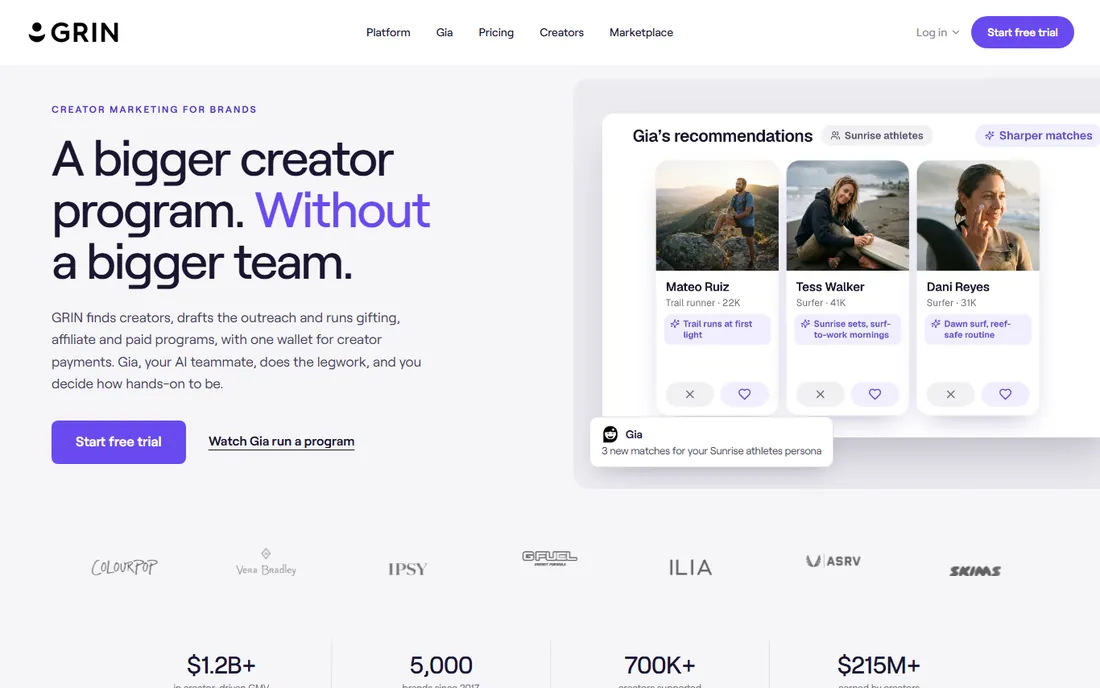
GRIN manages creator relationships end to end: discovery, outreach, gifting, content tracking, and payments, with deep Shopify and e-commerce integrations. Brands running ambassador programs alongside influencer campaigns manage both in one system. The creator focus brings professional workflows.
Pure community ambassador programs get less attention than influencer mechanics. Pricing is premium. But the line between ambassadors and micro-influencers has blurred, and GRIN serves brands operating across that spectrum better than either pure-play category.
What we like- Deep creator management
- E-commerce integrations
- Strong for DTC
Watch out for- Influencer-focused
- Pricing premium
Starting priceSee website
Free planFree trial
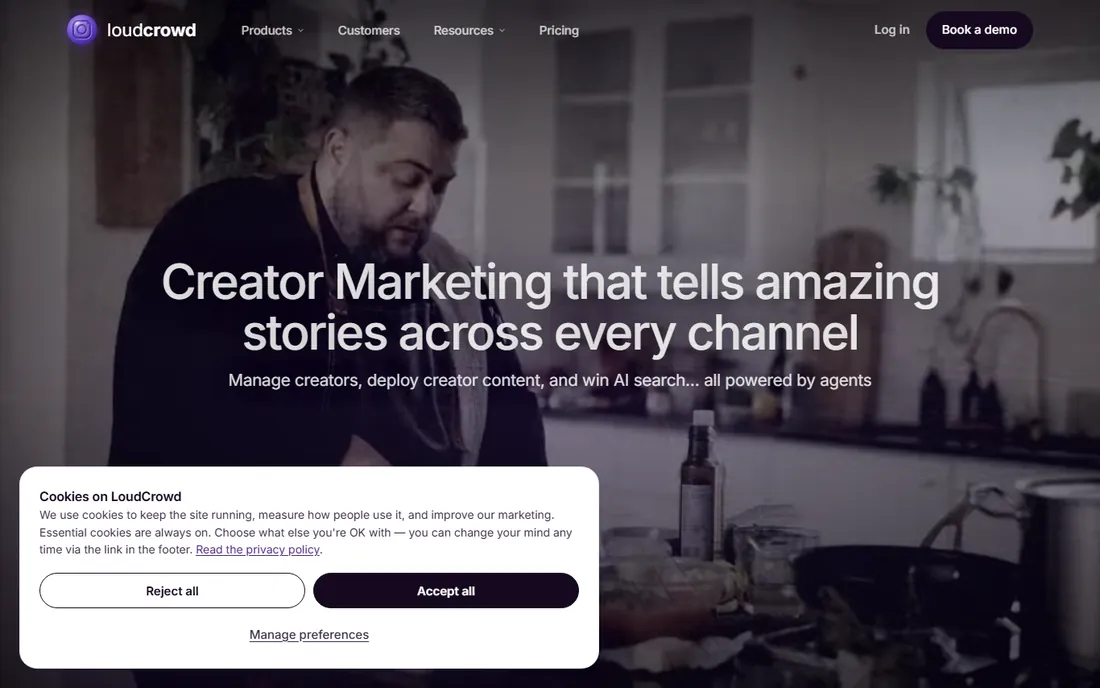
LoudCrowd turns ambassador and customer content into a UGC engine: discover creators posting about your brand, collect content with rights management, and deploy it across marketing channels. Brands drowning in untracked organic mentions get systematic UGC pipelines.
Full ambassador program management, tiers, missions, payouts, is thinner than dedicated platforms. But UGC is often the actual goal of ambassador programs, and LoudCrowd's specialization delivers it directly. Pair with a referral tool if payouts matter.
What we like- UGC collection and rights management
- Creator focus
- Good analytics
Watch out for- Narrower than full ambassador platforms
- Smaller company
Starting priceSee website
Free planNo
Bazaarvoice operates the review and UGC infrastructure behind major retailers and brands: ratings, reviews, Q&A, and visual content syndicated across retail networks. Enterprise brands turn customers into advocates at a scale no startup platform matches.
Pricing and complexity are enterprise through and through. But the syndication network is the moat: reviews collected once appear across retail partners, multiplying their value. Large brands where reviews drive conversion get infrastructure, not just software.
What we like- Massive review network
- Enterprise scale
- Syndication
Watch out for- Enterprise pricing
- Overkill for small brands
Building programs that work
Recruit for enthusiasm, not follower counts. Micro-ambassadors with genuine love for the product outperform disengaged macro-influencers. Make participation easy: clear missions, simple content guidelines, and rewards people actually want.
Measure what matters: revenue attributed to ambassadors, content produced, and engagement generated. Vanity metrics like ambassador headcount mislead. And nurture the community: ambassadors who feel connected to the brand and each other produce for years; those treated as cheap media churn in months.
Ambassador versus influencer
Ambassadors are long-term advocates, often customers, who promote from genuine affinity. Influencers are paid creators hired per campaign. Ambassador programs cost less per post and generate more authentic content; influencer campaigns deliver reach on demand.
Most mature brands run both: ambassadors for always-on advocacy and UGC, influencers for launches and reach. The tools here lean ambassador; GRIN and LoudCrowd bridge both worlds. Budget the mix based on whether you need consistent advocacy or campaign spikes.
Frequently asked questions
What is brand ambassador software?
Brand ambassador software recruits, manages, and rewards people who promote your brand: customers, fans, and creators. It typically includes application management, mission or challenge assignment, referral tracking, rewards fulfillment, and performance analytics.
How much does ambassador software cost?
SMB-focused tools start in the tens to low hundreds monthly. Mid-market platforms run into the hundreds or thousands. Enterprise solutions like Ambassador, Duel, and Bazaarvoice are quote-based. Model total cost including rewards fulfillment, not just software fees.
How do I recruit brand ambassadors?
Start with your best customers: email your list, post on social, and add applications to order confirmation pages. Screen for genuine enthusiasm over follower counts. Clear expectations and attractive rewards convert applicants into active ambassadors.
Do ambassador programs actually drive sales?
Yes, when structured around measurable actions. Referral links and codes attribute revenue directly. UGC from ambassadors lifts conversion rates on product pages. The programs that fail are those without clear calls to action or tracking.
What is the difference between ambassadors and affiliates?
Ambassadors promote from affinity and community, often for perks and recognition alongside commissions. Affiliates promote primarily for commission. Ambassador software emphasizes community and content; affiliate software emphasizes tracking and payouts. Many programs blend both.
Finding and recruiting ambassadors
The best ambassadors are already customers. Mine your data for the signals: repeat purchasers, high NPS scorers, social followers who engage constantly, and customers who refer friends without being asked. These people promote from genuine enthusiasm, which no recruitment campaign manufactures.
Recruit where they already gather. Email your customer list with a clear invitation describing what ambassadors do and what they get. Post in your social communities and ask followers to apply. Add ambassador invitations to post-purchase flows when satisfaction peaks. Keep applications simple: a short form capturing why they love the brand and where they are active online beats lengthy questionnaires.
Screen for authenticity over audience size. A thousand genuine fans outperform ten disengaged influencers. Look for content quality, community participation, and real product knowledge in applications. And set expectations clearly from day one: what ambassadors do monthly, how rewards work, and what success looks like. Programs fail more often from vague expectations than from bad software.
Structuring tiers and rewards
Tiered programs retain ambassadors longer than flat ones. Entry tiers welcome newcomers with small perks and simple missions. Middle tiers reward consistent contributors with better products, exclusive access, and community status. Top tiers recognize true advocates with significant rewards, input on products, and public recognition.
Design rewards ambassadors actually want: early product access, exclusive merchandise, event invitations, and meaningful discounts outperform generic swag. Cash commissions work for referral-driven programs but can cheapen community-driven ones; match the reward type to the program's spirit.
Review tier criteria quarterly and promote ambassadors visibly. Public recognition among peers motivates more than private rewards for many advocates. And prune inactive ambassadors annually: a program of 200 active advocates outperforms 2,000 dormant signups on every metric that matters.
Measuring ambassador program ROI
Ambassador programs earn their budgets with clear measurement. Track revenue attribution first: referral codes and links connect ambassador activity to sales directly. Calculate the fully loaded cost per acquisition through ambassadors, including software, rewards, and management time, and compare against paid channels honestly.
Measure content value separately. Count the UGC ambassadors produce, estimate what equivalent content would cost to create, and track its performance in ads and product pages where it typically outperforms studio creative. Engagement metrics complete the picture: reach generated, engagement rates, and audience growth attributable to ambassador activity.
Report quarterly with both numbers and stories. Executives fund programs that show pipeline impact; the single best ambassador story each quarter makes the spreadsheet memorable. And benchmark against program costs honestly: programs that cannot demonstrate returns within a year need restructuring, not more patience. The tools on this list provide the tracking; the discipline of acting on it determines whether the program survives budget season.
How we chose
We focused on ambassador program management: recruitment, engagement, tracking, and rewards. We verified each vendor's current site, noting Brandbassador's redirect, and compared feature depth and pricing models. We covered DTC specialists, enterprise platforms, and creator-bridging tools. No vendor paid for placement, and we did not claim hands-on testing.
How many ambassadors does a program need?
Quality beats quantity decisively. Fifty active ambassadors outperform five hundred dormant signups on every metric: content produced, referrals generated, engagement driven. Start with twenty to fifty enthusiastic customers, prove the model, then scale recruitment. Programs that chase headcount end up managing dead lists instead of driving results.
Sources we checked (8)
- https://brandchamp.io
- https://www.crewfire.com
- https://www.ambassador.com
- https://www.socialladderapp.com
- https://www.duel.tech
- https://grin.co
- https://loudcrowd.com
- https://www.bazaarvoice.com
Is your product missing or out of date?
We review this list regularly. Vendors can request a listing, send updated pricing or ask about featured placement.

Shihab Mia · Founder, Rankite
Shihab has spent more than a decade helping SaaS and e-commerce brands grow through search. He writes Rankite's software buying guides from pricing pages, documentation and public user reviews. More about Shihab.