How we make this list: we compare pricing pages, product documentation and public user reviews. Rankite is independent; if a vendor ever pays for a featured spot, that listing is clearly labeled Partner.
Key takeaways
- WordPress.org gives you the highest earning ceiling: full ownership, every monetization method and no platform revenue cut.
- Substack is the fastest way to earn your first dollar, with free publishing and built-in paid subscriptions, but its 10% fee compounds as you grow.
- Ghost charges a flat monthly fee and takes 0% of your revenue, which beats Substack's percentage once you pass a few hundred dollars a month.
- Medium and Blogger are fine for learning and side income, but limited branding and platform dependence cap their money-making potential.
- For most beginners, the practical choice is between starting free on Substack or Medium and building long-term on WordPress.org.
Quick comparison
| Tool | Best for | Starting price | Free plan |
|---|
 WordPress.org WordPress.org | Full control, maximum earnings | Free (hosting extra) | Yes |
 Substack Substack | Paid newsletters, zero startup cost | Free (10% of paid revenue) | Yes |
 Ghost Ghost | Memberships with 0% platform fees | $29 per month | No, self-host free |
 Medium Medium | Built-in audience, Partner Program | See website | Yes |
 Blogger Blogger | Free blogging with AdSense | Free | Yes |
 Wix Wix | Easy builder with blog monetization | See website | Yes |
 Squarespace Squarespace | Premium design with memberships | See website | Free trial |
 WordPress.com WordPress.com | Managed WordPress, no tech hassle | See website | Yes |
Is your product missing or out of date?
We review this list regularly. Vendors can request a listing, send updated pricing or ask about featured placement.
The best blogging platforms to make money
Starting priceFree (hosting extra)
Free planYes
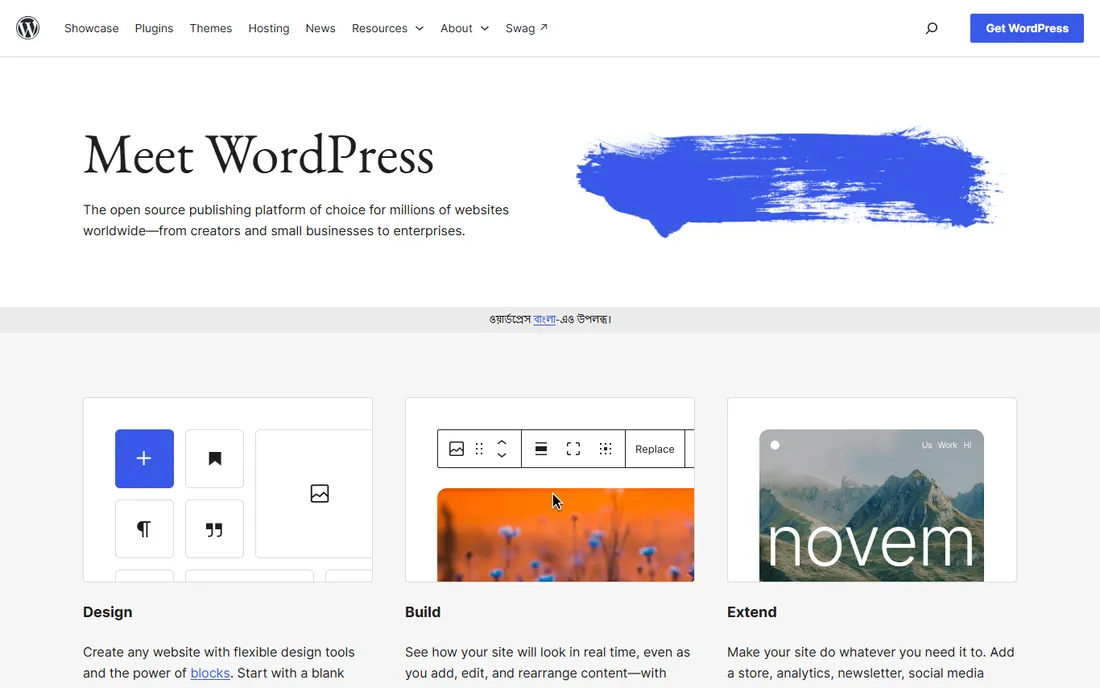
WordPress.org is the self-hosted software that powers a huge share of the money-making blogs on the internet, and the reason is ownership. You install it on your own hosting, which means no platform takes a cut of your revenue, no terms of service can demonetize you overnight, and your email list and traffic are genuinely yours. Affiliate marketing, display ads, sponsored posts, digital products, memberships: everything works, often through free plugins.
The software itself is free; the cost is hosting, typically a few dollars a month to start, plus a domain name. You also own the maintenance: updates, backups and security are your job, though managed WordPress hosts handle most of it. For anyone serious about building a blogging business rather than a hobby, this is the default recommendation, and the skills transfer everywhere.
What we like- You own the site, content and audience outright
- Every monetization method works, from ads to courses
- Largest plugin and theme ecosystem on the web
Watch out for- Requires paid hosting and basic setup
- You handle updates and security
- Learning curve is steeper than hosted options
Starting priceFree (10% of paid revenue)
Free planYes
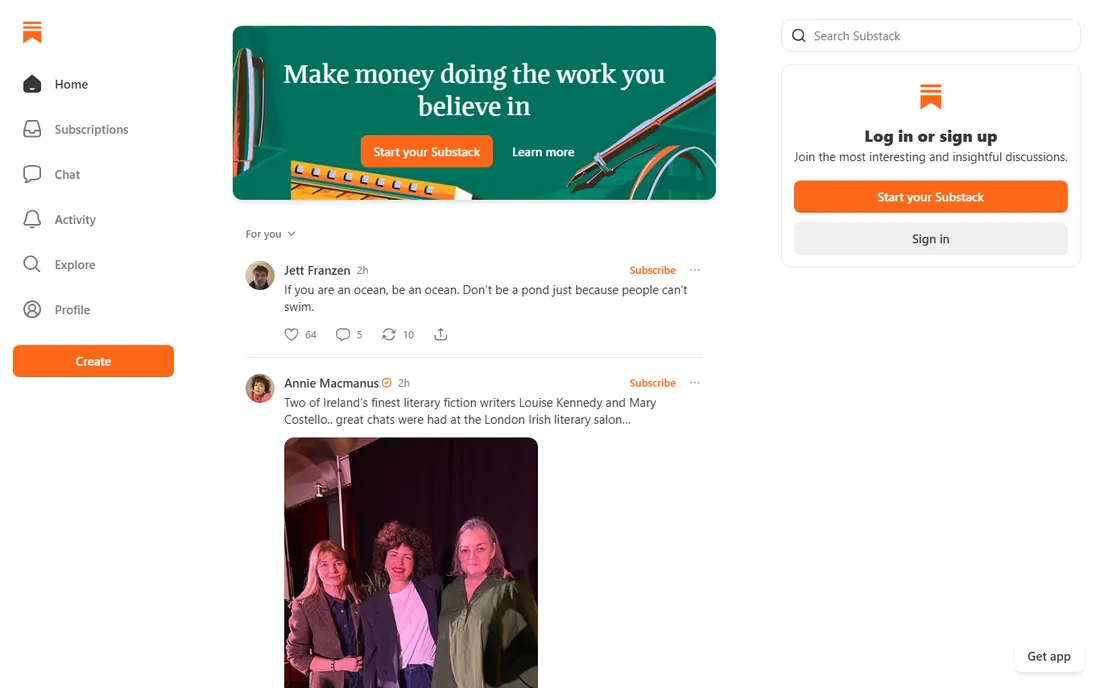
Substack removed every excuse for not starting. Publishing is free and unlimited, turning on paid subscriptions takes minutes through Stripe, and the network of recommendations and Notes can bring your first readers without any marketing skill. For writers whose product is the writing itself, it is the fastest path from zero to first revenue among the best blogging platforms for beginners.
The price is the percentage. Substack takes 10% of everything you earn from paid subscriptions, on top of Stripe's processing fees, and that cut never shrinks as you grow. At $500 a month you hand over $50; at $5,000 it is $500, every month, forever. Start here to validate that anyone will pay for your writing, and plan the economics before the fee outgrows the convenience.
What we like- Start publishing and charging in minutes with no upfront cost
- Built-in payments and subscriber management
- Recommendation network brings discovery
Watch out for- Takes 10% of paid subscription revenue forever
- Design customization is limited
- Your business lives on someone else's platform
Starting price$29 per month
Free planNo, self-host free
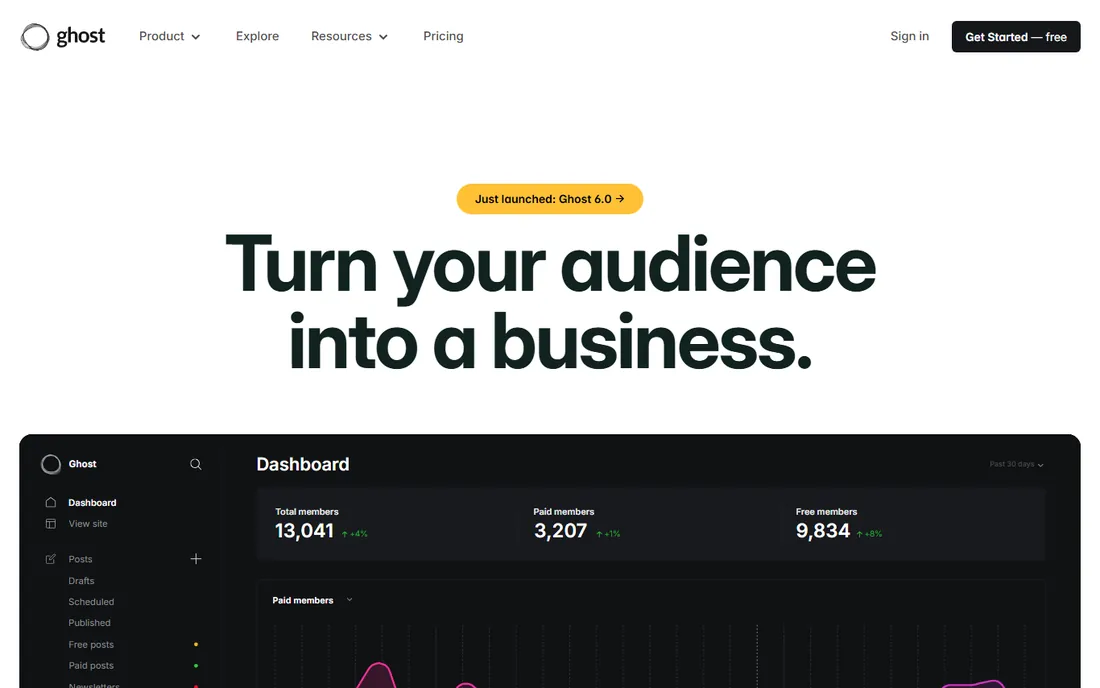
Ghost is what Substack writers graduate to when the 10% fee starts hurting. It is a professional publishing platform with memberships, paid subscriptions and newsletters built in, and it takes nothing from your revenue: you connect your own Stripe account and keep everything after processing fees. The Publisher plan, the first tier with paid subscriptions, starts at $29 a month billed annually.
The math favors Ghost once your paid revenue passes roughly $300 a month, below which Substack's free start is cheaper. Ghost is also open source under the MIT license, so technical users can self-host it for the price of a server. You get less built-in discovery than Substack and a more hands-on setup, but for publishers treating content as a business, the flat fee is the honest pricing.
What we like- Zero percent transaction fees on your revenue
- Professional publishing plus newsletters and memberships in one
- Open-source, so you can self-host free
Watch out for- Monthly cost starts before you earn anything
- Setup is more involved than Substack
- Smaller discovery network
Starting priceSee website
Free planYes
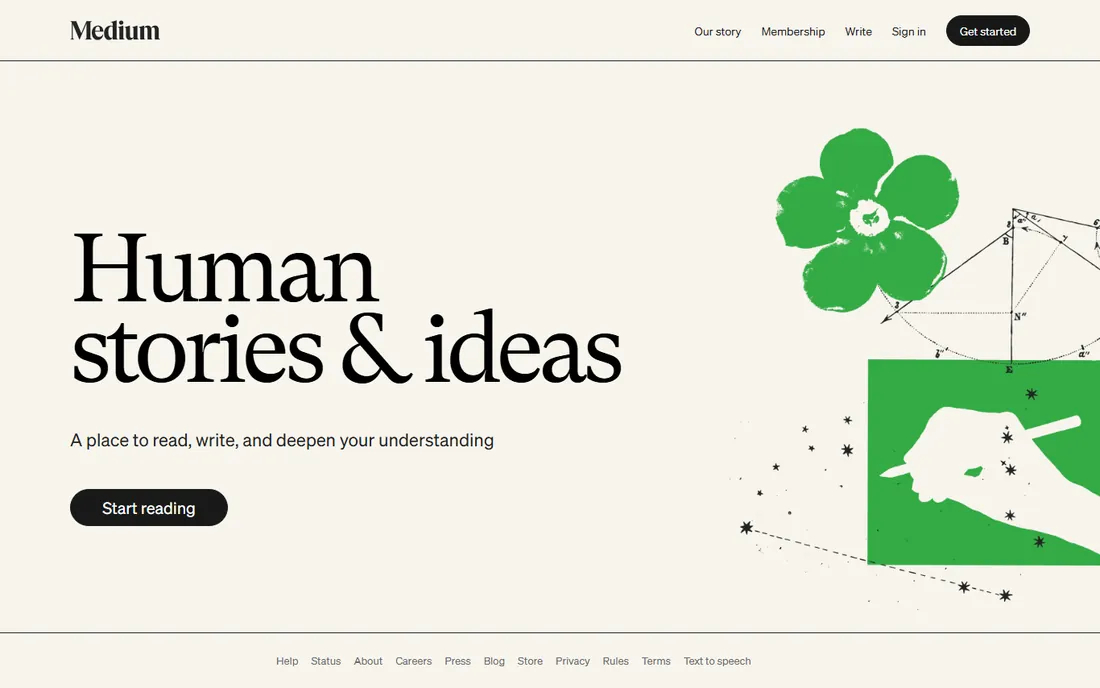
Medium is the easiest place to get your first hundred readers. Publishing takes seconds, the built-in audience means good writing can find readers without SEO or social promotion, and the Partner Program pays writers based on member reading time. For testing ideas and building a portfolio, it is frictionless.
The earning ceiling is the catch. Partner Program payouts require a membership, rates per read are modest, and most writers earn side income rather than a living. Your publication looks like every other Medium page, and the algorithm decides who sees your work. Treat Medium as a discovery channel and a writing habit, not as the home of a business, and consider moving your best audience to email as you grow.
What we like- Instant access to millions of readers with zero setup
- Partner Program pays for member reading time
- Clean writing experience
Watch out for- Payouts require a paid membership
- Your brand is minimal and the algorithm controls distribution
- You cannot build an email list freely
Starting priceFree
Free planYes
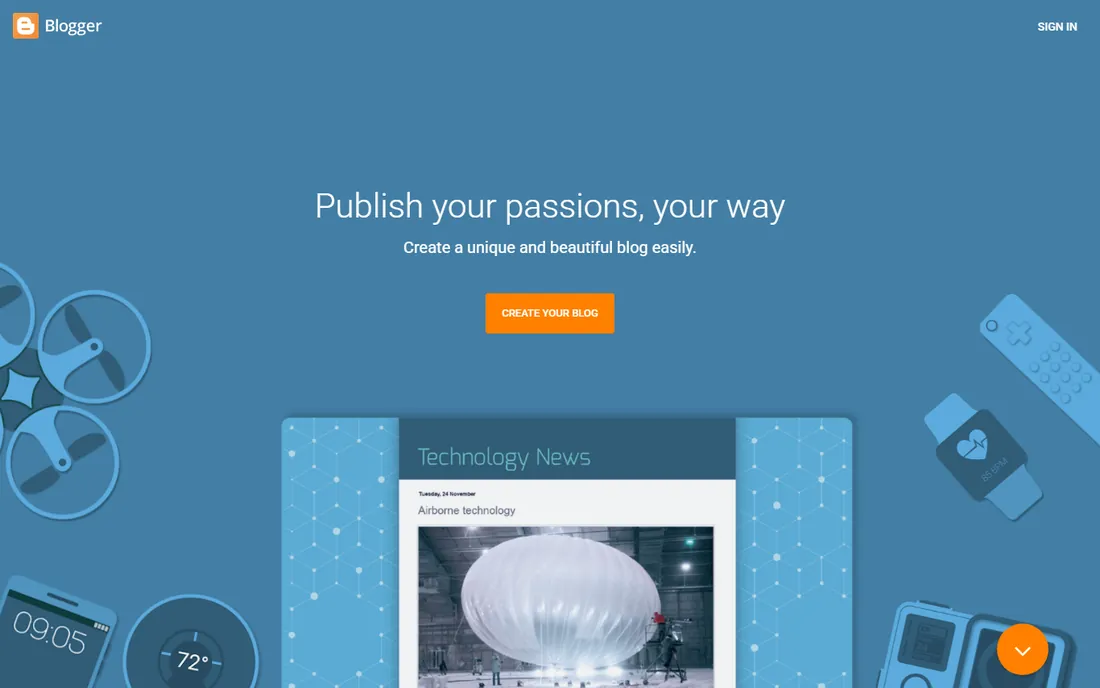
Blogger is Google's free blogging service, and its pitch has not changed in years: a free blog with your Google account, AdSense built in for ad revenue, and nothing to install. For a hobby blog that earns a little ad money, it still functions exactly as advertised, and the price cannot be beaten.
Everything else is a warning. The platform receives minimal updates, the templates look dated, and Google's history of shutting down services makes long-term planning uncomfortable. You also get limited control over SEO, design and monetization compared with WordPress. Blogger suits a casual side project. Anyone planning real income should treat it as a stepping stone, not a foundation.
What we like- Completely free with Google hosting
- AdSense integration for ad revenue
- Simple enough for absolute beginners
Watch out for- Platform looks abandoned and dated
- Features lag far behind rivals
- Google's long-term commitment is uncertain
#6
Wix
Best for: Easy builder with blog monetization
Visit wix.com
Starting priceSee website
Free planYes
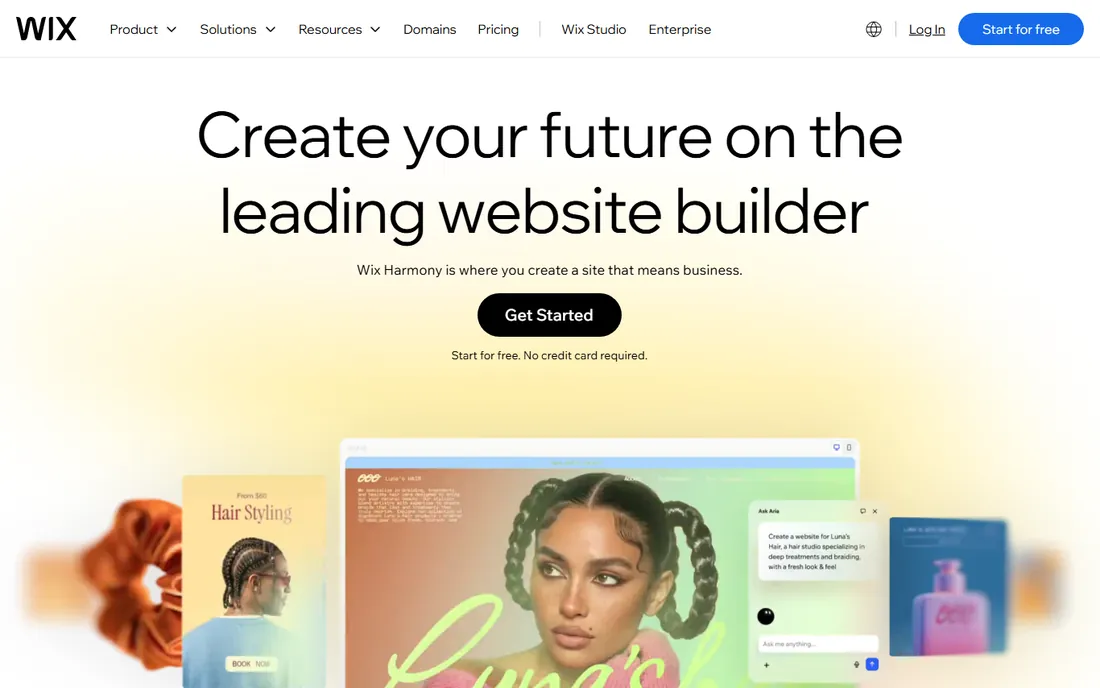
Wix is a website builder first and a blogging platform second, which suits creators whose blog supports a business: a portfolio with articles, a store with a content section, a coaching site with paid plans. The drag-and-drop editor produces good-looking pages fast, and built-in tools cover bookings, e-commerce and member areas without plugins.
For pure blogging income, the trade-offs show. The free plan displays Wix branding and limits you to a subdomain, blogging SEO tools are weaker than WordPress, and advanced customization hits walls that code-savvy users resent. If your money comes from services or products and the blog is the marketing engine, Wix is a reasonable all-in-one. If the writing itself is the product, look at Substack, Ghost or WordPress.org instead.
What we like- Drag-and-drop builder needs no technical skill
- Attractive templates with blog layouts
- Bookings, stores and paid plans in one dashboard
Watch out for- Free plan shows Wix ads and uses a Wix subdomain
- Less flexible than WordPress for serious blogging
- Costs add up with apps
Starting priceSee website
Free planFree trial
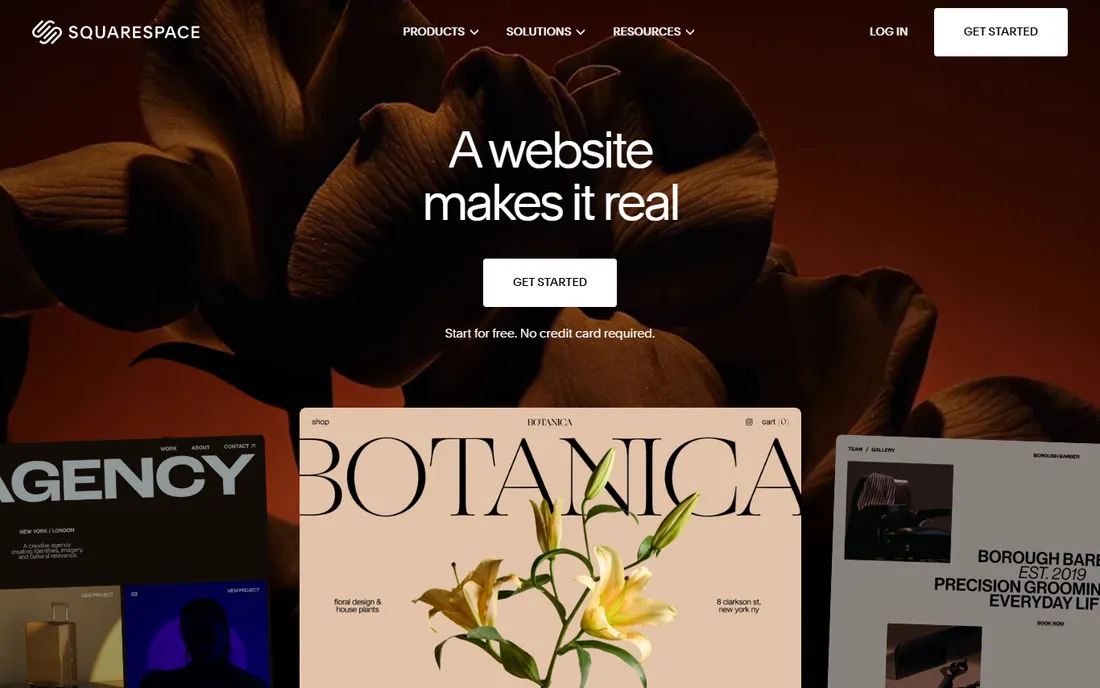
Squarespace sells polish. Its templates are the best-looking in this category, which matters for blogs in design, food, travel and lifestyle where visual credibility drives income. Member Areas let you sell subscriptions to premium content, and the commerce tools handle physical and digital products without add-ons.
There is no free tier, so you pay from the start, and the monthly plans cost more than shared WordPress hosting. Customization beyond the template system is limited, and the plugin ecosystem is a fraction of WordPress's. Squarespace fits creators whose brand is visual and whose income mixes content with products or services. Pure writers paying for design they do not need should compare Ghost first.
What we like- Beautiful templates that make any blog look professional
- Member areas and paywalled content built in
- Solid commerce for selling products
Watch out for- No free plan, only a trial
- Monthly cost from day one
- Less extensible than WordPress for complex monetization
Starting priceSee website
Free planYes
WordPress.com is the hosted version of WordPress software, run by Automattic, and it confuses beginners constantly because the name matches WordPress.org. The difference is simple: WordPress.com handles hosting, security and updates for you, while WordPress.org gives you the software to run yourself. The .com free plan gets you publishing in minutes with no technical work.
Monetization is where the plans matter. The free tier shows WordAds, custom themes and plugins require higher plans, and running your own ads or affiliate setups freely needs a paid upgrade. Costs can approach managed WordPress hosting while offering less freedom than WordPress.org. Choose WordPress.com if you want WordPress without ever touching a server. Choose .org if maximum earning flexibility is the goal.
What we like- Free plan to start with no hosting setup
- Managed security and updates
- Clear upgrade path as traffic grows
Watch out for- Free and cheap plans restrict monetization and themes
- WordPress.com is not the same as self-hosted WordPress.org
- Costs rise with needed features
Work backward from how you want to earn. Paid subscriptions point to Substack for speed or Ghost for scale economics. Advertising points to WordPress.org or Blogger, where you control ad placements. Affiliate marketing works anywhere with an audience, but only WordPress.org lets you optimize every page for it. Digital products and courses favor WordPress.org, Squarespace or Wix, which handle commerce natively.
Then weigh fees against your realistic revenue. Free-to-start platforms look cheapest at zero income and most expensive at scale: Substack's 10% is nothing on $100 a month and painful on $5,000. Flat-fee platforms like Ghost look expensive on day one and cheap later. Sketch your revenue at 12 months, honestly, and the right pricing model usually picks itself.
Finally, value ownership in proportion to your ambition. A hobby blog can live anywhere. A business should own its domain, its email list and its content, which points to WordPress.org or self-hosted Ghost. Platform risk is abstract until an algorithm change halves someone's traffic overnight, and by then switching costs are highest.
How bloggers actually earn: the 5 revenue models
Most blogging income comes from five models, and platforms support them unevenly. Paid subscriptions charge readers monthly for premium content; Substack and Ghost are built for this. Display advertising pays per thousand views through networks like AdSense or Mediavine; it needs real traffic and works best on WordPress.org or Blogger.
Affiliate marketing earns commissions recommending products, and it rewards SEO-optimized content on a site you control. Sponsored posts pay flat fees from brands, which requires an audience and a professional-looking site. Digital products, courses, templates and ebooks, usually earn the most per reader and need commerce tools like those in WordPress.org, Squarespace or Wix.
Beginners should pick one model to start. Subscriptions suit writers with strong voices. Advertising suits high-traffic how-to content. Affiliates suit review and comparison content. Spreading across all five on day one is how blogs earn nothing everywhere instead of something somewhere.
How we chose
We evaluated platforms on the criteria that determine blogging income: monetization options, platform fees at realistic revenue levels, audience ownership and data portability, beginner accessibility and current 2026 pricing. Candidates came from creator communities, industry coverage and the platforms writers actually recommend to each other. We read current pricing pages for fee structures, checked what each free tier restricts, and favored platforms with clear upgrade paths over those that trap growing blogs. No vendor paid for placement.
Frequently asked questions
Can you really make money blogging in 2026?
Yes, but it is a slow business, not a lottery ticket. Successful blogs typically take 6 to 12 months of consistent publishing before meaningful income appears. The bloggers earning full-time incomes combine useful content with at least one solid monetization model and an email list they own.
What is the best blogging platform for beginners?
Substack and Medium are the easiest starts: free, no setup, built-in readers. WordPress.com is the easiest managed option. For beginners planning real income within a year, WordPress.org is worth the small learning curve because it never limits how you earn.
How much does it cost to start a money-making blog?
It can cost nothing on Substack, Medium or Blogger. A WordPress.org blog typically costs a few dollars a month for hosting plus a domain name, roughly the price of a coffee. Avoid spending on premium themes and tools before you have readers.
What is the difference between WordPress.org and WordPress.com?
WordPress.org is free software you install on your own hosting with full control and no revenue limits. WordPress.com is a hosted service that runs WordPress for you but restricts themes, plugins and monetization on cheaper plans. For maximum earning flexibility, choose .org.
How long does it take for a blog to make money?
Most blogs take 6 to 12 months to earn their first meaningful income, and 18 to 24 months to replace a salary, if they ever do. Newsletters on Substack can monetize faster with an existing audience, while SEO-driven blogs compound more slowly but more durably.
Do I need an email list to make money blogging?
Practically, yes. An email list is the only audience no algorithm can take away, and it converts to sales far better than social followers. Substack and Ghost build the list automatically; on WordPress.org, add a newsletter plugin from day one.
Sources we checked (4)
- https://medium.com/@chloe_noir/substack-vs-ghost-vs-beehiiv-which-newsletter-platform-keeps-more-of-your-revenue-2026-67a8e3927081
- https://www.magicpages.co/blog/substack-vs-ghost-for-a-paid-newsletter/
- https://typeflo.io/blog/ghost-vs-substack
- https://medium.com/@muharremyurtsever/best-substack-alternatives-where-you-own-your-domain-and-can-add-a-store-later-in-2026-144cccbe142d
Is your product missing or out of date?
We review this list regularly. Vendors can request a listing, send updated pricing or ask about featured placement.

Shihab Mia · Founder, Rankite
Shihab has spent more than a decade helping SaaS and e-commerce brands grow through search. He writes Rankite's software buying guides from pricing pages, documentation and public user reviews. More about Shihab.