How we make this list: we compare pricing pages, product documentation and public user reviews. Ratings come from G2, Capterra or Trustpilot, with the date we checked them.
Key takeaways
- Authorization decides what a signed in user can do, which is different from authentication, which proves who the user is.
- Okta and Auth0 are the best enterprise identity platforms, covering authentication plus authorization for workforce and customer apps.
- Keycloak is the best open source option, with no license cost but real hosting and maintenance work.
- Cerbos and Permit are the best dedicated authorization tools, built around policy as code and fine grained permissions.
- Ory suits developers who want open source, composable identity and permission services.
- Pricing varies from free open source to custom enterprise quotes, so match the tool to your team size and permission complexity.
Quick comparison
| Tool | Best for | Starting price | Free plan |
|---|
 Okta | Enterprise workforce identity | See website | No |
 Auth0 | Customer identity and access | Free | Yes |
 Keycloak | Open source self hosted identity | Free | Yes |
 Cerbos | Policy based authorization | Free | Yes |
 Ory | Composable open source identity | Free | Yes |
 Permit.io | Fine grained permissions as a service | Free | Yes |
 Frontegg | SaaS customer identity | See website | No |
 Authress | API authorization as a service | Free | Yes |
Is your product missing or out of date?
We review this list regularly. Vendors can request a listing, send updated pricing or ask about featured placement.
The best authorization software
#1Okta
Best for: Enterprise workforce identity4.5/5 on
G2 (1,428 reviews, checked Oct 2026)
Visit okta.com
Starting priceSee website
Free planNo
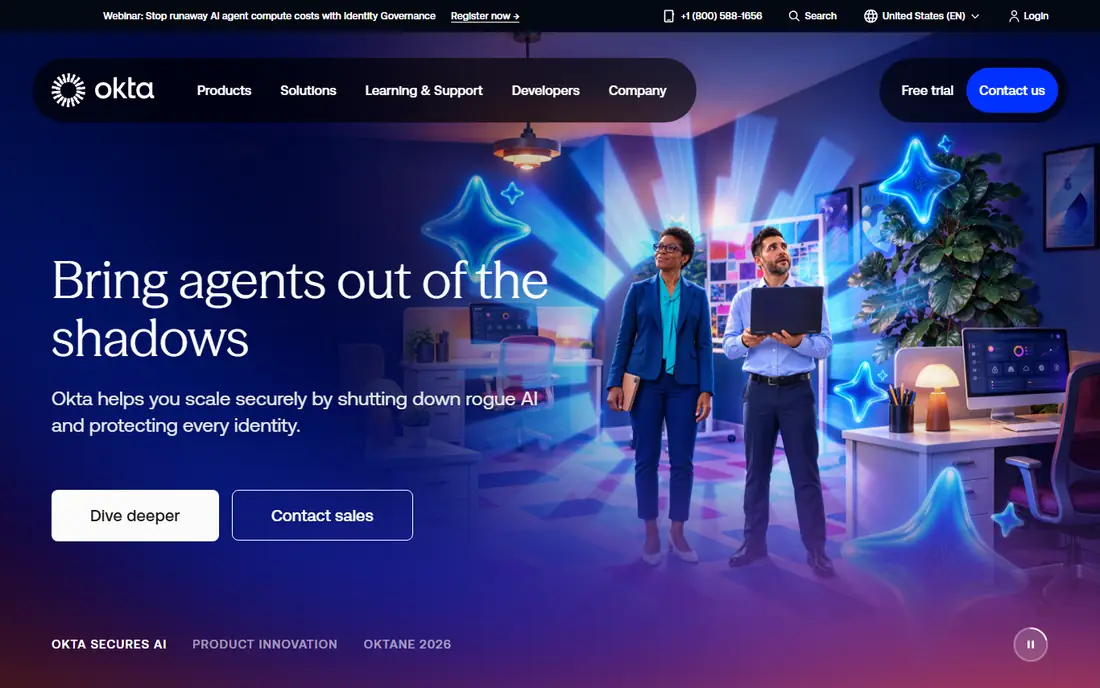
Okta is an enterprise identity platform covering workforce identity, with single sign on, multi factor authentication, lifecycle management, and authorization policies for employees and partners. Large organizations use Okta to centralize who can access which apps, automate joining and leaving processes, and meet compliance requirements with audit logs and reporting.
Pricing is custom and enterprise level, setup is complex, and small apps will find Okta overkill. For enterprises that need workforce identity plus authorization at scale, with compliance and security depth, Okta is the leading choice.
What we like- Deep enterprise identity features
- Single sign on and lifecycle management
- Strong compliance and security
Watch out for- Custom enterprise pricing
- Complex setup
- Overkill for small apps
#2Auth0
Best for: Customer identity and access4.3/5 on
G2 (286 reviews, checked Oct 2026)
Visit auth0.com
Starting priceFree
Free planYes
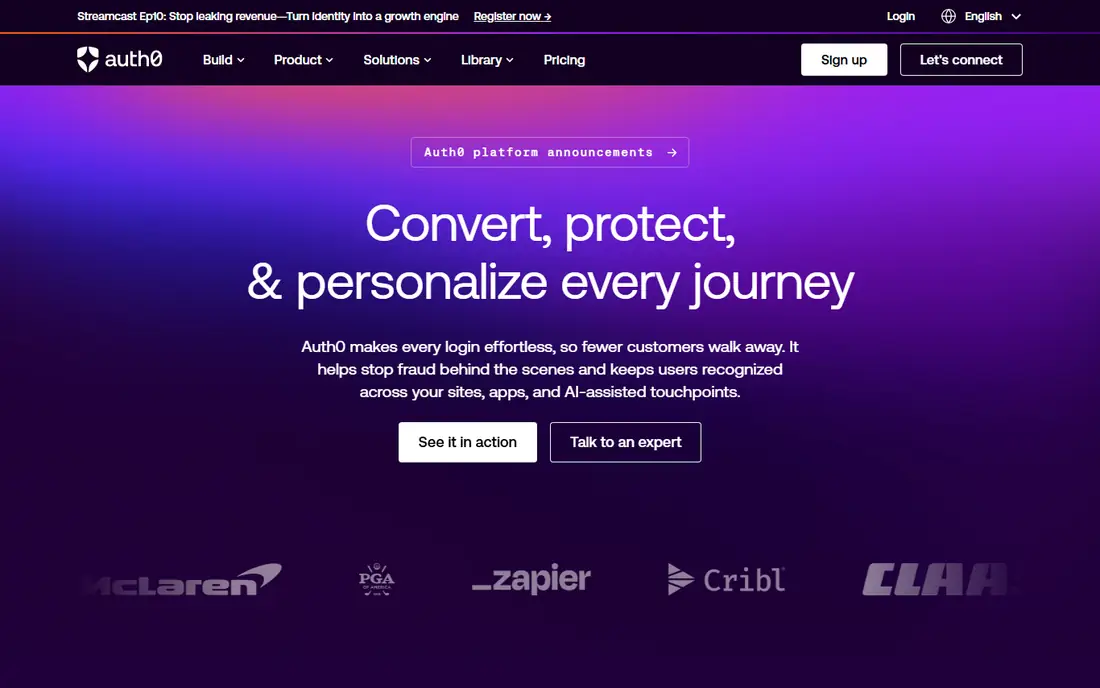
Auth0, now part of Okta, is a customer identity platform that handles sign up, login, social logins, multi factor authentication, and authorization for customer facing apps. Developers integrate it with SDKs and APIs, and its rules, actions, and role based access control cover common authorization needs without building identity from scratch. A free plan covers small apps and testing.
Pricing rises with monthly active users, and advanced authorization features need higher tiers. For startups and SaaS companies that need customer login plus roles quickly, Auth0 is the fastest reliable route.
What we like- Strong customer identity features
- Social and enterprise logins
- Free plan for small apps
Watch out for- Pricing rises with users
- Advanced authorization needs higher tiers
- Now part of Okta
Starting priceFree
Free planYes
Keycloak is an open source identity and access management server that provides single sign on, user federation, roles, groups, and social login, all self hosted under your control. It costs nothing in license fees, which makes it popular with teams that need full control over data and hosting, including regulated industries and governments.
You host, secure, upgrade, and scale it yourself, which is real engineering work, and the admin interface feels dated compared with commercial rivals. For teams with operations capacity that want open source identity without per user fees, Keycloak is the best choice.
What we like- Free and open source
- Single sign on, roles, and groups
- Self hosted control
Watch out for- You host and maintain it
- Upgrades and scaling are your job
- Interface feels dated
Starting priceFree
Free planYes
Cerbos is a dedicated authorization service built around policy as code: you write access rules in version controlled files, test them, and deploy them, while your app asks Cerbos for a yes or no decision on each action. That model suits fine grained permissions, such as whether a user can edit a specific document based on ownership, team, and status. Cerbos is open source with a free core, and it is stateless and fast, so it scales horizontally.
You write and test policies yourself, and Cerbos does not handle authentication, so you pair it with an identity provider like Keycloak or Auth0. For teams that want precise, testable authorization separate from their app code, Cerbos is an excellent choice.
What we like- Policy as code with version control
- Fast stateless decisions
- Language agnostic APIs
Watch out for- You write and test policies yourself
- No built in authentication
- Smaller ecosystem than Okta
#5
Ory
Best for: Composable open source identity
Visit ory.sh
Starting priceFree
Free planYes
Ory is a set of open source, composable identity services covering authentication, permissions, sessions, and account management, which teams can run self hosted or use through Ory cloud. Its permission service, Keto, handles relationship based access control, while its identity service, Kratos, handles login and accounts. That composability suits developers who want to pick exactly the pieces they need.
Running multiple services adds operational complexity, and the learning curve is real, with documentation that assumes developer skill. For engineering led teams that want open source building blocks rather than a single vendor platform, Ory is a strong choice.
What we like- Open source composable services
- Identity, permissions, and sessions covered
- Cloud option available
Watch out for- Multiple services to run
- Learning curve
- Documentation assumes developer skill
#6
Permit.io
Best for: Fine grained permissions as a service
Visit permit.io
Starting priceFree
Free planYes
Permit.io is an authorization as a service platform that lets teams define roles, attributes, and relationship based permissions through a visual editor and APIs, without building a permission engine themselves. It includes audit logs, multi tenancy support for SaaS apps, and integrations with identity providers. A free plan covers small projects and testing.
Pricing rises with scale, the policy model needs learning, and outsourcing a core security function creates vendor dependency. For SaaS teams that need fine grained permissions fast and do not want to build or maintain an engine, Permit.io is the most practical managed option.
What we like- Fine grained permissions without building an engine
- Visual policy editor
- Audit logs included
Watch out for- Pricing rises with scale
- Policy model needs learning
- Vendor dependency for a core function
Starting priceSee website
Free planNo
Frontegg is a customer identity platform built for SaaS companies, covering sign up, login, multi tenancy, roles, and permissions, plus a customer facing admin portal where each tenant manages its own users. That multi tenancy focus suits B2B SaaS apps where each customer company needs its own workspace, roles, and access rules.
Pricing varies by plan, workforce identity depth trails Okta, and the ecosystem is smaller. For B2B SaaS teams that need tenant aware identity and authorization out of the box, Frontegg is a strong fit.
What we like- Built for SaaS multi tenancy
- Customer identity plus authorization
- Admin portal for customers
Watch out for- Pricing varies by plan
- SaaS focus means less workforce depth
- Smaller ecosystem than Okta
Starting priceFree
Free planYes
Authress is an API first authorization as a service, letting apps check permissions through simple API calls without running a permission engine. It suits API heavy products and microservice architectures, where many services need consistent access decisions. A free plan covers small use, with paid tiers scaling by volume.
Authress is a smaller vendor with fewer built in identity features than Okta or Auth0, so most teams pair it with a separate identity provider. For API authorization delivered as a service with minimal setup, Authress is a lean and practical choice.
What we like- API first authorization
- Fast decisions
- Free plan for small use
Watch out for- Smaller vendor
- Fewer built in identity features
- Pricing scales with use
How we chose
We ranked tools by authorization model depth, developer experience, scalability, and fit for different team sizes, favoring tools that separate authorization policy from app code, since that separation makes permissions testable and auditable. We gave extra weight to policy as code, audit logs, and multi tenancy, since those decide whether a tool survives real world complexity. We also distinguished authentication from authorization, since many identity platforms cover both, while dedicated tools like Cerbos and Permit focus on authorization alone. Pricing ranges from free open source to custom enterprise quotes, so starting prices are listed as See website where pricing is custom.
Buying guide
Start by naming your permission model. Simple role based access, with admin, editor, and viewer, works with Auth0, Keycloak, or Okta roles. Team and resource based rules, such as owners editing only their own documents, need Cerbos, Permit, Ory Keto, or Authress. Multi tenant SaaS apps should weigh Frontegg and Permit, which handle tenant isolation natively.
Next, decide how much you want to run yourself. Open source tools like Keycloak, Cerbos, and Ory cost nothing in licenses but need hosting, upgrades, and security work. Managed services like Auth0, Permit, and Authress cost money but remove operations burden. Price the engineering time honestly: a free tool that needs a dedicated engineer is not free.
Finally, test with your hardest permission rule, not your easiest. Write a rule involving ownership, team membership, and resource status, then check how each tool models, tests, and audits it. Check audit logs, since regulators and enterprise customers increasingly require a record of who accessed what. The best authorization software is the one whose policy model matches your real rules and whose decisions you can explain. Document your policy decisions for future audits.
Frequently asked questions
What is the difference between authentication and authorization?
Authentication proves who a user is, through login and passwords or passkeys. Authorization decides what that user can do after signing in, such as viewing, editing, or deleting a resource. Most apps need both.
Do I need dedicated authorization software?
Not for simple apps, where roles in your identity provider are enough. Dedicated tools like Cerbos or Permit earn their place when permissions involve ownership, teams, attributes, or many resources, since hand coded permission checks become hard to test and audit.
Is Keycloak really free?
Keycloak software is free and open source, with no license fees. You still pay for hosting, operations, upgrades, and security work, which can exceed a managed service subscription for small teams.
What is policy as code?
Policy as code means writing access rules in version controlled files, testing them like software, and deploying them through review. It makes permissions auditable, repeatable, and easier to change safely than rules buried in app code.
Can authorization tools work with my existing login system?
Yes, in most cases. Dedicated authorization tools like Cerbos, Permit, and Authress are designed to pair with identity providers such as Auth0, Keycloak, or Okta, which handle login while the authorization tool handles permissions.
Sources we checked (0)
Is your product missing or out of date?
We review this list regularly. Vendors can request a listing, send updated pricing or ask about featured placement.

Shihab Mia · Founder, Rankite
Shihab has 5+ years in B2B and SaaS SEO. He writes Rankite's software buying guides from pricing pages, documentation and public user reviews. More about Shihab.