How we make this list: we compare pricing pages, product documentation and public user reviews. Rankite is independent; if a vendor ever pays for a featured spot, that listing is clearly labeled Partner.
Key takeaways
- Centric, Lectra, BlueCherry and DeSL are the enterprise PLM choices, each with a different strength.
- ApparelMagic, AIMS360 and Exenta are fashion ERPs that run orders, inventory and production.
- Techpacker and Wave PLM serve smaller brands and design teams that need tech packs without enterprise overhead.
- Almost all enterprise pricing is quote-only; expect a real sales process, not a buy button.
- If you only fix one thing, fix tech packs: bad specs cause more margin loss than any other single problem.
Quick comparison
| Tool | Best for | Starting price | Free plan |
|---|
 Centric Software Centric Software | End-to-end PLM, planning and pricing | See website | No (demo available) |
 Lectra Lectra | Design-to-cut, fashion plus industrial | See website | No (demo available) |
 BlueCherry BlueCherry | Fashion ERP, PLM and supply chain in one | See website | No (demo available) |
 DeSL DeSL | Modular cloud PLM for growing brands | See website | No (demo available) |
 Techpacker Techpacker | Fast tech pack creation for designers | See website | No (free trial) |
 ApparelMagic ApparelMagic | Affordable fashion ERP for growing brands | See website | No (demo available) |
 AIMS360 AIMS360 | Apparel ERP with deep EDI and wholesale | See website | No (demo available) |
 Wave PLM Wave PLM | Quick-implementation fashion PLM | See website | No (demo available) |
 Exenta Exenta | Aptean apparel ERP for mid-market | See website | No (demo available) |
Is your product missing or out of date?
We review this list regularly. Vendors can request a listing, send updated pricing or ask about featured placement.
The best apparel software
Starting priceSee website
Free planNo (demo available)
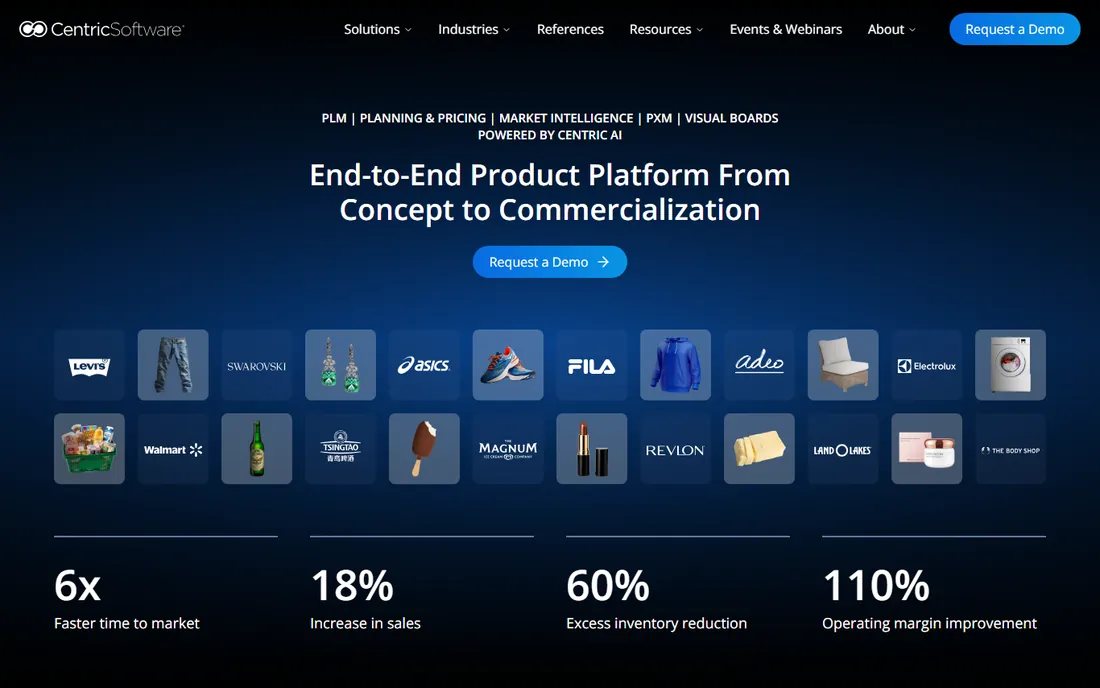
Centric is the biggest name in fashion PLM, and it has grown into a full product platform. Beyond the core PLM, you get planning and pricing tools, market intelligence for competitor tracking, visual boards for design collaboration, and an AI studio for generating product concepts and content. The pitch is one connected platform from concept to commercialization, and for large brands and retailers managing huge assortments, that consolidation matters.
The honest tradeoff is that Centric is an enterprise purchase: custom pricing, a real implementation project, and a platform with enough surface area to need training. Small labels will find it heavy. But if you run a complex, multi-category business and want planning, pricing and PLM from one vendor, nobody else covers as much ground.
What we like- Broadest platform: PLM, planning, pricing, market intelligence and visual boards
- Strong AI features
- 20,000+ brands on the platform
Watch out for- Enterprise pricing and implementation
- Breadth can mean complexity for small teams
Starting priceSee website
Free planNo (demo available)
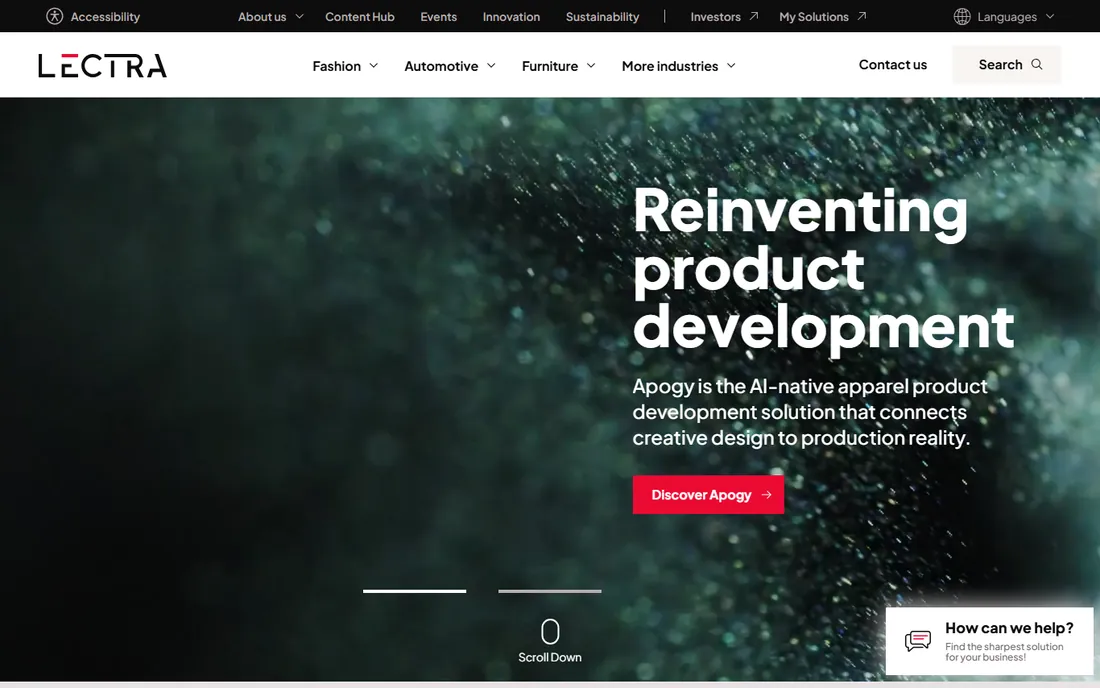
Lectra is different from the other names here because it does not stop at software. The company pairs its design and product development tools with industrial cutting equipment and services, covering the path from the design room to the cutting room. For brands that manufacture or control production closely, that physical-digital link is the point: better nesting, less fabric waste, tighter control over the cut.
If you are a brand that outsources everything and never touches a marker, much of Lectra's differentiation is less relevant, and a cloud PLM like Centric or DeSL fits better. Pricing is enterprise and quote-based. Choose Lectra when production efficiency and material optimization are where your margin leaks.
What we like- Deep expertise in pattern making, cutting and nesting
- Serves fashion, automotive and furniture
- Combines software with cutting equipment
Watch out for- Heaviest where physical production is involved
- Less of a pure cloud PLM play
Starting priceSee website
Free planNo (demo available)
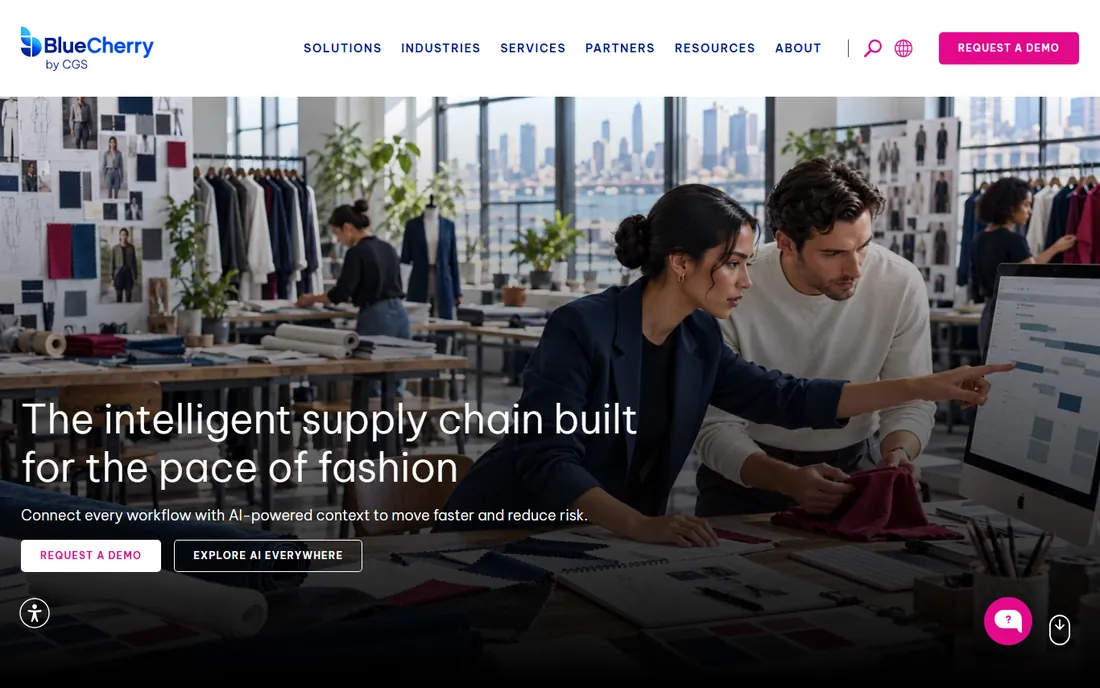
BlueCherry, from CGS, is the all-in-one answer for apparel companies that want one vendor for nearly everything: product development, sourcing, manufacturing, inventory, EDI, warehouse and wholesale. It is purpose-built for fashion rather than adapted from generic ERP, which shows in details like style-color-size matrices and apparel-specific costing. The company has served the industry for four decades, and its customer community is a genuine resource.
The cost of that breadth is a substantial implementation and a user experience that feels like enterprise software, because it is. Pricing is quote-based. BlueCherry suits established brands and manufacturers that want a single system of record and are willing to invest in the rollout. Smaller teams should look at ApparelMagic or AIMS360 first.
What we like- End-to-end suite: ERP, PLM, planning, EDI, warehouse
- Deep fashion industry expertise
- 40+ years serving apparel
Watch out for- Big-suite implementations take time
- Interface feels enterprise rather than modern
Starting priceSee website
Free planNo (demo available)
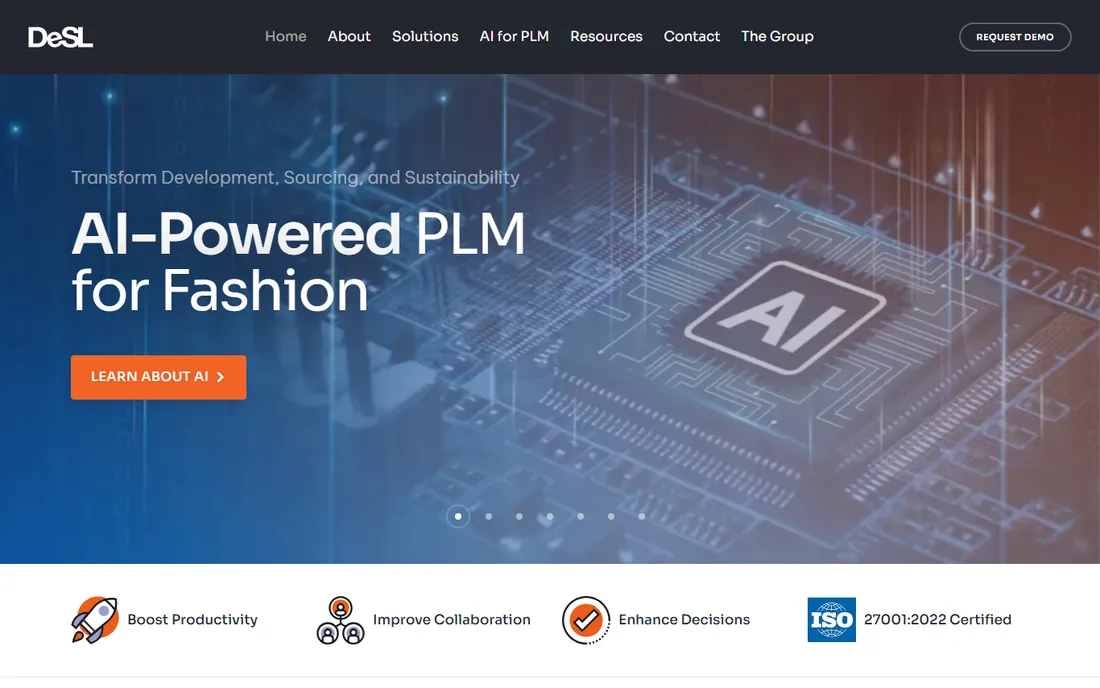
DeSL sells end-to-end PLM as modular, cloud-based software, which makes it a natural fit for brands that have outgrown spreadsheets but are not ready for a Centric-scale project. The platform covers the product journey from concept to delivery, with collaboration tools for teams and vendors, plus newer AI capabilities and a serious sustainability angle: reducing physical sampling and preparing brands for Digital Product Passport requirements.
The honest limit is vendor scale. DeSL is a recognized PLM player but does not have Centric's partner network or reference list, so diligence and reference calls matter more. Pricing is quote-based. For mid-market fashion brands that want real PLM without enterprise bloat, DeSL is one of the strongest options.
What we like- Modular cloud PLM that scales with the brand
- Strong on sustainability and Digital Product Passport readiness
- Embedded AI tools
Watch out for- Smaller vendor than Centric
- Services ecosystem is thinner
Starting priceSee website
Free planNo (free trial)
Techpacker started as the tool designers actually liked: a visual tech pack builder that replaced the spreadsheet-and-PDF chaos of communicating specs to factories. It has since grown into two products, Techpack Builder for fast tech pack creation and PLMBR, an AI-powered PLM for scaling brands. Third-party profiles list pricing from around $49 per user per month, which makes it the most accessible serious option here.
The honest scope note: even with PLMBR, Techpacker is a product development tool, not an ERP. You will still need something else for orders, inventory and accounting. For design teams and small brands whose core pain is spec communication with factories, it is the best value on this list. Confirm current pricing on a demo since the site does not publish it.
What we like- Purpose-built tech pack editor designers enjoy using
- Now split into Techpack Builder and a full PLM (PLMBR)
- Affordable entry point
Watch out for- Not a full ERP
- Pricing is not published on the site
Starting priceSee website
Free planNo (demo available)
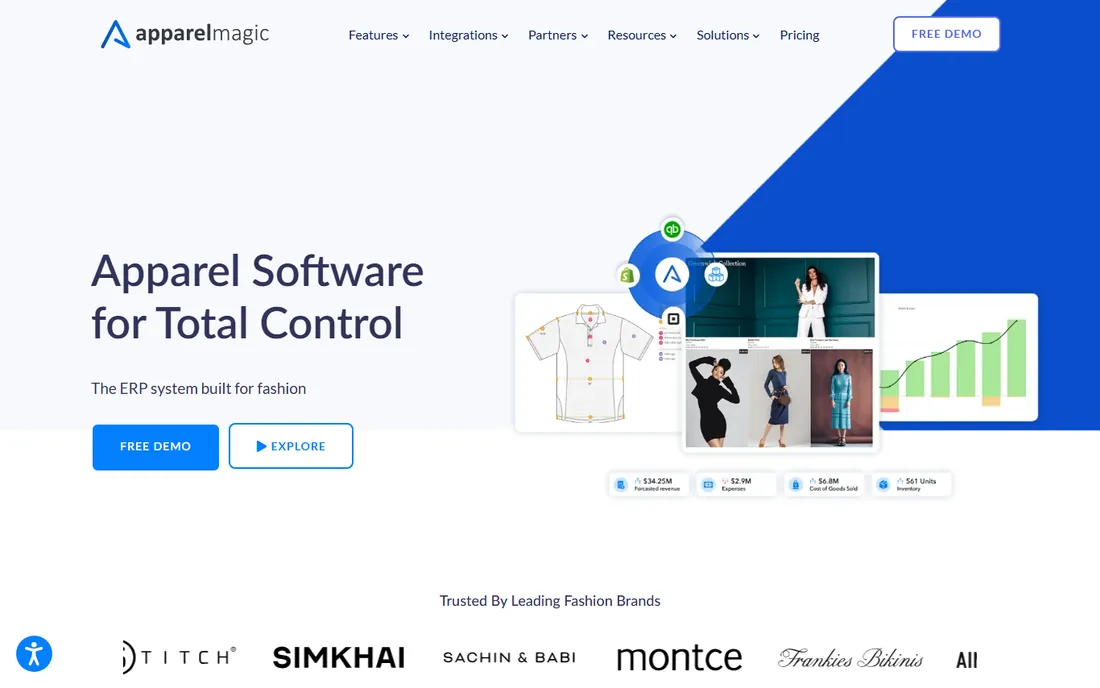
ApparelMagic is the ERP built specifically for fashion brands that cannot afford, or do not want, an enterprise system. It combines ERP, PLM and CRM with inventory, order management, sales forecasting and B2B line sheets, all cloud-based with no installation. Training and support are included in the subscription, and integrations cover the major e-commerce and accounting platforms. Multi-currency, multi-warehouse and multi-division support make it workable for international operations.
The honest limit is scale. ApparelMagic is designed for growing brands, and very large or complex operations will outgrow it toward BlueCherry or Exenta. Pricing is not published, but the positioning is firmly affordable. For a brand doing its first real ERP purchase, this is the gentlest landing on the list.
What we like- Fashion ERP, PLM and CRM in one affordable package
- Cloud-based with no installation
- Extensive integrations and included training
Watch out for- Less depth than enterprise ERPs
- Best suited to small and mid-size brands
Starting priceSee website
Free planNo (demo available)
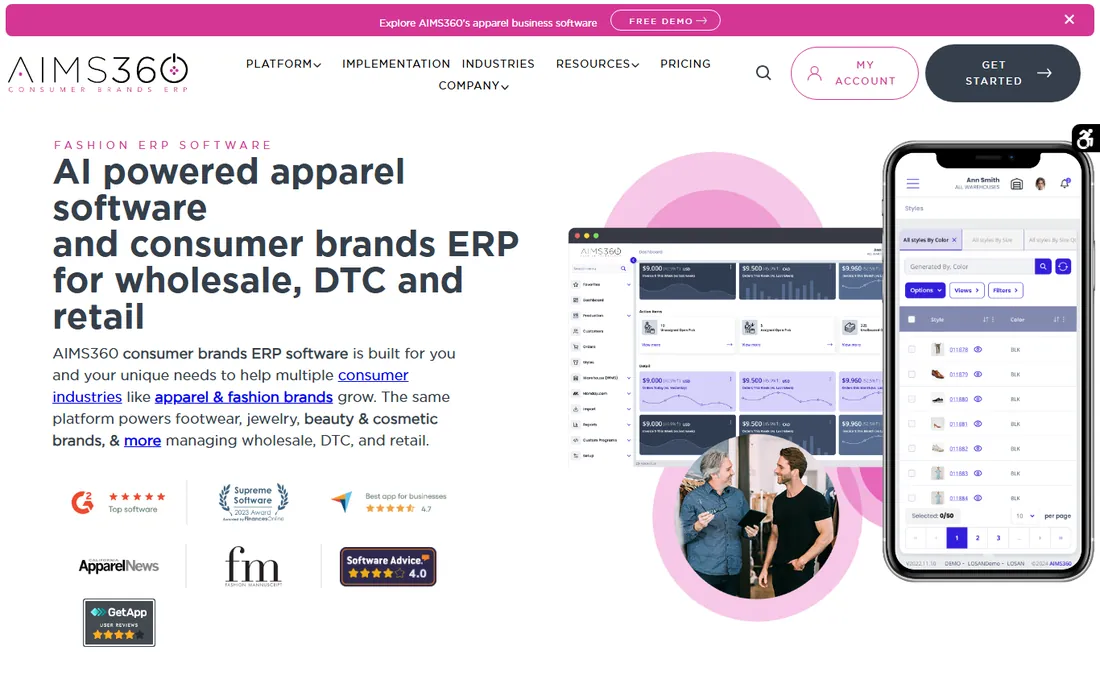
AIMS360 is a fashion ERP with particular strength in wholesale: EDI with major retailers, B2B portals, sales rep order entry, factoring, chargeback management and 3PL integration. It covers the full order-to-cash cycle with apparel-specific features like style matrices, case packs and production tracking. A modern touch is the AI assistant integration, letting teams query live ERP data through ChatGPT, Claude or Grok in plain English.
The interface packs a lot in and can feel dense, and getting the most out of it requires real fashion operations knowledge during implementation. Pricing is quote-based. For brands that sell wholesale into major retailers, the EDI depth alone makes AIMS360 worth evaluating against BlueCherry and ApparelMagic.
What we like- Deep EDI support for major retailers
- Strong wholesale, B2B portal and 3PL features
- Modern AI assistant integrations
Watch out for- Interface is dense
- Implementation needs fashion operations expertise
Starting priceSee website
Free planNo (demo available)
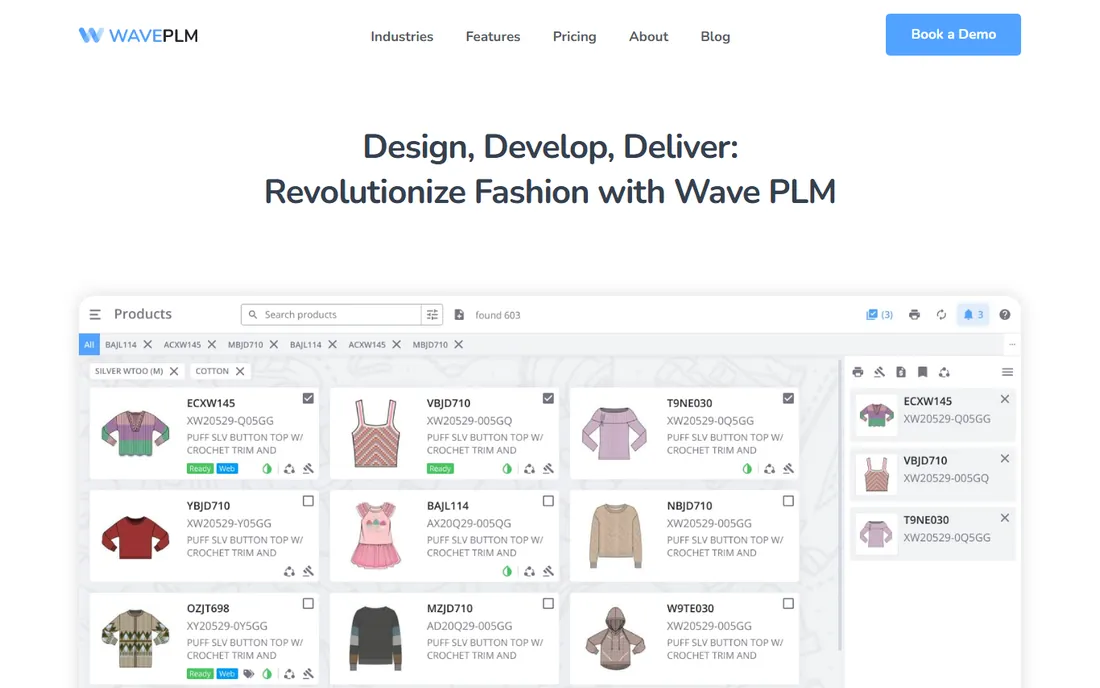
Wave PLM targets fashion brands that want PLM without a six-month project: the company claims to get customers running in 48 hours. The platform covers the product lifecycle with automated time-and-action calendars, sample management, and mobile apps for sample approval and quality control inspections. Sustainability and compliance features, including UFLPA adherence tracking, are built in rather than bolted on.
The honest tradeoff is depth versus speed. With 400+ customers, Wave PLM is proven but not in the same weight class as Centric or Lectra, and very complex organizations will hit its limits. Pricing is quote-based. For small to mid-size brands that need real PLM fast, the quick implementation is a genuine differentiator.
What we like- Claims implementation in 48 hours
- Mobile apps for samples and QC
- Sustainability and compliance tracking included
Watch out for- Smaller vendor with 400+ customers
- Less enterprise functionality than Centric or DeSL
Starting priceSee website
Free planNo (demo available)
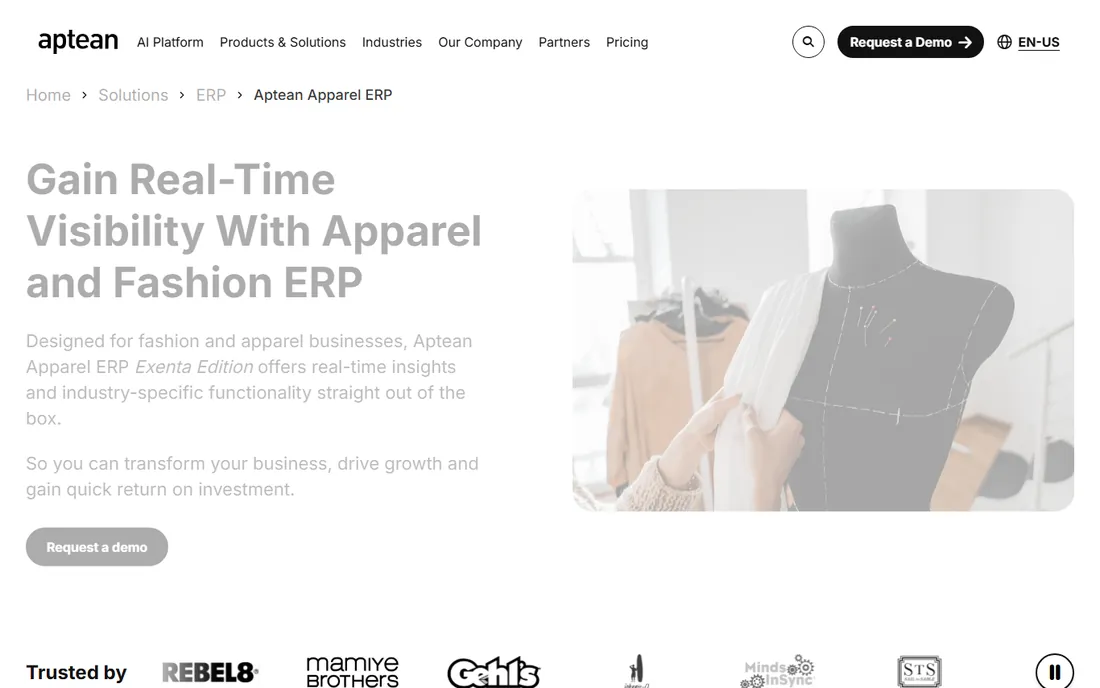
Exenta is Aptean's apparel ERP, now sold as Aptean Apparel ERP Exenta Edition. It is purpose-built for apparel, footwear and accessories, with industry-specific modules that generic ERPs lack: built-in EDI, integrated PLM, style master, real-time shop floor control and vendor management portals. Deployment is flexible, cloud or on-premise, and the platform scales from mid-market brands upward.
The honest note is branding: the Exenta-to-Aptean transition means you will see both names, and it is the same product. Implementation follows Aptean's structured enterprise process, so expect a proper project, not self-serve. Pricing is quote-based. For mid-market apparel companies that want a serious industry ERP backed by a large vendor, Exenta belongs on the shortlist.
What we like- Purpose-built apparel ERP from Aptean
- Built-in EDI, PLM and shop floor control
- Cloud or on-premise deployment
Watch out for- Aptean's branding can confuse buyers
- Enterprise sales and implementation process
How we chose
We selected apparel software that is sold and supported today across the three jobs the category covers: PLM, fashion ERP and tech pack creation. We checked each vendor's site for current product status and branding, including Aptean's Exenta Edition naming. We reviewed feature lists, public reviews on G2 and Capterra, and practitioner discussion in fashion technology communities. No hands-on testing was performed, and no vendor paid for placement.
Apparel software fails when brands buy the wrong category. A PLM will not run your warehouse, and an ERP will not make your tech packs better. Map your pain first. If designers and factories miscommunicate, start with Techpacker or a PLM with strong spec tools. If orders, inventory and EDI are chaos, you need an ERP: ApparelMagic, AIMS360, BlueCherry or Exenta. If product development is slow and scattered across email, a PLM like Centric, DeSL or Wave PLM is the fix.
Then size the vendor to your business. Enterprise platforms assume dedicated staff, data migration and months of implementation. Smaller tools assume you will configure them yourself. The most expensive mistake in this category is buying a system your team cannot staff: an under-implemented enterprise ERP performs worse than a well-run simple one.
Finally, ask about the factory side. Your vendors will live in this system too, through portals or shared tech packs. A tool your factories refuse to use is a tool you paid for and do not have. Get vendor references from brands with a similar supply chain shape to yours, not just a similar revenue line.
Frequently asked questions
What is the difference between apparel PLM and apparel ERP?
PLM manages the product before it exists: design, tech packs, samples, costing and sourcing. ERP manages the business after the product exists: orders, inventory, production, warehousing, EDI and accounting. Most growing brands eventually need both, and some vendors bundle them.
How much does apparel software cost?
Enterprise PLM and ERP platforms are quote-only and typically run into five or six figures annually including implementation. Lighter tools are far cheaper: third-party profiles list Techpacker from around $49 per user per month. Always budget for implementation and training on top of the license.
Do small clothing brands need PLM software?
Not always. A brand with a handful of styles can manage with good tech pack tools like Techpacker plus spreadsheets. PLM earns its keep when you have dozens of styles, multiple factories and seasonal collections where version control and approval workflows prevent expensive mistakes.
What is a tech pack?
A tech pack is the specification document that tells a factory how to make a garment: measurements, materials, construction details, colors and trims. Clear tech packs reduce sampling rounds and production errors, which is why tech pack quality has a direct line to margin.
Can apparel ERP handle e-commerce?
Yes. Modern fashion ERPs integrate with Shopify, Amazon and other channels, syncing orders and inventory across wholesale and direct-to-consumer. AIMS360, ApparelMagic and BlueCherry all list deep e-commerce integrations.
Sources we checked (1)
- https://www.capterra.co.uk/software/165057/techpcker
Is your product missing or out of date?
We review this list regularly. Vendors can request a listing, send updated pricing or ask about featured placement.

Shihab Mia · Founder, Rankite
Shihab has spent more than a decade helping SaaS and e-commerce brands grow through search. He writes Rankite's software buying guides from pricing pages, documentation and public user reviews. More about Shihab.