How we make this list: we compare pricing pages, product documentation and public user reviews. Ratings come from G2, Capterra or Trustpilot, with the date we checked them.
Key takeaways
- MyFitnessPal has the largest food database, while Cronometer gives the most detailed micronutrient tracking.
- MacroFactor suits users who want adaptive calorie and macro targets that adjust with progress.
- Carb Manager suits low-carb and keto eaters, with net carb tracking built in.
- Macro tracking is general information only, not medical advice, and anyone with a health condition should consult a clinician before changing diet.
Quick comparison
Is your product missing or out of date?
We review this list regularly. Vendors can request a listing, send updated pricing or ask about featured placement.
The best apps to track macros
Starting priceFree
Free planYes
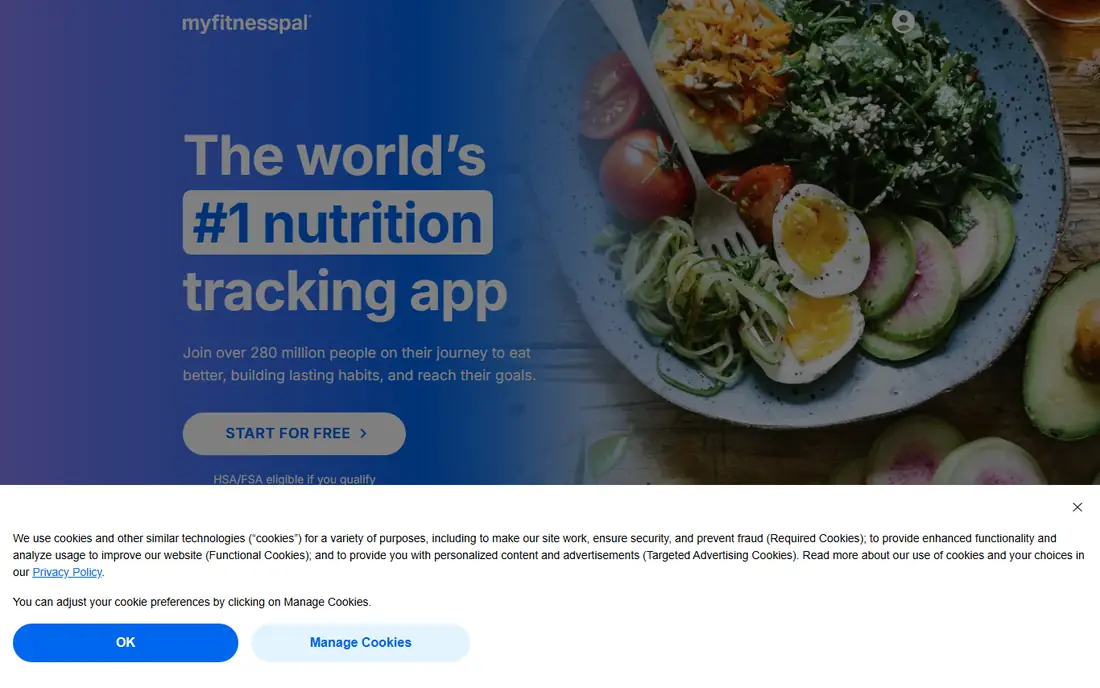
MyFitnessPal remains the most popular macro tracker, largely because its food database covers restaurant dishes, packaged foods, and homemade recipes that smaller apps miss. Barcode scanning logs packaged foods in seconds, and integrations with fitness trackers, scales, and wearables pull activity data automatically. That breadth makes daily logging faster, which is the main reason people stick with tracking.
The free tier now limits some features that used to be free, including barcode scanning history details on some plans, and ads appear on the free version. Paid Premium adds deeper analysis and removes ads. For a user who wants the largest database and the easiest logging, MyFitnessPal is still the default choice.
What we like- Huge food database
- Barcode scanning
- Broad device integrations
Watch out for- Free tier limits some features
- Ads on free plan
Starting priceFree
Free planYes
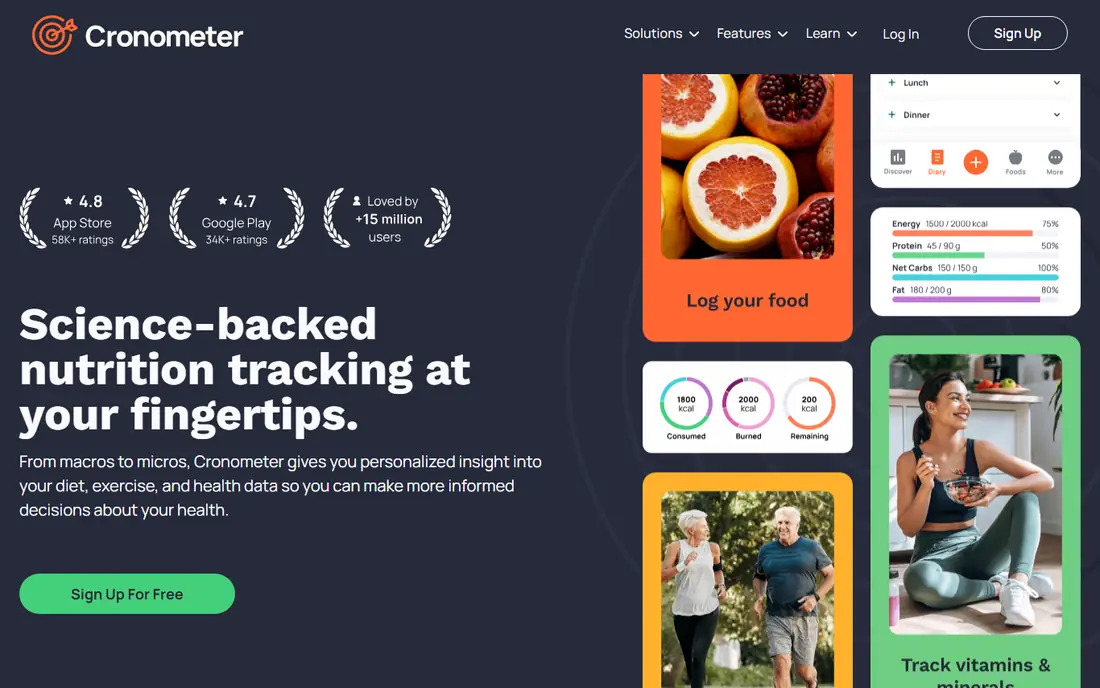
Cronometer suits users who care about micronutrients, not just protein, carbs, and fat. It tracks vitamins, minerals, amino acids, and other nutrients in detail, using verified food data that nutrition professionals trust more than crowd-sourced entries. That accuracy matters for users managing deficiencies or following a precise diet.
The restaurant database is smaller than MyFitnessPal, and the interface feels clinical rather than friendly, which some users find dry. A free tier covers core tracking, while Gold adds more features. For a user who wants nutrition data they can trust, Cronometer is the most accurate tracker on this list for detailed micronutrient work.
What we like- Excellent micronutrient detail
- Verified food data
- No ads on free tier
Watch out for- Smaller restaurant database
- Interface feels clinical
Starting priceSee website
Free planFree trial
MacroFactor takes a different approach: instead of fixed macro targets, it adjusts your calorie and macro goals weekly based on your logged food and weight trend. That adaptive system suits users whose maintenance calories differ from calculator estimates, since it learns from real data rather than formulas. Adherence tools show weekly averages, which forgive a single off day.
There is no permanent free tier, only a trial, and the system needs consistent logging to learn accurately, so sporadic users get less value. Pricing is subscription-based and published on the vendor site. For a user who logs daily and wants targets that evolve with progress, MacroFactor is the smartest tracker here.
What we like- Targets adjust with your progress
- Strong adherence tools
- No ads
Watch out for- No permanent free tier
- Needs consistent logging to work well
Starting priceFree
Free planYes
Carb Manager is built for low-carb and keto eaters, tracking net carbs automatically and flagging foods by keto-friendliness. Its recipe library and meal plans suit keto cooking, and the community shares recipes and tips. That specialization makes keto logging far easier than adapting a general tracker.
For non-keto diets, Carb Manager offers less advantage, and full meal plans and advanced features need Premium. A free tier covers basic tracking. For a keto or low-carb eater, Carb Manager is the clear pick on this list. For a balanced diet, MyFitnessPal or Cronometer fits better.
What we like- Net carb tracking built in
- Keto recipes and meal plans
- Good community
Watch out for- Less suited to non-keto diets
- Premium features needed for full plans
Starting priceFree
Free planYes
MyNetDiary suits users who want tracking without clutter. Its interface is clean, logging is quick, and it includes health tracking for blood sugar, blood pressure, and other measures alongside food, which suits users managing diabetes or other conditions with clinician guidance. The food database is solid, though smaller than MyFitnessPal.
The community is smaller than the leaders, and advanced analysis needs Premium. A free tier covers core tracking well. For a user who wants a calm, simple tracker with health measures included, MyNetDiary is a good choice.
What we like- Clean simple interface
- Good diabetes and health tracking
- Solid database
Watch out for- Smaller community than leaders
- Premium needed for advanced analysis
Starting priceFree
Free planYes
Lifesum suits beginners who want guidance, not just a blank log. It offers diet plans such as Mediterranean, high-protein, and keto, with meal suggestions and a clean, attractive design that makes logging feel less like chores. That guidance helps users who know they want to eat better but do not know where to start.
Macro detail trails Cronometer, and full plans need Premium, while the free tier covers basic tracking. For a beginner who wants a plan plus tracking in one app, Lifesum is the friendliest choice. For a precise macro athlete, Cronometer or MacroFactor fits better.
What we like- Guided diet plans
- Attractive design
- Good for beginners
Watch out for- Macro detail trails Cronometer
- Premium needed for full plans
Starting priceFree
Free planYes
Healthi, formerly iTrackBites, uses a BITE-based system similar to points plans, where foods carry BITE values and users stay within a daily budget. That approach suits users who found points systems helpful but want a lower-cost app with community support. Plans cover different styles, including low-carb and balanced eating.
The BITE system is proprietary, so values do not translate directly to macros, and macro detail is thinner than Cronometer or MacroFactor. A free tier covers basic use, with Pro adding more. For a user who prefers points-style budgeting over strict macro counting, Healthi is the best low-cost option.
What we like- BITE-based plans similar to points systems
- Low cost
- Community support
Watch out for- BITE system is proprietary
- Macro detail is thinner than rivals
Starting priceFree
Free planYes
Nutritionix Track suits users who hate slow logging, since it accepts natural language such as a plain description of a meal and converts it to nutrition data. Its restaurant database is strong, and the interface stays simple, which helps users log consistently. That speed matters, because the best tracker is the one you actually use daily without fail.
Planning features are fewer than Lifesum or MacroFactor, and the community is smaller. A free tier covers core tracking well. For a busy user who wants the fastest possible logging, Nutritionix Track is the quickest tool on this list today.
What we like- Very fast natural-language logging
- Strong restaurant data
- Simple interface
Watch out for- Fewer planning features
- Smaller community
How we chose
We compared vendor pages, product documentation, and public user reviews, and we judged each app on food database size, logging speed, macro and micronutrient detail, adaptive features, ease of use, and price. General trackers were judged on breadth, while specialist tools were judged on their niche, since a keto tracker and a general tracker serve different users. We did not claim hands-on testing. Where pricing varied by tier, we wrote See website rather than publish a figure that could mislead. This article is general information only, not medical advice.
What to check before you pick
Start with your goal: general healthy eating, precise macro targets for training, keto, or managing a condition with clinician guidance. A general tracker suits most users, while athletes benefit from MacroFactor adaptive targets and keto eaters from Carb Manager. Check the food database for the foods you actually eat, especially restaurant and international dishes, since a tracker that lacks your staples will slow logging.
Also check logging speed, because a tracker that takes minutes per meal will be abandoned, while barcode scanning and recent-food shortcuts keep daily use realistic. Check wearable and scale integrations if you track activity and weight, and check data export, so your history is not trapped if you switch apps. Finally, check privacy, since food and health data are sensitive, and confirm what the vendor shares or sells.
A further point matters for health: macro targets from an app are estimates based on formulas and self-reported data, not a medical assessment, and they can be wrong for people with medical conditions, eating disorders, pregnancy, or elite training loads. Anyone with a health condition, a history of disordered eating, or a medical nutrition need should consult a clinician or registered dietitian before following app targets. If tracking causes anxiety or obsessive behavior, stop and seek professional guidance, since no app goal is worth harming your health.
Finally, run a trial week with real meals before paying, and judge the app on logging speed and accuracy for your actual diet, not on its marketing. A tracker that handles your breakfast, lunch, restaurant dinner, and snacks without friction will serve you for months, while a tracker that fights your diet will be deleted within days. Compare trial experience across two apps before committing to a paid plan.
Frequently asked questions
Which macro tracking app is best overall?
MyFitnessPal suits most users, thanks to its huge database and fast logging, while Cronometer suits users who want accurate micronutrient data. MacroFactor suits users who log daily and want adaptive targets that change with progress.
Is macro tracking safe for everyone?
No, macro tracking is not suitable for everyone, and people with eating disorders, medical conditions, pregnancy, or other health needs should consult a clinician first. Tracking should support health, not cause anxiety, and anyone who feels obsessive about logging should stop and seek professional guidance.
Do I need a paid plan to track macros?
No, free tiers on MyFitnessPal, Cronometer, Carb Manager, and others cover basic macro tracking well. Paid plans add deeper analysis, meal plans, and ad-free use, but a free tier is enough to learn whether tracking helps you.
How accurate are food databases?
Accuracy varies, since crowd-sourced entries can contain errors, while verified databases such as Cronometer are more reliable. Check entries against labels for packaged foods, and favor verified or branded entries when accuracy matters.
What is the difference between macros and calories?
Calories measure total energy, while macros split that energy into protein, carbohydrates, and fat, each with different roles in the body. Tracking macros helps users balance protein for muscle, carbs for energy, and fat for hormones, rather than only watching total calories.
Can I track macros without a scale?
Yes, but estimates are rougher, since portion guesses vary widely. A kitchen scale improves accuracy greatly for home cooking, while restaurant meals will always be estimates, so treat tracked values as close guides rather than exact figures.
Sources we checked (8)
- https://www.myfitnesspal.com
- https://www.cronometer.com
- https://www.macrofactor.app
- https://www.carbmanager.com
- https://www.mynetdiary.com
- https://www.lifesum.com
- https://www.healthi.com
- https://www.nutritionix.com
Is your product missing or out of date?
We review this list regularly. Vendors can request a listing, send updated pricing or ask about featured placement.

Shihab Mia · Founder, Rankite
Shihab has 5+ years in B2B and SaaS SEO. He writes Rankite's software buying guides from pricing pages, documentation and public user reviews. More about Shihab.
 MyFitnessPal
 Cronometer
 MacroFactor
 Carb Manager
 MyNetDiary
 Lifesum
 Healthi
 Nutritionix Track