How we make this list: we compare pricing pages, product documentation and public user reviews. Rankite is independent; if a vendor ever pays for a featured spot, that listing is clearly labeled Partner.
Key takeaways
- Xero is Australia's cloud accounting leader, with the ecosystem and local compliance depth to match.
- MYOB remains the established local alternative with deep Australian payroll and tax features.
- Reckon, Saasu, and Rounded serve businesses wanting Australian-built software at various price points.
- QuickBooks, Sage, and Hnry cover international options and the solo-trader niche.
Quick comparison
| Tool | Best for | Starting price | Free plan |
|---|
 Xero Xero | Australian cloud accounting standard | See website | Free trial |
 MYOB MYOB | established local alternative | See website | Free trial |
 Reckon Reckon | Australian desktop and cloud | See website | Free trial |
 Saasu Saasu | Australian online accounting | See website | Free trial |
 QuickBooks QuickBooks | international option with AU compliance | See website | Free trial |
 Sage Sage | deeper accounting features | See website | Free trial |
 Rounded Rounded | Australian invoicing for freelancers | See website | Free trial |
 Hnry Hnry | solo traders, tax handled for you | See website | No |
Is your product missing or out of date?
We review this list regularly. Vendors can request a listing, send updated pricing or ask about featured placement.
The best accounting software Australia
Starting priceSee website
Free planFree trial
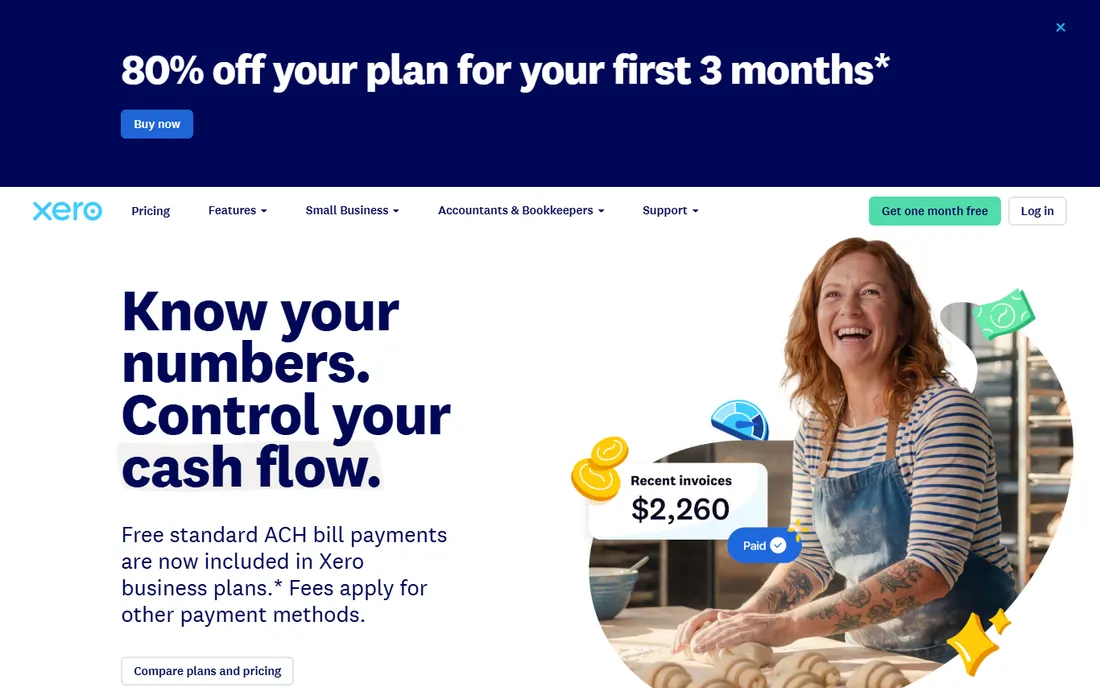
Xero started in New Zealand and conquered Australia by building for local needs from day one. Single Touch Payroll, BAS preparation, and GST handling work the way Australian businesses expect, without the workarounds international software requires.
The ecosystem is the advantage: hundreds of Australian apps for inventory, point of sale, rostering, and industry specifics integrate deeply. Accountants across the country know Xero, making professional help easy to find.
Pricing tiers mean growing businesses watch their plan level, and payroll features require the right subscription. But as the default choice of Australian small business accounting, Xero's local depth and ecosystem are unmatched.
What we like- Born in Australasia
- Excellent STP and BAS support
- Huge app ecosystem
Watch out for- Pricing tiers
- Payroll needs correct plan
Starting priceSee website
Free planFree trial
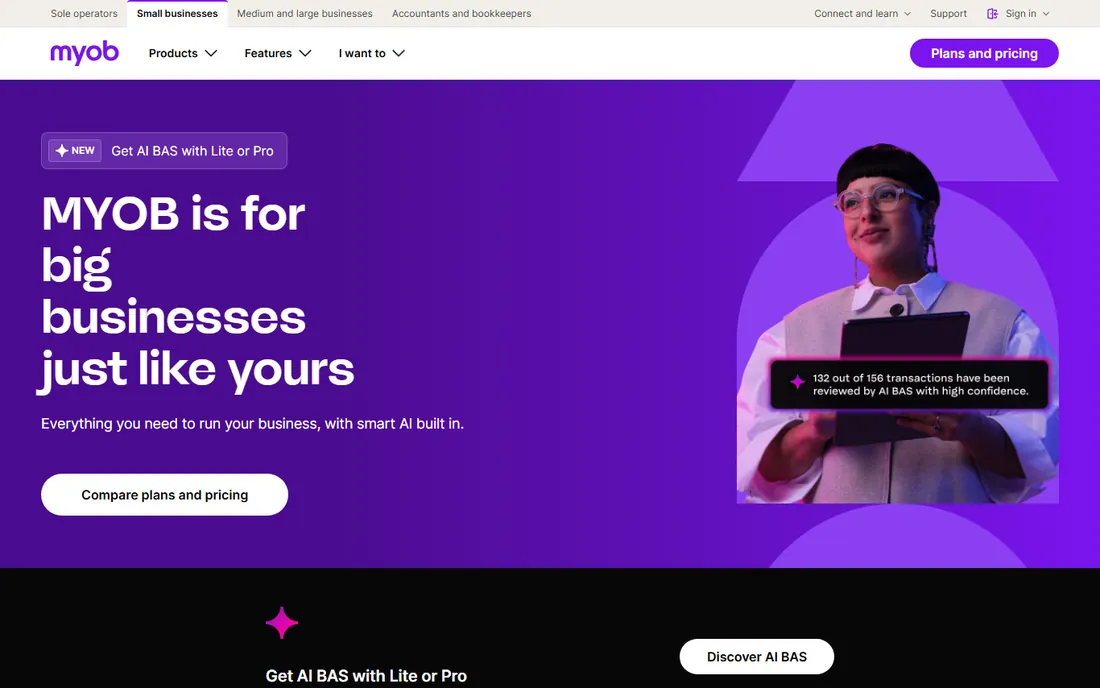
MYOB has served Australian businesses for decades, and that history shows in payroll depth and local tax handling. Businesses that grew up on MYOB AccountRight find the continuity comforting, and the payroll features handle Australian requirements thoroughly.
The product range spans sole traders to larger businesses, with inventory and job management for those who need them. The brand trust among established businesses and accountants remains strong.
The cloud transition was rockier than Xero's cloud-native journey, and interfaces can feel less modern. But for businesses wanting an established Australian vendor with deep local roots, MYOB remains a serious choice.
What we like- Decades of Australian experience
- Strong payroll
- Trusted brand
Watch out for- Cloud transition history
- Interface less modern
Starting priceSee website
Free planFree trial
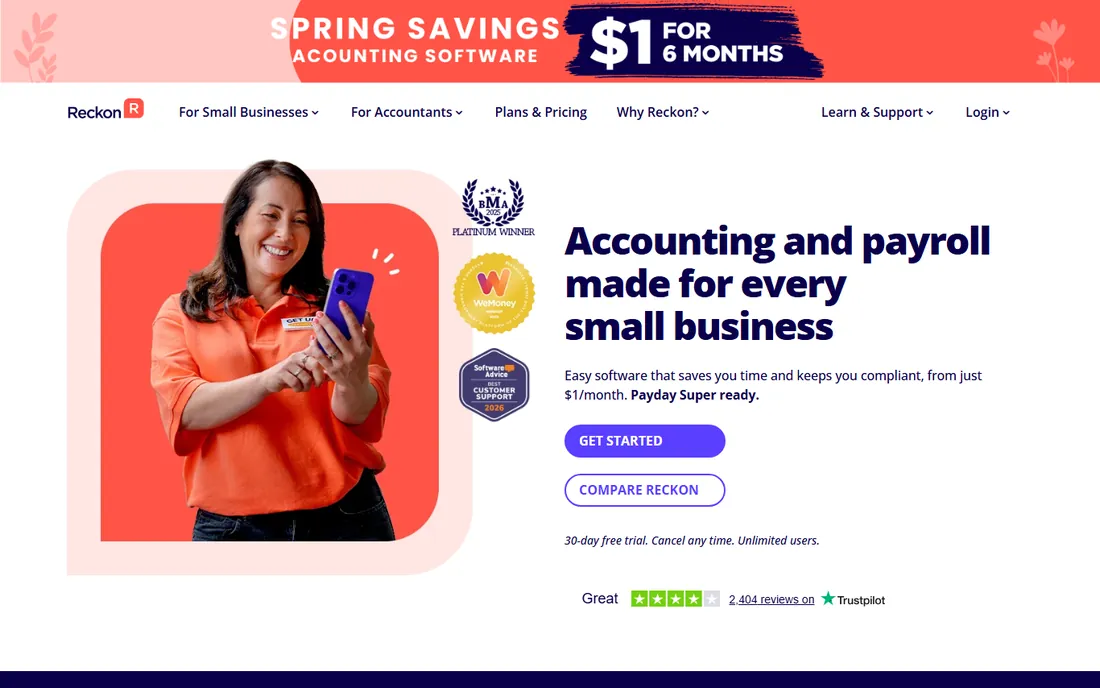
Reckon is Australian accounting software with both desktop heritage and cloud offerings. Small businesses wanting local software at fair prices find it covers invoicing, expenses, bank feeds, and GST without fuss.
The affordability stands out against the bigger names. Businesses with straightforward needs get compliant Australian accounting without paying for features they will never use.
The ecosystem is smaller, with fewer integrations and accountants specializing in it. The interface prioritizes function over polish. But as honest, affordable, Australian-built accounting, Reckon serves its segment well.
What we like- Australian-built
- Affordable
- Good for simple needs
Watch out for- Smaller ecosystem
- Less modern feel
Starting priceSee website
Free planFree trial
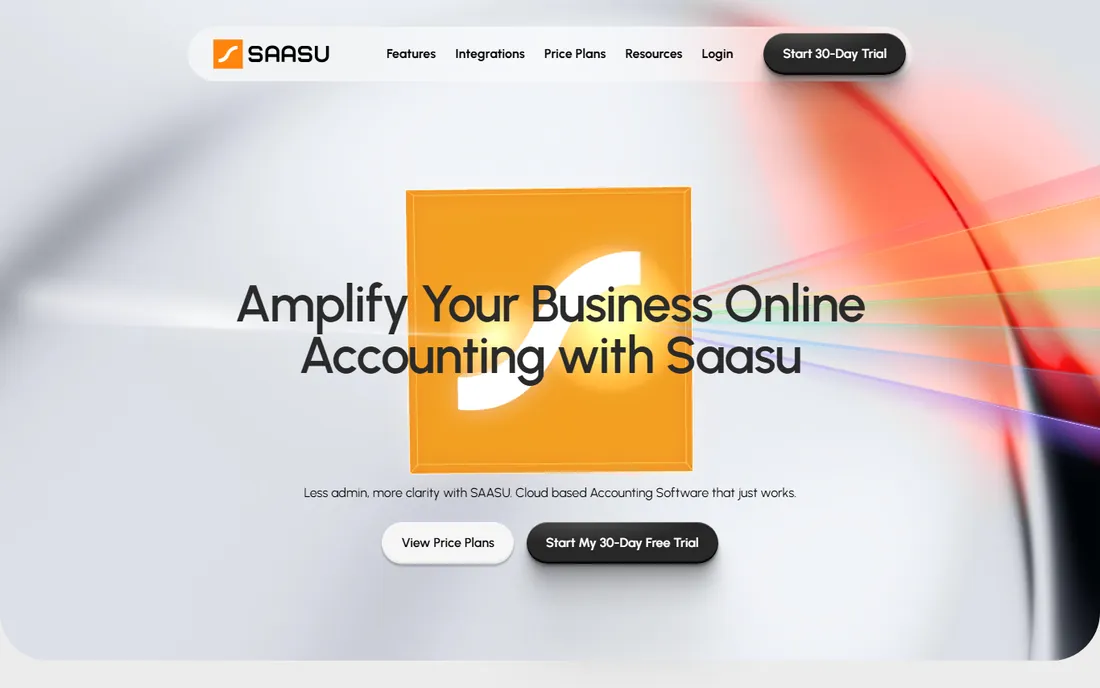
Saasu was doing cloud accounting in Australia before it was fashionable, and the maturity shows. Multi-currency support, invoicing, inventory, and payroll cover growing businesses, with an API that developers appreciate.
The product suits businesses with some technical inclination or specific integration needs. The Australian tax handling is native, and the feature depth exceeds what the price suggests.
Mainstream recognition trails Xero and MYOB, which matters when hiring bookkeepers. But for businesses that value capability over brand, Saasu's long Australian track record deserves more attention than it gets.
What we like- Australian cloud pioneer
- Good multi-currency
- Developer-friendly API
Watch out for- Smaller user base
- Less mainstream recognition
Starting priceSee website
Free planFree trial
QuickBooks brings its global accounting strength to Australia with proper local compliance: GST, BAS, and Single Touch Payroll all supported. Businesses with international operations appreciate the consistency across countries.
The feature set is broad and the interface polished. Accountants worldwide know QuickBooks, which helps businesses with overseas stakeholders.
Australia is not the home market, so local nuances occasionally trail the native players, and support feels less Australian. But for businesses operating across borders, QuickBooks' international consistency has real value.
What we like- Global standard
- Good features
- Australian tax handling
Watch out for- AU is not the home market
- Support less local
Starting priceSee website
Free planFree trial
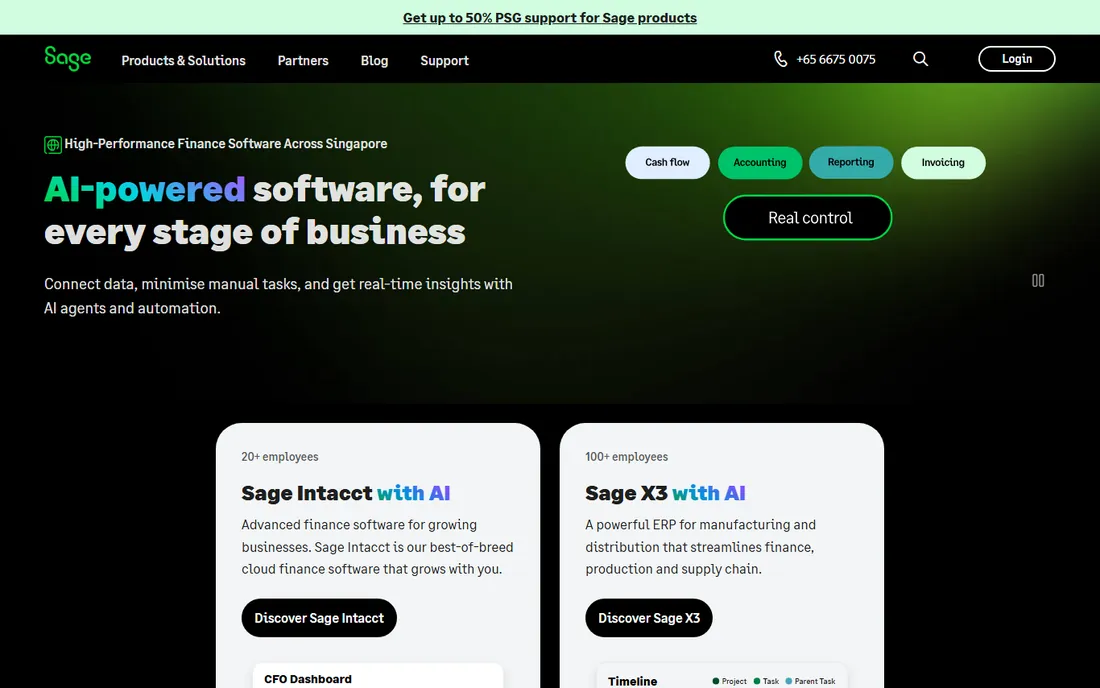
Sage serves Australian businesses needing more accounting depth than the small-business tools offer. Inventory, multi-entity, and reporting features suit growing companies with complexity.
The vendor's global scale brings reliability and continued development. Businesses outgrowing simpler tools find Sage a natural step up without enterprise software pain.
Australian specificity trails the local champions; some local workflows need configuration. But for growing businesses prioritizing accounting capability, Sage's depth justifies consideration.
What we like- Accounting depth
- Good for growing businesses
- Established vendor
Watch out for- Less Australian-specific
- Complexity
Starting priceSee website
Free planFree trial
Rounded is invoicing software built specifically for Australian freelancers and sole traders. The simplicity is the point: create beautiful invoices, track expenses, log time, and handle the basics without accounting complexity.
Australian freelancers appreciate the local touches: GST handling, ABN fields, and language that matches how they work. The price respects freelancer budgets.
It is not full double-entry accounting; growing businesses graduate to Xero or MYOB. But for freelancers whose needs are invoicing plus simple tracking, Rounded's focus beats generic tools' breadth.
What we like- Built for Aussie freelancers
- Simple and beautiful
- Affordable
Watch out for- Not full accounting
- Limited as businesses grow
Starting priceSee website
Free planNo
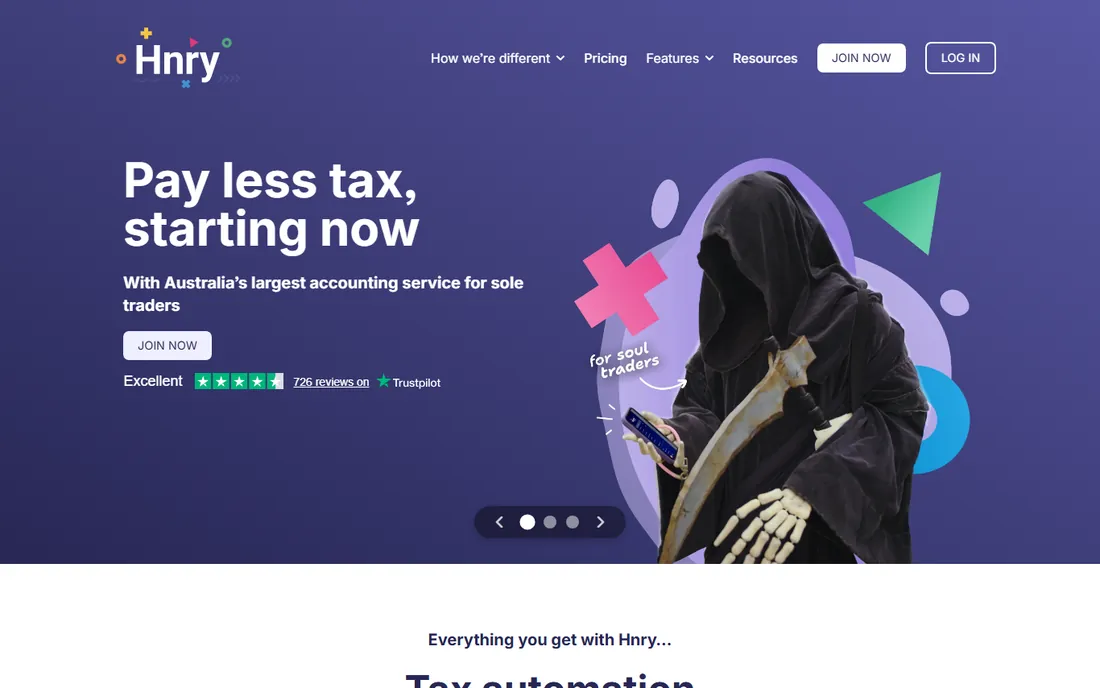
Hnry is not accounting software but a service for sole traders: it calculates, deducts, and pays your taxes automatically from your income, handling the admin that contractors dread. Invoicing and expense tracking come with the tax automation.
The value is freedom from tax admin. No BAS stress, no surprise tax bills, no quarterly calculations. Hnry takes a percentage fee, which stings slightly, but the time and anxiety saved are real.
Companies and complex businesses need real accounting software instead. But for sole traders who want taxes handled invisibly, Hnry's service model is unique in Australia.
What we like- Automatic tax calculation and payment
- Built for sole traders
- Removes admin
Watch out for- Service fee on income
- Not for companies
Australian compliance essentials
Single Touch Payroll is mandatory for employers; every tool here except the freelancer-focused ones handles it. BAS and GST reporting should flow from your accounting data, not require separate preparation.
Superannuation obligations add complexity that international software sometimes underestimates. Verify super handling, including clearing house integration, before committing.
The right structure matters too: sole trader, company, and trust each have different accounting and tax implications. Software supports the structure; accountants advise on choosing it.
Choosing for business stage
Sole traders and freelancers: Rounded for invoicing simplicity, Hnry for hands-off tax, or Xero's starter tier for proper books that scale.
Small businesses with employees: Xero or MYOB for the full compliance picture, STP, payroll, BAS. The ecosystem and accountant availability favor Xero for most.
Growing businesses: evaluate whether current tools handle inventory, multi-entity, or complexity needs. Sage and Saasu offer steps up; switching costs argue for choosing with growth in mind initially.
Making Tax Digital and the compliance calendar
Australian businesses juggle BAS lodgement, PAYG withholding, super guarantee payments, and Single Touch Payroll reporting on overlapping schedules. Missing deadlines brings penalties; the right software automates the calendar so lodgements happen on time.
Set up the compliance calendar in your software from day one: BAS due dates, super payment dates, and payroll tax thresholds for your state. Automate what the software allows, and set reminders for what it does not. The businesses that struggle are usually the ones relying on memory.
Work with your accountant on the rhythm. Quarterly reviews catch issues while they are fixable; annual scrambles find them when they are expensive. The software provides the data; the review cadence provides the safety.
Payroll the Australian way
Australian payroll has specific requirements that international software sometimes fumbles: Single Touch Payroll Phase 2 reporting, superannuation guarantee calculations, leave entitlements under the National Employment Standards, and state-based payroll tax. Verify each of these explicitly during evaluation, not just "payroll support."
Rostering and timesheet integration matter for hospitality and retail, where penalty rates and overtime rules are complex. Deputy, Tanda, and similar tools integrate with the accounting platforms here; the combination handles the full workforce workflow.
Keep employee records clean. TFN declarations, super fund details, and pay rates need to be right from the first pay run. Fixing payroll errors retrospectively is painful; getting setup right is cheap.
Choosing with growth in mind
The cheapest tool that handles today often costs the most tomorrow if migration becomes necessary. When choosing, consider the next stage: will this handle employees when you hire, inventory when you stock it, multiple entities if you expand?
Xero's ecosystem makes growth graceful; add apps as needs appear. MYOB's range covers the journey within one vendor. The budget tools serve their stage well but plan the graduation path before you need it.
And remember the accountant factor. The software your accountant knows well saves more in professional fees than any subscription difference. Ask your accountant before you choose, not after.
How we chose
We compared accounting tools used by Australian businesses, prioritizing local compliance (GST, BAS, Single Touch Payroll), based on vendor documentation, Australian business community discussion, and reviews on software directories. We covered the local leaders, Australian-built alternatives, international options, and the sole-trader niche. Pricing changes frequently, so we link to vendors for current numbers.
Frequently asked questions
Do we need Australian-specific accounting software?
For employers and GST-registered businesses, local compliance features (STP, BAS, super) matter enough that Australian-focused tools are worth it. International tools handle the basics, but the native players do local requirements more smoothly.
What is Single Touch Payroll?
The ATO requirement to report payroll information with each pay run. All employers must comply. Modern accounting software handles it automatically; the compliance burden falls on software choice rather than manual reporting.
When should we get an accountant?
From the start for structure advice, and ongoing once you employ people or the business grows complex. Software handles recording; accountants handle strategy, compliance judgment, and tax planning. Budget for both.
Can we switch accounting software later?
Yes, but it takes effort: chart of accounts mapping, historical data migration, and retraining. EOFY is the cleanest switching point. Choose with a multi-year horizon to avoid the disruption.
What about cash flow management?
Australian small businesses fail on cash flow more than profitability. Use your accounting software's cash flow reports and forecasting, invoice promptly, and chase debtors systematically. The software shows the picture; the discipline fixes it.
Do we need an accountant if we have good software?
Yes, for strategy and compliance judgment. Software records; accountants advise on structure, tax planning, and the decisions software cannot make. The combination beats either alone.
How do we choose between Xero and MYOB?
Both handle Australian compliance well. Xero leads on ecosystem and modern experience; MYOB on traditional depth and established trust. Trial both with your real data; the one your team adopts wins.
Sources we checked (8)
- https://www.xero.com/us/
- https://www.myob.com/au
- https://www.reckon.com/au/
- https://www.saasu.com/
- https://quickbooks.intuit.com/
- https://www.sage.com/
- https://rounded.com.au/
- https://hnry.com.au/
Is your product missing or out of date?
We review this list regularly. Vendors can request a listing, send updated pricing or ask about featured placement.

Shihab Mia · Founder, Rankite
Shihab has spent more than a decade helping SaaS and e-commerce brands grow through search. He writes Rankite's software buying guides from pricing pages, documentation and public user reviews. More about Shihab.