How we make this list: we compare pricing pages, product documentation and public user reviews. Ratings come from G2, Capterra or Trustpilot, with the date we checked them.
Key takeaways
- Bumble leads on women-first messaging, with women starting conversations in heterosexual matches, which changes the tone of the app.
- Hinge leads on relationship-focused dating, with prompts and profiles designed to start conversations rather than quick swipes.
- OkCupid leads on matching depth, with detailed questions and filters that suit people with specific preferences.
- Match and eHarmony lead on serious, paid dating, with larger investments that filter for commitment.
- Plenty of Fish and Coffee Meets Bagel suit daters who want free or curated options without endless swiping.
- Safety first: meet in public places, tell a friend where you are going, verify profiles before meeting, and use each app's report and block tools without hesitation.
Quick comparison
| Tool | Best for | Starting price | Free plan |
|---|
 Bumble | Women-first messaging | Free app | Free plan |
 Hinge | Relationship-focused dating | Free app | Free plan |
 OkCupid | Deep matching questions | Free app | Free plan |
 Match | Serious paid dating | See website | No |
 eHarmony | Compatibility matching | See website | No |
 Plenty of Fish | Free broad dating | Free app | Free plan |
 Coffee Meets Bagel | Curated daily matches | Free app | Free plan |
 Grindr | LGBTQ dating and community | Free app | Free plan |
Is your product missing or out of date?
We review this list regularly. Vendors can request a listing, send updated pricing or ask about featured placement.
The best tinder alternatives
Tinder defined swipe dating, but many daters want something different: slower matching, deeper profiles, women-first messaging, or a stronger focus on relationships. The eight apps below cover those needs, from free swiping with a twist to paid compatibility matching. Tinder itself is not listed here, since this article is about alternatives. Prices vary by billing period and region, so where a figure is not confirmed on a vendor page, we use "See website" and flag the gap.
How we chose
We started from the dating apps people actually use as Tinder alternatives in 2026, drawing on app store rankings, dating guides, and vendor feature pages. We favored apps with photo verification, report and block tools, and clear safety features, and we excluded apps with weak moderation or paywalls that hide basic matching. Safety features weigh heavily in this category: an app with strong verification and reporting earns its place even if its matching is simpler.
Buying guide
Start with your goal. If you want casual dating with better conversation, Bumble or Hinge fit. If you want a serious relationship and will pay for it, Match or eHarmony fit. If you want to test dating apps without paying, OkCupid, Plenty of Fish, or Coffee Meets Bagel fit.
Next, check the safety tools before you match anyone. Look for photo verification, which confirms a profile photo matches the person, plus easy report and block buttons and location controls. Read the app's safety guidance, and set your own rules early: public first meetings, your own transport, and a friend who knows where you are.
Then test the matching style for a week. Some apps reward daily swiping, others send a few curated matches a day, and others rely on long questionnaires. The style that fits your patience matters more than the app's marketing, since the best app is the one you actually use. Finally, compare paid features honestly: most free tiers allow matching and messaging, while paid tiers add unlimited likes, read receipts, and advanced filters that matter more to heavy users than casual ones.
One more safety habit deserves emphasis: verify before you trust. Video call before meeting, check that photos look consistent, and watch for romance scam signs such as requests for money, gift cards, or crypto, or stories about emergencies abroad. No legitimate date asks a new match for money, and reporting suspected scams protects other users too.
Frequently asked questions
Which Tinder alternative is best for serious relationships?
Hinge leads among free apps for relationship-focused dating, while Match and eHarmony lead among paid apps, with longer profiles and compatibility systems designed for commitment rather than casual swiping.
Are these dating apps safe?
No dating app is fully safe, but the apps here offer photo verification, report and block tools, and safety guidance. Your own habits matter most: meet in public, use your own transport, tell a friend your plans, and never send money to a match.
Can I use these apps for free?
Yes, most apps here offer free matching and messaging, with paid tiers for extra likes, filters, and visibility. Match and eHarmony require subscriptions for full messaging, which is part of their serious-dating positioning.
How do I spot a fake dating profile?
Watch for few photos, inconsistent details, reluctance to video call, and early requests for money or personal information. Reverse image search can help, and reporting suspicious profiles protects the community.
Which app is best for LGBTQ daters?
Grindr leads for gay, bi, trans, and queer men, while Hinge, OkCupid, and Bumble offer inclusive gender and orientation options for a wider LGBTQ audience. Choose based on your community and dating goals.
Sources
- Vendor feature and pricing pages for Bumble, Hinge, OkCupid, Match, eHarmony, Plenty of Fish, Coffee Meets Bagel, and Grindr
- Third-party 2026 comparisons of dating apps
- Dating safety guidance from apps and consumer safety organizations
Starting priceFree app
Free planFree plan
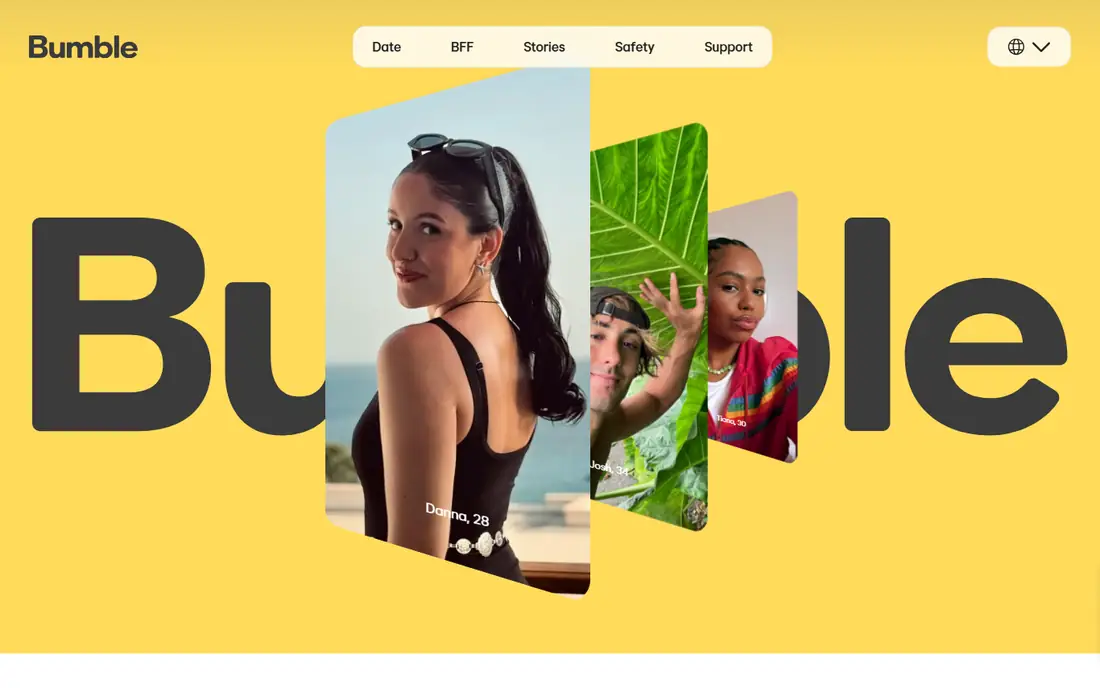
Bumble's defining rule is that women start conversations in heterosexual matches, which reduces unwanted opening messages and changes the app's tone compared with Tinder. Matches expire after 24 hours without a first message, which pushes conversations to start quickly rather than sitting in a queue. Photo verification, incognito mode, and block and report tools round out a safety-first design.
The 24-hour window also pressures users who check the app rarely, and free likes are limited per day. The user base is smaller than Tinder in rural areas, though strong in cities. Bumble suits daters who want a calmer, more respectful messaging experience and who check the app daily.
What we like- Women start conversations in heterosexual matches
- Photo verification
- Clean interface
Watch out for- Match window expires in 24 hours
- Free likes are limited
- Smaller user base in rural areas
Starting priceFree app
Free planFree plan
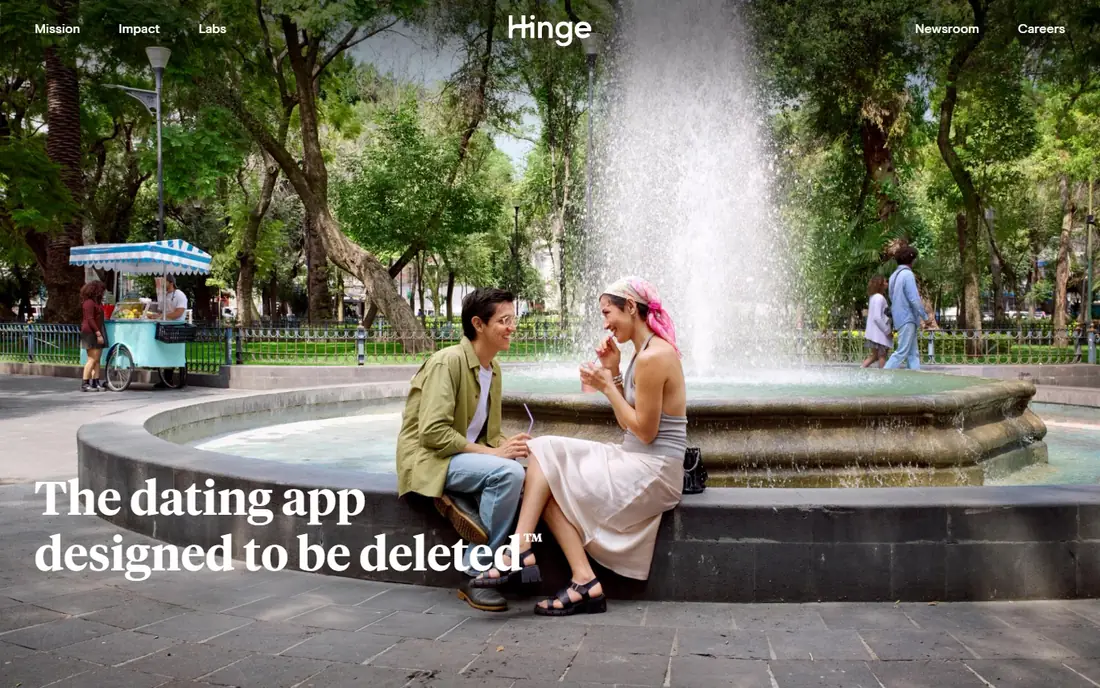
Hinge markets itself as the app designed to be deleted, and its design backs that up: profiles combine photos with written prompts, and users like or comment on specific prompt answers or photos rather than swiping on looks alone. That structure produces better opening messages and suits daters who want conversation before meeting.
Free likes are limited to a small number per day, and paid tiers such as Hinge+ and HingeX cost more than some rivals. The user base is also thinner outside major cities. Hinge suits relationship-focused daters who value profile depth and who are willing to pay or wait for likes.
What we like- Profiles built on prompts and photos
- Designed to be deleted
- Good conversation starters
Watch out for- Free likes are limited daily
- Paid tiers cost more
- Smaller base outside cities
Starting priceFree app
Free planFree plan
OkCupid's strength is matching depth: thousands of optional questions about values, lifestyle, politics, and habits feed a match percentage, and filters let users narrow by the answers that matter to them. Identity options are among the most inclusive in mainstream dating, covering many gender identities and orientations.
The interface feels dated next to Hinge and Bumble, and some advanced filters need a paid tier. The user base also skews urban and younger. OkCupid suits daters with specific preferences who want matching based on values and answers, not just photos.
What we like- Detailed questions and filters
- Inclusive identity options
- Free messaging on matches
Watch out for- Interface feels dated
- Some features need paid tiers
- User base skews urban
Starting priceSee website
Free planNo
Match is the oldest major dating site, and its paid model is a feature, not just a price: subscribers tend to be more serious about relationships, profiles are detailed, and the user base skews older than Tinder. Events, coaching, and profile help add options beyond the app itself.
Full messaging requires a subscription, the interface feels older than newer apps, and costs run higher than free rivals. Match suits daters over 30 who want a serious, paid environment and who value a large, commitment-minded user base.
What we like- Large serious-dating user base
- Detailed profiles
- Events and coaching options
Watch out for- Subscription required for full messaging
- Interface is older
- Costs more than free apps
Starting priceSee website
Free planNo
eHarmony builds matches from a long compatibility questionnaire covering personality, values, and lifestyle, then sends curated matches rather than open browsing. That structure suits daters who want the app to do the filtering and who trust compatibility science over endless swiping.
Signup takes time, plans are expensive, and users have less browsing control than on Match or OkCupid. eHarmony suits patient, relationship-focused daters who want curated matches and who accept a longer signup and higher price for that curation.
What we like- Deep compatibility questionnaire
- Curated matches
- Relationship-focused base
Watch out for- Long signup process
- Expensive plans
- Less control over browsing
Starting priceFree app
Free planFree plan
Plenty of Fish offers one of the largest free dating pools, with free messaging on many matches and many search filters at no cost. That breadth makes it easy to start dating without paying, and its user base spans ages and regions more widely than trendier apps.
Moderation is thinner than on Bumble or Hinge, fake profiles appear more often, and the interface is busy with ads and upsells. Plenty of Fish suits budget daters who want a large free pool and who will filter carefully and use safety tools actively.
What we like- Large free user base
- Free messaging on many matches
- Many search filters
Watch out for- Moderation is thinner
- Fake profiles are more common
- Interface is busy
Starting priceFree app
Free planFree plan
Coffee Meets Bagel sends a small number of curated matches, called bagels, each day at noon, which reduces swiping fatigue and suits busy daters who prefer quality over quantity. Profiles are detailed, and the app encourages thoughtful likes rather than rapid swiping.
The daily limit frustrates users who want many matches, the user base is smaller than major rivals, and premium features such as extra bagels cost more. Coffee Meets Bagel suits busy professionals and daters who feel overwhelmed by endless swiping and prefer a few considered matches a day.
What we like- Curated daily matches reduce swiping fatigue
- Detailed profiles
- Good for busy daters
Watch out for- Fewer matches per day
- Smaller user base
- Premium features cost more
Starting priceFree app
Free planFree plan
Grindr is the largest dating and social app for gay, bi, trans, and queer men, built around a location-based grid that shows nearby profiles. Beyond dating, it includes community content and health resources, and its global user base is unmatched in its niche.
The hookup focus is stronger than on relationship apps, the free tier shows ads, and safety needs extra care in regions where LGBTQ people face legal or social risks. Grindr suits gay, bi, trans, and queer men who want the largest community pool, with safety habits such as public meetings and profile verification firmly in place.
What we like- Largest gay dating app
- Location-based grid
- Community and health resources
Watch out for- Hookup focus is stronger
- Free tier has ads
- Safety needs care in some regions
Is your product missing or out of date?
We review this list regularly. Vendors can request a listing, send updated pricing or ask about featured placement.

Shihab Mia · Founder, Rankite
Shihab has 5+ years in B2B and SaaS SEO. He writes Rankite's software buying guides from pricing pages, documentation and public user reviews. More about Shihab.