How we make this list: we compare pricing pages, product documentation and public user reviews. Ratings come from G2, Capterra or Trustpilot, with the date we checked them.
Key takeaways
- There is no single replacement for DeviantArt, because its community, portfolio and marketplace roles now sit on different sites.
- Cara is the closest community-first pick for artists who want AI-generated work filtered out of their feed.
- ArtStation and Behance are the strongest portfolio choices for paid work, with ArtStation aimed at games and film and Behance at broader design.
- Pixiv suits anime, manga and illustration, while Sketchfab is the clear pick for 3D work.
- Most alternatives are free to join, so test two or three with the same five pieces before you move your whole archive.
Quick comparison
| Tool | Best for | Starting price | Free plan |
|---|
 Cara | community-first art sharing without AI art | Free | Yes |
 ArtStation | games and film portfolios | See website | Yes |
 Behance | broad design portfolios and clients | $9.99 per month for Pro | Yes |
 Pixiv | anime, manga and illustration | See website | Yes |
 Artfol | small community and commissions | Free | Yes |
 Sketchfab | 3D portfolios and embeds | See website | Yes |
 Itaku | community art sharing and commissions | See website | Yes |
Is your product missing or out of date?
We review this list regularly. Vendors can request a listing, send updated pricing or ask about featured placement.
The best DeviantArt alternatives
#1
Cara
Best for: community-first art sharing without AI art
Visit cara.app
Starting priceFree
Free planYes
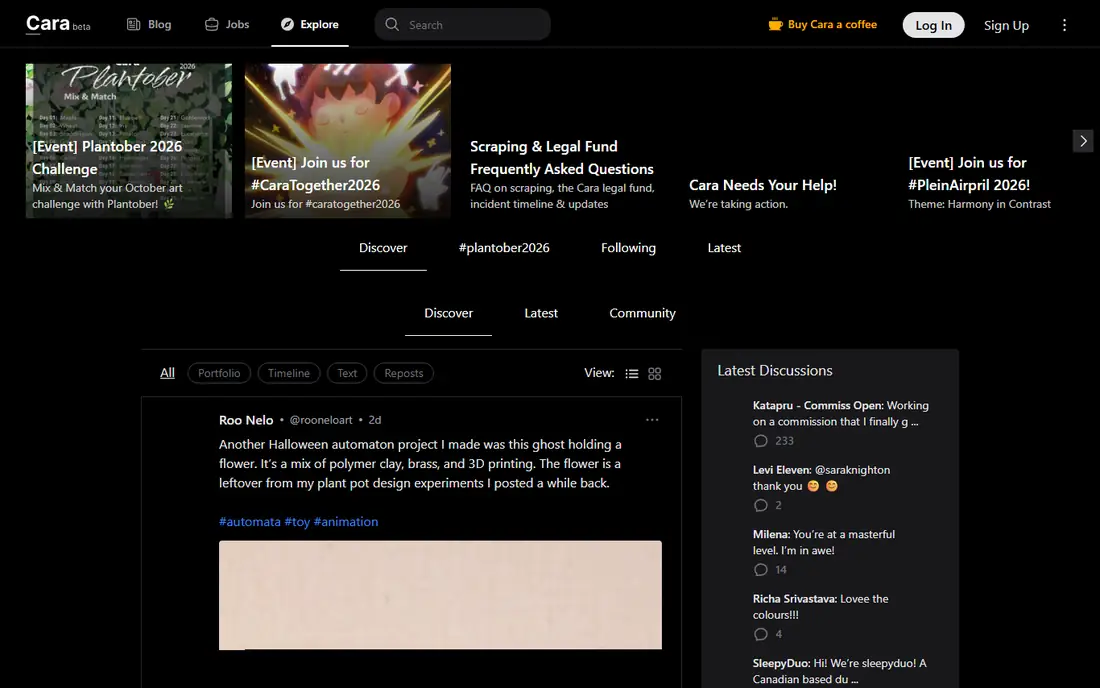
Cara grew quickly among artists who wanted a home for human-made art, and its core promise is simple to explain. Portfolios are checked with an AI image detector, so a visitor browsing for human work is less likely to wade through generated images. That stance matters if your work is traditional illustration, concept art or comics, and if you want feedback from people who draw in a similar way. The app also includes a portfolio view, a social feed, messages and studio job listings, so it tries to cover both community and career in one place.
The limit is audience size. A smaller community means fewer views at first, especially for niche styles, and you may need to post consistently and join challenges to be found. Cara is free to join, which makes it easy to test alongside a larger portfolio site, and it works well as a community base while ArtStation or Behance handles client-facing work. If AI policy is your main reason for leaving DeviantArt, start here.
What we like- AI image detector filters AI work from portfolios
- Portfolio and social features in one app
- Job listings from studios
Watch out for- Smaller audience than the large portfolio sites
- Newer platform, so features still change
- Discovery depends on a growing community
Starting priceSee website
Free planYes
ArtStation is the industry standard portfolio for concept artists, illustrators and 3D artists working in games and film. Hiring managers know the format, they can scan a portfolio quickly, and they can contact an artist without digging through a social feed. That professional focus is the main reason to move: a strong ArtStation page reads as a work portfolio, not just a gallery of favorites. The marketplace also lets artists sell assets, brushes and learning material, which suits freelancers building a second income stream.
The trade-off is community. ArtStation does not replace the forums, groups and long comment threads that made DeviantArt feel like a clubhouse, and new artists can feel invisible among polished professional work. Post only your strongest pieces, keep the portfolio tight, and use a community site for casual work and feedback. The free plan is enough to start, and Pro is worth considering only when you want a custom website, your own domain and extra portfolio themes.
What we like- Recruiters and art directors browse it for hires
- Clean portfolio presentation
- Marketplace for assets and tutorials
Watch out for- Community discussion is thinner than DeviantArt
- Competition for attention is intense
- Pro features add cost
Starting price$9.99 per month for Pro
Free planYes
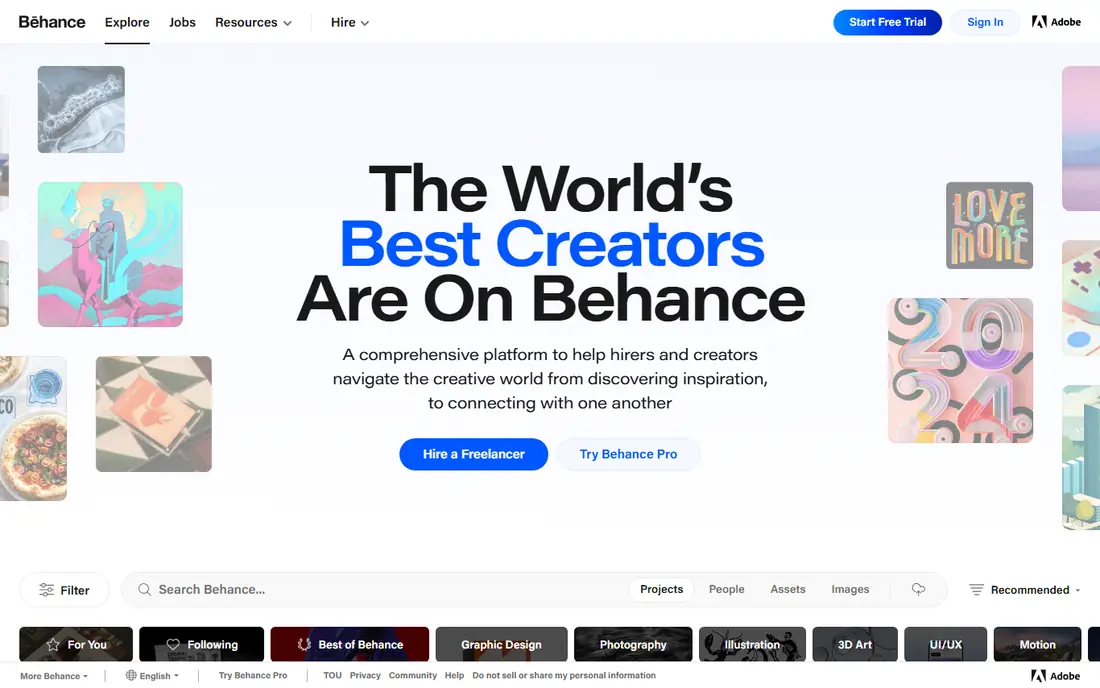
Behance is the broadest portfolio option on this list, covering graphic design, branding, illustration, photography, UI design and more. Its project format encourages case studies, so you can show a brief, sketches, revisions and a final result, rather than a single image with no context. Clients and agencies search Behance for specific skills, and the Adobe connection makes it easy to publish from Creative Cloud apps and to link a portfolio website through Adobe Portfolio on some plans.
Behance Pro, starting at $9.99 per month with an annual commitment in the vendor help pages, adds advanced analytics, password-protected projects, scheduled publishing, a Pro badge and 0 percent platform fees on some sales. Most artists do not need Pro to be found, because free projects can still be featured, and Pro does not change search ranking except through boosted projects. If you work across design disciplines or want client work, Behance is a solid main portfolio, and it pairs well with a community site for fan art and personal work.
What we like- Free core portfolio with unlimited projects
- Strong for graphic design, branding and illustration case studies
- Adobe ecosystem links
Watch out for- Pro price adds up for hobbyists
- Feed favors polished client work
- Less suited to fan art communities
Starting priceSee website
Free planYes
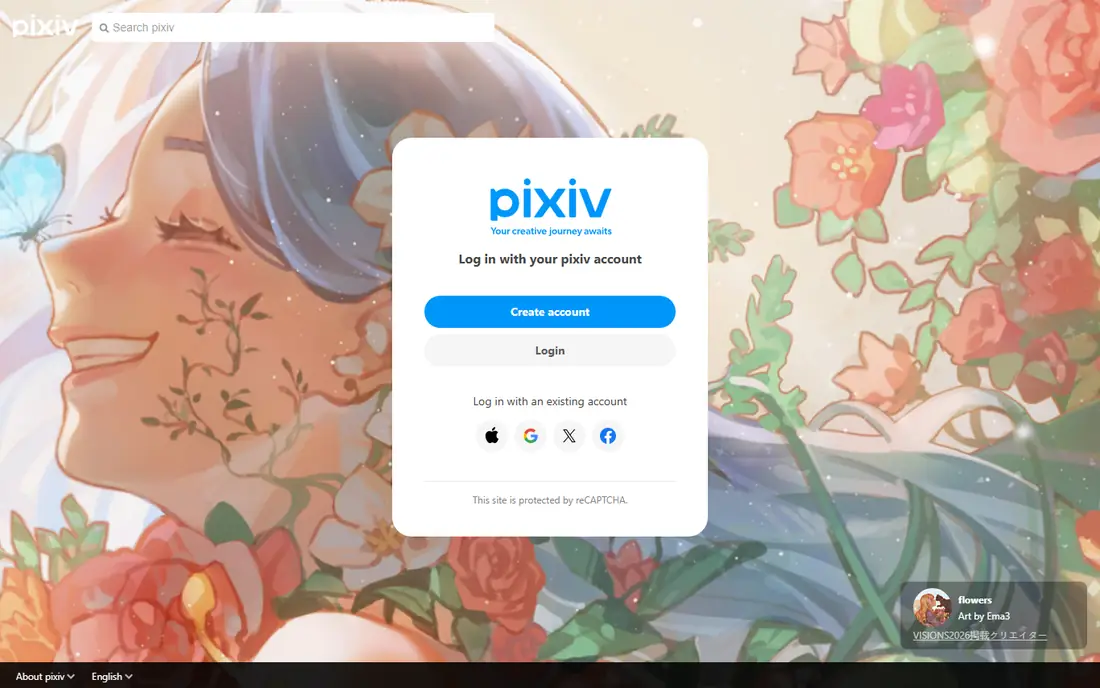
Pixiv is the closest match to DeviantArt for anime, manga and illustration fans, with a large, active audience and a tagging system that helps the right readers find your work. Rankings, contests and requests give new artists routes to visibility beyond a simple follower feed, and the site also hosts novels and manga series, so a story-driven artist can publish more than single images. If your style is anime-influenced, Pixiv will usually bring more relevant views than a general design portfolio.
The adjustment is cultural and practical. The site grew in Japan, and while there is an English interface, much of the community activity, tags and trends reflect that origin. Check the current premium price on the vendor site before paying, because premium adds search and browsing features rather than changing who can see your free work. For illustration in this style, Pixiv deserves a place beside Cara or ArtStation, not instead of a portfolio for client work.
What we like- Huge audience for anime and manga styles
- Tags and rankings help discovery
- Novels, manga and illustration in one account
Watch out for- Interface and community norms suit Japanese art culture first
- English support is present but not the core focus
- Premium features are paid
Starting priceFree
Free planYes
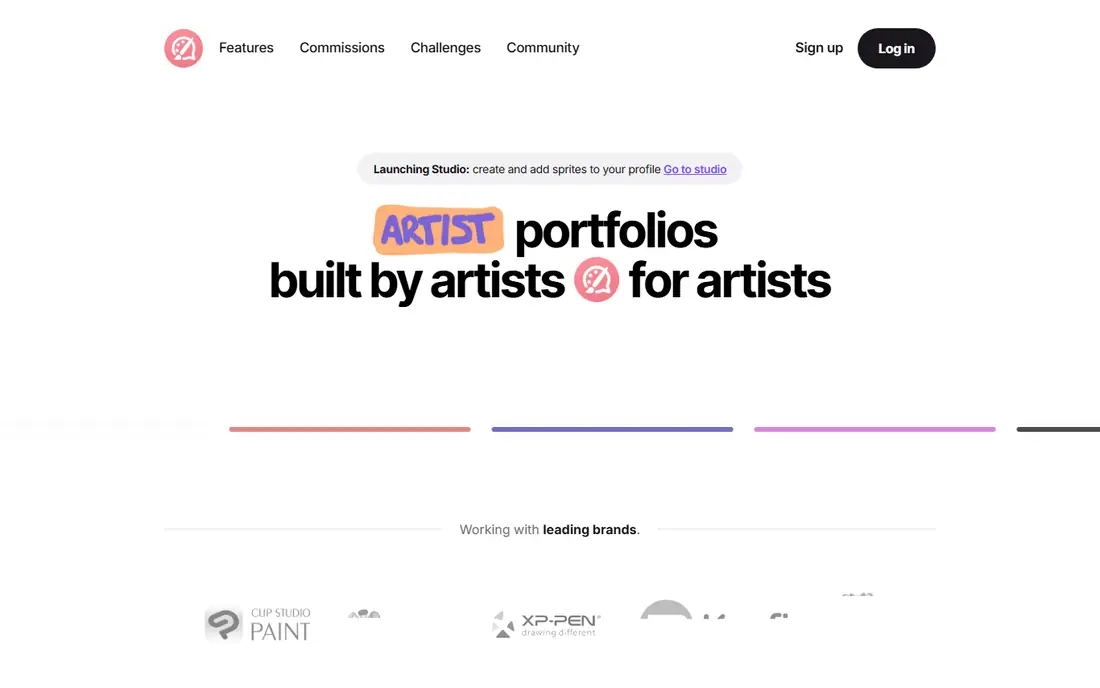
Artfol presents itself as a social network built by artists for artists, and the feel is closer to DeviantArt than a cold portfolio site. You can customize your profile, join art challenges, run a shop, take commission requests and accept payments through Artfol payment cards, all without leaving the platform. The feed controls are a useful touch: you choose tags and categories and how often you see them, which helps when you want inspiration in your own style rather than a general trending page.
Audience size is the honest limit. With a smaller community, growth is slower, and a new artist may need to join challenges and comment on other work to build a following. The free entry point makes that test low risk, and Artfol works well as a second home for personal work, commissions and community, while a larger site handles client discovery. If you miss DeviantArt groups and challenges, Artfol is worth a trial month.
What we like- Community-first design with challenges and shops
- Control over feed tags and categories
- Payment cards and commission tools
Watch out for- Smaller audience than the major sites
- App-first experience
- Some features are still maturing
Starting priceSee website
Free planYes
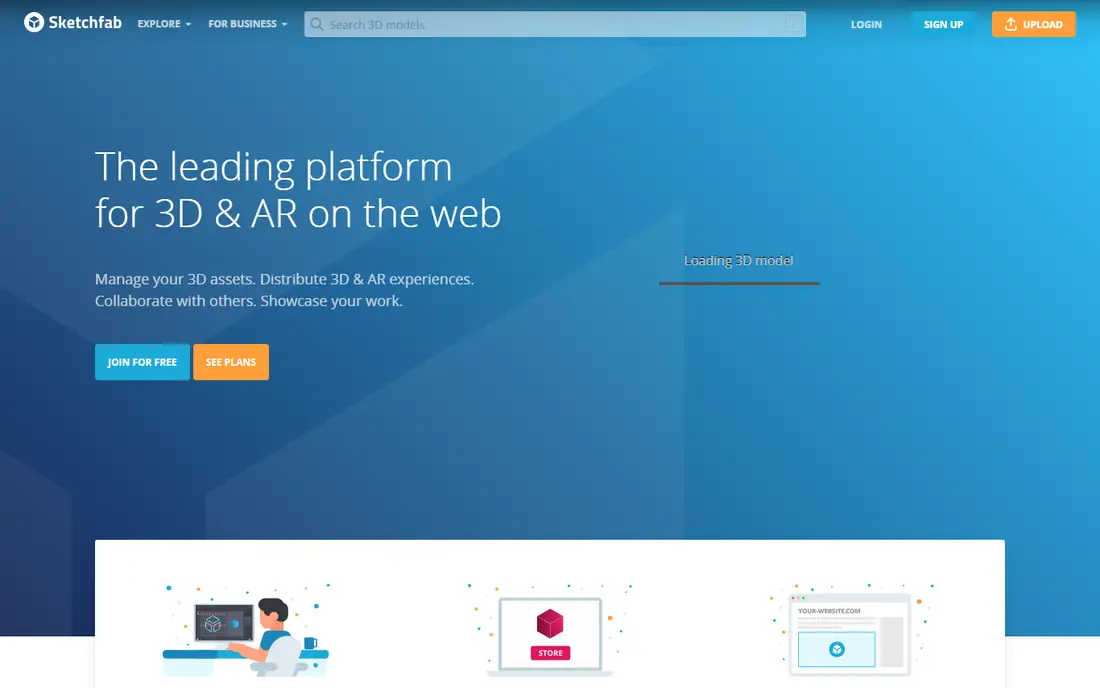
Sketchfab solves a problem that flat image sites cannot: showing a 3D model from every angle. Visitors can rotate, zoom and inspect a model in the browser, which matters for game assets, product visualization, architecture and character work. Embeds let you place that interactive viewer on your own website, a store page or a client proposal, so the model does the selling rather than a set of rendered stills. The community also gives useful feedback on topology, materials and presentation, which image-only sites rarely provide.
It is not a general DeviantArt replacement, because 2D illustration has no place in a 3D viewer. Check the current plan page for free limits and paid tiers, because business features such as private models, advanced analytics and team tools sit on paid plans. For a 3D artist, Sketchfab is a strong primary portfolio, and for a mixed artist, it is the right home for the 3D part of your work while another site holds the 2D pieces.
What we like- Interactive 3D viewer in the browser
- Embeds work on portfolios and stores
- Large 3D community for feedback
Watch out for- Only fits 3D work, not 2D illustration
- Free plan has limits on uploads and features
- Paid plans are aimed at businesses
#7
Itaku
Best for: community art sharing and commissions
Visit itaku.ee
Starting priceSee website
Free planYes
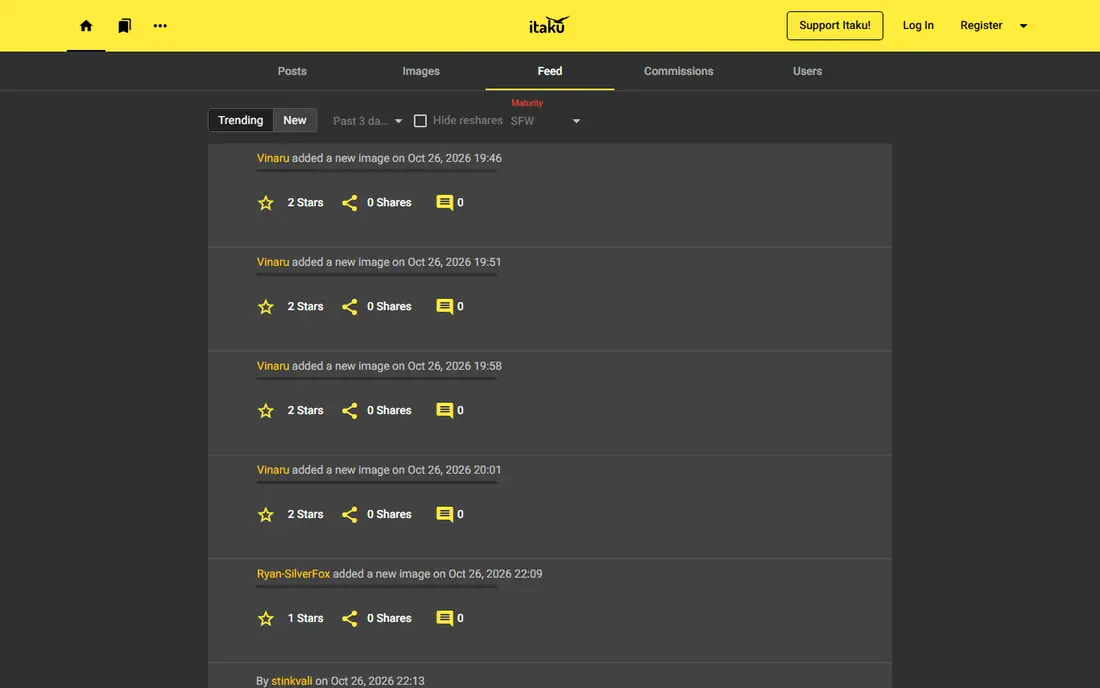
Itaku is a community art site with a straightforward feed, galleries and commission features, and it suits artists who want a DeviantArt-like posting habit without a large corporate platform. You can share images, organize them into galleries, follow other artists and take commissions, and the recent upload feed makes it easy to see what the community is making today. Content filters help visitors browse safely, which matters for a mixed community with varied work.
The site is smaller and more niche than ArtStation or Behance, so it will not bring the same volume of client traffic. Regular posting and engagement matter more here, and the simpler interface means fewer portfolio customization options. Treat Itaku as a community base and a commission channel, especially if your work fits its audience, and keep a polished portfolio elsewhere for hiring managers. It is free to try, and the low friction makes it easy to test with a few pieces before committing.
What we like- Active community feed with recent uploads
- Commission and gallery tools
- Content filters for browsing
Watch out for- Smaller and more niche than the major sites
- Interface is simpler and less polished
- Discovery favors regular posters
How we chose
We compared vendor pricing pages, product documentation and public reviews, and we checked each homepage to confirm the product exists and matches the name on this list. We favored sites with a real art community or portfolio function, a free entry point, and a clear audience, and we dropped sites whose homepages failed to load, were blocked, or redirected to a different product. Prices shown are starting prices from vendor pages or vendor help pages checked in October 2026, and where a price could not be confirmed we wrote See website rather than guessing.
Picking the right mix for your work
Most artists need two sites, not one: a portfolio for work and a community for people. A concept artist might pair ArtStation with Cara, a graphic designer might pair Behance with Artfol, and an anime illustrator might pair Pixiv with Itaku. That split sounds like extra work, but it saves time in the long run, because you stop expecting a hiring manager to find you in a fan community, and you stop expecting a fan community to judge a client case study.
Move your archive in stages
Start with your five strongest pieces, not your whole DeviantArt archive. Upload those five to each candidate site, write a short bio that states what you make and whether you take commissions, and watch which site brings comments from the right people. Then move a second batch of 20 pieces to the winner, and keep the rest on DeviantArt until the new home proves itself. Back up your original files locally before any move, because platform exports can lose descriptions, tags and comments.
Check AI, licensing and commission rules first
Read the AI policy, the license you grant the platform, and the commission or sales fees before you upload client work or fan art. Some sites filter AI work, some label it, and some allow it, and those rules affect how your work is found. For commissions, confirm how payment works, what fee the platform takes, and whether you can set your own terms. If a site changes its policy, your portfolio terms change with it, so keep a copy of your work and your client contact list outside any single platform.
Frequently asked questions
Is there a direct replacement for DeviantArt?
No single site covers all of DeviantArt at once. Cara and Artfol come closest for community, ArtStation and Behance cover portfolios and jobs, and Pixiv covers anime and illustration. Most artists now use two sites, one for community and one for work.
Which alternative is best for getting hired?
ArtStation is best for games, film and entertainment, while Behance is best for broader design, branding and agency work. Both are searched by recruiters, so keep the portfolio tight, show process where relevant, and include a clear contact method.
Which alternative bans AI art?
Cara filters AI-generated images from portfolios with an AI detector, which is the strongest stance on this list. Other sites label AI work or allow it under their own rules, so check the current policy on each site before you join if this matters to you.
Can I keep my DeviantArt account and use an alternative too?
Yes, and that is the safest move for most artists. Keep DeviantArt for your existing audience, build the new home in parallel, and move gradually. Link the new portfolio from your DeviantArt profile so followers can find you in both places.
Are these alternatives free?
Most are free to join, with paid plans for extra features, larger limits or business tools. Behance Pro is a paid upgrade, while Cara and Artfol are free at entry level. Check each pricing page before paying, because free limits and paid features change.
What should I upload first?
Upload five strong, recent pieces that show your current style, plus one project or series that shows how you work. Avoid uploading your entire back catalog on day one, because a tight portfolio makes a better first impression than a large, uneven archive.
Sources we checked (7)
- https://cara.app
- https://www.artstation.com
- https://www.behance.net
- https://www.pixiv.net
- https://artfol.app
- https://sketchfab.com
- https://itaku.ee
Is your product missing or out of date?
We review this list regularly. Vendors can request a listing, send updated pricing or ask about featured placement.

Shihab Mia · Founder, Rankite
Shihab has 5+ years in B2B and SaaS SEO. He writes Rankite's software buying guides from pricing pages, documentation and public user reviews. More about Shihab.