How we make this list: we compare pricing pages, product documentation and public user reviews. Ratings come from G2, Capterra or Trustpilot, with the date we checked them.
Key takeaways
- Exabeam is the best-known dedicated UEBA platform, with behavior baselines and timeline-based investigation.
- Splunk User Behavior Analytics suits organizations already running Splunk, adding behavior detection to existing data.
- Microsoft Sentinel's UEBA fits Microsoft-centered environments, using identity and cloud signals natively.
- Securonix and Gurucul serve large enterprises needing broad data ingestion and advanced analytics.
- UEBA value depends on data quality and tuning, so budget for baselining time and analyst triage, not just licensing.
Quick comparison
| Tool | Best for | Starting price | Free plan |
|---|
 Exabeam | Dedicated UEBA platform | See website | Free trial |
 Splunk UBA | Splunk environments | See website | Free trial |
 Microsoft Sentinel | Microsoft environments | See website | Free trial |
 Securonix | Large enterprise analytics | See website | Free trial |
 Gurucul | Advanced behavior analytics | See website | Free trial |
 Forcepoint UEBA | Forcepoint DLP users | See website | Free trial |
 Varonis | Data-centric behavior | See website | Free trial |
 Rapid7 InsightIDR | InsightIDR users | See website | Free trial |
 Aruba IntroSpect | Network behavior analytics | See website | Free trial |
Is your product missing or out of date?
We review this list regularly. Vendors can request a listing, send updated pricing or ask about featured placement.
#1Exabeam
Best for: Dedicated UEBA platform4.7/5 on
G2 (13 reviews, checked Oct 2026)
Visit exabeam.com
Starting priceSee website
Free planFree trial
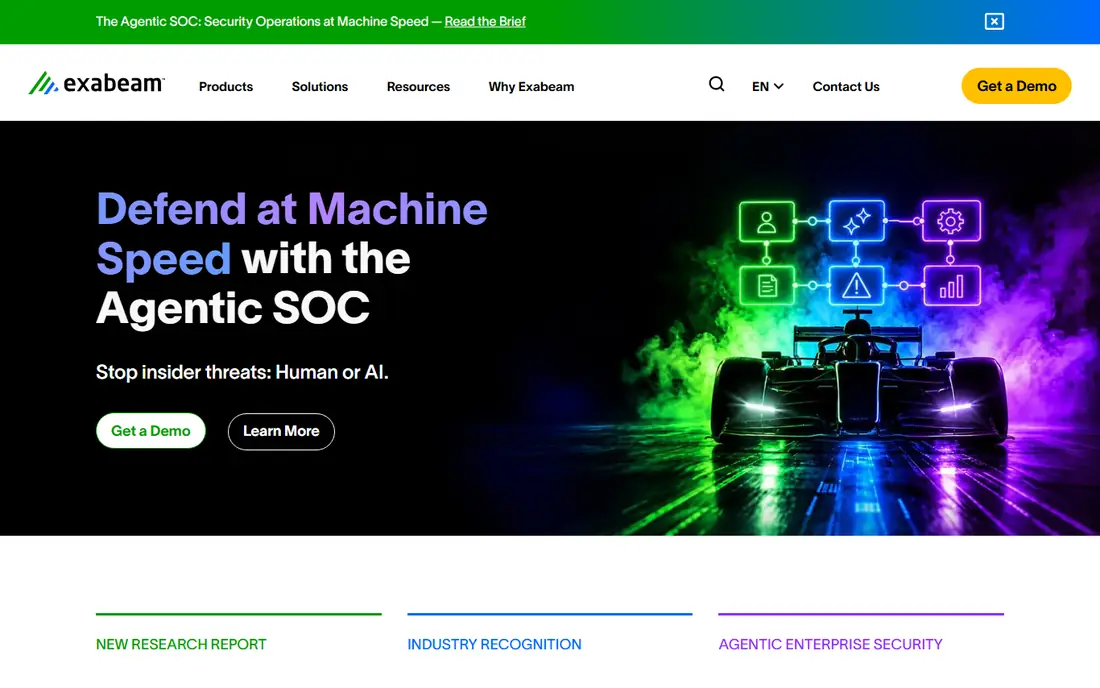
Exabeam is the best-known dedicated UEBA platform, building behavior baselines for users and entities, scoring risk as behavior deviates, and presenting investigations as timelines that analysts can follow. Its broad log source support covers identity, cloud, endpoint, and network data, which matters because UEBA quality follows data breadth.
Pricing is confirmed on the vendor site, data onboarding takes effort, and costs are enterprise-focused. Exabeam suits organizations that want a dedicated UEBA product rather than a feature inside a wider platform, and that will invest in tuning baselines.
What we like- Dedicated behavior baselines and risk scoring
- Timeline investigation
- Broad log source support
Watch out for- Pricing sits on the vendor site
- Needs data onboarding effort
- Enterprise-focused cost
Starting priceSee website
Free planFree trial
Splunk User Behavior Analytics adds behavior detection to Splunk's data platform, using anomaly and threat models to surface risky users and entities from logs already flowing into Splunk. For organizations invested in Splunk, that reuse avoids a second data pipeline and keeps analysts in a familiar workflow.
Pricing is confirmed on the vendor site, value is highest inside Splunk, and tuning needs Splunk expertise. Splunk UBA suits Splunk customers who want behavior analytics without a separate platform.
What we like- Behavior detection on top of Splunk data
- Anomaly and threat models
- Familiar Splunk workflow
Watch out for- Pricing sits on the vendor site
- Best inside Splunk
- Needs Splunk expertise to tune
Starting priceSee website
Free planFree trial
Microsoft Sentinel includes UEBA features that use identity, Entra ID, and cloud signals natively, building behavior profiles inside the SIEM where alerts and investigations already happen. That native integration suits Microsoft-centered environments, with cloud-scale data ingestion.
Pricing is consumption-based on data volume, which can surprise teams with large ingestion, and value is highest inside Microsoft. Sentinel suits organizations standardized on Microsoft 365 and Azure who want UEBA inside their SIEM.
What we like- Native Microsoft identity and cloud signals
- UEBA features built into SIEM
- Scalable cloud pricing
Watch out for- Pricing is consumption-based and can surprise
- Best inside Microsoft
- Tuning needs Sentinel expertise
Starting priceSee website
Free planFree trial
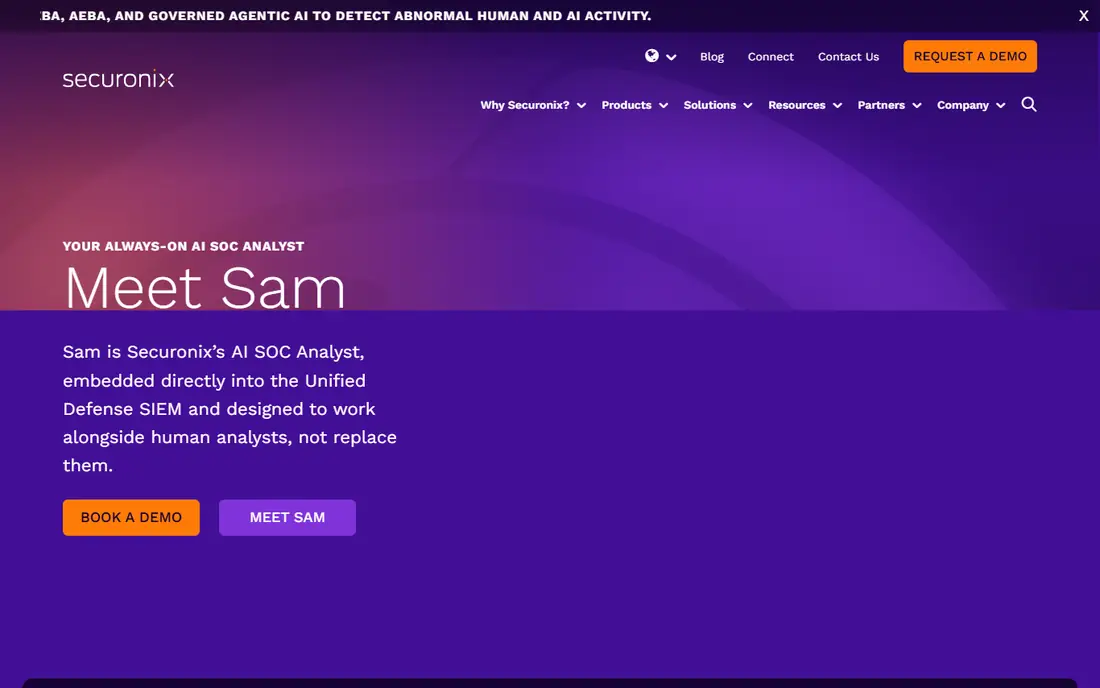
Securonix combines a cloud-native SIEM with UEBA, ingesting broad data sources and applying behavior analytics to surface insider threats and compromised accounts across large estates. Its scale suits enterprises with complex, multi-cloud environments.
Pricing is confirmed on the vendor site, implementation is substantial, and value needs skilled analysts to triage behavior alerts. Securonix suits large enterprises that want SIEM and UEBA unified at scale.
What we like- Broad data ingestion and behavior analytics
- Cloud-native SIEM plus UEBA
- Strong for large estates
Watch out for- Pricing sits on the vendor site
- Implementation is substantial
- Needs skilled analysts
Starting priceSee website
Free planFree trial
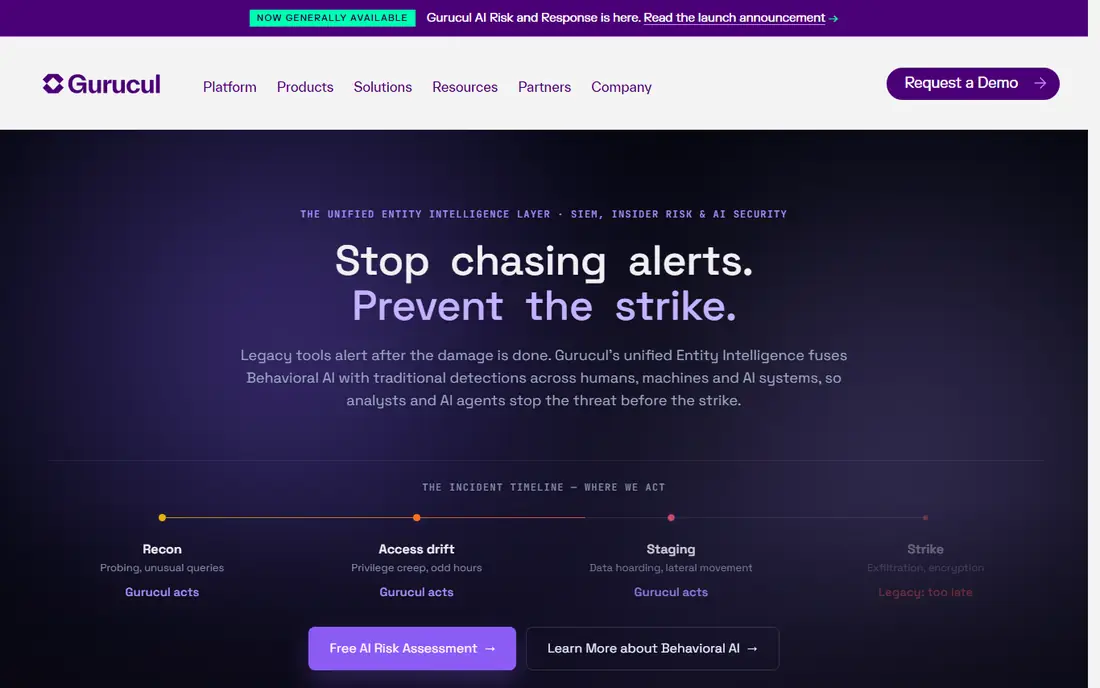
Gurucul applies advanced machine learning to user and entity behavior, with identity and access analytics that link behavior to permissions and risk. Its flexible deployment options, including cloud and on-premise, suit organizations with specific hosting requirements.
Pricing is confirmed on the vendor site, brand recognition is smaller than Exabeam's or Splunk's, and tuning needs expertise. Gurucul suits enterprises that want advanced behavior models and deployment flexibility.
What we like- Advanced machine learning behavior models
- Identity and access analytics
- Flexible deployment
Watch out for- Pricing sits on the vendor site
- Smaller brand than Exabeam or Splunk
- Needs tuning expertise
Starting priceSee website
Free planFree trial
Forcepoint UEBA ties behavior analytics to data loss prevention, flagging risky data handling by users and entities alongside traditional DLP controls. That link suits organizations whose main insider risk is data exfiltration, and Forcepoint customers gain integrated workflows.
Pricing is confirmed on the vendor site, value is highest inside Forcepoint, and standalone UEBA depth varies compared with dedicated platforms. Forcepoint UEBA suits Forcepoint DLP customers who want behavior context on data risk.
What we like- Behavior analytics tied to data loss prevention
- Insider threat focus
- Forcepoint ecosystem integration
Watch out for- Pricing sits on the vendor site
- Best inside Forcepoint
- Standalone UEBA depth varies
#7Varonis
Best for: Data-centric behavior4.6/5 on
G2 (93 reviews, checked Oct 2026)
Visit varonis.com
Starting priceSee website
Free planFree trial

Varonis monitors behavior around data: who accesses files, how access patterns change, and when data movement looks abnormal. That data-centric view suits organizations whose crown jewels are files and shares, and whose insider threat concern centers on data theft.
Pricing is confirmed on the vendor site, the focus is data platforms rather than full SIEM breadth, and broader behavior signals need other tools. Varonis suits data-heavy organizations that want behavior analytics anchored to file access.
What we like- Data-centric behavior monitoring
- File access analytics
- Strong for data exfiltration detection
Watch out for- Pricing sits on the vendor site
- Data-platform focus
- Less broad than full SIEM UEBA
Starting priceSee website
Free planFree trial
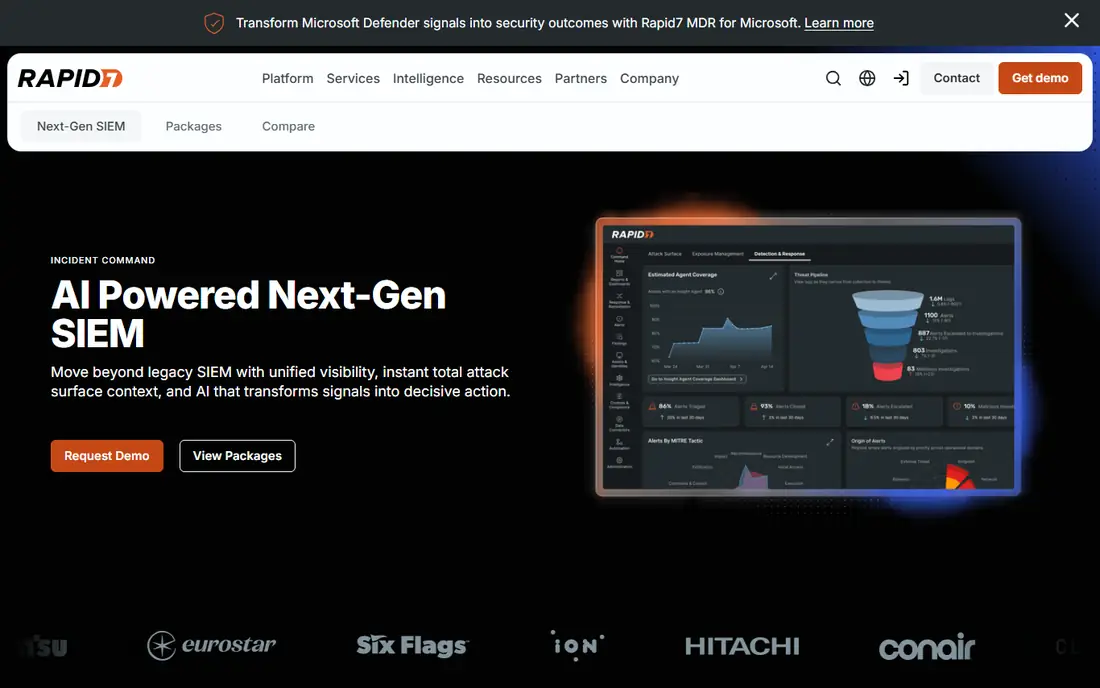
Rapid7 InsightIDR includes user behavior analytics inside its cloud SIEM, with attacker behavior models, deception technology, and endpoint data feeding detections. That combination suits mid-size teams that want SIEM and UEBA together without running two platforms.
Pricing is confirmed on the vendor site, value is highest inside Rapid7, and the UEBA community is smaller than Exabeam's. InsightIDR suits Rapid7 customers and mid-size teams that want unified detection.
What we like- UEBA inside a cloud SIEM
- Attacker behavior analytics
- Deception and endpoint data included
Watch out for- Pricing sits on the vendor site
- Best inside Rapid7
- Smaller UEBA community than Exabeam
Starting priceSee website
Free planFree trial
Aruba IntroSpect, part of HPE Aruba Networking, analyzes network behavior to detect compromised users and devices, using machine learning on network traffic and authentication data. Its network vantage suits organizations that want behavior detection tied to network access.
Pricing is confirmed on the vendor site, the network focus limits endpoint and cloud context, and value is highest inside Aruba environments. IntroSpect suits Aruba customers and network-centric security teams.
What we like- Network-based behavior analytics
- Detects compromised devices and users
- HPE Aruba integration
Watch out for- Pricing sits on the vendor site
- Network focus limits endpoint context
- Best inside Aruba environments
How we chose
We compared user and entity behavior analytics products that build behavior baselines and flag deviations, excluding pure SIEMs without behavior models and pure insider threat tools without analytics. Pricing figures come from each vendor's own pricing page, checked in October 2026, and because UEBA pricing is almost always quote-based, prices here are confirmed by proposal. We weighed detection models, data source breadth, investigation workflow, false positive handling, deployment options, and platform fit.
Budget for tuning, not just licensing
UEBA tools need weeks of baselining before alerts become trustworthy, and early alerts will include false positives as the system learns normal behavior. Staff time for tuning, triage, and feedback is the real cost, and a tool without analyst time behind it produces noise rather than security. Plan the pilot around a single high-value use case, such as privileged account abuse, and expand from proven detections.
Start from your best data sources
UEBA quality follows data quality. Prioritize identity, authentication, VPN, cloud, and endpoint logs first, since those sources reveal the most about user behavior. A tool fed only firewall logs will miss the account behaviors that matter most.
Insider threat programs and UEBA
UEBA tools work best inside a broader insider threat program, not as a standalone purchase. A program starts with use cases: which insider risks matter most to your organization, such as data theft by departing employees, privilege abuse by administrators, or credential theft by external attackers using legitimate accounts. Each use case defines the data sources, detection models, and response playbooks the UEBA tool must support, which prevents buying a platform and then searching for a problem it solves.
Human processes matter as much as models. Behavior alerts need analysts who understand both security and human resources, since many alerts involve employees under stress, going through personal difficulties, or simply working unusually. A response playbook should define who reviews an alert, how HR and legal are involved, and what evidence standard applies before any action against an employee. Without that playbook, UEBA alerts either get ignored or trigger overreactions, both of which damage the program.
Privacy and legal review should happen before deployment, not after the first alert. Employee monitoring rules vary by jurisdiction, and union agreements or works councils may restrict certain data collection. Document the program's purpose, data sources, retention periods, and access controls, and communicate the program's existence to employees where required. A UEBA program that is legally sound, humanely run, and focused on clear use cases earns trust and catches real threats. One that is not fails on all three counts.
A final implementation note concerns alert volume. UEBA tools generate many alerts during the first weeks as baselines form, and teams that try to investigate every alert burn out quickly. Plan a tuning period of four to six weeks, during which analysts review alerts, mark false positives, and adjust thresholds without a formal response obligation. That tuning phase is what separates a UEBA deployment that analysts trust from one they learn to ignore, and it should be budgeted into the rollout timeline from the start.
Frequently asked questions
What is the best UEBA tool overall?
Exabeam, for dedicated UEBA depth and investigation workflow. Splunk UBA suits Splunk environments, and Microsoft Sentinel suits Microsoft environments, while Securonix and Gurucul serve large enterprises.
Is UEBA the same as SIEM?
No. SIEM collects and correlates security events, while UEBA builds behavior baselines and flags deviations from normal. Many SIEMs now include UEBA features, but dedicated UEBA platforms go deeper on behavior modeling.
How long does UEBA take to become useful?
Typically several weeks of baselining, during which the system learns normal behavior and false positives are tuned down. Expect meaningful detections after the baseline period, not on day one.
Does UEBA replace traditional detection rules?
No. UEBA complements rule-based detection by catching novel and insider behaviors that rules miss, while rules remain better for known attack patterns. Mature programs run both.
What data does UEBA need?
Identity and authentication logs, VPN and cloud access, endpoint activity, email, and file access data. The broader and cleaner the data, the better the behavior models perform.
Sources we checked (9)
- https://www.exabeam.com
- https://www.splunk.com
- https://azure.microsoft.com/products/microsoft-sentinel
- https://www.securonix.com
- https://gurucul.com
- https://www.forcepoint.com
- https://www.varonis.com
- https://www.rapid7.com/products/insightidr
- https://www.arubanetworks.com
Is your product missing or out of date?
We review this list regularly. Vendors can request a listing, send updated pricing or ask about featured placement.

Shihab Mia · Founder, Rankite
Shihab has 5+ years in B2B and SaaS SEO. He writes Rankite's software buying guides from pricing pages, documentation and public user reviews. More about Shihab.