How we make this list: we compare pricing pages, product documentation and public user reviews. Ratings come from G2, Capterra or Trustpilot, with the date we checked them.
Key takeaways
- Burlap and Barrel and Diaspora Co. lead on freshness and single origin sourcing, and you taste the difference most in turmeric, pepper, chillies, and cinnamon.
- The Spice House and Penzeys are the deep catalogue choices, with hundreds of blends and sizes for serious home cooks.
- Frontier Co-op and McCormick win on price and availability, which matters for everyday staples you use by the spoonful.
- Ground spices fade within months, so the best company for you is partly the one whose jar size matches how fast you cook through it.
Quick comparison
Is your product missing or out of date?
We review this list regularly. Vendors can request a listing, send updated pricing or ask about featured placement.
The best spice companies
Starting price$9.99 per jar
Free planNo
What we like- Burlap and Barrel buys single origin spices directly from small farms and cooperatives across more than 20 countries and names the farm and harvest on the product. Its cinnamon, black pepper, and smoked paprika are the usual first order, and standard jars start around 9.99 to 11.99 dollars, with larger chef sizes for heavy users. Because it sells direct and turns stock over quickly, ground spices arrive noticeably more fragrant than warehouse aged jars.
Watch out for- Single origin prices run two to three times supermarket levels per ounce, so stocking a whole rack costs real money. Popular items sell out between harvests, and a favourite spice may vanish for months. The range focuses on whole and ground staples and a short blend list, so blend hunters find less here than at The Spice House.
Starting price$12 per tin
Free planNo

What we like- Diaspora Co. sources heirloom South Asian spices, including Pragati turmeric, Aranya black pepper, and Guntur chillies, directly from smallholder farms in India and Sri Lanka and publishes its sourcing and farmgate pricing. Everyday tins of 45 to 50 grams run about 12 to 14 dollars, and its chai masala is a category standout. Reviewers consistently rate the aroma and potency far above supermarket equivalents.
Watch out for- The catalogue is deliberately narrow and South Asian led, so it will not stock your whole spice rack. Per ounce prices are the highest on this list, and clear glass tins let light reach the spice, so store them in a cupboard. Stock inconsistency is a recurring complaint, since single harvest buying means gaps between lots.
Starting priceSee website
Free planNo
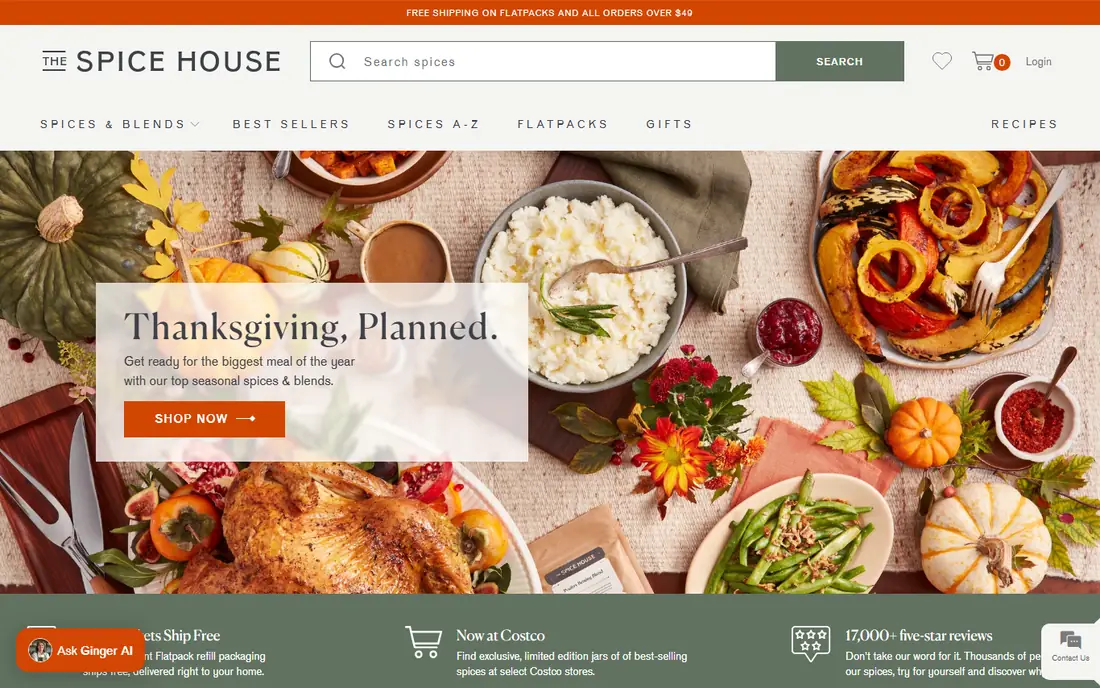
What we like- The Spice House has blended spices since 1957 and offers one of the deepest catalogues in the US, with hundreds of single spices and house blends ground and packed in small batches. Flat pack refills cut cost and waste once you own the jars, and its baking and regional American blends, such as its Chicago style collections, are well developed. Gift sets, including a four jar baking collection sold through Costco at 19.99 dollars, make it the easiest quality upgrade to give.
Watch out for- With hundreds of products, choosing is work, and prices vary enough by size and format that this guide lists see website rather than a single figure. It lacks the farm level sourcing detail of the single origin brands, so origin purists get less story per jar. Shipping costs on small orders push you toward baskets bigger than a single jar.
Starting priceSee website
Free planNo
What we like- Penzeys runs a very deep catalogue of spices and seasoning blends, sells multiple jar sizes plus bags for refills, and prices the everyday range below the single origin brands. Its blends for tacos, curries, baking, and grilling are the core strength, built for weeknight cooking rather than display. Retail stores in many states let you smell before you buy, which no online rival can match.
Watch out for- The brand markets its political voice loudly, which some buyers love and others actively avoid
- Either way it is part of the purchase. Sourcing detail is thinner than at Burlap and Barrel or Diaspora Co. Prices vary by product and size, hence see website, and frequent promotions make list prices a moving target.
Starting priceSee website
Free planNo
What we like- Spicewalla, founded by chef Meherwan Irani, roasts, grinds, and packs its spices in small batches in North Carolina, and its blends lean on restaurant kitchen logic: garam masala, chai masala, and regional rubs built to be used, not displayed. Tins are sized for home cooks to finish while fresh, and the brand supplies professional kitchens as well. Gift collections are a strength, with tidy three and six tin sets.
Watch out for- The range is blend led, so cooks wanting plain single spices in bulk should look at Frontier or The Spice House. Per ounce pricing sits in the premium band with the other small batch brands. West coast buyers face longer shipping from its eastern base.
Starting priceSee website
Free planNo
What we like- Savory Spice Shop grinds in small batches and sells by flexible amounts, from small try me sizes upward, through its shops and online store. That sizing suits the real problem in spice buying: most people need a little of many spices, fresh, rather than a big jar of one. Its blend range is wide, covering barbecue, global cuisines, and salt free options for restricted diets.
Watch out for- The franchise shop footprint is uneven, so many buyers are online only. Prices per ounce on the smallest sizes are high, as with every brand's small format. Sourcing and harvest detail is lighter than the single origin specialists.
Starting priceSee website
Free planNo
What we like- Frontier Co-op is a member owned cooperative selling certified organic spices in retail jars and in one pound bulk bags that undercut every premium brand here per ounce. For staples you burn through, such as cumin, paprika, and cinnamon, bulk buying from a high turnover supplier is the value play, and its organic certification and sourcing programme are long established. Grocery co-ops and natural food stores stock it widely, so refills are easy in person.
Watch out for- Bulk bags punish slow users, since a pound of ground spice fades before a light cook finishes it. The brand offers little of the farm and harvest storytelling of the direct brands. Presentation is plain, and the range targets ingredients rather than blends, though its Simply Organic sister brand covers some of that ground.
Starting priceSee website
Free planNo
What we like- McCormick is the default spice rack in America: available in every supermarket, priced for everyday use, and consistent from jar to jar, with a gourmet line above its standard range. For high use basics and for cooks who shop in person, its convenience is a real feature, and its food service sizes serve small restaurants. Date coding and wide distribution mean turnover in busy stores is decent.
Watch out for- Flavour intensity trails the fresh ground specialists, most noticeably in pepper, paprika, and blends that sit longest in the supply chain. Supermarket cinnamon is typically cassia rather than Ceylon, which is a different, harsher flavour that labels rarely explain. Prices per ounce vary sharply by store and format, so this guide lists see website.
How we chose
We compared these companies on freshness practices, sourcing transparency, catalogue depth, blend quality, sizes offered, and price per ounce at realistic home quantities. We favoured companies that publish harvest or origin detail or that grind in small batches, and we kept one mass market brand because availability and price are real buying factors for most households. We excluded spice subscription boxes and restaurant only wholesalers, since this guide serves home cooks buying retail quantities.
How to choose the right spice company
Match the company to the spice. Buy the aromatics you taste most, black pepper, chillies, turmeric, cinnamon, and your main curry or chilli blends, from a freshness led brand such as Burlap and Barrel, Diaspora Co., or Spicewalla, and buy background staples in bulk from Frontier Co-op. One premium jar used daily teaches you more than a whole premium rack gathering dust.
Then buy the size you will finish in three to six months for ground spices, store jars away from light and the stove's steam, and write the purchase month on the lid. Whole spices keep far longer, so confident cooks can buy whole and grind small amounts. Check the per ounce price rather than the jar price when comparing, confirm whether a blend contains salt or sugar if that matters to your cooking, and treat gift sets as a cheap way to test a new brand before committing to full sizes. Prices in this guide are current retail examples and shift with harvests and promotions.
Frequently asked questions
Do expensive spices actually taste better?
In the spices where aroma carries the dish, yes, measurably. Freshly ground single origin pepper, turmeric, and chillies are more potent, so you often use less per dish, which closes some of the price gap. The difference is smallest in dried herbs and in spices cooked long in heavy sauces, where a good mid range brand performs nearly as well.
How long do ground spices stay fresh?
Ground spices are at their best for about three to six months and remain usable, but duller, for a year or more if stored cool, dark, and sealed. Whole spices hold flavour for one to two years. The sniff test works: if a spice smells faint in the jar, it will taste faint in the food, and doubling the quantity only partly compensates.
What does single origin mean for spices?
It means the spice comes from one farm or one defined place and harvest rather than a blended commodity pool from many countries. Single origin buying usually means fresher stock, traceable farming, and better pay at origin, and it also means flavour varies a little between harvests and items sell out, which commodity brands avoid by blending.
Should I buy whole or ground spices?
Whole, if you cook often and own a grinder or mortar: whole spices keep far longer and grinding fresh gives the strongest flavour. Ground, if convenience decides whether you cook at all. A practical middle path is whole for pepper, cumin, coriander, and cardamom, and ground for turmeric, paprika, and blends.
Why is supermarket cinnamon different from premium cinnamon?
Most supermarket cinnamon is cassia, a thicker bark with a hotter, simpler flavour, while premium sellers often stock Ceylon cinnamon, which is thinner, milder, and more layered. Neither is fake, but they behave differently in baking, and brands such as Burlap and Barrel label the type and origin so you know which you are buying.
Sources we checked (0)
Is your product missing or out of date?
We review this list regularly. Vendors can request a listing, send updated pricing or ask about featured placement.

Shihab Mia · Founder, Rankite
Shihab has 5+ years in B2B and SaaS SEO. He writes Rankite's software buying guides from pricing pages, documentation and public user reviews. More about Shihab.
 Burlap and Barrel
 Diaspora Co.
 The Spice House
 Penzeys Spices
 Spicewalla
 Savory Spice Shop
 Frontier Co-op
 McCormick