How we make this list: we compare pricing pages, product documentation and public user reviews. Rankite is independent; if a vendor ever pays for a featured spot, that listing is clearly labeled Partner.
Key takeaways
- Dedicated spend analysis platforms (Sievo, SpendHQ, Suplari, Supplier.io) do one thing deeply: turn messy multi-ERP data into classified, trustworthy spend intelligence. They deploy faster than suites and suit teams that need analytics without replatforming.
- Source-to-pay suites (Coupa, GEP, Zycus, JAGGAER, Ivalua, Basware) bundle spend analytics with sourcing, contracts, and AP. They make sense when you already run, or plan to run, the whole suite.
- Expect sales-led pricing everywhere in this category. Published starting prices are rare; every vendor on this list quotes based on spend under management, users, and data complexity.
- AI agents are the 2026 differentiator: ask every vendor to demonstrate autonomous classification and opportunity detection on data shaped like yours, not on a polished sample set.
Quick comparison
| Tool | Best for | Starting price | Free plan |
|---|
 Sievo Sievo | Data-quality-obsessed enterprises | See website | No |
 SpendHQ SpendHQ | Procurement teams wanting savings tied to projects | See website | No |
 Suplari Suplari | AI-native analytics on messy multi-ERP data | See website | No |
 Coupa Coupa | Enterprises already standardized on Coupa | See website | No |
 GEP SMART GEP SMART | Unified S2P with agentic AI across workflows | See website | No |
 Zycus Zycus | Autonomous procurement from intake to outcomes | See website | No |
 JAGGAER JAGGAER | Complex direct and indirect spend, regulated industries | See website | No |
 Ivalua Ivalua | Configurable spend management for all categories | See website | No |
 Basware Basware | AP-driven spend visibility from invoice data | See website | No |
 Supplier.io Supplier.io | Diversity, risk, and supplier-data-driven spend analysis | See website | No |
Is your product missing or out of date?
We review this list regularly. Vendors can request a listing, send updated pricing or ask about featured placement.
The best spend analysis software
Starting priceSee website
Free planNo
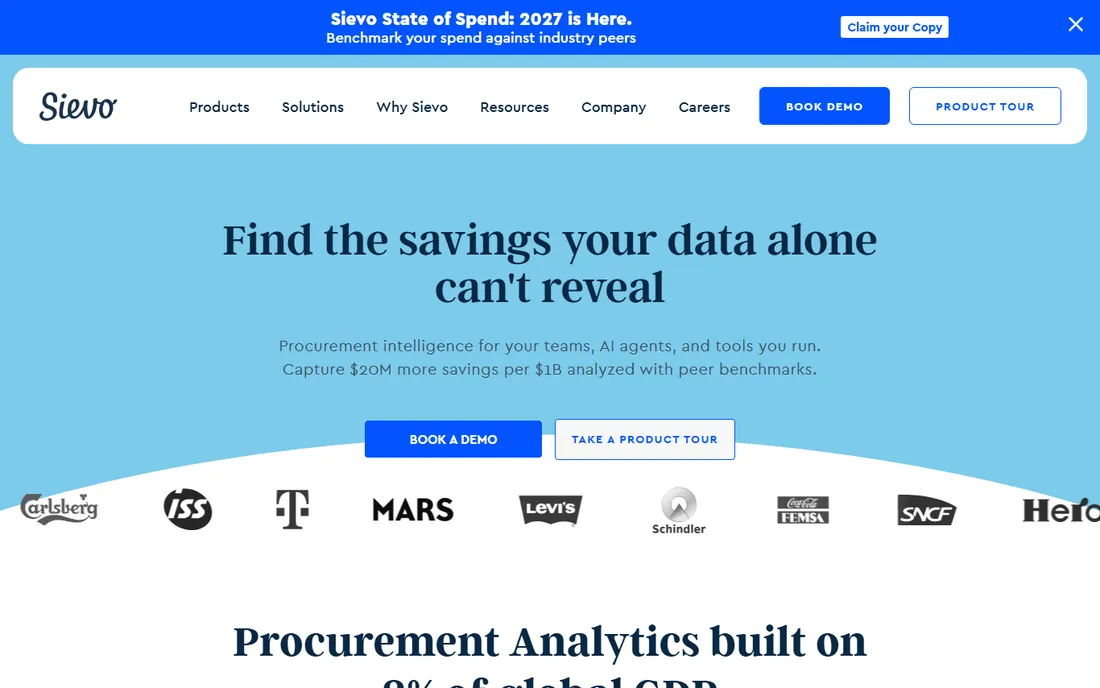
Sievo has spent two decades on one thesis: procurement analytics are only as good as the data underneath them. The platform consolidates spend, supplier, contract, and sustainability data into one hub, applies AI-driven classification with full accountability for how each transaction was categorized, and layers on cross-customer benchmarking. Its conversational analytics let analysts ask specific questions instead of building reports, and savings initiatives are tracked through to realized bottom-line impact.
The tradeoff is fit. Sievo is designed for enterprises with complex, multi-source data environments and the budget to match; smaller companies will find the engagement model heavy. If your core problem is "we don't trust our spend data," Sievo is the strongest answer on this list. If your data is already clean, you may be paying for data services you don't need.
What we like- Industry-leading classification quality with end-to-end data accountability
- Conversational analytics that answer specific spend questions
- Savings tracking tied to bottom-line impact and forecasting
Watch out for- Built for large enterprises, overkill for mid-market budgets
- Pricing is quote-based and engagements are services-heavy
#2
SpendHQ
Best for: Procurement teams wanting savings tied to projects
Visit spendhq.com
Starting priceSee website
Free planNo
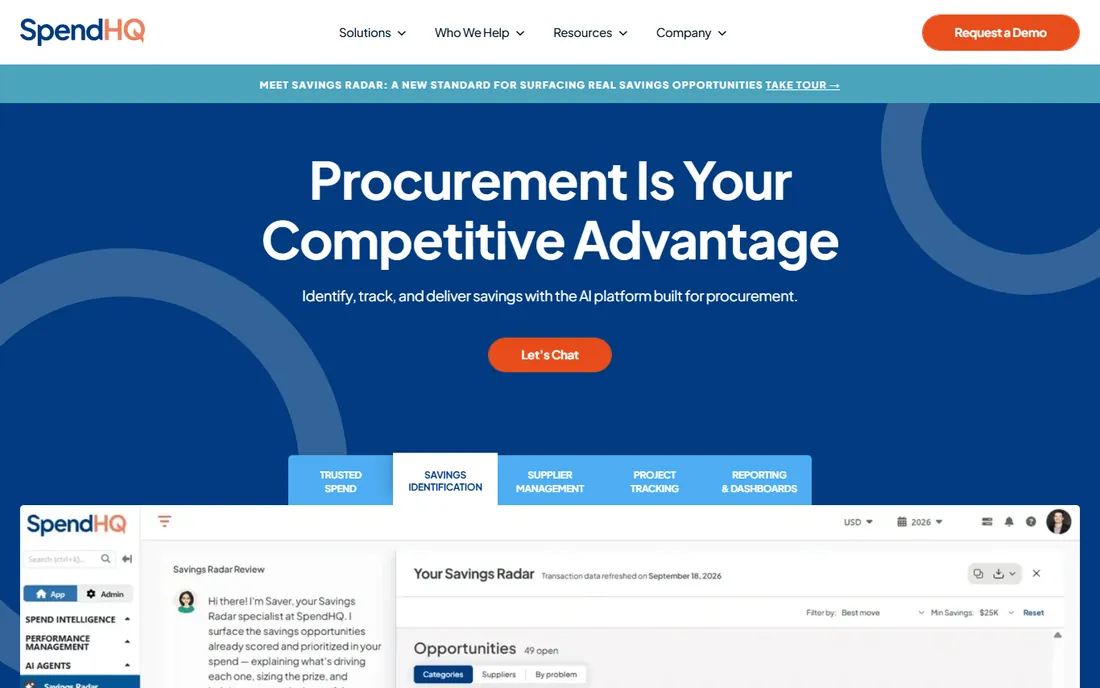
SpendHQ takes a different angle from most analytics vendors: it connects spend intelligence directly to procurement performance management. The platform cleanses and classifies spend data, then its Savings Radar surfaces opportunities scored across procurement signals, each with a suggested next step and an AI agent to investigate further. Project tracking and reporting modules let teams show procurement's impact in one integrated experience instead of stitching dashboards to spreadsheets.
That closed loop from insight to tracked initiative is the selling point, and also the thing to evaluate honestly. Teams that only want visibility may find the performance management layer more than they need, while teams trying to prove procurement's value to the CFO will find it is exactly the point. Pricing is quote-based, so bring your spend volume and user count to the first call.
What we like- Pairs spend intelligence with procurement performance and project tracking
- AI surfaces scored savings opportunities with suggested next moves
- Strong sourcing-expertise backing from Insight Sourcing Group
Watch out for- No published pricing or trial
- Best value comes when you adopt the broader performance management modules
Starting priceSee website
Free planNo
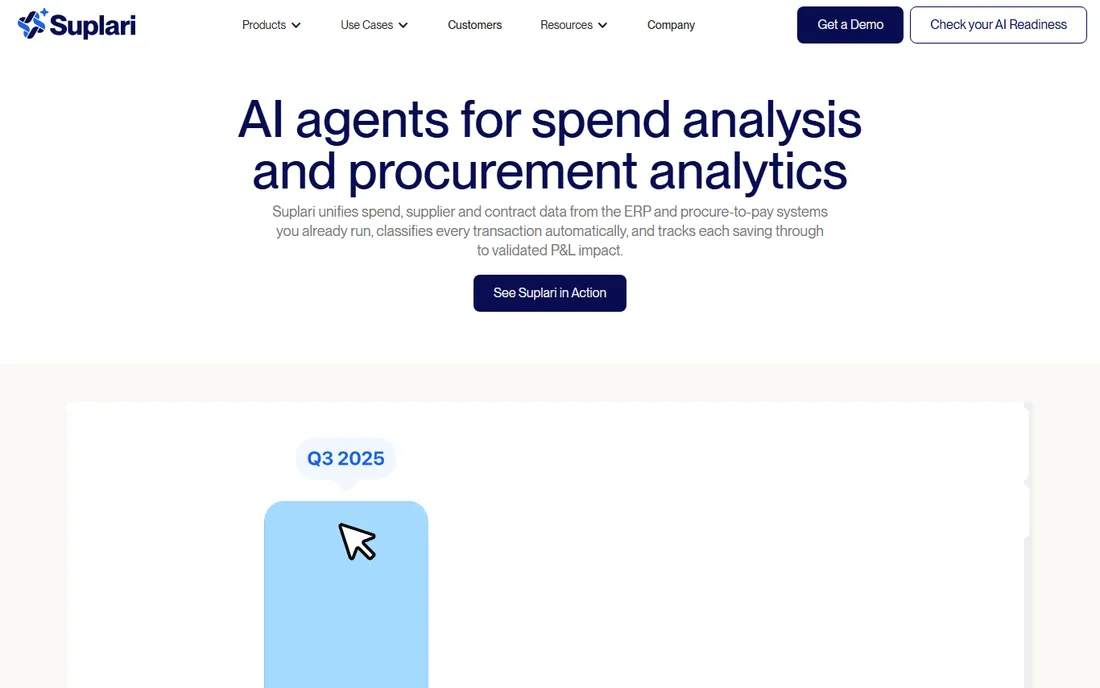
Suplari was founded on the observation that most procurement data is messy, and most analytics tools punish you for it. The platform ingests data from ERPs, P2P systems, contracts, and spreadsheets, then continuously cleans, classifies, and enriches it without demanding a massive upfront cleanup project. On top of that foundation sit AI agents that monitor spend, detect savings, risk, and compliance gaps, and answer questions in plain language with full traceability.
The positioning against Sievo and SpendHQ is explicit: traditional tools report on history, while Suplari closes the loop from insight to action and tracks outcomes. Since spinning out of Microsoft, it has leaned hard into agentic AI with worker agents, an assistant, and a no-code AI studio. For teams drowning in multi-ERP data chaos, the "works with imperfect data" pitch is the reason to take the demo.
What we like- Built for fragmented, imperfect data with continuous cleansing and enrichment
- Procurement-specific AI agents monitor spend and detect opportunities autonomously
- Tracks every insight through to validated P&L impact
Watch out for- Younger platform than the established suite vendors
- Depth outside core spend analytics depends on your existing systems
#4
Coupa
Best for: Enterprises already standardized on Coupa
Visit coupa.com
Starting priceSee website
Free planNo
Coupa approaches spend analysis as one module of a unified business spend management platform. The advantage is the network: with trillions in community spend data, Coupa can benchmark your categories and suppliers against peers in ways standalone tools cannot easily replicate. Spend visibility connects directly to purchasing, invoicing, and expense controls, so an insight about off-contract buying can become an enforced policy in the same system.
The honest framing is that Coupa's analytics shine brightest for Coupa customers. If your purchasing already runs on Coupa, the spend analysis module is the path of least resistance and considerable power. If you are not on Coupa and don't plan to be, a dedicated platform will give you equivalent or better analytics without the suite commitment.
What we like- Spend analytics fed by a massive community dataset for benchmarking
- Unified with procurement, AP, and expense on one platform
- Agentic AI direction with autonomous spend management
Watch out for- Analytics depth is strongest inside the Coupa ecosystem
- Enterprise pricing and implementation timelines
#5
GEP SMART
Best for: Unified S2P with agentic AI across workflows
Visit gep.com
Starting priceSee website
Free planNo
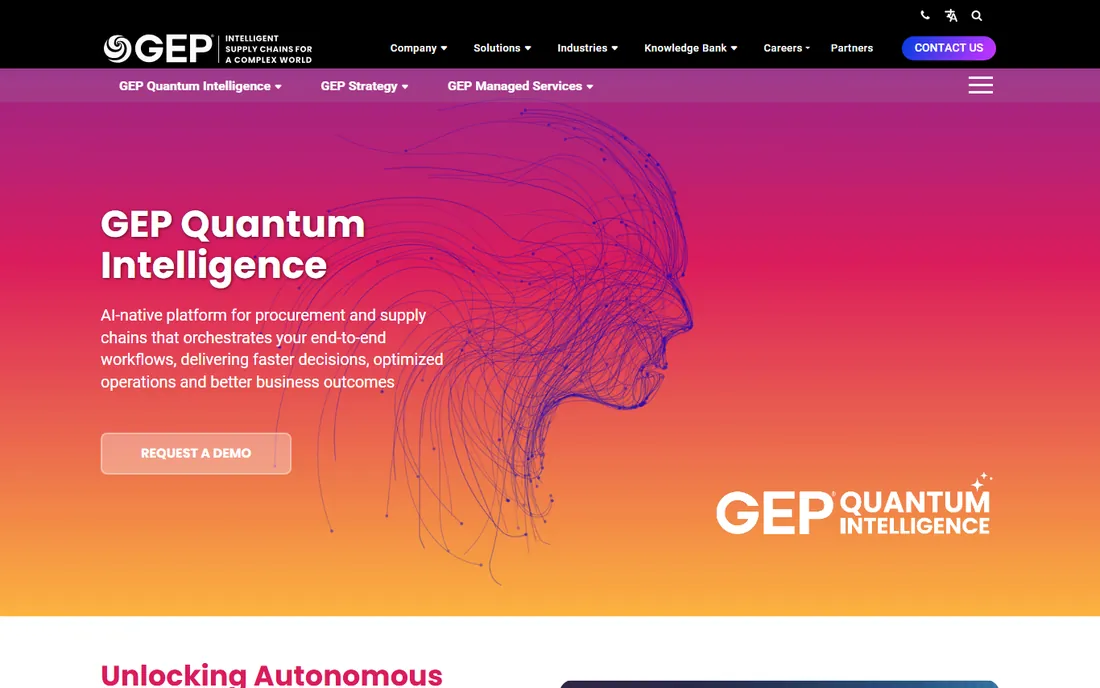
GEP SMART is a cloud-native source-to-pay platform where spend analysis sits alongside sourcing, contracts, supplier management, and procure-to-pay on one data model. GEP's current push is agentic: a fleet of domain-trained agents that surface spend anomalies, build sourcing strategies, assess supplier risk, and orchestrate work across the procurement lifecycle. For enterprises that want one platform and one throat to choke, the unified approach has real appeal.
As with every suite on this list, the question is commitment. GEP SMART implementations are enterprise projects with enterprise timelines, and the newest AI capabilities deserve scrutiny in a live demo rather than on a slide. If you want best-in-class spend analytics as a standalone investment, the dedicated vendors will move faster. If you want analytics that grow into full procurement transformation, GEP belongs on the shortlist.
What we like- Full source-to-pay suite with spend analysis native to the data model
- Agentic AI agents for spend anomalies, sourcing, and contracts
- Strong analyst recognition and managed-services depth
Watch out for- Suite-scale implementation and pricing
- AI agent ecosystem is ambitious and still maturing
#6
Zycus
Best for: Autonomous procurement from intake to outcomes
Visit zycus.com
Starting priceSee website
Free planNo
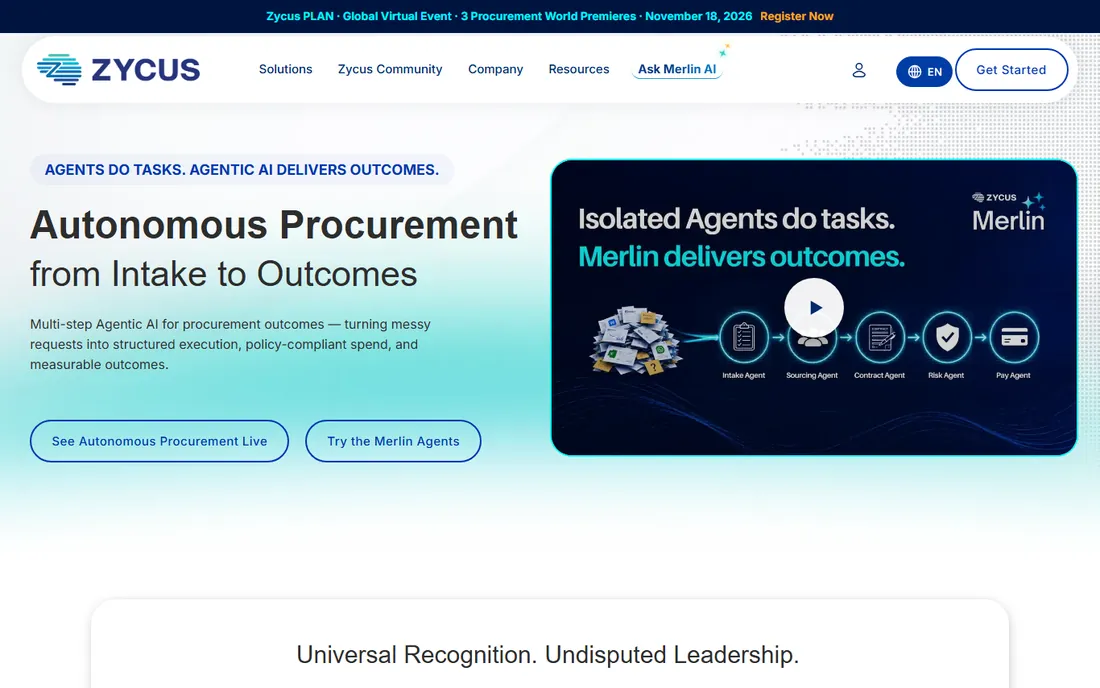
Zycus brings one of the longest track records in AI-driven spend classification to the table, and its current platform pushes beyond analysis into what it calls autonomous procurement. The Merlin agentic AI platform handles intake routing, autonomous sourcing events, tail-spend negotiation, and a conversational analytics agent that answers spend, contract, and risk questions in seconds. The pitch is intake-to-outcomes: the system doesn't just report, it executes within policy.
That vision is compelling but demanding. Autonomous negotiation and agentic workflows pay off when your processes and data are ready for them; otherwise you are buying future capability at present-day prices. Evaluate Zycus on two tracks: the classification and analytics core you need now, and the autonomous roadmap you might grow into.
What we like- Deep AI heritage in spend classification with massive classified-spend volume
- Merlin agentic platform automates intake, sourcing, negotiation, and analytics
- Unified S2P data model
Watch out for- Suite breadth means longer evaluations and implementations
- The autonomous vision requires process maturity to adopt fully
#7
JAGGAER
Best for: Complex direct and indirect spend, regulated industries
Visit jaggaer.com
Starting priceSee website
Free planNo
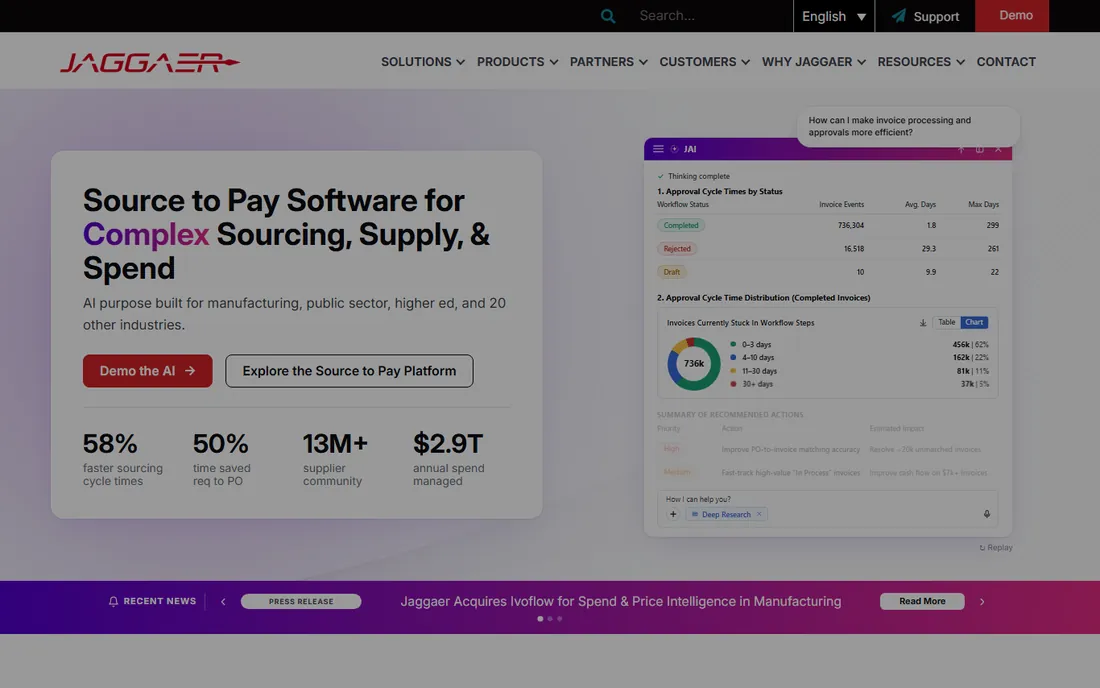
JAGGAER has spent decades in the complex end of procurement: direct materials, multi-tier supply chains, and regulated industries where sourcing is genuinely complicated. Its spend analytics module consolidates direct and indirect spend, applies AI classification and pattern detection, and connects to sourcing optimization, contracts, and supplier management in the JAGGAER ONE platform. Manufacturing, public sector, and higher education customers form its core.
For indirect-spend-only teams at mid-size companies, JAGGAER is more platform than necessary. For organizations managing direct materials alongside indirect categories, or operating under public-sector procurement rules, its industry depth is a genuine differentiator that the horizontal suites don't match.
What we like- Strong in direct materials and complex category management
- Deep industry-specific solutions for manufacturing, public sector, and higher education
- Large supplier network
Watch out for- Interface and implementation reflect its enterprise heritage
- Pricing is entirely quote-driven
#8
Ivalua
Best for: Configurable spend management for all categories
Visit ivalua.com
Starting priceSee website
Free planNo
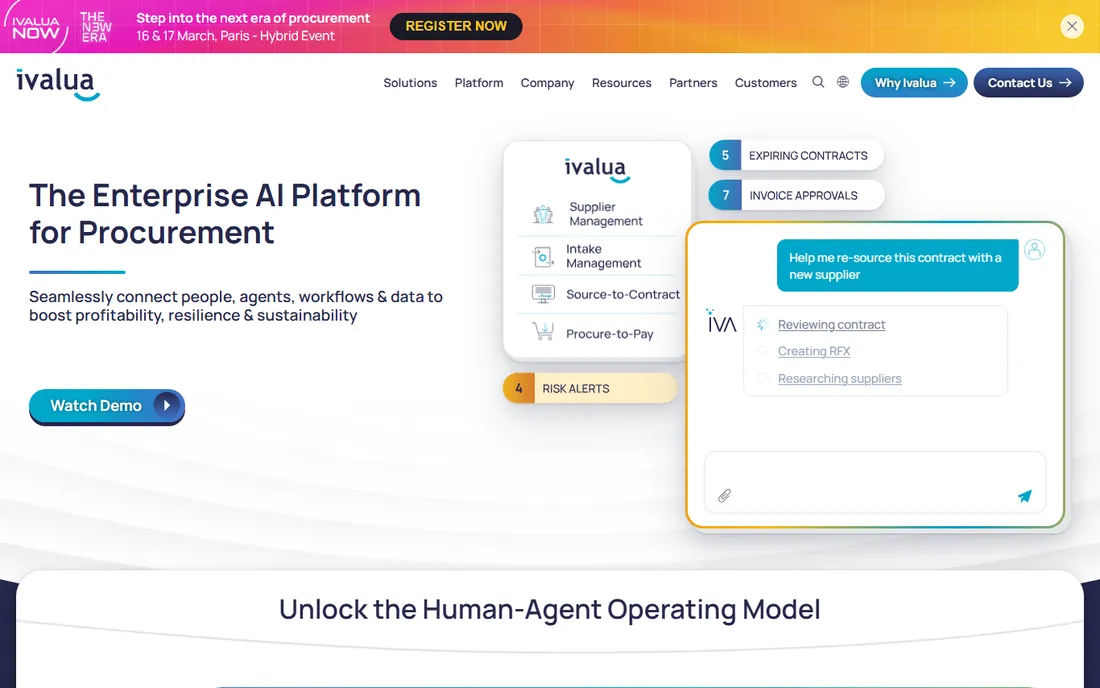
Ivalua's calling card is configurability: a unified source-to-pay platform that handles indirect goods, services, direct materials, and complex categories with pre-packaged best practices plus no-code flexibility for unique requirements. Its spend analysis module offers classification, data enrichment, and configurable analytics with savings tracking, all on the same data model as sourcing, contracts, and AP.
The practical advice with Ivalua is to scope tightly. The platform can be shaped to almost any process, which is a strength in the demo and a risk in the project plan. Teams that know their requirements and hold the line get a platform that fits like custom software; teams that don't can watch timelines drift. For spend analysis specifically, confirm the classification accuracy and refresh cadence for your data mix before committing.
What we like- Manages all spend categories including complex direct materials on one platform
- No-code/low-code configurability without heavy customization
- Strong customer retention record
Watch out for- Flexibility means implementations need disciplined scoping
- Analytics are part of a suite story rather than a standalone specialty
Starting priceSee website
Free planNo
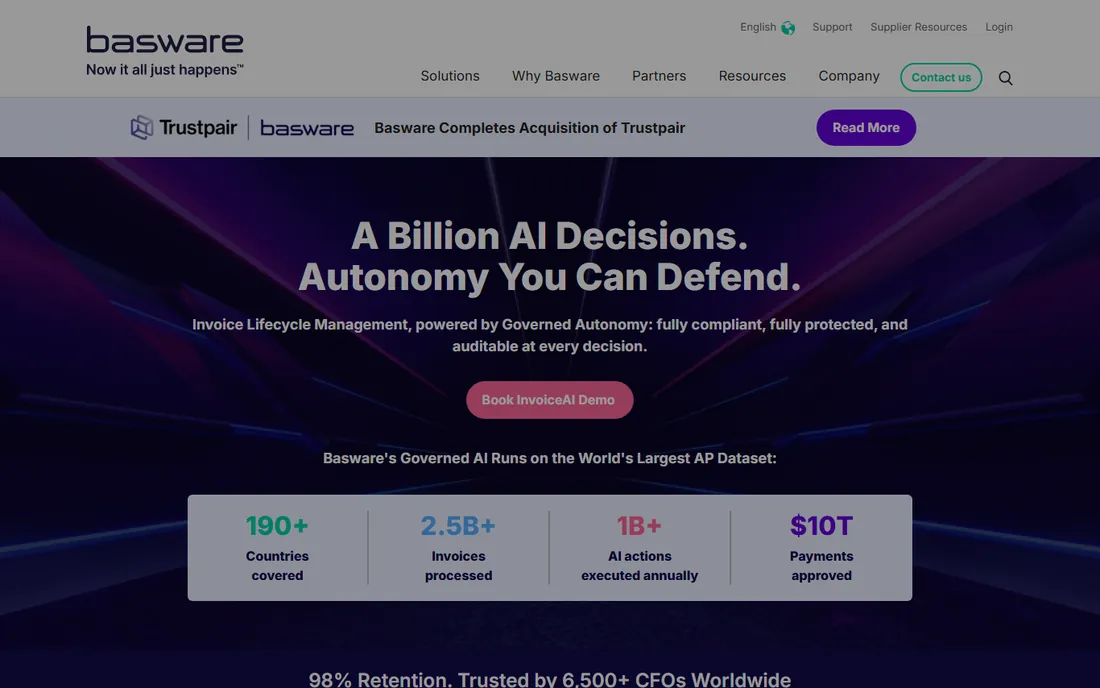
Basware comes at spend analysis from the invoice side, which is a legitimate and underrated angle. Because its AP automation captures every invoice across entities and geographies, the spend data feeding its analytics is unusually complete: no sampling, no blind spots in the tail. Basware Analytics offers out-of-the-box dashboards for spend visibility, committed-spend forecasting, and supplier analysis, plus benchmarking.
The limitation is perspective. Basware sees spend through invoices and payments, so sourcing-side questions about contracts, categories, and supplier strategy get thinner answers than a Sievo or Zycus would give. For CFO-led organizations where AP owns the data and compliance is the priority, that tradeoff is fine. For CPO-led teams driving sourcing strategy, pair it with or choose a procurement-native tool.
What we like- Spend visibility built on 100 percent invoice capture
- Strongest global e-invoicing compliance footprint
- AP automation and analytics share one data foundation
Watch out for- Analytics skew toward AP and invoice data rather than full procurement
- Suite is finance-led, not sourcing-led
#10
Supplier.io
Best for: Diversity, risk, and supplier-data-driven spend analysis
Visit supplier.io
Starting priceSee website
Free planNo
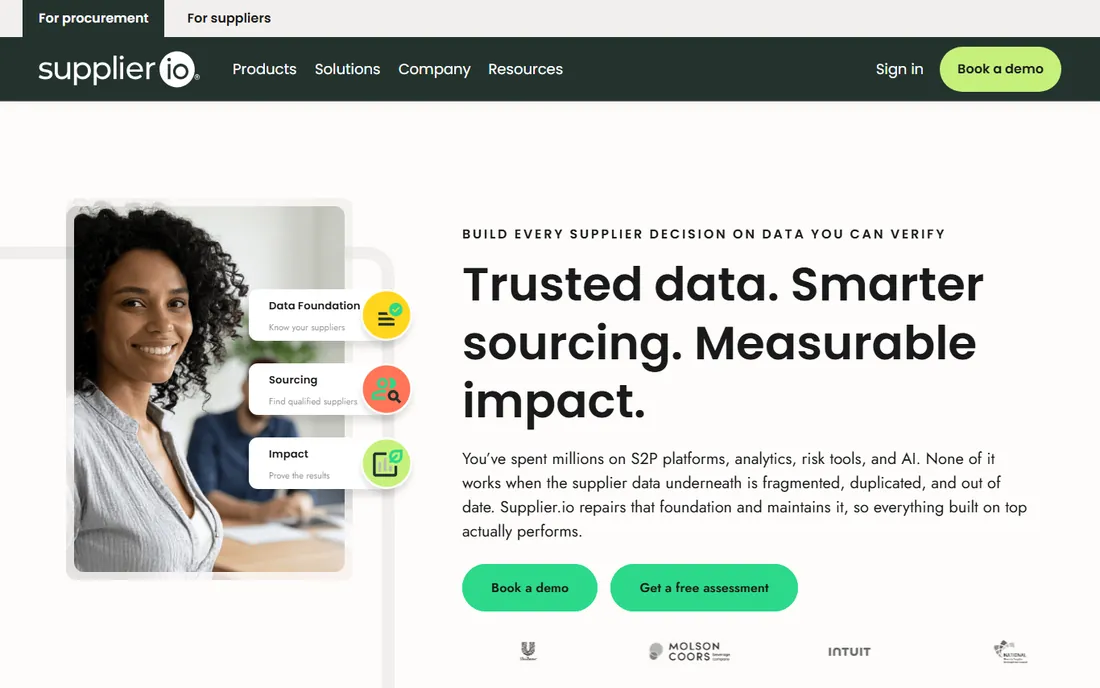
Supplier.io earns its place by solving the problem the other tools assume away: knowing who your suppliers actually are. Its database of hundreds of millions of verified legal entities, enriched with diversity certifications, sustainability ratings, and risk attributes from hundreds of sources, underpins spend analytics that track diversity goals, benchmark against peers, and quantify economic impact. For federal contractors and enterprises with supplier diversity mandates, the audit-ready reporting is the product.
Be clear about what you're buying. Supplier.io is superb at supplier intelligence and diversity analytics, but it won't replace a Sievo-class platform for category strategy and savings pipeline management. Many enterprises run both: Supplier.io for the supplier data foundation, a dedicated platform for the analytics. If your spend analysis needs center on who you buy from rather than what you buy, start here.
What we like- Unmatched verified supplier data foundation with diversity and risk attributes
- Spend analytics tied to supplier discovery, benchmarking, and impact reporting
- Strong fit for ESG and compliance reporting
Watch out for- Analytics are supplier-centric rather than category-strategy-centric
- Narrower use case than full spend analysis platforms
How we chose
We reviewed vendor product pages, documentation, and analyst coverage including Gartner, Forrester, and Spend Matters evaluations, alongside public customer reviews on G2 and Capterra and practitioner discussion on procurement community forums. We included both dedicated spend analysis platforms and the analytics modules of source-to-pay suites, since buyers genuinely choose between these two shapes. We weighted classification and data quality capabilities, time to value, integration with common ERPs, and fit for mid-size to enterprise procurement teams. Pricing is quote-based across this category, so we verified current product positioning rather than list prices. We did not test these products hands-on.
Buy the data pipeline, not the dashboard
Spend analysis evaluations go wrong when teams compare dashboards. Every vendor on this list can show you an attractive spend cube; the demos all look good because they run on cleaned sample data. The questions that actually separate these tools are about what happens before the chart renders.
First, ask how classification works on your data, not theirs. Send each vendor a real extract: messy supplier names, free-text invoice lines, multiple ERPs if you have them. Ask what share of transactions classifies automatically, what the accuracy guarantee is, and how long the initial cleanup takes. The answers will vary wildly, and they predict your first-year experience better than any feature checklist.
Second, decide whether you need a platform or a module. If your company already runs Coupa, GEP, Zycus, JAGGAER, or Ivalua for purchasing, the native analytics module is usually the right call: the data is already there. If you run SAP or Oracle with no S2P suite and no plans to buy one, a dedicated platform like Sievo, SpendHQ, or Suplari gets you to trusted analytics in weeks instead of quarters.
Third, pin down who owns the data work. Some vendors include cleansing and enrichment as a managed service; others hand you software and a methodology. Neither is wrong, but the total cost and the skills you need in-house differ enormously. Get the services scope in writing before you sign.
What to ask in the demo
Make every vendor do the same three things live. One: classify a sample of your own transactions and show the accuracy breakdown. Two: trace one savings opportunity from detection through to tracked, realized savings. Three: show how a supplier record gets deduplicated and enriched when the same vendor appears under three different names in two ERPs. Vendors that do these confidently on your data are the ones worth shortlisting. Vendors that retreat to slides are telling you something.
Why AI agents changed the evaluation
The 2026 version of this category looks different from the 2024 version. Nearly every vendor now fields AI agents that claim to monitor spend continuously, detect anomalies, and draft or execute procurement actions. Treat these claims as the new demo theater: impressive when scripted, uneven in production. The useful question is not whether the vendor has agents but what the agents are allowed to do unattended, what audit trail they leave, and how often their recommendations prove correct on real data. Ask for agent accuracy metrics the same way you would ask for classification accuracy. The vendors with genuine data foundations underneath their agents, and the discipline to show you the misses as well as the hits, are the ones whose AI will still be useful after the novelty wears off.
Frequently asked questions
What is spend analysis software?
Spend analysis software collects purchasing data from ERPs, AP systems, and other sources, cleanses and classifies every transaction into categories and suppliers, and presents the results as dashboards, savings opportunities, and reports. Its purpose is to answer where the money goes, with whom, and under what terms, so procurement teams can consolidate suppliers, negotiate better, and cut maverick spend.
How much does spend analysis software cost?
Pricing is quote-based across the category. Vendors price on spend under management, number of users, data sources, and services scope, so two companies can pay very different amounts for the same product. Expect dedicated platforms to start in the tens of thousands annually for mid-size deployments, with suite modules and enterprise rollouts running well into six figures. Always get the services and data-cleansing scope quoted separately.
Should I buy a dedicated spend analysis tool or use my S2P suite's analytics?
Use your suite's analytics if you already run the suite, since the data integration is free and the workflows connect. Buy a dedicated platform like Sievo, SpendHQ, or Suplari if you have no suite, run multiple ERPs, or need deeper classification and benchmarking than your suite's module offers. Many large enterprises run both.
How long does spend analysis implementation take?
Dedicated platforms typically deliver first insights in weeks to about three months, depending on data complexity. Suite analytics modules deploy as part of larger S2P implementations that run six to twelve months. The biggest variable is data quality: messy multi-ERP environments add time everywhere, which is why vendors' cleansing capabilities matter so much.
Can I do spend analysis in Power BI or Excel instead?
You can, and many teams start there. The DIY approach works until transaction volumes grow, supplier names multiply across systems, and classification becomes a full-time job. Purpose-built tools automate cleansing, classification, and enrichment, and they add savings tracking and benchmarking that BI tools don't provide. The break-even point is usually when manual data prep consumes more than a few days a month.
What is the difference between spend analysis and spend management?
Spend analysis is the intelligence layer: it tells you where money went and where savings hide. Spend management is the control layer: it governs where money goes through approvals, budgets, and policy enforcement. The best setups connect the two, so an analysis insight about off-contract buying becomes an enforced purchasing rule.
Sources we checked (14)
- https://sievo.com/
- https://www.spendhq.com/
- https://suplari.com/
- https://www.coupa.com/
- https://www.gep.com/software/gep-smart
- https://www.zycus.com/
- https://jaggaer.com/
- https://www.ivalua.com/
- https://basware.com/
- https://supplier.io/
- https://suplari.com/blog/comparing-spend-analysis-software
- https://cio.economictimes.indiatimes.com/tools/10-best-spend-analytics-tools-for-enterprises/133470767
- https://www.zycus.com/compare/best-spend-analysis-software
- https://worldmetrics.org/best/spend-analysis-software/
Is your product missing or out of date?
We review this list regularly. Vendors can request a listing, send updated pricing or ask about featured placement.

Shihab Mia · Founder, Rankite
Shihab has spent more than a decade helping SaaS and e-commerce brands grow through search. He writes Rankite's software buying guides from pricing pages, documentation and public user reviews. More about Shihab.