How we make this list: we compare pricing pages, product documentation and public user reviews. Ratings come from G2, Capterra or Trustpilot, with the date we checked them.
Key takeaways
- GitLab, Automattic, Zapier, and Buffer remain the most credible fully remote employers, with public handbooks and long remote histories.
- Doist, Canonical, and 37signals suit people who prefer small, async teams over large remote companies with many meetings.
- Toptal and Webflow show two different remote paths: freelance talent networks and product companies with remote-first roles.
- Remote does not always mean work from anywhere: visas, tax rules, time zones, and role limits still shape where you can live.
- Hiring for remote roles is competitive, so a public portfolio, clear async writing, and relevant skills matter more than location alone.
Quick comparison
| Tool | Best for | Starting price | Free plan |
|---|
 GitLab | All-remote engineering and product | See website | No |
 Automattic | All-remote WordPress and commerce | See website | No |
 Zapier | All-remote automation roles | See website | No |
 Buffer | Transparent remote culture | See website | No |
 Doist | Small async product teams | See website | No |
 Toptal | Freelance remote talent work | See website | No |
 Canonical | Global Linux and cloud roles | See website | No |
 Webflow | Remote design and engineering | See website | No |
 37signals | Small focused remote teams | See website | No |
Is your product missing or out of date?
We review this list regularly. Vendors can request a listing, send updated pricing or ask about featured placement.
The best remote companies to work
Starting priceSee website
Free planNo
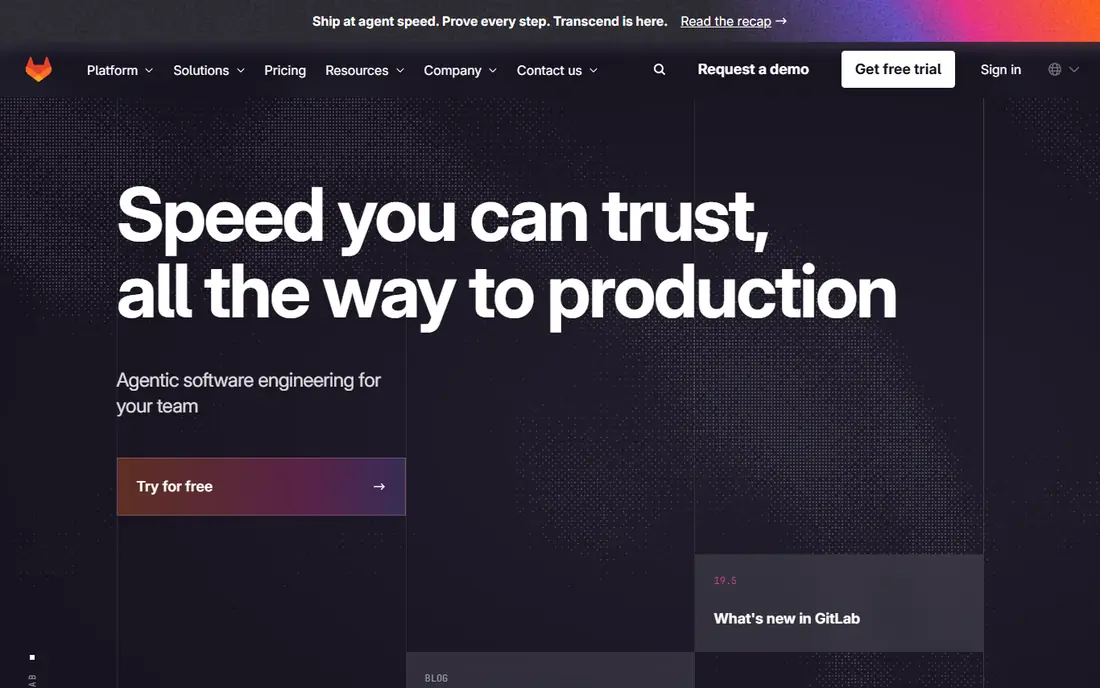
GitLab is the reference point for remote work. It has operated without offices for years, publishes its handbook publicly, and hires across engineering, security, data, product, marketing, and support. Its async-first culture means decisions live in documents and merge requests rather than meetings, which suits people who do deep work and write clearly.
That culture is also the filter. GitLab interviews often involve written exercises and several stages, and daily work rewards people who document decisions and work independently across time zones. GitLab fits engineers, product people, and operators who want a proven remote system, transparent pay bands, and a global team, and who are comfortable with written-first collaboration.
What we like- Fully remote since its early years
- Public handbook covering pay, process, and culture
- Global hiring across many roles
Watch out for- Interview process can be long and writing-heavy
- Async work needs strong written communication
Starting priceSee website
Free planNo
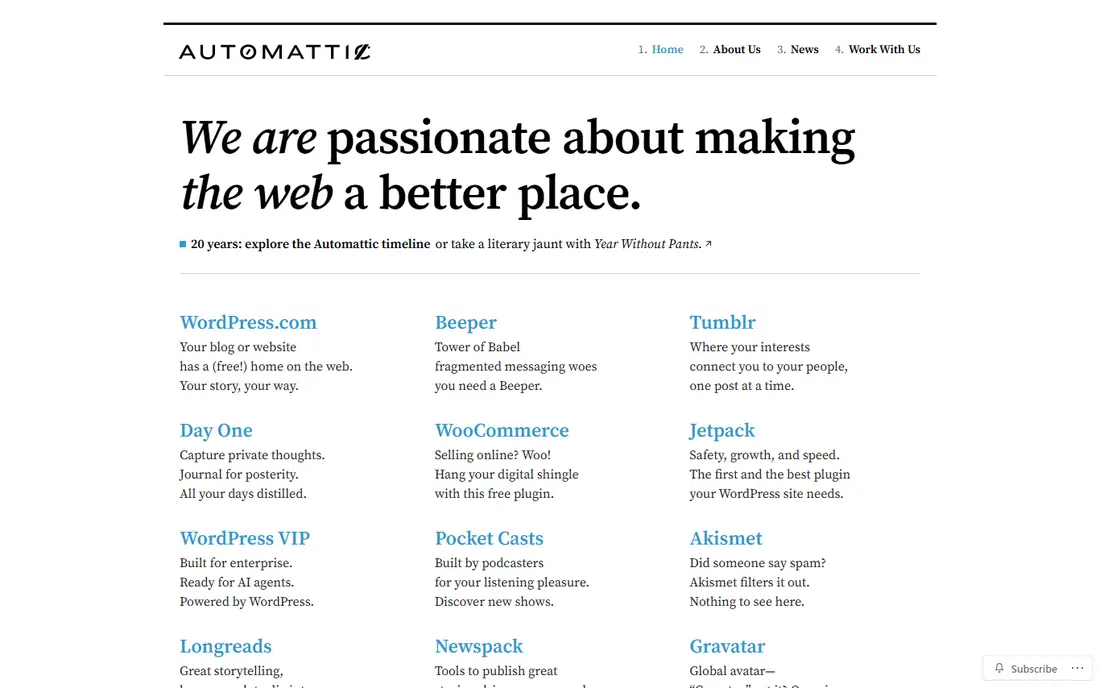
Automattic, the company behind WordPress.com, WooCommerce, Tumblr, and related products, has been fully distributed for years, with staff in many countries. It hires engineers, designers, support specialists, marketers, and operations staff, and its culture emphasizes written communication, autonomy, and long-term product thinking over office presence.
Hiring often includes a paid trial project, which takes time but gives both sides a realistic view of the work. Automattic fits people who like WordPress, open source, and commerce products, and who want a large remote company with stability. It is less suited to people who need fast hiring decisions or prefer synchronous, meeting-heavy days.
What we like- Fully remote company behind WordPress.com and WooCommerce
- Hiring across many countries
- Strong support and engineering roles
Watch out for- Hiring can be slow
- Trial projects are a normal part of the process in many roles
#3Zapier
Best for: All-remote automation roles4.5/5 on
G2 (2,088 reviews, checked Oct 2026)
Visit zapier.com
Starting priceSee website
Free planNo
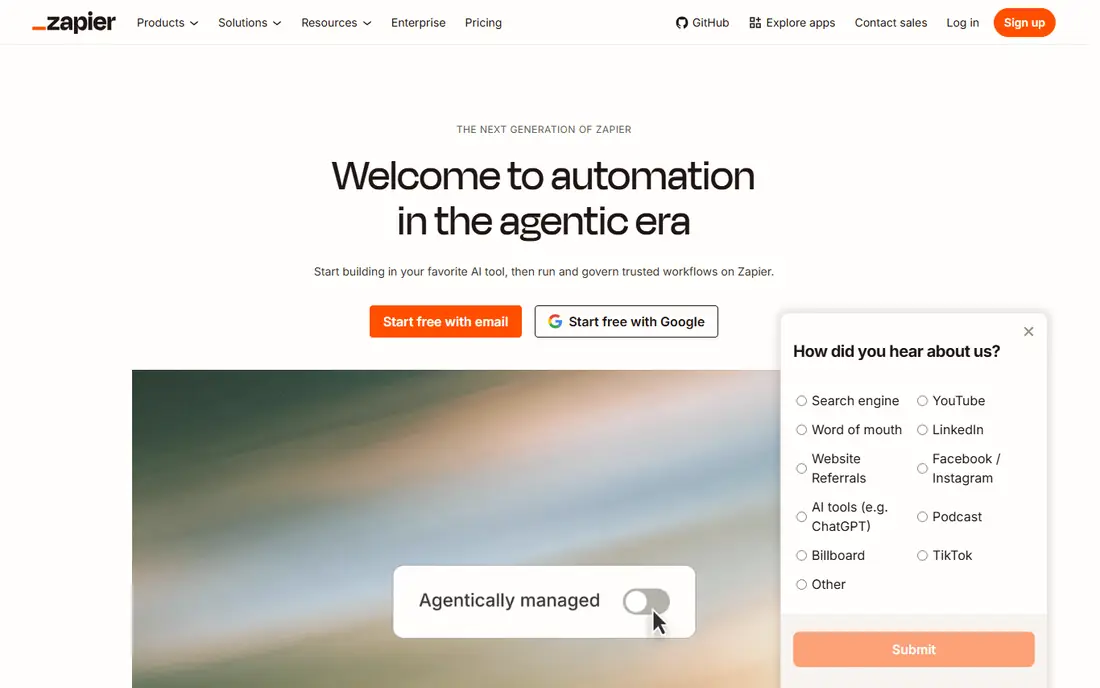
Zapier builds automation tools that connect apps without code, and its own team has worked remotely since the company began. It hires engineers, data specialists, support staff, marketers, and product people, with a culture built around async updates, written plans, and results rather than hours online. Its product focus also means remote workers use the same automation mindset internally.
Some roles limit location to the United States or specific regions for tax and legal reasons, so check the job posting carefully. Zapier fits product-minded engineers, support specialists, and growth marketers who want a mature remote company and a product they can explain in one sentence.
What we like- Remote-first since founding
- Strong engineering, data, and growth roles
- Async culture with clear documentation
Watch out for- Some roles are US-focused
- Interview process is thorough and can take weeks
#4Buffer
Best for: Transparent remote culture4.3/5 on
G2 (1,041 reviews, checked Oct 2026)
Visit buffer.com
Starting priceSee website
Free planNo
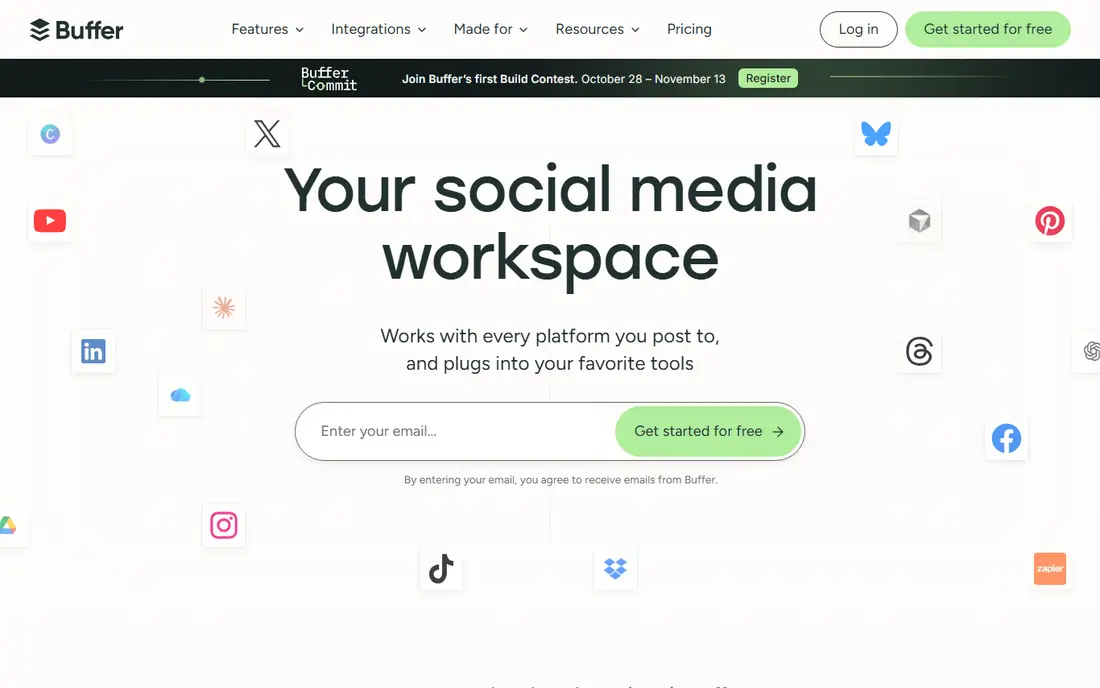
Buffer is a smaller, fully remote company known for transparency. It publishes salary formulas and culture notes, works across many time zones, and builds social media scheduling and analytics tools. Its team is smaller than GitLab or Automattic, which gives each role more visibility but also means openings appear less often.
Buffer fits marketers, support specialists, engineers, and product people who value transparency, a calm work culture, and a small team where decisions are visible. It is not a high-volume hiring machine, so candidates should watch its careers page and apply when a fitting role opens, rather than expecting frequent openings.
What we like- Fully remote team across many countries and time zones
- Public salary and culture information
- Social media product focus
Watch out for- Small team means fewer openings
- Hiring is selective and infrequent in some roles
Starting priceSee website
Free planNo
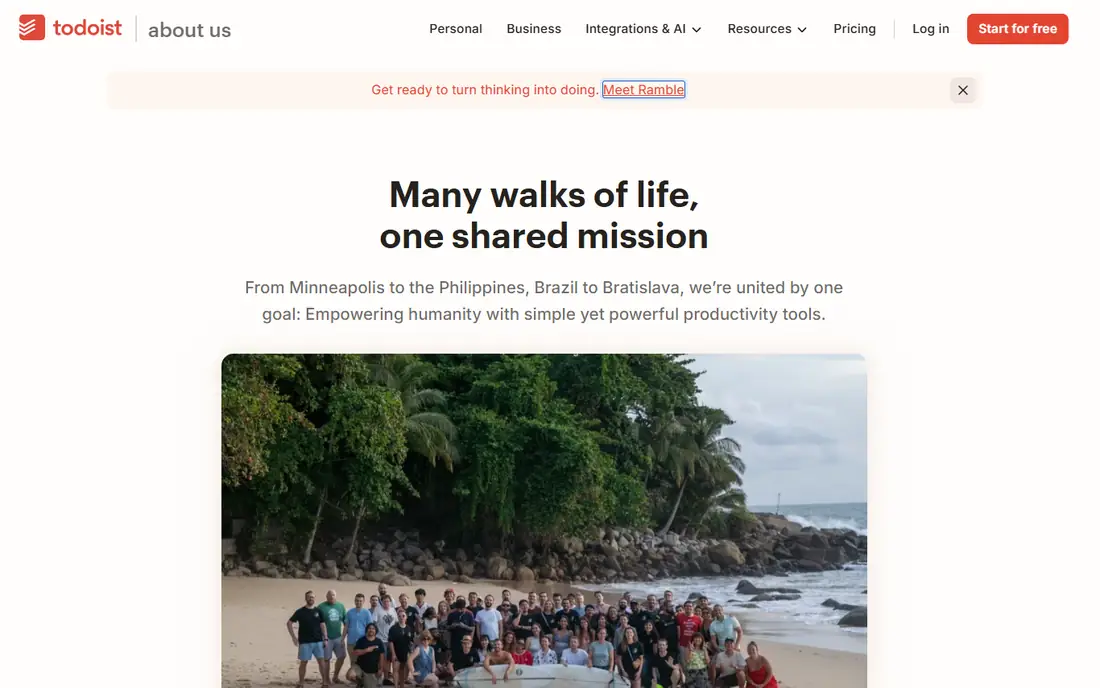
Doist builds Todoist and Twist, and it has stayed intentionally small and async while many companies grew fast and added meetings. Its team works across countries, communicates mainly in writing, and values calm, focused work over constant availability. Design, engineering, and support roles appear when the team needs them, not on a fixed hiring calendar.
The small size is the limit. Doist hires slowly, and each opening draws many applicants. It fits designers, engineers, and support people who prefer a small product team, async communication, and a company that protects focus time. If you need a job quickly, larger remote employers will usually move faster.
What we like- Maker of Todoist and Twist
- Intentionally small and async
- Strong design and engineering culture
Watch out for- Hires slowly
- Roles are limited and competitive
#6Toptal
Best for: Freelance remote talent work4.7/5 on
G2 (270 reviews, checked Oct 2026)
Visit toptal.com
Starting priceSee website
Free planNo
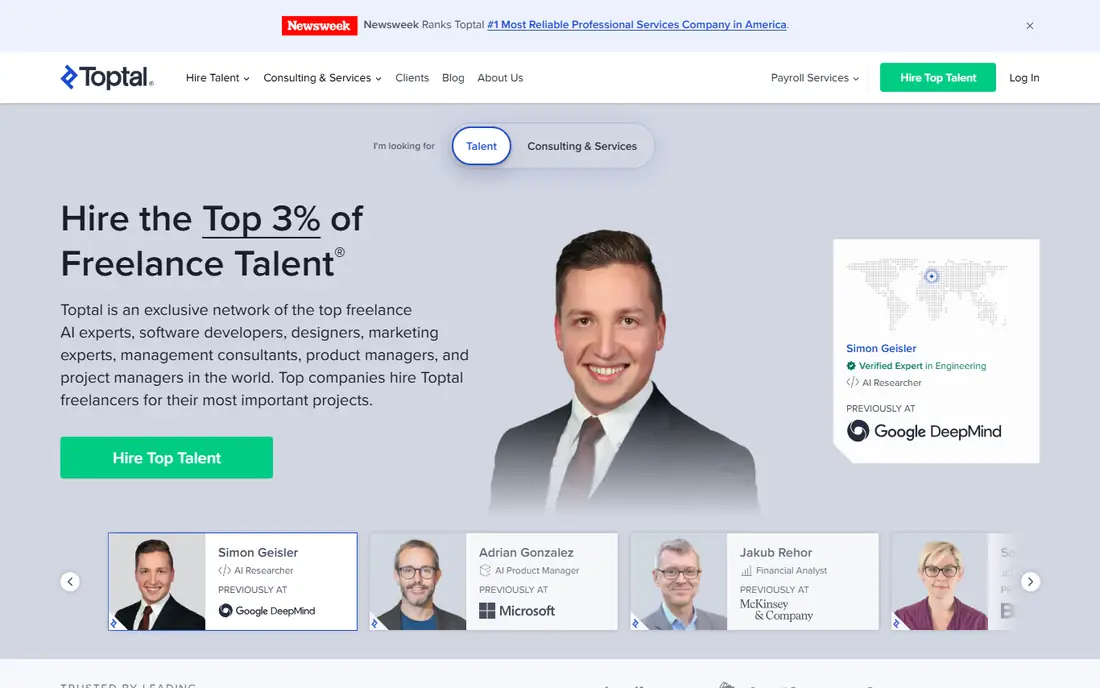
Toptal is not a traditional employer, but it is one of the largest remote talent networks. It screens software developers, designers, finance experts, and product managers, then matches them with clients for project work. For freelancers who want remote clients without constant sales work, Toptal provides a pipeline and a reputation filter that individual freelancing lacks.
The trade-offs are real. Screening is strict, project income varies, and freelancers must handle taxes, health coverage, and retirement themselves. Toptal fits experienced freelancers who want remote project work, can pass a rigorous screen, and prefer project variety over a single employer. New freelancers may find direct clients or smaller platforms easier to enter.
What we like- Connects vetted freelancers with clients worldwide
- Work across software, design, finance, and product
- Flexible project choice
Watch out for- Screening is strict
- Income varies by project
- Freelancers handle taxes and benefits themselves
Starting priceSee website
Free planNo
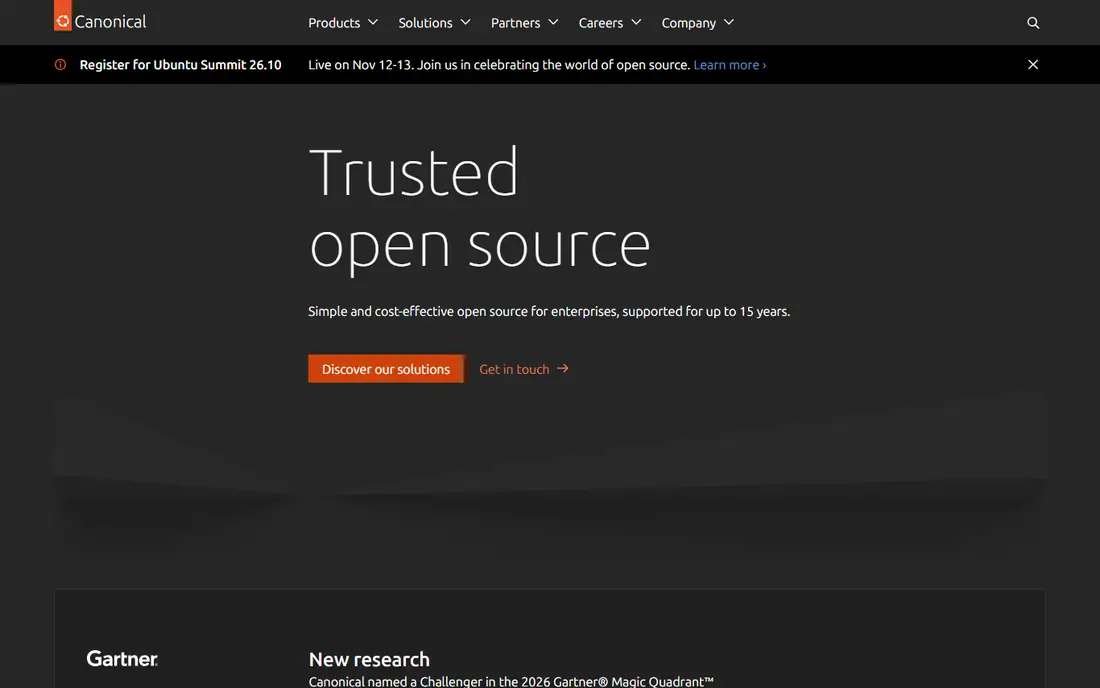
Canonical, the company behind Ubuntu, hires engineers, cloud specialists, security staff, and product people across many countries. Its remote structure suits open source contributors and systems engineers who already work in distributed communities, since much of its work happens in public code, documentation, and async reviews.
Technical depth is the bar. Canonical roles often require strong Linux, cloud, or security knowledge, and interviews test that depth directly. Canonical fits systems engineers, cloud architects, and open source contributors who want remote work on infrastructure used worldwide, and who are comfortable with a technical, written-first hiring process.
What we like- Company behind Ubuntu
- Globally distributed engineering team
- Strong cloud, security, and Linux systems roles
Watch out for- Technical interviews are demanding
- Some roles need specific Linux and cloud depth
#8Webflow
Best for: Remote design and engineering4.4/5 on
G2 (995 reviews, checked Oct 2026)
Visit webflow.com
Starting priceSee website
Free planNo
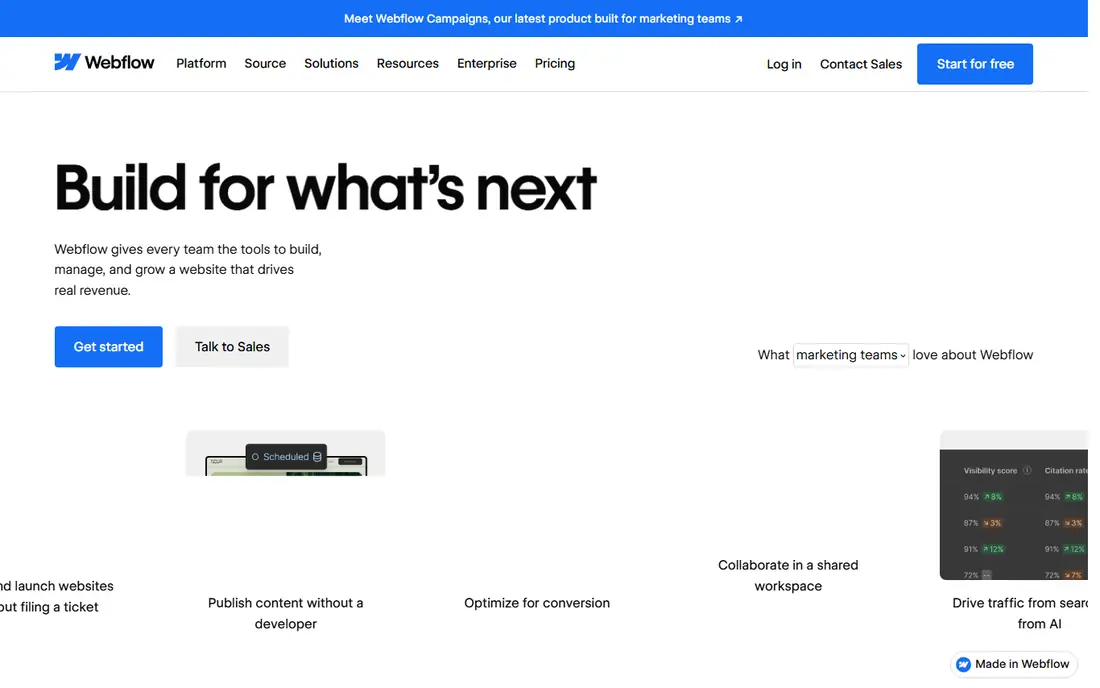
Webflow builds a visual website design platform, and its team works remotely across many locations, with design and engineering at the center of its culture. It hires engineers, designers, product managers, marketers, and support staff, and its product focus attracts people who care about web design, no-code tools, and creator workflows.
Some roles carry hub or region limits for collaboration and legal reasons, so the posting matters more than the company label. Webflow fits designers and engineers who want to build web tools, work in a design-led remote culture, and join a product company with a visible user community. Applicants should show real web work, not just remote work interest.
What we like- Remote-first product company
- Strong design, engineering, and marketing roles
- Visual web design product with a large user base
Watch out for- Some roles are tied to hubs or regions
- Competition for design and engineering roles is high
Starting priceSee website
Free planNo
37signals, the company behind Basecamp and HEY, is the small-team extreme in this list. It stays profitable, keeps its team small, works remotely, and writes publicly about calm work, reasonable hours, and avoiding growth for its own sake. Its products serve small teams and individuals who want simple project management and email.
Openings are rare, which is the main limit. 37signals hires only when a clear need appears, and each role draws intense interest. It fits experienced product people, engineers, designers, and support staff who value a small, stable, remote company over rapid career ladders or large-company perks. For most job seekers, 37signals is a company to watch, not a primary job search target.
What we like- Maker of Basecamp and HEY
- Small, profitable, and remote
- Calm work culture with a focus on fewer, better products
Watch out for- Very few openings
- Hiring is rare and highly selective
How we chose
We compared remote policies, hiring history, public handbooks, and public reviews on G2, Capterra, and Reddit, with attention to whether a company is fully remote or only remote-friendly for some roles. We favored companies that operate remotely today, hire in the United States or globally, publish clear remote policies, and fit a distinct job seeker: engineers, designers, support staff, marketers, or freelancers. We left out companies that announced return-to-office mandates for most roles.
How to land a remote role at these companies
Show async work, not just remote desire
Remote employers hire for written communication, independent work, and clear documentation. Show a portfolio, public writing, open source work, or project notes that prove you can work without constant supervision. A cover letter that only says you want to work from home will not stand out.
Match your time zone and legal location to the role
Read each posting for location, time zone overlap, and employment type. Some roles are employee roles in specific countries, others are contractor roles, and some are US-only. Applying to a role you cannot legally fill wastes time for both sides.
Prepare for writing-heavy interviews
Many fully remote companies use written exercises, trial projects, and async interviews. Practice explaining decisions in writing, documenting your process, and answering questions clearly without a live meeting. That skill is part of the job, not just the interview.
Frequently asked questions
What is the best remote company to work for?
GitLab is the best overall remote employer for engineers and product people, thanks to its public handbook and proven async system. Automattic and Zapier are close for broader roles, while Buffer and Doist suit people who prefer smaller teams. The best choice depends on your role, time zone, and work style.
Are these companies fully remote or hybrid?
GitLab, Automattic, Zapier, Buffer, and Doist are fully remote or remote-first, with no office requirement for most roles. Webflow and Canonical are remote-first with some hub or region limits. Always check the specific job posting, since policy can vary by role and country.
Can I work from any country for these companies?
Not always. Tax, visa, and employment law limit where a company can hire employees, even when work is remote. Some companies hire contractors more broadly, while employee roles may be limited to certain countries. Check the posting and ask the recruiter early about your location.
How competitive are remote jobs at these companies?
Very competitive, especially for engineering, design, and product roles. Strong portfolios, public work, and clear async communication help more than a long list of remote tools. Trial projects and written exercises are common, so prepare examples of your best work.
Do remote companies pay less than office companies?
It varies. Some remote companies pay by location, others pay by role with regional bands, and some pay a single global rate. GitLab and Buffer publish pay information that shows how bands work. Compare total pay, benefits, and cost of living, not just the headline salary.
What roles are most common at remote companies?
Engineering, product design, support, marketing, data, and operations are the most common remote roles in this list. Support and engineering roles often have the most openings, while design and product roles are fewer and more competitive. Freelance networks such as Toptal add project roles in software, design, and finance.
Sources we checked (9)
- https://about.gitlab.com
- https://automattic.com
- https://zapier.com
- https://buffer.com
- https://doist.com
- https://www.toptal.com
- https://canonical.com
- https://webflow.com
- https://37signals.com
Is your product missing or out of date?
We review this list regularly. Vendors can request a listing, send updated pricing or ask about featured placement.

Shihab Mia · Founder, Rankite
Shihab has 5+ years in B2B and SaaS SEO. He writes Rankite's software buying guides from pricing pages, documentation and public user reviews. More about Shihab.