How we make this list: we compare pricing pages, product documentation and public user reviews. Rankite is independent; if a vendor ever pays for a featured spot, that listing is clearly labeled Partner.
Key takeaways
- CASEpeer is the fastest route to PI-specific software for small firms, with medical, lien, and settlement workflows built in rather than bolted on.
- Filevine is the pick for litigation-heavy PI and mass tort practices that need deep customization and reporting, but expect a long setup and quote-based pricing.
- Clio's Personal Injury Essentials plan gives PI firms the biggest integration ecosystem and solid billing, at a per-user price that adds up fast as the firm grows.
- SmartAdvocate and CloudLex deserve attention for mid-size and growing PI firms that want software built exclusively for injury work instead of adapted from general practice tools.
Quick comparison
| Tool | Best for | Starting price | Free plan |
|---|
 Filevine Filevine | Litigation-heavy PI and mass tort firms | See website (quote-based) | No |
 CASEpeer CASEpeer | Small and growing PI firms | See website (quote-based) | No |
 SmartAdvocate SmartAdvocate | Mid-size to large PI firms | See website (quote-based) | No |
 Clio Clio | PI firms that want the largest integration ecosystem | See website | Free trial |
 Litify Litify | Large PI firms and mass tort operations | See website (quote-based, enterprise) | No |
 CloudLex CloudLex | Growing PI firms that want modern cloud tools | See website (quote-based) | No |
 MyCase MyCase | Solo and small PI firms that want simplicity | See website | Free trial |
 PracticePanther PracticePanther | Small firms that want value and automation | See website | Free trial |
 Smokeball Smokeball | Document-heavy PI practices | See website | Free trial |
Is your product missing or out of date?
We review this list regularly. Vendors can request a listing, send updated pricing or ask about featured placement.
The best personal injury case management software
A six-attorney personal injury firm in Texas was running 400 open cases on a mix of spreadsheets, shared folders, and one paralegal's remarkable memory. Statute-of-limitations dates lived in three different calendars. When a demand package went out late on a six-figure case, the managing partner finally admitted the system was not a system at all. They moved to PI-specific case management software, and the first win was boring: every SOL date in one place, with automatic warnings.
Personal injury work is different from general law practice in ways generic software misses. Cases run for years, medical records arrive in waves, liens have to be negotiated at settlement, and intake quality decides the firm's revenue. The best personal injury software tracks the whole arc from signed retainer to disbursement, not just documents and billing. That is why purpose-built PI tools consistently beat general practice platforms for injury firms, even when the generalists have bigger brand names.
Below are nine tools that serve personal injury firms in the US today, from solo attorneys to mass tort operations. None of the leading PI-specific vendors publish simple price lists, so the tables say "See website" where pricing requires a quote, and the buying guide explains what firms actually end up paying.
Starting priceSee website (quote-based)
Free planNo
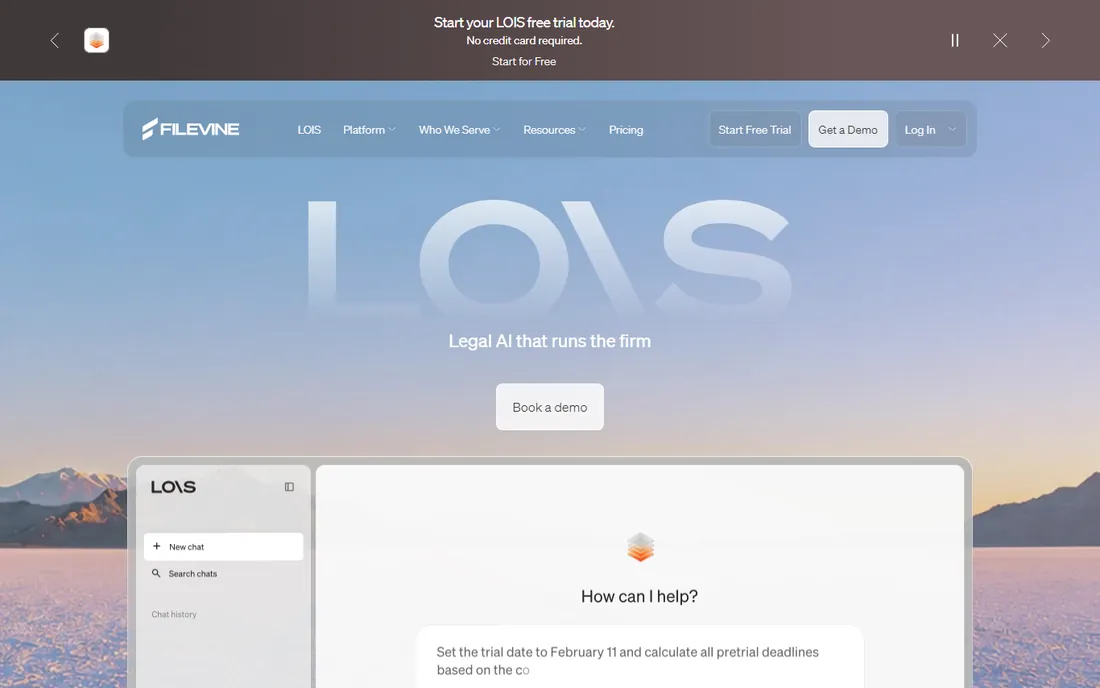
Filevine is the tool PI firms graduate to when their cases get complex. The platform is built around customization: firms can design their own case workflows, task sequences, and reports rather than living inside someone else's template. For mass tort practices managing thousands of plaintiffs with staged deadlines, that flexibility is the whole point. Reviewers consistently praise the task management and reporting depth.
The price of that power is a real project. Pricing is quote-based with no published tiers, and getting the system configured properly takes weeks to months of work with the vendor. Small firms that just need intake and medical tracking often find CASEpeer gets them live faster and cheaper. Filevine earns its place when a firm has the volume and the staff to justify building its operating system around it.
What we like- Extremely customizable workflows and reporting
- Strong task management for complex litigation
- Purpose-built for PI and mass tort
Watch out for- Quote-only pricing with no public tiers
- Implementation and customization take serious time
Starting priceSee website (quote-based)
Free planNo
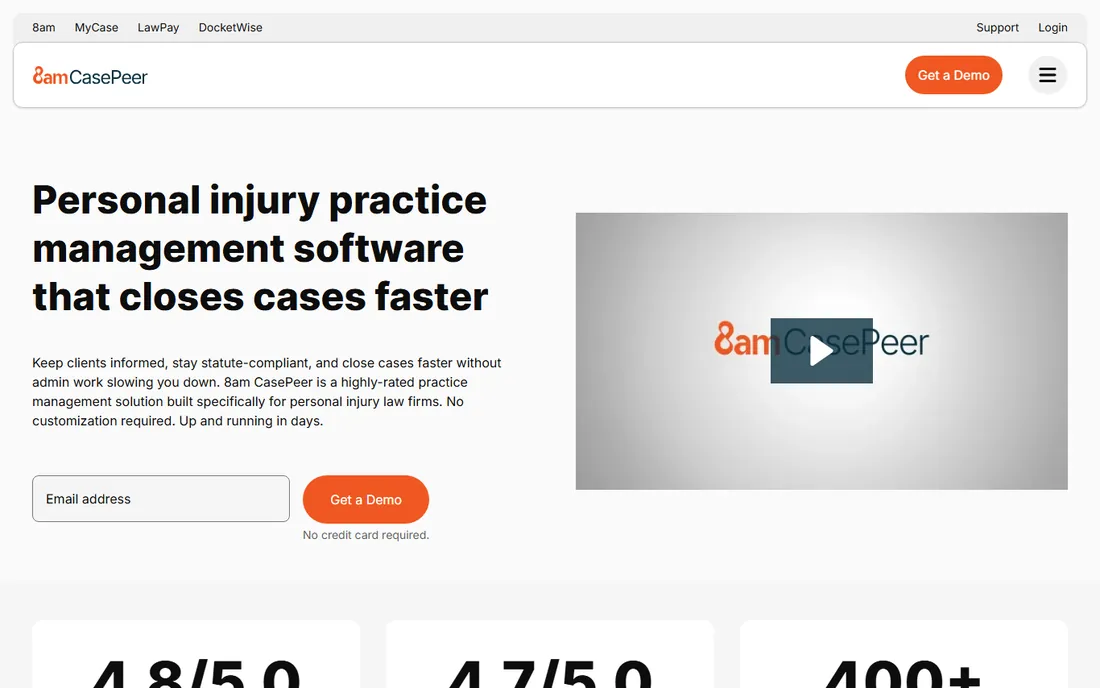
CASEpeer is the most popular dedicated PI case management platform for small and growing firms, and the reason is simple: it works on day one. Intake, medical records tracking, lien management, and settlement workflows are built for personal injury out of the box, so there is no configuration project before the software starts helping. Firms that want a plug-and-play solution without custom development land here.
The trade-off is the ceiling. CASEpeer is deliberately less customizable than Filevine or Litify, which is a feature for small firms and a constraint for large ones. Practices that grow into mass torts or need deeply custom reporting eventually look elsewhere. For the classic PI firm of two to fifteen people, though, it remains the fastest path from spreadsheets to real case management.
What we like- PI-specific workflows out of the box
- Minimal setup and intuitive interface
- Tracks medical records, liens, and settlements natively
Watch out for- Less customizable than Filevine or Litify
- Can feel limiting as firms scale past mid-size
Starting priceSee website (quote-based)
Free planNo
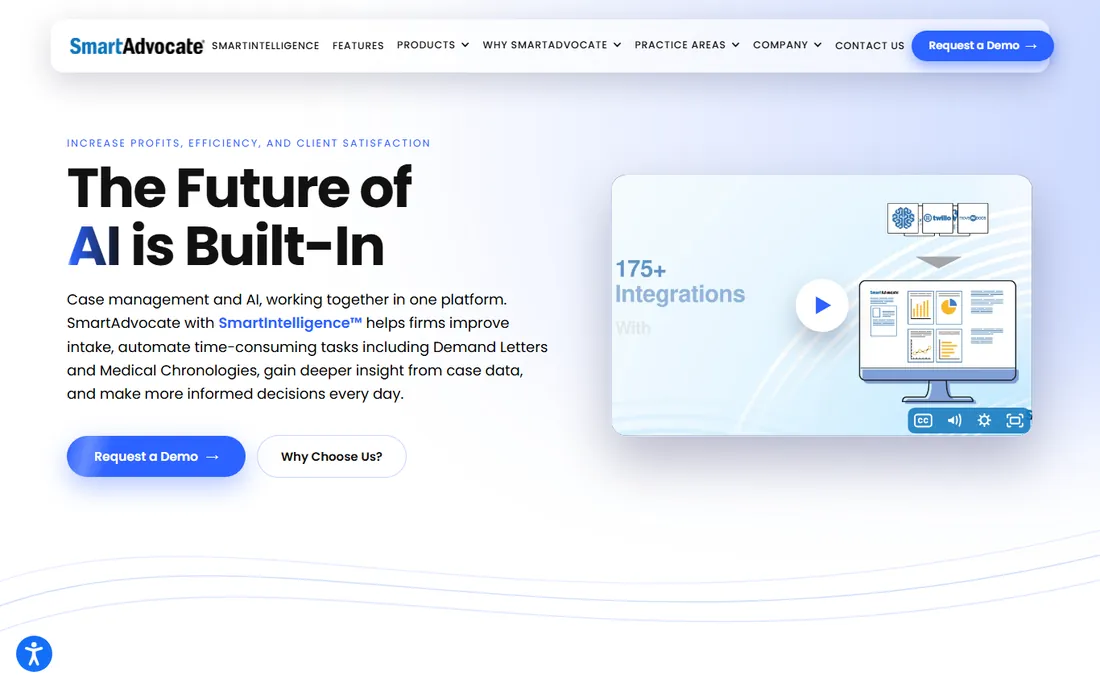
SmartAdvocate was built from the ground up for personal injury and mass tort practices, and it shows in how cases move through the system. It handles high case volumes with complex workflows better than most competitors, which is why mid-size and large PI firms with hundreds of active matters choose it. Independent reviewers have recognized it for customer satisfaction and ease of adoption within legal case management.
The honest catch is its history. SmartAdvocate grew up as a desktop product, and while it has modernized, the cloud-native competitors like CloudLex and Filevine feel more current in daily use. Implementation is also a genuine project, not a weekend migration. Firms with the volume to use its depth will not mind; smaller firms should start with CASEpeer or MyCase instead.
What we like- Built exclusively for PI and mass tort
- Strong case tracking for high volumes
- Recognized for customer satisfaction in legal software
Watch out for- Desktop heritage means the cloud experience is less modern than cloud-native rivals
- Implementation is a real project
#4
Clio
Best for: PI firms that want the largest integration ecosystem
Visit clio.com
Starting priceSee website
Free planFree trial
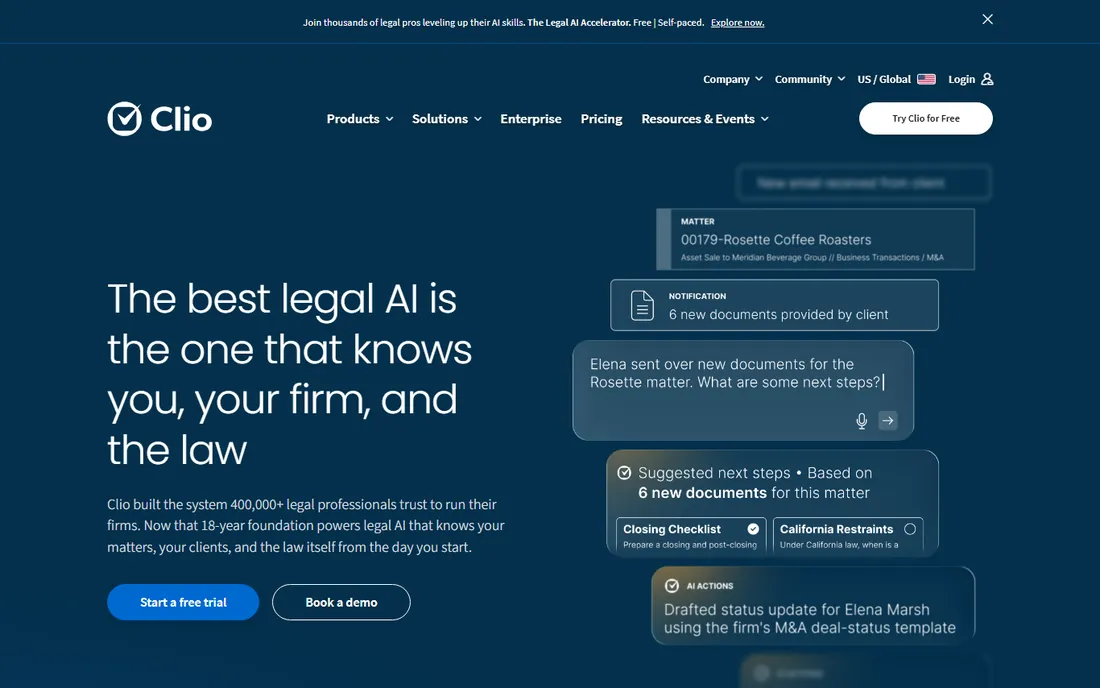
Clio is the most widely used legal practice management platform in the world, and its Personal Injury Essentials plan gives PI firms a HIPAA-compliant setup with strong billing, trust accounting, and the largest integration ecosystem in the industry. Firms that already live in other tools will find a connector for almost everything. The billing and trust accounting are genuinely excellent, which matters for firms with heavy disbursement work.
But Clio is a generalist. PI-specific workflows like lien tracking and demand management are not native, so firms either configure custom fields and workflows or accept a less injury-focused setup than CASEpeer provides. It is the right choice for PI firms that value integrations, billing strength, and a huge support community over purpose-built PI features. Solo and small PI firms should compare it carefully with MyCase before committing.
What we like- 250-plus integrations, the largest ecosystem in legal
- Personal Injury Essentials plan is HIPAA-compliant
- Strong billing and trust accounting
Watch out for- PI workflows are not native, so injury-specific tracking needs configuration
- Per-user costs climb fast at scale
Starting priceSee website (quote-based, enterprise)
Free planNo

Litify is the enterprise answer for plaintiff practices: a full case management platform built on Salesforce, with the customization, analytics, and permissions that large firms and mass tort operations require. The CRM depth is a real advantage for firms that run serious marketing and intake operations, because leads, cases, and marketing data live in one system. Third-party estimates put pricing well above every other tool here.
Everything about Litify assumes scale. Implementation is expensive and long, the per-user cost is enterprise-grade, and a 20-person firm would be paying for capacity it cannot use. This is the tool for the large PI firm that has outgrown everything else and has the budget for a Salesforce-class project. Smaller firms should not even demo it.
What we like- Salesforce-based with enterprise-grade customization
- Powerful analytics and reporting
- Deep CRM for intake and marketing
Watch out for- Enterprise pricing and implementation cost
- Overkill for any firm under 50 people
Starting priceSee website (quote-based)
Free planNo
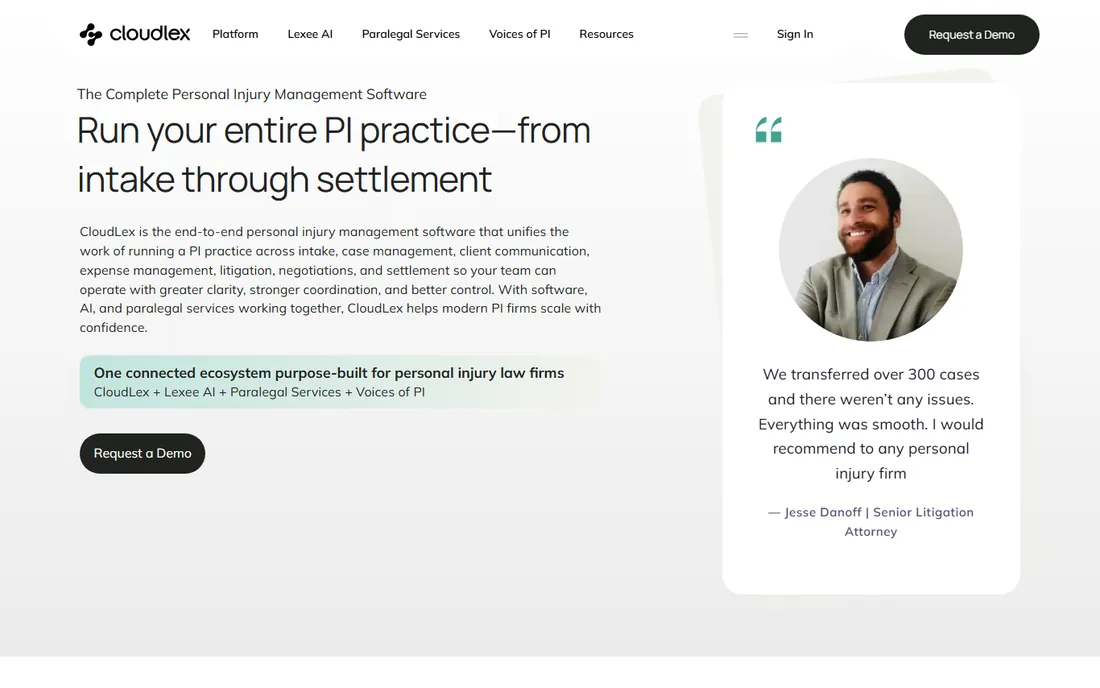
CloudLex is the modern cloud-native option built exclusively for personal injury firms. Its differentiator is AI woven into the workflow: demand drafting assistance, medical record summaries, and even AI-powered lead capture through callbots and chatbots. Firms that have adopted it report meaningful increases in case-handling capacity, because the most time-consuming PI paperwork gets drafted faster.
The caveat is maturity. CloudLex is a smaller vendor than the giants on this list, and its AI features are newer, which means buyers should verify the current capabilities in a live demo rather than trusting a feature list. For growing PI firms that want modern software and are comfortable with a younger vendor, it is one of the more interesting options in the category.
What we like- Designed exclusively for personal injury
- AI features for demand drafting and medical summaries
- Cloud-native with modern interface
Watch out for- Smaller vendor than Filevine or Clio
- AI features are newer and still maturing
#7
MyCase
Best for: Solo and small PI firms that want simplicity
Visit mycase.com
Starting priceSee website
Free planFree trial
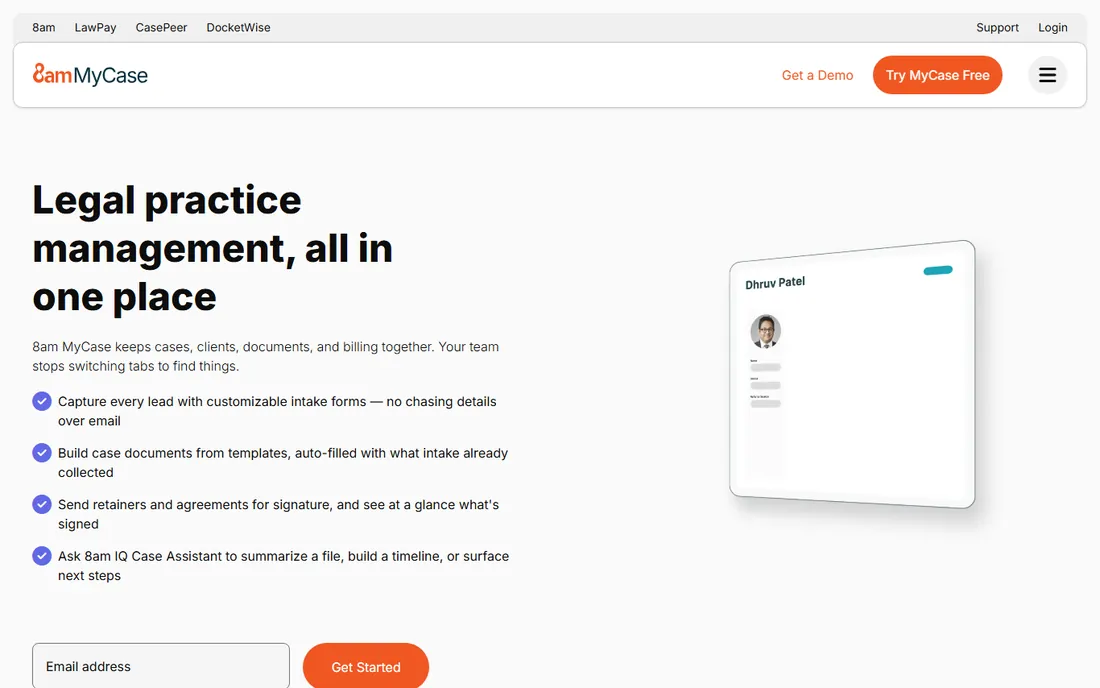
MyCase is the tool solo PI attorneys pick when they want software that just works. It sets up in days, the client portal keeps injury clients informed without constant phone calls, and the interface does not require training. For a one- or two-attorney practice handling a manageable caseload, it covers intake, documents, billing, and communication in a single simple package.
The limits appear as caseloads grow. PI-specific features like lien negotiation tracking and medical chronologies are not its strength, and reporting is basic compared to the PI specialists. MyCase is honest software: it does less, but what it does is easy. Solo PI attorneys and tiny firms should start here or with PracticePanther and only move up when the caseload demands it.
What we like- Fast to set up with no IT help needed
- Client portal and communication are excellent
- Predictable pricing for tiny firms
Watch out for- PI-specific workflows are limited
- Reporting depth falls short of Filevine or SmartAdvocate
Starting priceSee website
Free planFree trial
PracticePanther is the value pick among general legal platforms: predictable pricing, built-in payments, eSignatures, and client texting without a stack of add-ons. Small firms like it because the monthly bill is one of the lowest in the category for what you get, and the automation handles routine follow-ups well. It is a solid operating system for a small firm that does injury work alongside other practice areas.
For a dedicated PI practice, though, it is still a generalist. The injury-specific tracking that CASEpeer and SmartAdvocate provide natively has to be approximated with custom fields. Firms where PI is the main business should weigh the lower price against the workflow gaps, and firms where PI is one of several practices will find it a comfortable fit.
What we like- Transparent pricing with strong value at the low end
- Built-in payments, eSignatures, and texting
- Good automation for routine tasks
Watch out for- Not built for PI specifically
- Customization is limited compared to Filevine
Starting priceSee website
Free planFree trial

Smokeball's signature feature is automatic time capture: the software records time spent on documents and emails passively, so billable work stops leaking. Combined with a large library of document templates and automation, it suits PI practices that generate heavy document volume, from demands to discovery. Small firms appreciate that the document workflows feel finished rather than assembled from parts.
The platform grew up Windows-first, which shows in the cloud and mobile experience next to cloud-native competitors. It also lacks the PI-specific case workflows of CASEpeer or SmartAdvocate. Smokeball is the right pick for a PI firm whose biggest pain is document production and lost time, rather than case tracking complexity.
What we like- Automatic time capture records billable work passively
- Huge library of document templates and automation
- Strong for firms that live in documents
Watch out for- Windows-first heritage
- Less customization for PI-specific workflows than dedicated tools
How this shortlist was assembled
We focused on software that US personal injury firms actually use, identified through legal technology publications, vendor documentation, and reviews on G2, Capterra, and legal forums. Each tool had to handle core case management, documents, calendaring, and billing or trust accounting, and we weighted purpose-built PI workflow, like medical, lien, and settlement tracking, heavily. Pricing information reflects publicly available data from early 2026; the leading PI-specific vendors do not publish price lists, so those tables say "See website" rather than repeating unverified figures. This is a research-based comparison; we do not claim hands-on testing of any platform.
What to verify before you sign
The first number to pin down is the real per-user cost with the features you need. Entry plans advertise attractive rates, but the workflows that matter for PI, like automation and advanced reporting, often sit on higher tiers. A five-attorney firm can easily pay two to three times the headline price once the necessary plan level and add-ons are included. Get the quote for your actual headcount, with the features you will use on day one, in writing.
Then ask about migration, because switching case management software is one of the most painful projects a firm undertakes. Ask the vendor exactly what migrates: documents, emails, calendar events, custom fields, and trust accounting history. Ask for references from firms your size that migrated in the last year, and ask how long those migrations took. Firms routinely underestimate this by months.
Three more checks prevent the common regrets. Confirm the contract length and what happens at renewal, since multi-year commitments with annual price increases are common. Confirm data export: you should be able to leave with your documents and case data in usable formats. And confirm who provides support and when, because a calendaring failure the morning of a filing deadline is the nightmare scenario this software exists to prevent.
The decision most firms get wrong
The mistake is choosing between PI-specific and general software on price alone. A general platform with a lower sticker price often costs more in the end for an injury firm, because staff spend hours building workarounds for lien tracking, medical chronologies, and demand workflows that a PI tool includes natively. Multiply those hours by paralegal wages over three years and the "cheaper" option is not cheaper. The right question is not which tool costs less per user, but which tool lets the same staff handle more cases without errors. For dedicated PI firms, that usually points to the PI specialists on this list.
Frequently asked questions
What is the difference between PI case management software and general legal software?
PI-specific tools include injury workflows like medical records tracking, lien management, settlement calculations, and demand packages as native features. General legal software handles matters, documents, and billing well but requires custom configuration to track the injury-specific arc of a case. Firms that do mostly PI work save significant staff time with purpose-built tools.
How much does personal injury case management software cost?
Entry plans for general legal platforms advertise around $39 to $49 per user per month, but PI firms usually need higher tiers, pushing realistic costs to $50 to $150 per user per month. PI-specific vendors like Filevine, CASEpeer, and SmartAdvocate use quote-based pricing. A five-attorney firm should budget $5,000 to $15,000 per year depending on the platform and plan level.
How long does it take to switch case management software?
Simple tools like MyCase or PracticePanther can go live in days to weeks. PI-specific platforms like CASEpeer typically take a few weeks. Filevine, SmartAdvocate, and Litify implementations often run for months, especially when custom workflows and historical data migration are involved. Always run the old system in parallel during the transition.
Do I need HIPAA-compliant software for personal injury work?
PI firms handle extensive medical records, so HIPAA-aware handling matters. Several vendors, including Clio's PI plan, are HIPAA-compliant. Ask each vendor directly about their compliance posture and business associate agreements rather than assuming, since marketing language varies.
Can solo PI attorneys use these tools, or are they for bigger firms?
Solo attorneys do well on MyCase, PracticePanther, or Clio's entry plans, which are priced and designed for tiny firms. CASEpeer also serves small PI firms effectively. Filevine, SmartAdvocate, and Litify are built for larger operations and are not cost-effective for solos.
What happens to my data if I cancel?
It depends on the vendor and contract. Most cloud platforms let you export documents and case data, but formats and fees vary. Confirm the export process, any charges, and how long you retain access after cancellation before you sign. This is one of the most important questions in the whole buying process.
Sources we checked (7)
- https://kurums.com/best-legal-practice-management-software-2026-comparison/
- https://ailawyer.pro/blog/legal-case-management-software
- https://pagelightprime.com/blogs/clio-alternatives-2026-legal-software-comparison
- https://www.g2.com/products/smokeball/competitors/alternatives
- https://inoriseo.com/law-firm-software/attorney-case-management-software/
- https://inoriseo.com/law-firm-software/best-case-management-software-for-personal-injury-attorneys/
- https://www.itqlick.com/compare/filevine/litify
Is your product missing or out of date?
We review this list regularly. Vendors can request a listing, send updated pricing or ask about featured placement.

Shihab Mia · Founder, Rankite
Shihab has spent more than a decade helping SaaS and e-commerce brands grow through search. He writes Rankite's software buying guides from pricing pages, documentation and public user reviews. More about Shihab.