How we make this list: we compare pricing pages, product documentation and public user reviews. Ratings come from G2, Capterra or Trustpilot, with the date we checked them.
Key takeaways
- Nestle is the largest packaged food company in the world, with brands in nearly every grocery aisle and a heavy push into coffee, pet food, and nutrition.
- PepsiCo pairs beverages with snacks, which makes it the strongest single bet on convenience food in North America.
- Mars changed the shape of snacking in December 2025, when it closed its roughly $36 billion purchase of Kellanova and added Pringles and Cheez-It to Snickers and M&M's.
- Tyson Foods is the protein leader on this list, while Mondelez is the pure play on biscuits and chocolate.
- These are companies, not products you subscribe to, so this guide lists portfolio strength and category fit instead of plan pricing.
Quick comparison
| Tool | Best for | Starting price | Free plan |
|---|
 Nestle | Global scale across every food category | See website | No |
 PepsiCo | Snacks and beverages under one roof | See website | No |
 Mars | Snacking, confectionery, and pet food | See website | No |
 Tyson Foods | Meat and protein brands | See website | No |
 Mondelez International | Biscuits, chocolate, and gum | See website | No |
 General Mills | Cereal, baking, and pet food | See website | No |
 The Kraft Heinz Company | Condiments, cheese, and pantry staples | See website | No |
 The Campbell's Company | Soup, sauces, and salty snacks | See website | No |
Is your product missing or out of date?
We review this list regularly. Vendors can request a listing, send updated pricing or ask about featured placement.
The best packaged food companies in CPG
Starting priceSee website
Free planNo
Nestle is the default answer to almost any question about scale in packaged food. The Swiss company runs more than 2,000 brands, from Nescafe and Nespresso in coffee to Purina in pet food, KitKat in confectionery, and Stouffer's and DiGiorno in frozen food. That breadth means a grocery buyer deals with Nestle in nearly every aisle, and it gives the company room to shift spending toward whichever category is growing.
The current strategy leans on coffee, pet food, and nutrition products, the lines with the strongest margins and growth. The trade off is complexity. A portfolio this wide always carries slow brands, and Nestle spends much of its effort selling or fixing the tail. For all round strength in CPG, Nestle stays first on this list.
What we like- Largest food company in the world by revenue
- Brands in coffee, pet food, baby food, water, and frozen meals
- Nespresso and Purina are category leaders
- Sells in nearly every country
Watch out for- Sheer size makes fast change hard
- Water business draws steady criticism
- Portfolio pruning means brands come and go
- Pricing power has drawn political attention in several markets
Starting priceSee website
Free planNo
PepsiCo is built on a pairing no rival matches at scale: Frito-Lay snacks next to Pepsi beverages. Lay's, Doritos, Cheetos, and Tostitos give it the strongest salty snack business in North America, and the drinks side adds Pepsi, Mountain Dew, Gatorade, and Bubly. Retailers like the combination because one supplier covers the two highest traffic packaged categories in the store.
IndustryWeek's 2026 US 500 reporting kept PepsiCo as the top food and beverage company on its list, with revenue of about $93.9 billion, even as sector earnings fell. The pressure points are price and health. Shoppers pushed back on snack prices, and regulators keep circling sugar and sodium. For snacks plus beverages in one company, PepsiCo is the best in CPG.
What we like- Frito-Lay leads salty snacks in North America
- Pepsi, Mountain Dew, and Gatorade anchor beverages
- Food and drink in one sales call helps retail placement
- Quaker and Tropicana add breakfast reach
Watch out for- Soda volumes face long term pressure
- Snack prices rose fast and drew shopper pushback
- Beverage and food divisions do not always pull together
- Heavy North America weighting
Starting priceSee website
Free planNo
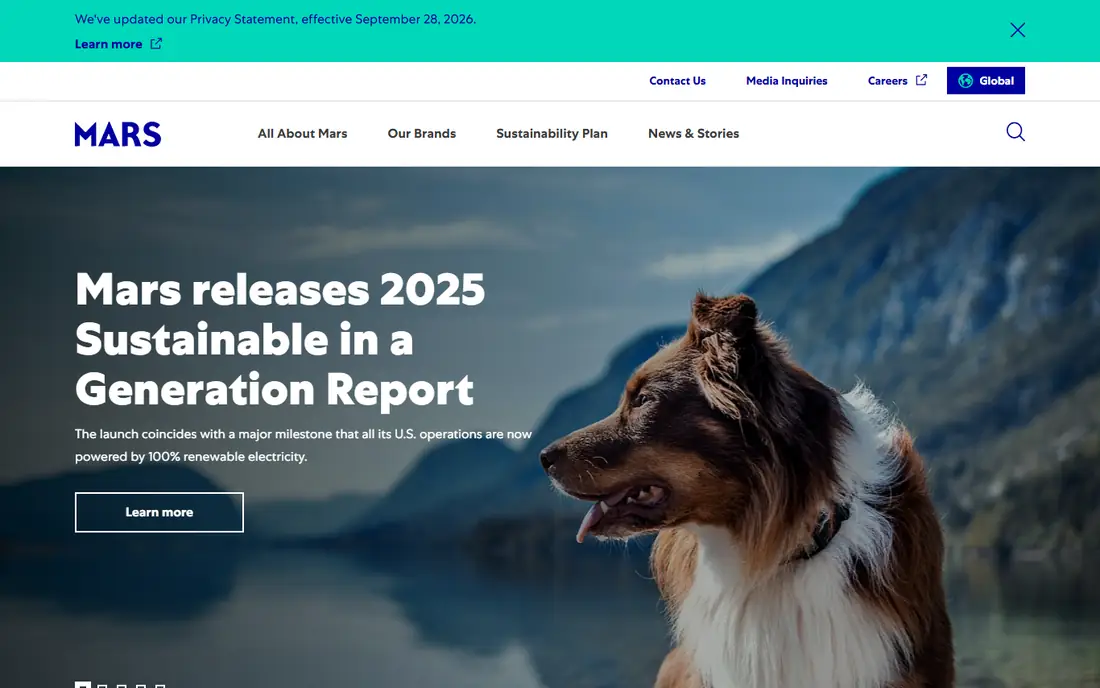
Mars is the biggest mover on this list. In December 2025 the family owned company completed its acquisition of Kellanova, a deal valued at about $36 billion, bringing Pringles, Cheez-It, Pop-Tarts, and Rice Krispies Treats into Mars Snacking beside Snickers, M&M's, and Twix. That makes Mars the company to beat in global snacking and gives it a savory snack business it never had.
Mars is also a pet food power, with Pedigree, Whiskas, and Royal Canin, plus a large veterinary business. Being private, it reports less than listed rivals, which makes outside comparison harder. Still, on brands people reach for without thinking, Mars is now as strong as anyone in packaged food.
What we like- Snickers, M&M's, Twix, and Skittles lead global confectionery
- Kellanova deal added Pringles, Cheez-It, and Pop-Tarts
- Pet food brands Pedigree and Royal Canin are category giants
- Private ownership allows long term planning
Watch out for- Private company, so public financial detail is thin
- The Kellanova integration is large and still young
- Candy faces sugar taxes and health pressure
- Less presence in beverages and frozen food
Starting priceSee website
Free planNo
Tyson Foods is the protein specialist here. The Arkansas company is the largest US meat processor, covering chicken, beef, and pork, and its branded side holds Jimmy Dean breakfast products, Hillshire Farm meats, Ball Park franks, and the Tyson label itself. Much of its business is selling meat to retailers and restaurant chains under their own programs as well as its brands.
That model makes Tyson essential to the food supply and exposed to its costs. Feed prices, cattle supply, and plant labor move its results more than marketing does. Shoppers also ask harder questions about meat than about crackers. For anyone whose CPG interest starts with protein, Tyson is the company that sets the terms.
What we like- Largest meat processor in the United States
- Tyson, Jimmy Dean, and Hillshire Farm are leading retail brands
- Supplies restaurants and foodservice at scale
- Protein demand supports steady volume
Watch out for- Commodity prices swing earnings hard
- Plant costs and labor are constant pressure
- Animal welfare and emissions draw scrutiny
- Less presence in snacks and shelf stable food
Starting priceSee website
Free planNo
Mondelez is what remained when Kraft split its snack business out in 2012, and the focus shows. Oreo, Ritz, Chips Ahoy, and belVita cover biscuits. Cadbury, Milka, and Toblerone cover chocolate. Trident covers gum. Almost everything it sells is a snack, and most of its growth comes from outside the United States.
The risk in that focus is cocoa. Record cocoa costs through 2024 and 2025 forced price rises and smaller bars in parts of the range, and chocolate shoppers notice both. Mondelez keeps investing in emerging markets, where snack habits are still forming. For a pure read on global snacking, Mondelez is the cleanest company on this list.
What we like- Oreo is the world's best selling cookie
- Cadbury and Milka lead chocolate in many markets
- Strong emerging market growth
- Focused portfolio of snack categories only
Watch out for- Cocoa prices have hit record levels and squeeze chocolate margins
- No beverage business to balance snacks
- Price rises risk trading shoppers down
- Gum and candy lines grow slower
Starting priceSee website
Free planNo
General Mills built its name on the breakfast and baking aisles. Cheerios, Cinnamon Toast Crunch, and Lucky Charms hold the cereal shelf, while Betty Crocker and Pillsbury cover baking mixes, dough, and snacks such as Nature Valley bars. Since 2018 it has also owned Blue Buffalo, which took it into premium pet food, now one of its main growth lines.
The challenge is that its home market is mature. North American shoppers buy less boxed food than they did, and General Mills has been selling slower lines, including parts of its yogurt business, to concentrate on brands that still grow. For cereal, baking, and a pet food growth story in one company, General Mills remains a core CPG name.
What we like- Cheerios leads US cereal
- Pillsbury and Betty Crocker own home baking occasions
- Blue Buffalo is a leading premium pet food brand
- Haagen-Dazs gives it a global ice cream business
Watch out for- US cereal and packaged food volumes are flat to falling
- Yogurt business was sold back in parts
- Pet food growth has cooled
- Heavy reliance on North America
Starting priceSee website
Free planNo
Kraft Heinz came from the 2015 merger of Kraft Foods and H.J. Heinz, and it owns some of the most familiar labels in the pantry: Heinz ketchup and beans, Kraft Mac and Cheese, Philadelphia, Oscar Mayer, and Planters. Its sauces business is the standout, with Heinz sold in most countries in the world.
The company's problem has been growth. A long period of cost cutting underinvested the brands, and recent years have gone into marketing and product updates to win shoppers back. Management has also announced a plan to split the company in two, so its shape will change. On brand recognition alone, though, Kraft Heinz still belongs on any CPG shortlist.
What we like- Heinz ketchup and Kraft cheese are default brands in their categories
- Philadelphia cream cheese and Oscar Mayer add strong chilled lines
- Global sauce business keeps growing
- Deep distribution in every major retailer
Watch out for- Years of cost cutting left brands needing reinvestment
- Volumes have been soft
- The company has announced a plan to split into two businesses
- Center store categories grow slowly
Starting priceSee website
Free planNo
The company long known as Campbell Soup renamed itself The Campbell's Company in 2024, a signal that soup is now only part of the business. The meals side holds Campbell's soups and broths, Prego and Rao's sauces, Swanson, and Pace. The snack side holds Goldfish crackers, Pepperidge Farm, Snyder's of Hanover pretzels, and Kettle Brand chips.
Rao's, bought with Sovos Brands, is the growth story, taking premium pasta sauce into a much bigger business. Soup remains the heritage line and the headwind, since younger shoppers cook less of it. Campbell's is the smallest company here, but for US soup, sauces, and snacks it is the specialist worth knowing.
What we like- Campbell's soup is the category reference point
- Rao's Homemade added a fast growing premium sauce line
- Goldfish and Snyder's of Hanover anchor snacks
- US focused business is easy to follow
Watch out for- Soup volumes depend on weather and habits that are fading
- Snack growth has slowed
- Smaller than the global leaders here
- Premium sauce growth must offset soup decline
How we chose
We picked the packaged food companies that matter most in CPG by looking at revenue scale, the strength of the brands each one owns, and how clearly each company leads a category a shopper would recognize. We checked company reporting and trade coverage, including the December 2025 close of the Mars and Kellanova deal and IndustryWeek's 2026 US 500 food and beverage rankings. We left out beverage only companies such as Coca-Cola, because this list is about packaged food, and we left out private label manufacturers that sell under retailer brands rather than their own. Every company here sells branded packaged food at national or global scale.
What to look for in a packaged food company
Start with the portfolio. A strong CPG company owns brands that hold the first or second spot in their category, because shelf space and pricing power follow category rank. One famous brand is not enough. Look for depth across a few related categories, the way PepsiCo pairs snacks with drinks or Mars now pairs candy with savory snacks and pet food.
Then look at where growth comes from. Packaged food volumes in rich markets are flat, so growth usually comes from emerging markets, premium lines such as Rao's, pet food, or buying another company. Each route has a cost. Acquisitions add debt and integration work, as Mars is handling now with Kellanova. Finally, watch the input costs a company cannot control, cocoa for Mondelez, cattle and feed for Tyson, because those decide margins more than advertising does. A company that keeps investing in its brands through a cost spike usually comes out stronger.
Frequently asked questions
What does CPG mean in the food industry?
CPG stands for consumer packaged goods, the products people buy regularly and use up, such as food, drinks, cleaning products, and toiletries. Packaged food companies are the food part of CPG. They sell branded products through grocery stores, mass retailers, club stores, and online retailers rather than selling directly to shoppers in most cases.
Which is the largest packaged food company in the world?
Nestle is the largest by revenue, with sales well above any other food manufacturer and brands in almost every packaged category. PepsiCo is the largest food and beverage company in the United States on IndustryWeek's 2026 list. Mars is private, so its exact ranking is harder to confirm, but the Kellanova deal made it one of the largest snacking companies in the world.
Why is Kellanova not listed separately?
Kellanova stopped being an independent company in December 2025, when Mars completed its acquisition of the business for about $36 billion. Its brands, including Pringles, Cheez-It, and Pop-Tarts, now sit inside Mars Snacking, so they are covered under Mars in this list. Listing Kellanova on its own would double count the same brands.
Do these companies sell directly to consumers?
Mostly no. Packaged food companies sell to retailers and foodservice distributors, who then sell to shoppers and diners. Some run brand stores or sell merchandise and gift packs online, and pet food brands sell through subscription retailers, but the core business is wholesale. If you are a retailer or distributor, each company site has a customer or supplier section for trade terms.
How do packaged food companies grow when volumes are flat?
The main routes are price rises, premium products that carry higher margins, growth in countries where packaged food is still expanding, pet food, and acquisitions. Price rises have limits, since shoppers trade down when prices climb too fast, which is why most of the companies here are investing in premium lines and new categories instead of relying on price alone.
Sources we checked (0)
Is your product missing or out of date?
We review this list regularly. Vendors can request a listing, send updated pricing or ask about featured placement.

Shihab Mia · Founder, Rankite
Shihab has 5+ years in B2B and SaaS SEO. He writes Rankite's software buying guides from pricing pages, documentation and public user reviews. More about Shihab.