How we make this list: we compare pricing pages, product documentation and public user reviews. Ratings come from G2, Capterra or Trustpilot, with the date we checked them.
Key takeaways
- Maltego is the investigation workbench for legitimate research, with a free Basic plan and paid tiers from about 3,000 euros a year after vetting.
- Skopenow automates court ready footprint reports for investigators and insurers, at a reported 4,000 dollars a year.
- Sherlock and SpiderFoot are free and open source, and in careful hands cover username searches and broad discovery well.
- These tools are for lawful work only: journalism, security research, brand protection, fraud investigation, and law enforcement. Using them to stalk, harass, or publish someone's private details is illegal and breaches platform terms.
Quick comparison
| Tool | Best for | Starting price | Free plan |
|---|
 Maltego | Visual link analysis investigations | Free | Yes |
 Skopenow | Automated footprint reports for investigators | See website | No |
 Epieos | Email address reverse lookup | Free | Yes |
 Social Links | Professional social media investigations | See website | No |
 Sherlock | Username searches across platforms | Free | Yes |
 SpiderFoot | Automated discovery scans | Free | Yes |
 Social Searcher | Social listening and mention searches | Free | Yes |
Is your product missing or out of date?
We review this list regularly. Vendors can request a listing, send updated pricing or ask about featured placement.
#1Maltego
Best for: Visual link analysis investigations4.5/5 on
G2 (22 reviews, checked Oct 2026)
Visit maltego.com
Starting priceFree
Free planYes
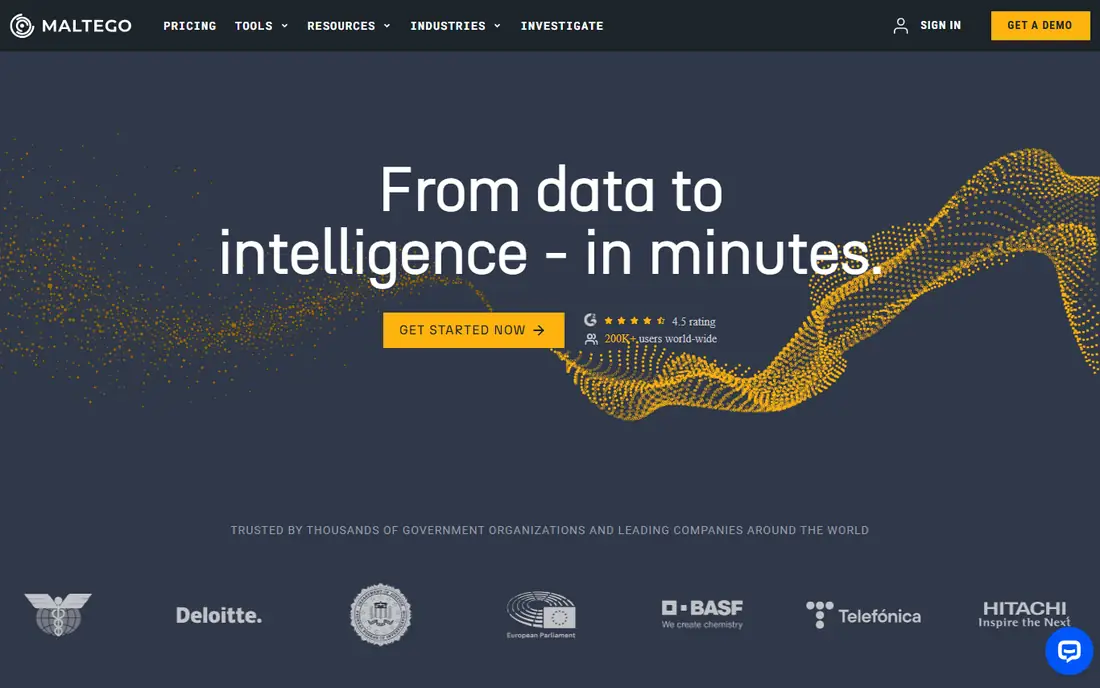
What we like- Maltego is the canvas where investigations come together: you start from a person, email, username, or domain and run transforms that draw the connections to accounts, companies, infrastructure, and breach records as a graph you can keep pivoting. Its hub carries more than 100 data connectors, including social media sources and partners such as Epieos, and the company reports its tools supporting more than a million investigations. The Basic plan is free with 200 credits a month, and web capture via Hunchly is bundled from the Entry plan up.
Watch out for- Serious use costs money: Entry runs about 3,000 euros a year with 10,000 credits and is sold only after vetting, and Professional about 7,500 euros for up to five users, with data credits on top. The learning curve is real
- New analysts need hours of practice before a graph means anything. Credits burn quickly in broad investigations, so scoping matters.
Starting priceSee website
Free planNo
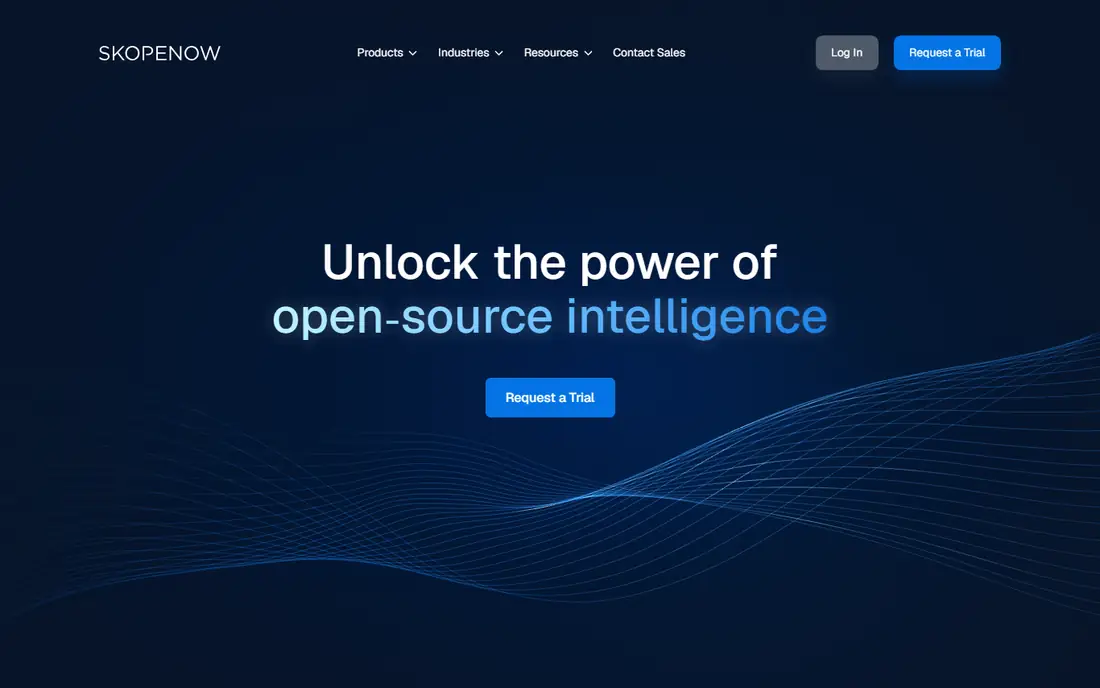
What we like- Skopenow automates the first question of an investigation: enter a name, phone, email, or username and it assembles a report from social media, public records, court records, and associated data, with metadata preserved for court use. Behaviour and object recognition, heat mapping, and keyword flags add analysis on top of collection, and insurance investigators use it through claims platform integrations. Pricing has been reported around 4,000 dollars a year, and a trial is available to professional buyers.
Watch out for- Automation is a starting point, not a conclusion: matched accounts and flags require human verification before they belong in any report, and acting on an unverified match can defame or endanger the wrong person. Coverage is deepest in the US. Skopenow sells to vetted professional users, which is a safeguard, and means casual buyers cannot simply sign up.
Starting priceFree
Free planYes
What we like- Epieos answers the most common social media starting question: which accounts exist for this email address? Its lookup checks an email against a wide set of platforms and services and returns linked accounts and profile fragments, free for basic checks with paid plans for volume and API use. Journalists use it to verify whether an address belongs to the person they think it does, and investigators use it as the first pivot into Maltego, where it also appears as a transform partner.
Watch out for- Results are leads, not proof: an account registered with an email does not establish who controls it today. Free usage is rate limited and bulk work needs a paid plan. Like every tool here, its use on a private individual without a lawful purpose is a policy and legal problem, not a technical one, and Epieos restricts abusive use.
Starting priceSee website
Free planNo
What we like- Social Links builds investigation products aimed squarely at social media: account discovery, identity resolution, and dark web monitoring across a wide range of platforms, sold to law enforcement, government, and corporate security teams. Its platform depth on social sources exceeds the generalist tools, and it integrates with Maltego workflows. For an organisation whose OSINT work is mostly people and accounts, it is the specialist option.
Watch out for- Pricing is by quote and the sales process is aimed at institutions, so individual journalists and small firms will find it out of reach. Platform coverage shifts as social networks change their access rules, so capabilities need rechecking at purchase. Specialist power also raises the governance bar: access controls and audit trails are the buyer's responsibility to demand and configure.
Starting priceFree
Free planYes
What we like- Sherlock is the free, open source username checker: give it a handle and it tests hundreds of sites for an account with that name, returning the URLs to review by hand. It runs locally, costs nothing, and is maintained in the open, which makes it the standard first pass in username investigations and a teaching tool for verification method. For security researchers checking their own exposure, it is the honest starting point.
Watch out for- A hit means only that the name exists on that site
- Common handles produce many false positives belonging to other people, and treating a Sherlock result as identification is a classic beginner error. It needs Python and command line comfort. It also finds nothing about private or deleted accounts, and platform changes break individual site checks until the project updates them.
Starting priceFree
Free planYes
What we like- Social Searcher is the lightest tool here: a web search across social platforms and the open web for a name, brand, or topic, with a free tier and paid plans adding monitoring, alerts, and analytics. Brand protection and communications teams use it to watch for impersonation accounts, leaked material, and fast moving stories about their organisation. No installation or technical skill is needed, which makes it the right first tool for non specialists with a legitimate monitoring task.
Watch out for- It is a listening tool, not an investigation platform: no link analysis, limited identity resolution, and results depend on what platforms expose to search. Depth and history on free and low tiers are limited. For anything beyond monitoring and first look research, you will graduate to Maltego or Skopenow.
How we chose
We selected tools with established professional user bases across the real shapes of social media OSINT work: link analysis, automated reporting, email and username pivots, specialist social investigation, automated discovery, and listening. We checked pricing from vendor pages and October 2026 professional comparisons, marking quote only tools as see website and reported figures as reports. We excluded people search data brokers aimed at consumers, tools marketed for evading bans or scraping at scale, and anything whose pitch is finding private information about private people, because that is not a legitimate use frame.
Start from the mandate, not the tool. A journalist verifying a source's accounts needs Epieos and Sherlock more than a platform contract. An insurer or law firm producing reports that may reach court needs Skopenow's preserved metadata and a verification step by a human investigator. A security or brand team monitoring continuously needs Social Searcher or Social Links, and an analyst mapping networks needs Maltego. Write down the lawful purpose and the data handling rules, retention, storage, and who may see results, before the first search; in regulated work that document is part of the deliverable.
Then verify like a professional. Every tool here produces false matches, stale data, and accounts that share a name with your subject; the working rule is two independent sources before a finding is stated as fact. Respect platform terms and privacy law in your jurisdiction, GDPR and state privacy laws included, minimise what you collect about people outside the mandate, and never use these tools to follow, contact, or expose private individuals. If your purpose would embarrass you read aloud in a courtroom or a newsroom standards meeting, it is the wrong purpose. Prices are October 2026 published and reported figures.
Frequently asked questions
Is OSINT legal?
Collecting genuinely public information for a lawful purpose is legal in most jurisdictions, and it is a standard part of journalism, security, and legal work. The limits are real: privacy and data protection laws regulate storing and using personal data, platform terms can prohibit automated collection, and using findings to stalk, harass, threaten, or publish private details about someone is illegal regardless of how public the source was. Purpose and handling decide legality more than the tool does.
What can these tools actually find on social media?
Public accounts linked to a name, email, or username, public posts and connections, profile details a user published, and signs of impersonation or coordinated behaviour. They cannot lawfully or technically hand you private messages, friends only content, precise location, or account credentials, and any service claiming it can is either lying or describing a crime. Set expectations accordingly when scoping an investigation.
Which tool should a beginner start with?
For learning the method, Sherlock and Epieos, both free, teach the core pivots and the core lesson that a match is a lead to verify, not a fact. Social Searcher suits non technical monitoring. Move to Maltego's free Basic plan when you need to map connections, and leave the professional platforms until you have professional work, and professional supervision, to justify them.
How accurate are the results?
Variable, and that is the honest answer. Username tools report name existence, not identity. Automated reports aggregate sources of uneven freshness. Professional practice treats every tool output as unverified until a second, independent source confirms it, and documents the verification in the report. Publishing or acting on a single tool's match is how innocent people get misidentified.
Can I use these tools to check my own exposure?
Yes, and it is one of the cleanest uses: run your own email through Epieos, your handles through Sherlock, and your name through a SpiderFoot scan to see what a stranger could assemble about you, then tighten privacy settings, remove old accounts, and separate personal from public identities. Security teams do the same for executives under a written mandate.
Sources we checked (0)
Is your product missing or out of date?
We review this list regularly. Vendors can request a listing, send updated pricing or ask about featured placement.

Shihab Mia · Founder, Rankite
Shihab has 5+ years in B2B and SaaS SEO. He writes Rankite's software buying guides from pricing pages, documentation and public user reviews. More about Shihab.