How we make this list: we compare pricing pages, product documentation and public user reviews. Ratings come from G2, Capterra or Trustpilot, with the date we checked them.
Key takeaways
- Turnkey vendors such as GammaStack, AIS Technolabs, and BetConstruct launch fastest, while custom builders such as BR Softech and Innosoft Group suit operators with unusual game formats.
- Every company in this list prices by project, so expect a quoted cost rather than a published rate, and ask whether source code ownership is included.
- Regulated operators should prioritize RNG certification, licensing support, and audit trails over speed, since compliance failures cost more than delays.
- Blockchain options from Codes for Tomorrow and crypto-ready builds from Innosoft Group suit operators that want provably fair draws and instant payouts.
Quick comparison
| Tool | Best for | Starting price | Free plan |
|---|
 GammaStack | Turnkey lottery platforms with source code ownership | See website | No |
 AIS Technolabs | White-label lottery platforms for North America | See website | No |
 BR Softech | Custom lottery game development | See website | No |
 Skilrock Technologies | Regulated lottery operators and national lotteries | See website | No |
 Innosoft Group | Crypto-ready lottery and iGaming builds | See website | No |
 Mobiweb Technologies | Generalist development with gaming experience | See website | No |
 BetConstruct | Full iGaming platforms with lottery modules | See website | No |
 Codes for Tomorrow | Blockchain-based decentralized lotteries | See website | No |
Is your product missing or out of date?
We review this list regularly. Vendors can request a listing, send updated pricing or ask about featured placement.
The best lottery software development company
Starting priceSee website
Free planNo
GammaStack offers a lottery platform that covers the full draw cycle, from ticket sales and number selection to RNG-based draws, result publication, and prize distribution. Its GammaLottery product supports multiple draw formats and gives operators a back office for managing games, agents, and reports. The company reports more than 14 years in gaming software and more than 600 clients, which gives buyers a track record to check.
The notable selling point is ownership. GammaStack hands over source code, so an operator is not locked into a revenue share or a single vendor for future changes. Pricing is quoted per project, so request a scope that spells out which games, payment methods, and integrations are included before signing.
What we like- Ready-made lottery platform with ticket management and RNG draws
- Source code ownership included
- 14+ years and 600+ clients
Watch out for- Quote-only pricing
- Custom game work still adds time and cost
Starting priceSee website
Free planNo
AIS Technolabs builds white-label lottery software for operators that want a branded platform without building one from scratch. Its platform includes an RNG draw engine, ticket sales, agent management, and payment integration, with bilingual English and French support aimed at Canadian and North American operators. White-label delivery means faster launch than custom development, since the core platform already exists.
The trade-off is differentiation. A white-label platform looks and behaves like other platforms from the same vendor unless you pay for customization, so operators with unique game ideas should budget for that work. As with every vendor in this list, pricing is quoted per project, and licensing remains the operator's responsibility, not the developer's.
What we like- White-label platform with RNG draw engine
- Bilingual English and French support for Canadian operators
- KYC and payment integration
Watch out for- Quote-only pricing
- Smaller public client list than global rivals
Starting priceSee website
Free planNo
BR Softech is a custom development shop for lottery and gaming products, rather than a single off-the-shelf platform. Its lottery work covers draw-based games, instant-win formats, and mobile lottery apps, with RNG mechanics at the core. Because the team also builds casino, sports betting, and fantasy products, it can add adjacent features such as wallets, loyalty programs, and live game rooms to a lottery platform.
Custom work brings control and a longer timeline. Operators that need unusual game rules, a specific brand experience, or integration with an existing system get more value here than from a white-label platform. Operators that need to launch in weeks should compare GammaStack or AIS Technolabs first, since custom development trades speed for flexibility.
What we like- Custom lottery and gaming builds across web and mobile
- RNG-based game mechanics
- Experience with related gaming verticals
Watch out for- Quote-only pricing
- Custom builds take longer than turnkey platforms
#4
Skilrock Technologies
Best for: Regulated lottery operators and national lotteries
Visit skilrock.com
Starting priceSee website
Free planNo
Skilrock Technologies serves regulated lottery operators, including national and state-level lotteries, with a platform that spans retail terminals, online sales, and mobile apps. That regulated focus shows up in the tooling: audit trails, draw management, compliance reporting, and agent networks are core features rather than add-ons. Operators that answer to a gaming commission or a government body will find that fit reassuring.
The cost is a heavier buying process. Skilrock sells to large operators through an enterprise process, so small startups may find the evaluation slow and the minimum scope large. For a licensed operator with retail agents and multi-channel sales, though, that regulated pedigree is exactly what a procurement team wants to see.
What we like- Platform built for regulated and national lottery operations
- Retail, online, and mobile channels in one system
- Audit and compliance tooling
Watch out for- Quote-only pricing
- Enterprise sales process with longer evaluation
Starting priceSee website
Free planNo
Innosoft Group builds lottery management software for operators that want a modern, crypto-ready platform. Its offering covers ticket management, secure ticketing workflows, random draw engines, and a compliance-ready architecture, with source code ownership included and no revenue share. The company also works across iGaming, so a lottery platform can sit beside casino or sportsbook products from the same team.
Crypto readiness is both the appeal and the caution. Instant payouts and token-based tickets suit operators in jurisdictions where crypto payments are accepted, but they add licensing questions elsewhere. Operators should confirm with counsel which payment features their license actually permits before ordering a crypto build.
What we like- Lottery management software with secure ticketing and random draw engines
- Compliance-ready architecture
- Source code ownership with no revenue share
Watch out for- Quote-only pricing
- Crypto features add regulatory complexity in some jurisdictions
Starting priceSee website
Free planNo
Mobiweb Technologies is a general web and app development company with gaming platform work in its portfolio, including fantasy sports and gaming builds. That breadth makes it a flexible choice for an operator that wants lottery features inside a larger product, such as a gaming portal or a mobile app with multiple game types. Engagement models are flexible, and the team covers the usual web and mobile stack.
The honest caveat is specialization. Mobiweb does not publish a dedicated lottery platform, so a lottery build is a custom project that leans on the team's general gaming experience rather than a proven lottery product with existing RNG certification and draw operations. Operators that need a certified, ready-made lottery system should prefer GammaStack, Skilrock, or BetConstruct, and treat Mobiweb as a fit for custom, lower-stakes builds.
What we like- General web and app development team with gaming platform work
- Flexible engagement models
- Broad technology coverage
Watch out for- No dedicated lottery product line
- Lottery builds are custom projects, not a proven turnkey platform
Starting priceSee website
Free planNo
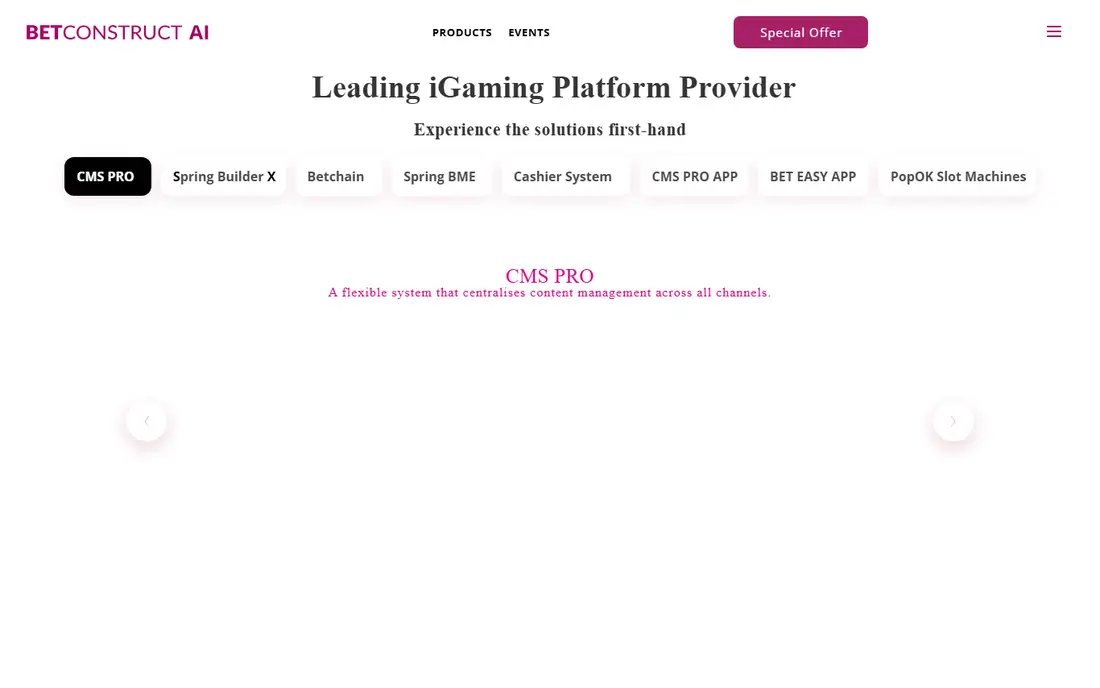
BetConstruct is a large iGaming platform provider whose Spring platform covers sportsbook, casino, virtual sports, and lottery. An operator that wants lottery alongside other betting products gets one back office, one cashier, and one player management system, which simplifies operations compared with stitching separate vendors together. Crypto payments are supported, and the platform is built for multi-market operation.
The trade-off is focus. Lottery is one module in a much larger suite, so a lottery-only operator may pay for breadth it does not need and find the roadmap driven by sportsbook and casino priorities. For a multi-product operator, that breadth is a strength. For a pure lottery launch, a dedicated vendor usually offers a tighter product.
What we like- Spring platform with CMS, cashier, and player management
- Lottery as part of a full iGaming suite
- Crypto-ready payments
Watch out for- Quote-only pricing
- Lottery is one module among many, not the company's core focus
Starting priceSee website
Free planNo
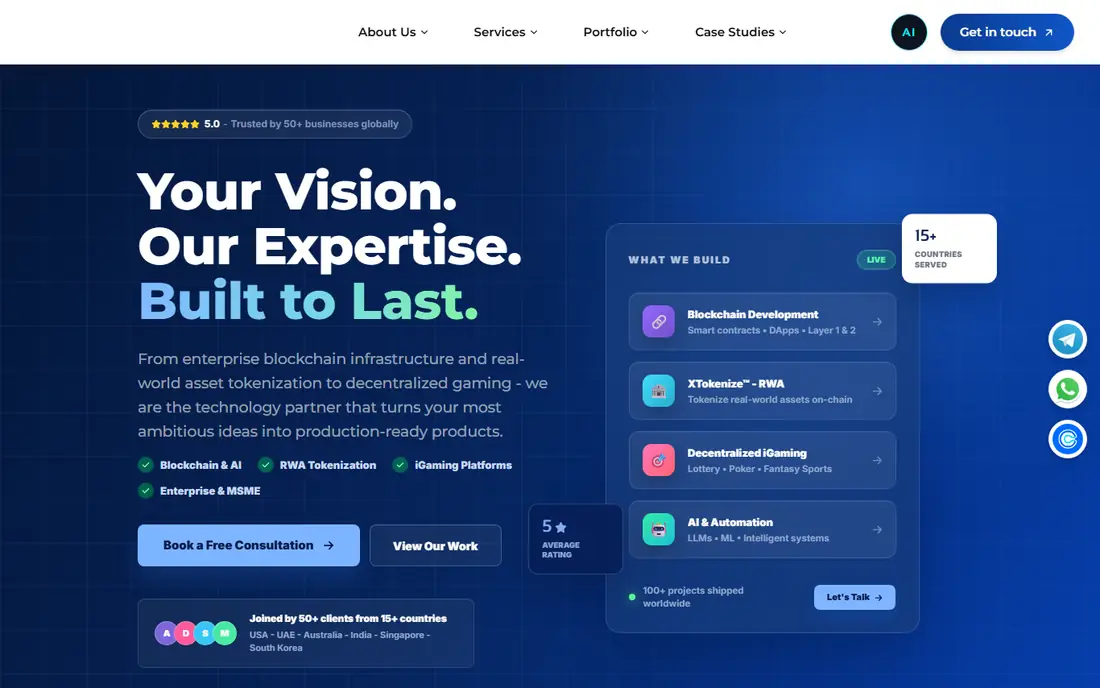
Codes for Tomorrow builds decentralized lotteries on blockchain, where draws run through smart contracts instead of a central server. Verifiable random functions make each draw provably fair, NFT tickets prove ownership, and winnings pay out automatically without manual processing. That transparency appeals to operators that want to publish proof of fairness and to players who distrust opaque draws.
The risk is regulation. Blockchain lotteries sit in a gray area in many jurisdictions, and a smart contract does not replace a gaming license. Operators should get legal advice on whether a decentralized model is permitted in their market before building. For crypto-native operators in permissive jurisdictions, Codes for Tomorrow offers a genuinely different lottery model from the traditional vendors in this list.
What we like- Smart-contract lotteries with provably fair draws
- NFT-based tickets
- Instant, automated payouts
Watch out for- Quote-only pricing
- Blockchain lotteries face uncertain regulation in many jurisdictions
How we chose
We reviewed vendor sites, product pages, and public client claims, alongside platform scope, channel coverage, RNG and compliance tooling, and pricing transparency. Companies qualified only when they build or sell lottery software specifically, with real draw mechanics, ticket management, or lottery modules, rather than general software services alone. Where a vendor's lottery work is part of a broader portfolio, we said so plainly.
What to check before hiring a lottery software company
A lottery platform is a regulated product, not a website. The vendor decision should start with compliance and operations, not with design.
Licensing and compliance
Confirm who holds the license and what the vendor actually supports. Most vendors build the software while the operator holds the license, so ask which jurisdictions the platform already serves and which compliance reports it produces. A vendor with no regulated clients is a risk for a regulated launch.
RNG certification
Ask which lab certified the random number generator and whether certification covers your game types. Uncertified or self-certified draws are a red flag for regulators and for players. Blockchain vendors should show how their verifiable random function is audited, not just that it exists.
Draw-night operations
Ask what happens when a draw fails, a payment gateway goes down, or a result is disputed. Look for draw rollback procedures, audit trails, and support coverage during draw windows. The cheapest vendor becomes the most expensive one when a draw night goes wrong.
Ownership and costs
Ask whether you own the source code, what the maintenance fee covers, and whether any revenue share applies. Quote-only pricing makes comparison hard, so request itemized quotes on the same scope from at least two vendors before deciding.
Frequently asked questions
How much does lottery software cost?
Every vendor in this list prices by project, so there is no published starting price to quote. Turnkey white-label platforms usually cost less than custom builds, and enterprise platforms for national lotteries cost far more. Request itemized quotes on the same scope, and ask about source code ownership, maintenance fees, and revenue share before comparing totals.
Do I need a license to run a lottery?
In almost every jurisdiction, yes. Lottery operation is a licensed, regulated activity, and the software vendor does not provide the license. Operators should secure legal advice and confirm licensing requirements in each market before commissioning a platform.
What is RNG certification?
RNG certification is independent testing that a random number generator produces fair, unpredictable results. Testing labs such as GLI and BMM certify RNGs for regulated markets. Certified draws protect players and satisfy regulators, so ask any vendor for its certification documents and scope.
Turnkey or custom: which is better?
Turnkey platforms launch faster and cost less, but offer less differentiation. Custom builds fit unusual game formats, brand experiences, or integrations with existing systems, at the cost of time and budget. Most new operators should start turnkey and customize later, once the business model is proven.
How long does it take to launch a lottery platform?
White-label platforms can launch in weeks once licensing and payments are ready, while custom builds typically take months. Licensing, payment integration, and RNG certification are usually the slowest steps, not the software build itself, so start those early.
Sources we checked (8)
- https://gammastack.com
- https://aistechnolabs.com
- https://brsoftech.com
- https://skilrock.com
- https://innosoft-group.com
- https://mobiwebtech.com
- https://betconstruct.com
- https://codesfortomorrow.com
Is your product missing or out of date?
We review this list regularly. Vendors can request a listing, send updated pricing or ask about featured placement.

Shihab Mia · Founder, Rankite
Shihab has 5+ years in B2B and SaaS SEO. He writes Rankite's software buying guides from pricing pages, documentation and public user reviews. More about Shihab.