How we make this list: we compare pricing pages, product documentation and public user reviews. Ratings come from G2, Capterra or Trustpilot, with the date we checked them.
Key takeaways
- Runna and Run with Hal give the most structured half marathon plans, with paces and long runs adjusted to your fitness and race date.
- Nike Run Club is the best free option, with audio-guided runs and training plans that cost nothing.
- Garmin Connect, Polar Flow and TrainingPeaks suit runners who already own a watch or work with a coach, since they analyze training load in depth.
- The best plan is the one you can follow for 10 to 14 weeks, so pick an app whose schedule, run days and price fit your life.
Quick comparison
| Tool | Best for | Starting price | Free plan |
|---|
 Runna | Personalized half marathon plans | $19.99 per month, $119.99 per year | Free trial |
 Nike Run Club | Free guided training | Free | Yes |
 Garmin Connect | Garmin watch training analysis | Free | Yes |
 Runkeeper | Flexible training plans | Free | Yes |
 TrainingPeaks | Coach-led structured training | See website | Yes |
 Run with Hal | Adaptive Hal Higdon plans | Free, Hal+ subscription | Yes |
 MapMyRun | Route tracking and training | Free | Yes |
 Polar Flow | Polar watch training planning | Free | Yes |
Is your product missing or out of date?
We review this list regularly. Vendors can request a listing, send updated pricing or ask about featured placement.
The best half marathon training apps
Starting price$19.99 per month, $119.99 per year
Free planFree trial
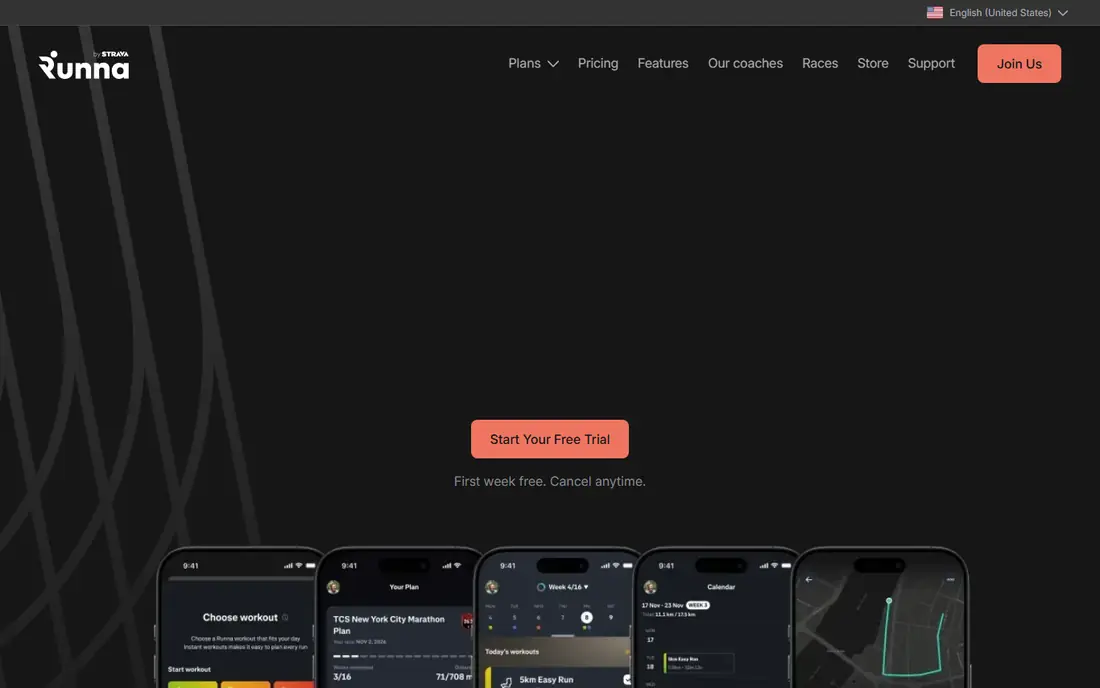
Runna is the closest thing to a personal coach in an app for half marathon training. You enter your current level, recent race times, race date and how many days a week you can train, and it builds a plan from 6 to 26 weeks with specific paces for each session. The first week is free, and plans cost $19.99 per month or $119.99 per year, which is far less than a human coach for a similar level of structure.
The app covers the full training mix: easy runs for base fitness, tempo runs for sustained pace, speed sessions for efficiency, and the weekly long run that builds the endurance a half marathon demands. Syncing with Garmin and Apple Watch means workouts appear on your wrist with target paces. Runna suits runners who want a plan that tells them exactly what to do each day, and who will follow it for the full build-up.
What we like- Plans built around your level, race date and weekly availability
- Paces for tempo, speed, long and easy runs
- Syncs with Garmin and Apple Watch
Watch out for- Subscription needed after the first free week
- No free plan beyond the trial
- Plan changes need care if you miss many runs
Starting priceFree
Free planYes
Nike Run Club remains the best free half marathon training app, and the price is the headline. Audio-guided runs put a coach in your ear with tips during the run, training plans cover race preparation, and challenges let you train with friends or a wider community. Tracking covers pace, distance, elevation, heart rate with a compatible device, and mile splits, so you can review progress without paying anything.
The trade-off is personalization. Nike plans guide you well, but they do not adapt to your fitness, missed runs and race date with the same detail as Runna or Run with Hal. Phone-based tracking also drains battery on long runs compared with a watch. For a first half marathon on a budget, or for a runner who likes guided audio over a strict pace plan, Nike Run Club is the obvious starting point.
What we like- Free with audio-guided runs from Nike coaches
- Training plans for race distances
- Challenges and live run sharing
Watch out for- Plans are less personalized than Runna or Hal
- No adaptive pace adjustments of the same depth
- Tracking is phone-first
Starting priceFree
Free planYes
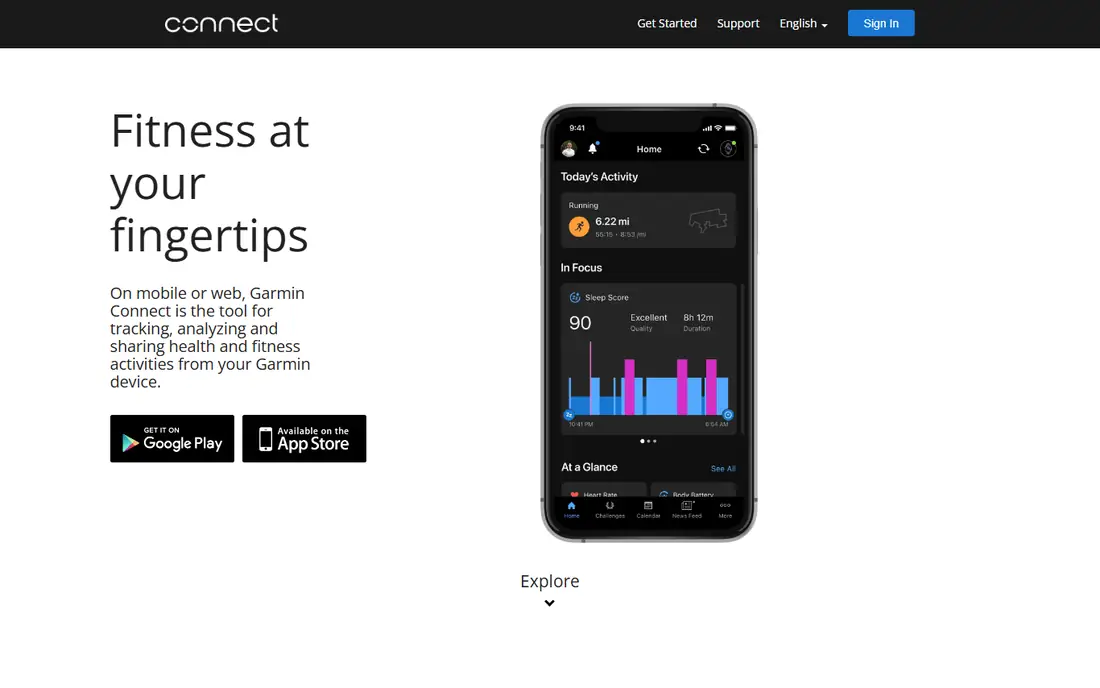
Garmin Connect is the hub for anyone who trains with a Garmin watch, and it is free once you own the device. It tracks and analyzes every run, shows training load, recovery time and fitness trends, and offers training plans and daily suggested workouts that adapt to your recent training. For a half marathon build, that feedback loop matters: you can see whether you are building fitness, overreaching, or ready for a harder long run.
The catch is hardware. Without a Garmin watch, Garmin Connect is just a website, and the depth of plans and metrics varies by watch model, with higher-end watches offering more. The interface is also data-heavy, which can overwhelm a beginner who only wants to know what to run tomorrow. Garmin owners should start here before paying for another app, since the training tools are already included.
What we like- Deep training analysis from Garmin watches
- Adaptive training plans and daily suggested workouts
- Free with a Garmin device
Watch out for- Needs a Garmin watch for full value
- Interface is data-heavy for beginners
- Plan quality varies by watch model
Starting priceFree
Free planYes
Runkeeper, from ASICS, has been a running companion for years, and its training plans remain a solid middle ground. You set a goal and current level, and the app provides flexible plans with guided workouts and audio cues for pace and distance during runs. Insights track your progress over time, and community features and race experiences add motivation through a long build-up.
Runkeeper free tier covers tracking and basic plans, while deeper insights and some guided content sit behind a subscription, so check current pricing in the app before committing. The plans are less tailored than Runna adaptive system, and brand tie-ins from ASICS appear in places. For runners who want a familiar, flexible tracker with a plan attached, rather than a strict coach, Runkeeper fits well.
What we like- Flexible training plans and guided workouts
- Audio cues during runs
- Community and race experiences
Watch out for- Premium features need a subscription
- Plan depth is below Runna
- Owned by ASICS, so shoe and brand tie-ins appear
Starting priceSee website
Free planYes
TrainingPeaks is the platform coaches use, which makes it the most powerful option here and the most serious. You can follow structured half marathon plans from expert coaches, track fitness, fatigue and form over time, and share data with a coach who can adjust your plan. It syncs with many watches and power meters, and strength workouts factor into the same training picture as runs.
That power comes with complexity. The interface assumes you know terms like training stress score and periodization, and the free tier covers basics while deeper analysis needs a paid plan. A first-time half marathon runner may find Runna or Nike Run Club friendlier. An experienced runner, or anyone working with a coach, will find TrainingPeaks the most complete place to plan, execute and review a full season.
What we like- Structured plans from expert coaches
- Fitness, fatigue and form tracking
- Works with many devices and coaches
Watch out for- Interface is built for serious athletes
- Premium features need a paid plan
- Overkill for a casual first half marathon
Starting priceFree, Hal+ subscription
Free planYes
Run with Hal brings Hal Higdon training plans, trusted by generations of runners, into an adaptive app. The free version gives you a plan to follow, while Hal+ adds workouts that update automatically as you train, personalized pace and weekly hour targets, flexible scheduling with long-run day choices and blackout dates, multi-race planning, and built-in GPS tracking. Daily tips from Hal add a human touch that a pace table alone cannot.
The free version is a fair way to test the approach, but the adaptive features that make the app special sit behind Hal+, so check the current subscription price in the app stores before you start a 12-week plan around them. Hal methods are famously approachable, with a mix of easy runs, speed work and a long run that grows steadily, which suits first-time half marathon runners who want a proven, forgiving structure.
What we like- Hal Higdon methods with adaptive adjustments
- Flexible scheduling with blackout dates
- Daily tips from Hal
Watch out for- Best adaptive features need Hal+
- GPS and multi-race planning are premium
- Free version is simpler than the full app
Starting priceFree
Free planYes
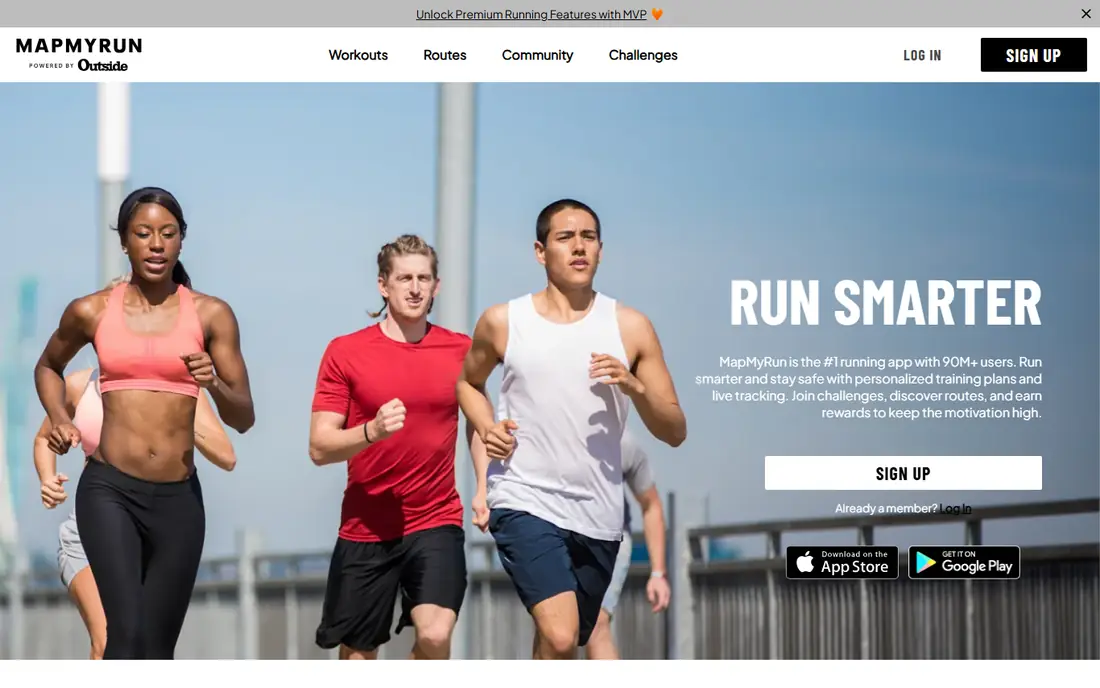
MapMyRun is a long-running tracker with a route library that helps half marathon runners plan long runs in new places. You can map a route before you run it, track pace and distance during the run, and follow training plans and challenges for motivation. Wearable syncing covers many popular devices, so runs from a watch or phone land in the same log.
Training plans exist, but they are less personalized and adaptive than Runna or Run with Hal, and the app has accumulated many features over the years, which can make it feel busy. Premium features need a subscription. MapMyRun suits runners who value route discovery and a simple training log, and who will follow a plan loosely rather than needing daily pace prescriptions.
What we like- Route mapping and tracking with a large route library
- Training plans and challenges
- Works with many wearables
Watch out for- Plan personalization is modest
- Premium features need a subscription
- App has grown busy over the years
Starting priceFree
Free planYes
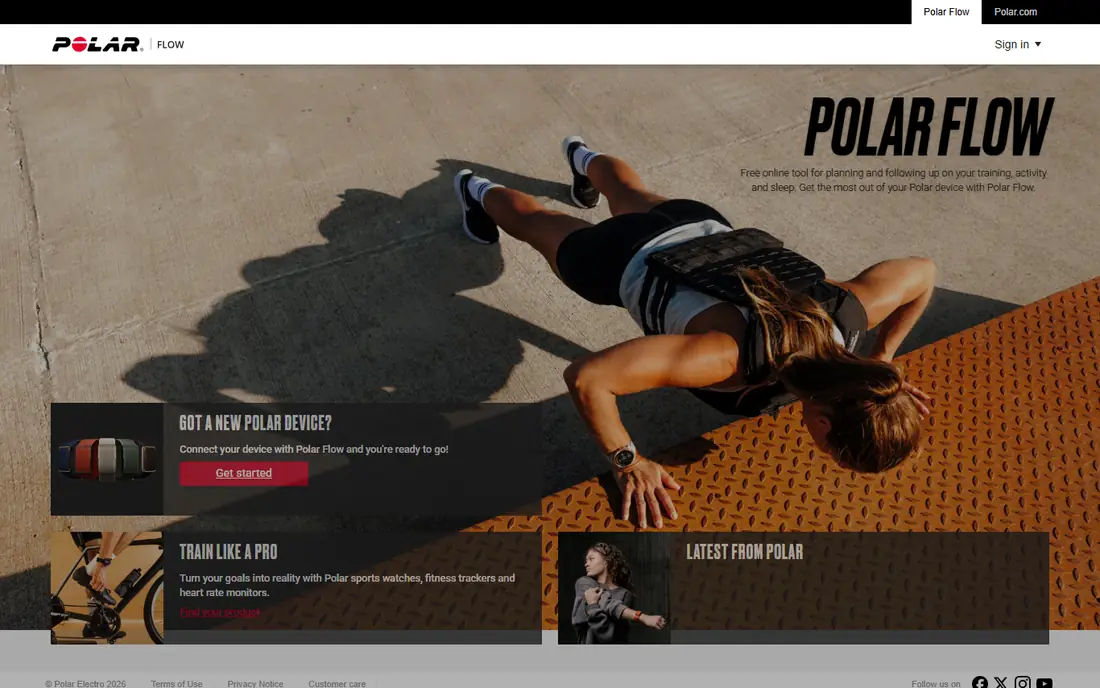
Polar Flow is the free companion for Polar watches and heart rate sensors, and it covers half marathon training from a recovery-aware angle. It plans training, tracks load and recovery, and shows sleep and daily activity alongside runs, which helps you judge whether a hard session or a rest day is the right call. That holistic view suits runners who train by heart rate and care about recovery as much as mileage.
Like Garmin Connect, Polar Flow needs Polar hardware for its best features, and its plan library is narrower than dedicated coaching apps. The web interface is the main home for detailed analysis, with the mobile app for daily use. Polar owners should use Flow as their training base, and add Runna or Run with Hal only if they want a more detailed day-by-day half marathon plan.
What we like- Free planning and analysis for Polar device owners
- Training load and recovery tracking
- Sleep and activity in the same view
Watch out for- Needs a Polar watch or heart rate sensor for full value
- Plan options are narrower than Runna
- Web-first interface
How we chose
We compared half marathon training apps on the factors that get a runner to the start line healthy: plan structure for 13.1 miles, pace guidance, long run progression, adaptability when runs are missed, watch syncing, and price. We checked vendor homepages and pricing pages, and weighed public reviews and runner feedback, with attention to the difference between a tracker and a coach, since a tracker records what you did while a coach tells you what to do next. We did not claim hands-on testing of every app, and prices change, so check the app store listing before you start a plan.
This is not medical advice. Half marathon training is demanding, and you should speak with a doctor before starting a new training program, especially if you have a health condition, an injury, or have been inactive. Stop and seek care if you feel chest pain, dizziness, or sharp pain during training.
How to pick a plan and stick to it
Start with your race date and work backward. Most half marathon plans run 10 to 14 weeks, with a long run that grows by about a mile each week and a cutback week every three or four weeks to let your body absorb the training. Pick an app whose weekly run days match your life: four days a week is a common sweet spot, while three days suits busy schedules and five or six days suits experienced runners chasing a time goal.
Then protect the long run. It is the session that builds the endurance to cover 13.1 miles, and it matters more than any single speed workout. Run it slowly, practice your race-day fuel and hydration, and wear the shoes and gear you plan to race in. Add one rest day after the long run, keep most other runs easy, and do not chase a missed workout by doubling up the next day. If you miss a week through illness or injury, an adaptive app like Runna or Run with Hal will adjust the plan; a static plan needs you to repeat the missed week rather than jump ahead.
A short half marathon checklist
- Choose a race at least 12 weeks away, and enter it before you start training.
- Build a base of comfortable 3 to 5 mile runs before the plan gets hard.
- Schedule the long run on the same day each week, and protect it.
- Practice fuel, hydration and gear on long runs, not on race day.
- Plan a cutback week every three to four weeks, and taper in the final two weeks.
Frequently asked questions
How long does it take to train for a half marathon?
Most plans run 10 to 14 weeks, assuming you can already run 3 to 5 miles comfortably. Beginners coming from little running should allow longer, with a base-building phase before the formal plan starts. Experienced runners with a solid base can follow a shorter, faster plan. Choose a plan length that ends on your race date, not one that finishes weeks early or late.
Can a beginner train for a half marathon with an app?
Yes, and apps are a good way to do it, since they provide structure, paces and progression that are hard to design alone. Nike Run Club and Run with Hal are particularly beginner-friendly, while Runna adds more personalization for a subscription. Start slowly, keep most runs at a conversational pace, and speak with a doctor before starting if you have health concerns.
Do I need a running watch to use these apps?
No, all of these apps work with a phone, though a watch makes long runs easier and gives better heart rate and pace data. Garmin Connect and Polar Flow need their own brand watches for full value, while Runna, Nike Run Club, Runkeeper and MapMyRun sync with several watch brands. Start with your phone, and add a watch when you know you will keep running.
What is the difference between Runna and Nike Run Club?
Runna builds a personalized plan around your level, race date and availability, with specific paces for each session, and charges a subscription after a free first week. Nike Run Club is free, with audio-guided runs and training plans that are less tailored to the individual. Choose Runna for a detailed coach-like plan, and Nike Run Club for a free, guided way to train.
How many days a week should I run for a half marathon?
Four days a week suits most runners, with an easy run, a tempo or speed session, another easy run, and a long run. Three days works for busy or injury-prone runners, while five or six days suits experienced runners chasing a faster time. Rest days matter as much as run days, since fitness improves during recovery, not during the run itself.
Should I follow a plan exactly, or adjust it when life gets in the way?
Adjust it, but adjust it wisely. Move a run to another day when you must, and skip a workout rather than doubling up after a missed day. Adaptive apps adjust paces and volume for you, while static plans need you to repeat a week after illness or injury rather than jumping ahead. Consistency over months beats perfection over a single week.
Sources we checked (8)
- https://www.runna.com
- https://www.nike.com/nrc-app
- https://connect.garmin.com
- https://runkeeper.com
- https://www.trainingpeaks.com
- https://runwithhal.com
- https://www.mapmyrun.com
- https://flow.polar.com
Is your product missing or out of date?
We review this list regularly. Vendors can request a listing, send updated pricing or ask about featured placement.

Shihab Mia · Founder, Rankite
Shihab has 5+ years in B2B and SaaS SEO. He writes Rankite's software buying guides from pricing pages, documentation and public user reviews. More about Shihab.