How we make this list: we compare pricing pages, product documentation and public user reviews. Ratings come from G2, Capterra or Trustpilot, with the date we checked them.
Key takeaways
- Fiverr suits beginners who want clients to come to them, because you post a service and buyers order it.
- Upwork and Freelancer.com suit beginners who want to pitch for jobs, but proposal costs and competition require a focused niche.
- Contra and Hubstaff Talent take no commission from freelancers, which helps early earnings, though client volume is smaller.
- Fees differ sharply, from 0 percent on Contra to 20 percent on Fiverr, so calculate take-home pay before you set a rate.
Quick comparison
| Tool | Best for | Starting price | Free plan |
|---|
 Fiverr | Beginners selling fixed-price services | Free to join | Yes |
 Upwork | Beginners pitching for varied client work | Free to join | Yes |
 Freelancer.com | Beginners bidding on many small projects | Free to join | Yes |
 Contra | Beginners keeping 100 percent of their fee | Free to join | Yes |
 PeoplePerHour | Beginners in the UK and European markets | Free to join | Yes |
 Guru | Beginners wanting milestone projects with escrow | Free to join | Yes |
 FlexJobs | Beginners seeking vetted remote job listings | See website | Free trial |
 Hubstaff Talent | Beginners finding clients with no commission | Free to join | Yes |
Is your product missing or out of date?
We review this list regularly. Vendors can request a listing, send updated pricing or ask about featured placement.
#1Fiverr
Best for: Beginners selling fixed-price services4.3/5 on
G2 (464 reviews, checked Oct 2026)
Visit fiverr.com
Starting priceFree to join
Free planYes
Fiverr is the easiest platform for a beginner to understand. You create a gig with a clear service, price, and delivery time, and buyers order it when they need that work. That model removes proposal writing, which is often the hardest part of freelancing for a newcomer. Design, writing, video editing, and virtual assistance gigs all fit this format well.
The fee is the main drawback. Fiverr takes 20 percent of each order, so a $50 gig pays $40 before any withdrawal costs. Payments are also held for 14 days after completion. Beginners should price with that fee in mind and focus on a narrow service, such as podcast show notes or social media captions, rather than a broad offer that competes with thousands of sellers.
What we like- Clients come to you through gig listings
- Clear fixed prices
- No proposal cost
Watch out for- 20 percent seller fee
- Payments held for 14 days after completion
- Competition on price is intense
#2Upwork
Best for: Beginners pitching for varied client work4.5/5 on
G2 (3,234 reviews, checked Oct 2026)
Visit upwork.com
Starting priceFree to join
Free planYes
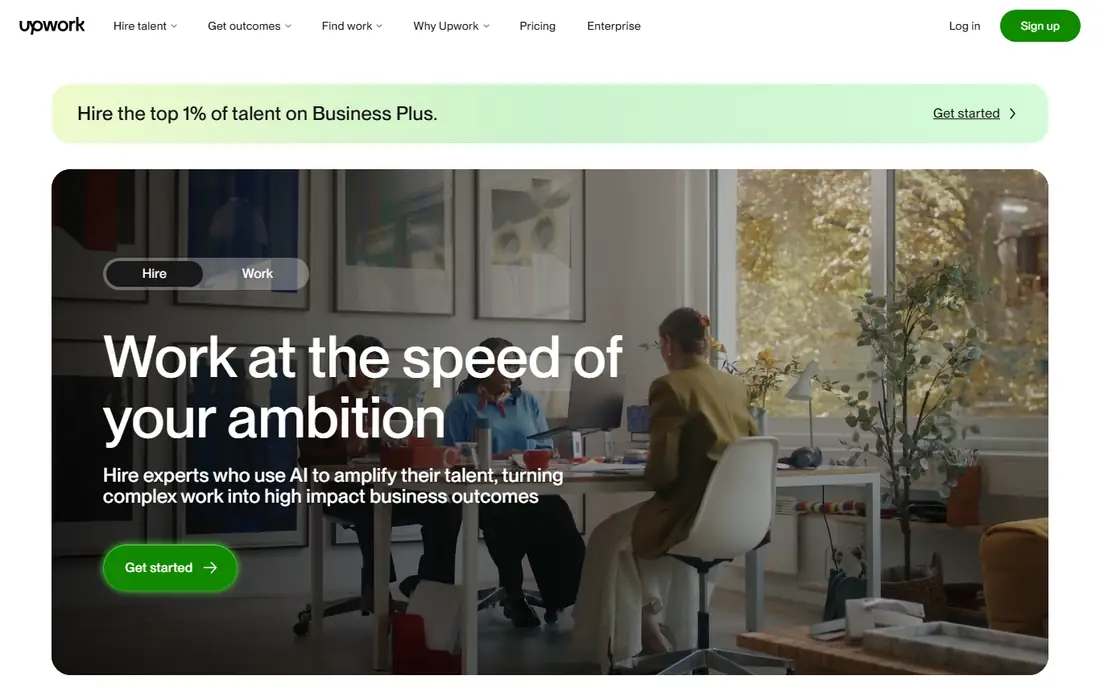
Upwork offers the widest range of client work, from short writing tasks to long development contracts. Beginners can pitch for jobs that match their skills, build a profile with completed work and reviews, and move from small fixed-price jobs to hourly contracts as trust grows. Escrow protection also reduces payment risk compared with direct client deals.
Proposal costs and competition require discipline. Upwork charges for Connects, which you spend to submit proposals, and the service fee varies by contract, often around 10 percent under the current model. Beginners should target a narrow niche, tailor each proposal to the job post, and start with smaller jobs that build reviews quickly. A generic proposal sent to dozens of jobs rarely wins work.
What we like- Largest client base for varied work
- Hourly and fixed-price contracts
- Escrow payment protection
Watch out for- Service fee varies by contract, often around 10 percent
- Proposals cost Connects
- Competition is strong
#3Freelancer.com
Best for: Beginners bidding on many small projects4.2/5 on
G2 (217 reviews, checked Oct 2026)
Visit freelancer.com
Starting priceFree to join
Free planYes
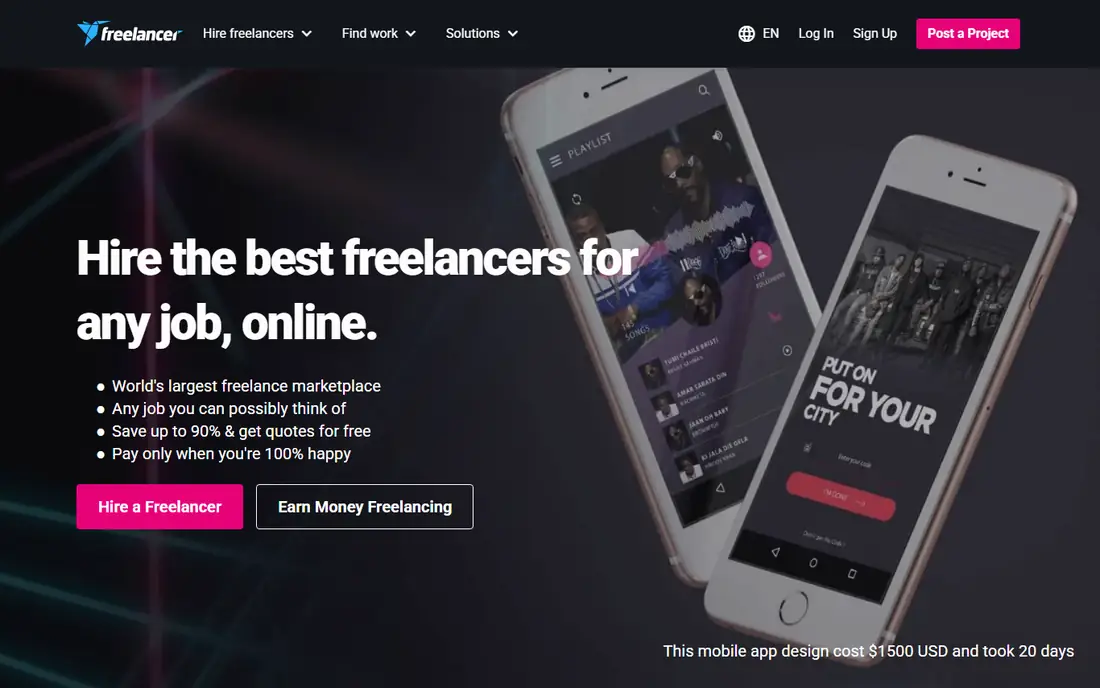
Freelancer.com gives beginners a large pool of small projects to bid on, plus contests where you can show work before a client hires you. That volume helps a newcomer learn how clients describe jobs, what prices win, and which skills are in demand. Milestone payments protect both sides on larger projects, because funds are held until work is approved.
Fees and bid limits shape the experience. Freelancer.com takes 10 percent of a project fee, or $5 minimum, whichever is greater, and free accounts have a limited number of bids per month. Job quality varies, so beginners should filter for verified clients, clear briefs, and realistic budgets. Contests can also be useful for portfolio building, but unpaid contest work should stay limited.
What we like- Many small projects and contests
- Free basic membership
- Milestone payment system
Watch out for- 10 percent fee or $5 minimum, whichever is greater
- Bid limits on free accounts
- Quality of jobs varies
#4Contra
Best for: Beginners keeping 100 percent of their fee4.9/5 on
G2 (21 reviews, checked Oct 2026)
Visit contra.com
Starting priceFree to join
Free planYes
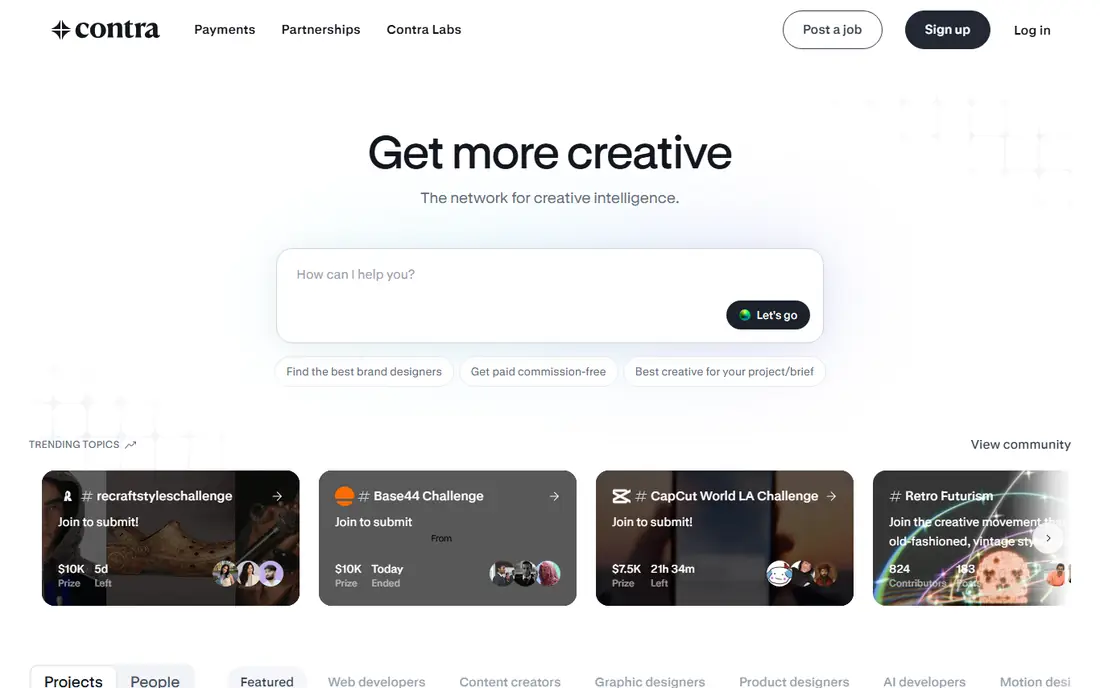
Contra stands out because it takes no commission from freelancers. You keep your full fee, while the client pays a flat platform fee per payment, which is lower than a percentage cut on larger projects. Portfolio-first profiles also suit creative beginners, because clients see your work before your job history.
Client volume is smaller than on Upwork or Fiverr, so Contra works best as a second platform rather than your only source of work. It also leans toward design, web, and creative services, so writers and developers in other niches may find fewer jobs. For a beginner building a portfolio, Contra offers a clean way to present work and keep early earnings intact.
What we like- 0 percent commission for freelancers
- Portfolio-first profiles
- Client pays a flat platform fee
Watch out for- Smaller client base than Upwork or Fiverr
- Best suited to design, web, and creative work
#5PeoplePerHour
Best for: Beginners in the UK and European markets4.1/5 on
G2 (138 reviews, checked Oct 2026)
Visit peopleperhour.com
Starting priceFree to join
Free planYes
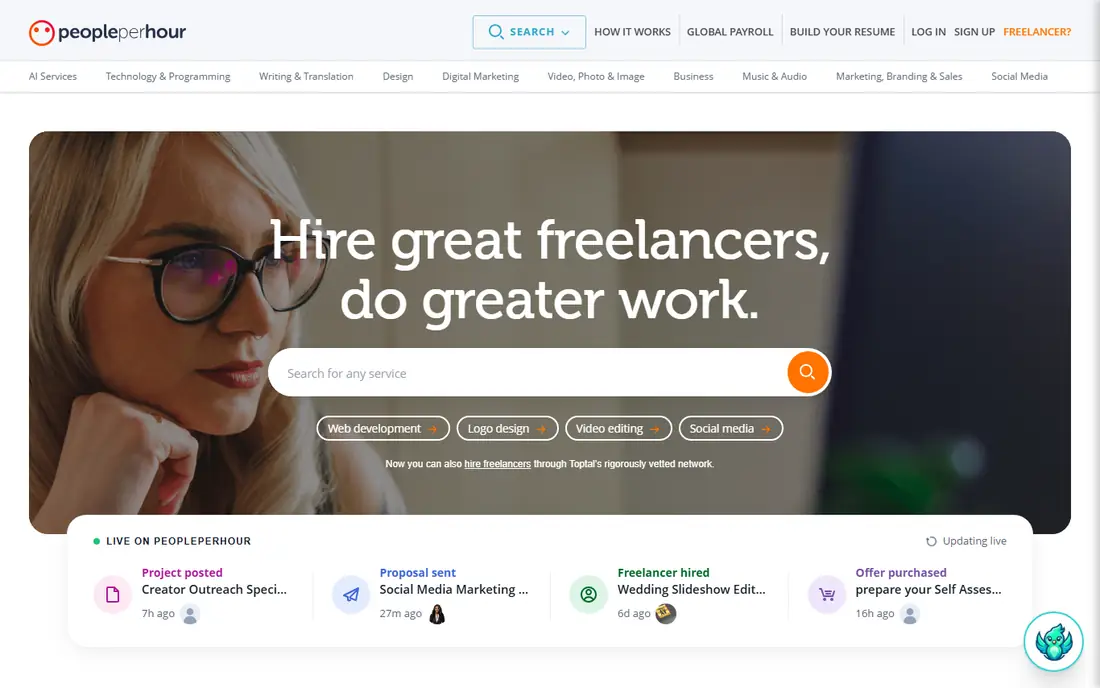
PeoplePerHour suits beginners targeting UK and European clients, where its client base is strongest. Hourlies work like Fiverr gigs, letting clients buy a defined service at a fixed price, while project listings let you pitch for custom work. The fee structure rewards repeat clients, falling from 20 percent with a new buyer to lower rates as lifetime billings with that buyer grow.
The starting fee is high, so a first project with a new client keeps only 80 percent of the fee before other costs. Proposal credits and some paid plan features can also add expense for active bidders. Beginners should use PeoplePerHour when UK or European clients are a priority, and pair it with a lower-fee platform for other markets.
What we like- Strong UK and European client base
- Hourlies let clients buy fixed services
- Fee falls as you bill more with a client
Watch out for- Fee starts at 20 percent with a new buyer
- Proposal credits and paid plans can add cost
#6Guru
Best for: Beginners wanting milestone projects with escrow4.7/5 on
G2 (2,345 reviews, checked Oct 2026)
Visit guru.com
Starting priceFree to join
Free planYes
Guru appeals to beginners who want structured project work with escrow protection. SafePay holds client funds in milestones, which reduces the risk of unpaid work on larger projects. The free tier includes 10 bids per month, and paid memberships lower the fee from 9 percent toward 5 percent, depending on the plan.
The platform feels older than Upwork or Contra, and client volume is smaller, so finding a first job can take longer. Guru suits writers, developers, and consultants who prefer milestone-based projects over gig orders. Beginners should use the free bids carefully, targeting jobs with clear scopes and verified clients, rather than spending bids on vague listings.
What we like- SafePay escrow for milestone projects
- Fee falls with paid membership
- 10 free bids per month on the free tier
Watch out for- Fee is 9 percent on the free tier
- Interface feels dated
- Client volume is smaller than Upwork
Starting priceSee website
Free planFree trial
FlexJobs works differently from marketplaces, because it is a vetted job board rather than a bidding platform. Listings are screened for legitimacy, which reduces scam risk for beginners, and you apply directly to the employer or client. FlexJobs takes no commission from your earnings, so the rate you negotiate is the rate you keep, apart from taxes.
Access requires a subscription, with a trial available, so beginners should weigh the cost against the listings in their field. FlexJobs suits people seeking part-time, contract, or remote freelance roles with established companies, rather than short gig work. If you want a steadier client relationship and a screened listing pool, the subscription can pay for itself with one placement.
What we like- Vetted remote and freelance listings
- No commission on your earnings
- Useful for part-time and contract roles
Watch out for- Subscription required for full access
- Not a bidding marketplace, so you apply like a job seeker
Starting priceFree to join
Free planYes
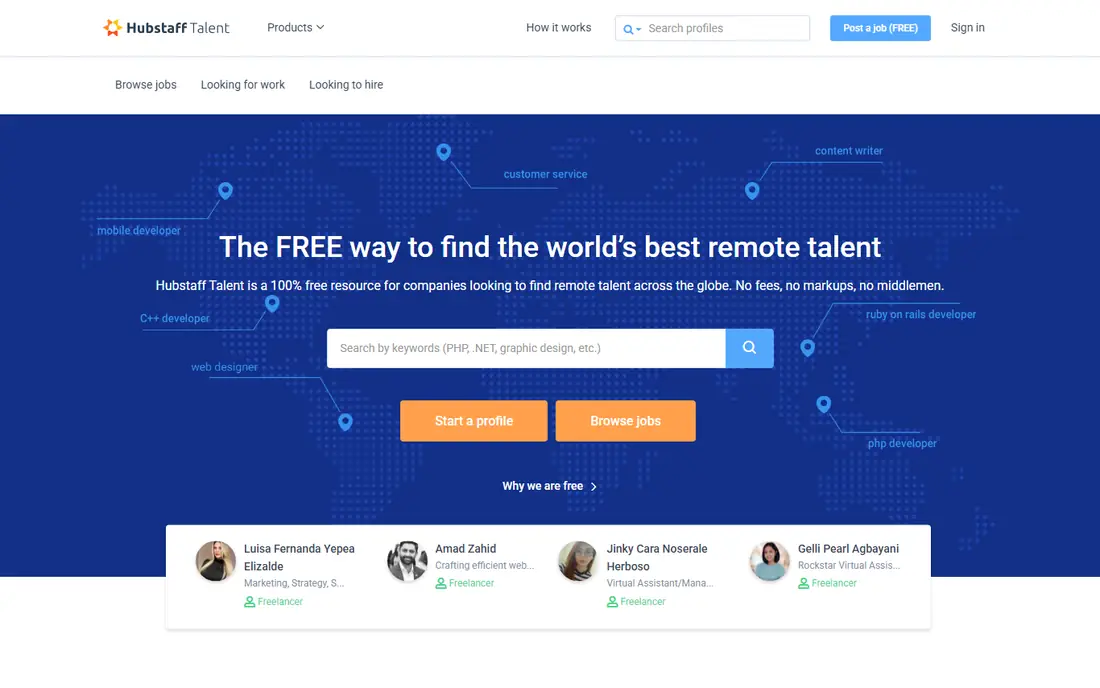
Hubstaff Talent closes the list as a free directory where freelancers create a profile and clients contact them directly. There is no commission, no bidding fee, and no platform cut of your rate, which makes it attractive for beginners who want to keep early earnings. Direct contact also lets you negotiate terms without platform messaging limits.
The lack of escrow is the main risk. Hubstaff Talent does not hold client funds, so you must agree payment terms, milestones, and contracts yourself, and consider partial upfront payment for new clients. Job volume is also smaller than on Upwork or Fiverr. Use Hubstaff Talent as a free profile and lead source, alongside a marketplace with payment protection, until you have trusted repeat clients.
What we like- Free for freelancers and clients
- No commission on payments
- Direct contact with clients
Watch out for- No escrow payment protection
- Smaller job pool than major marketplaces
- You handle contracts yourself
How we chose
We compared platforms that accept beginners today, using vendor fee pages, help documentation, and public reviews on G2, Capterra, and Reddit. We favored platforms with free joining, a clear way for new freelancers to get a first job, and payment protection or a transparent fee model. We left out highly selective platforms that require extensive vetting before a beginner can bid, because they do not fit a first-job search.
How to get your first freelance job
Start with one service, not five. A profile that says you do writing, design, video, and data entry will lose to a profile that does one thing well. Pick the service you can deliver reliably, write a profile that shows two or three strong samples, and set a price that reflects your fee after the platform cut. A narrow offer also makes it easier for clients to understand what they are buying.
Profiles, proposals, and pricing
Your profile should answer three questions quickly: what you do, who you do it for, and what result you deliver. Use samples that match the jobs you want, not every project you have ever done. In proposals, reference the client's specific brief, propose a clear first step, and keep the message short. Price your first jobs to win reviews, then raise rates as completed work and ratings accumulate.
Avoiding scams and managing payments
Never pay to get a job, and be cautious with clients who move communication off-platform immediately, ask for free trial work beyond a small sample, or offer payment by check for an amount above the agreed fee. Use escrow or milestone payments where available, and agree on payment timing in writing before work starts. Keep records of messages, deliverables, and payments for every project.
Building from a first job to steady work
One good review matters more than ten applications. Deliver early, communicate clearly, and ask a satisfied client for a review and a referral. Repeat clients reduce the need for constant bidding, and they often pay better rates than new clients. After three to five completed jobs, review your rates, drop services that do not sell, and focus on the niche where you win most often.
Frequently asked questions
Which freelance platform is best for beginners with no experience?
Fiverr suits beginners with no experience, because you post a service and clients order it without a proposal contest. Upwork also works if you target small jobs in a narrow niche and write tailored proposals. Contra is a good second platform for building a portfolio without commission.
How much do freelance platforms charge beginners?
Fees vary widely. Fiverr takes 20 percent, Freelancer.com takes 10 percent or $5 minimum, Guru takes 9 percent on its free tier, and PeoplePerHour starts at 20 percent with a new buyer. Contra and Hubstaff Talent take no commission from freelancers, though Contra charges the client a flat fee.
Do I need to pay to join Upwork or Fiverr?
Joining is free on both platforms. Upwork charges for Connects used to submit proposals, while Fiverr charges no proposal cost because clients come to your gig listings. Both platforms take a service fee from completed work, so joining free does not mean working free.
How long does it take to get a first freelance job?
It varies by niche, profile quality, and activity, but many beginners win a first small job within a few weeks of consistent applications or gig promotion. Narrow services, strong samples, and tailored proposals shorten the wait more than applying to every listing available.
Can I use more than one freelance platform at once?
Yes, and most beginners should. Use one marketplace for proposals, one gig platform for inbound orders, and one free profile site for leads. Track deadlines and client messages carefully, and do not accept more work than you can deliver on time.
Is FlexJobs worth the subscription for a beginner?
FlexJobs can be worth it if you want vetted remote or contract listings and prefer applying like a job seeker rather than bidding. If you want short gig work or need free access, start with Fiverr, Upwork, or Contra, and add FlexJobs when you seek steadier contract roles.
Sources we checked (8)
- https://www.fiverr.com
- https://www.upwork.com
- https://www.freelancer.com
- https://contra.com
- https://www.peopleperhour.com
- https://www.guru.com
- https://www.flexjobs.com
- https://talent.hubstaff.com
Is your product missing or out of date?
We review this list regularly. Vendors can request a listing, send updated pricing or ask about featured placement.

Shihab Mia · Founder, Rankite
Shihab has 5+ years in B2B and SaaS SEO. He writes Rankite's software buying guides from pricing pages, documentation and public user reviews. More about Shihab.