How we make this list: we compare pricing pages, product documentation and public user reviews. Ratings come from G2, Capterra or Trustpilot, with the date we checked them.
Key takeaways
- Google Keyword Planner is the most authoritative free source for search volume ranges.
- Ahrefs Free Keyword Generator gives quick ideas with difficulty context, no account needed.
- AnswerThePublic is best for questions and content angles, not raw volume data.
- Google Trends and Search Console answer different questions: what is rising, and what you already rank for.
- Keyword Surfer was dropped from this list because its domain now shows a parked page.
Quick comparison
Is your product missing or out of date?
We review this list regularly. Vendors can request a listing, send updated pricing or ask about featured placement.
Starting priceFree
Free planYes
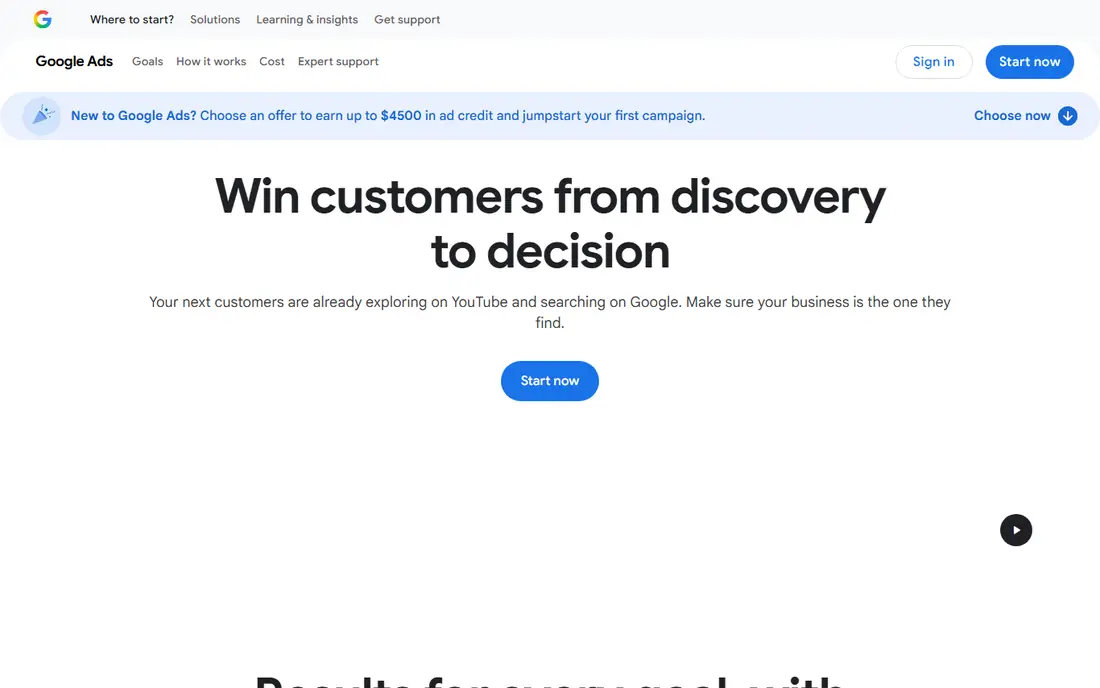
Keyword Planner lives inside Google Ads, and it remains the reference point other tools are judged against. You enter a seed keyword and get volume ranges, competition levels, and forecasts, filtered by location and language. For a new site deciding which topics deserve content, that official data is hard to replace.
The catch is precision. Without ad spend, you see broad ranges like 1,000 to 10,000 searches rather than a single number. That is still useful for comparing topics, but not for fine ranking decisions. Use Planner to shortlist topics, then refine with the other tools here.
What we like- Data straight from Google
- Volume ranges and forecasts
- Location and language filters
Watch out for- Exact volumes need an active ad account
- Ranges are broad for low spenders
- Built for advertisers

#2
Ahrefs Free Keyword Generator
Best for: Quick ideas with difficulty
Visit ahrefs.com
Starting priceFree
Free planYes
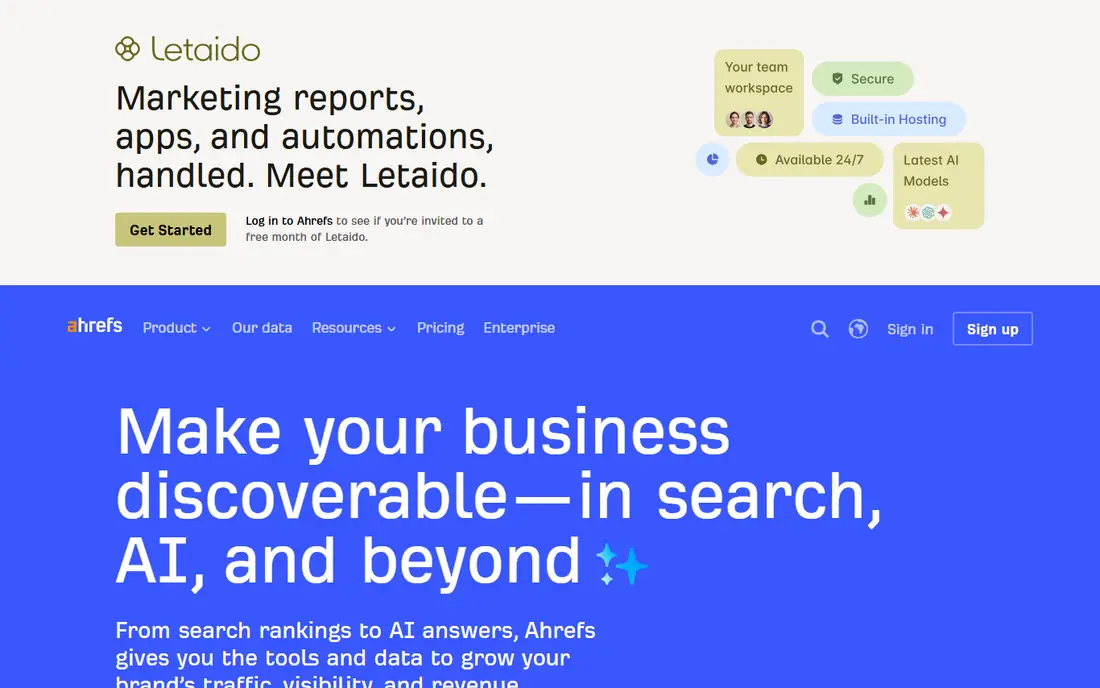
Ahrefs built its reputation on a huge keyword index, and its free generator gives you a useful slice of it without signing up. Enter a topic and you get related ideas with difficulty scores, which help you judge whether a small site can realistically rank. The free version is deliberately limited, but for brainstorming it is fast and reliable.
The paid platform starts well above free-tool territory, so treat the generator as a scouting tool. If a keyword looks promising here, verify its volume in Keyword Planner or Search Console before building a whole content plan around it.
Ahrefs also publishes a large library of free SEO guides, which helps newcomers interpret difficulty scores correctly. A score alone does not tell you whether your page can rank; the guides explain how to read the top results, check their backlinks, and judge whether your content can genuinely beat them. That context turns a free generator from a list of phrases into a usable research step.
What we like- No account needed for the free generator
- Shows keyword difficulty
- Covers many countries
Watch out for- Full volumes and parent topics need a paid plan
- Limited exports on free

#3Ubersuggest
Best for: All-in-one free research4.2/5 on
G2 (160 reviews, checked Oct 2026)
Visit neilpatel.com
Starting priceFree
Free planYes
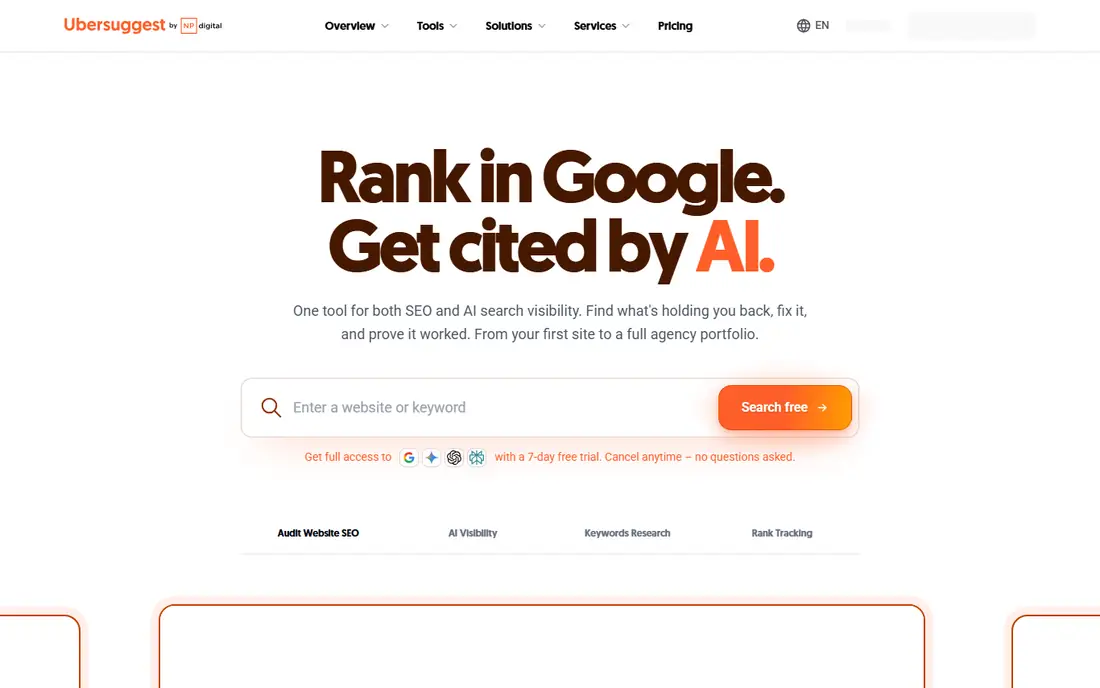
Ubersuggest is the closest thing to a full SEO suite with a usable free tier. A keyword search returns volume, difficulty, CPC, and seasonal trends, plus content ideas and top-ranking pages for the term. That combination makes it a good single stop for a small business owner doing their own research.
Free use is capped each day, and deeper features like rank tracking and full audits sit behind paid plans, with a 7-day free trial available. For occasional research, the free tier is enough. For daily client work, the caps will push you toward a subscription.
What we like- Volume, difficulty, and CPC in one view
- Content ideas included
- Site audit on paid plans
Watch out for- Free searches are limited per day
- Full features need a paid plan or trial
Starting priceFree
Free planYes
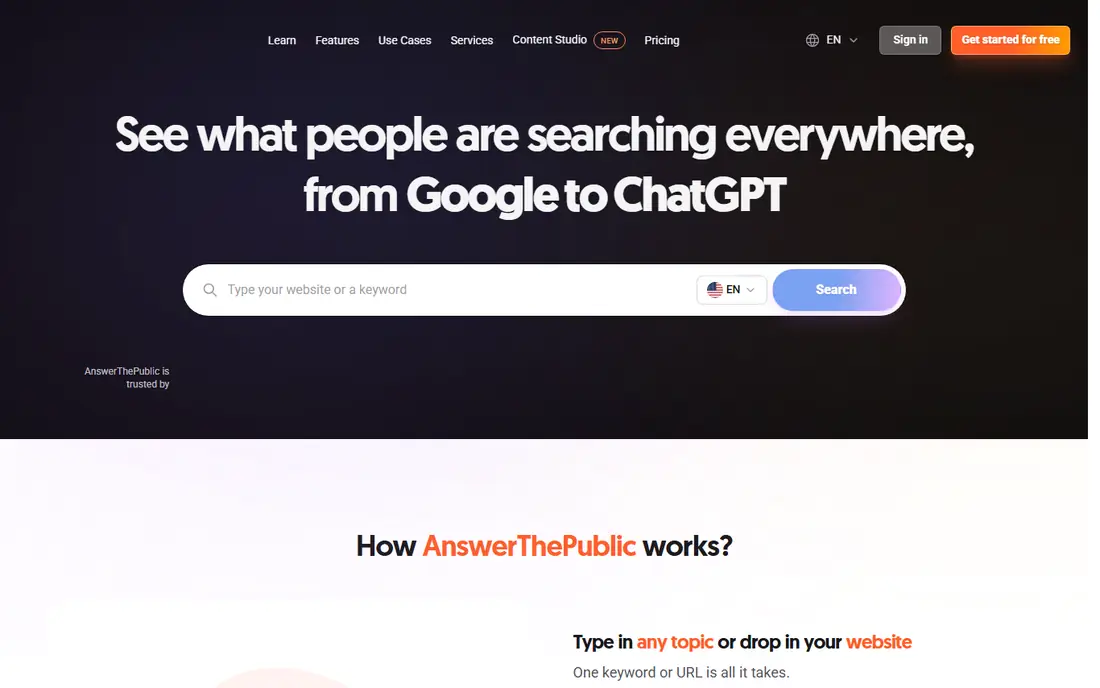
AnswerThePublic turns one seed keyword into a map of the questions people actually ask: what, why, how, when, plus prepositions and comparisons. That view is gold for content planning, because it shows you the angles readers care about rather than a flat list of phrases.
It is not a volume tool. Free searches are limited per day, and the data skews toward idea generation. Pair it with Keyword Planner for volumes: use AnswerThePublic to find the questions, then Planner to check which ones have real demand.
What we like- Visual maps of questions, prepositions, and comparisons
- Great for content planning
- No expertise needed
Watch out for- Free searches are limited
- Volume data is thin compared with Planner or Ahrefs
Starting priceFree
Free planYes
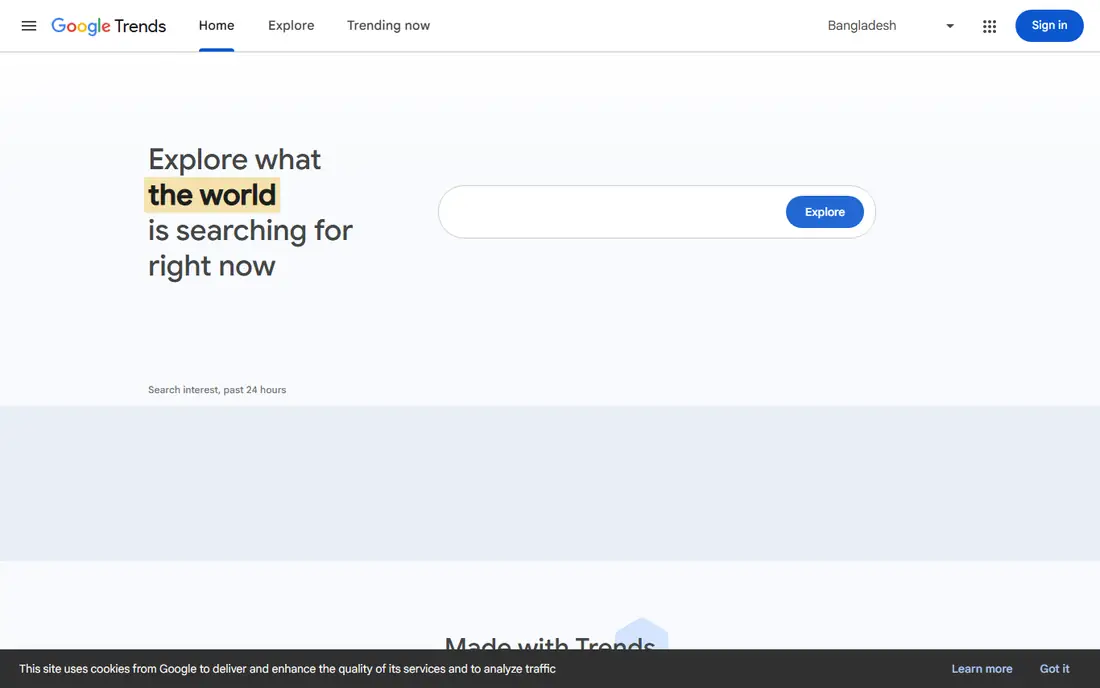
Google Trends answers a question no volume tool can: is this topic growing or fading? You see interest over time, broken down by region and related queries, and you can compare terms head to head. That makes it essential for seasonal planning and for spotting a rising niche before competitors do.
The numbers are relative (0 to 100), not absolute search counts, so Trends cannot tell you how many people search a term. Use it to time content and choose between similar topics, then confirm demand with Planner or Ubersuggest.
What we like- Completely free
- Shows interest over time and by region
- Compares up to five terms
Watch out for- Relative interest only, not absolute volume
- No difficulty or CPC data

#6Google Search Console
Best for: Keywords you already rank for4.7/5 on
G2 (513 reviews, checked Oct 2026)
Visit search.google.com
Starting priceFree
Free planYes
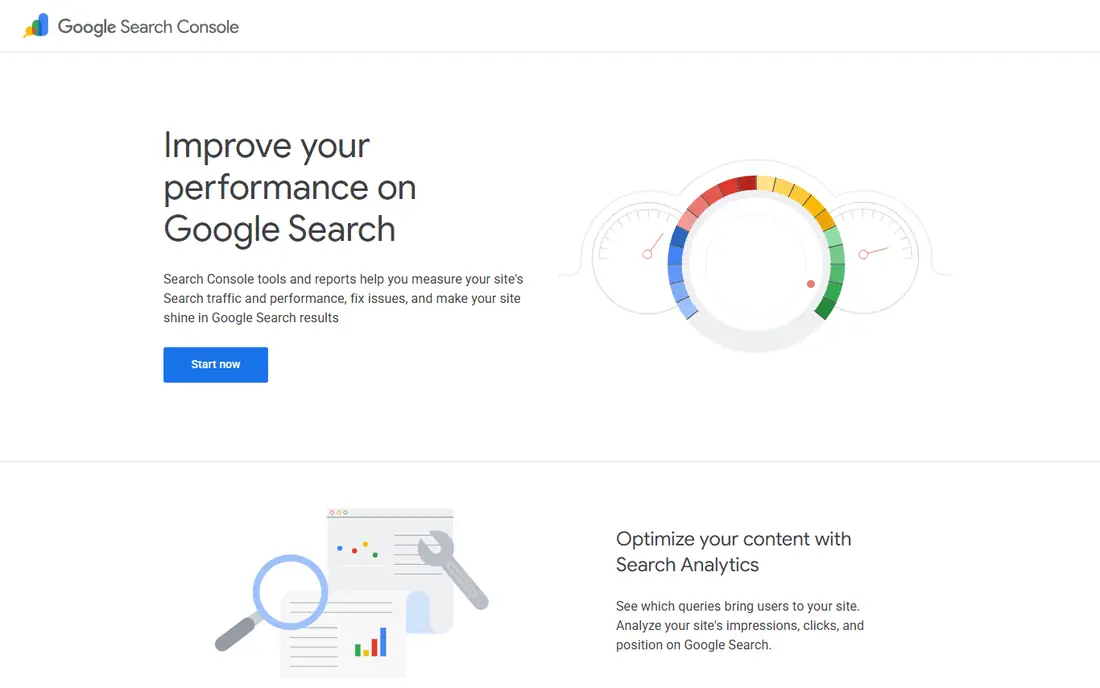
Search Console is the only tool here that shows what people actually typed before clicking your site. Its performance report lists queries, impressions, clicks, and average position, which reveals near-miss keywords: terms where you rank on page two and a better page could win the click.
The limit is scope. It only reports on properties you have verified, so it cannot research a market you have not entered yet. For an existing site, though, it is the highest-value free tool in this list, because its data is real rather than estimated.
Search Console also flags coverage problems, mobile usability issues, and Core Web Vitals trouble, which affect whether your pages can rank at all. A keyword list means little if your pages are not indexed or load poorly, so check the experience reports in the same session as your query report. Fixing one indexing error can matter more than finding ten new keywords. Review it monthly, because new queries keep appearing as your pages gain impressions, clicks, and rankings over time. Pair it with a keyword tool when you need fresh ideas, since Search Console only shows terms you already rank for.
What we like- Real query data from your own site
- Shows impressions, clicks, and position
- Free forever
Watch out for- Only works for sites you own
- Data is limited to 16 months in the interface
Starting priceFree
Free planYes
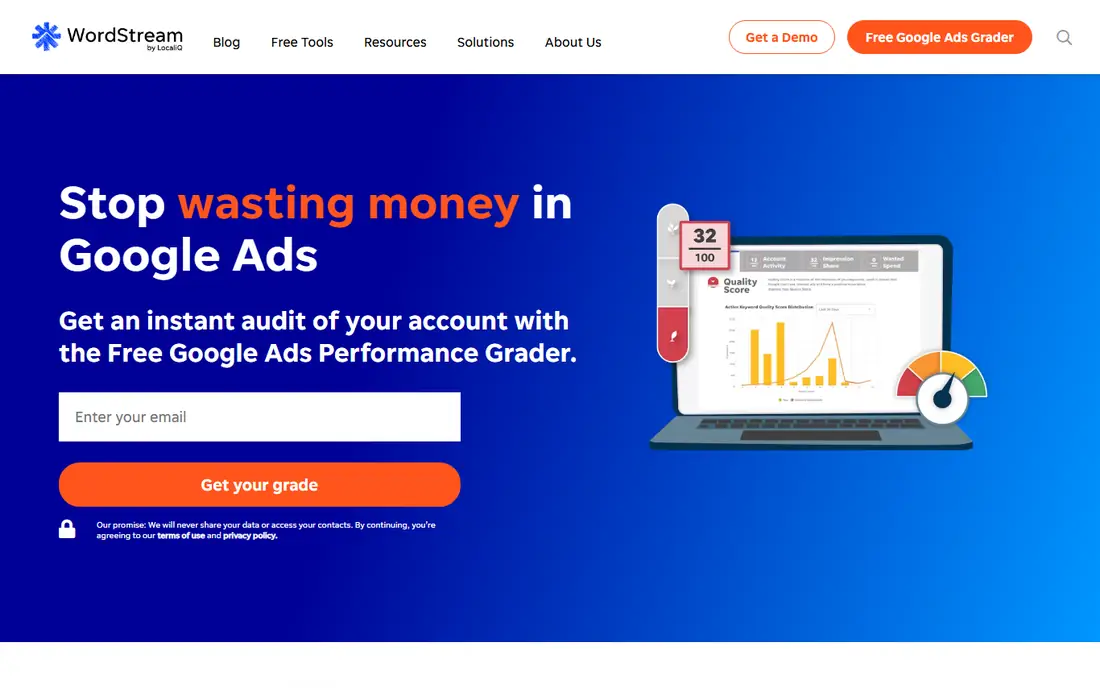
WordStream's free keyword tool takes a keyword or URL and returns hundreds of suggestions with volume and cost-per-click data, tailored by industry and location. It is quick, requires no account for basic use, and its CPC figures help advertisers judge commercial intent.
The tool is built for paid search thinking, so its suggestions skew commercial. For content planning, that is still useful: high-CPC terms usually signal strong buyer intent. WordStream itself now sits inside LocaliQ's marketing platform, but the free tool remains available on its homepage.
What we like- Hundreds of suggestions per search
- Volume and CPC data
- Industry and location filters
Watch out for- Geared toward advertisers
- Full platform is a paid LocaliQ product
- Exports limited

#8Keyword Tool
Best for: Long-tail autocomplete ideas4.5/5 on
G2 (19 reviews, checked Oct 2026)
Visit keywordtool.io
Starting priceFree
Free planYes
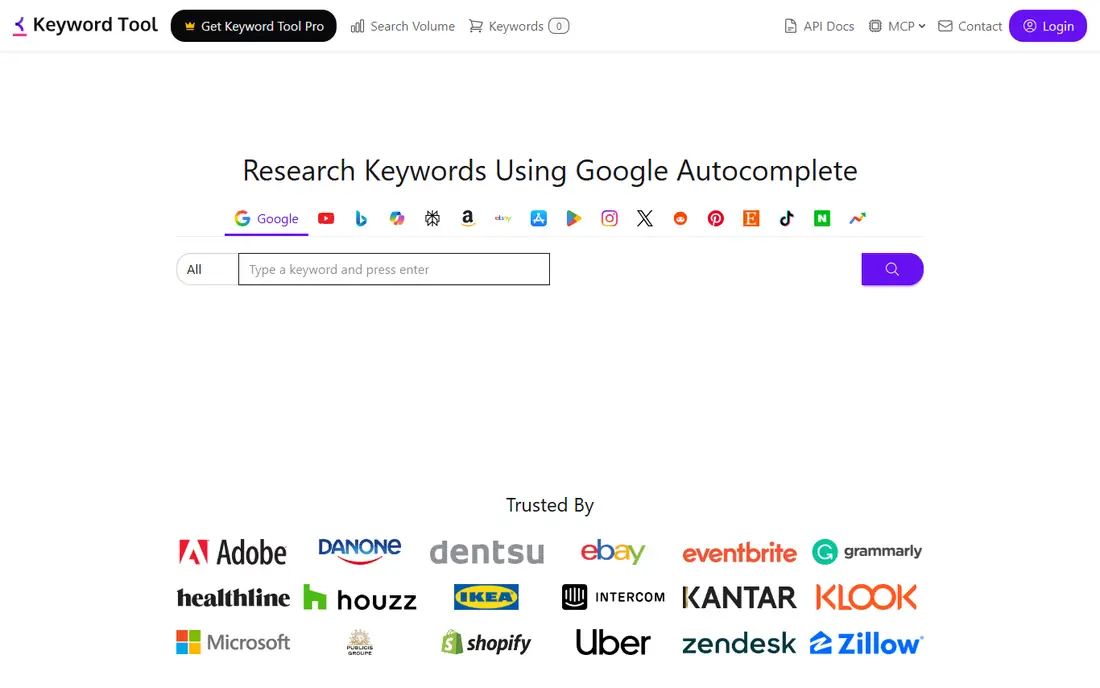
Keyword Tool mines autocomplete data: it takes your seed term, adds letters and numbers, and pulls the suggestions search engines actually offer. That produces long-tail phrases that volume tools often miss, across Google, YouTube, Amazon, eBay, app stores, and social platforms.
The free version shows suggestions and some volume data, while Pro adds full volume, CPC, and competition figures. Autocomplete ideas vary in quality, so expect to filter out odd or irrelevant phrases. For finding the exact wording real searchers use, it is one of the best free starting points.
What we like- Up to 750 suggestions free from autocomplete
- Covers Google, YouTube, Amazon, and more
- No account needed
Watch out for- Volume and CPC need the Pro plan
- Autocomplete ideas need filtering for relevance
How we chose
We compared vendor pages and current documentation, and opened each official homepage to confirm it loads and belongs to the named product. Keyword Surfer was removed during this check because its domain now loads a domain-auction page, not the tool, and it was replaced by Keyword Tool, whose homepage was verified. Prices reflect free tiers only; paid upgrades are noted in the text where relevant.
Build a free research workflow
No single free tool gives you everything, so stack them by question. Start with Keyword Planner for volume ranges and AnswerThePublic for questions, then check Trends to see whether interest is rising. Use Ahrefs or Ubersuggest for difficulty, and finish with Search Console once your pages are live to find the terms you nearly rank for.
Keep a simple spreadsheet: keyword, volume range, difficulty, intent, and the page you plan to target. Free tiers have daily limits, so batch your research into one or two sessions per week rather than dripping searches all day. And treat every volume figure as an estimate except Search Console data, which comes from your own site.
Revisit your list every quarter. Search demand shifts with seasons, news, and product launches, and a keyword that was quiet in January can spike by October. Trends makes that check fast: paste your top ten terms, compare their curves, and move content effort toward the ones climbing. A free workflow only works if you actually repeat it, so put the quarterly review on your calendar the same day you build the first list.
Frequently asked questions
What is the best completely free keyword tool?
Google Keyword Planner for volume data and Google Trends for timing, both free with a Google account. Ahrefs Free Keyword Generator is best for quick ideas without signing up.
Do free keyword tools show exact search volume?
Most show ranges or estimates. Keyword Planner shows broad ranges without ad spend, and other free tools estimate from their own data. Search Console is the only exact source, and only for your own site.
Why was Keyword Surfer not included?
Its domain now loads a domain-auction page instead of the tool, so it failed the homepage check and was replaced by Keyword Tool.
Can I do keyword research without paying for Ahrefs or Semrush?
Yes, for most small sites. Planner, Trends, Search Console, and the free tiers of Ubersuggest, AnswerThePublic, and Keyword Tool cover volume, questions, timing, and your own rankings.
How many keywords should I target per page?
One primary keyword and a handful of closely related phrases. Free tools help you find those variants, but stuffing a page with dozens of terms hurts readability and rankings.
What is keyword difficulty, and should I trust it?
Difficulty estimates how hard it is to rank for a term, based on the strength of current top pages. Treat it as a rough guide: a new site should favor lower-difficulty terms, but real competition depends on your content quality and authority.
Sources we checked (8)
- https://ads.google.com
- https://ahrefs.com
- https://neilpatel.com/ubersuggest/
- https://answerthepublic.com
- https://trends.google.com
- https://search.google.com/search-console
- https://www.wordstream.com
- https://keywordtool.io
Is your product missing or out of date?
We review this list regularly. Vendors can request a listing, send updated pricing or ask about featured placement.

Shihab Mia · Founder, Rankite
Shihab has 5+ years in B2B and SaaS SEO. He writes Rankite's software buying guides from pricing pages, documentation and public user reviews. More about Shihab.
 Google Keyword Planner
 AnswerThePublic
 Google Trends
 WordStream Free Keyword Tool